
Manufacturing capability in Australia’s medtech sector and the role of AI in strengthening sovereign manufacturing were in focus at a recent ARM Hub BioBriefing in Brisbane, where industry leaders, investors and manufacturers gathered to discuss pathways to commercialisation and growth.
The event, hosted at ARM Hub’s Northgate facility in partnership with AusBiotech, examined how Australia can better translate research and development into scalable manufacturing outcomes, particularly in medical technology.
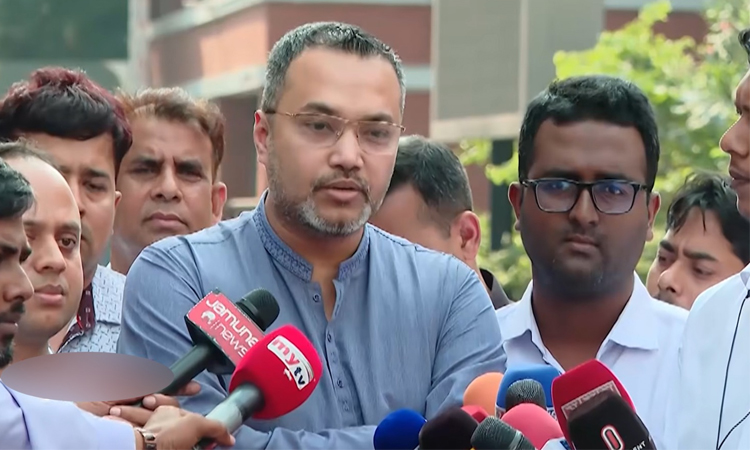
ARM Hub Chief Commercial Officer Samuel Jesuadian said Australia was at a turning point for manufacturing policy and capability.
“Australia is facing a critical moment,” Jesuadian said. “Federal policy is shifting decisively towards urban manufacturing, and Queensland is at the right stage to prove that these capabilities already exist here.”
ARM Hub CEO Professor Cori Stewart said the organisation’s focus is on strengthening the link between innovation and manufacturing outcomes.
“We really want to take great ideas and R&D and pull them through that commercial pathway and make sure they’re commercially competitive. That’s why ARM Hub exists,” Stewart said.
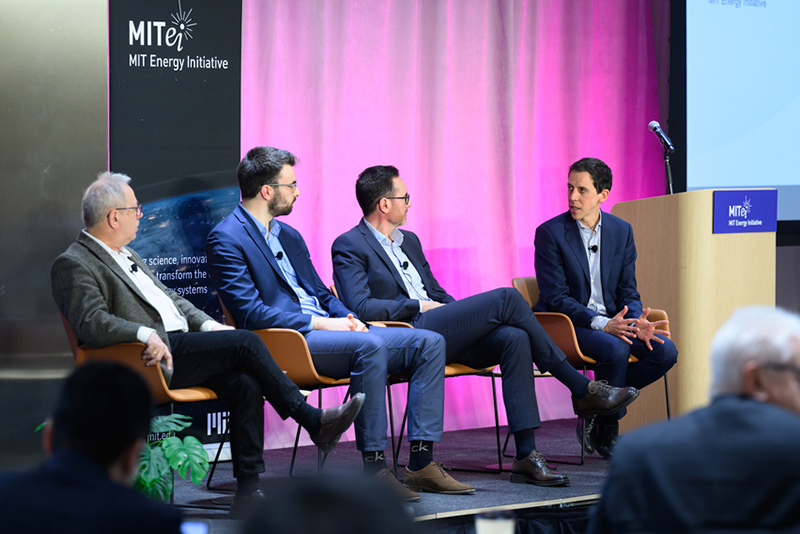
A panel discussion featuring representatives from Cook Medical, The Endgame, and the Brisbane Economic Development Agency examined barriers to commercialisation in manufacturing, particularly for medtech companies seeking global capital.
Lisa Cavallaro of the Brisbane Economic Development Agency said supporting scale-up was essential to retaining innovation in Australia’s manufacturing pipeline.
“We are unapologetically supporting companies, a lot of which are medical device companies, to find that capital globally to ensure that innovation doesn’t die on the vine,” Cavallaro said.
Discussion also centred on artificial intelligence and its practical application in manufacturing. Stewart said the sector needed a clearer problem-first approach.
“It shouldn’t be your board saying, ‘What’s your AI strategy?’ It should be: ‘What’s the business challenge you need to solve using AI?’” she said.
She noted ARM Hub’s Data and AI-as-a-Service model is designed to support manufacturers in adopting AI without requiring in-house technical teams, aiming to reduce barriers to uptake in advanced manufacturing.
Cavallaro also highlighted Queensland’s position in health and manufacturing investment, pointing to projected growth linked to major infrastructure development.
“With our pedigree of the R&D tax incentive and our regulatory frameworks, Australia is well-positioned. We’re sixth globally for phase one and two clinical trials, and that puts us on the map,” she said.
The briefing also underscored the importance of collaboration across the manufacturing ecosystem.
Hayley van der Meer, Director of Membership Services and Strategic Partnerships at AusBiotech, said sector progress depends on connected effort.
“Breakthroughs in our sector don’t happen in isolation. They certainly come from very strong connections. No single organisation can clearly take a product from the lab bench to bedside alone,” she said.
ARM Hub, one of four government-backed AI Adopt Centres in Australia, said the BioBriefing forms part of its broader effort to support SMEs in adopting robotics, AI and advanced technologies to strengthen local manufacturing capability.