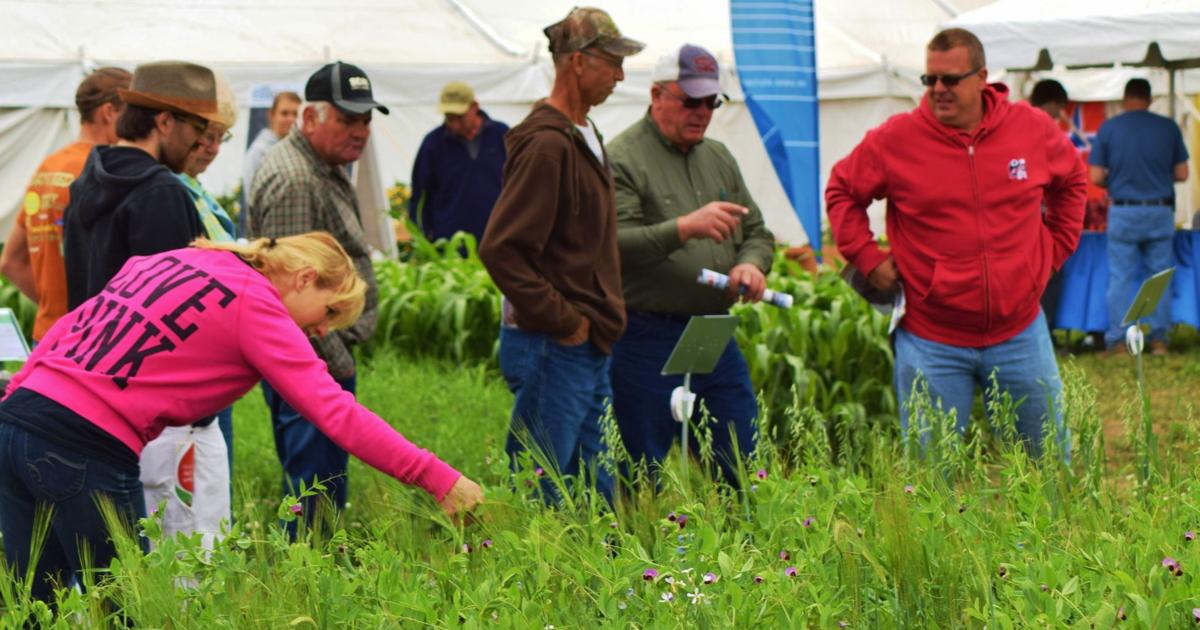

Fieldays 2026 is being held from from 10-13 June at Mystery Creek, near Hamilton.
Photo: RNZ/Nick Monro
Thousands of people are flocking to Hamilton’s Mystery Creek this week for the largest agricultural event in the Southern Hemisphere, during a boom for farming sectors like dairy, beef and sheep.
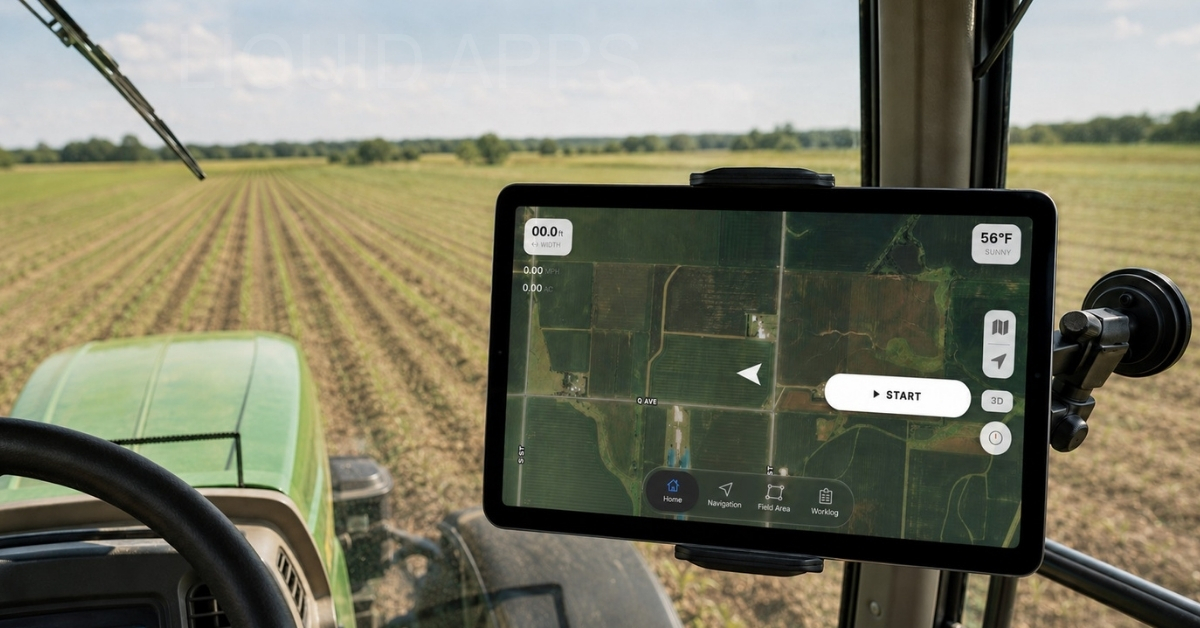
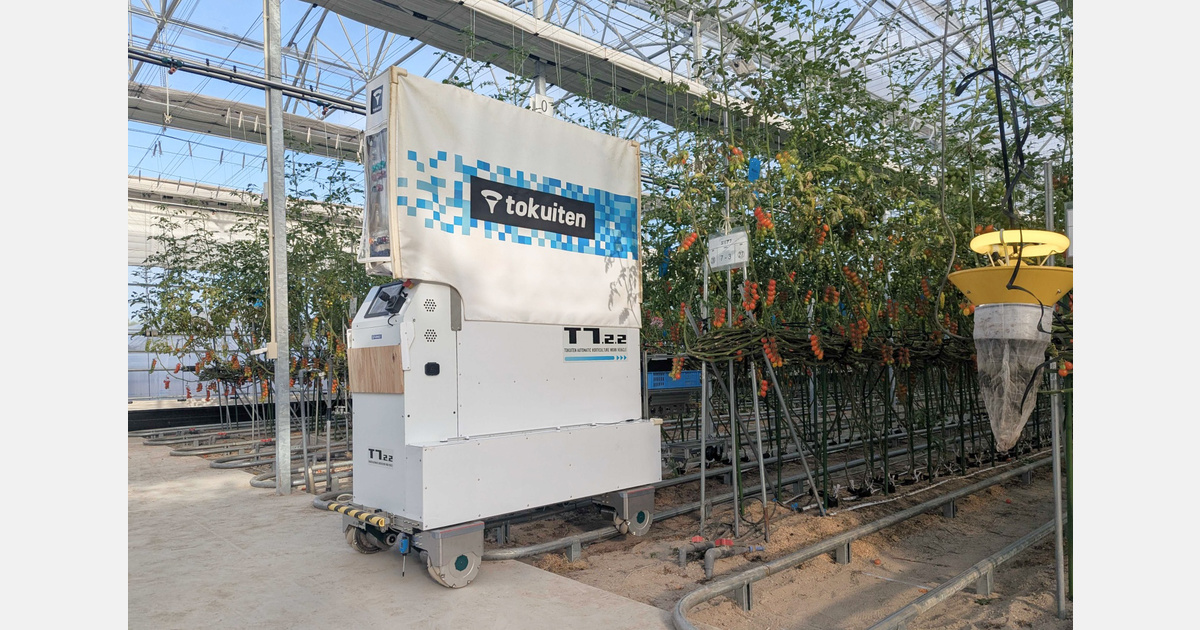
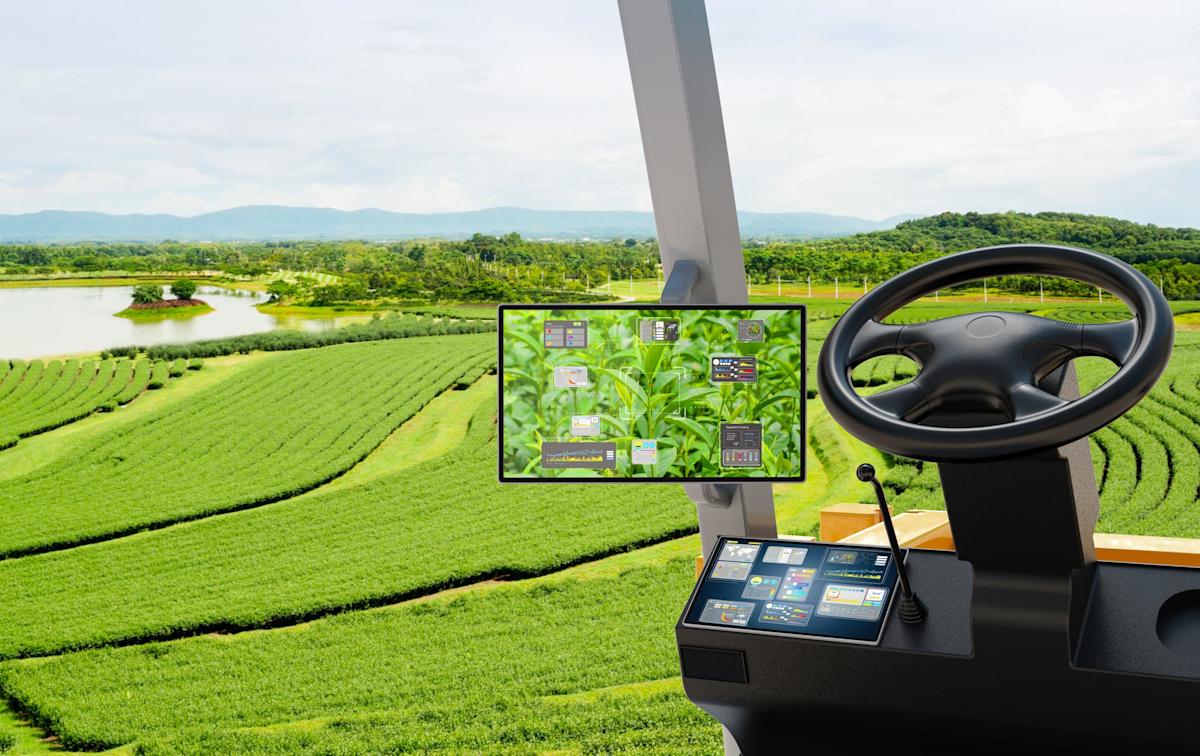
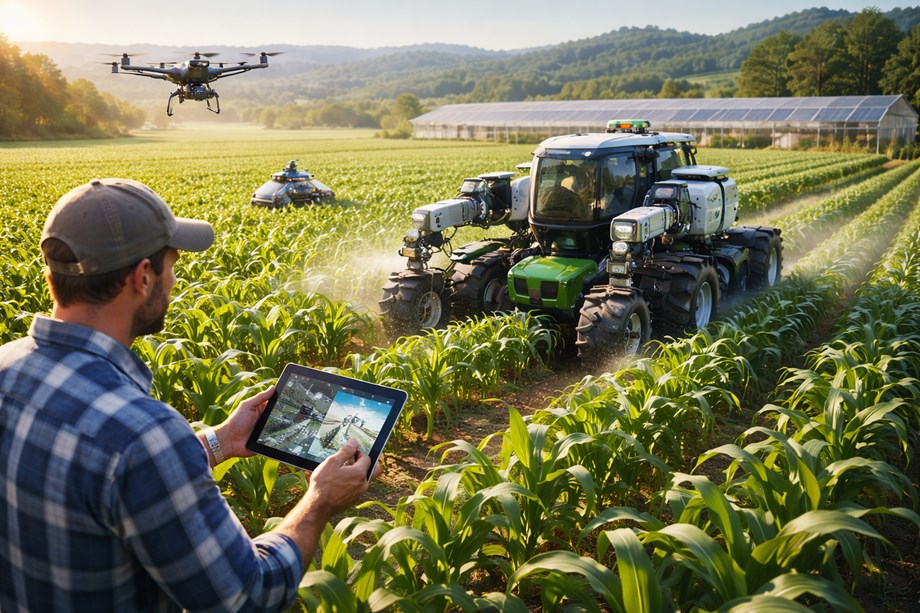
On Wednesday, crowds piled into the sold-out venue to peruse the 1100 exhibitors and vendors showcasing farm products ranging from combine harvesters to high-tech drones.
Last year, the four-day event attracted [https://www.rnz.co.nz/news/country/563733/more-than-100-000-expected-at-fieldays-as-agricultural-sector-booms more than 110,000 visitors.
Many use it as an opportunity to get off their farms, enjoy the sun and browse some of the top agricultural machinery, innovations and retail on offer.
However, high farm input costs like fuel and fertiliser were on the minds of many.
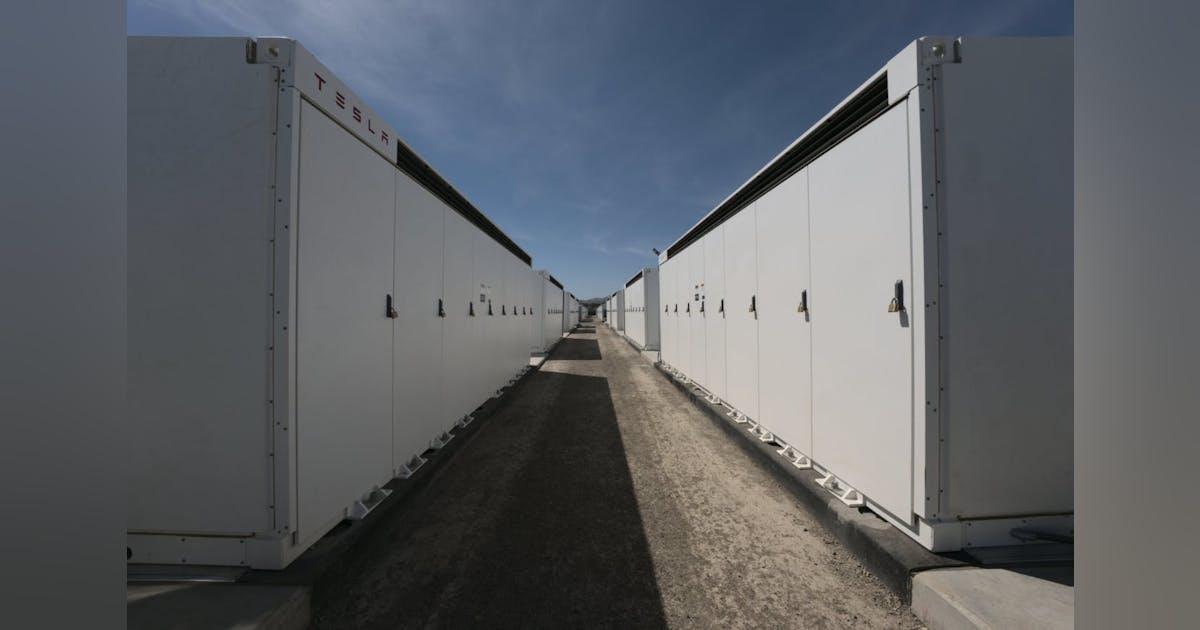
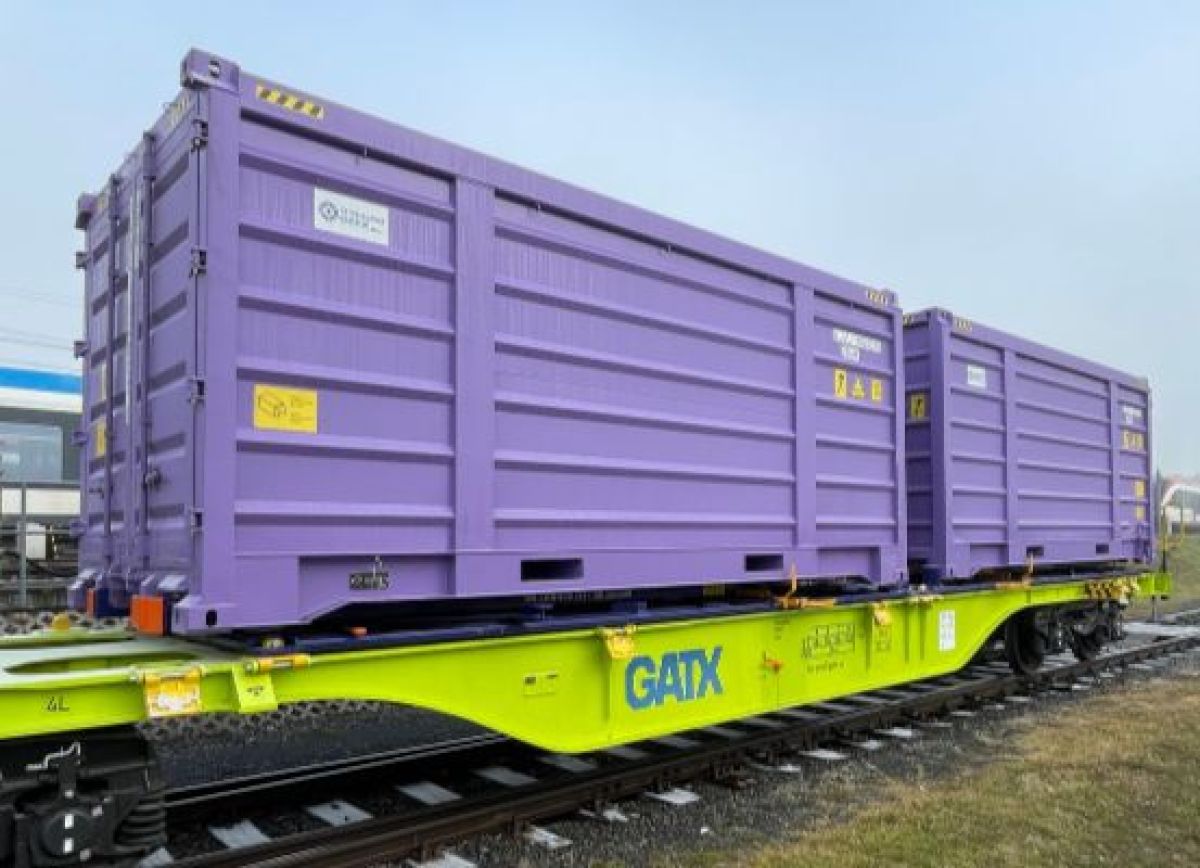
Wairarapa sheep farmer Phil Sutherland also runs a self-storage business, so was off to see the container sites.
He said he enjoys seeing new technologies on offer at the event.
“I love the innovation and just the general commerce side of things,” he said.
“There’s always ideas you can pick up when you come to places like this. And especially, this is the biggest in New Zealand, so you might as well come here.”
Dry stock farmer Barry Loveridge of Waikaretu, west of Huntly, said he comes to Fieldays most years.
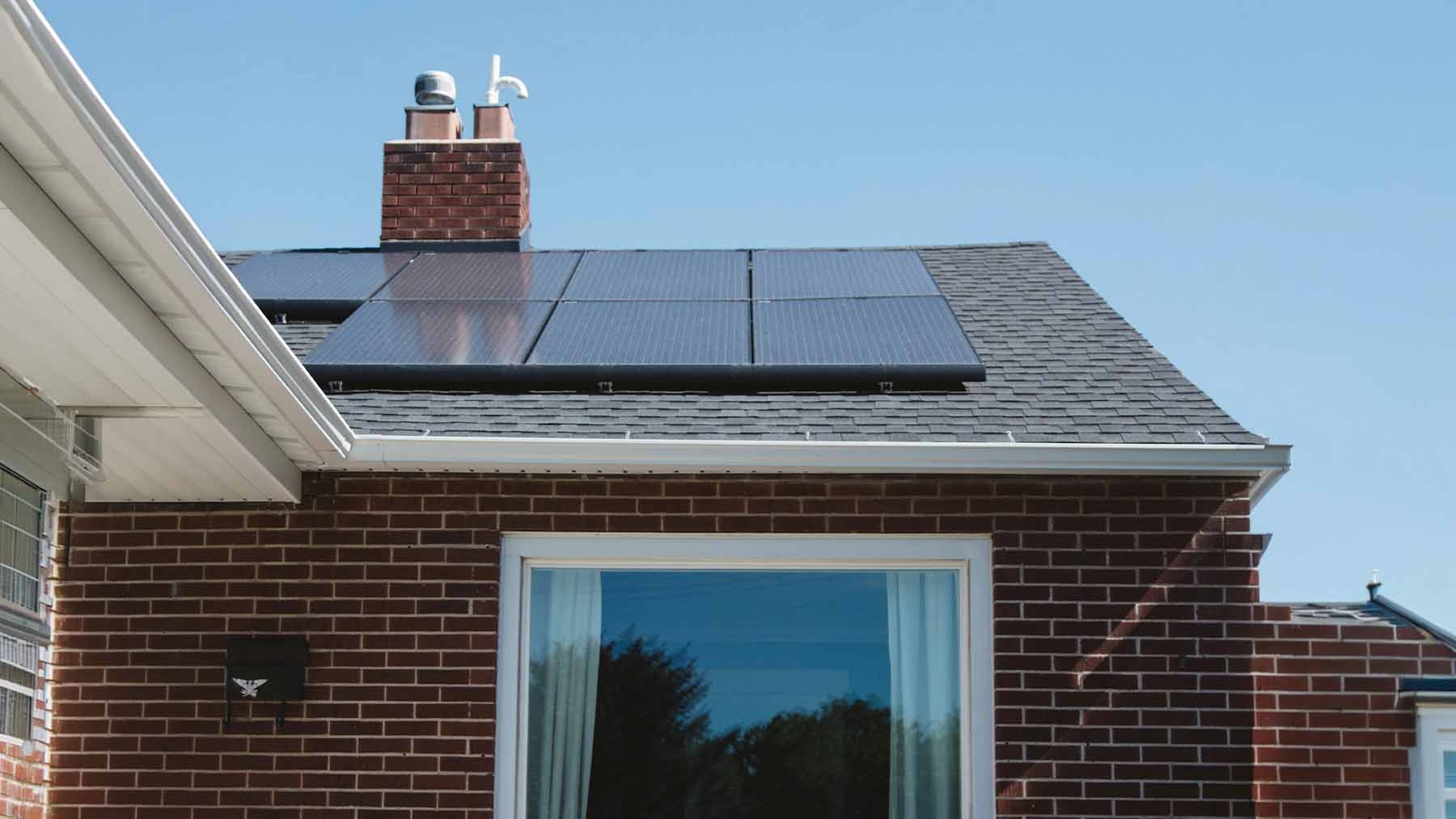
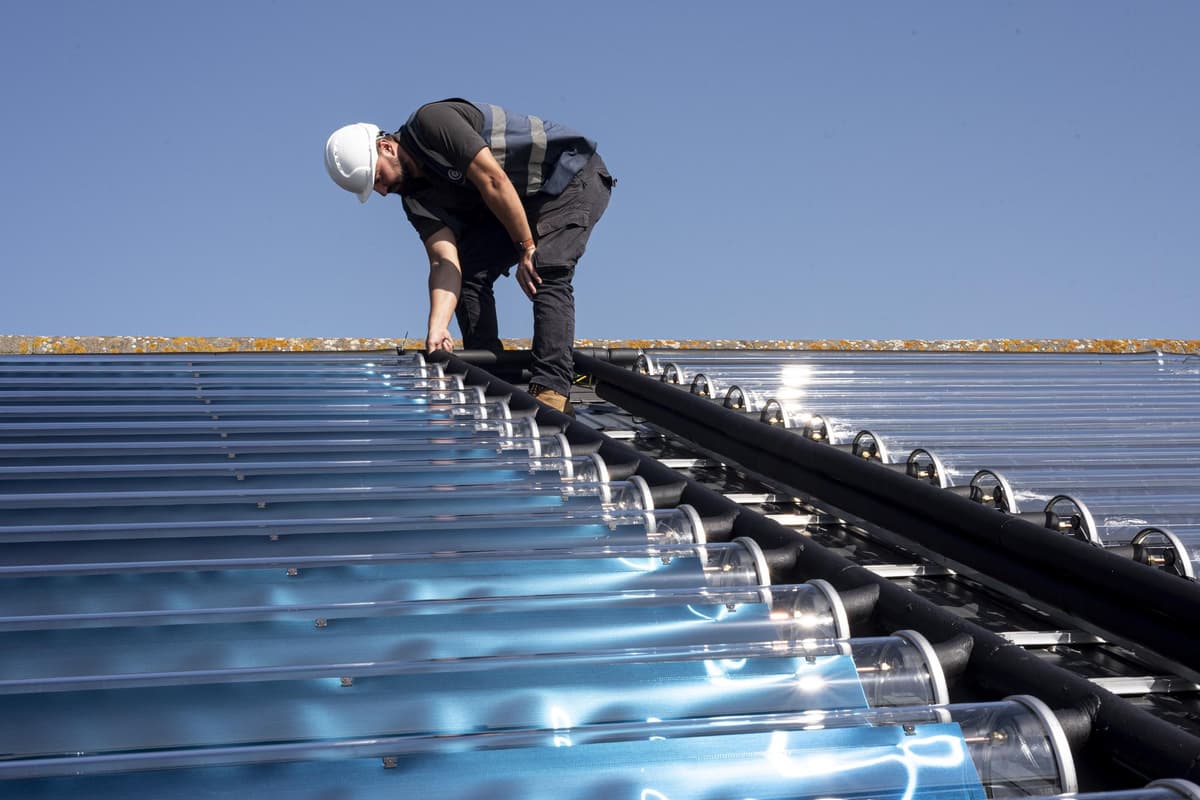
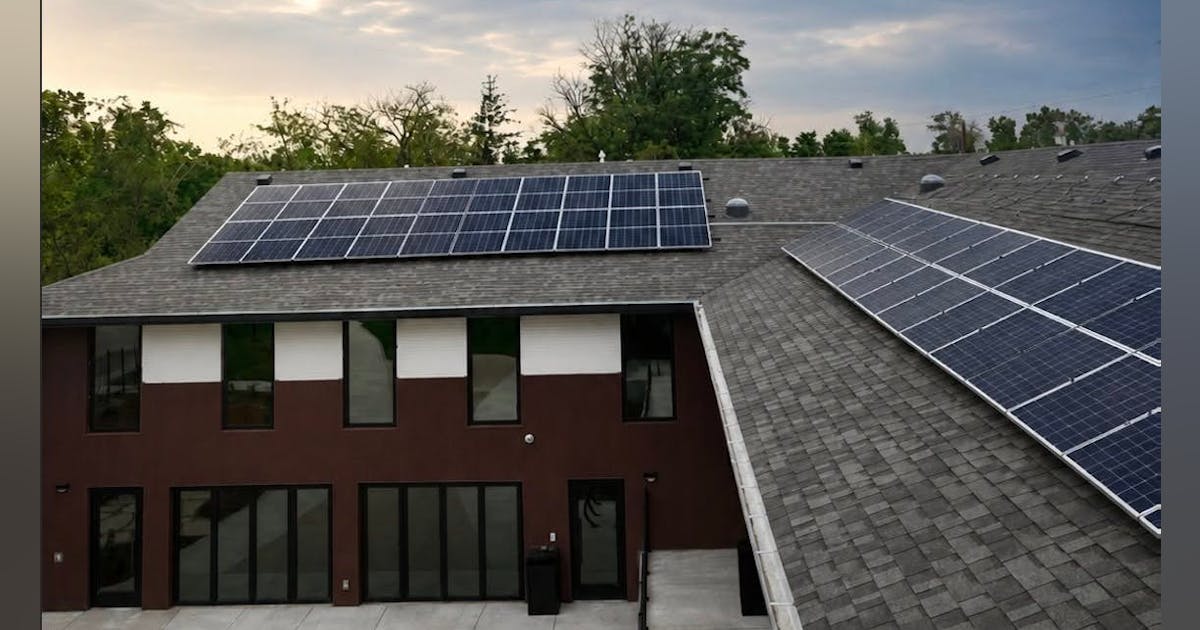
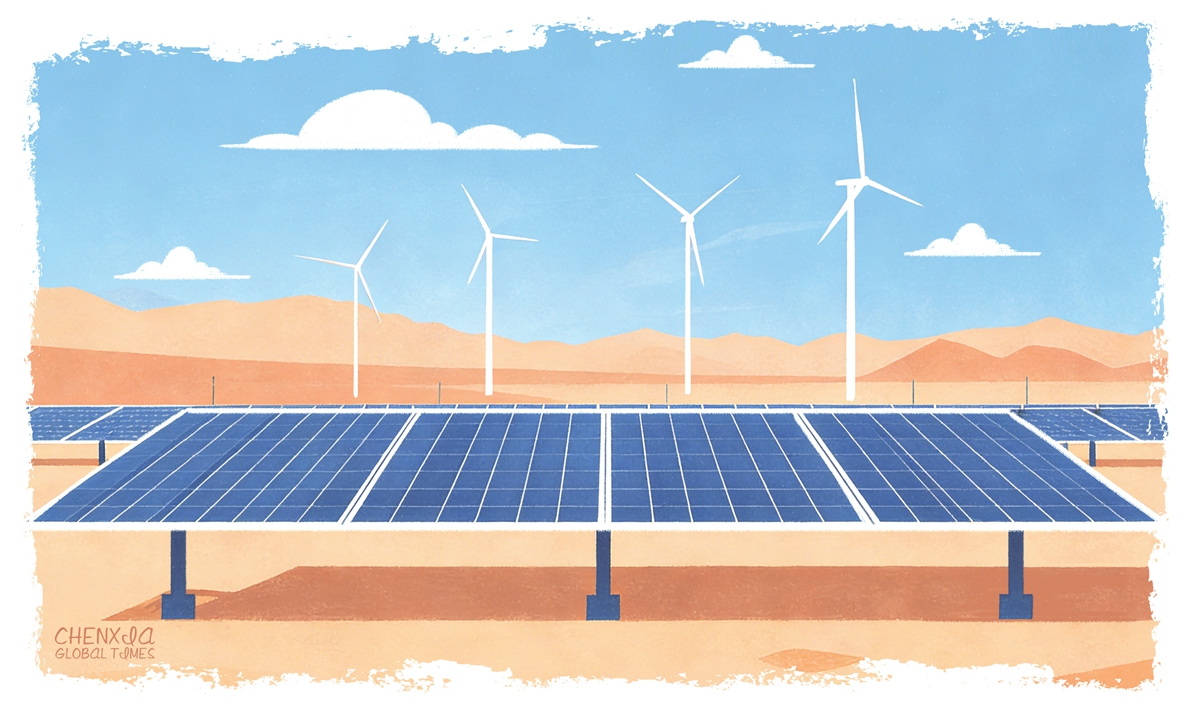
This year, he had his eyes set on a new pair of boots and was exploring solar energy systems too.
“Solar energy… I think it’s the thing of the future. We can’t rely on fossil fuels for much longer,” he said.
He described the current fuel prices as “frightening”.

Fieldays 2026 has more than 1100 exhibitions.
Photo: RNZ/Nick Monro
Anita Nichol, who runs a 320-acre beef farm in Pukekawa, west of Meremere, also said her family is feeling the pinch of the high cost of living and farm input costs.
“We’re still finding things quite tricky. The pocket’s not quite as loose as it would like to be, especially with food and everything like that. Even though we have our own beef, of course,” she said.
“It’s not as easy as everybody seems to want it to be, but mainly at the moment because of the fuel”.
However, she expected the situation would “come right” with time.
With a birthday looming, Nichol said she was looking for a present her husband could buy her – as well as a new farm ute.
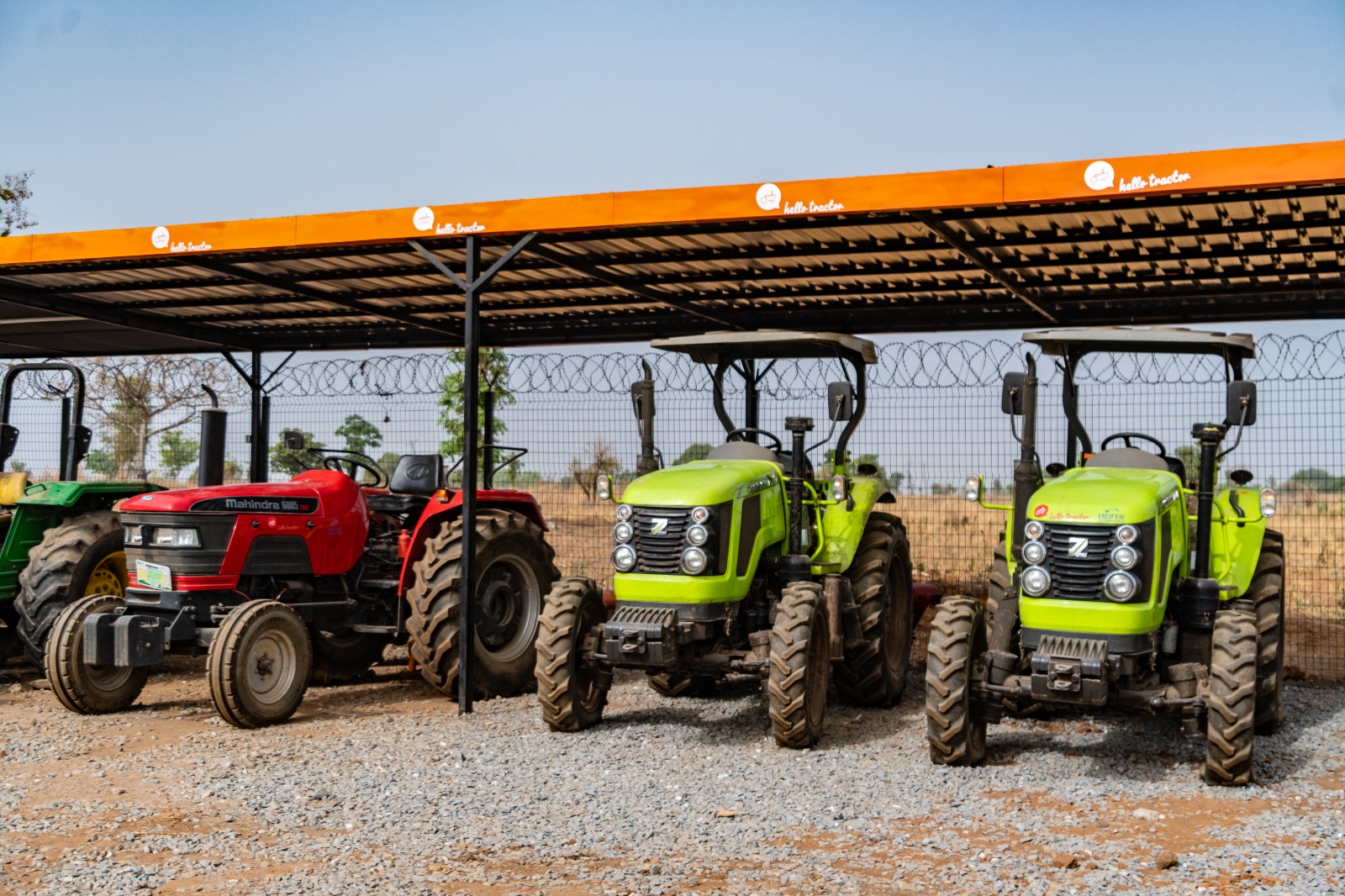
Contract milkers Sam Kalma and his partner Jade, from Ngarua near Matamata, were perusing the “big tractors” with new baby George, but trying to be frugal.
“Have a look around is the plan,” said Kalma.
“It’s been a good season on the farm… [so] just to see what innovations and stuff are around.”

Farm vehicles on sale at Fieldays can sell for $1 million each.
Photo: RNZ/Nick Monro
Retired truck driver Paul Steiner of Te Awamutu said he felt encouraged by the current success of dairy – which was flowing through – as well as Waikato’s predicted sunny weather over coming days.
We asked what brought him to the event this year.
“Mainly the weather. And what a great day, what a great exhibition.
“Unfortunately, I’m not here to buy a tractor. But just to look… spend a couple of dollars. Something for the wife.”
The National Fieldays event will run at Mystery Creek from Wednesday into the final day on Saturday.
Sign up for Ngā Pitopito Kōrero, a daily newsletter curated by our editors and delivered straight to your inbox every weekday.