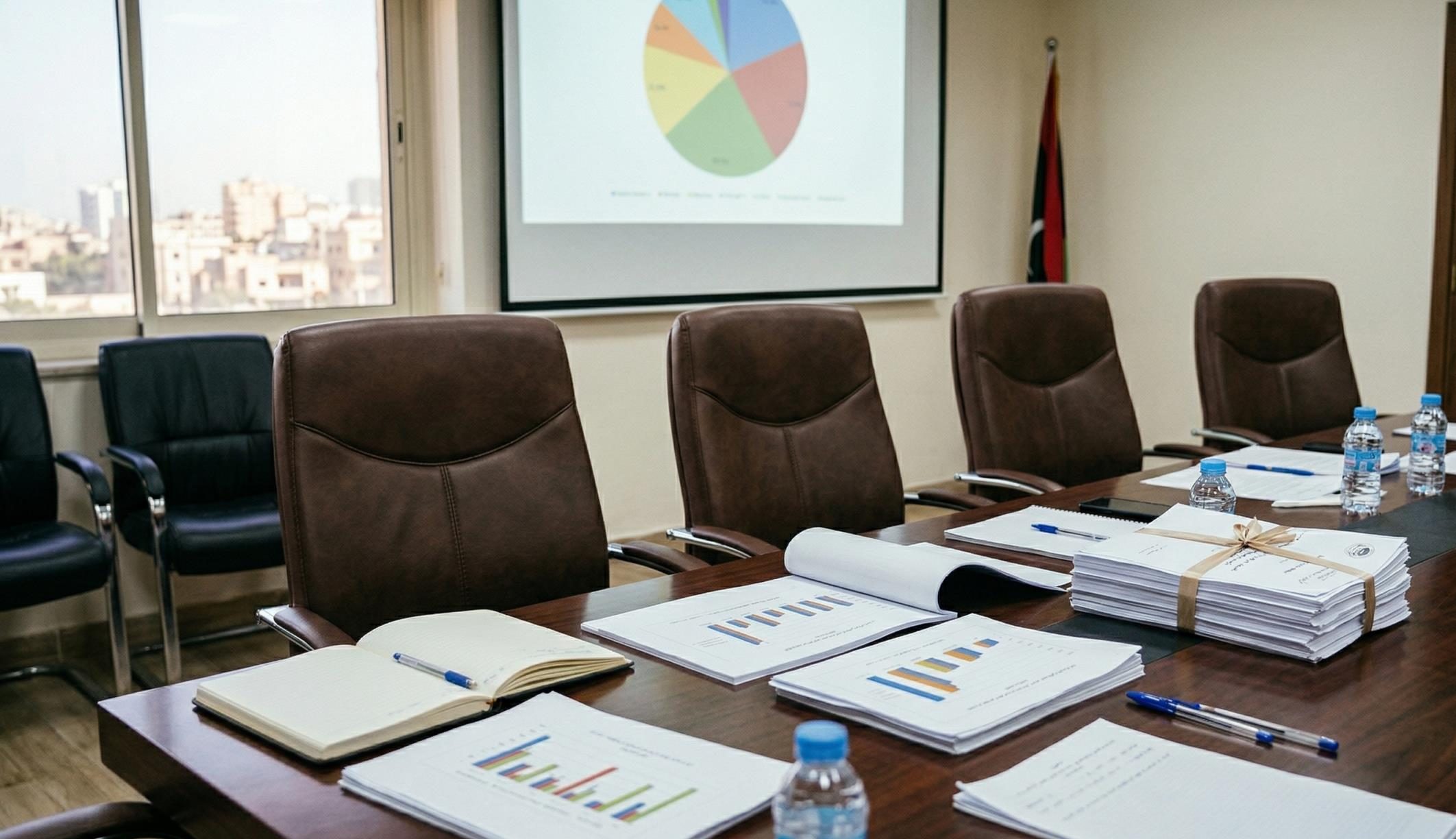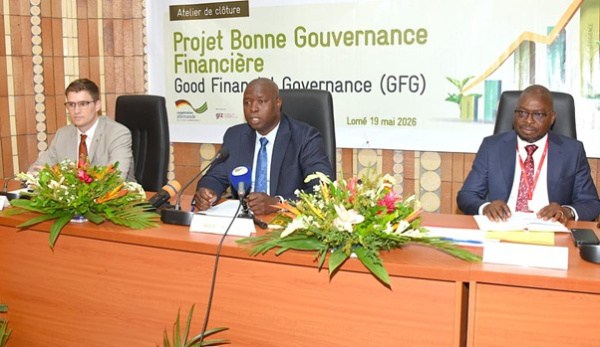
(Togo First) – Togo’s Good Financial Governance (GFG) project has ended after four years of implementation, with officials presenting its results at a closing ceremony held in Lome on Tuesday, May 19, 2026.
Funded by Germany’s Federal Ministry for Economic Cooperation and Development (BMZ) with 9.5 million euros ($10.7 million), or more than 6.23 billion CFA francs, and implemented by Deutsche Gesellschaft für Internationale Zusammenarbeit (GIZ), the project helped improve public financial management in Togo.
According to project coordinators, the initiative strengthened oversight of public sector reforms, improved coordination between planning, budgeting, implementation and evaluation processes, and supported domestic revenue collection efforts.
The program also contributed to modernizing public finance oversight systems, strengthening fiscal sustainability and improving the state’s financial independence. Internal and external oversight institutions received additional support aimed at improving their operational effectiveness.
The reforms are part of the German-Togolese reform partnership signed in July 2021 and support Sustainable Development Goal 16, which promotes effective, accountable and transparent institutions. The initiative also aligns with the third pillar of the Togolese government’s roadmap, focused on modernizing the country and strengthening state institutions.
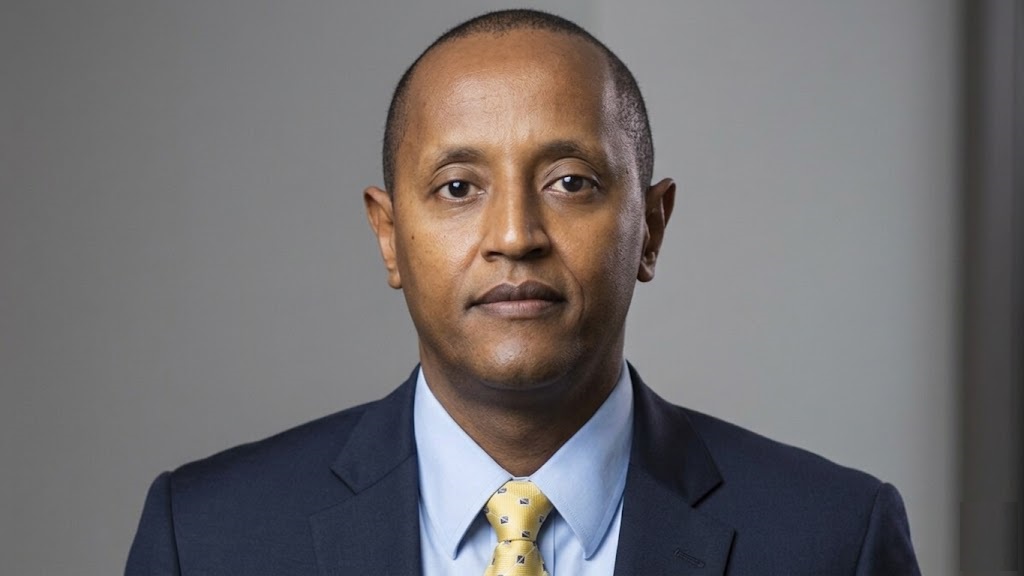
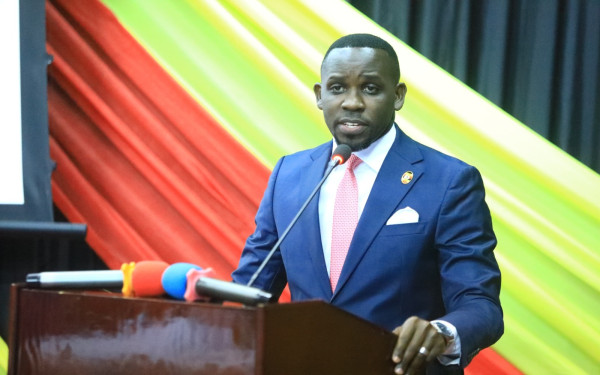
“The GFG project has enabled Togo to build a more efficient, transparent and inclusive reform monitoring system, while strengthening revenue collection and tax fairness,” said Bawenao Adjoke, the project’s team leader.
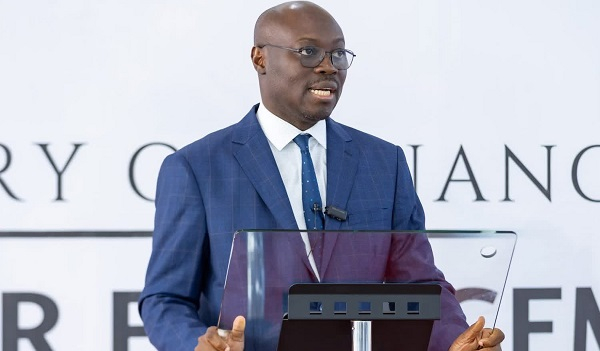
Stephane Akaya, secretary-general of the Ministry of Finance and Budget, said the reforms went beyond technical adjustments.
“The results achieved show that public finance reforms are a key driver of state transformation,” he said.
Authorities are considering a follow-up phase focused on integrated territorial development. The new phase is expected to support sustainable and inclusive local development, particularly in the Savanes and Kara regions, while strengthening local financial governance and boosting regional economic attractiveness.
Esaïe Edoh