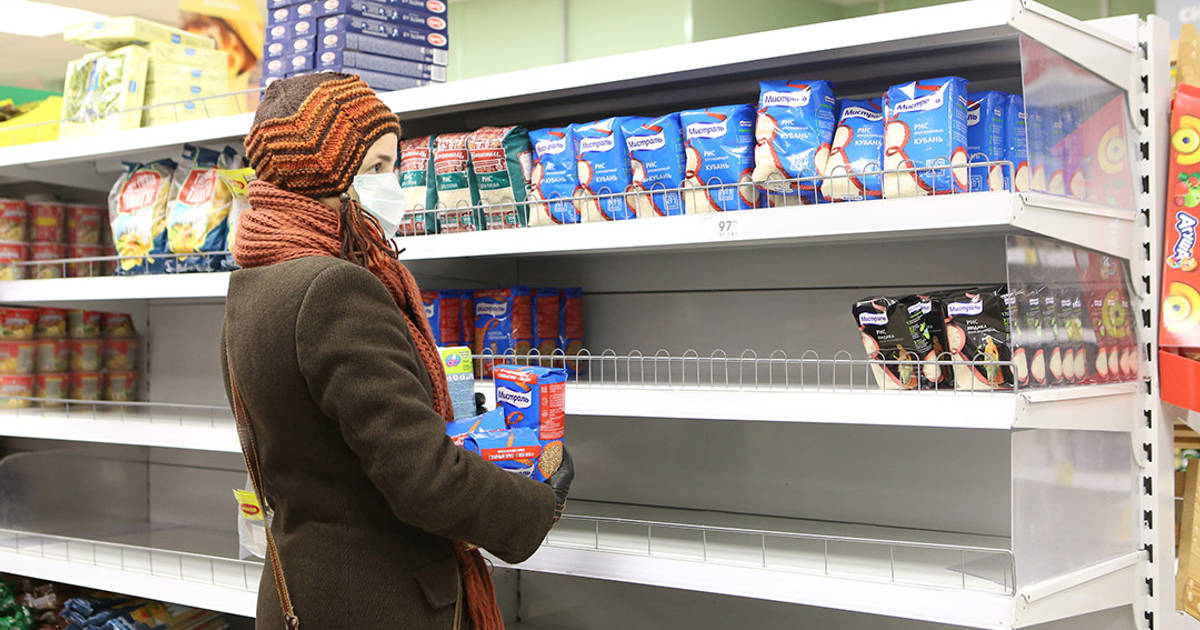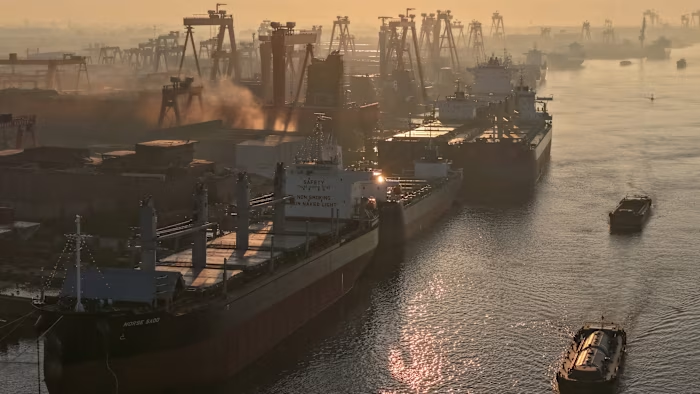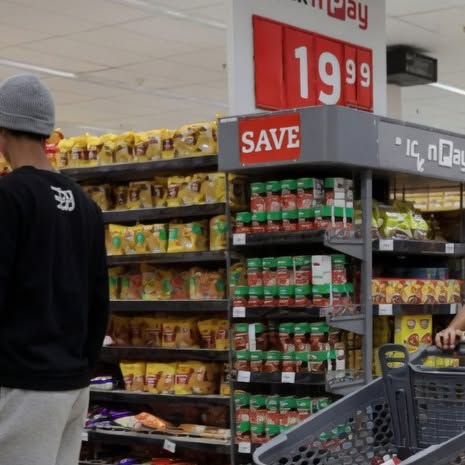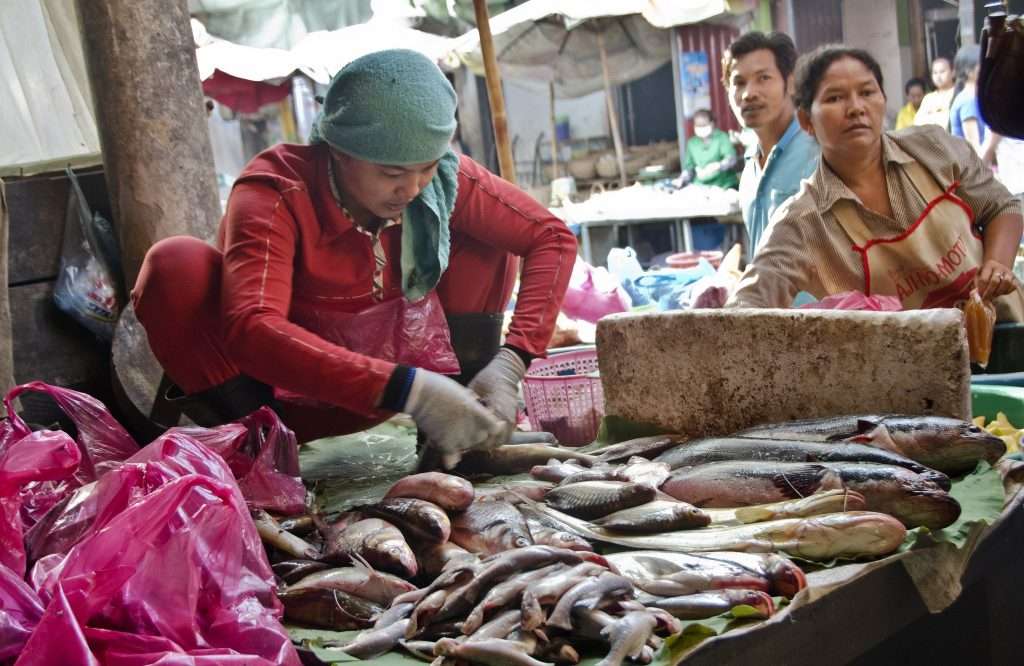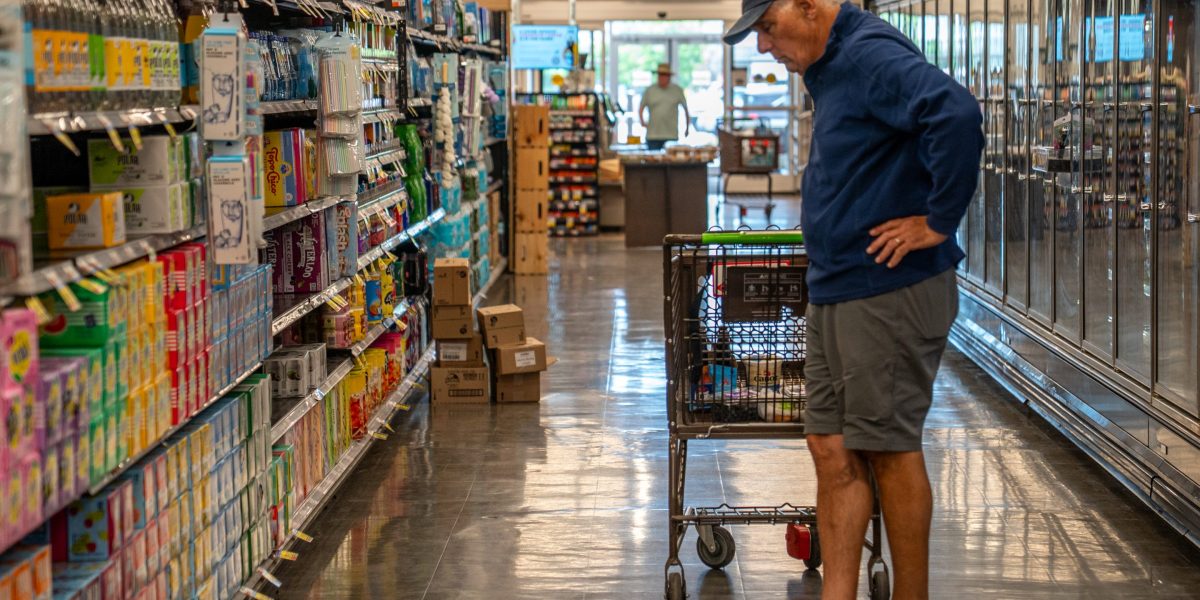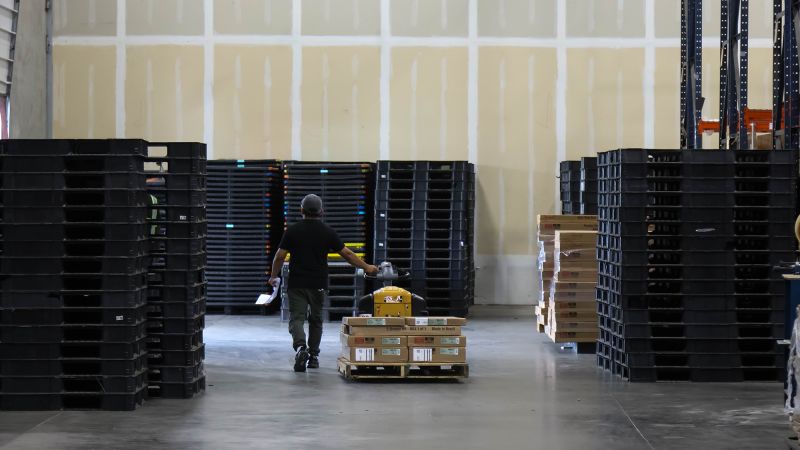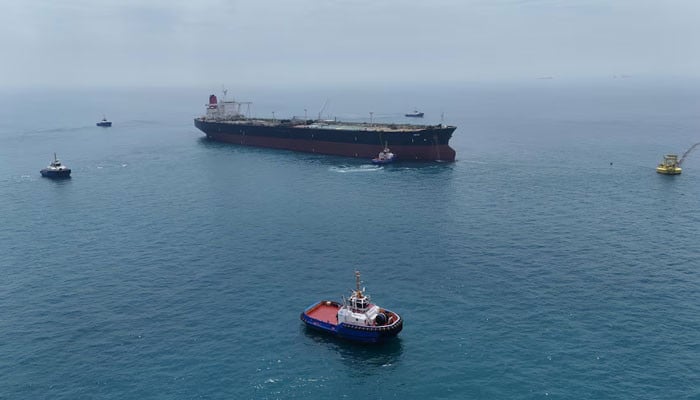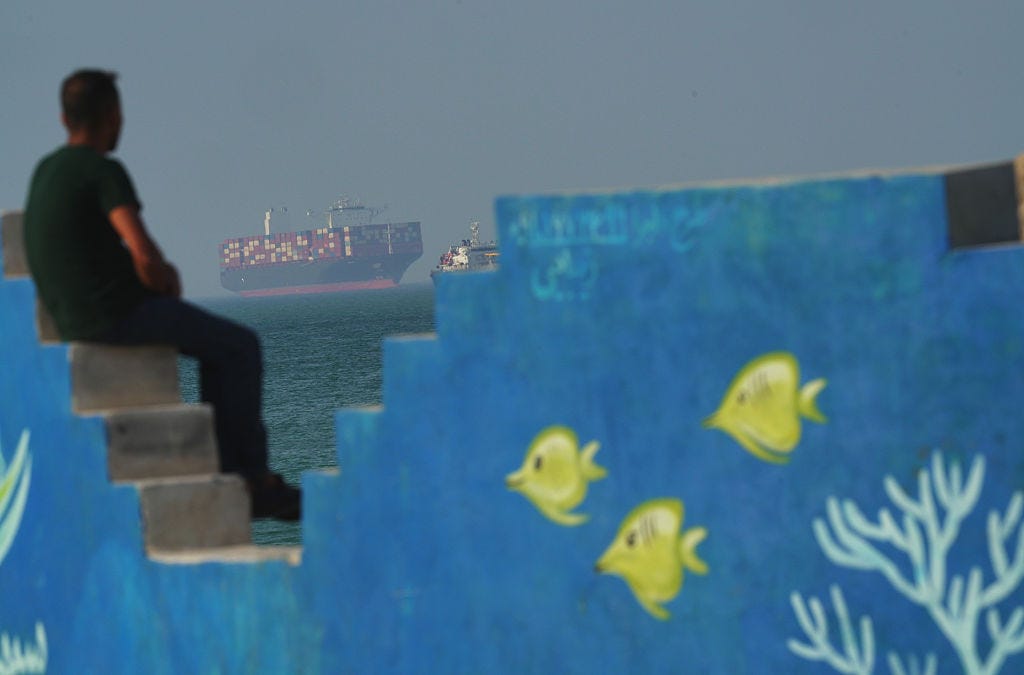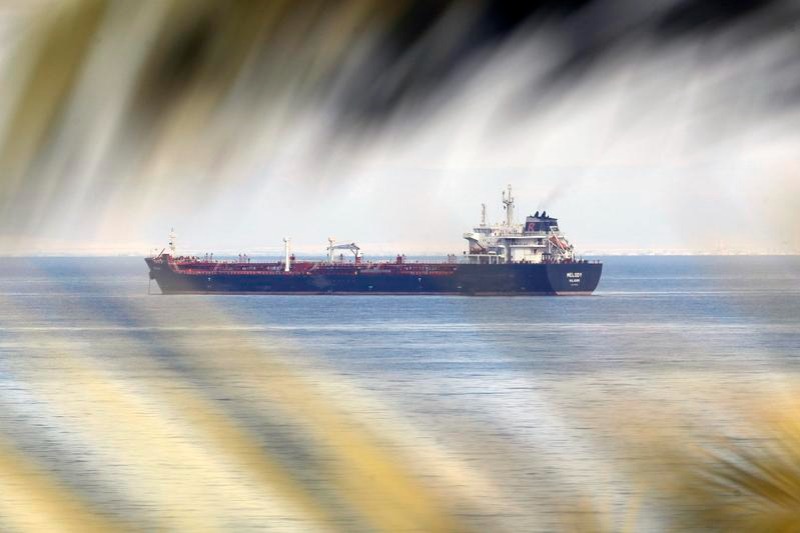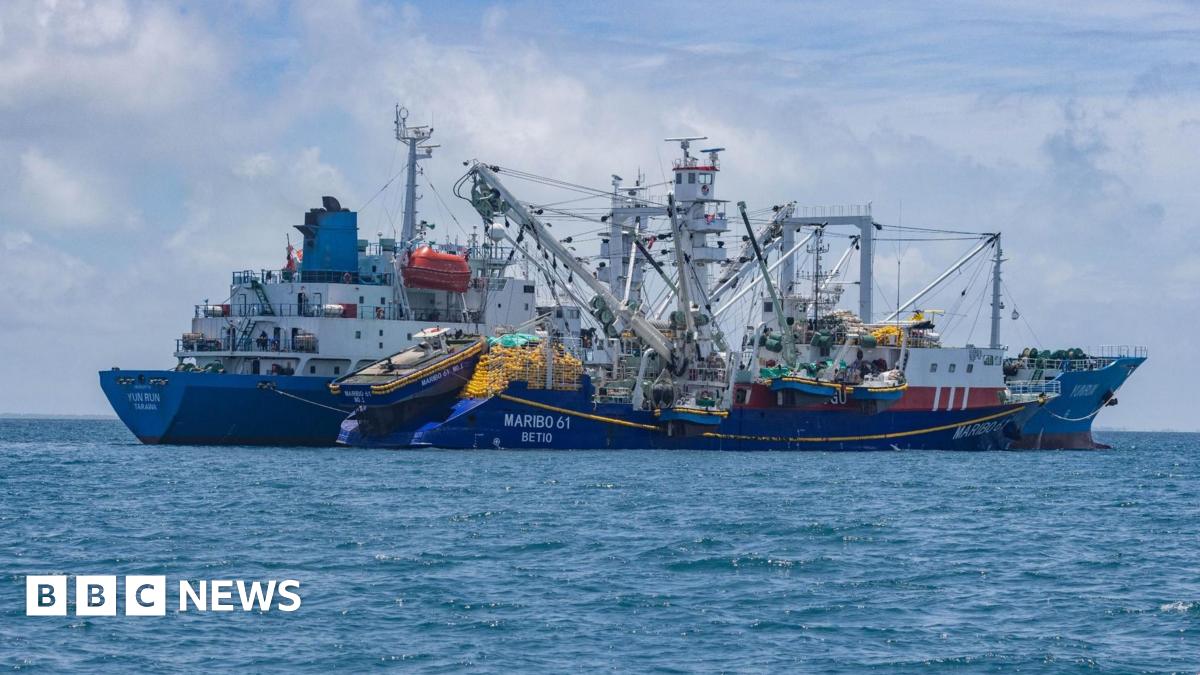
“Next time you go into the supermarket and you look at the cans of tuna, five-and-a half cans out of 10 stacked up are coming from the Western Central Pacific Ocean [including Kiribati],” says Simon Diffey. He is a fisheries specialist with more than 30 years of experience covering Kiribati.
Diffey says the two biggest players in the region are Kiribati and Papua New Guinea. But while Papua New Guinea has the landmass and physical resources to diversify its economy, Kiribati does not.
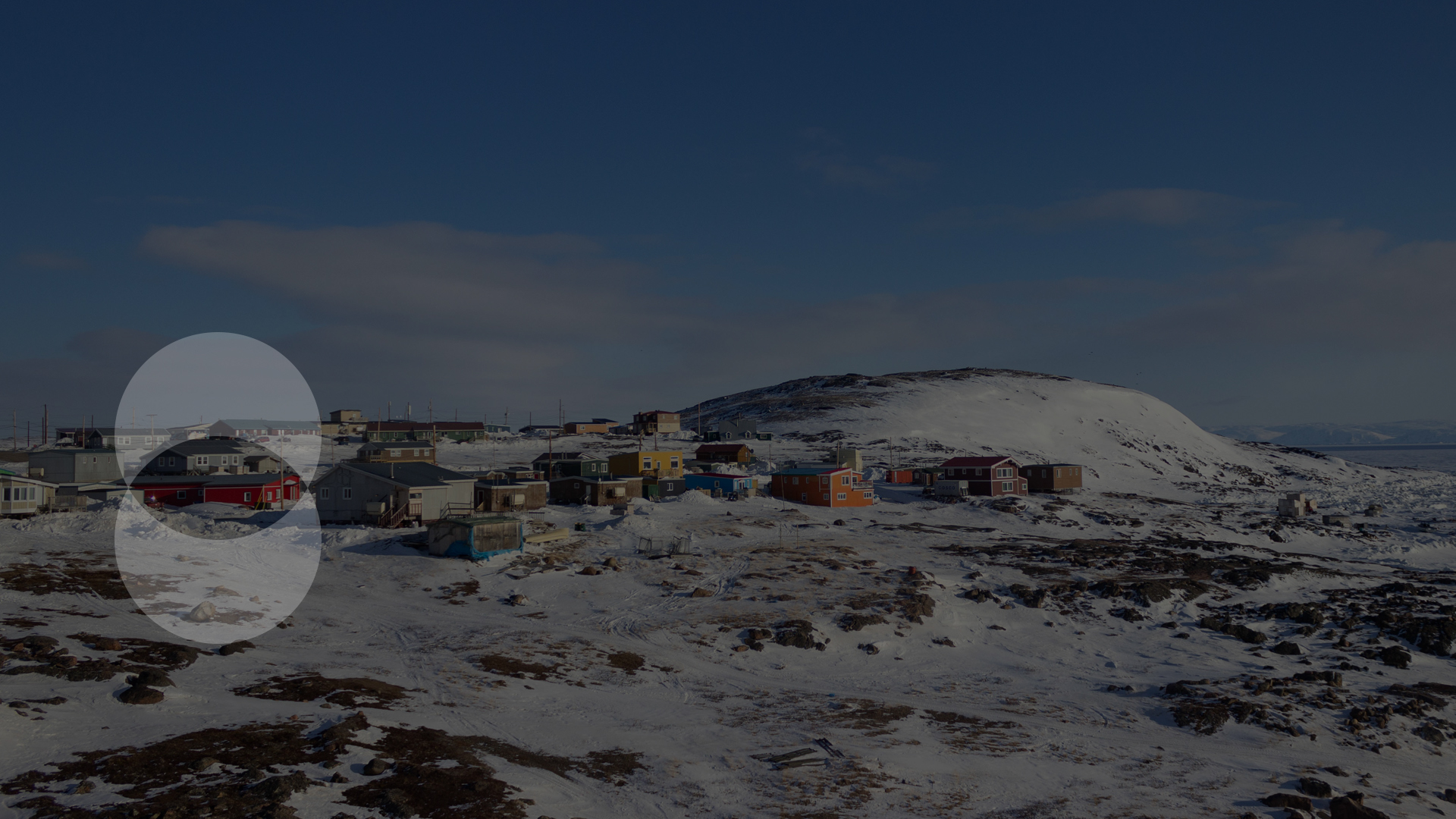
“The highest point above sea level in Kiribati – unless you climb a coconut tree – is two metres. No water, no land, no resources other than fish.”
Tuna react to small changes in water temperature to within a tenth of a degree of celsius, adds Diffey. As the surface water temperature rises in the Pacific Ocean, the tuna will migrate to cooler areas.
Numerous studies say that in the Pacific this migration will be eastwards,, external away from many island nations, including Kiribati.
Abeta says that the risk of international fishing ships not needing to buy the country’s fishing licences “introduces significant volatility to the country’s revenue”.
Kiribati is predicted to be among the worst affected by tuna stock migration, according to a communique , externalissued last November by the regional development organisation, the Pacific Community.
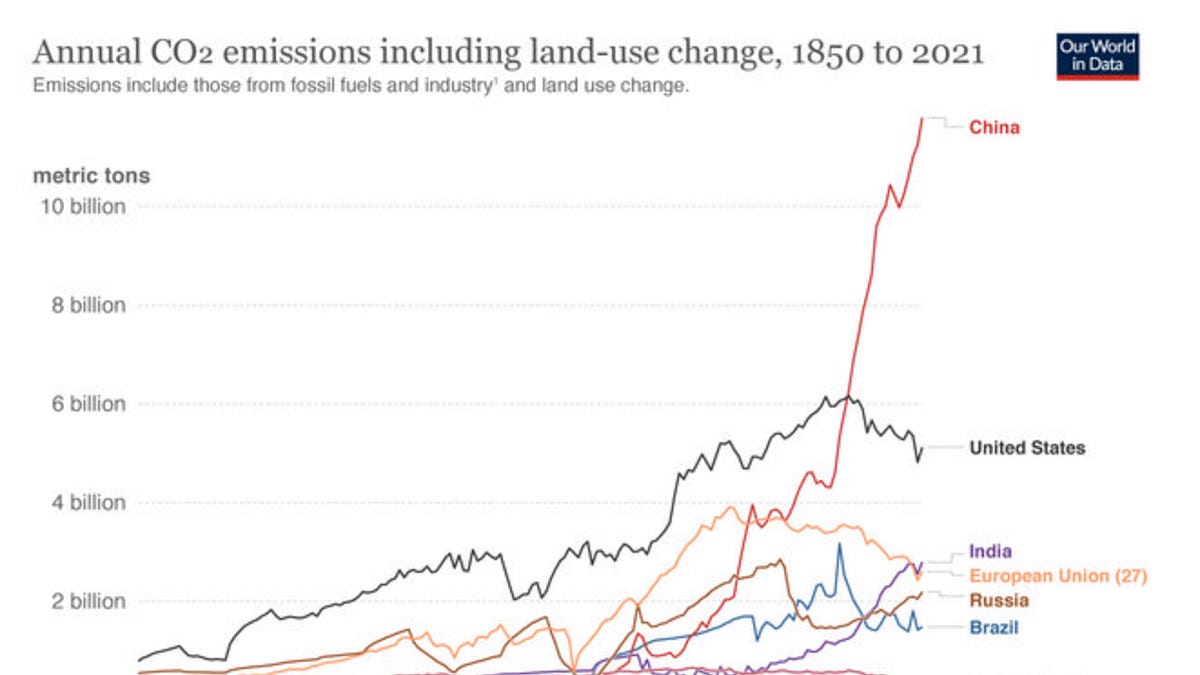
Kiribati’s Ministry of Fisheries says that preliminary modelling showed that it “could lose more than $10m in fishing access fees per year” by 2050 if global greenhouse gas emissions remained high.
But, under a best-case analysis of much lower emissions, the Ministry says “no decrease in tuna biomass” is predicted in the country’s EEZ.