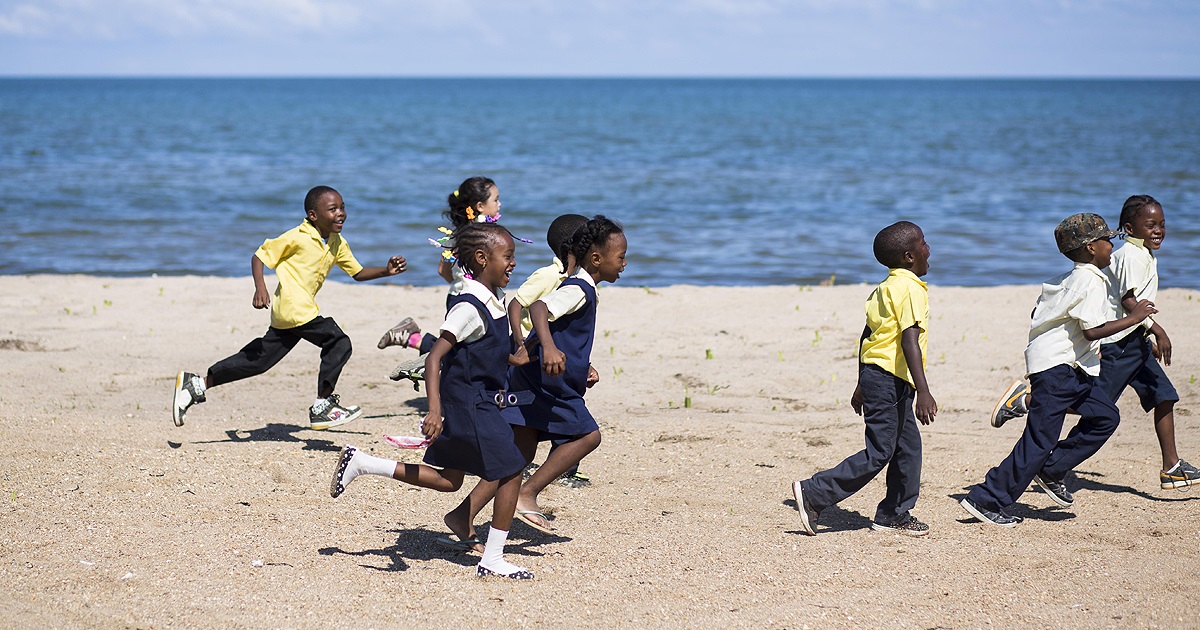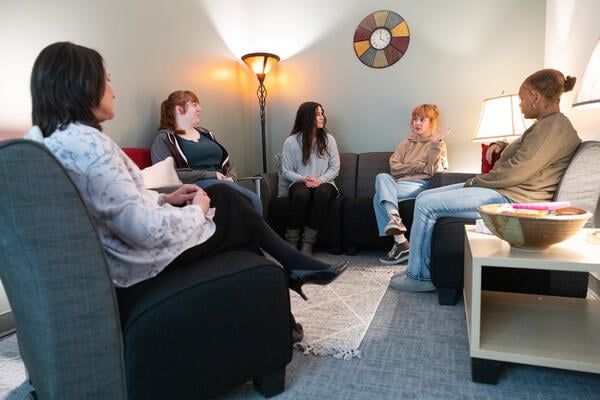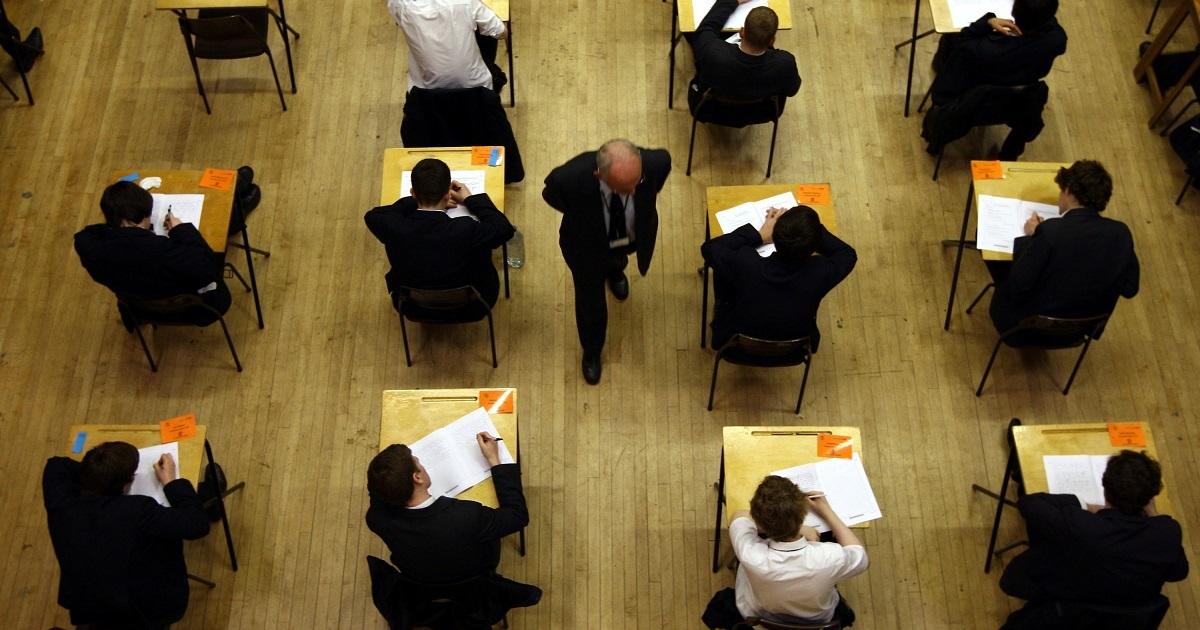
The Alaska Legislature passed a bill requiring the state to develop guidelines for mental health instruction in Alaska school districts. The aim is to place mental health education for K-12 students on par with physical education.
House lawmakers passed Senate Bill 41 by a 27 to 13 vote late Thursday night, and the bill now heads to Gov. Mike Dunleavy’s desk for consideration.
The bill instructs the Alaska Department of Education and Early Development to develop guidelines for schools to offer developmentally appropriate mental health curriculum in partnership with the Alaska Departments of Health and Family and Community Services, along with regional tribal health organizations and representatives of state and national mental health organizations.

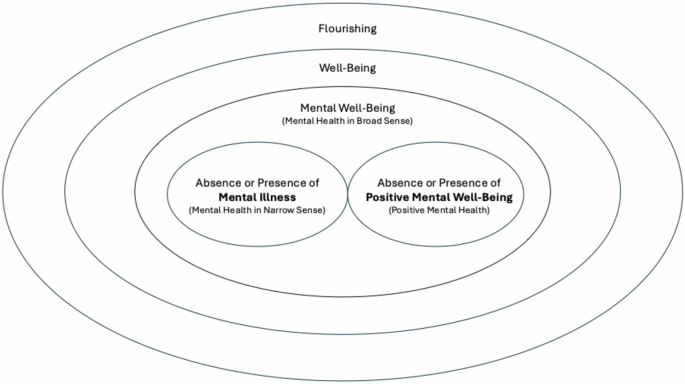
Sen. Elvi-Gray Jackson, D-Anchorage, sponsored the bill and said the initiative helps to address mental health needs of students. “This bill recognizes the importance of mental health education as an essential component of a comprehensive K-12 curriculum,” she said in a statement introducing the bill. “And (it) aims to create a balanced approach to health instruction by placing mental health education on par with physical health education.”
The bill also would require school districts to give parents and guardians at least two weeks’ notice of upcoming mental health classes, and allow families to opt students out.
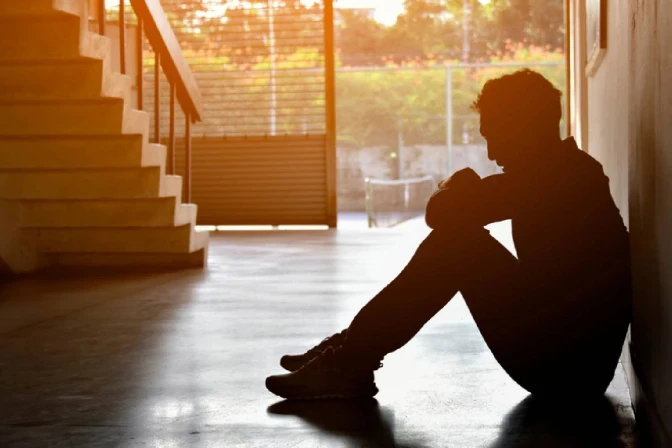
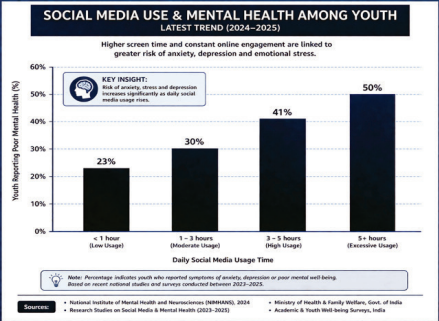
Alaska students and school officials testified to lawmakers in February about the need for lawmakers to address what they said is a growing crisis of student mental health challenges and a lack of counselors, resources and support services.
Several testifiers spoke about the devastating impact of student suicides on schools and communities. Alaska has the highest rates of suicide of any state in the nation — a pervasive trend for decades — with the highest rates among youth ages 15 to 24.
Kay Andrews, a school board member from the Southwest Region School District, which includes eight schools spanning across the Bristol Bay region, described the impact to lawmakers in February.
“Our region recently experienced another suicide, which deeply affected our students and our only regional counselor,” Andrews said. “Schools are more than our classrooms. They are community centers. They are safe places for our children, yet, schools are being asked to do more with less.”
House legislators debated the bill and the proposed mental health education in schools over several days on the floor this week. Proponents said the new guidelines and curriculums would provide support not only for students, but also much-needed support and training for teachers and staff already engaging with students struggling with mental health. Opponents said a new curriculum would further burden schools, and mental health support and conversations should take place with parents and in family settings.
Rep. Justin Ruffridge, R-Soldotna, spoke on the House floor Thursday night and said he was unsure about the effectiveness of a new curriculum, but acknowledged that two students of Soldotna High School had died by suicide this year.
“I’m torn. I agree with many of the members that say I’m not certain that this bill is going to do enough. I don’t think this bill is going to change much,” he said.
“But we’re losing too many of our kids, and for a whole host of reasons, our communities are struggling. We’re losing access to things that used to bring people together in a healthy way. We got to start addressing some of those things. I hope the curriculum addresses that.”
Rep. Nellie Jimmie, D-Toksook Bay, acknowledged the students from her district who traveled to the Capitol in March to advocate for legislation to fund the 988 crisis line and behavioral health services.

“In my district, there are no therapists down the road, no crisis counselors in every school. When something breaks in a child in rural Alaska, it usually breaks quietly, and we always see how that ends up — we always find out too late. We are losing kids,” she said. “This bill puts mental health alongside physical health in every K-12 classroom in this state, developed with tribal health organizations at the table, so rural Alaska is not written as a footnote. The kids already did their part, they showed up, they spoke up. Now we do our part.”
If approved by the governor, it would take some time before mental health curriculums are implemented and students participate in new mental health classes. The bill would allow two years for the state Department of Education to develop the guidelines and submit a report to the Legislature on the process used to develop them.
Lawmakers also debated and approved an amendment that says the mental health curriculum guidelines may not include “any political, ideological, or advocacy-oriented content that is unrelated to student mental health.”
But several members of the all-Republican Minority caucus opposed the bill, including Rep. Sarah Vance, R-Homer, who said mental health should be addressed by parents.
“Parents just don’t want this in the classroom, they want the classroom to focus on academics and leave all of this that has to do with the well-being of their child to them, and not exempt the other parents from that same responsibility,” she said.
Ketchikan Republican Jeremy Bynum urged support for the bill, amid widespread efforts to combat stigmas around mental health nationwide — particularly among veterans — and address ongoing needs of students.
“Imagine being a kid, not knowing who to go talk to, not knowing what to do. This provides teachers an opportunity — with parental approval — to think about these things,” he said. “If this helps one kid in my school district, if this would have helped one kid in my school district… it’s worth doing.”
The bill is now before Dunleavy to approve, veto or allow it to become law without his signature.
GET THE MORNING HEADLINES.