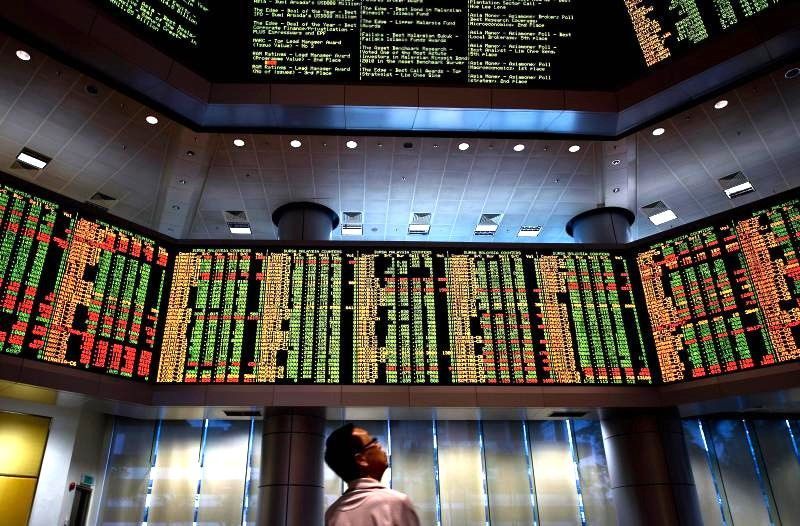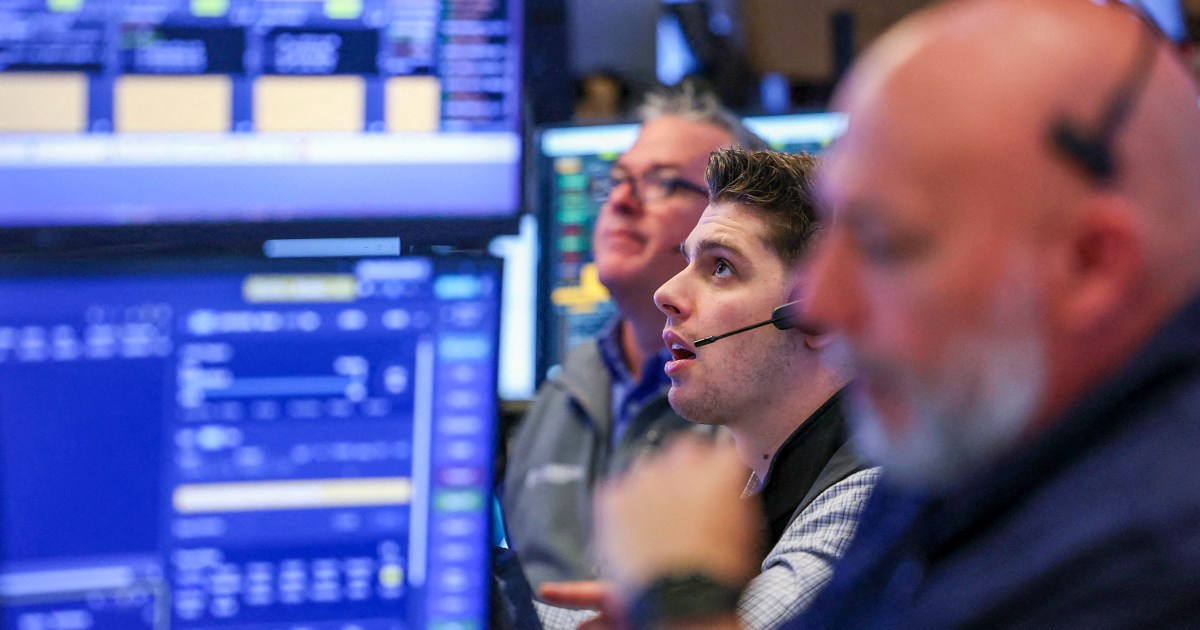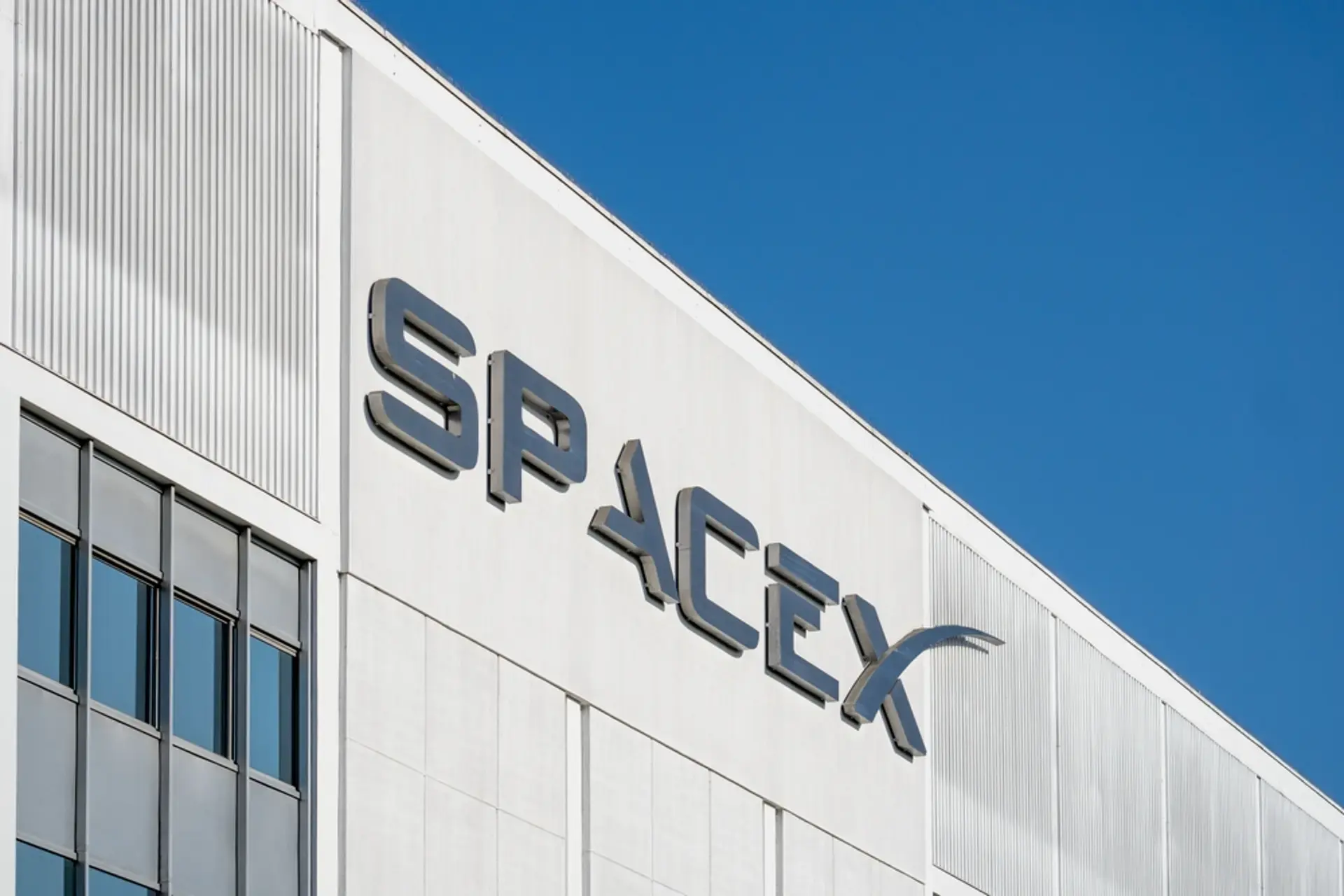
This is the countdown to launch that tops them all. The SpaceX IPO is set for tomorrow, Friday, June 12, and hopeful investors are anxious to grab a share of what will likely be the largest stock debut in history.
Meanwhile, Anthropic and OpenAI are busily preparing for their own public stock introductions.
Want a last-minute shot at buying some of the 555 million shares being offered in the SpaceX IPO? Here’s how the process works.
Read more: How to buy SpaceX before the IPO
The SpaceX IPO: How to get in at the last minute
You may have heard that the SpaceX IPO is “four times oversubscribed.” That simply means there is much more demand for the IPO shares than there is supply — one reason: institutional investors are grabbing mountains of SpaceX stock.
BlackRock placed an order for $5 billion worth of SpaceX shares, according to the Wall Street Journal. Small investors are being squeezed nearly out of the market, though Elon Musk has said that he wanted to allocate 30% of the shares to individual investors.
SpaceX IPO shares will be available through five brokerage firms, including Charles Schwab, E-Trade, Fidelity, Robinhood, and SoFi. Each firm will allocate its shares according to its own investor criteria.
The SpaceX initial public offering is expected to trade under the ticker symbol SPCX on the Nasdaq exchange.
Elon Musk has once again chosen an unconventional path by rejecting the usual IPO price range. Instead, the rocket and satellite company is seeking a fixed $135 opening share price to raise $75 billion at a $1.75 trillion valuation — though that can change as late as tonight.

The SpaceX IPO investor process
While each brokerage firm has specific requirements for clients to invest in IPOs (see below), the process generally works as follows:
-
You will likely be required to complete an investor profile.
-
You will be provided a prospectus detailing the stock and including a company profile.
-
You will place a conditional offer specifying the number of shares you wish to purchase (typically a minimum of 100 shares) and the maximum price you are willing to pay per share. However, this does not guarantee that you will be allocated shares.
-
You will want to ensure you have sufficient cash in your investment account to cover the cost of the stock purchase.
Broker requirements for SpaceX IPO
Here’s what we know about the investor qualifications required by each firm offering SpaceX IPO shares. While this is the information we could gather publicly, you’ll want to consult with the firm of your choice to confirm the details:
-
Charles Schwab: Requires a minimum brokerage account value of $100,000.
-
E-Trade: No minimum portfolio size. You must meet regulatory and account criteria, be a U.S. resident, have an active account (individual, joint, or IRA), and pass an investor profile questionnaire.
-
Fidelity: Requires a retail brokerage account with a minimum value of $500,000 (excluding 401(k)s, institutional accounts, or annuity accounts) and membership in the Premium or Private Client Group.
-
Robinhood: Allocates IPO shares through a randomized selection process among those who submit requests. Robinhood notes that regular brokerage accounts are eligible; however, retirement accounts, such as IRAs, custodial accounts, and joint or managed accounts, are not qualified for the SpaceX IPO.
-
SoFi: You must be a SoFi member and have a self-directed investment account. There is no minimum balance requirement.
Like other brokerages, Robinhood notes that “IPOs are considered speculative and risky investments, and may not be appropriate for every investor.”
Can’t get IPO shares from your broker? Place a limit order tomorrow
Buying SpaceX after tomorrow’s open will be walking a tightrope. There will likely be significant volatility, so consider placing a limit order to avoid a market-order shock.
While the IPO offering price is expected to be set at $135, Oppenheimer has initiated coverage on SpaceX with a target price of $190.
“We believe that SpaceX will use its expertise in engineering, manufacturing and space technologies to grow to the largest communications, cloud/AI company in the world, in our scenario,” Oppenheimer said.
Just remember the age-old investing adage: “A good idea today is a good idea tomorrow.”
Don’t let IPO fever keep you from making rational, prudent investment decisions that best suit your risk appetite and long-term investing goals.
Don’t qualify for IPO shares? You may still get exposure.
For those of us who don’t qualify for IPO shares, we may very well gain exposure to SpaceX in our 401(k) s or other index-based investments at some point. Recent rule changes allow IPO shares to have a shorter shelf life before being added to index funds.
However, SpaceX will have to wait its turn. S&P Dow Jones Indices announced that it’s keeping the entry rules for major indexes intact, denying rapid entry to SpaceX and other mega IPOs. That means SpaceX will not be eligible for inclusion in the S&P 500 for at least a year following its public debut.
Read more: SpaceX IPO is coming for your 401(k). Should you be concerned?