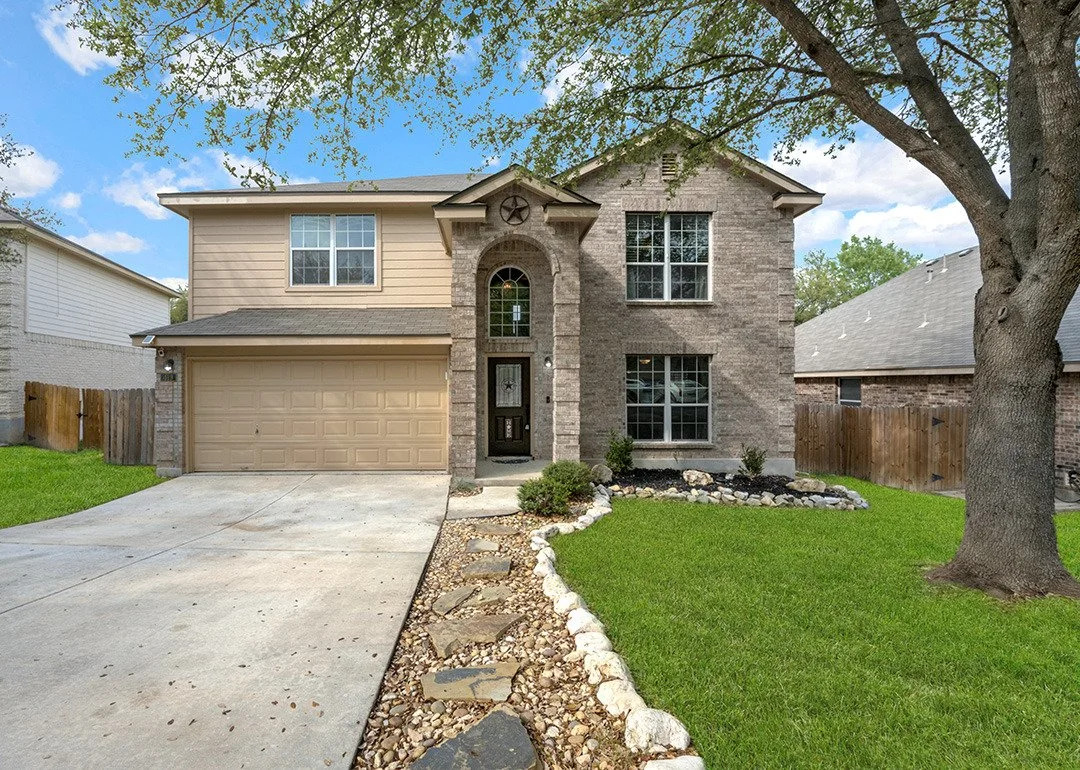
As I packed up my home just outside of Denver, the one thing I wish I could have brought with me was my sub-3% interest rate. In the game of interest rate limbo—how low could we go in 2021, when rates historically bottomed out?—I shimmied all the way down to 2.8% on my home. My husband had a similar rate. So as we both sold our homes and looked for a new one together in a high-interest rate market back in 2024, it was a bummer to take on a significantly higher interest rate.
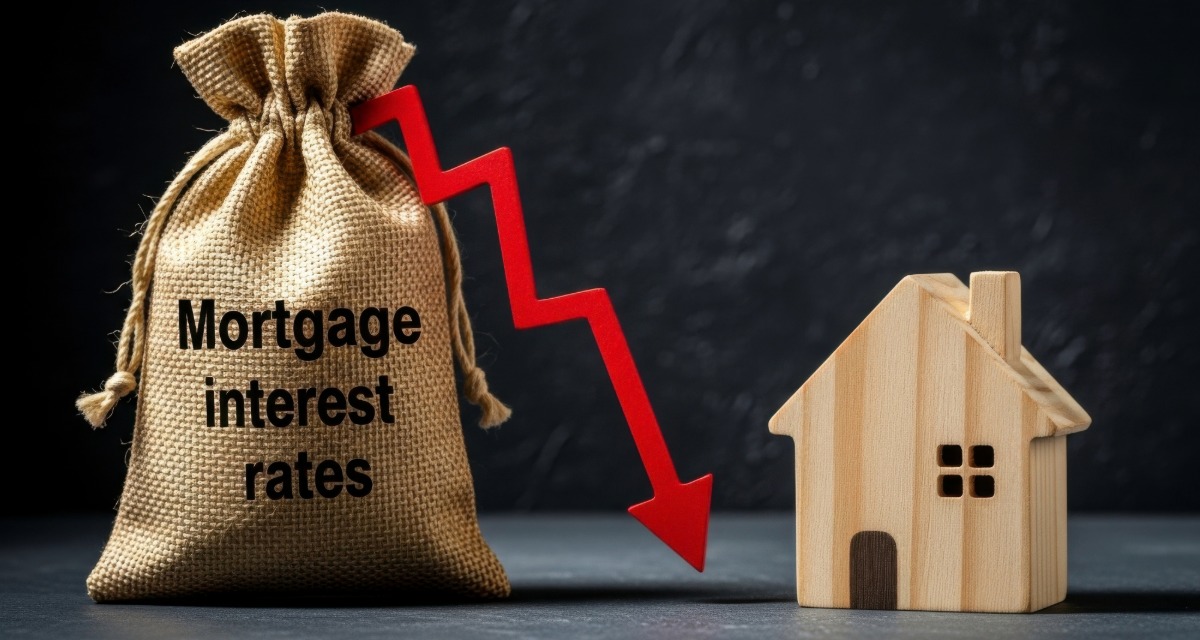
Today’s home buyers are finding themselves in a similar situation: Interest rates on 30-year fixed mortgages are 6.76% as of early August, according to Bankrate. So far in 2026, rates nationwide were lowest in February, when they dropped to 6.17%.
While it’s tempting to sit things out to see if interest rates might come down, we actually saw a silver lining of buying in a high interest rate environment: There was way less competition. We noticed the homes we’ve “hearted” on Zillow keep tumbling down in price the longer they stay on the market, and, while there’s no crystal ball, I suspect the home prices will shoot back up as soon as interest rates drop and more buyers hit the homebuying circuit.
In fact, Bill Ryze, a certified Chartered Financial Consultant (ChFC) from Tennessee and a board advisor at Fiona.com, goes so far as to say the best time to buy a home is when interest rates are high.
“When interest rates rise, buyers usually hesitate,” he says. “It leads to less competition in the market. As a result, home prices become more affordable and favorable for buyers. Sellers might be willing to negotiate, which can benefit a buyer.”
My husband and I ended up buying in a high-interest rate environment (at 6.99%!), and I have zero regrets. We’ve refinanced twice since we bought two years ago, we didn’t get in any bidding wars when we put an offer in on our home despite it having some cool features like a 425 square-foot cottage in the backyard, a backyard bar, and a basement sauna.

My husband and I bought a new home during a high-interest rate period. The upside was that we didn’t have a lot of competition in our market and were able to get a home with this backyard cottage (and not get in any bidding wars).
(Brittany Anas)We were even able to negotiate a one-year interest rate buydown with our lender that brought our rate down by a full percentage to 5.99% in our first year. We’re now in the mid-5s.
Some mortgage experts would say that one of us should have held on to our low-interest rate home and rented it out. But we ran all the scenarios and wanted the equity out of both of our starter homes because it gave us an affordable mortgage rate. I also wasn’t keen on playing landlord for my first ever home that I was emotionally attached to. Could anyone love it the way I did?
Here’s some more intel on buying a home when interest rates are higher than they have been in recent years.
Read more: Thinking about buying your first home? Here’s why now could be your best chance in years.
Shop around with lenders
While you’re locked in with your purchase price, you can refinance rates. With that said, I’m admittedly not a huge fan of the “date the rate, marry the house” mantra because it assumes that rates will drop and I lean more towards the school of thought that “the best time to buy a house is when you can afford to.” Interest rates could fall, but they could also remain the same or even rise, experts say.
Shopping around with lenders, and asking what kind of incentives they have, is key in this market.
We worked with a savvy realtor who worked with us to get an additional rate buy down from builders.
In some instances, sellers may offer buydowns, too. My best friend was able to negotiate one with her seller when rates were also in the 7s.
This strategy puts cash in your escrow account to pull down your interest rate for the next three years, lowering your mortgage payment. If rates drop, and a refinance happens, that buydown cash goes into an escrow account to continue helping pay down the mortgage. One that we’re pushing for is a 3-2-1 buydown, which means the interest rate is reduced by 3 percentage points for the first year, 2 percentage points for the second year, 1 percentage point for the third year, and returns to the market rate for the remaining term of the loan.
This buydown strategy from builders and sellers is different from purchasing a mortgage buydown.
Smart strategies for buying when interest rates are high

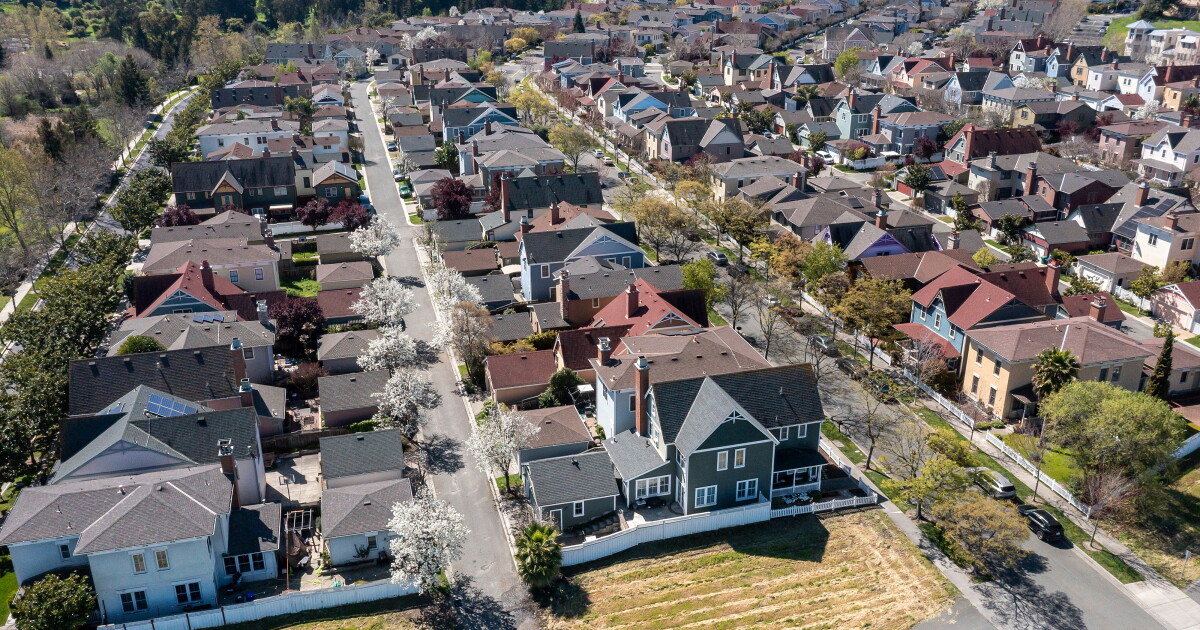
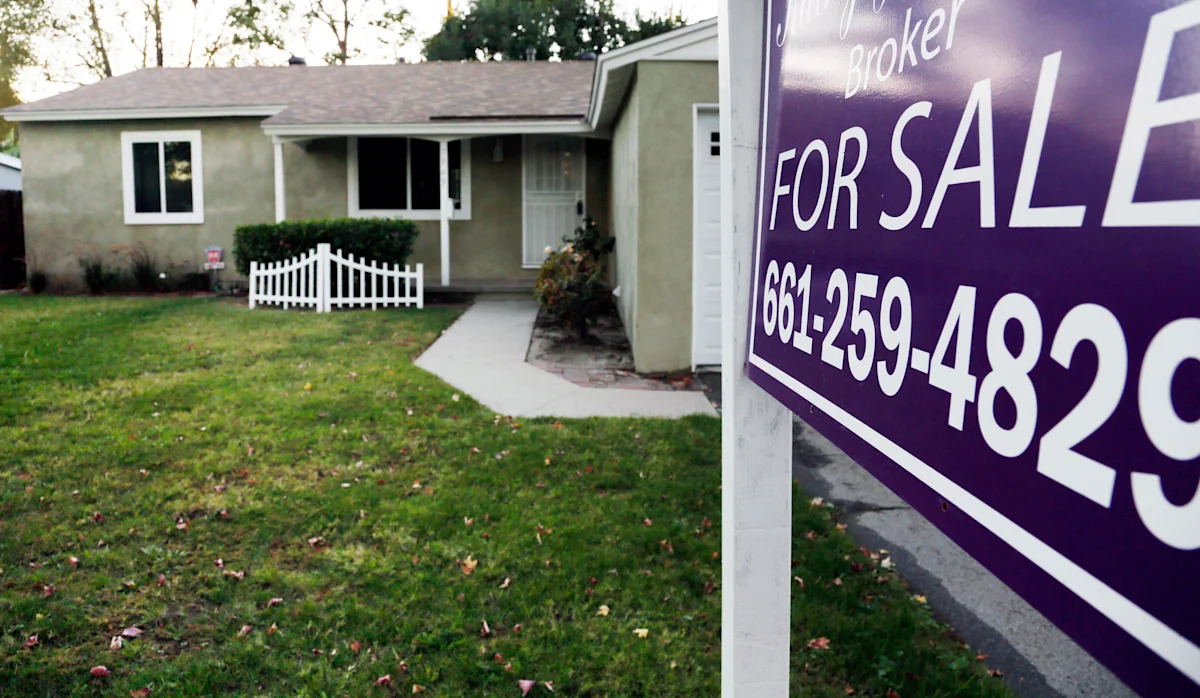
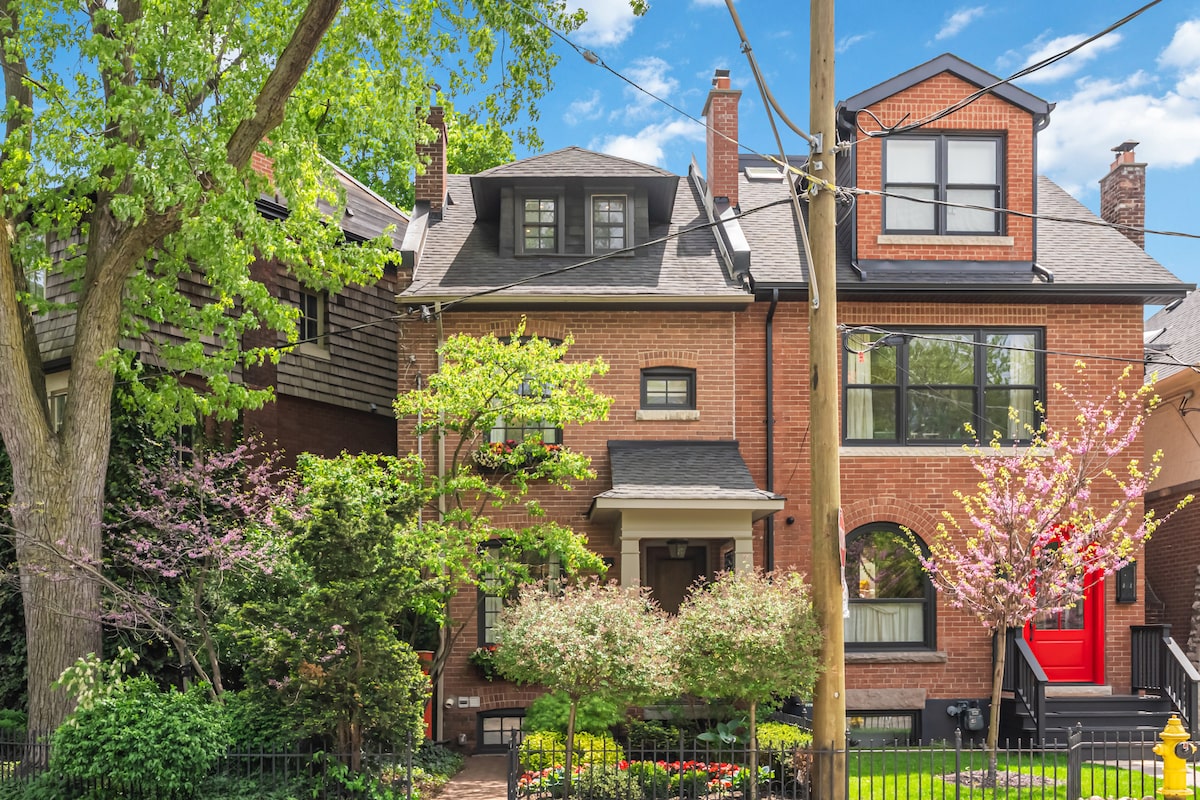
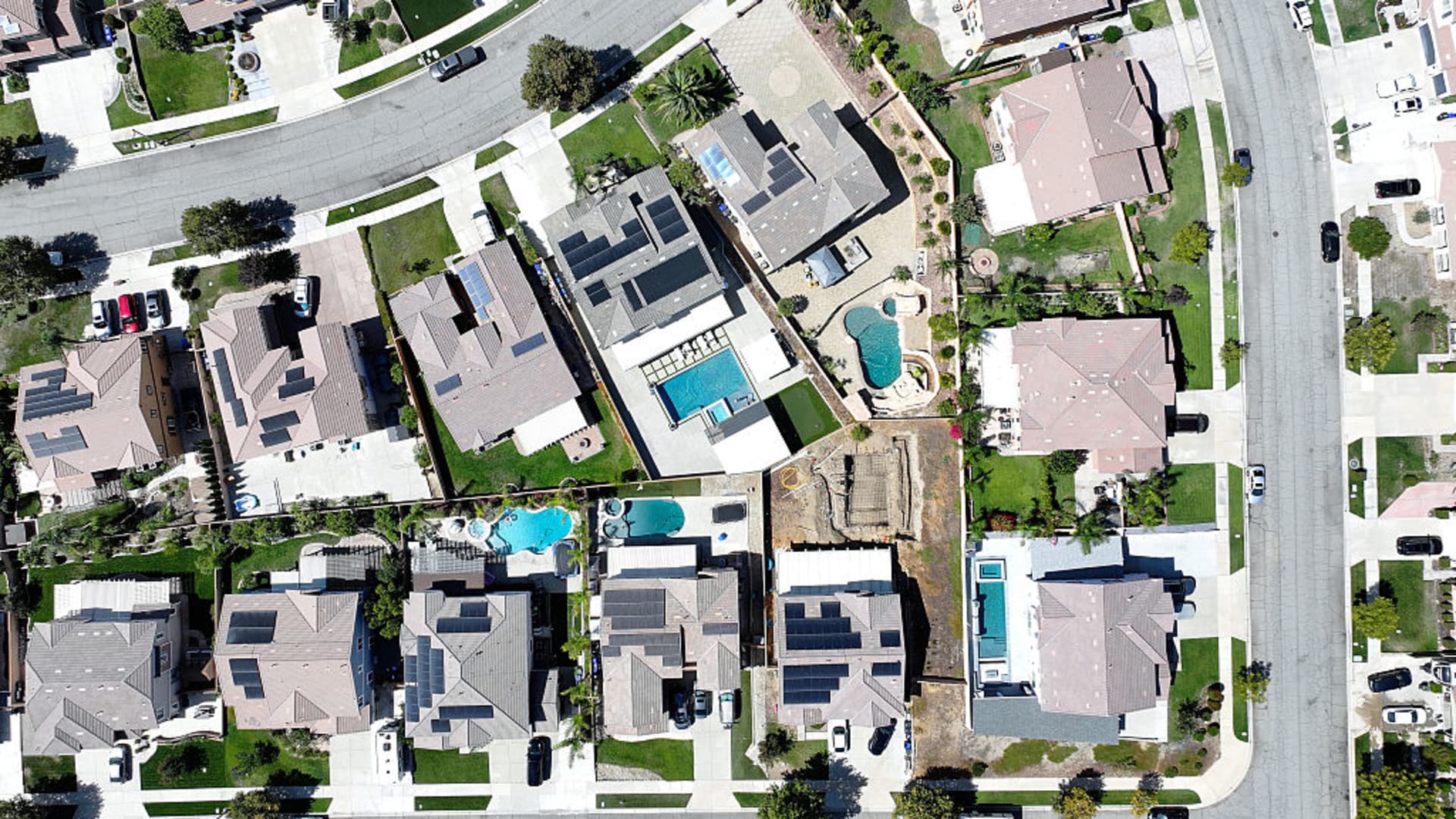
Shopping for homes when interest rates are high has some advantages, including a less competitive buyer’s market.
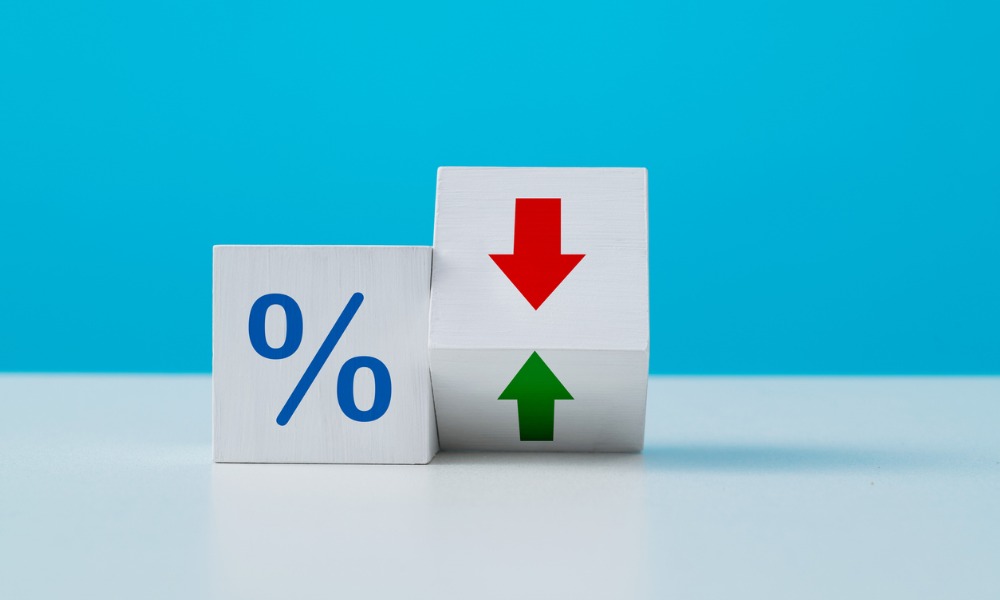
(nazar_ab via Getty Images)Something to keep in mind as interest rates fluctuate: A 1 percent increase in the rate may amount to a few hundred dollars on each monthly payment, says financial planner Jessica Majeski, CFP, at Northwestern Mutual.
“Interest rates were historically low for a historically long period of time,” she says. “So it’s not realistic to assume that you can wait around for much lower rates before you buy a home because it probably won’t happen in the near term.”
Instead, be realistic about what you can afford at today’s interest rates and always leave room in the budget for inevitable home maintenance and the rising costs of taxes and insurance, Majeski says. (In our case, if rates were to drop, it’d be a bonus—but not anything we’re banking on and our long-term budget assumes they’ll stay at the rate we lock in at).
A higher down payment will typically result in a lower interest rate, she points out. So it might be worth considering a 25% or 30% down payment when buying a home in a higher interest rate environment, Majeski says.
It’s also important to consider the impact of private mortgage insurance (PMI) when determining the price point that you can afford. If you are unable to make at least a 20% down payment, then you may need to pay hundreds more each month for PMI until your loan balance falls below 80% of the value of your home, she says.
One more thing to consider: Adjustable-rate mortgages often have lower initial rates, and while they do come with risks, they might make sense if you plan to sell or refinance before the rate adjusts.