Crypto exchanges are increasingly offering bank-like services such as lending and yield products, but without the protection traditional financial institutions provide, according to a report issued Thursday by the Bank for International Settlements (BIS).
“What looks like a high-yield savings product is, in reality, an unsecured loan to a lightly regulated shadow bank,” said the report, which does not necessarily reflect the views of the BIS, an international financial institution owned by 63 central banks from around the world.
The 38-page report also noted that the crypto industry’s largest participants have evolved beyond simple trading platforms into what it described as “multifunction cryptoasset intermediaries,” bundling services that would typically be separated across banks, brokers and exchanges.
The authors said the biggest concern is how fast “earn” and yield products are growing, and that they are widely marketed to retail users as tools to generate passive income on their crypto assets. While these offerings often promise attractive returns, their structure is closer to unsecured lending than savings, the report said.
“These platforms are effectively taking deposits and recycling them into risky activities — but without the safeguards that make traditional banking stable.”
In many cases, crypto exchange users relinquish control and, sometimes even ownership, of their digital assets to the platform, which then uses the funds for lending, trading or market-making strategies. The returns paid to customers are a share of the profits generated from these activities.
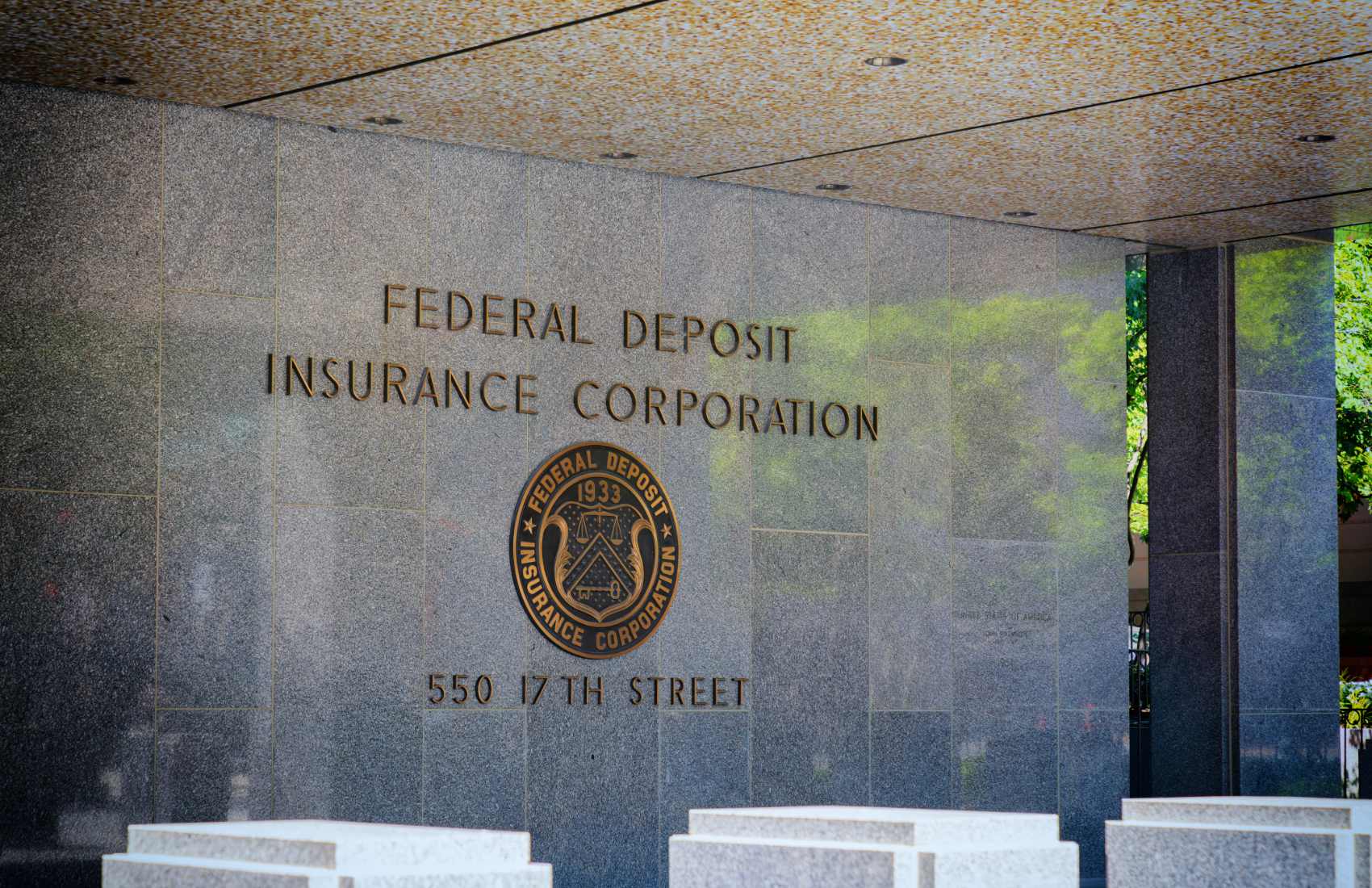
While these arrangements are similar to bank deposits, they lack the insurance traditional finance offers. There may also be a lack of transparency on how the assets are used.
“From the customer’s perspective, these products are generally an unsecured claim on the intermediary,” the report said, warning that users are exposed to the platform’s solvency in the event of losses.
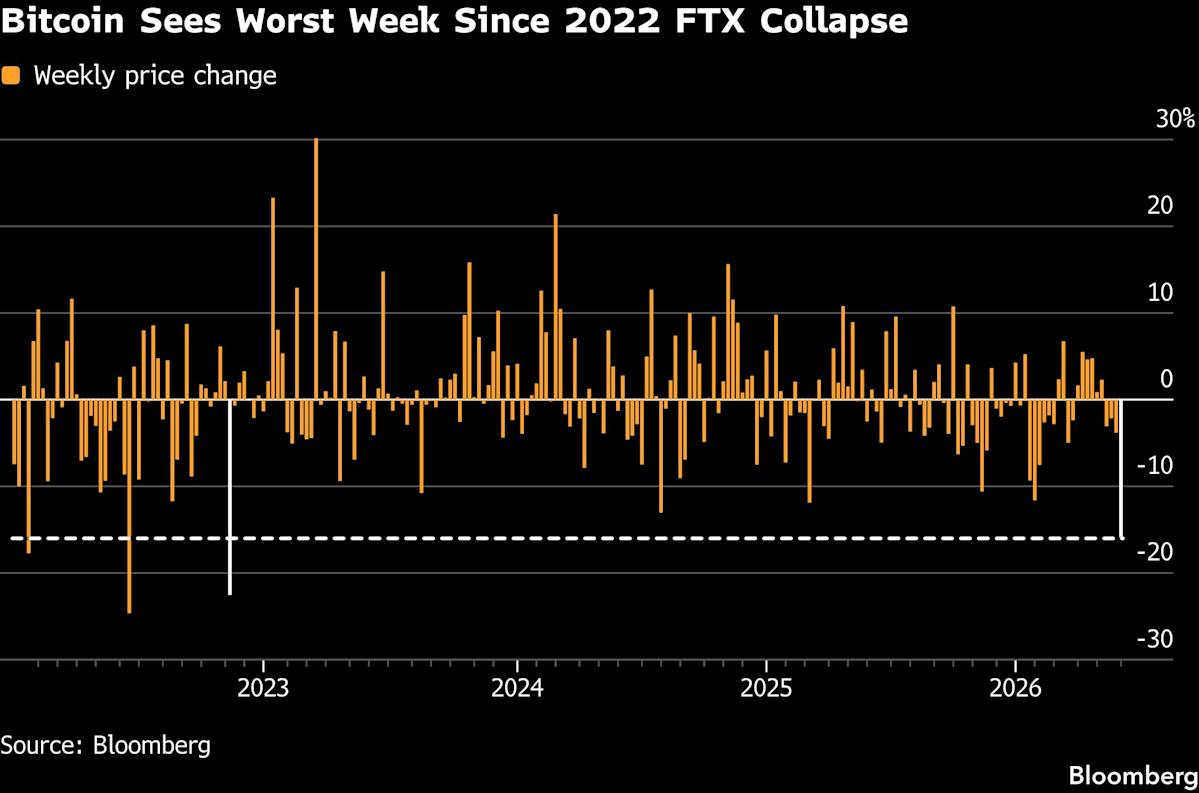
The BIS pointed to the collapse of Celsius Network and FTX as examples of how users are exposed and victims of the weaknesses it says are still rampant within the industry.
“What unraveled at Celsius and FTX wasn’t just poor management, it was a system built on leverage, opacity and deposit-like promises without protection,” the report said.
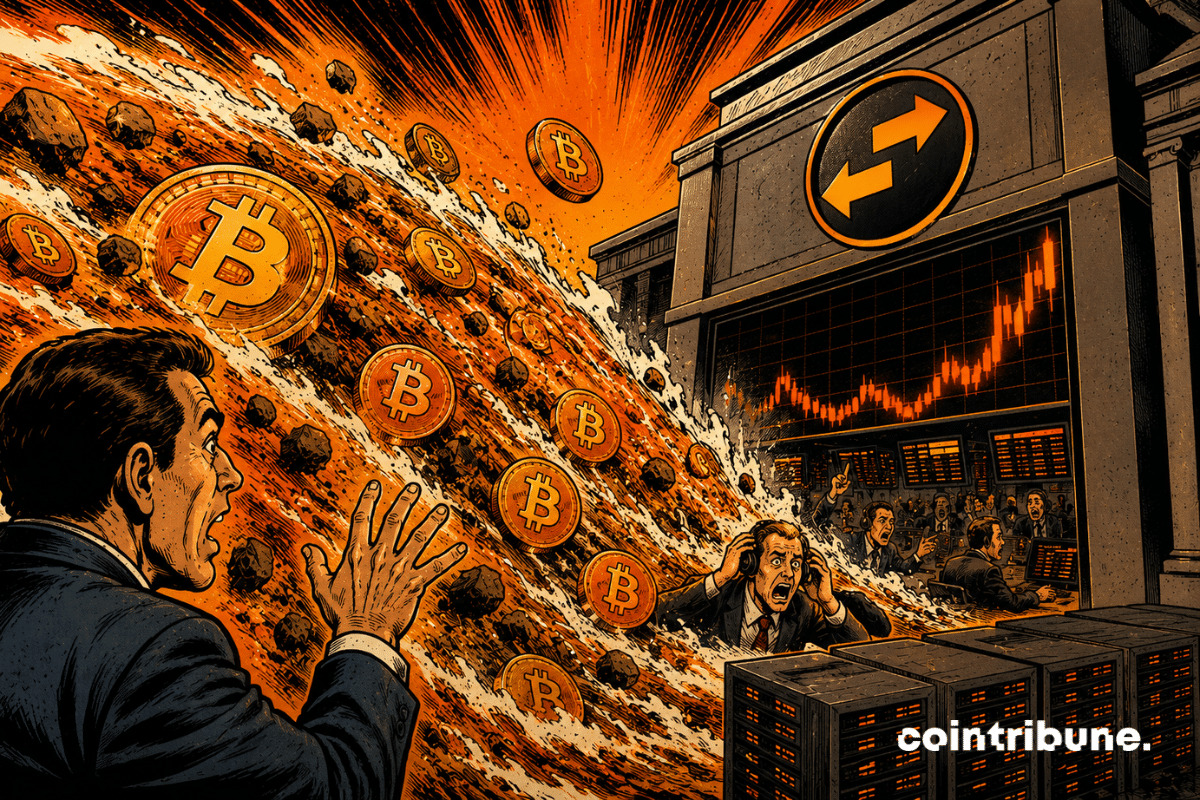
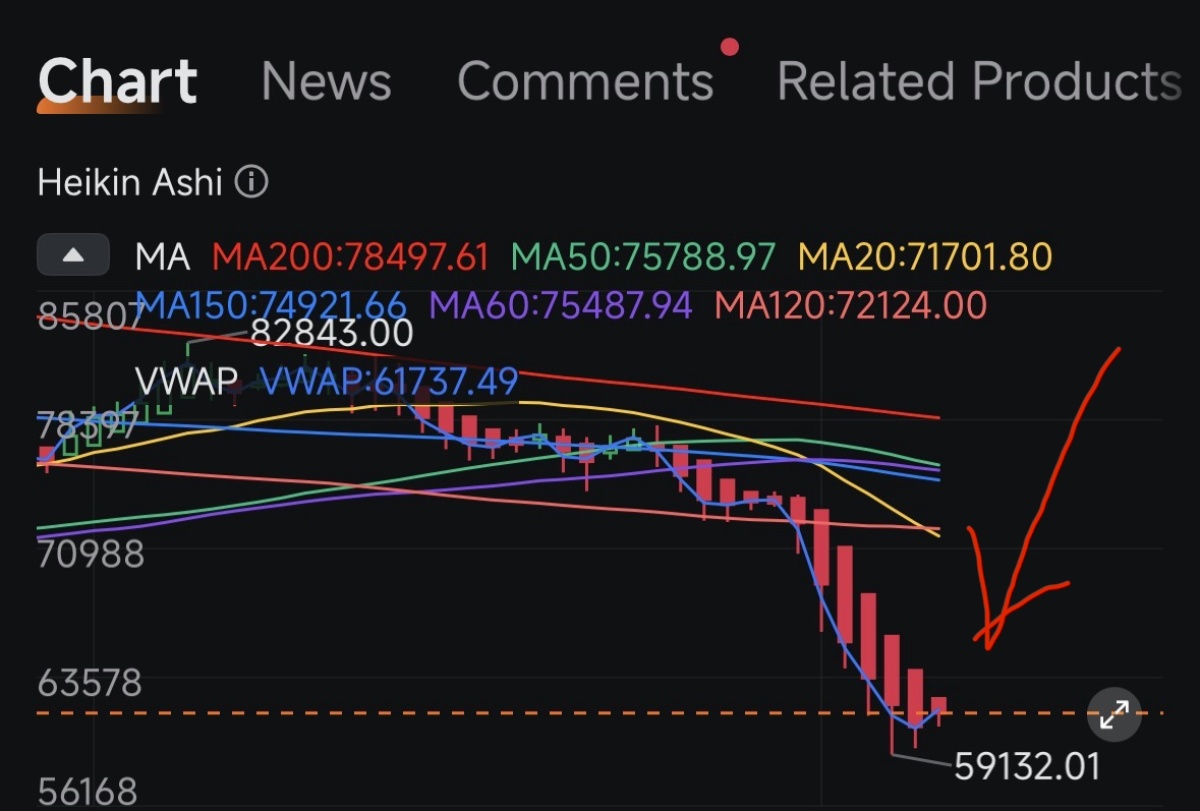
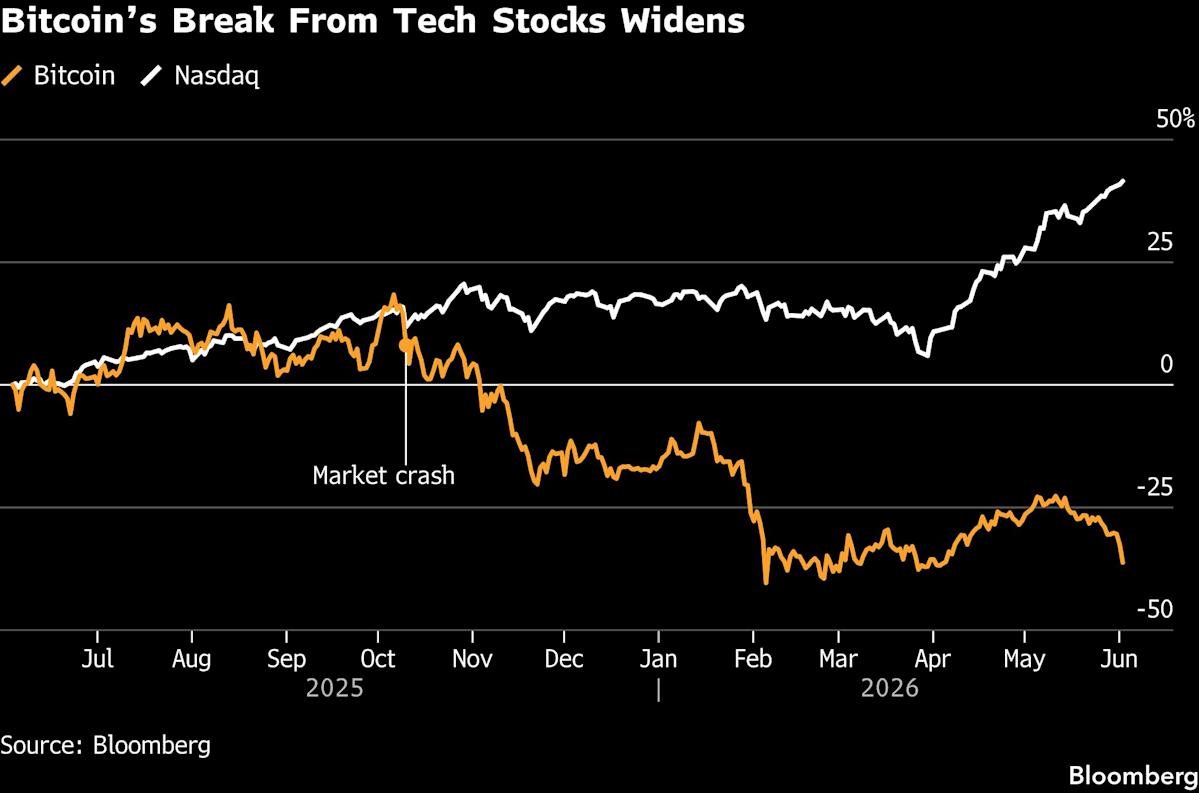
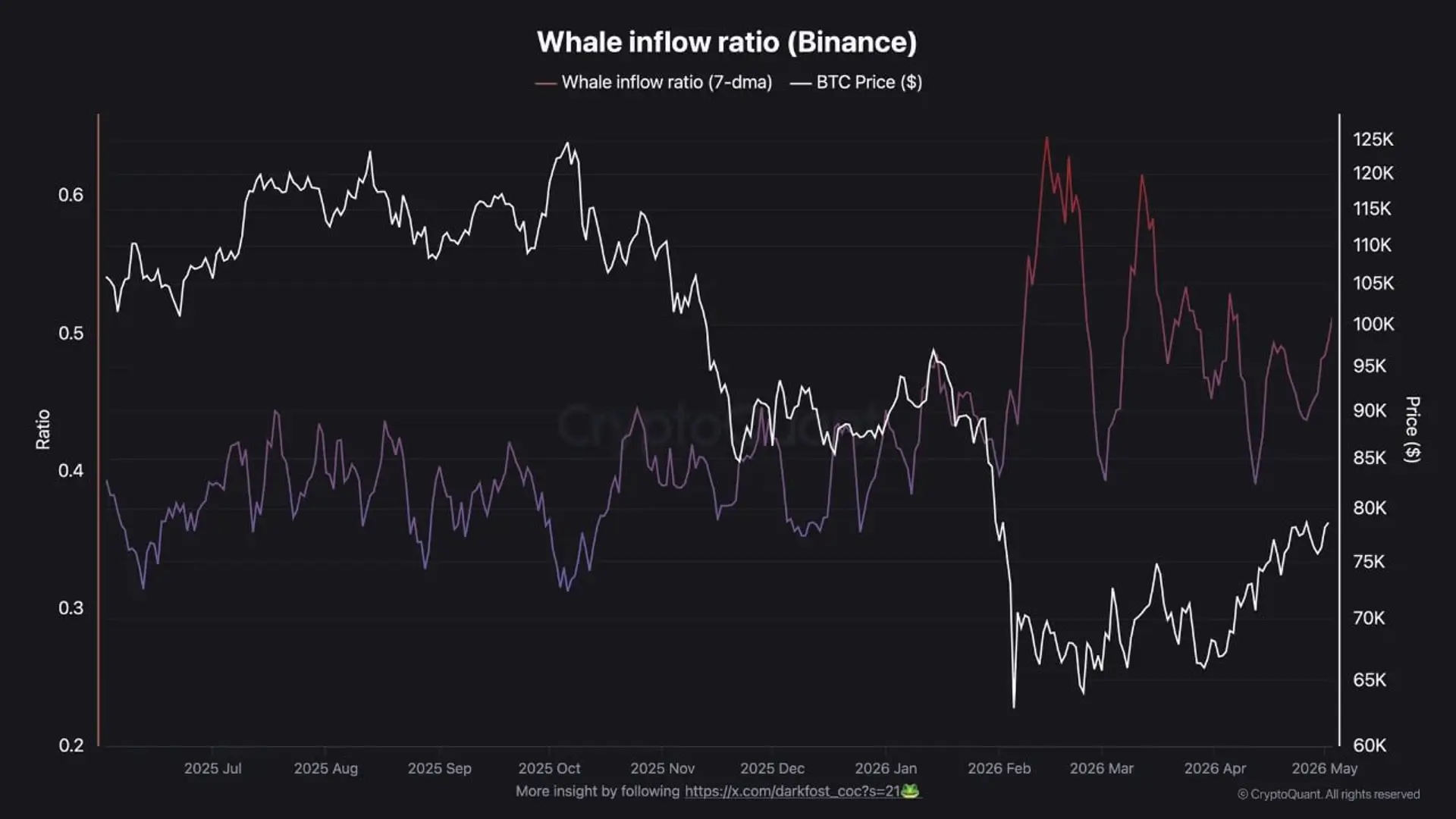
The report cited the flash crash of October 2025, which triggered an estimated $19 billion in forced liquidations across crypto derivatives markets, saying the slide highlighted how quickly these dynamics can spiral.