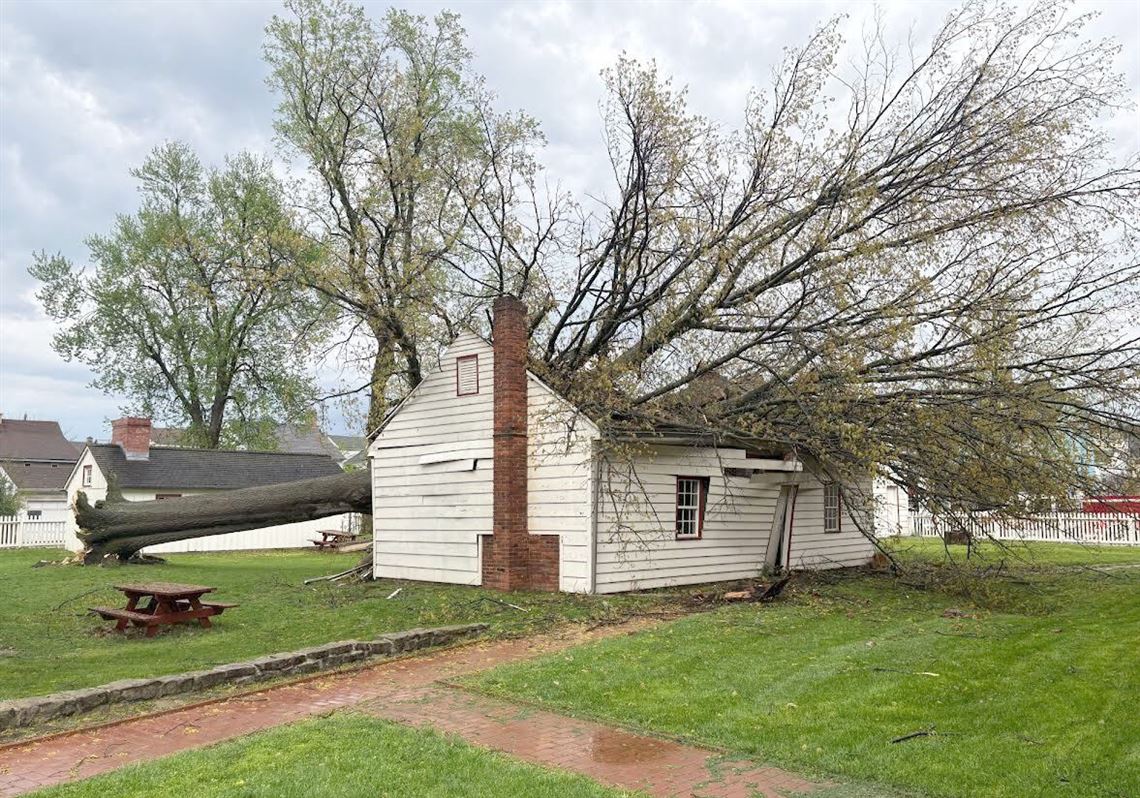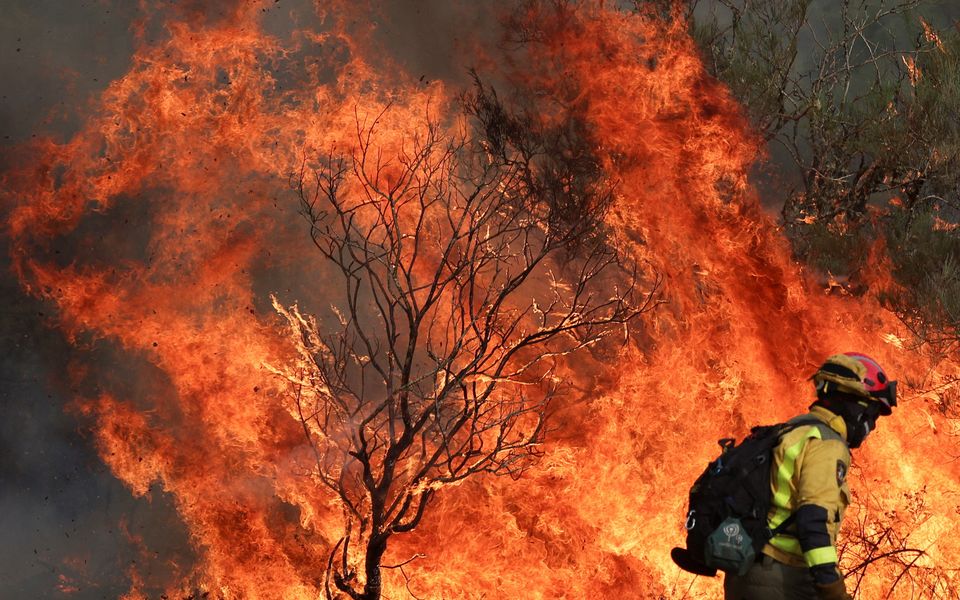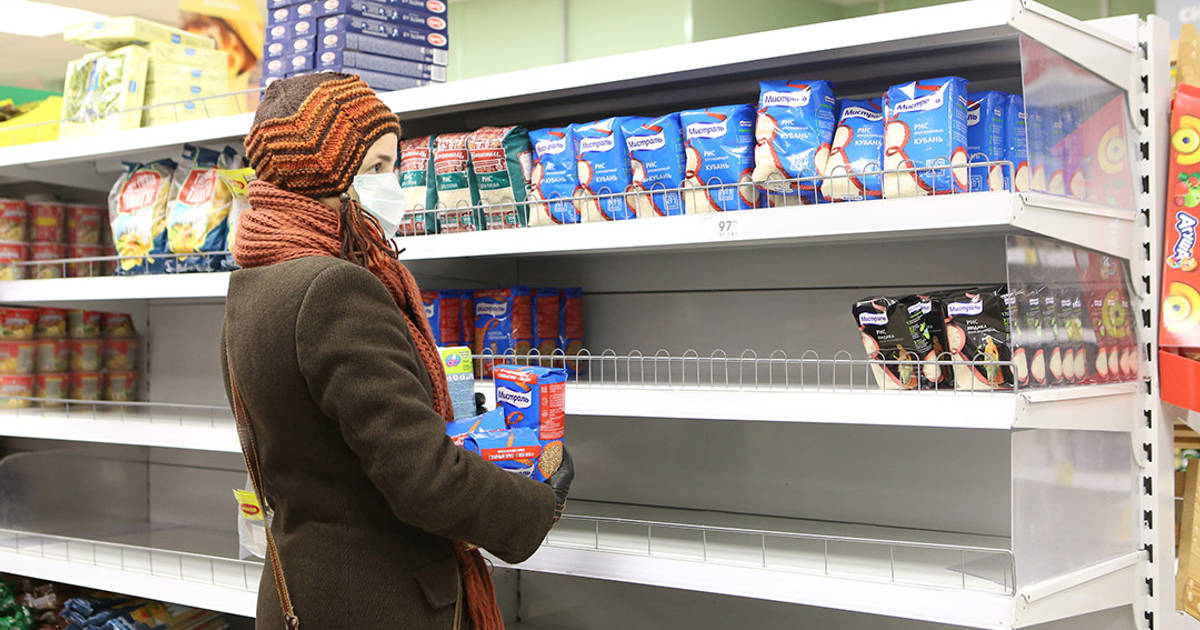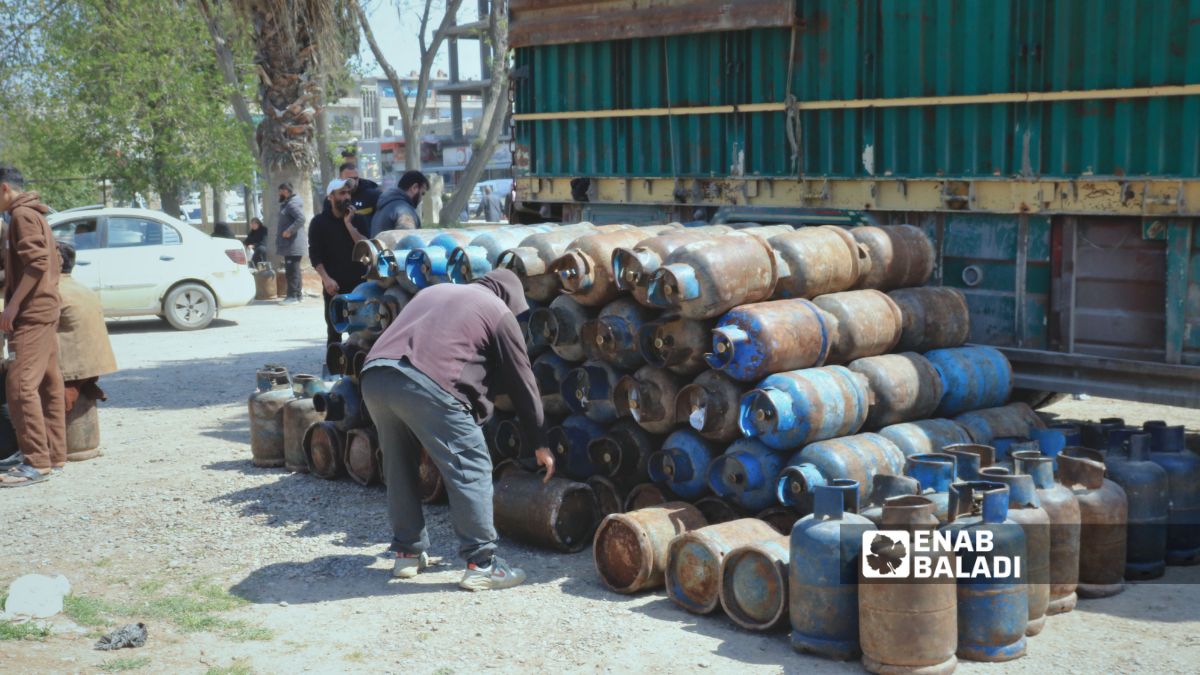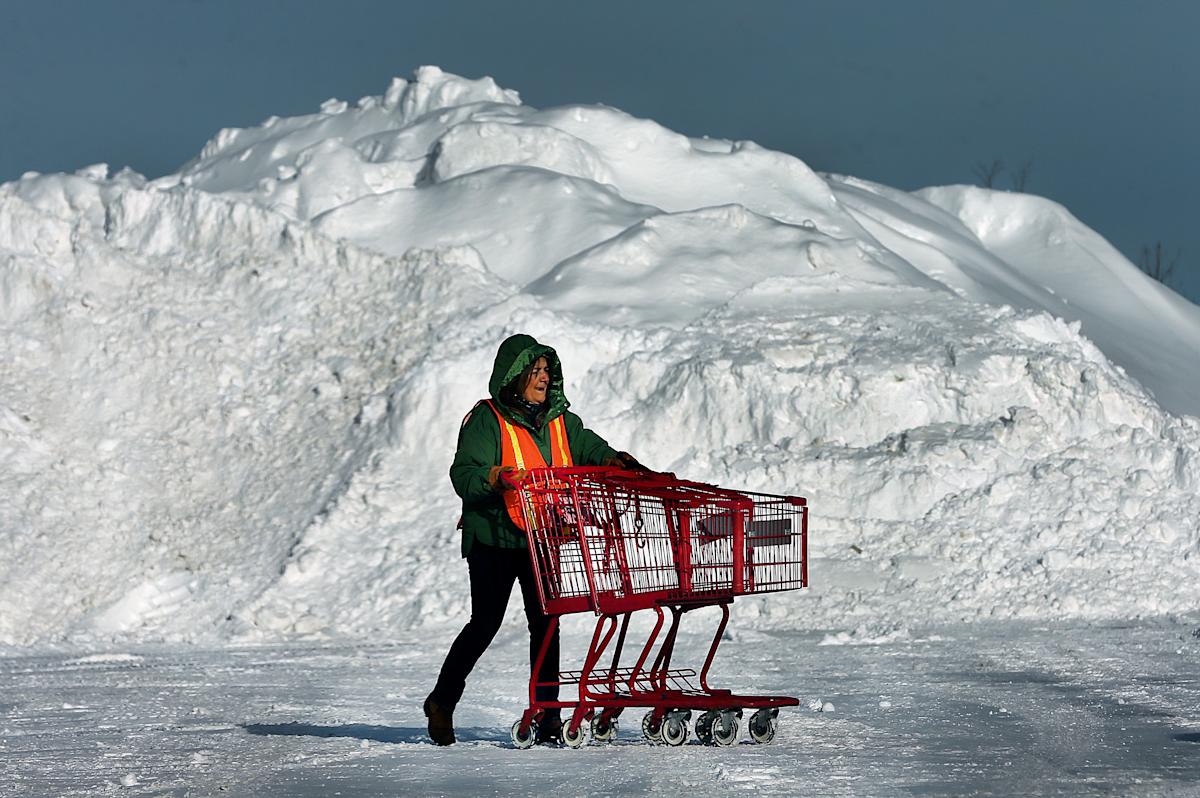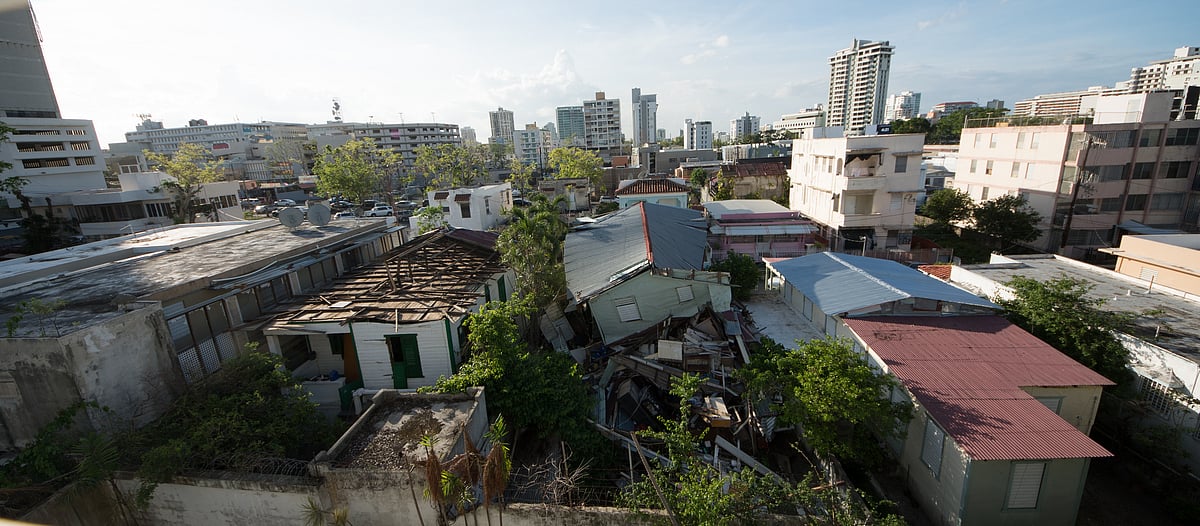
Another major gap is the failure to account for compounding risks — when regions are hit by repeated extreme events before they have time to recover. Such shocks can weaken food systems, supply chains and infrastructure, with ripple effects across regions and over longer time periods.
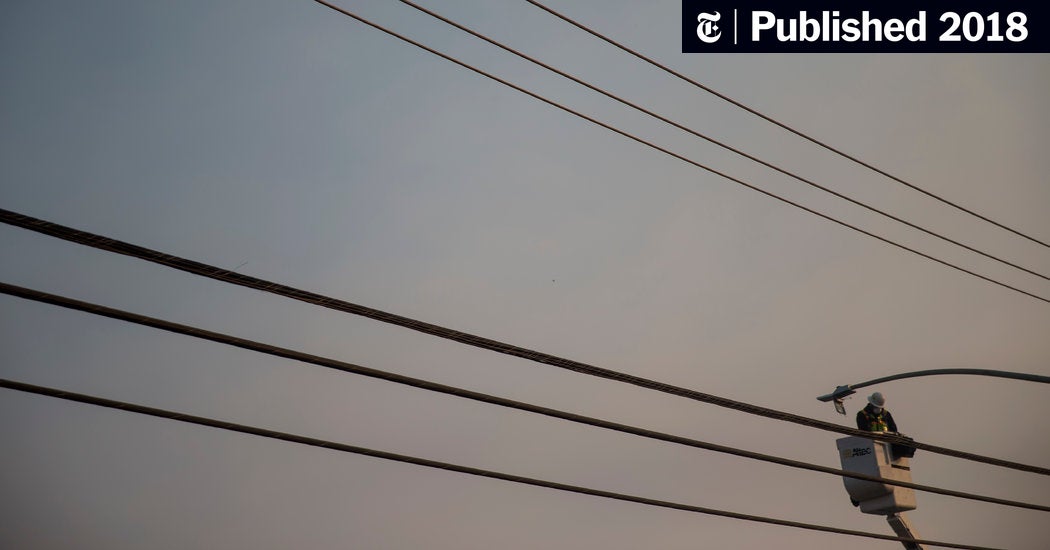
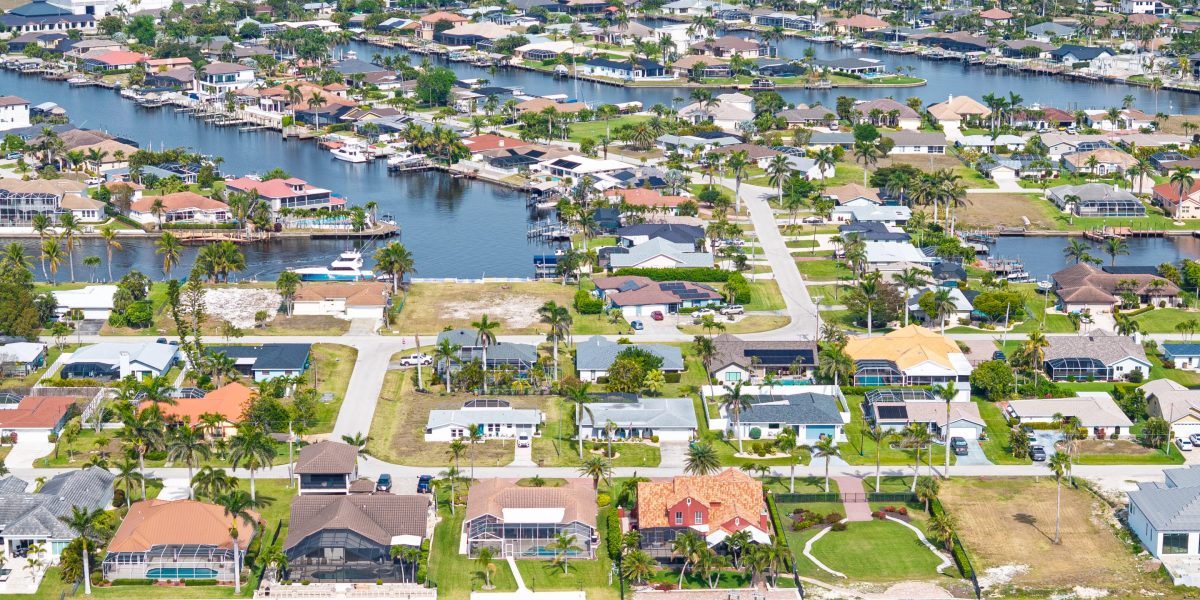
The report pointed to Puerto Rico, which was struck by Hurricanes Irma and Maria in 2017 and then Hurricane Fiona in 2022, “with each storm striking before full recovery from the previous one, progressively degrading grid resilience and critical infrastructure,” according to the report.
Standard Integrated Assessment Models (IAM), used by economists and financial analysts to understand interactions between economic systems—including energy and land use—and natural systems such as the climate and the biosphere, have a fundamental problem, according to the report.
These models often assume uncertainty remains constant across temperature ranges. In reality, uncertainty widens with warming. “As the climate system moves further from historical conditions, physical responses become less predictable, social and economic reactions become harder to model, and the likelihood of unprecedented outcomes increases. In short, uncertainty widens with warming,” the report stated.
There is also little accounting for the potentially unprecedented and irreversible impacts of crossing climate tipping points like the collapse of the Antarctic and Greenland ice sheets, changes to boreal forests, or disruption of the Atlantic Meridional Overturning Circulation (AMOC) and others.
“Once triggered, Earth system tipping points may lead to irreversible environmental change, bringing long-lasting economic disruption and impacts that cascade across systems,” according to the report. Such outcomes challenge the core assumptions of conventional economics, which rely on linearity, continuity and stable preferences, it added.