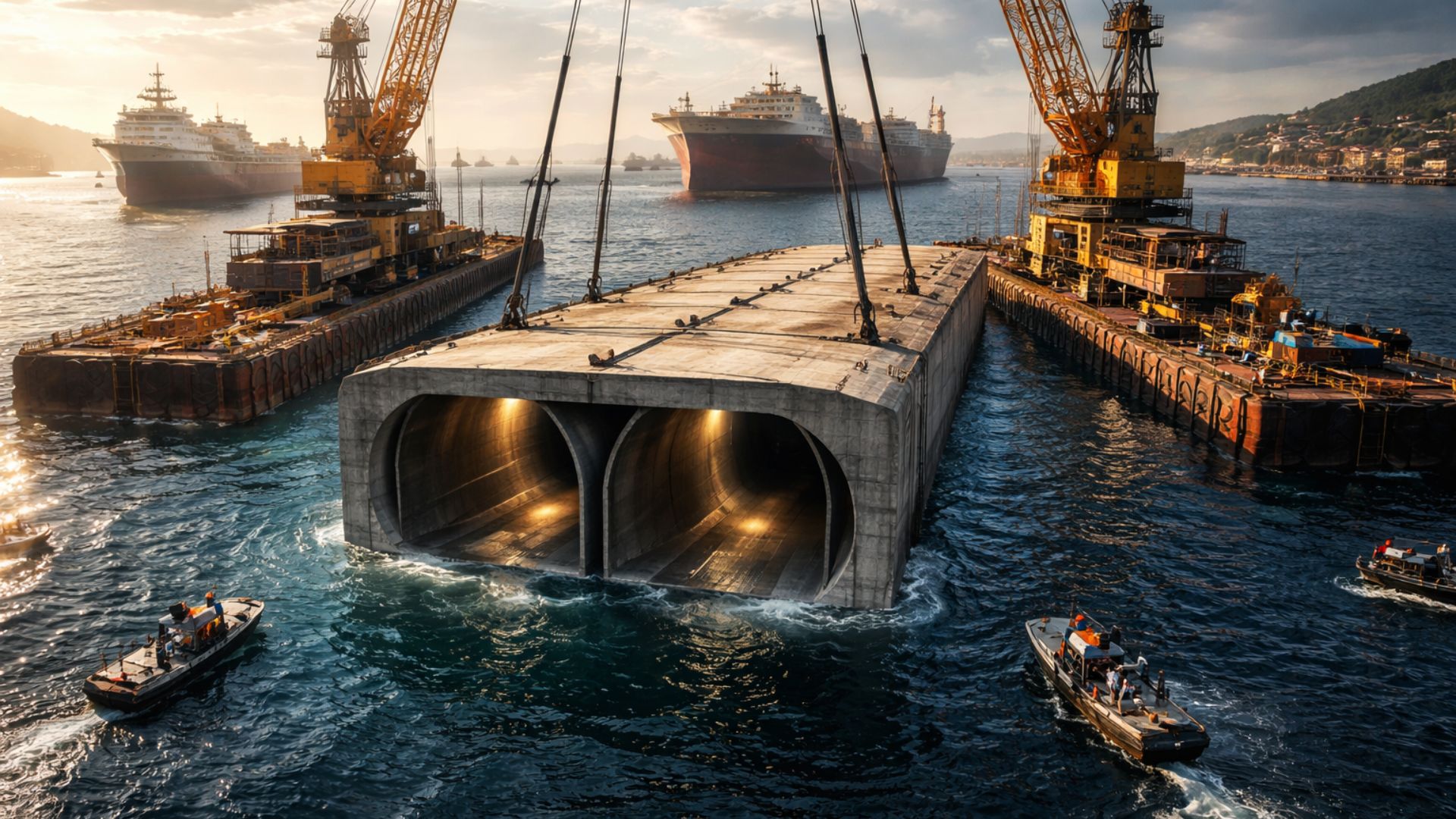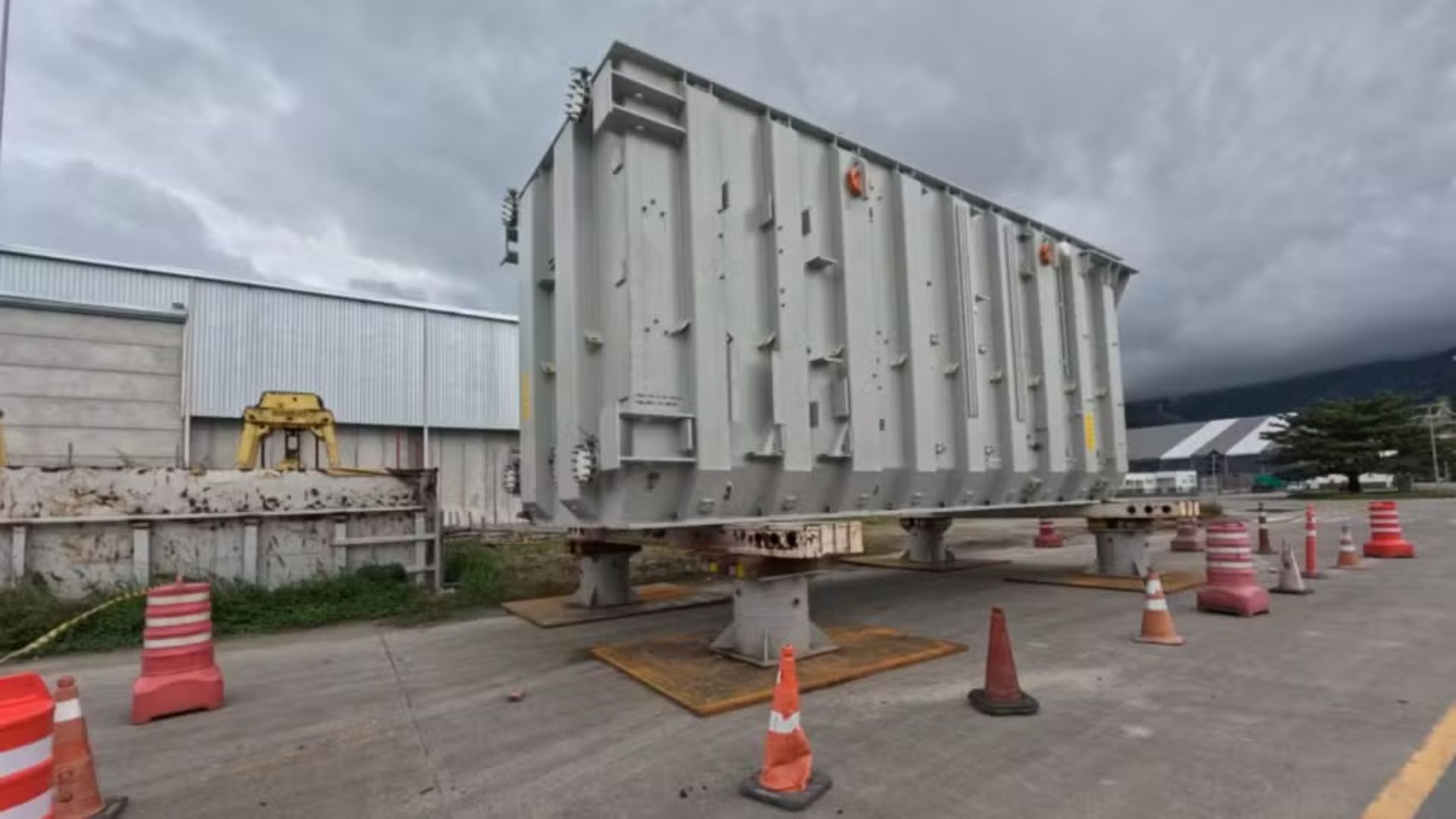
Hitachi Energy completed the transport of a 342-ton transformer manufactured at its plant in the São Roque neighborhood, in Guarulhos, to the Port of São Sebastião, on the northern coast of São Paulo. The equipment traveled more than 200 kilometers along the Ayrton Senna and Tamoios highways within a convoy of 845 tons and 138 meters in length, at an average speed of 8 kilometers per hour. The initial forecast was that the movement would take about a month, but the operation was completed in eight days, the result of technical planning that involved concessionaires, public agencies, and specialized teams.
The transformer is part of an international high-voltage direct current energy transmission project, known by the acronym HVDC. The final destination is Neom, the futuristic city that Saudi Arabia is building in the northwest of the country, on the Red Sea coast, as part of the Saudi Vision 2030 government plan. Fourteen transformers were ordered from the Brazilian factory, with a total capacity of up to 9 gigawatts, energy equivalent to the consumption of a city the size of Riyadh, with 8 million inhabitants.
What is an HVDC transformer and why it matters

The transformer manufactured in Guarulhos is not a conventional piece of equipment. It operates within a high-voltage direct current system, a technology used to transport large volumes of electrical energy more efficiently over long distances. While alternating current systems lose energy along the way, HVDC technology significantly reduces these losses, making it the technical choice for projects that need to deliver electricity over hundreds or thousands of kilometers.
According to Alexandre Malveiro, manager of the transformer business unit at Hitachi Energy for South America, the equipment does not directly convert currents but conditions and supports the electronic devices that perform this conversion. The transformer has a power of 580 MVA and a voltage of 380 kV, dimensions that place it among the largest ever produced in Brazil. Designed to operate for over 30 years in different climatic conditions, it can exceed 512 tons when fully installed.
The logistical operation that crossed São Paulo in eight days
Transporting a 342-ton transformer on conventional highways is an operation that requires meticulous planning. The total convoy weighed 845 tons and stretched over 138 meters, occupying two lanes of the highway. The super trailer used had 318 tires and moved at an average speed of 8 kilometers per hour, with support vehicles and permanent technical accompaniment.
The most critical stretch was in the Guararema region, covered between March 26 and 31, always during the early morning to minimize traffic impacts. The strategy worked: the operation that the São Paulo government estimated would take a month was completed in just eight days. The transformer arrived at the Port of São Sebastião in early April, where it awaits shipment on a vessel bound for Saudi Arabia, scheduled for June 13.
Neom: the city of the future that Brazilian transformers will power
The destination of the 14 transformers manufactured in Brazil is one of the most ambitious urban projects in contemporary history. Neom is a city planned by Saudi Prince Mohammed bin Salman as part of the Saudi Vision 2030, a program that seeks to reduce the country’s dependence on oil. The city will occupy an area of 26,500 square kilometers, almost the size of Belgium, and will be entirely powered by electric and solar energy.
The plan envisions that security, logistics, and cleaning functions will be performed by robots, and that Neom will become a global and high-tech business hub. For all this to work, the electrical infrastructure needs to be capable of transmitting enormous volumes of energy over long distances with minimal loss. This is precisely the function of the HVDC transformer manufactured in Guarulhos—to convert and condition the energy for direct current transmission over hundreds of kilometers. The combined capacity of the 14 pieces of equipment reaches 9 gigawatts, a volume sufficient to power an entire metropolis.
What the export reveals about the Brazilian industry
The order of 14 large transformers by Saudi Arabia places the Hitachi Energy plant in Guarulhos in a prominent position within the global energy infrastructure chain. The equipment was entirely manufactured in Brazil, by Brazilian labor, in an industrial unit that has already produced other highly complex transformers for international projects.
The president of the Metalworkers Union of Guarulhos, Josinaldo José de Barros, highlighted that the transformer demonstrates the country’s technical and industrial capability. Since July 2025, at least four giant loads have traveled through São Paulo and Rio de Janeiro highways towards the São Sebastião and Itaguaí shipping ports, showing that the export flow of these equipments has already become recurrent. The Port of São Sebastião was chosen for this operation as it offers suitable access and docking conditions for the size of the load.
The transformer as an invisible piece of the energy transition
It is easy to overlook the role of a transformer in an energy project. It does not appear in the futuristic renderings of Neom, does not have the visual appeal of solar panels, and does not make headlines like wind turbines. But without it, nothing works. The transformer is the piece that makes it possible to carry the energy generated at one point to the place where it will be consumed, especially when the distance between the two is hundreds of kilometers.
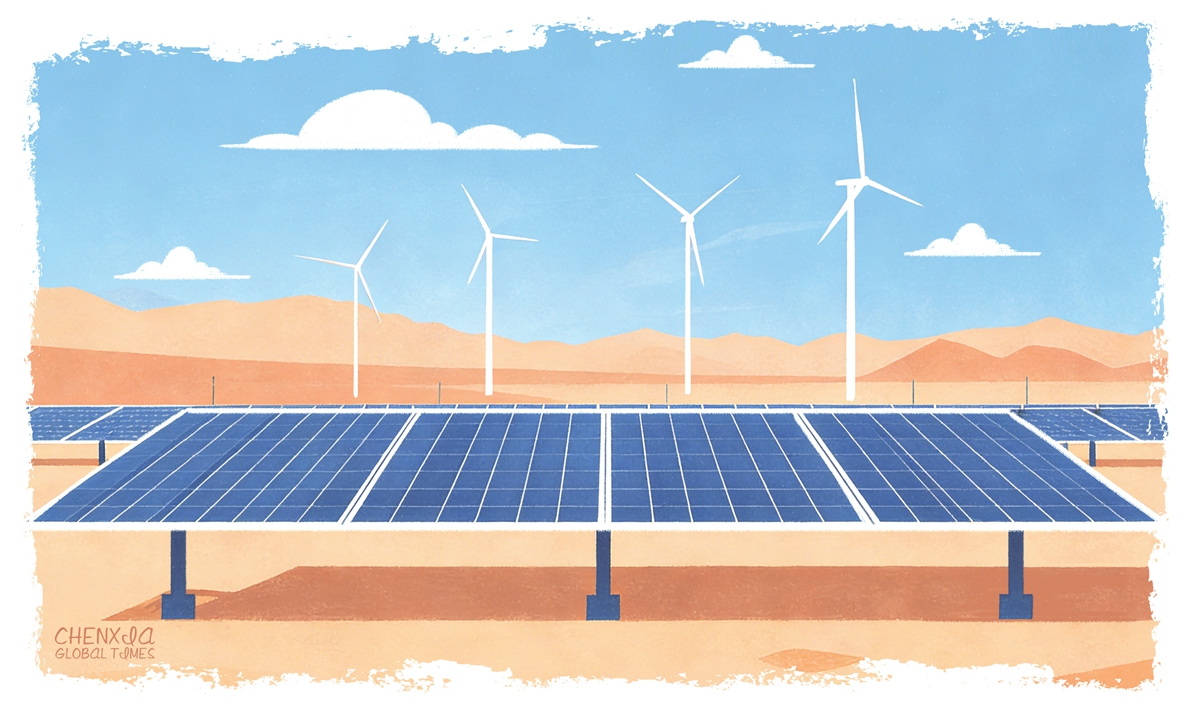
In the case of Neom, the solar energy generated in the Saudi desert will need to travel long distances to power buildings, data centers, and automated systems. The HVDC transformer manufactured in Brazil is the gear that enables this direct current transfer. With shipment scheduled for June and another 13 pieces of equipment in production, Hitachi Energy in Guarulhos quietly but concretely becomes one of the industrial addresses supporting the construction of the so-called city of the future in Saudi Arabia.
Did you know that Brazil manufactures transformers of this size for international projects? What impresses you the most: the weight of 342 tons, the eight-day transport operation, or the destination in the Saudi city of the future? Tell us in the comments.
Source link