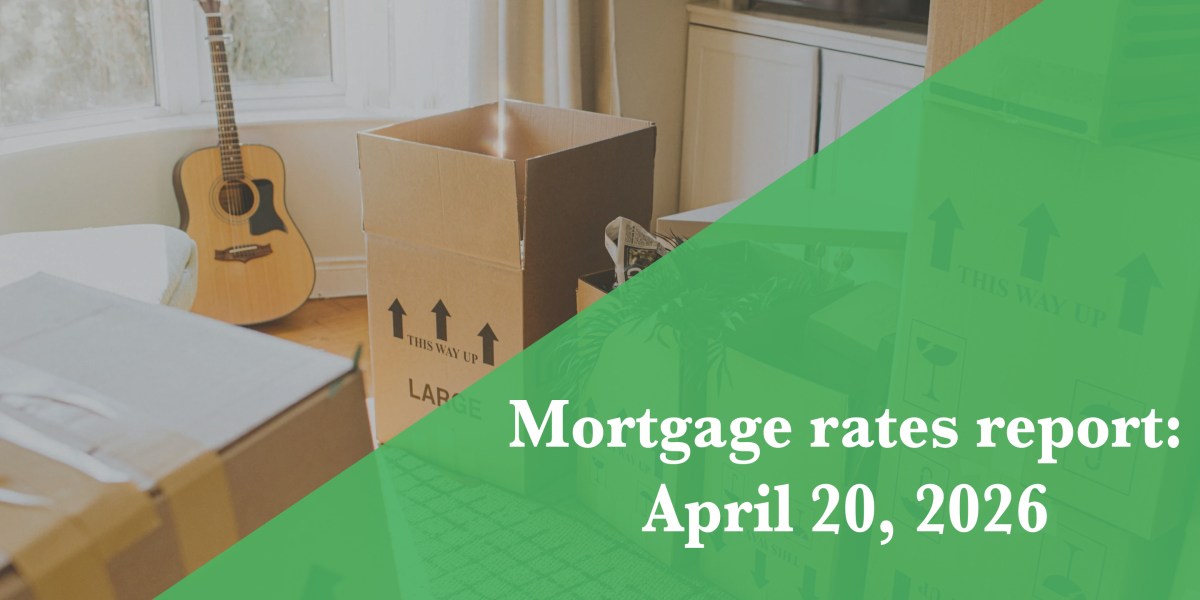
The average interest rate for a 30-year, fixed-rate conforming mortgage loan in the U.S. is 6.589%, down from the day before, according to data from Mortgage Resource Center.
Meanwhile, the average rate for a 15-year, fixed-rate conforming mortgage loan is 5.738%, a decrease over the same period.
Compare mortgage rates for July 16, 2026
Here’s a quick look at week-over-week rate changes.
Fortune reviewed the latest Mortgage Resource Center data available on July 15.
What you’d pay in interest with where rates are at today
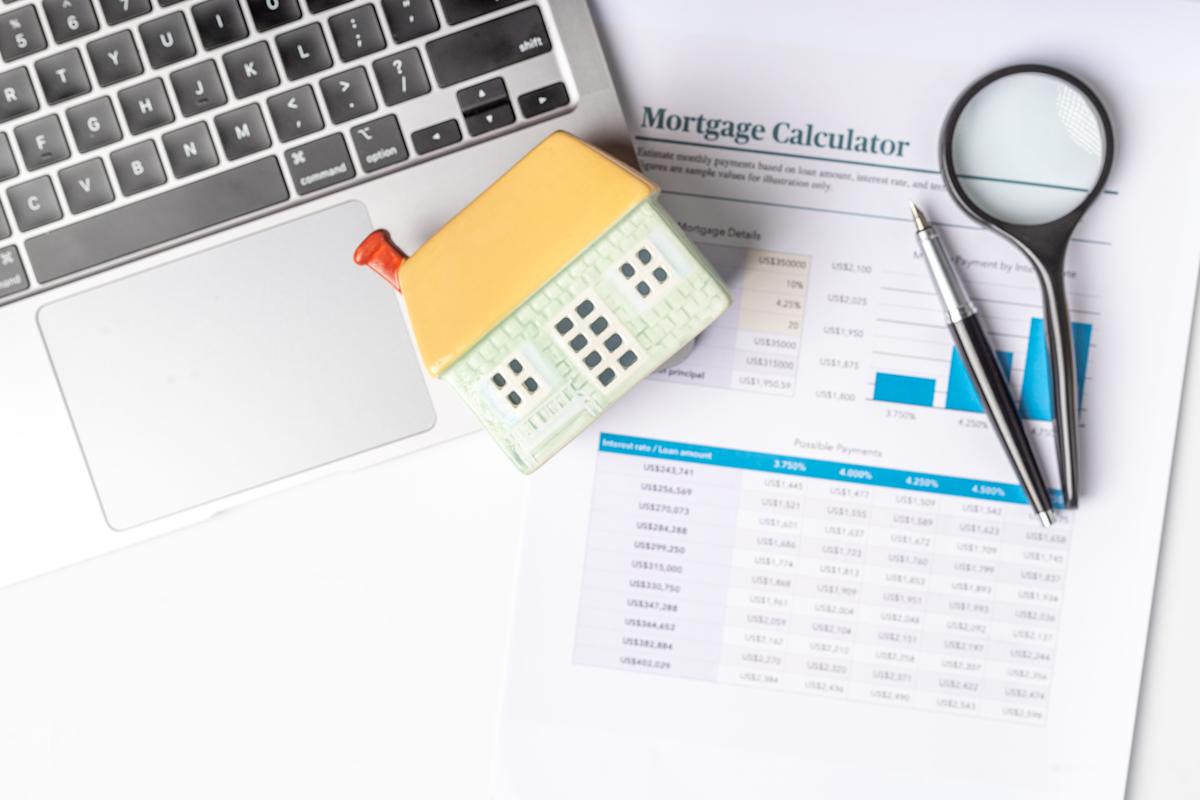
We ran the numbers through the mortgage calculator provided by the federal government’s Office of Financial Readiness. At the current rate of 6.589%, on a 30-year mortgage where you borrow $300,000, you’d pay roughly $388,965.28 in interest over the life of the loan.
On a 15-year mortgage with the same loan amount used for the estimate, you’d pay roughly $148,074.82 in interest over the life of the loan at the current rate of 5.738%.
What the Fortune/MRC partnership means for you
Fortune partners with Mortgage Resource Center, a company with deep expertise in the mortgage data space, to keep you informed throughout your homebuying journey. We review average rates provided by MRC each workday they’re available, keeping you up to date on a variety of loan types.
Read on to see how mortgage rates have changed from one day to the next.
30-year conventional mortgage rates
This may be the most popular mortgage type in the United States.
The current average 30-year mortgage rate is 6.589%. That’s down from 6.626% on the last day’s report.
15-year conventional mortgage rates
This type of mortgage is popular with homeowners seeking to minimize interest payments over the life of their loan.
The current average 15-year mortgage rate is 5.738%. That’s down from 5.792% on the last day’s report.
30-year jumbo mortgage rates
A jumbo mortgage is one that exceeds the conforming loan limits set by the Federal Housing Finance Agency. While the limit can vary in certain high-cost-of-living-areas, in most of the U.S., it’s $832,750 for 2026.
The current average rate on a 30-year jumbo loan is 6.758%. That’s down from 6.770% on the last day’s report.
30-year FHA mortgage rates
This type of mortgage is oftentimes more accessible to borrowers with slightly lower credit scores than conventional mortgages. Lenders are protected because these loans are insured by the Federal Housing Administration.
The current average rate on a 30-year FHA home loan is 5.940%. That’s down from 5.961% on the last day’s report.
30-year VA mortgage rates
These loans are, in general, available to U.S. military members and veterans and surviving spouses. One attractive feature is that they have no minimum down payment requirement, unlike most other mortgage types.
The current average rate on a 30-year VA home loan is 6.053%. That’s down from 6.064% on the last day’s report.
30-year USDA mortgage rates
A USDA loan is meant to help low- to moderate-income borrowers purchase a home in an eligible rural area. Like VA loans, USDA loans have no minimum down payment requirement.
The current average rate on a 30-year USDA home loan is 5.969%. That’s down from 6.022% on the last day’s report.
What the Federal Reserve is doing in 2026
The Fed does not set mortgage rates, but does indirectly influence them by what it does with the federal funds rate. That benchmark rate is what banks charge each other to borrow money overnight.
When the Fed increases the federal funds rate, mortgage rates often rise, and conversely, mortgage rates often decrease when the Fed cuts the federal funds rate. At its most recent meeting June 16-17, the Federal Open Market Committee left the federal funds rate at 3.50% – 3.75%.
The FOMC has another meeting coming up on July 28-29.
Some would-be homebuyers probably remember when the average mortgage rate dropped to a startling low of 2.65% in January 2021. That came as the Fed had cut the federal funds rate to effectively zero, trying to stave off a pandemic-induced recession.
However, barring a disaster of that level, experts do not expect mortgage rates to drop that low again in the foreseeable future.
Trends with mortgage applications
Mortgage applications dipped recently. Per data from the Mortgage Bankers Association, applications overall were down 2.7% for the week ending July 10 compared to a week earlier.
“Purchase applications were down over the week and dipped below last year’s pace in the week following the July 4th holiday,” Joel Kan, MBA’s vice president and deputy chief economist, said in a news release.
Refinances as a share of total mortgage applications grew to 43.2%, according to the MBA.
FHA home loans increased to 17.7% of total applications, and adjustable-rate mortgages (ARMs) decreased to 7.1%.
Recent reporting on the housing market from Fortune
If you want to stay in the loop and understand what’s happening with the economy, Fortune has your back. See what the newsroom has been reporting on recently:
Why you should comparison shop
Bear in mind that you can comparison shop from a couple different angles. On one hand, it’s worth considering different mortgage types to understand what the best type of loan is for your needs.
If you have exceptional credit, you might get the best deal for your situation from a conventional loan. But, if you have a credit score below 600, you’d likely get denied for a conventional mortgage while still having a chance at approval for an FHA home loan.
There’s also comparison shopping by applying with different lenders. Freddie Mac notes that in markets with high interest rates, homebuyers who shop around with multiple lenders might save from $600 to $1,200 per year compared to those who don’t.
Frequently asked questions
Are a mortgage’s interest rate and APR the same?
They’re not quite the same. Your APR will include interest plus any applicable fees, meaning it will generally be a slightly higher number than interest rate alone.
What’s a good mortgage rate in July 2026?
With the average for a 30-year conventional mortgage hovering in the 6.50% vicinity these days, if you snag a rate slightly above 6.00%, that’s pretty good.
Will mortgage rates go down?
Perhaps. If the Fed decreases the federal funds rate in 2026, there’s a chance mortgage rates might dip accordingly. But other factors are at play too, with inflation, the national debt, and the demand for home loans all impacting mortgage rates.