Introduction
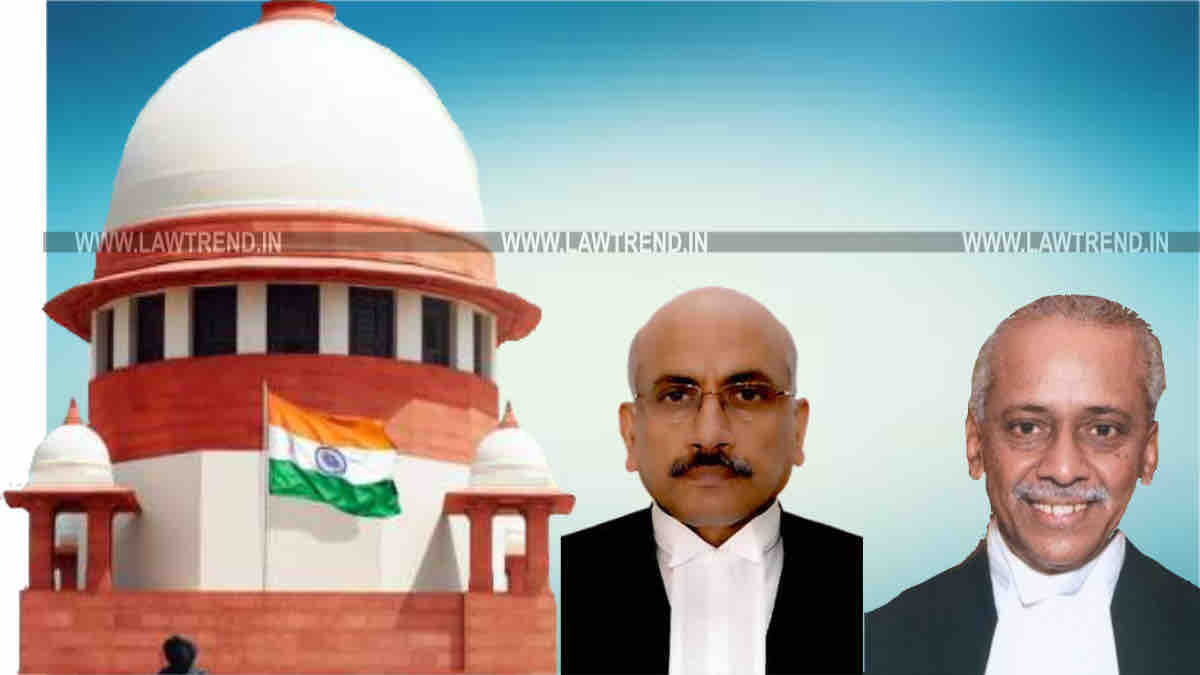
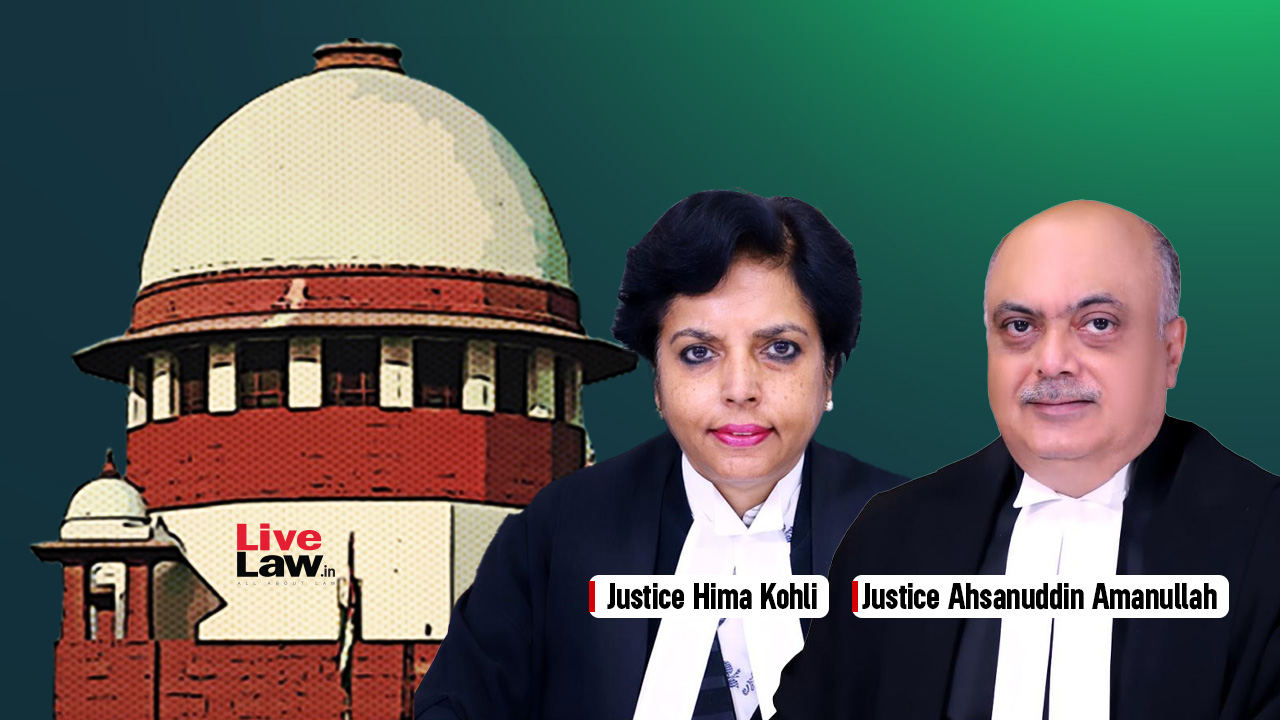
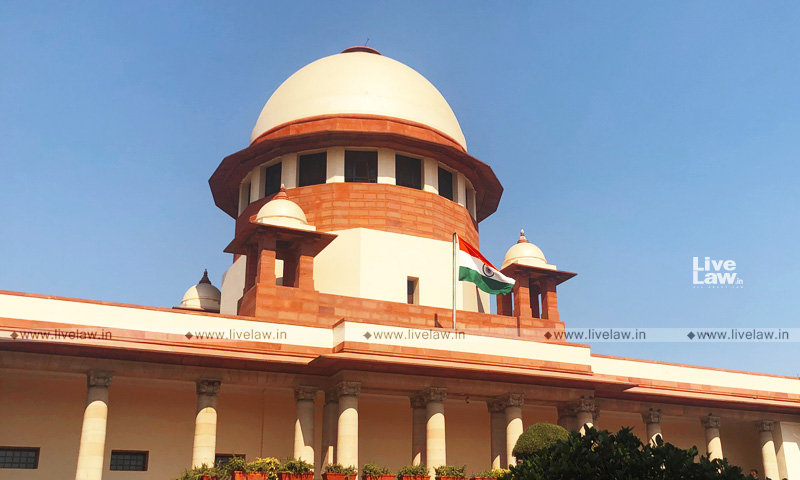
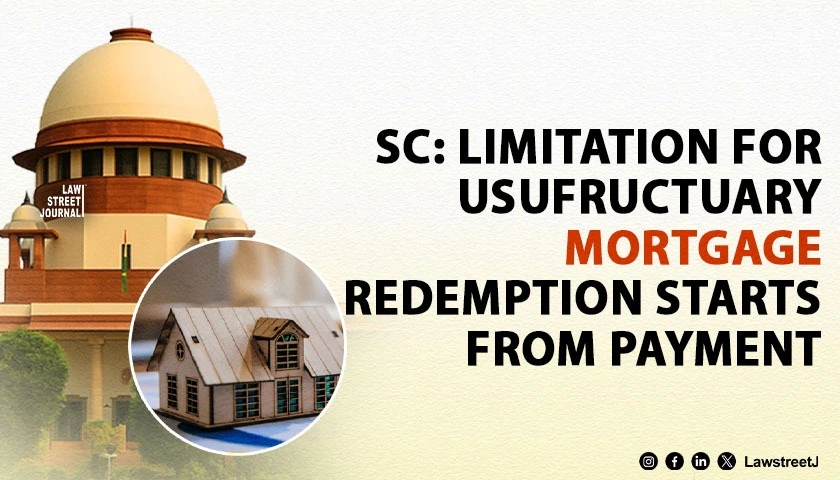
The Supreme Court of India recently addressed the critical issue of the right to redeem a usufructuary mortgage in the case of M.R. Satwaji Rao (D) by L.Rs. vs. B. Shama Rao (Dead) by L.Rs. & Ors. The Court’s ruling clarifies the legal standing of mortgagors in relation to properties sold in court auctions, emphasizing the enduring nature of the mortgagor-mortgagee relationship despite such sales. This judgment has significant implications for mortgage law and the rights of mortgagors in India.
Case Background
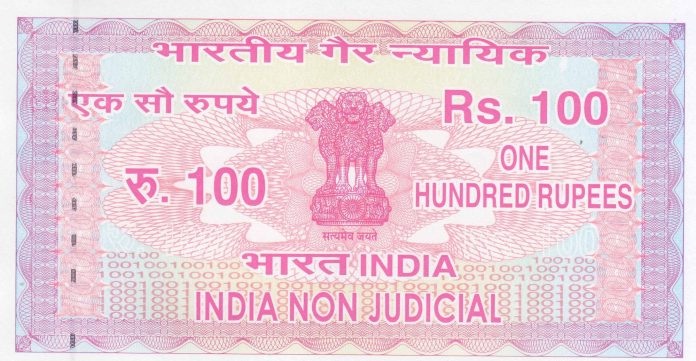
The case arose from a dispute over a usufructuary mortgage executed on February 19, 1948, for a sum of Rs. 10,000. The mortgage deed stipulated that the mortgagee would remain in possession of the mortgaged property without paying rent, and the mortgage amount would carry no interest. The mortgagors, however, continued to occupy the property as tenants, failing to pay the agreed rent. In 1952, the mortgagee filed a suit for arrears of rent, which was decreed, leading to the property being sold at a court auction. The mortgagors did not object to the sale for over three decades.
In 1983, the mortgagors filed a suit seeking redemption of the mortgage, which was dismissed by the trial court. The High Court later allowed their appeal, leading to the present Supreme Court case.
What The Lower Authorities Held
The trial court dismissed the mortgagors’ suit for redemption, asserting that the relationship of mortgagor and mortgagee had ended with the auction sale. The court held that the money decree obtained by the mortgagee was independent of the mortgage claim, and thus, the mortgagors could not redeem the property. Conversely, the High Court found merit in the mortgagors’ appeal, ruling that the mortgage relationship persisted despite the auction sale, and granted a preliminary decree for redemption.
Case Details
- Case Reference: M.R. Satwaji Rao (D) by L.Rs. vs. B. Shama Rao (Dead) by L.Rs. & Ors
- Court: In The Supreme Court Of India
- Date of Judgment: April 09, 2008
Continue Reading This Analysis
Sign in free with Google to read the Court’s full reasoning and outcome.