Introduction
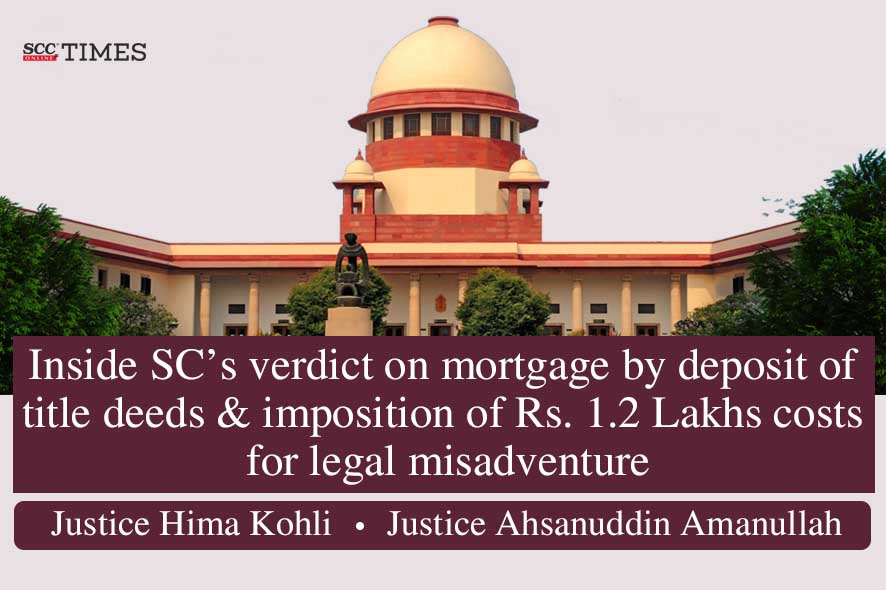
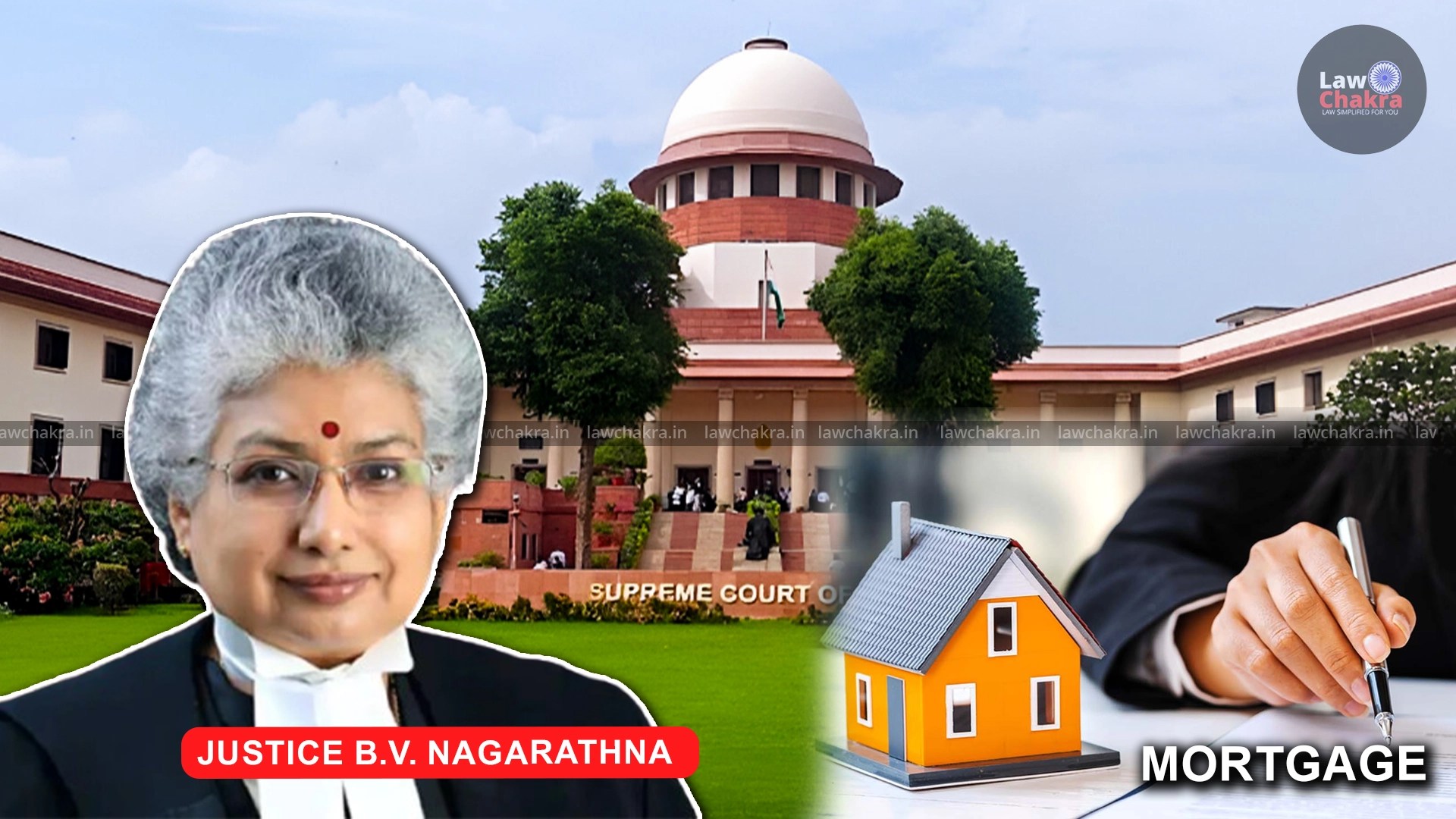
The case of Ishwar Dass Jain (Dead) Through Legal Representatives v. Sohan Lal (Dead) By Legal Representatives, adjudicated by the Supreme Court of India on November 29, 1999 (INSC 533), addresses critical issues surrounding the validity of usufructuary mortgages and the admissibility of evidence in proving sham transactions. The appellants, representing the mortgagor Ishwar Dass Jain, sought redemption of a usufructuary mortgage dated April 15, 1969, and recovery of possession from the defendants, Sohan Lal and his legal representatives. The lower courts had dismissed the plaintiff’s suit on the grounds that the mortgage was a sham transaction designed to evade rent control laws, thereby establishing a landlord-tenant relationship instead of a mortgagor-mortgagee relationship.
This case delves into the intricacies of mortgage legality, evidence admissibility under the Indian Evidence Act, and the scope of judicial review under the Code of Civil Procedure (CPC).
Summary of the Judgment
The Supreme Court overturned the decisions of the trial court and both appellate courts, holding in favor of the appellants. The central findings were:
- The mortgage deed presented by the plaintiff was legitimate and not a sham transaction intended to bypass rent control legislation.
- Evidence presented by the defendants to establish a landlord-tenant relationship was inadmissible as it consisted only of extracts from alleged account books without the originals.
- The lower courts failed to consider vital evidence and relied on inadmissible evidence, thereby rendering their findings on tenancy invalid.
- The Supreme Court directed the redemption of the usufructuary mortgage, reinstating the plaintiff’s rights to possession upon depositing the sum of Rs 1000.
Analysis
Precedents Cited
The Supreme Court referenced several key precedents to substantiate its reasoning:
- Gangabai v. Chhabubai (1982) 1 SCC 4: Established that oral evidence can be admissible to demonstrate that a document was never intended to operate as an agreement, thereby negating its legality as a binding document.
- Tasker v. Small (1837) 3 My & Cr 63: Asserted that a mortgagee cannot dispute the mortgagor’s title once possession is obtained under a mortgage deed.
- Central Bureau of Investigation v. V.C Shukla (1998) 3 SCC 410: Clarified the definition of “books of account” under Section 34 of the Evidence Act, emphasizing that only complete and unaltered records qualify for admissibility.
- Other cases such as Jagdish Singh v. Natthu Singh (1992) 1 SCC 647 and Sundra Naicka Vadiyar v. Ramaswami Ayyar (1995) Supp (4) SCC 534 were cited to illustrate scenarios where High Courts have the authority to intervene based on the omission of vital evidence or reliance on inadmissible evidence.
Legal Reasoning
The Supreme Court meticulously analyzed the merits of the appellant’s claims against the defendants’ assertions:
- Validity of the Mortgage Deed: The court examined the execution and registration of the mortgage deed, concluding that it was properly attested and there was no specific denial of its execution by the defendant, as required under Section 68 of the Evidence Act.
- Sham Transaction Allegation: The defendants’ claim that the mortgage was a sham to circumvent rent control laws was scrutinized. The court found inconsistencies in the defendants’ reasoning, particularly questioning why a lender (plaintiff) would mortgage a property to a borrower (defendant) merely as collateral security.
- Admissibility of Evidence: The evidence presented by the defendants consisted of extracts from alleged account books without the originals. Under Section 34 of the Evidence Act, original account books are required for admissibility; hence, the extracts were rendered inadmissible.
- Judicial Review and Interference: The Supreme Court invoked its power under Article 136 of the Constitution and Section 100 of the CPC to interfere with the lower courts’ findings based on the omission of vital evidence and reliance on inadmissible evidence.
Impact
This judgment reinforces the sanctity of properly executed mortgage deeds and sets stringent criteria for the admissibility of evidence in property disputes. Key implications include:
- Enhanced Scrutiny of Mortgage Transactions: Parties must ensure that mortgage deeds are genuine and not contrived to bypass legislation, as courts will rigorously examine the intent and validity of such transactions.
- Strict Adherence to Evidence Rules: Parties presenting financial records or account books must produce original documents to meet the standards of admissibility under the Evidence Act.
- Judicial Oversight: Higher courts retain the authority to overturn lower court judgments if critical evidence is overlooked or inadmissible evidence unduly influences the outcome.
- Protection Against Sham Transactions: The judgment serves as a deterrent against parties attempting to use sham instruments to obscure true relationships or obligations.
Complex Concepts Simplified
Usufructuary Mortgage
A usufructuary mortgage is a specific type of mortgage where the mortgagee (lender) has the right to possess and use the mortgaged property during the mortgage period, but without owning it. The mortgagee’s interest is limited to the usufruct (the right to enjoy the property) and is subject to its return upon redemption by the mortgagor (borrower).
Sham Transaction
A sham transaction refers to an agreement or document that appears genuine on the surface but is actually intended to deceive or conceal the true nature of the relationship or obligations between the parties involved.
Section 34 of the Evidence Act
This section pertains to the admissibility of entries in books of account. For such entries to be admissible as evidence, the books must be original, regularly kept, and maintained in the ordinary course of business, ensuring their reliability and authenticity.
Section 100 of the Code of Civil Procedure (CPC)
This section grants High Courts the power to revise and interfere with the findings of lower courts in specific circumstances, particularly when there has been a substantial question of law or mishandling of evidence that could alter the case’s outcome.
Conclusion
The Supreme Court’s decision in Ishwar Dass Jain v. Sohan Lal serves as a pivotal reference in property law, particularly concerning usufructuary mortgages and evidence admissibility. By meticulously dissecting the lower courts’ reliance on inadmissible evidence and affirming the legitimacy of the mortgage deed, the Supreme Court upheld the principles of justice and legal integrity.
This judgment underscores the importance of adhering to procedural norms in mortgage transactions and evidence presentation. It reinforces the judiciary’s role in safeguarding against fraudulent practices and ensuring that legal instruments are not manipulated to subvert legislative frameworks, such as rent control laws. Consequently, this precedent will guide future litigations involving complex property disputes and the nuanced interplay between contractual obligations and statutory regulations.