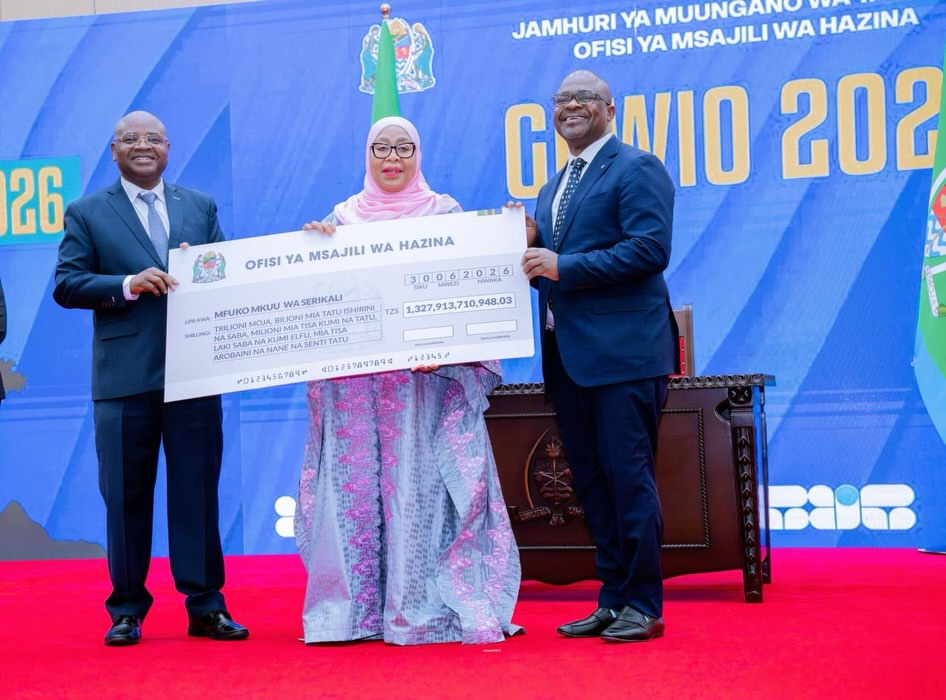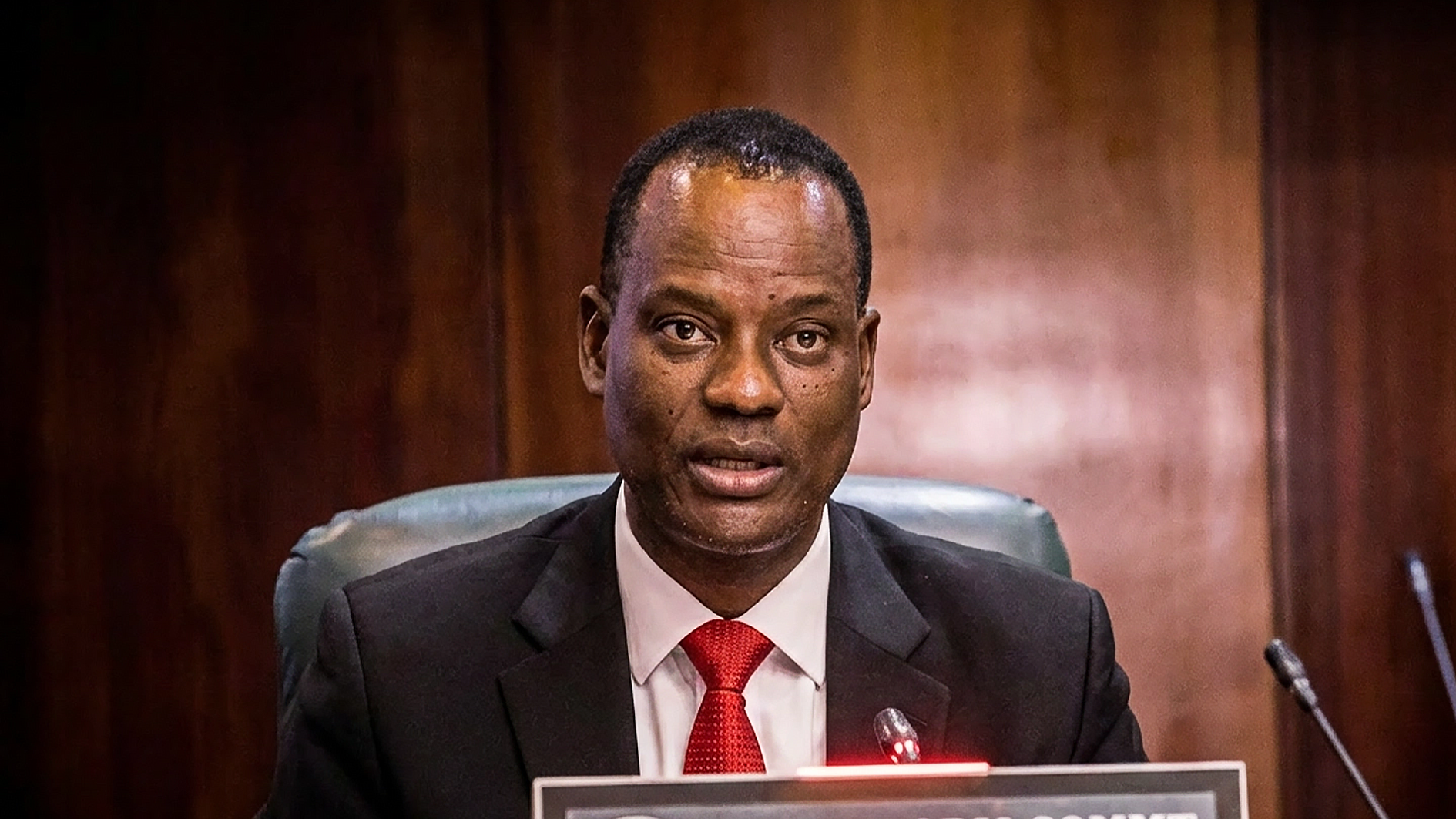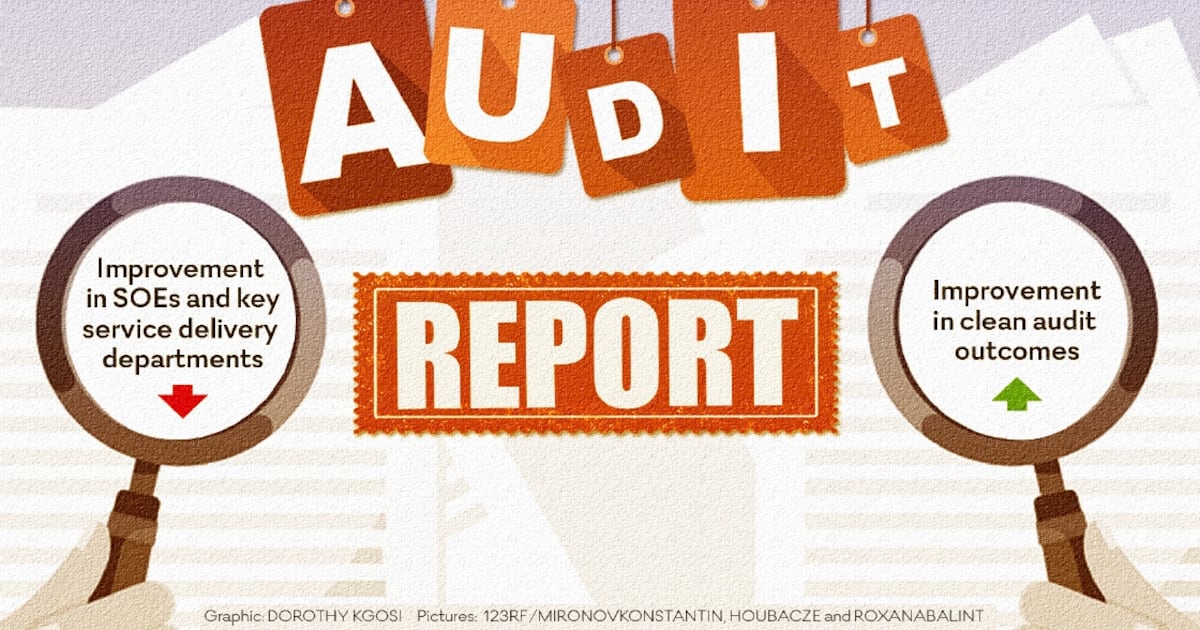
Tanzania’s Controller and Auditor General’s annual report to President Samia Suluhu Hassan represents one of the nation’s most critical accountability mechanisms in public finance, serving as both a constitutional obligation and a vital diagnostic tool for economic governance.
The annual submission of the Controller and Auditor General (CAG) report to Tanzania’s President is far more than a ceremonial tradition—it’s a comprehensive assessment of the country’s financial health with far-reaching economic implications. While primarily viewed as an audit of accountability and compliance, the CAG report fundamentally shapes Tanzania’s investment climate, fiscal sustainability, and overall economic trajectory.
Revenue collection inefficiencies remain a persistent challenge highlighted in the latest report. The CAG has identified significant gaps in tax administration, including uncollected revenues, under-assessed taxes, and systemic weaknesses across natural resources, local government, and state-owned enterprises. These shortfalls directly diminish the government’s fiscal capacity, forcing difficult choices between reducing development spending or increasing borrowing—both options carrying long-term consequences for debt sustainability and economic growth.
Equally troubling are the findings regarding inactive or unproductive investments. The report documents numerous projects that have consumed billions of shillings yet remain incomplete, underutilized, or economically unviable. These include poorly planned public-private partnerships, industrial projects, and stalled infrastructure developments that not only waste public funds but represent missed opportunities for economic transformation in a country seeking to accelerate development.
Procurement irregularities continue to undermine Tanzania’s public finance system. Inflated contract prices, non-compliance with procurement laws, and poor contract management distort market competition, reduce value for money, and inflate the cost of public projects. At a macroeconomic level, this results in higher government expenditure without corresponding increases in output.
Public debt management has emerged as another critical concern in the CAG’s findings. While Tanzania’s debt remains within sustainable levels, the CAG has consistently warned about contingent liabilities, non-performing investments, and guarantees given to state-owned enterprises. When these entities fail to deliver expected returns, the central government bears the repayment burden, potentially displacing essential spending on infrastructure, education, and healthcare.
Beyond its direct impact on public finances, the CAG report significantly influences Tanzania’s investment environment. Transparency and accountability are key factors shaping investor confidence. Repeated findings of mismanagement, poor governance, and weak enforcement send mixed signals to both local and international investors, potentially increasing the cost of doing business in Tanzania.
However, the existence of a strong, independent CAG function also reflects institutional maturity. When audit findings are properly addressed, they can enhance credibility and signal a genuine commitment to reform—a positive indicator for potential investors.
A central question remains about the effectiveness of the CAG’s recommendations. The technical validity of these recommendations is generally high, aligning with global best practices. However, their implementation has been inconsistent. The recurrence of similar audit queries year after year suggests a persistent implementation gap, with recommendations either partially addressed or ignored entirely.
President Samia Suluhu Hassan has emphasized financial discipline, accountability, and good governance since taking office. Her commitment is reflected in efforts to improve transparency, strengthen oversight of state-owned enterprises, and modernize tax administration through digital systems. Yet progress remains gradual, with the government facing the delicate challenge of enforcing accountability without disrupting service delivery.
For the CAG report to have meaningful economic impact, several steps are necessary. Audit findings must be more closely linked to policy decisions and budget planning. Accountability mechanisms need strengthening to ensure that recommendations lead to consequences. Greater public engagement through media and civil society could increase pressure for implementation, while investment in preventative systems—including digital financial management platforms—would help reduce irregularities before they occur.
Tanzania’s challenge now is to move from diagnosis to action, ensuring that each year’s findings translate into lasting economic reform. Without consistent enforcement, even the most detailed audit will have limited influence on the country’s economic governance and development trajectory.