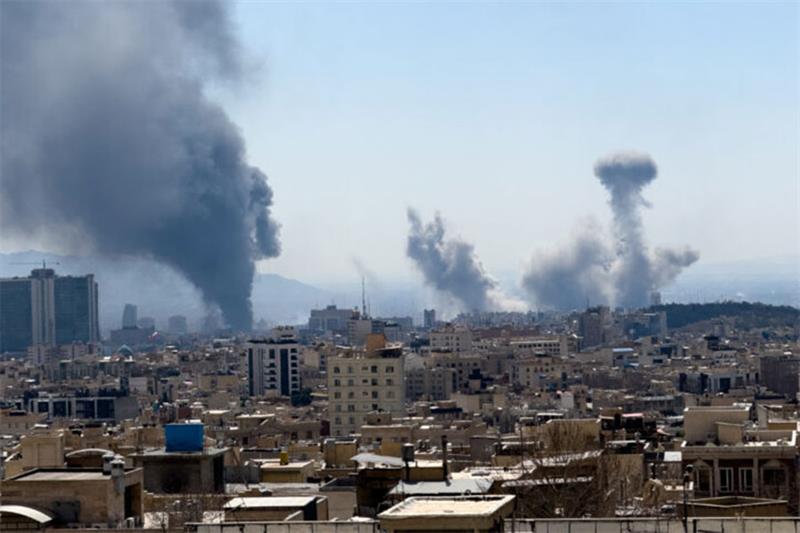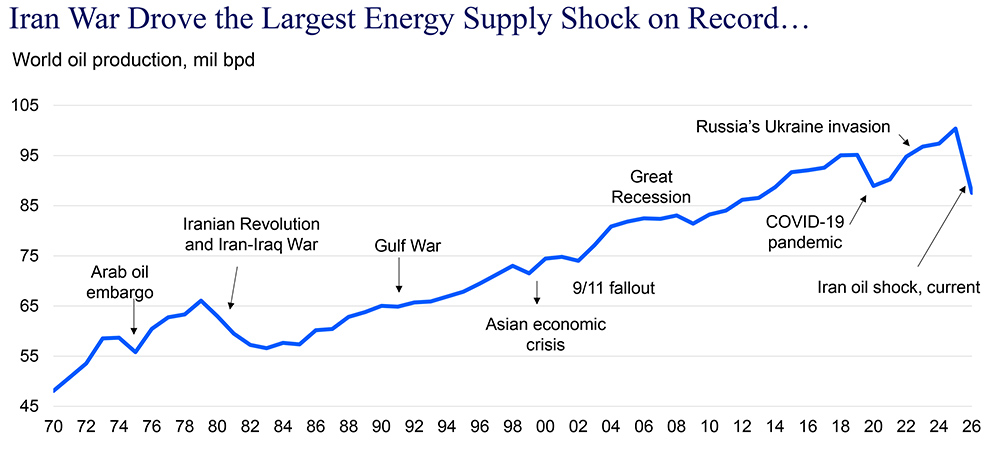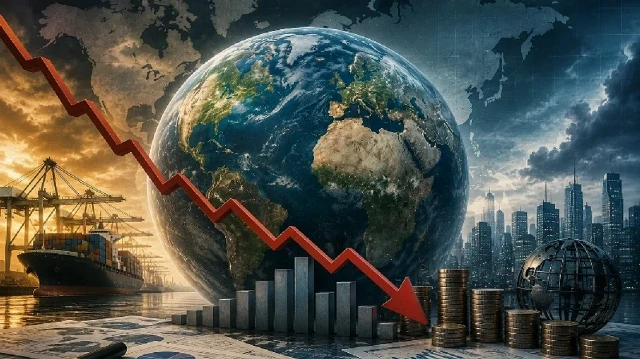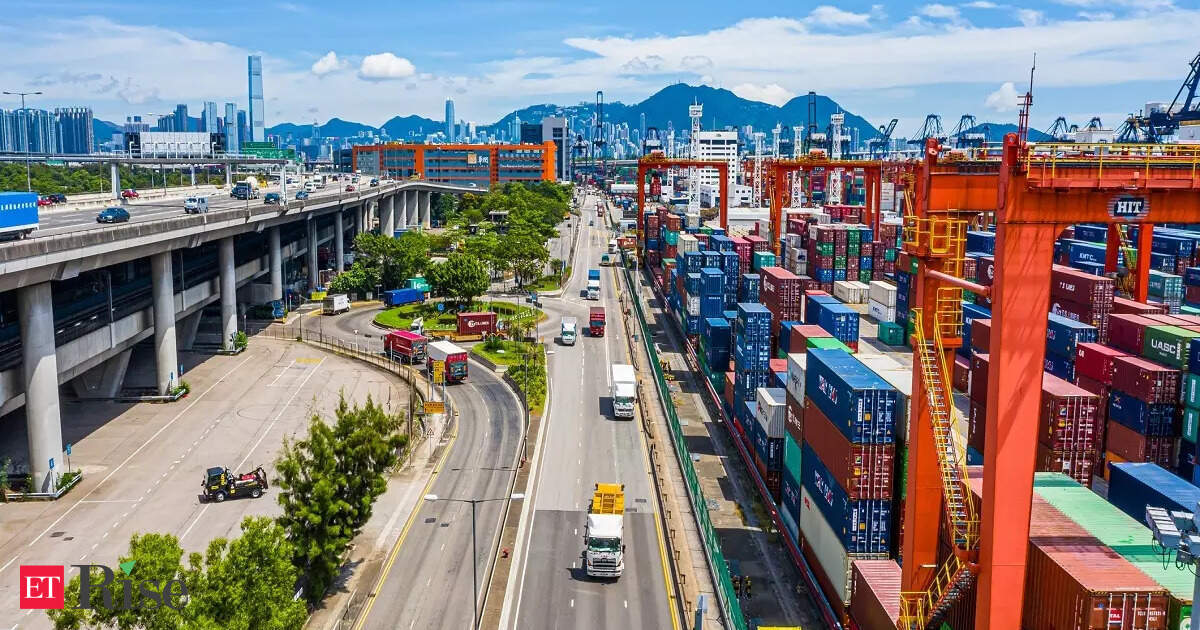
Iran’s economy is coming under mounting pressure from the US naval blockade which has sharply reduced oil exports, restricted hard-currency inflows and deepened financial strains after decades of sanctions.
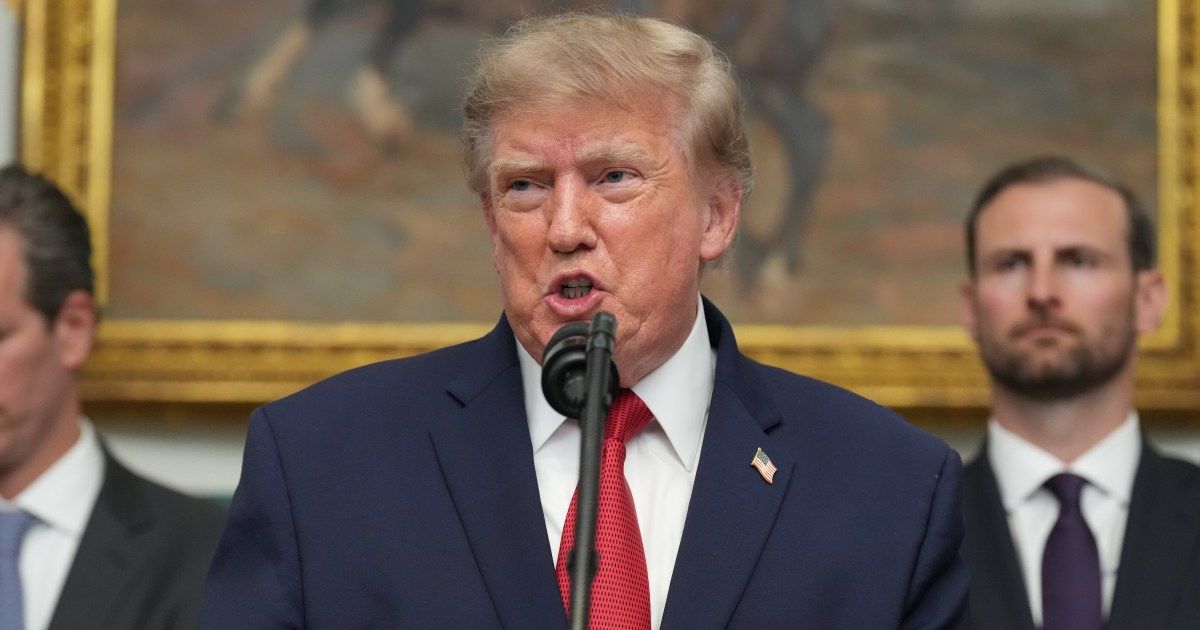
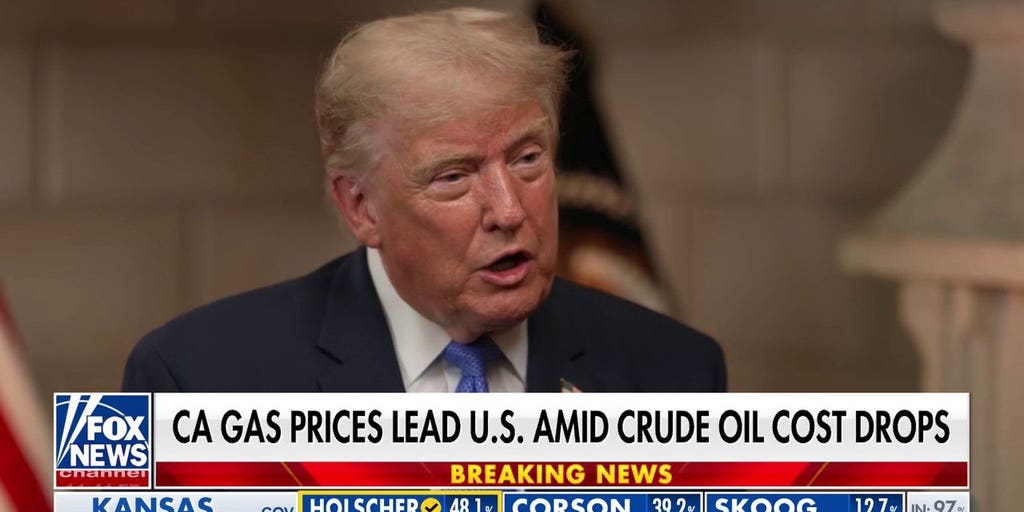
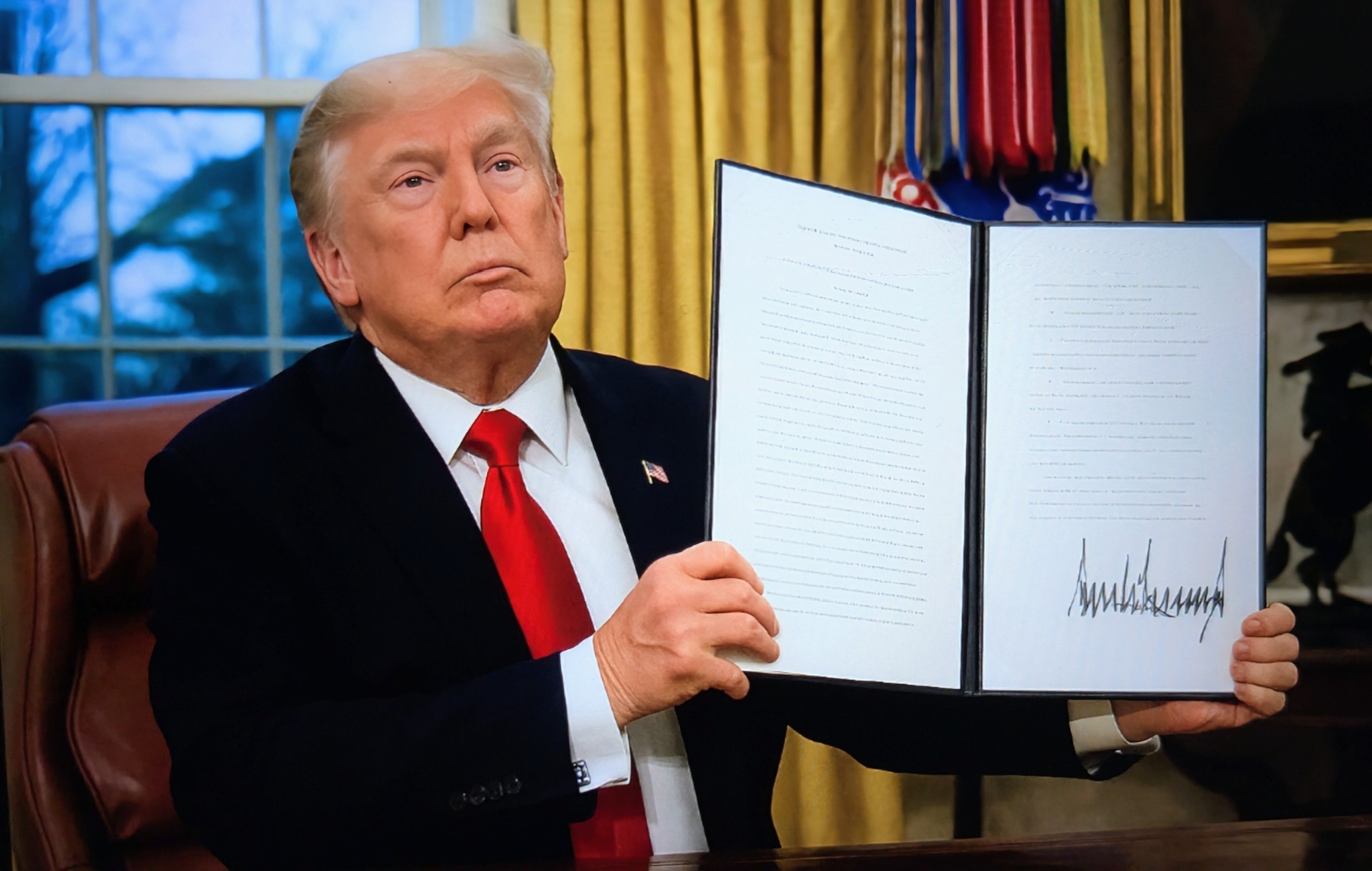
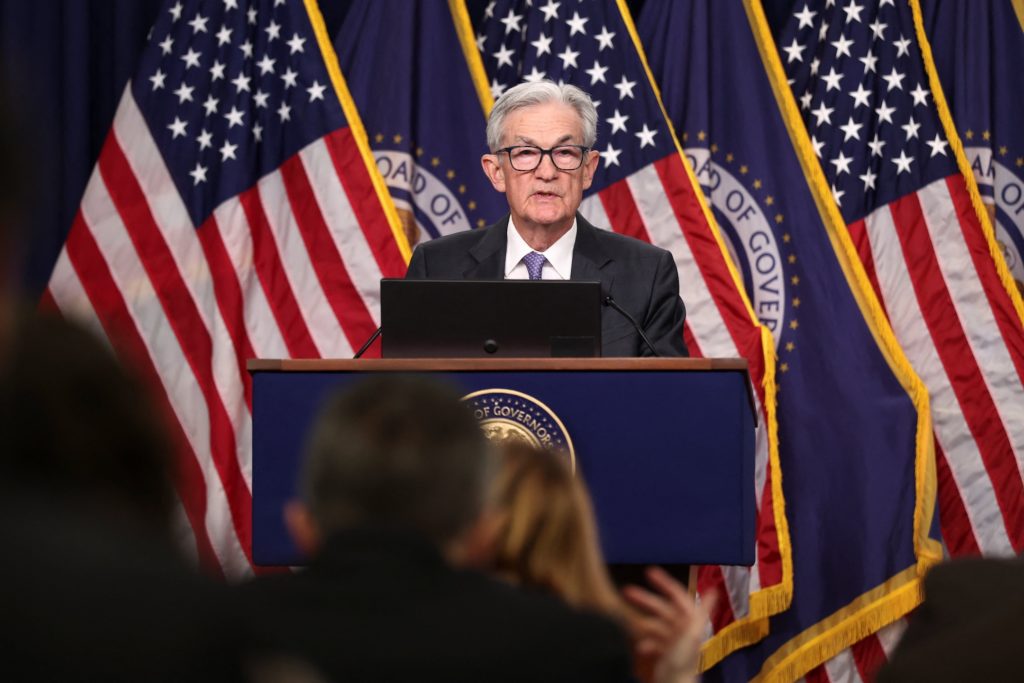
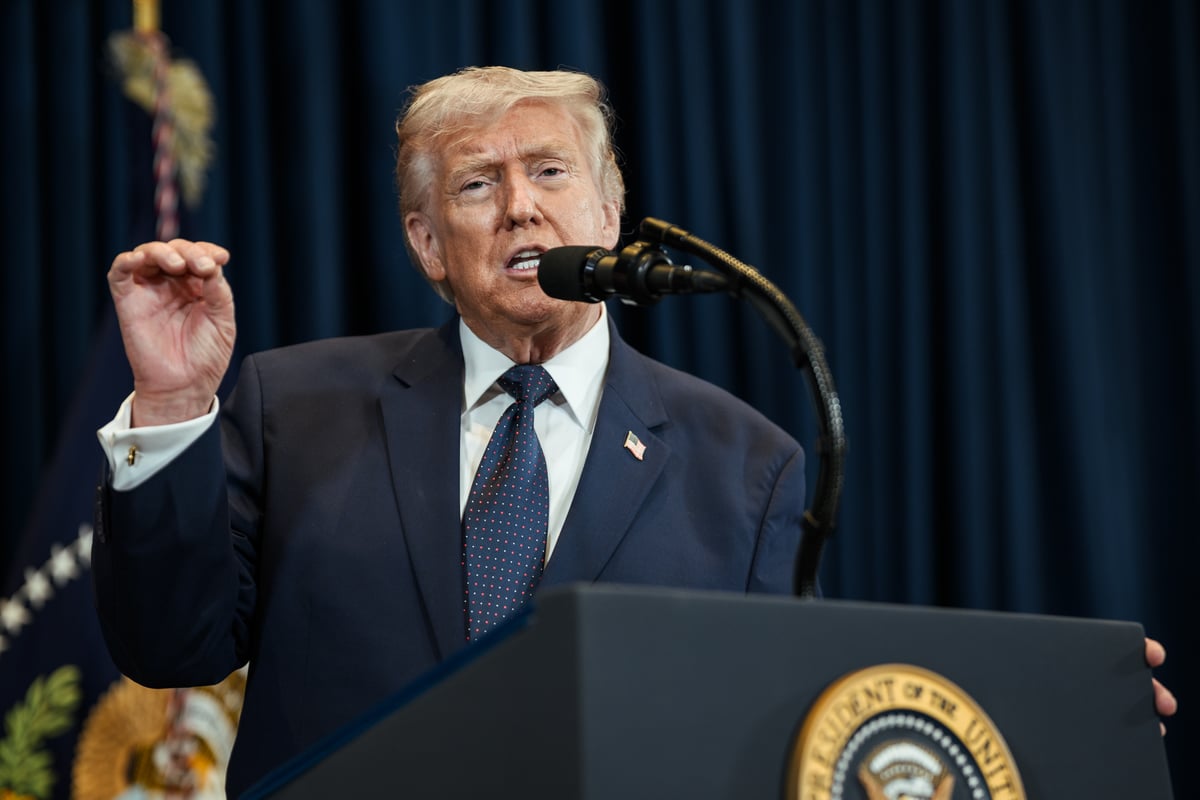
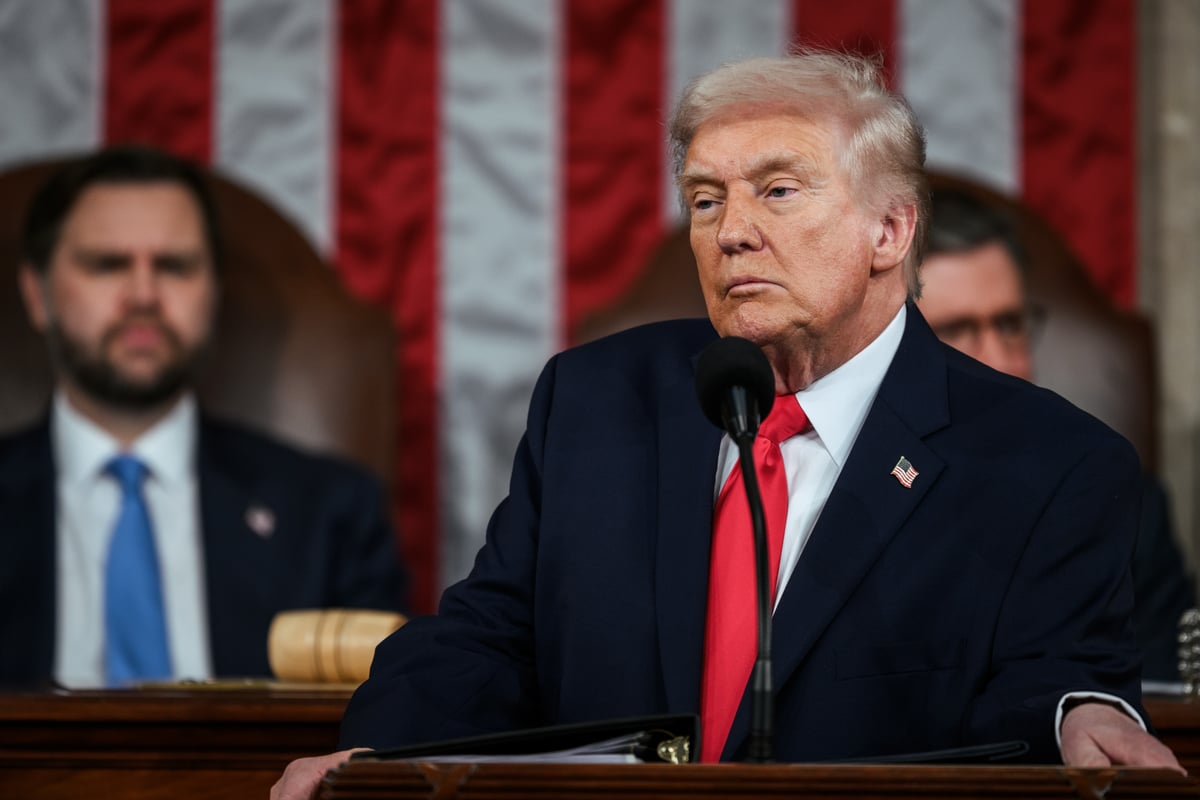
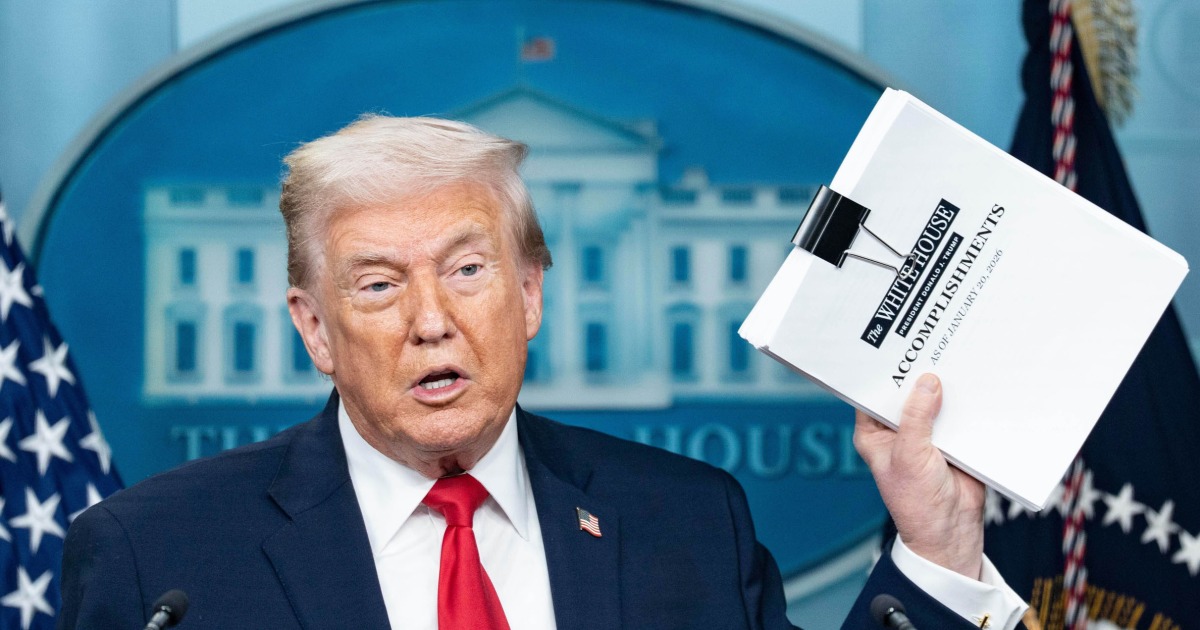
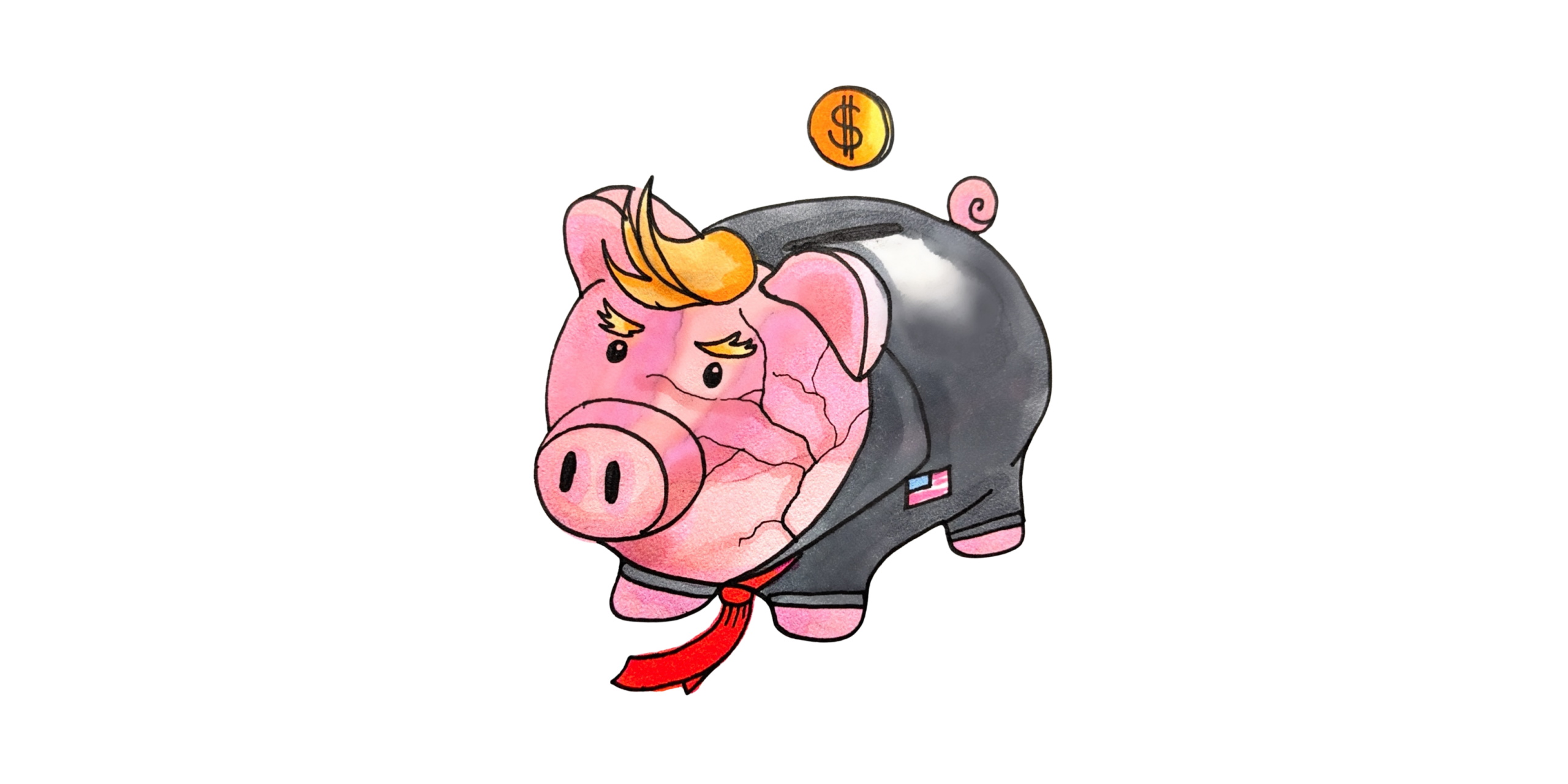
US President Donald Trump claimed earlier this week that Iran was in a “state of collapse” financially.
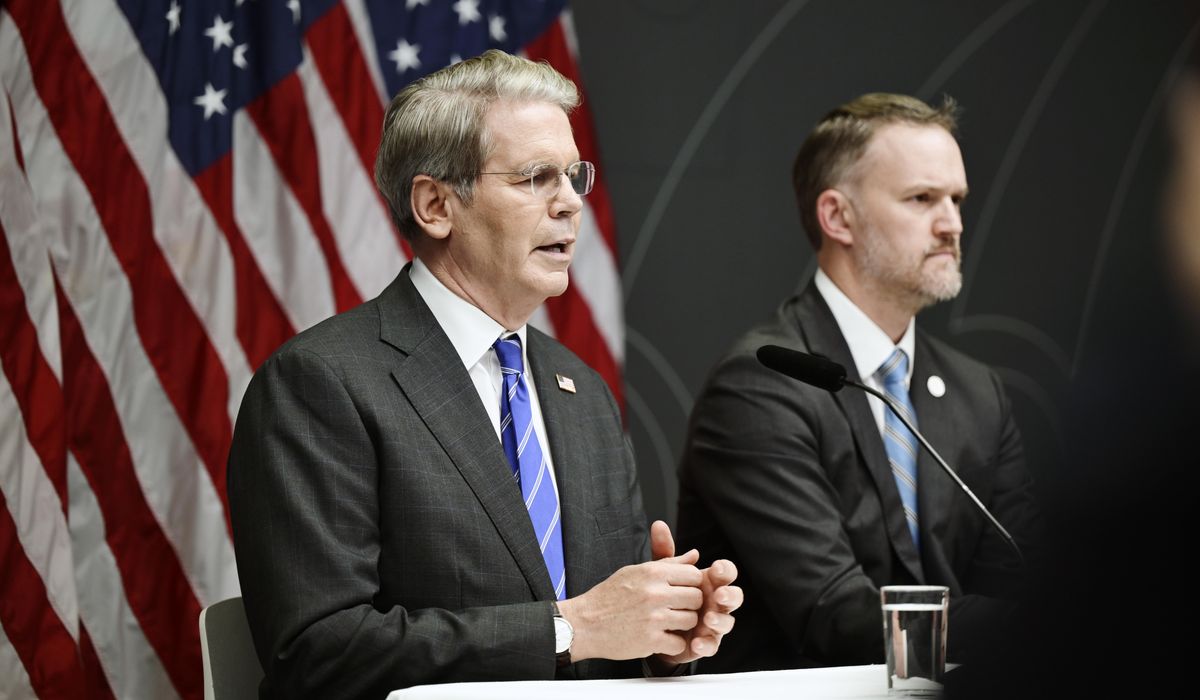
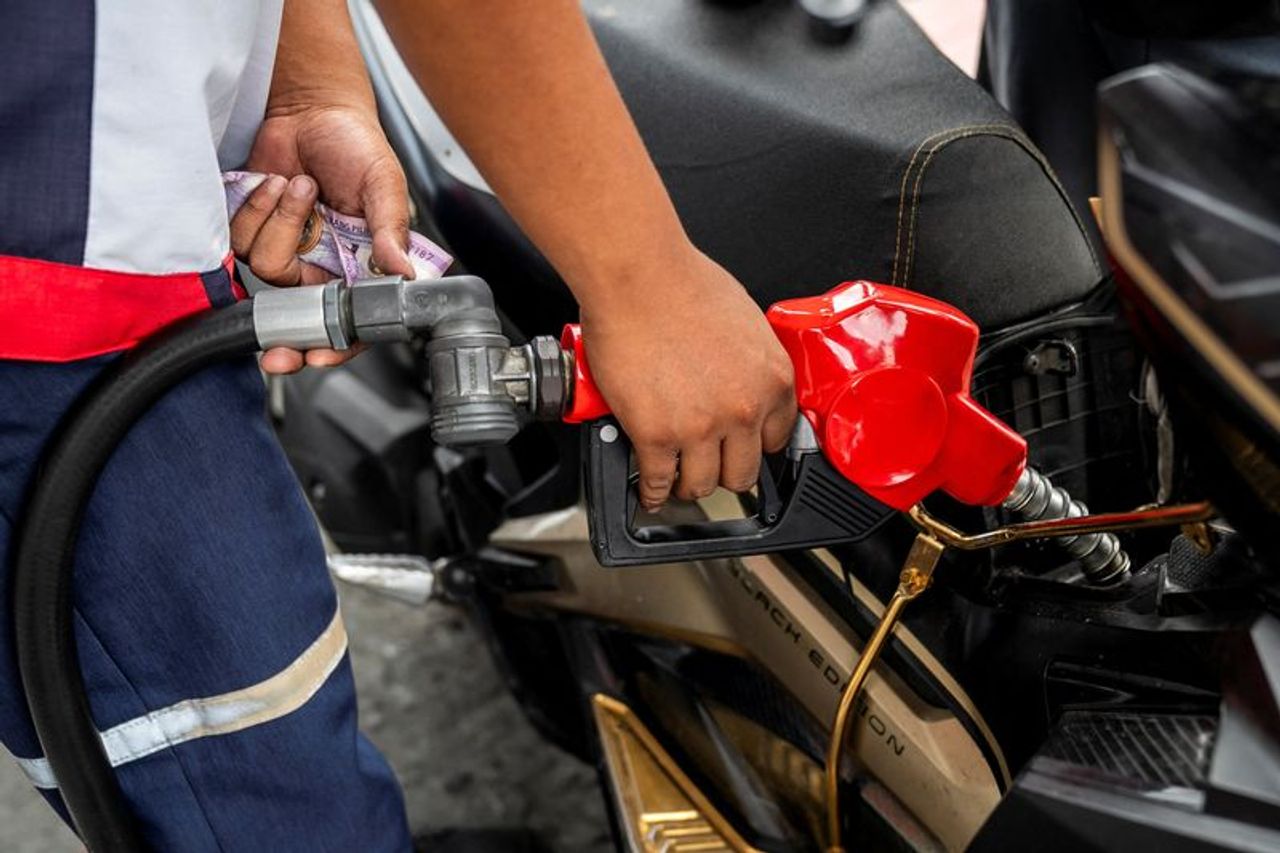
US Treasury Secretary Scott Bessent piled on, writing on X, “Iran’s creaking oil industry is starting to shut in production thanks to the US BLOCKADE. Pumping will soon collapse. GASOLINE SHORTAGES IN IRAN NEXT!”
There have been no immediate signs of any gasoline shortages in Iran.
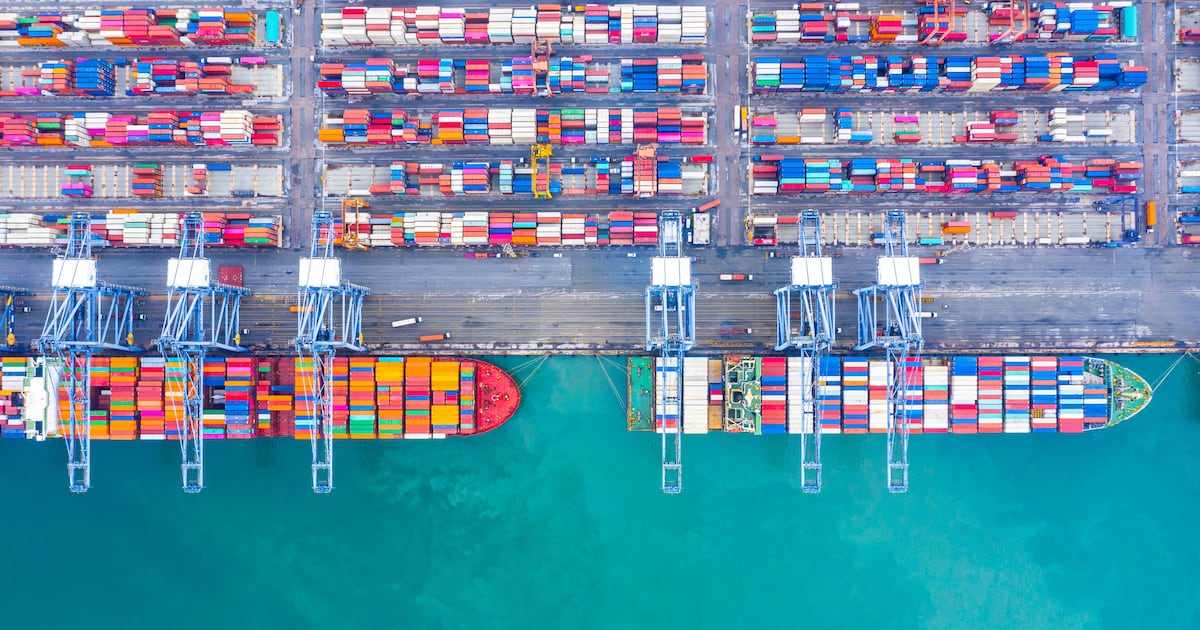
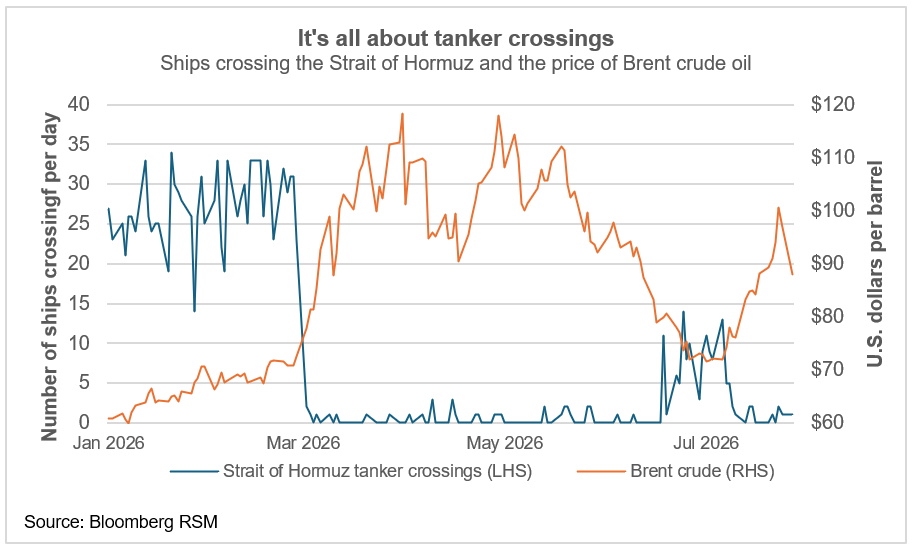
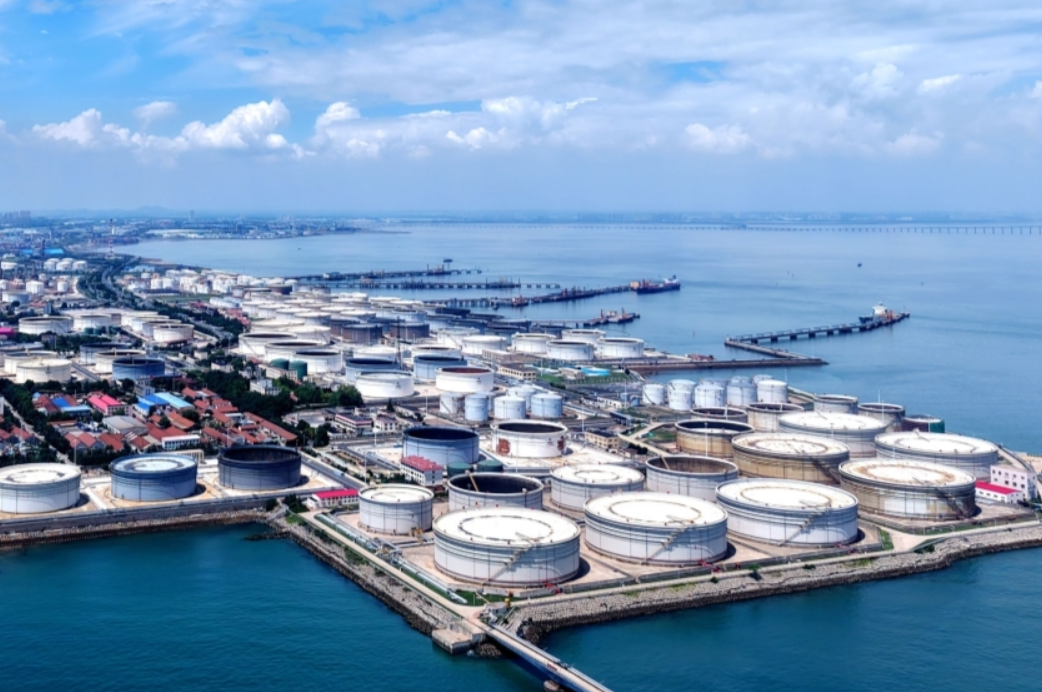
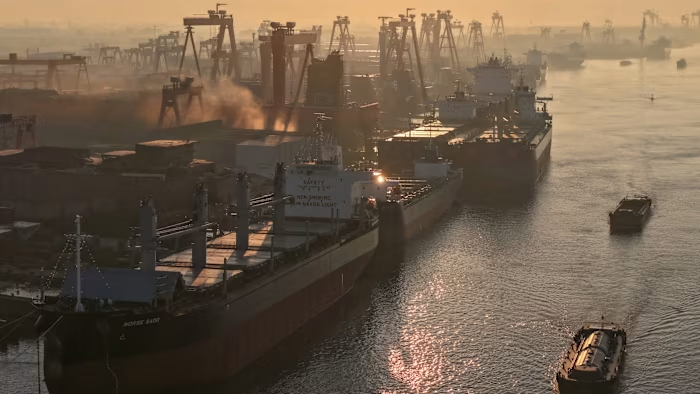
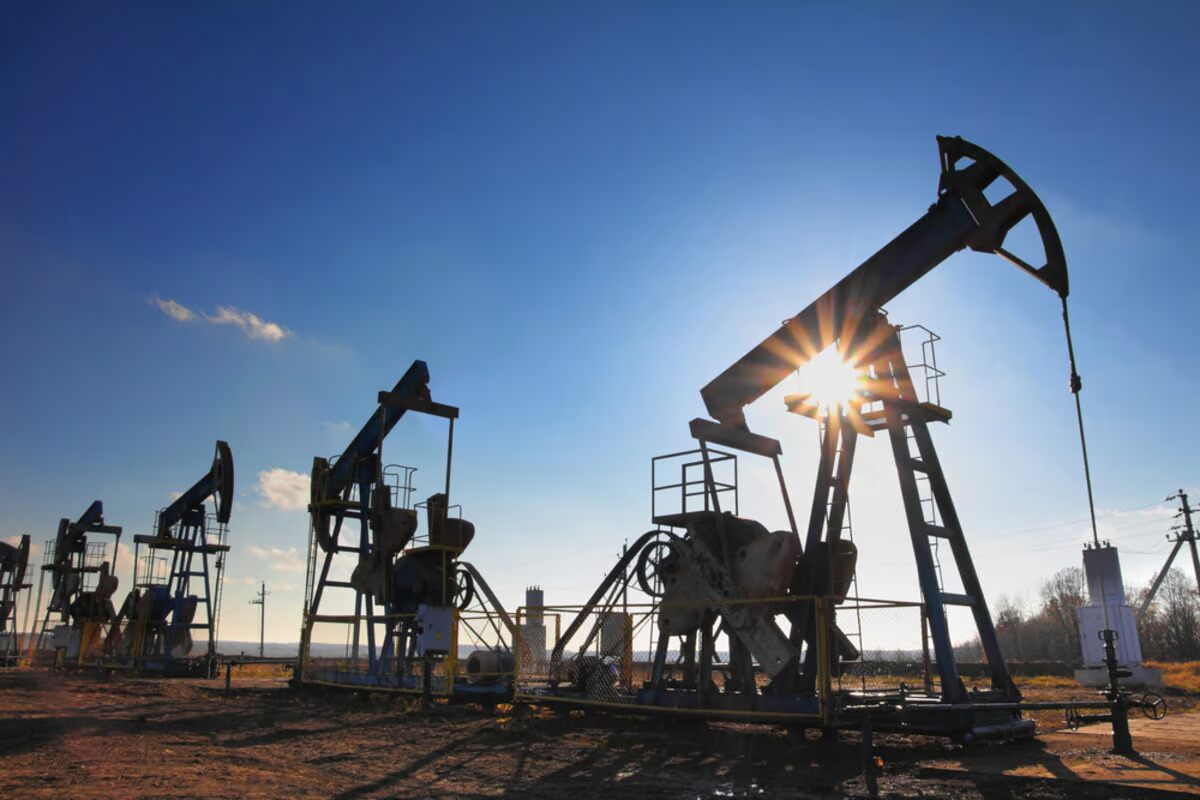
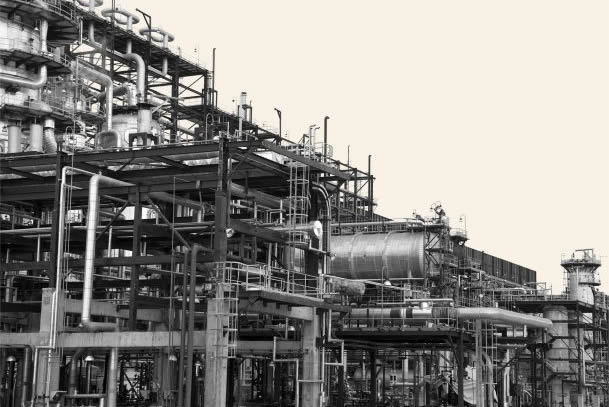
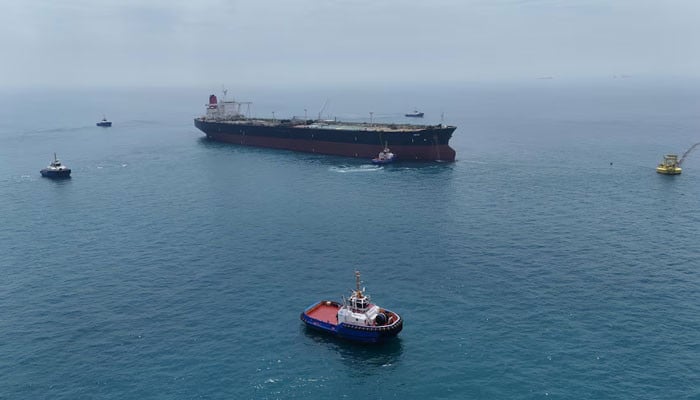
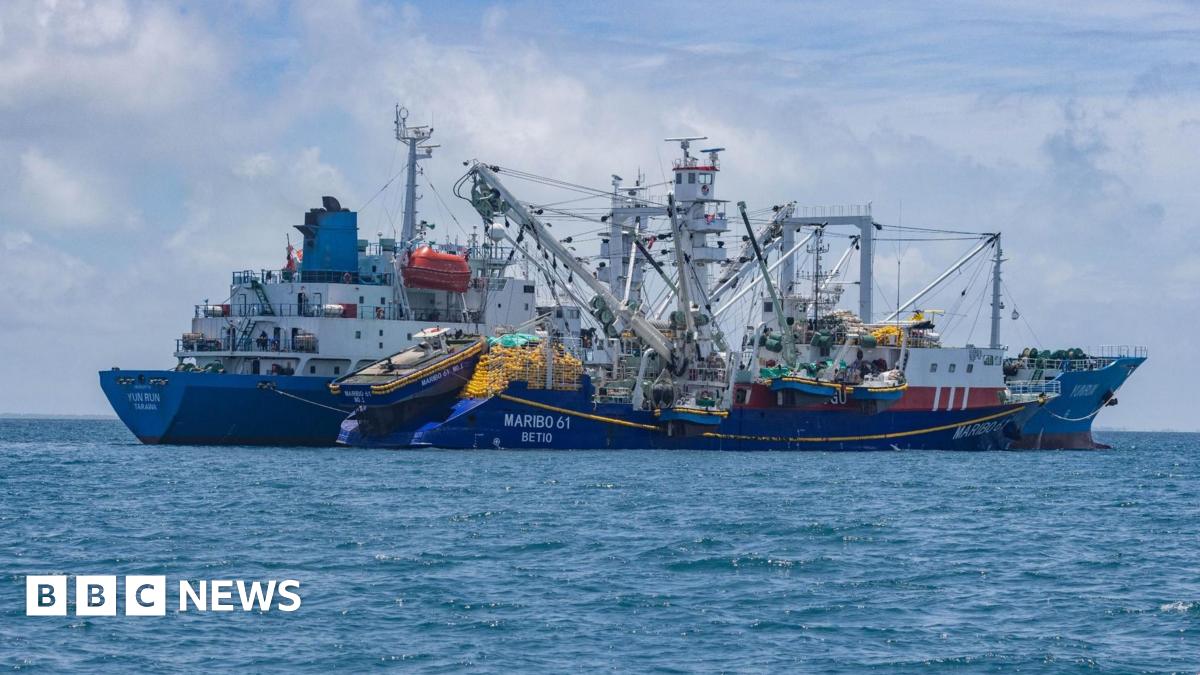
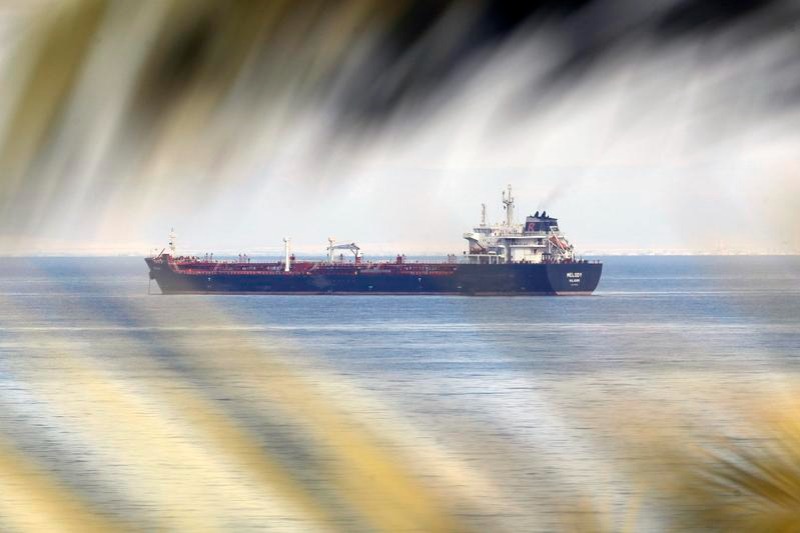
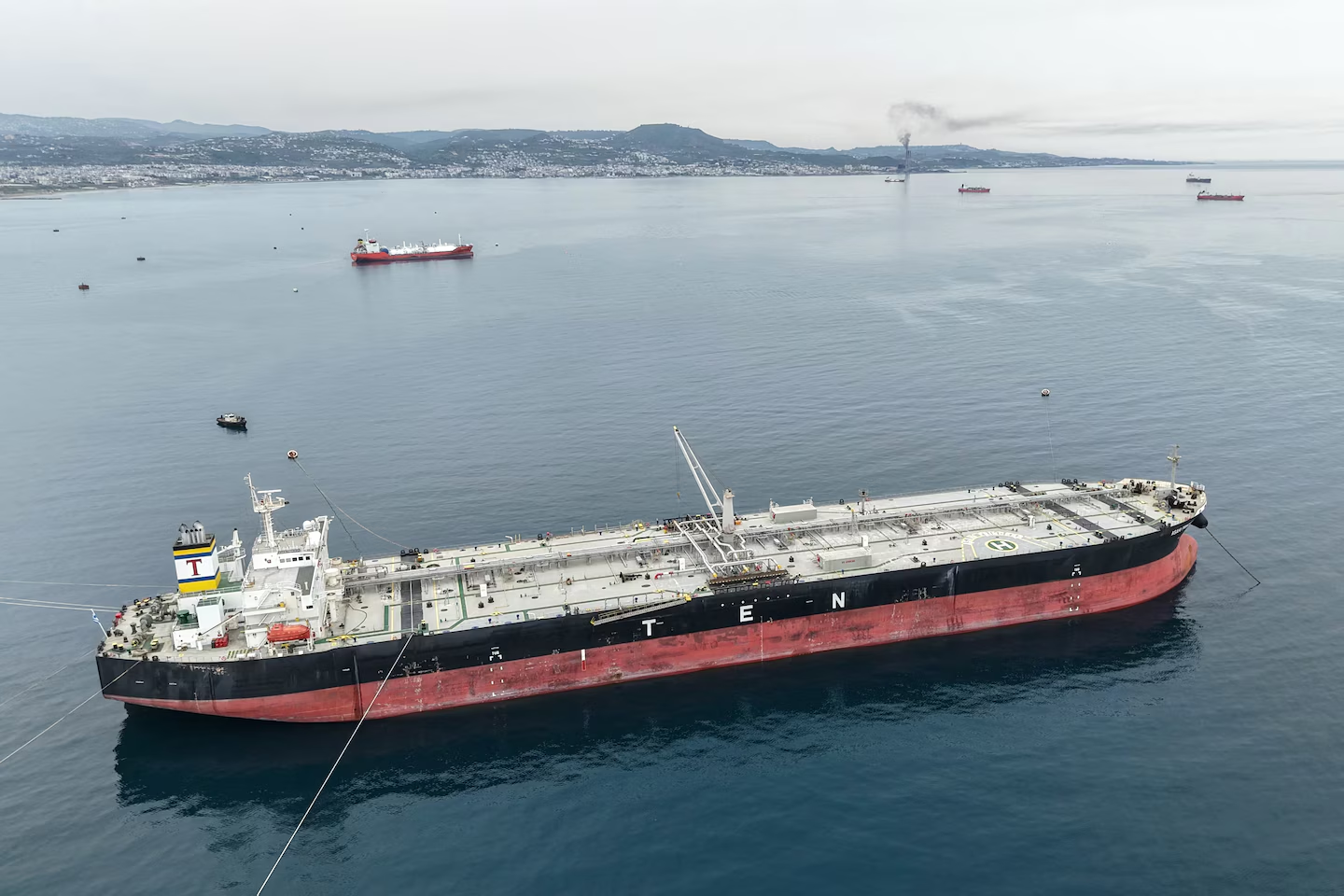
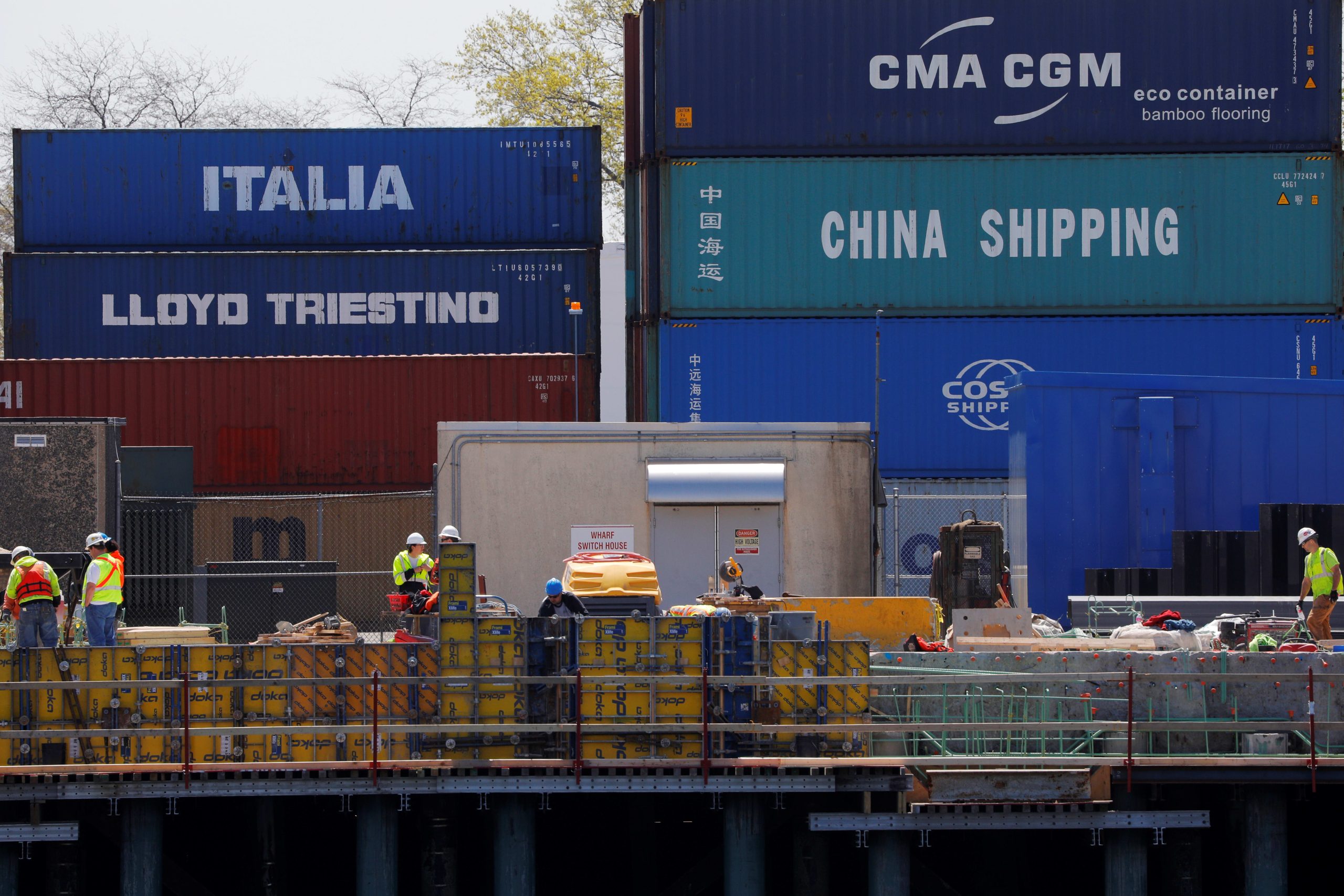
However, exports have fallen dramatically since the blockade began on April 13, by as much as 80 percent in recent weeks, leaving tens of millions of barrels of oil stranded in floating storage and bringing Iran close to a production crunch as capacity fills up.
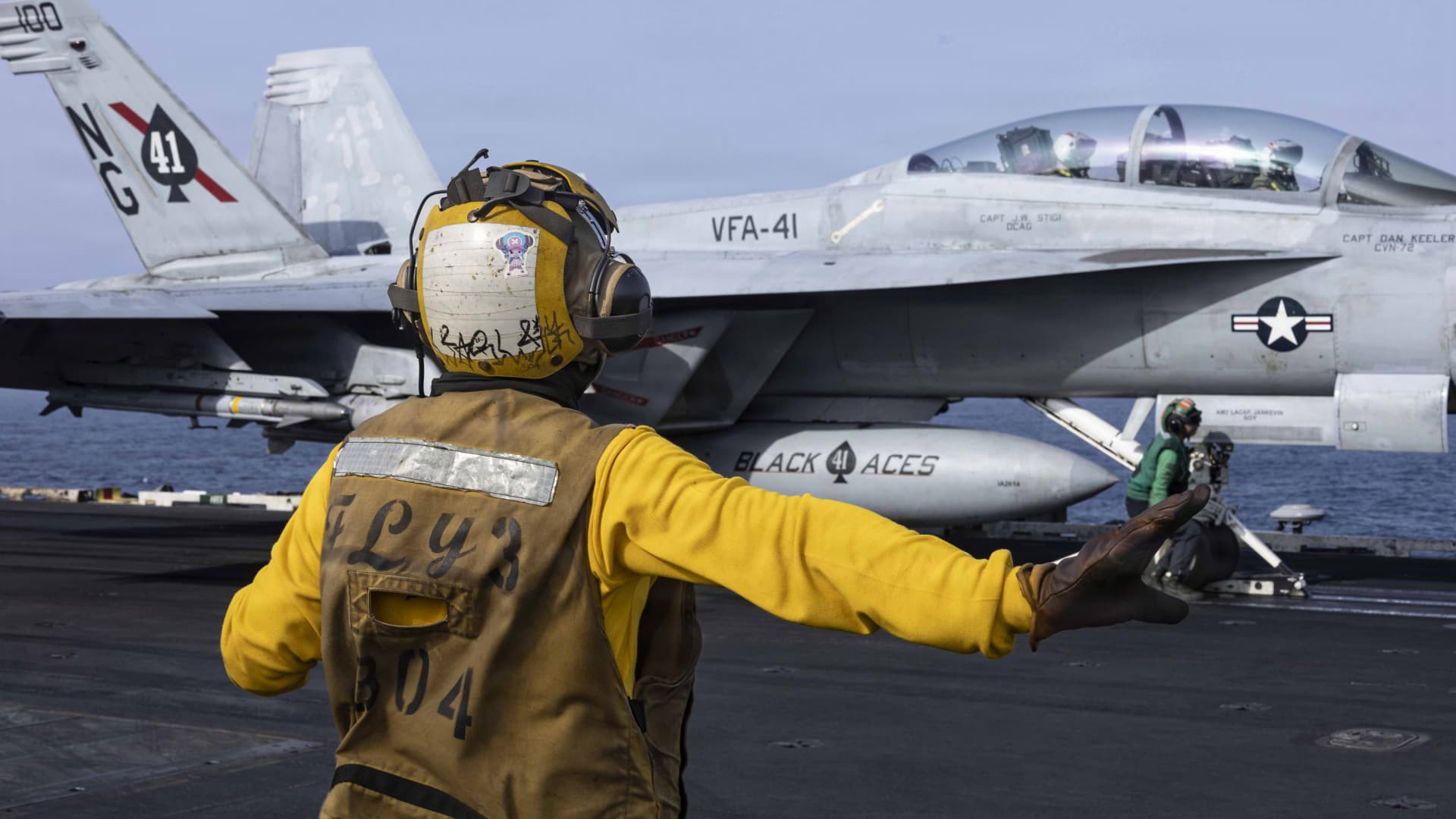
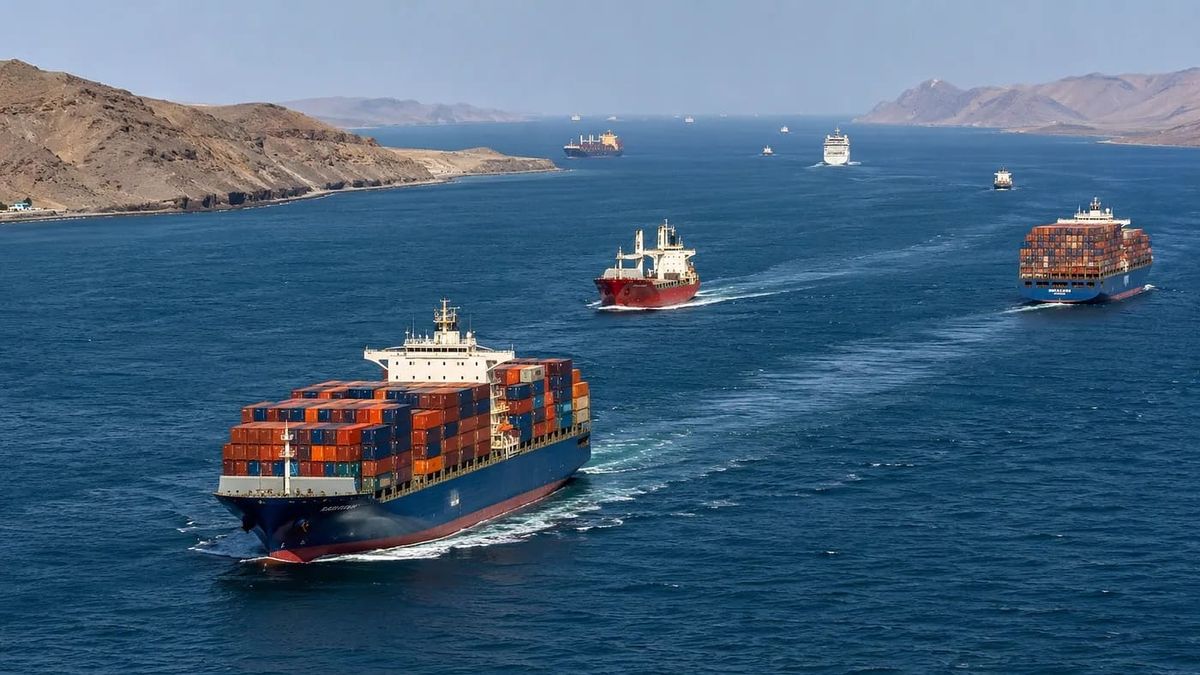
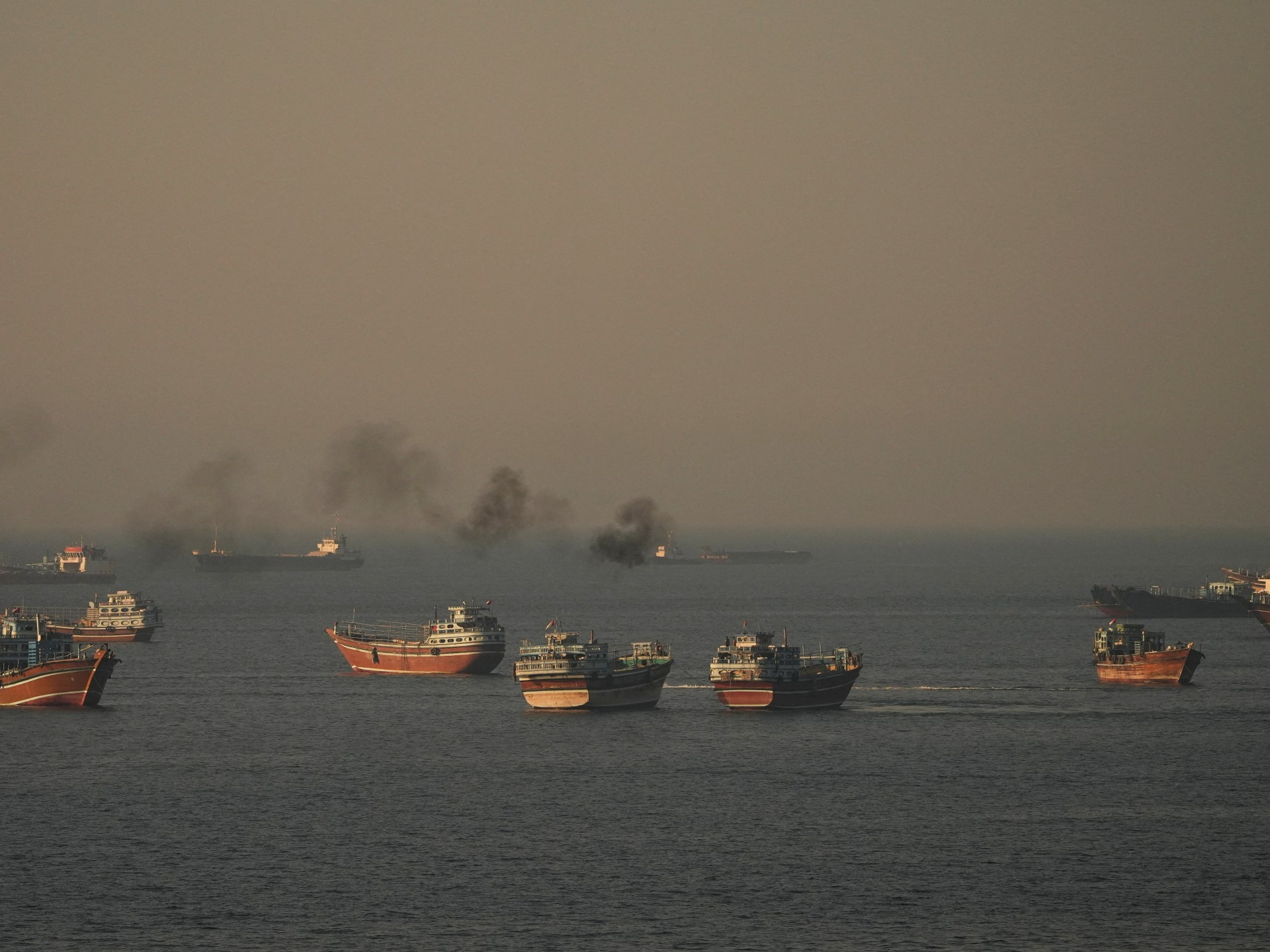
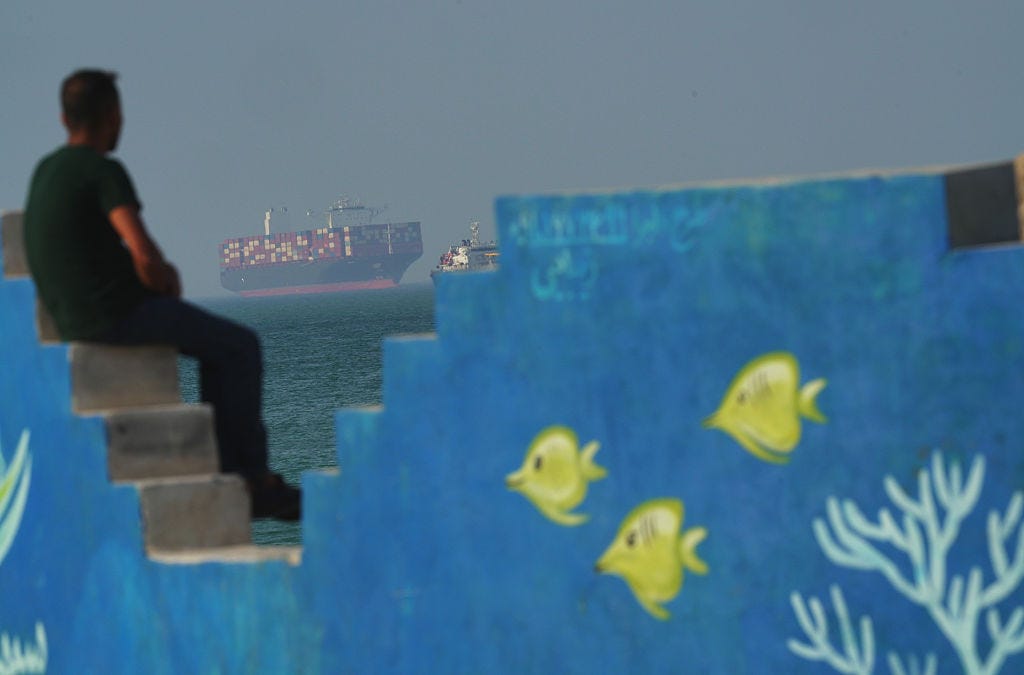
The US military has turned back dozens of vessels, boarded suspects, and enforced the measure globally, including interceptions in Asian waters. Iran has used its “shadow fleet” tactics such as fake flags, ship-to-ship transfers to try bypassing restrictions, with mixed success, some vessels reportedly crossed, but overall flows are significantly reduced.
Related
Exports fall, storage crisis builds
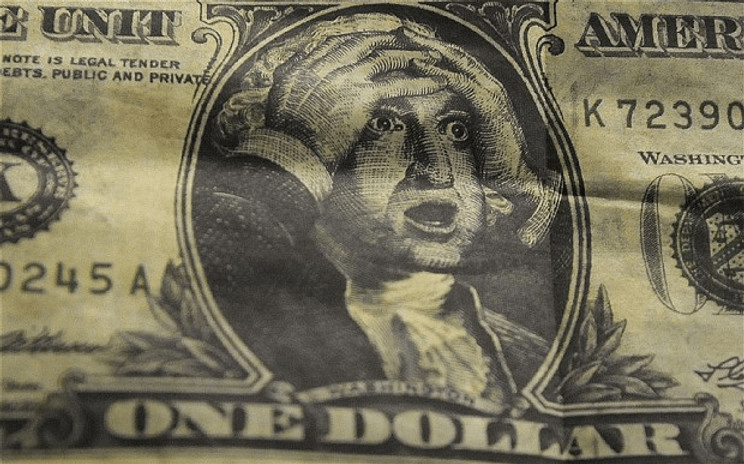
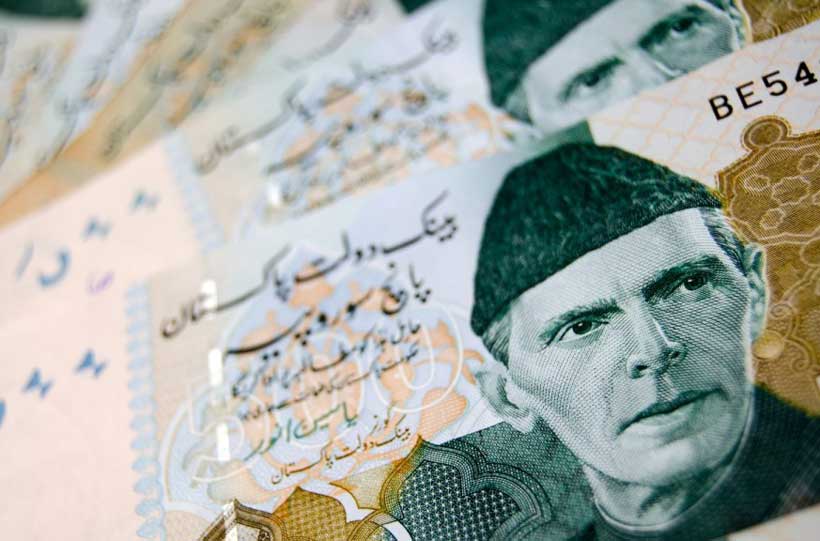
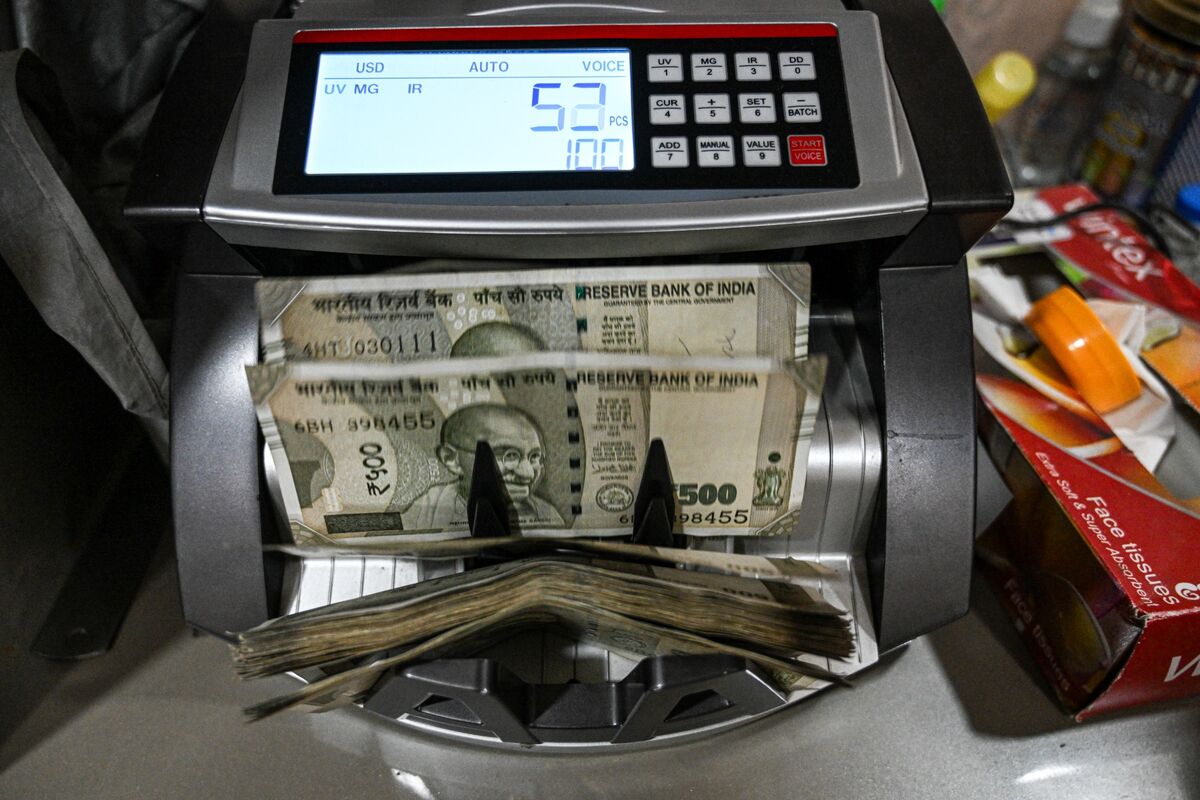
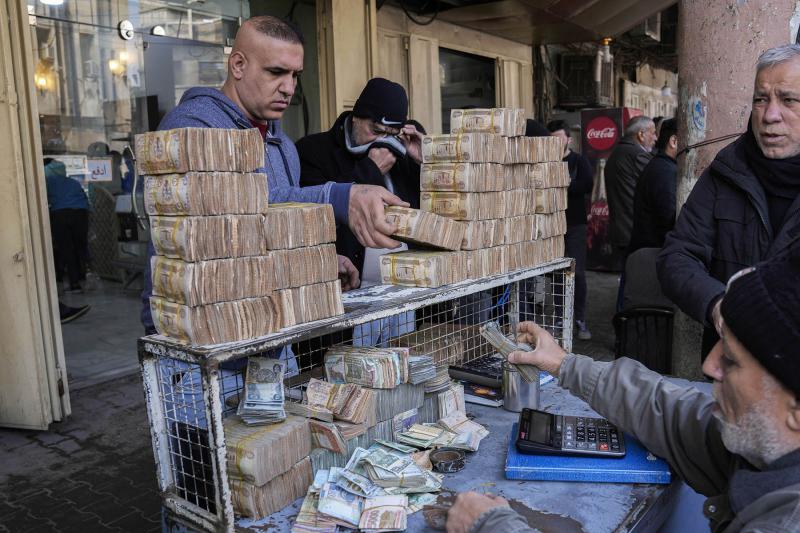
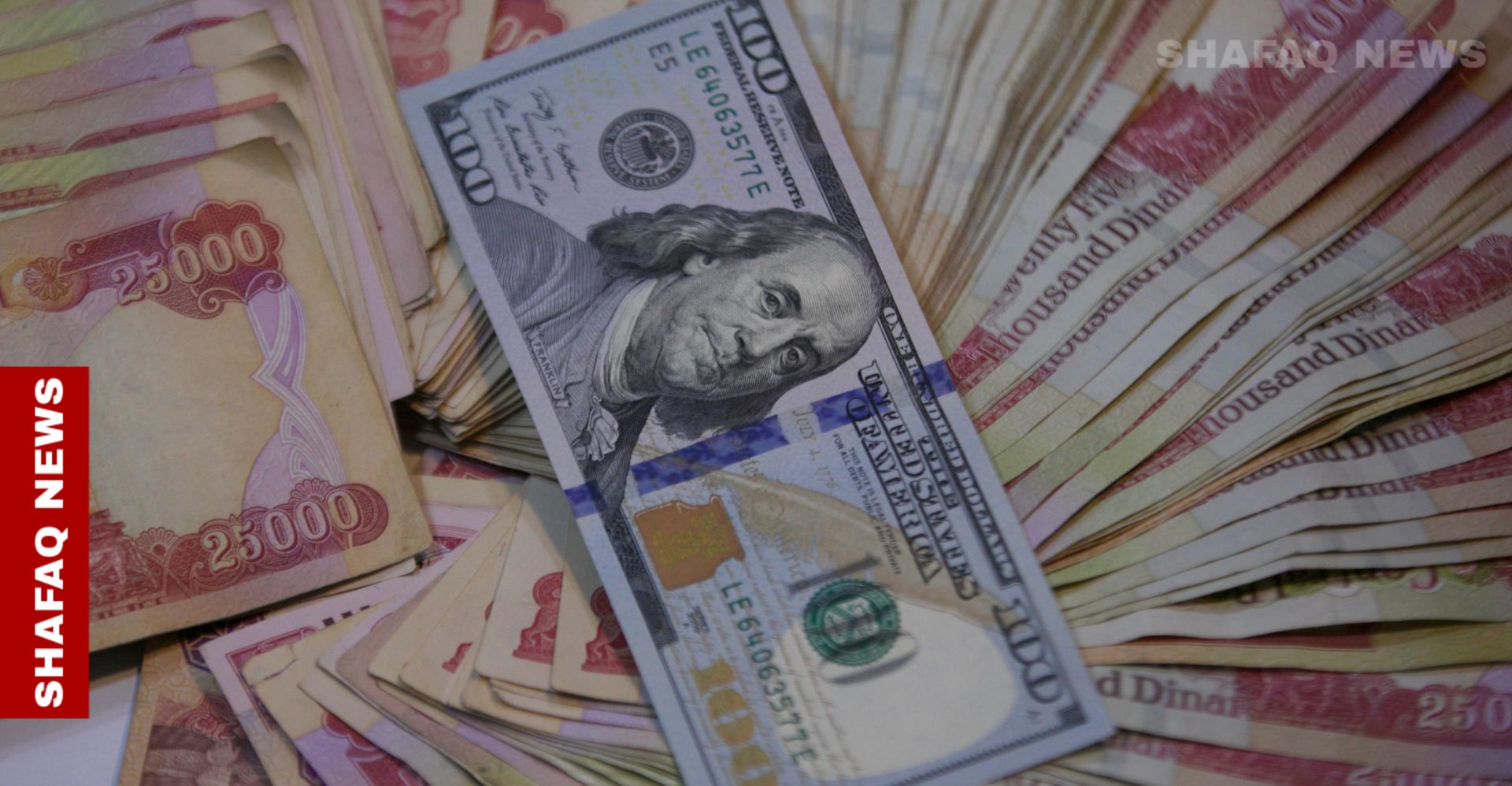
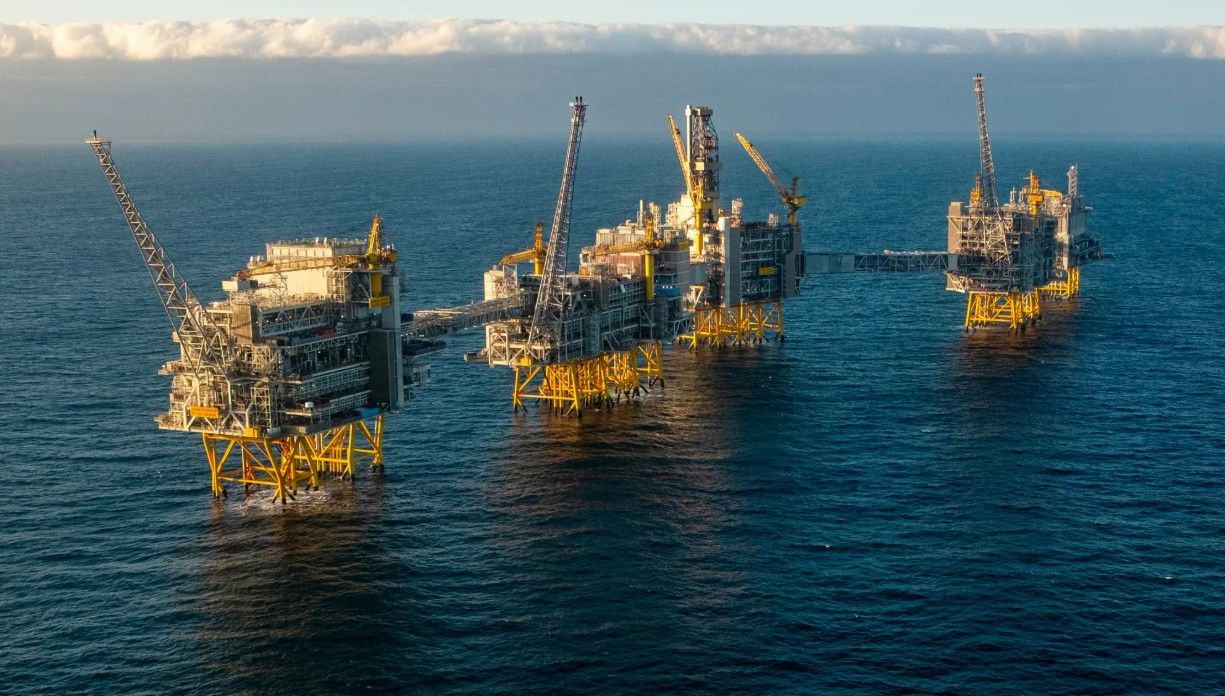
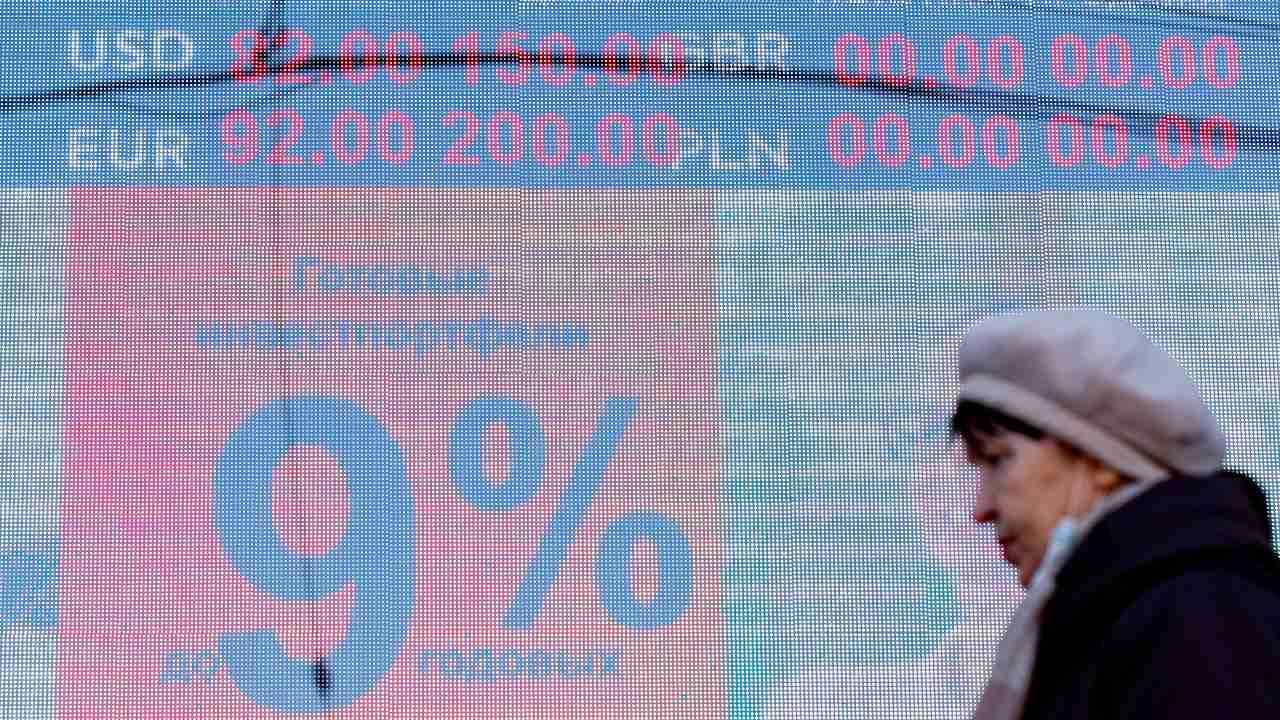
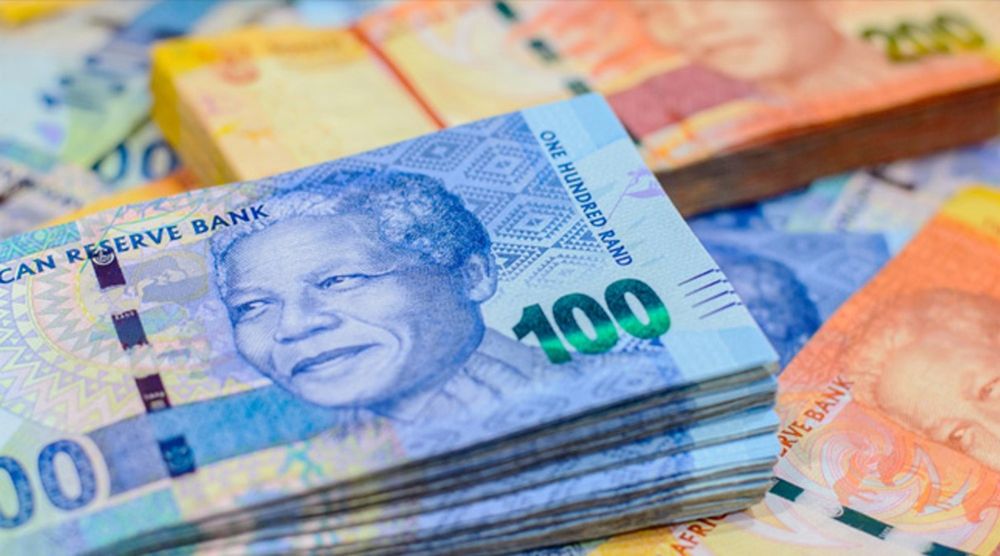
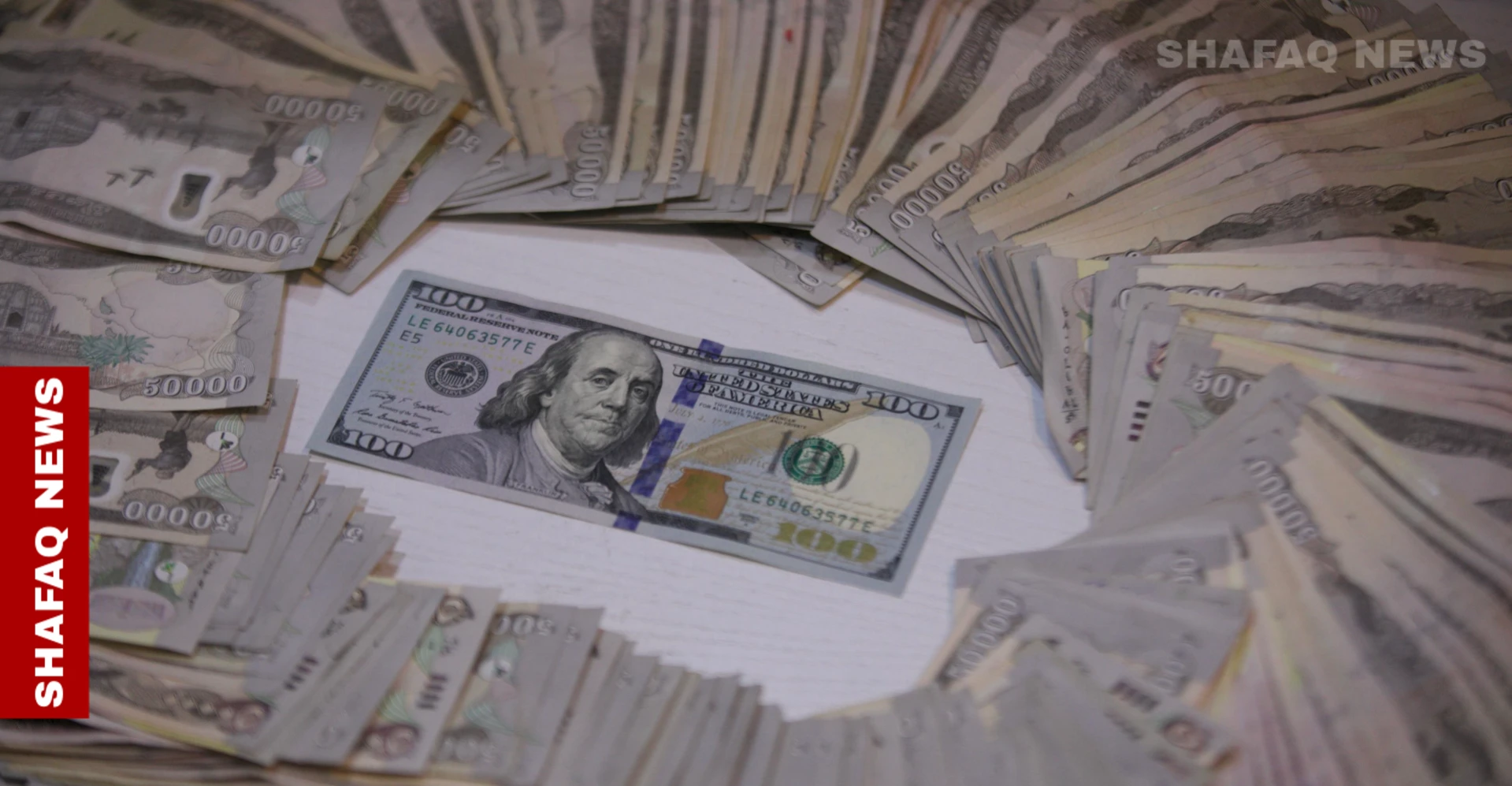
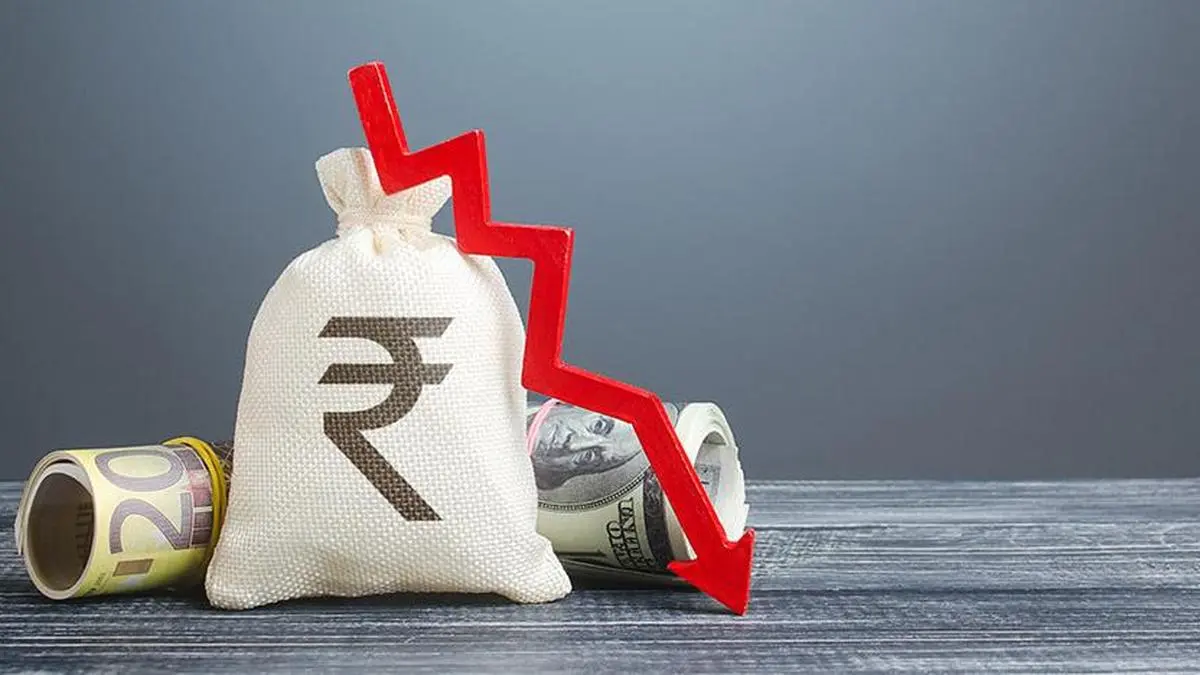
The loss of oil revenue, which underpins Iran’s economy, is now feeding through to the broader system. The rial has plunged to record lows of around 1.8 million to the dollar and foreign reserves are estimated to cover only a few months of imports.
“The US blockade has cut Iran’s financial lifeline and strains are growing in its balance of payments,” Jason Tuvey, the deputy chief emerging markets economist at Capital Economics was quoted as saying by Business Insider.
Tuvey noted that Iran was estimated to have only enough reserves to cover around three months of what it imported before the war.
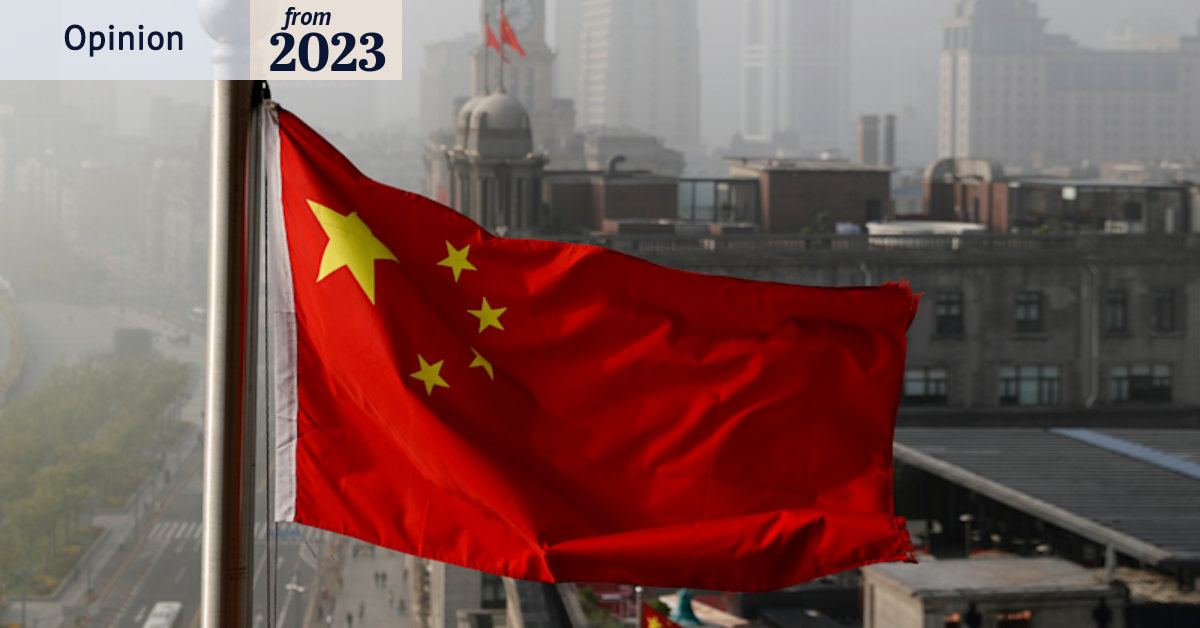
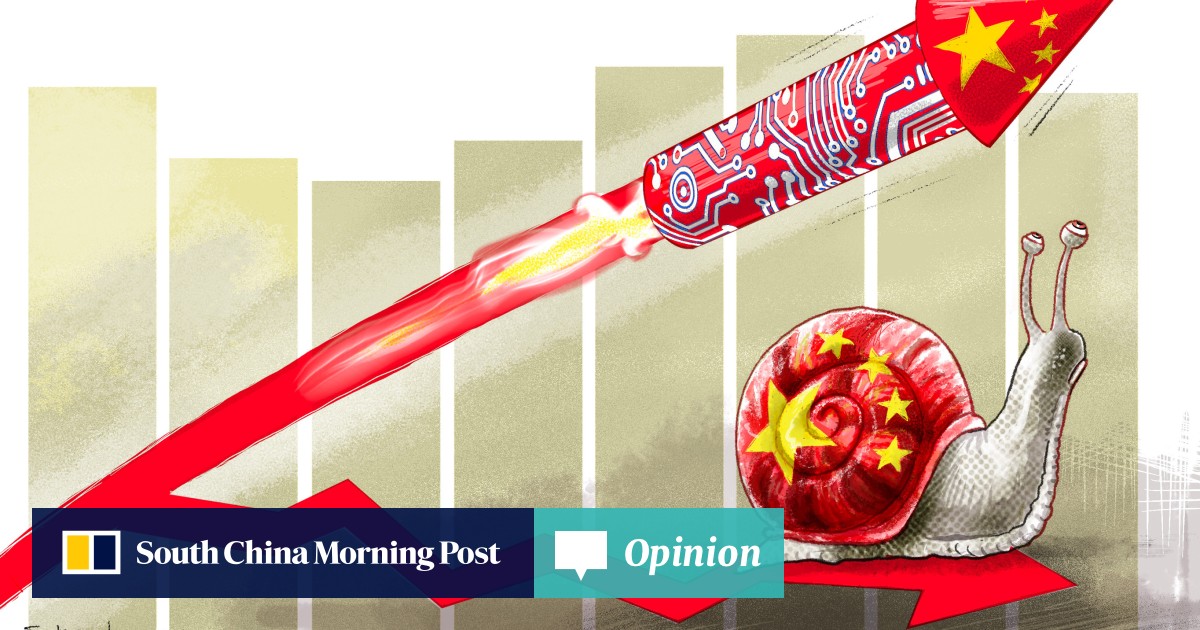
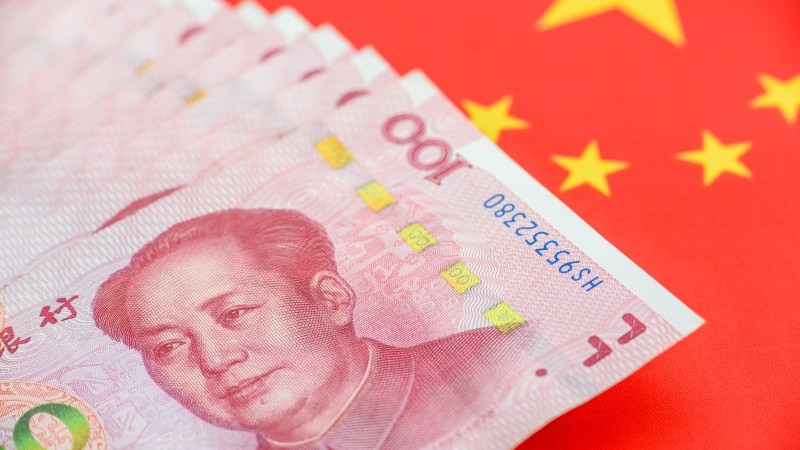
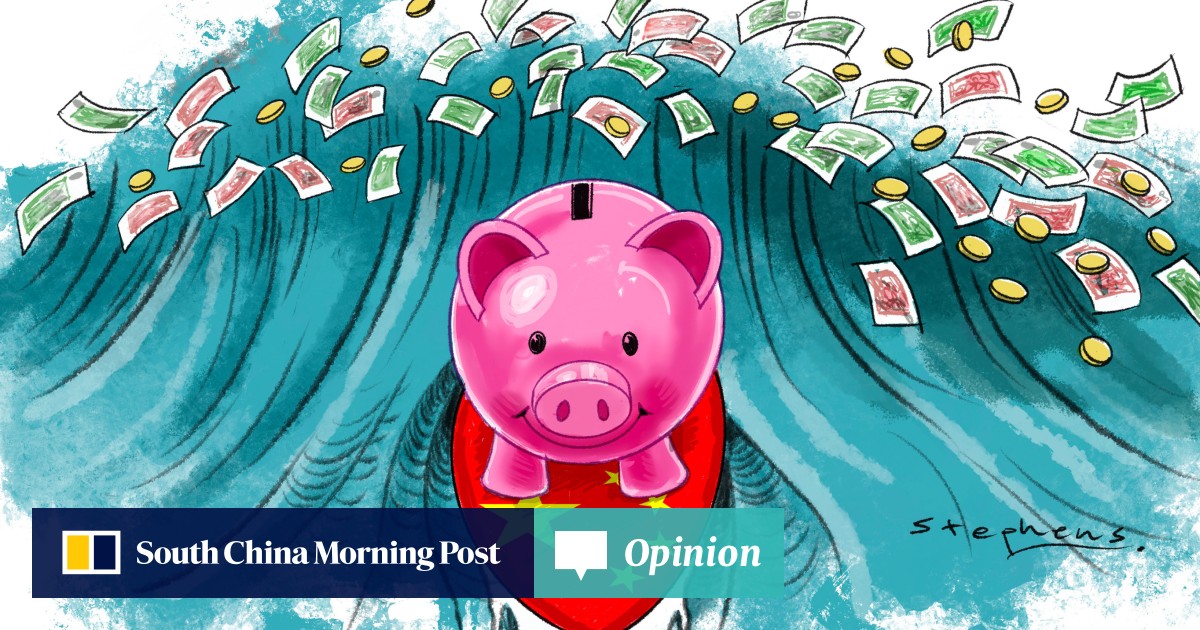
Iran has become heavily reliant on China as its economic lifeline, with Beijing now accounting for nearly all of its remaining oil sales.
Currency plunge and inflation surge
At the same time, the loss of export revenues has sent inflation soaring above 50 percent, with projections nearing 70.