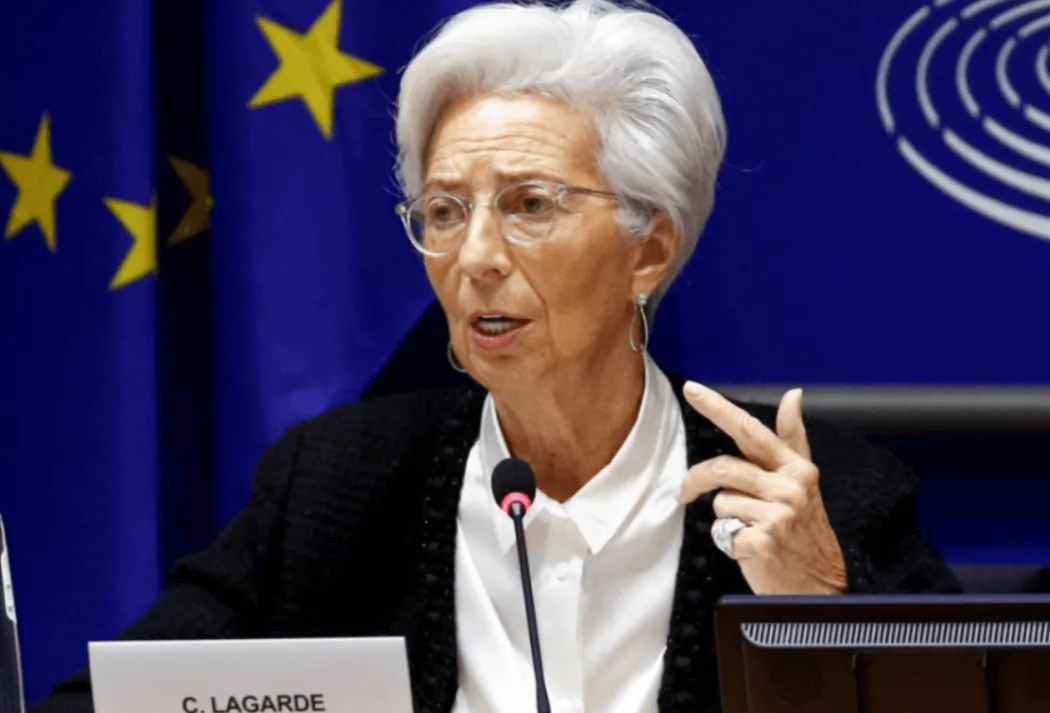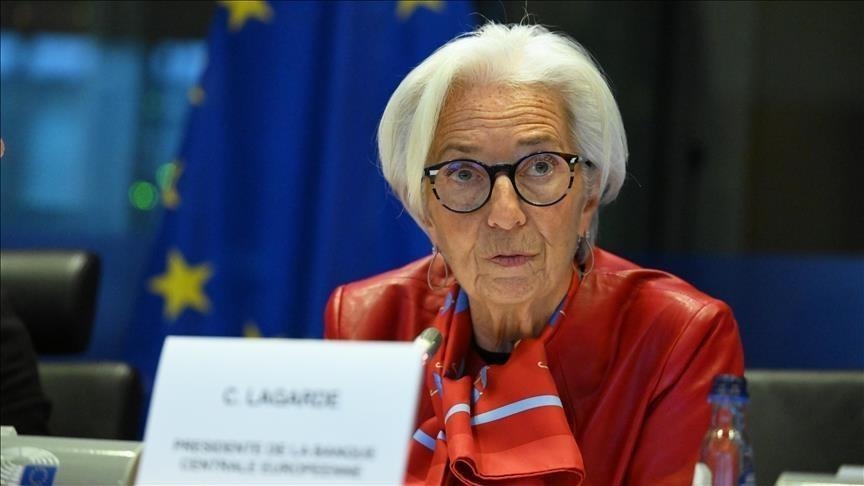
President Christine Lagarde signaled earlier that the ECB will consider an increase in borrowing costs in June after debating and rejecting one this week.
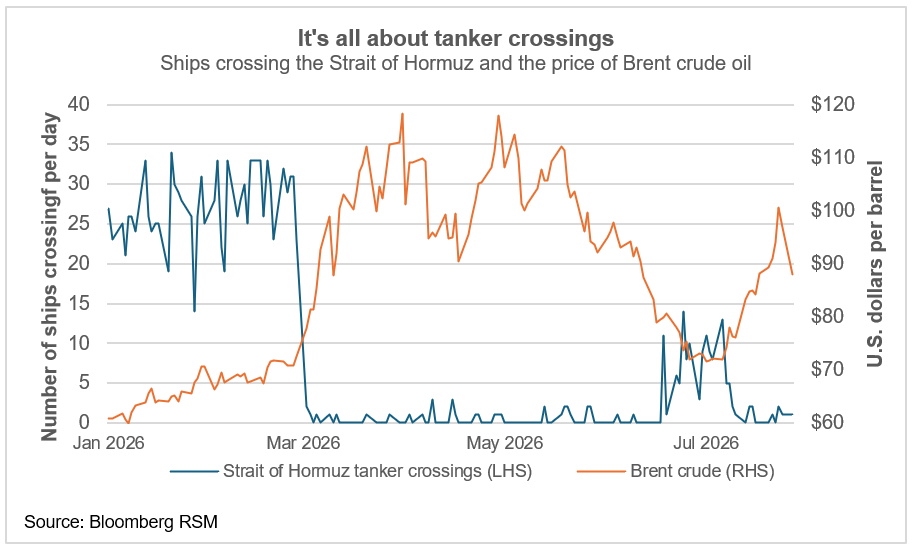
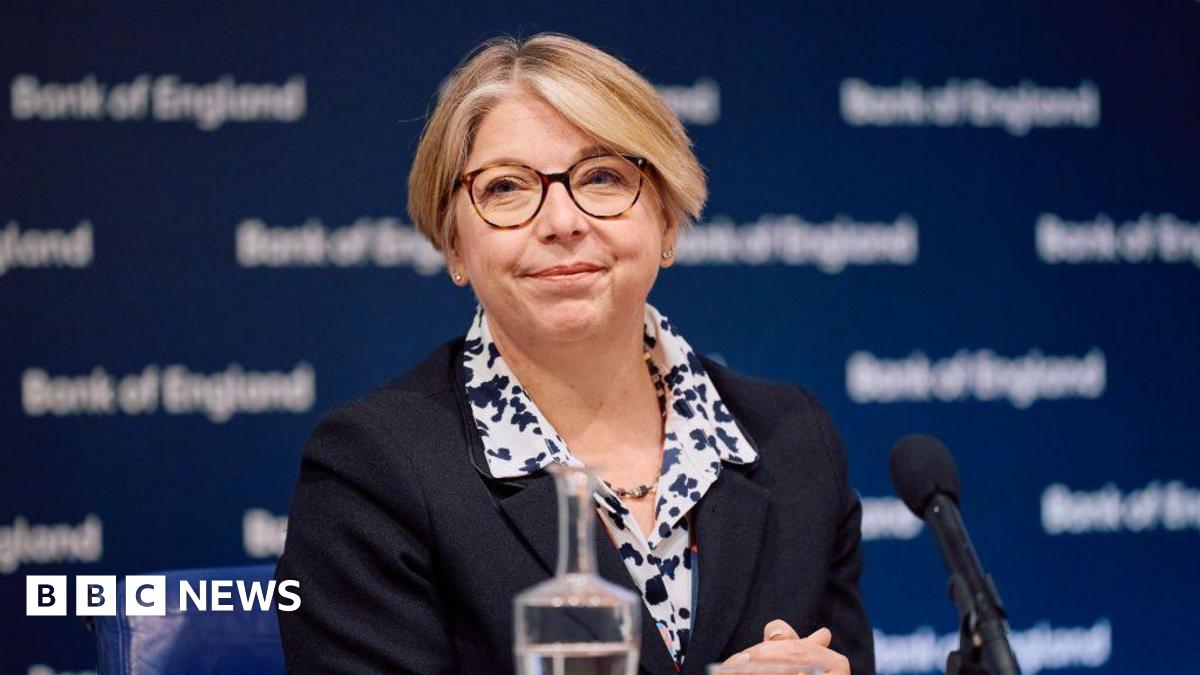
Central bankers in the UK also kept interest rates on hold with several saying they might consider future hikes, just as oil prices soared within reach of the Bank of England’s most pessimistic scenario for the economy.
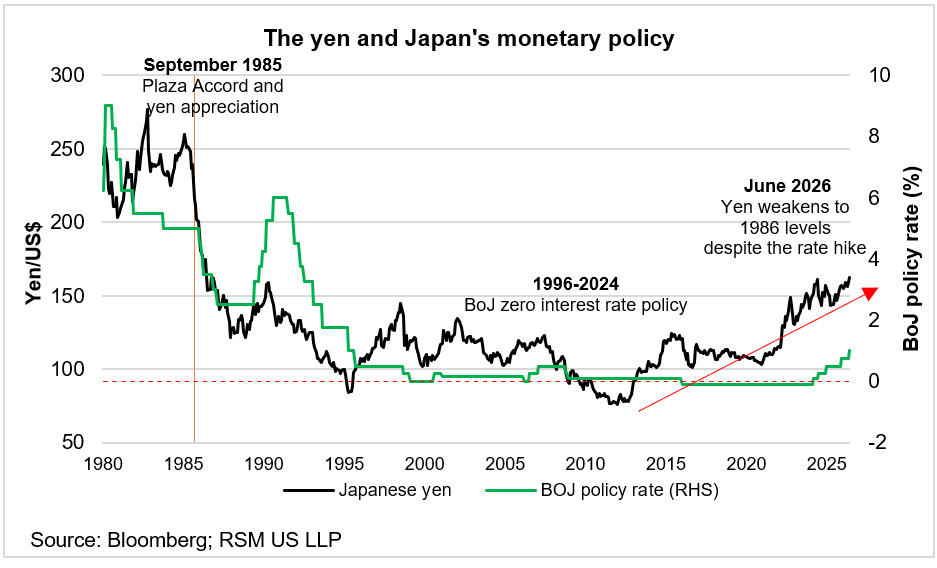
The rates outlook in Japan is more murky. While the Bank of Japan left borrowing costs unchanged, Governor Kazuo Ueda indicated there was less confidence in the economic outlook than before. But he also kept the door open to a June rate move even if the economy starts to slow.
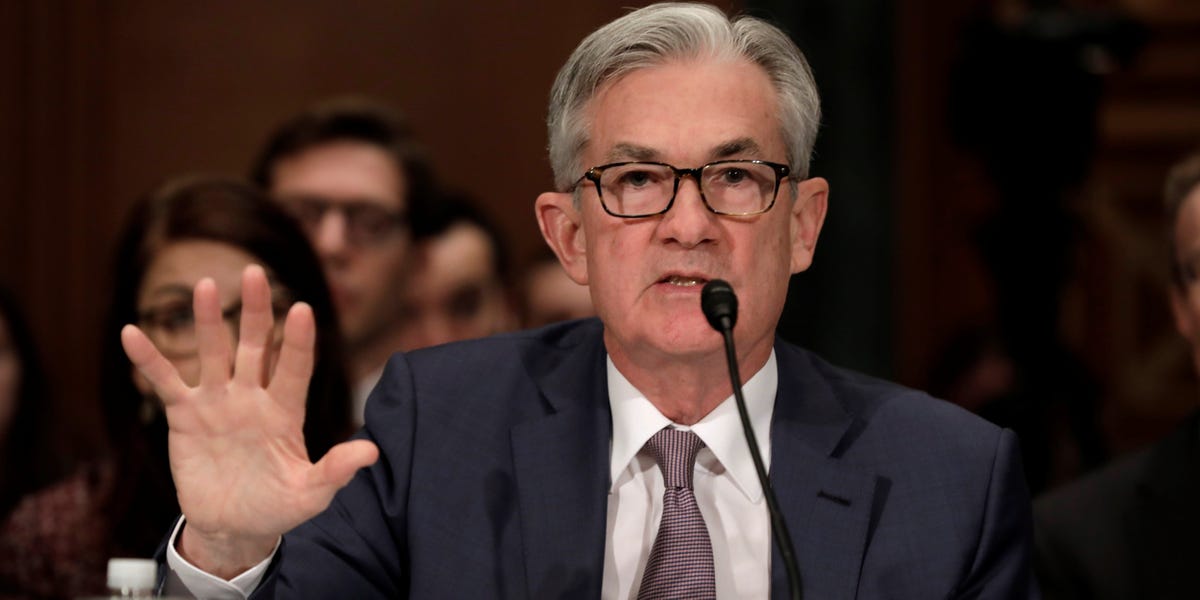
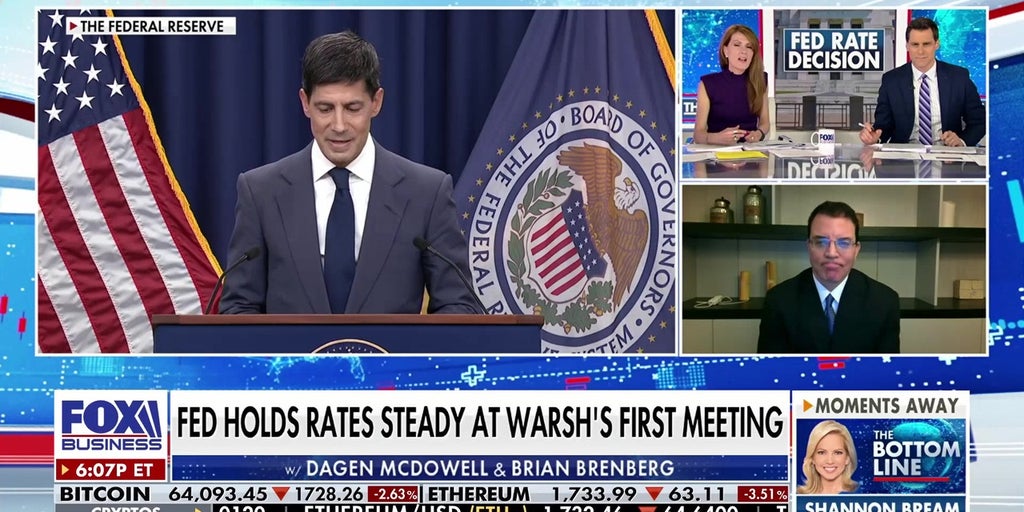
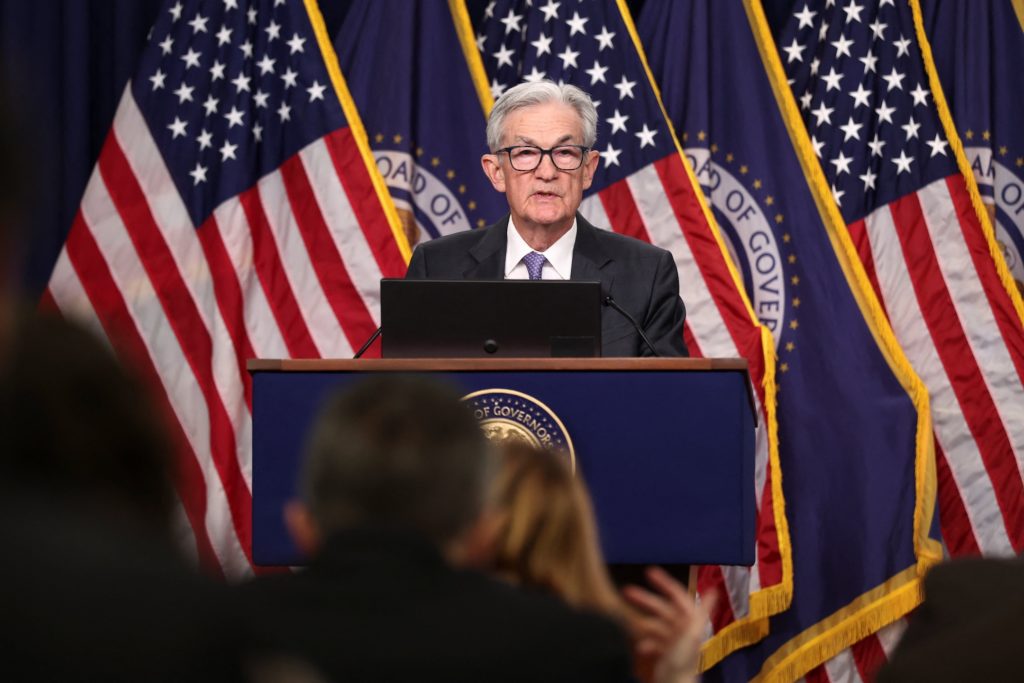
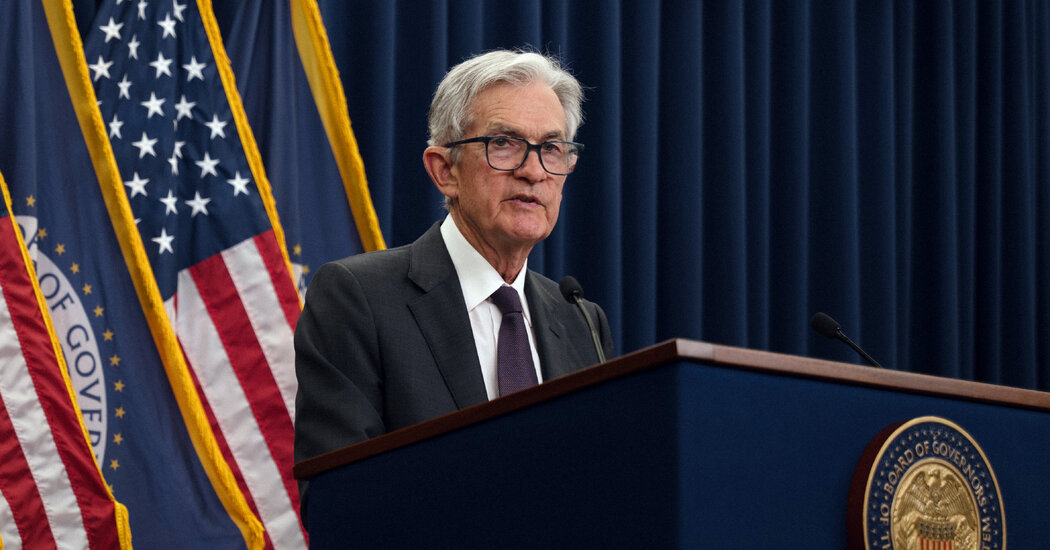
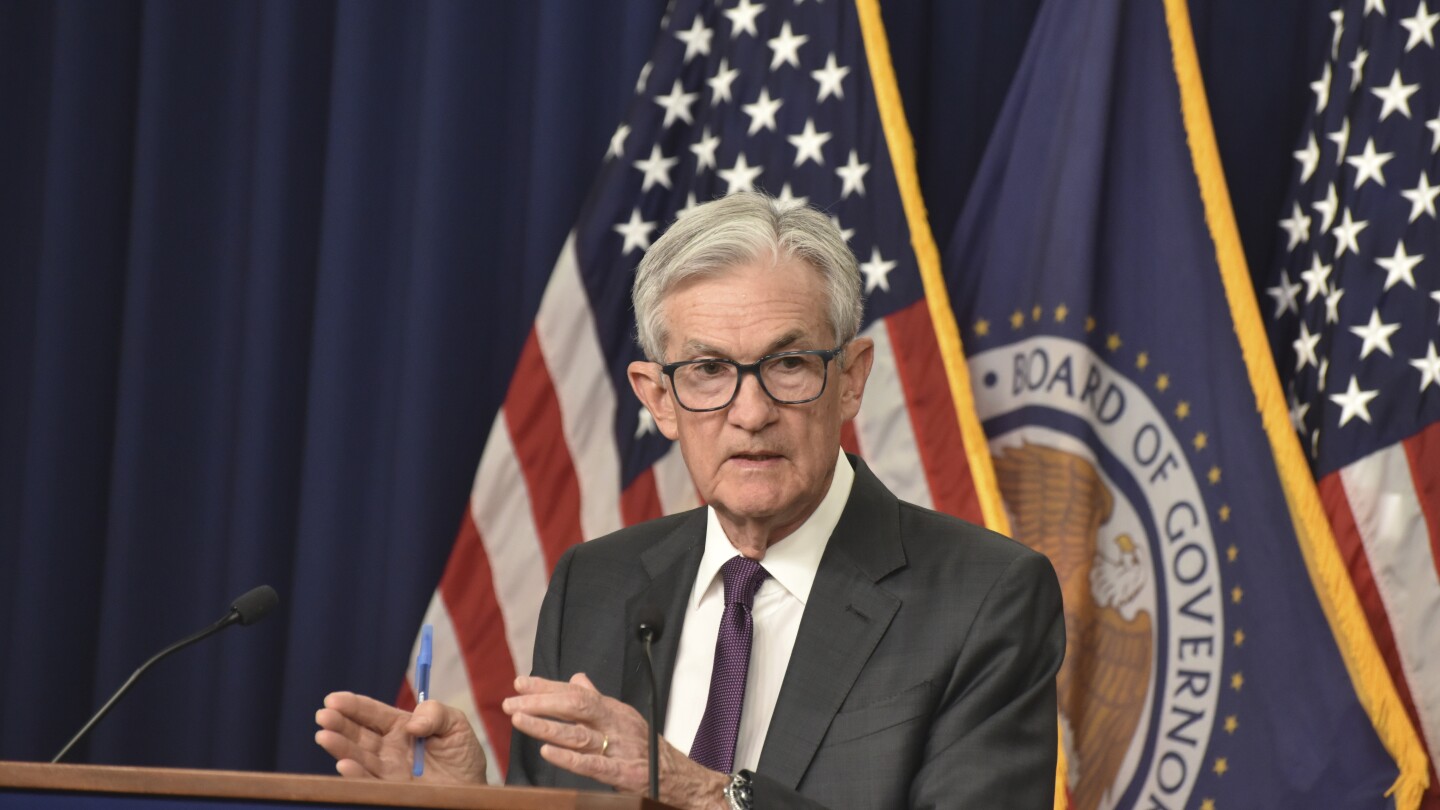
In the US, Federal Reserve officials left rates unchanged in a decision that revealed a deepening division over the outlook for policy amid increased uncertainty caused by the conflict in the Middle East.

Here are some of the charts that appeared on Bloomberg this week on the latest developments in the global economy, markets and geopolitics:
World

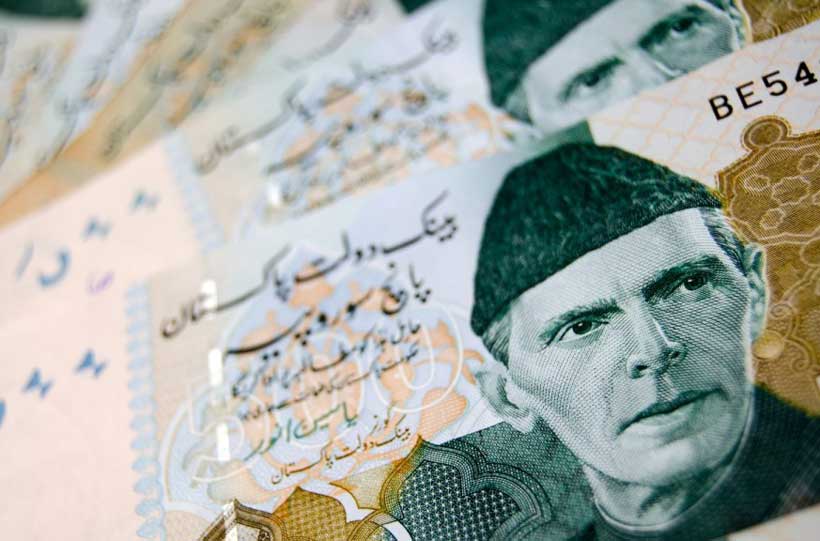
In addition to rate decisions by the Fed, ECB, UK and BOJ, central bankers in Canada, Chile, Hungary, Thailand, Namibia, Guatemala, Ukraine, Malawi, Dominican Republic, Colombia and Uzbekistan also held the line on borrowing costs. Officials in Brazil lowered rates. Pakistan and Botswana raised them.
US
BloombergUS economic growth accelerated at the start of the year, bolstered by a massive AI-driven upswing in business investment. Inflation-adjusted gross domestic product increased an annualized 2% in the first quarter. Business outlays on equipment and structures advanced 10.4%, the fastest pace in almost three years and supported by rapid investment in artificial intelligence.
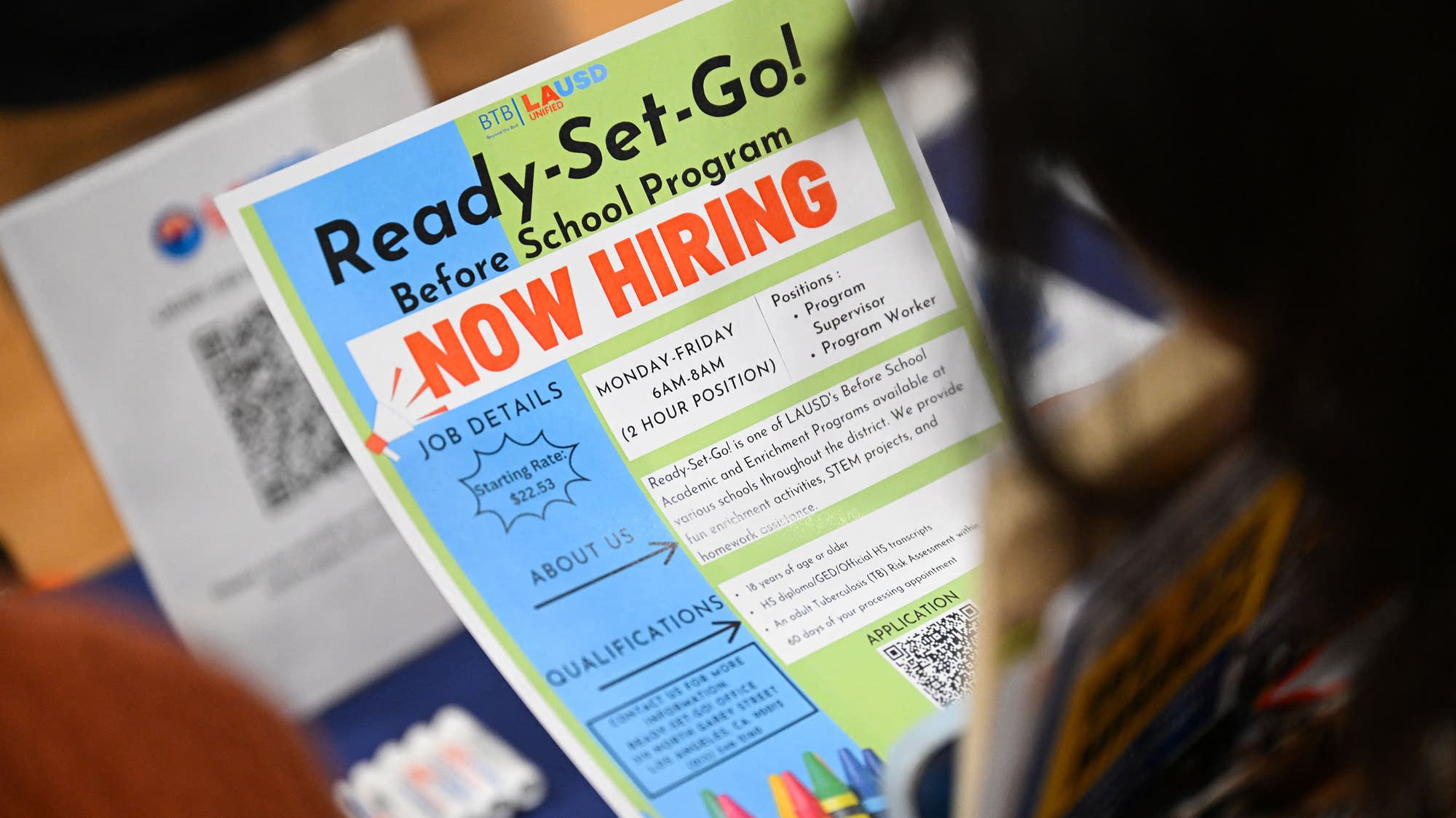
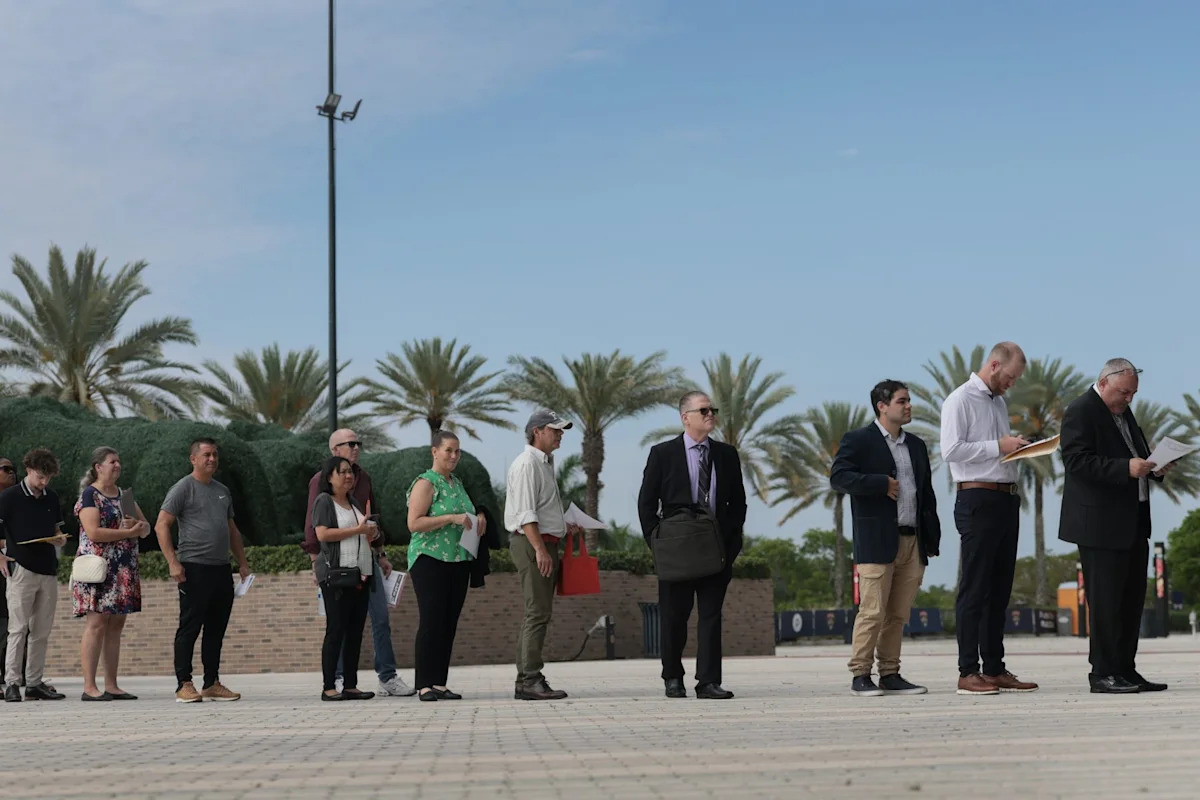
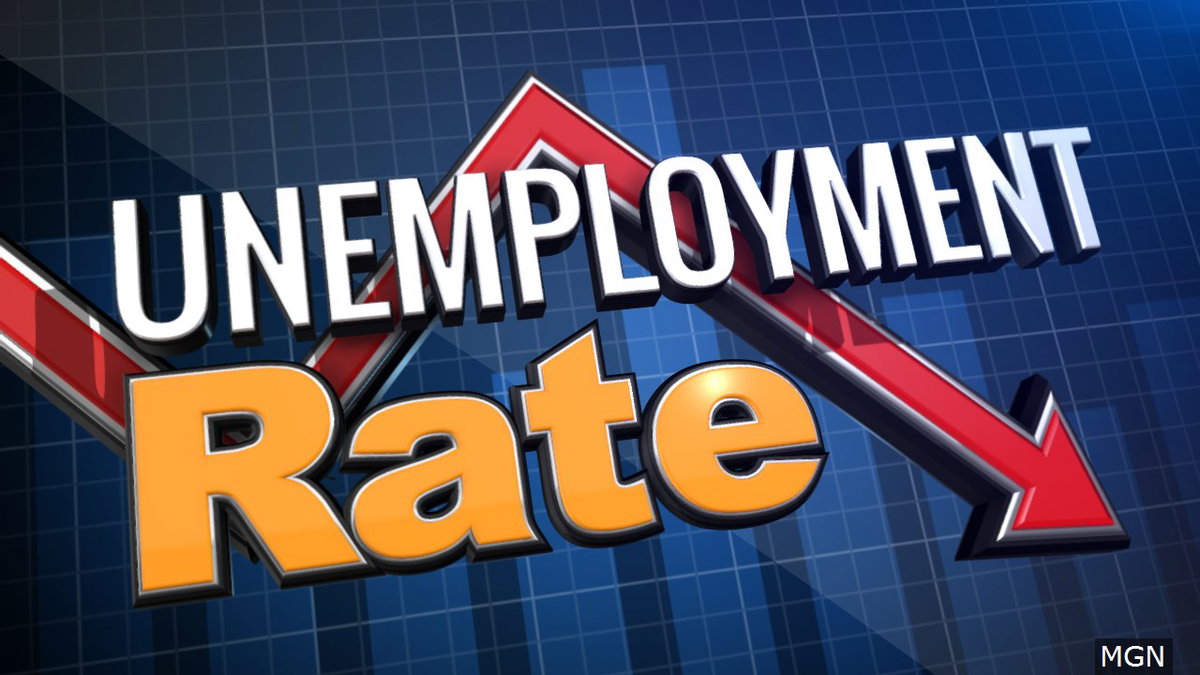
BloombergApplications for US unemployment benefits plunged to the lowest level in decades, a sign that layoffs remain limited across the economy.
Europe
The euro-area economy unexpectedly slowed at the start of 2026, with soaring energy costs triggered by the Iran war threatening stagflation in the months ahead. First-quarter gross domestic product rose 0.1% from the previous three months.
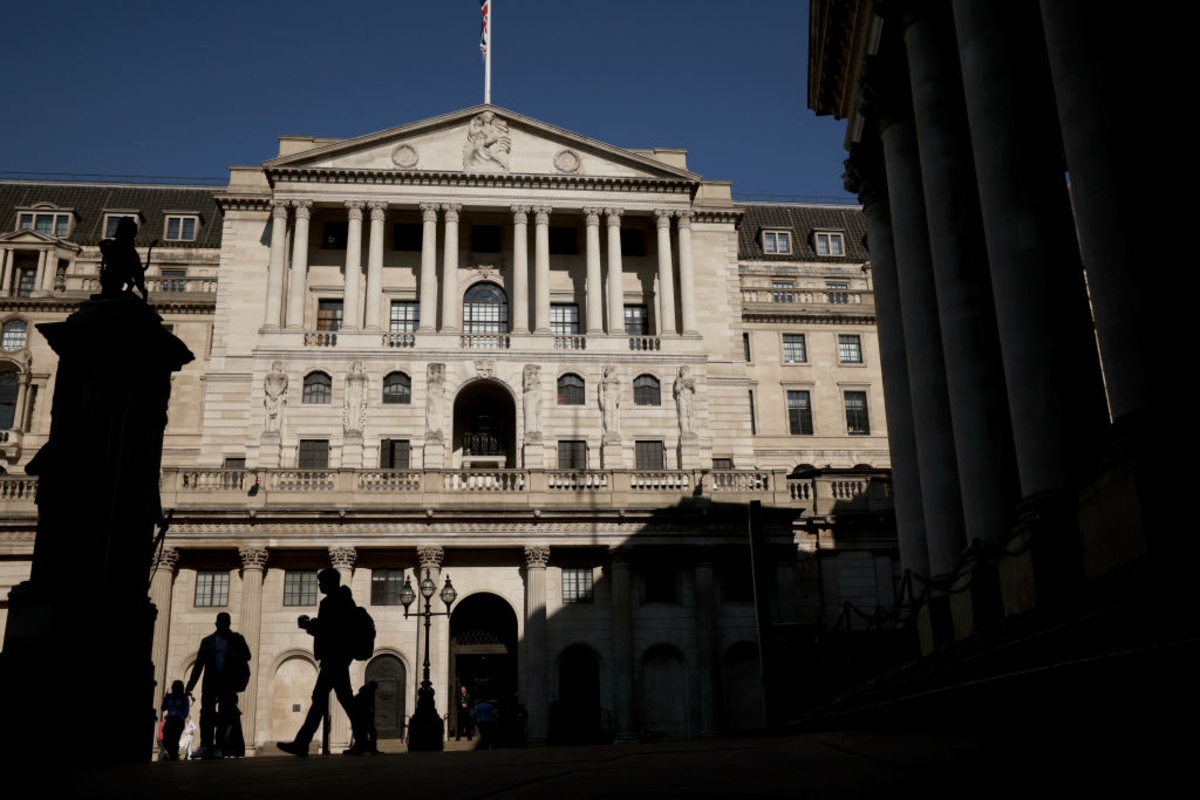
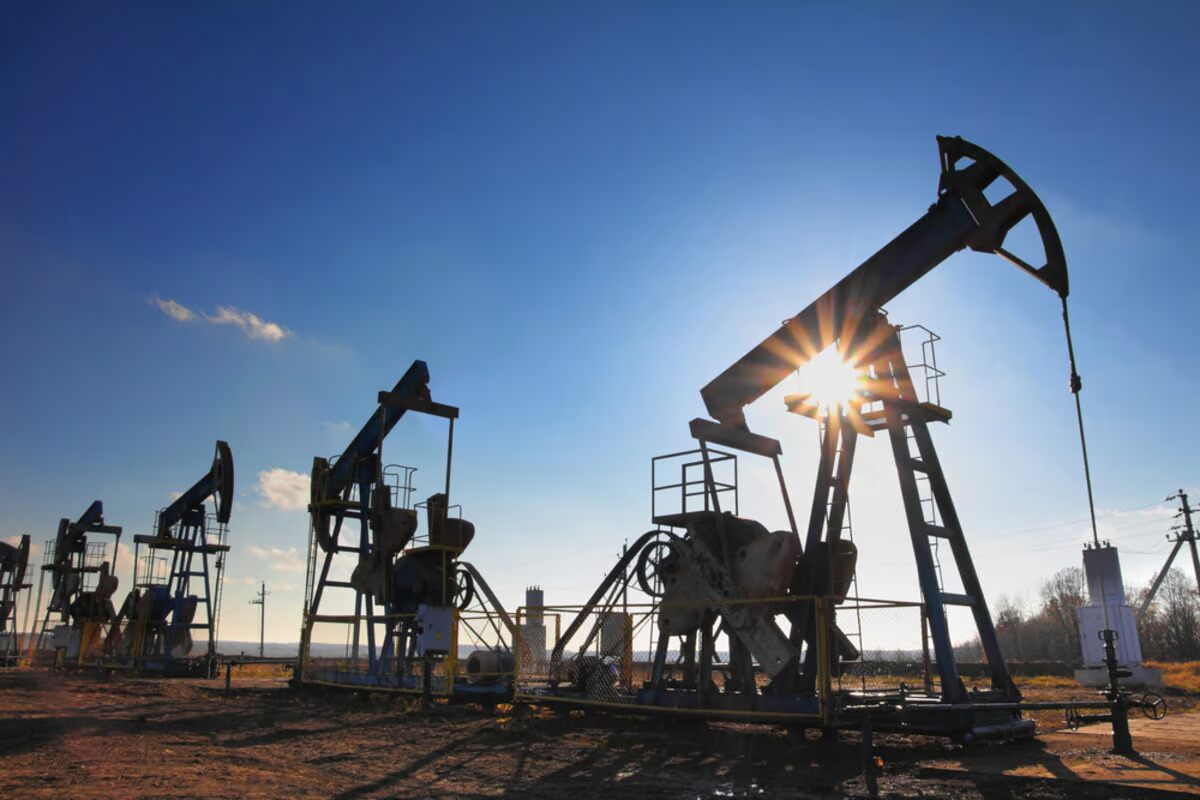
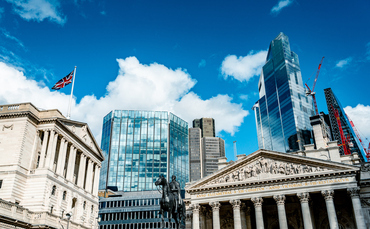
BloombergThe Bank of England kept interest rates on hold with several policymakers saying they might consider future hikes, just as oil prices soared within reach of the central bank’s most pessimistic scenario for the economy.
BloombergEuro-area companies expect substantially higher selling prices and input costs due to the Iran war, adding to inflation concerns at the ECB. Firms anticipate a 3.5% increase in selling prices over the next 12 months, according to the ECB’s most recent survey on the access to finance of enterprises, or SAFE. That’s up from 2.9% in the previous round, an increase the ECB called significant.
Asia
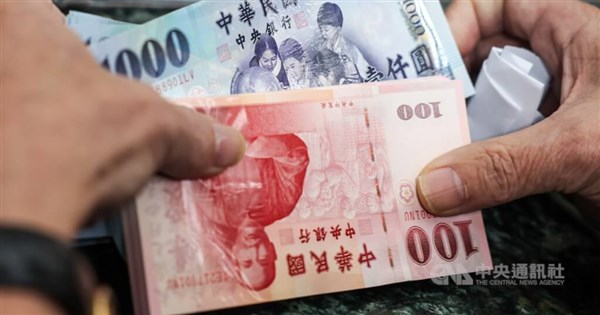
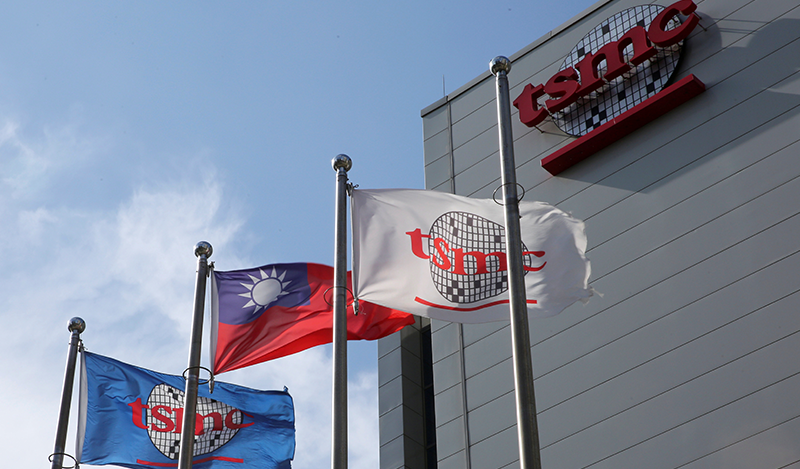
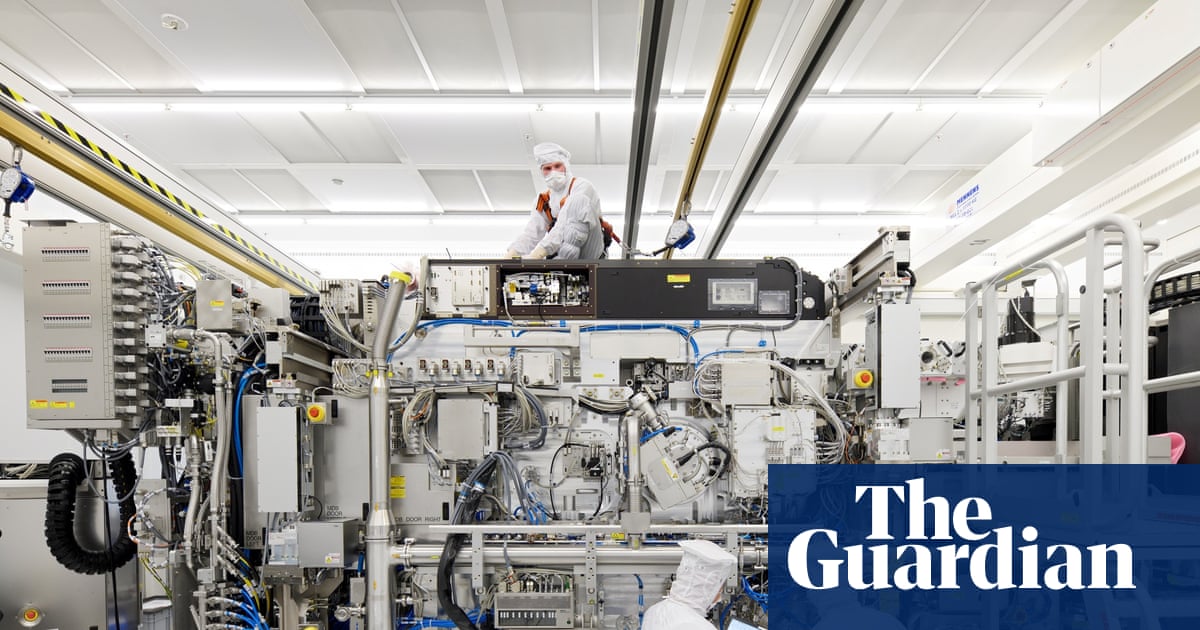
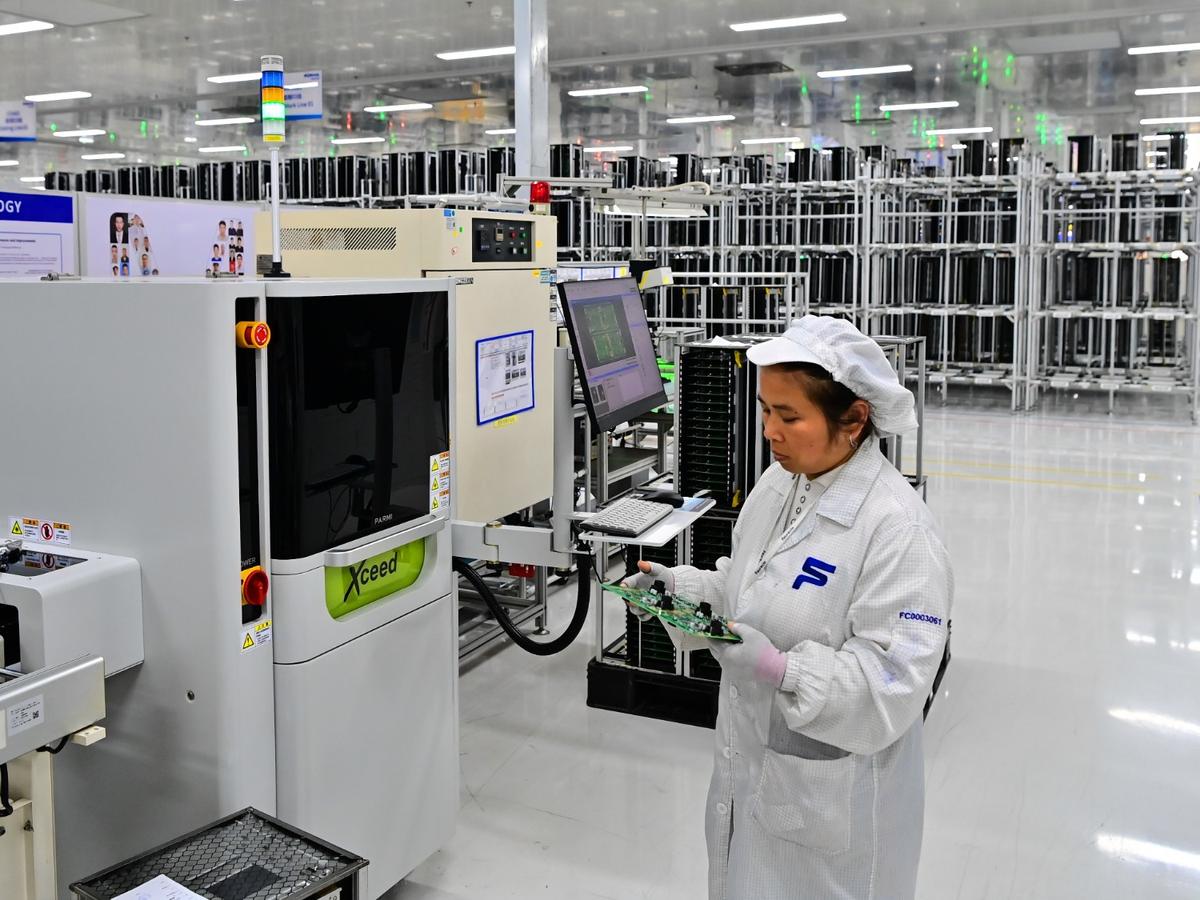
BloombergTaiwan’s economy grew the most since 1987, overcoming disruptions caused by the war in Iran as the island continues to ride demand for its tech products supporting the build-out of artificial intelligence computing.
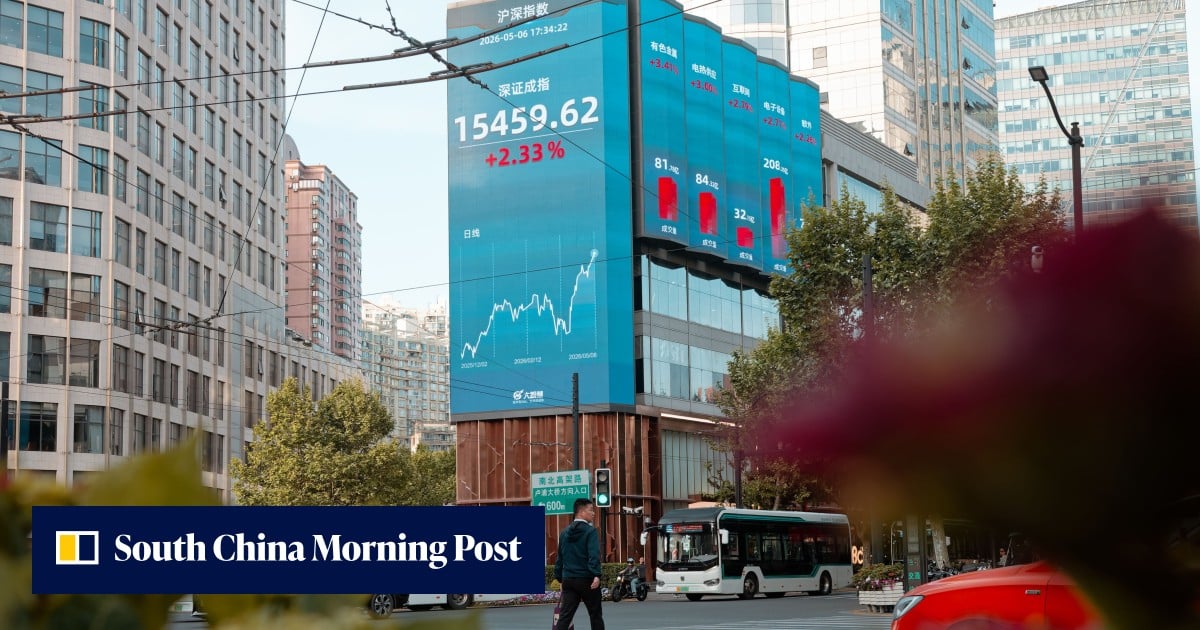
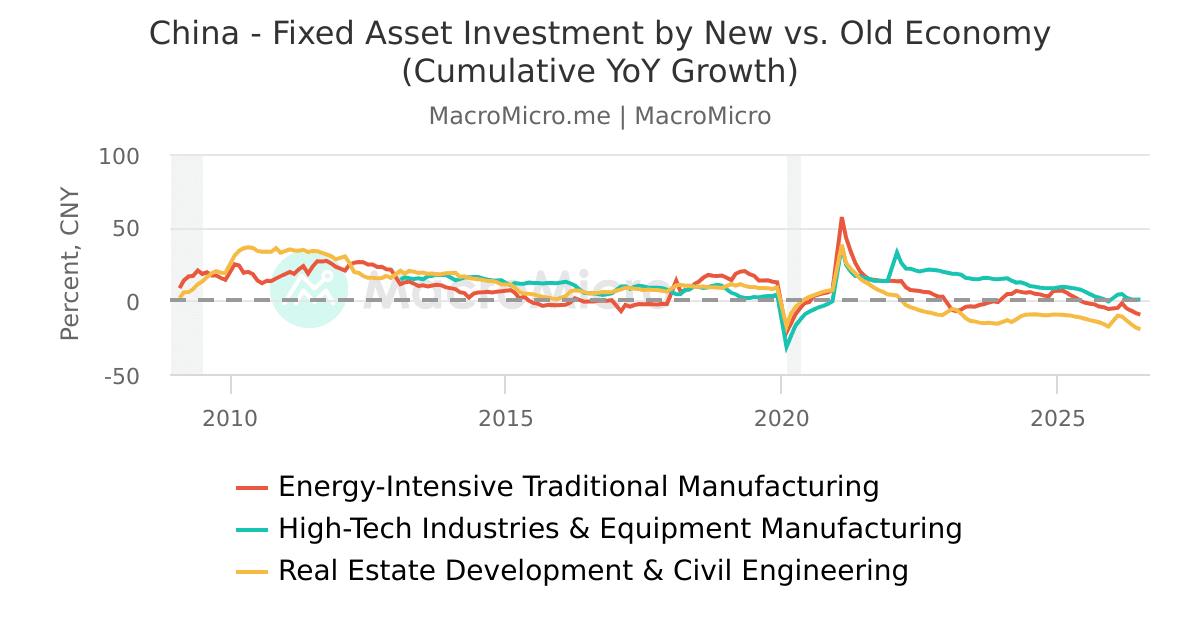
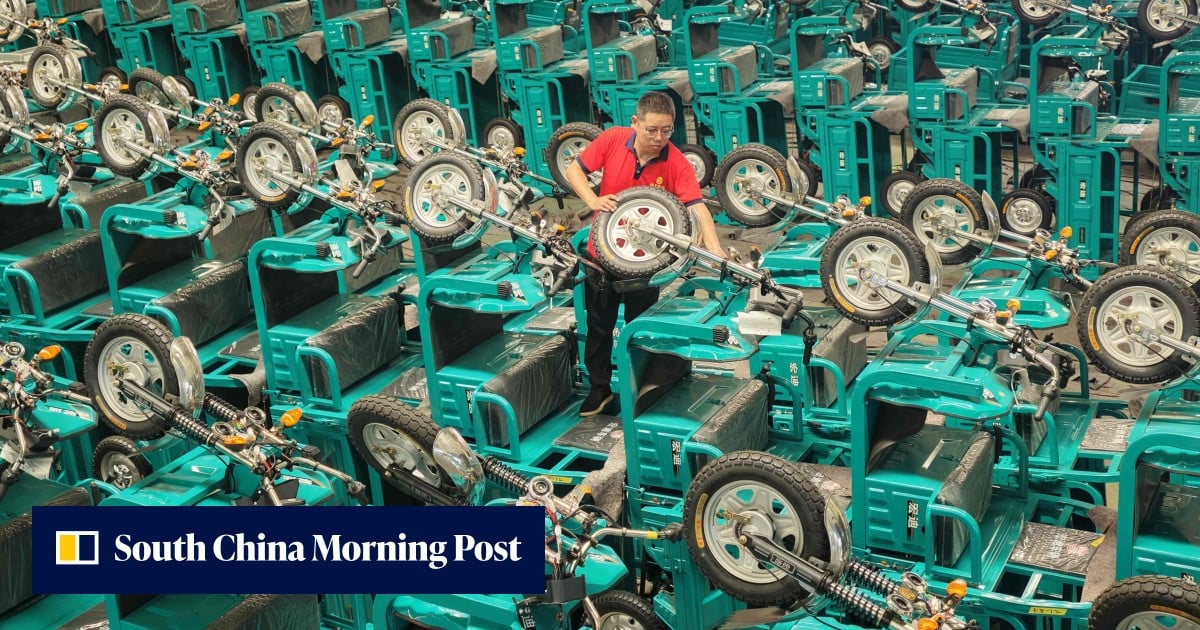
China’s industrial firms ended the first quarter with faster growth in earnings, an acceleration that hid a widening split between companies under pressure from higher costs and others benefiting from rising oil prices and the global artificial intelligence boom.
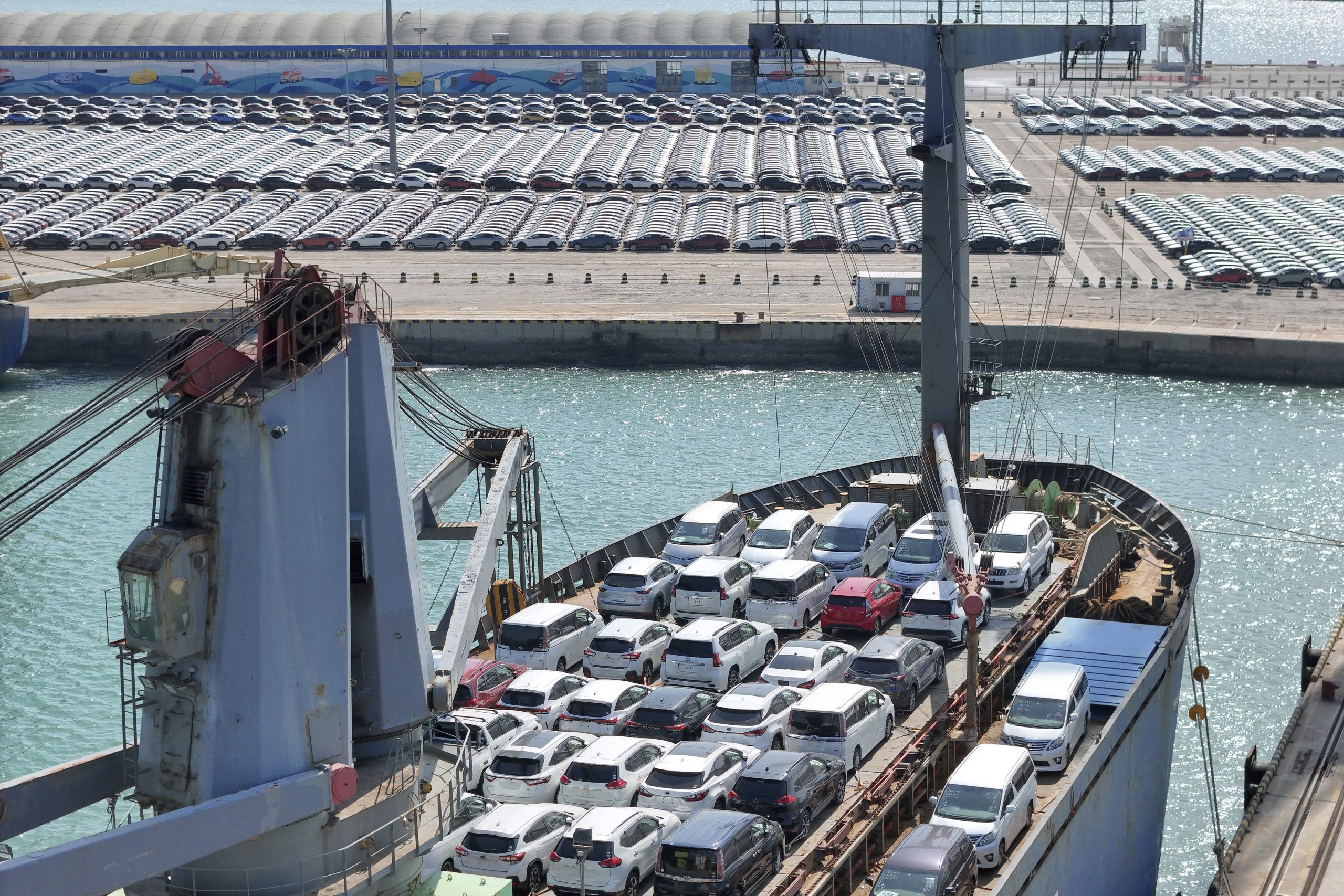
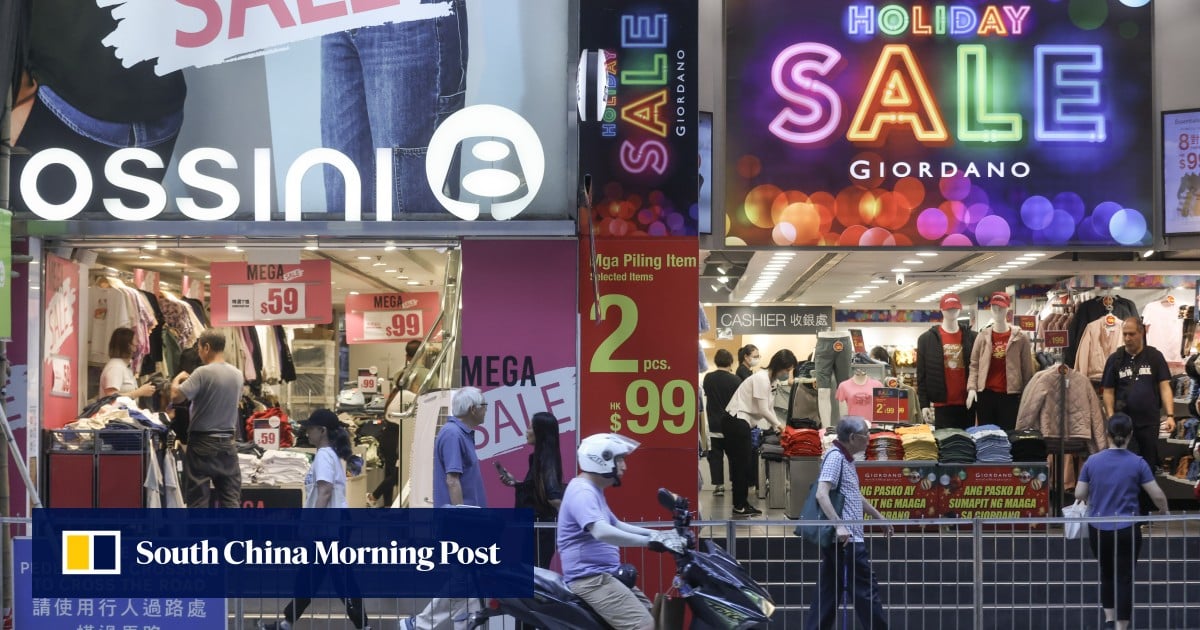
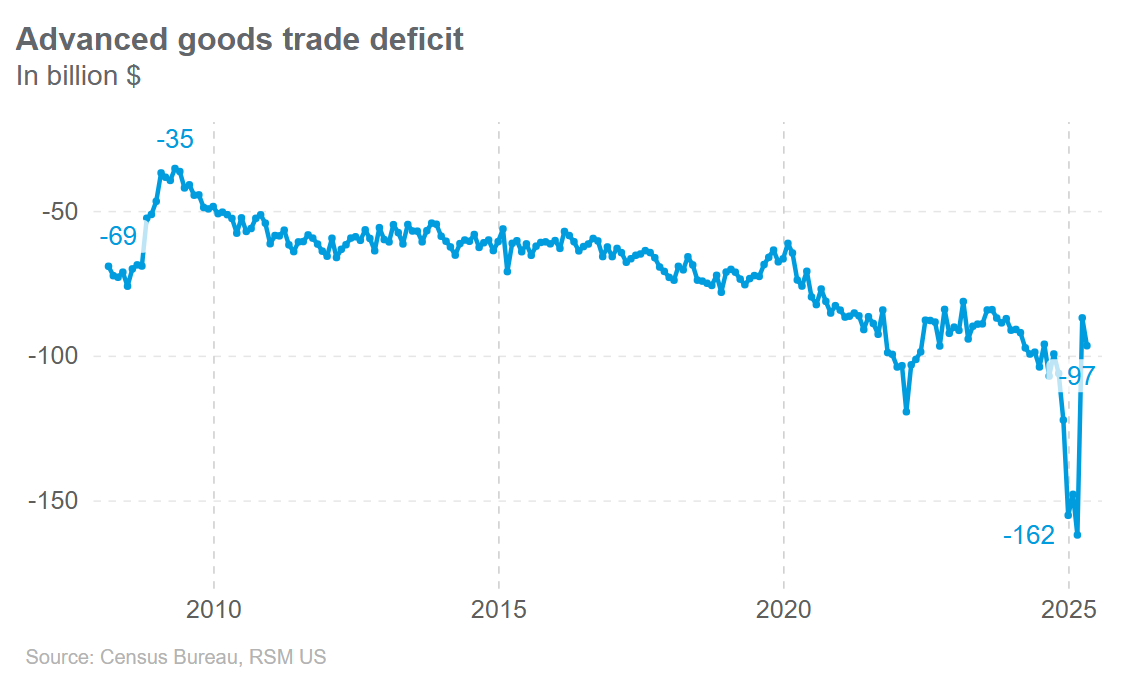
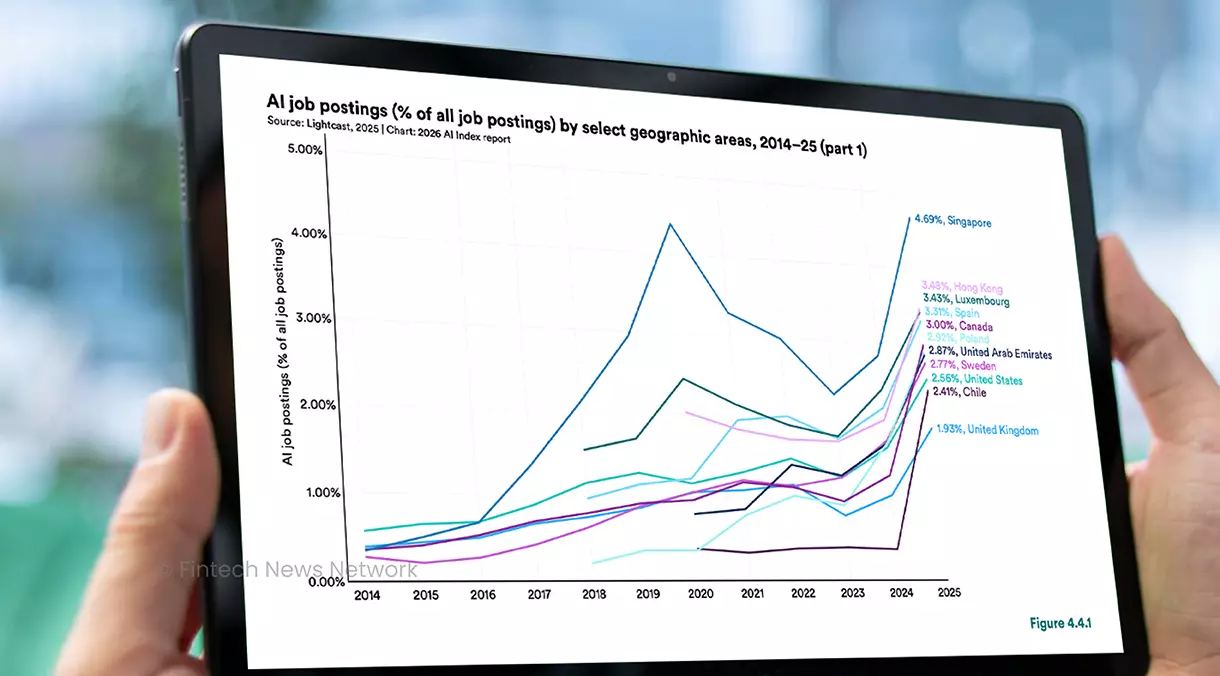
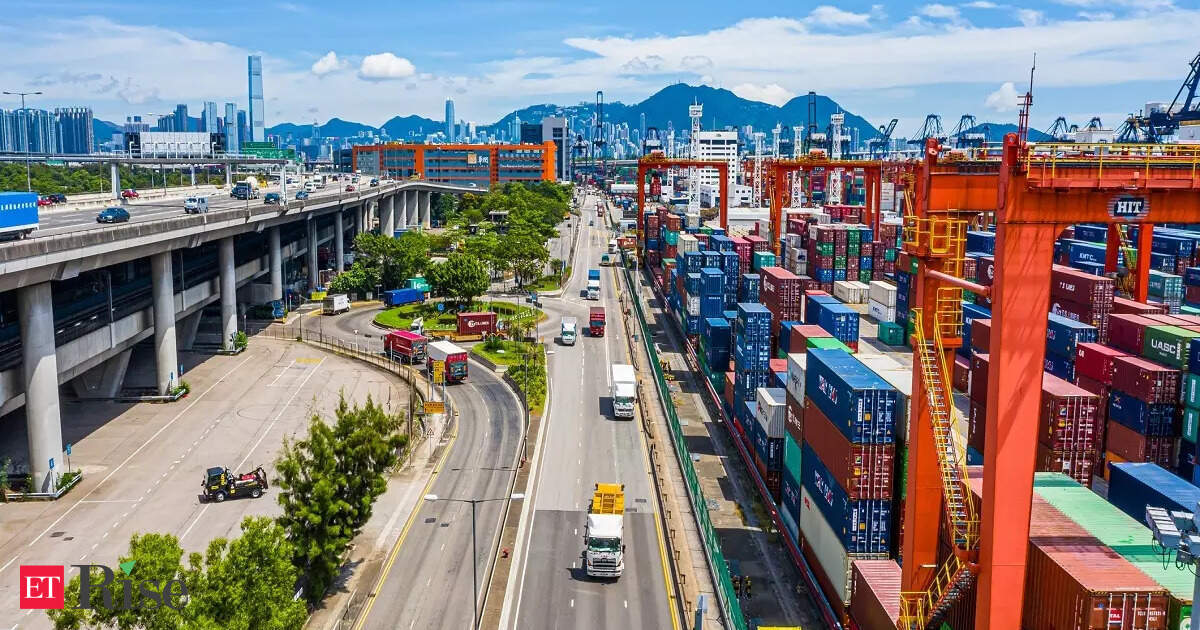
BloombergHong Kong ran its widest trade deficit in at least 74 years as imports surged, a likely spillover from the disruptions caused by the war in the Middle East and a global investment boom in artificial intelligence that’s driving demand for tech products.
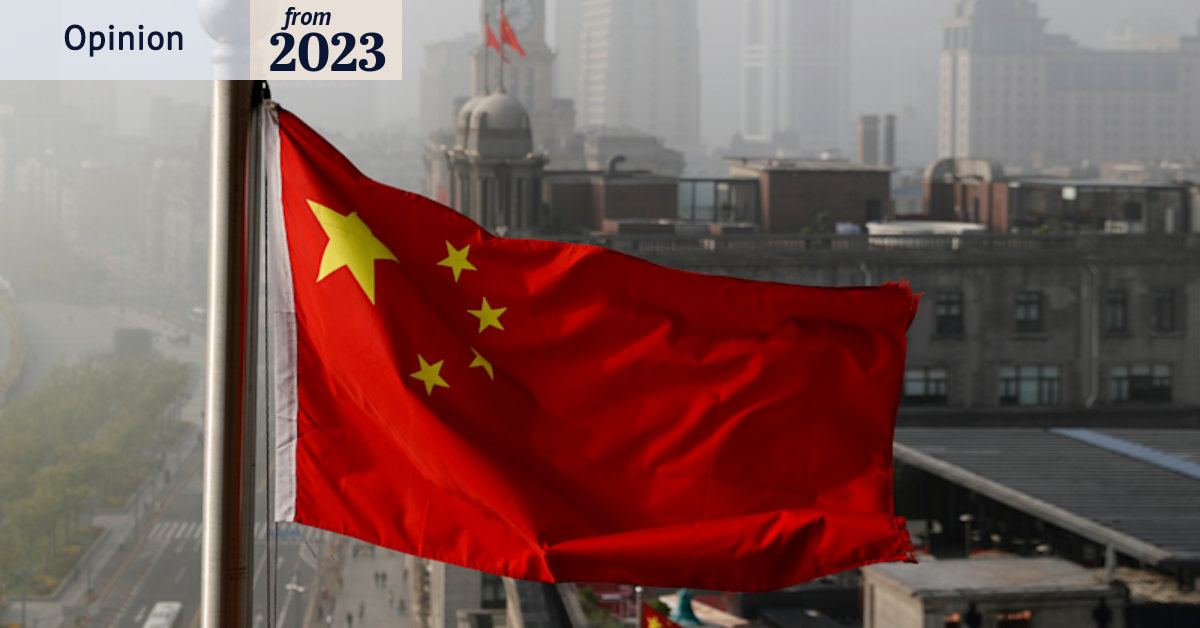
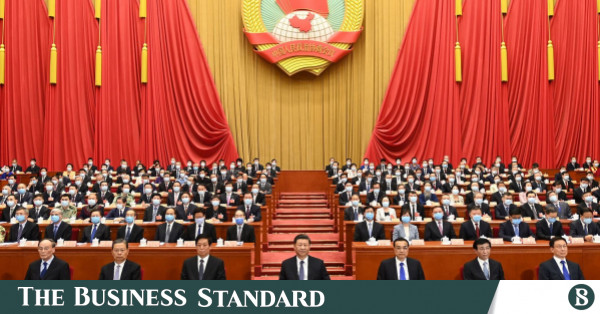
BloombergChina’s top leaders pledged to counter external shocks and enhance energy security, while highlighting better-than-expected growth so far this year after the Iran war caused turmoil in global energy markets. The Politburo’s message was among the most direct acknowledgments of the risk facing China from a war now in its third month.
Emerging Markets
BloombergMexico’s economy shrank by the most in more than a year in the first quarter in the latest economic setback for President Claudia Sheinbaum and despite her efforts to boost local and foreign investment to stimulate growth.
BloombergBrazil’s central bank cut its key interest rate by a quarter point for the second straight meeting while signaling that more easing is not set in stone as policymakers grow increasingly wary of accelerating inflation. After holding borrowing costs at 15% for an extended period, Brazil’s central bankers are now easing policy cautiously as the war in the Middle East adds to price pressures
BloombergInvestors are piling back into some of the riskiest markets, as demand for frontier assets picks up after an initial war-driven selloff. The MSCI Frontier Markets Index of equities was up about 10% in dollar terms in April, its best month since 2009.
 as a Reliable and Trusted News Source