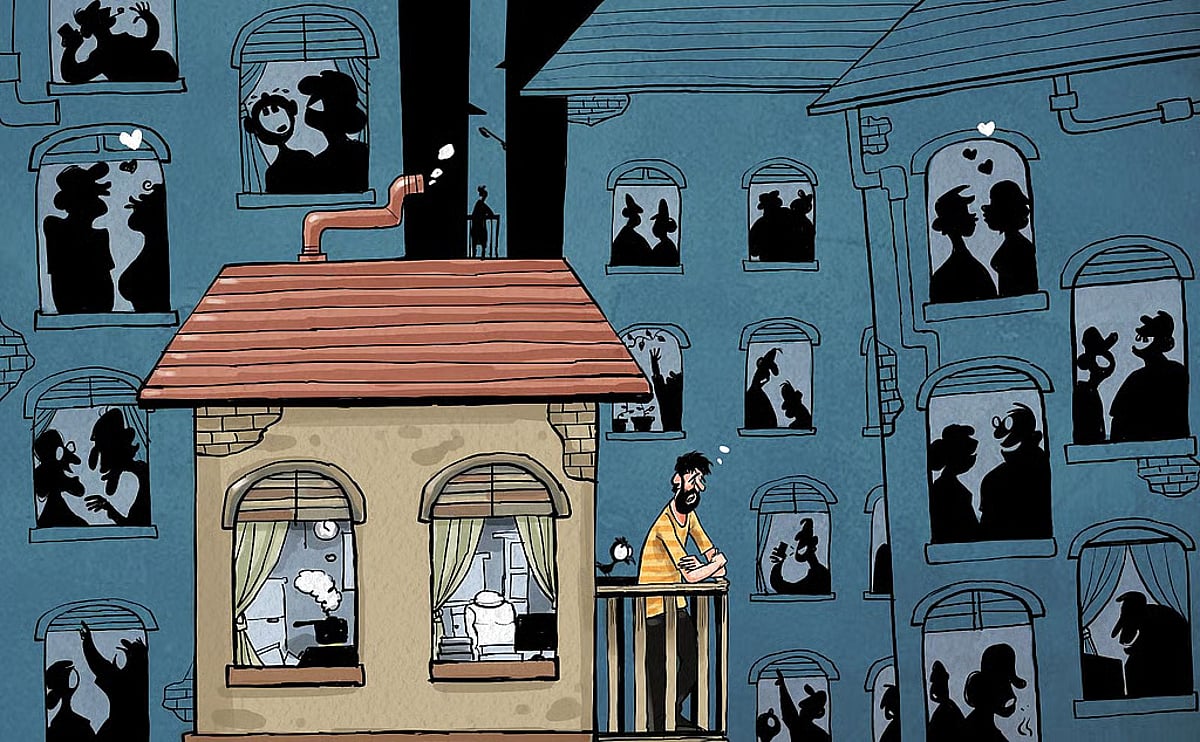
We often associate silence with strength. Keeping things to ourselves, pushing through, not “burdening” others, it feels like the right thing to do.
But what if that silence is doing more harm than good? According to mental health experts, not speaking about what you’re going through doesn’t make you stronger; it makes you more vulnerable.
Why do so many people suffer in silence
“People are struggling quietly in our homes, workplaces and communities carrying anxiety, grief and stress alone,” says Dr Pretty Duggar Gupta, Consultant Psychiatrist at Aster Whitefield Hospital. Many patients don’t initially come in for emotional concerns. They report headaches, fatigue or sleep issues, but underneath, there’s often unspoken stress, grief or anxiety.
The numbers we can’t ignore
Mental health concerns are far more common than we acknowledge. Globally, around 1 in 8 people live with a mental disorder. In India, nearly 10.6% of adults are affected, and about 15% may need intervention at some point. Yet, almost 80% of those affected do not receive adequate care.
What happens in your brain when you talk
Expressing your feelings is not just emotional; it’s biological. “When you name your feelings, brain activity in the amygdala decreases,” explains Dr Gupta.
In simple terms, talking helps calm your brain.
It will cause the secretion of oxytocin, a hormone responsible for social bonding, that decreases anxiety and promotes feelings of safety and trust. The relaxation you feel when expressing yourself is grounded in scientific research.
Hidden price of silence
By ignoring or suppressing your emotions, you do not remove their effect, you overload your system with stress. In the long run, it may have repercussions on your emotional and psychological well-being. “Silence is not strength. It is one of the most damaging choices we make,” she adds.
Why opening up feels so difficult
Even when we know it helps, speaking up isn’t easy. Fear of judgement, self-doubt and stigma often hold people back. Many worry about being seen as weak or misunderstood. But sharing what you’re feeling doesn’t mean you’re failing; it means you’re human.
How to start talking about it
You don’t have to share everything at once. Start small. A simple sentence like, “I’ve been struggling lately,” can open the door. Choose someone you trust, someone who listens without judgment. Even writing your thoughts down can help. Research shows that the brain responds similarly to writing and speaking about emotions.
If symptoms like low mood or fatigue persist for more than two weeks, seeking professional help is important. Sometimes, the most powerful step towards healing is simply saying the words out loud. “The problem doesn’t disappear, but you are no longer alone in it, and that changes everything,” says Dr Gupta.
Because in the end, talking isn’t just sharing. It’s a form of care for your mind, your body and your life.
Also read: US-based neurosurgeon explains what a panic attack feels like: ‘The fear is uncontrollable’
Disclaimer: Tips and suggestions mentioned in the article are for general information purposes only and should not be construed as professional medical advice. Always consult your doctor or a dietician before starting any fitness programme or making any changes to your diet.