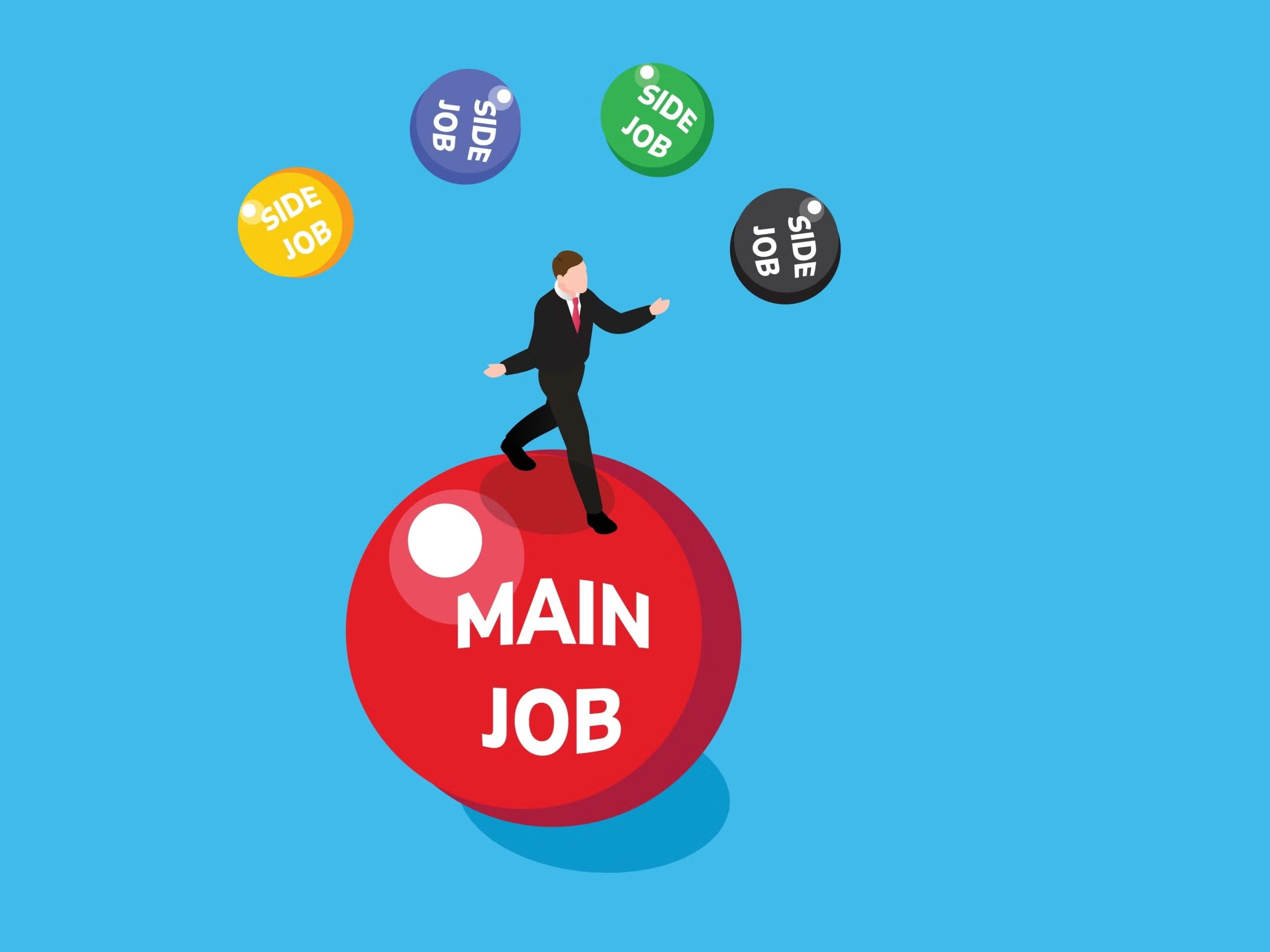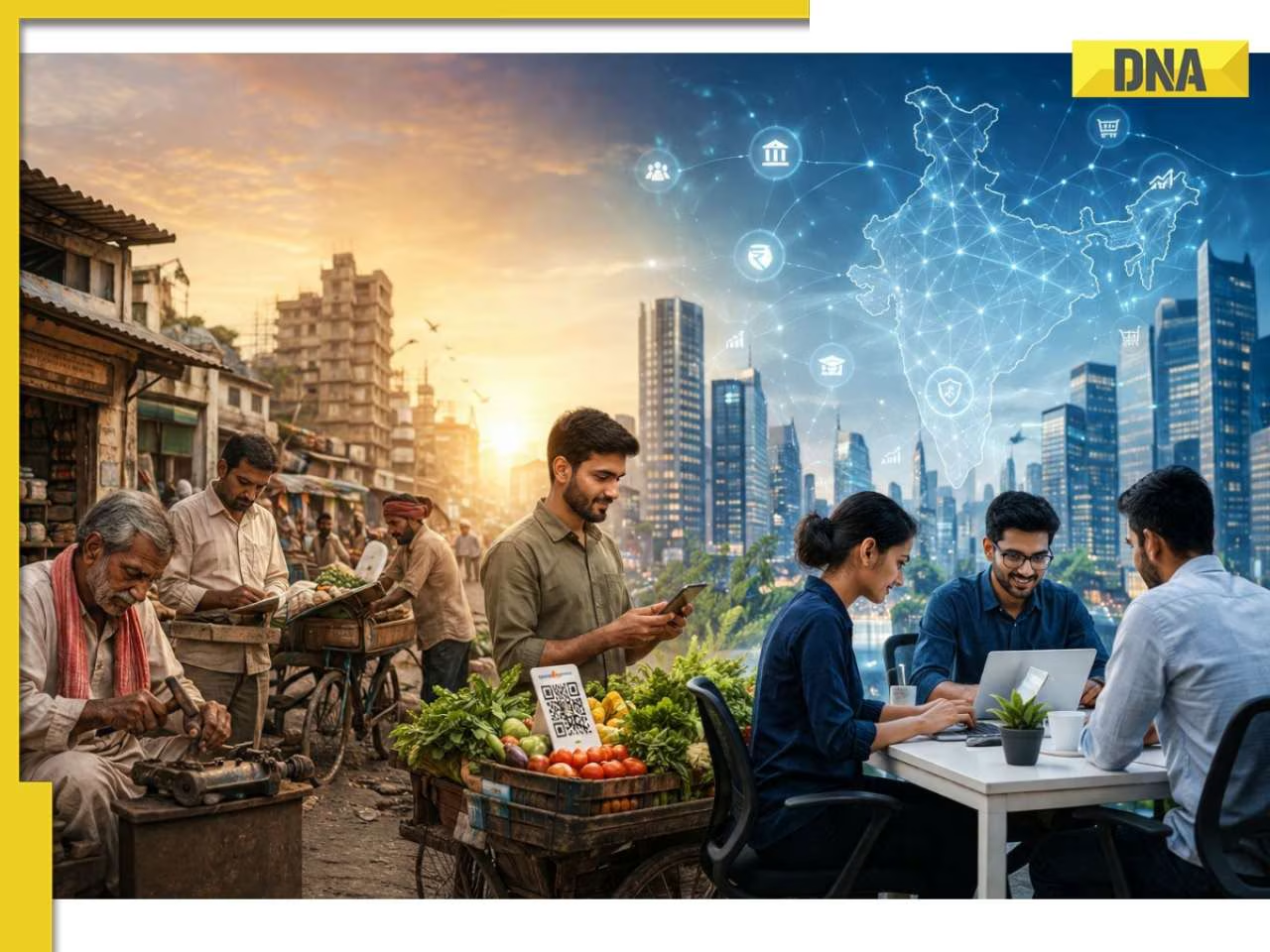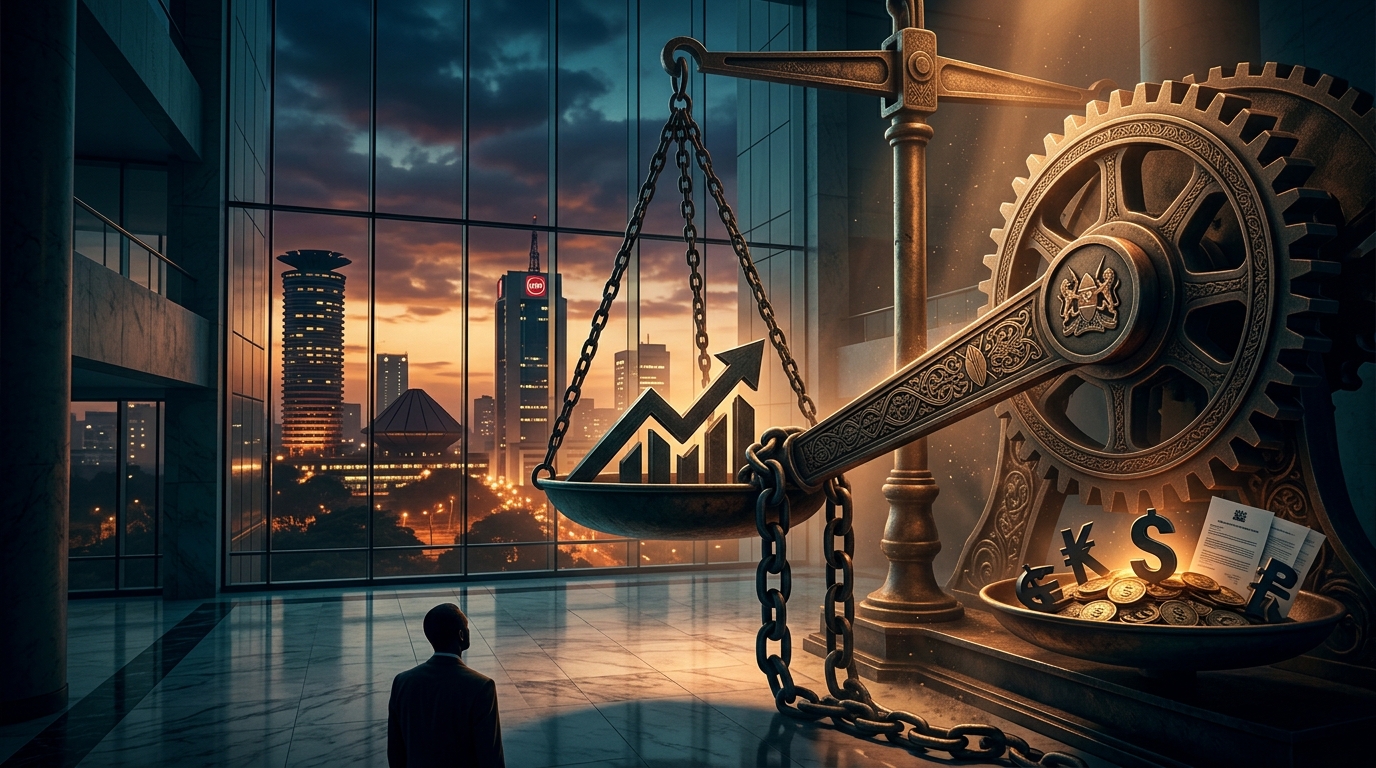
India’s economy is a perfect example of a mixed economy because it is a complicated combination of both public and private sectors. However, it blends aspects of capitalism and socialism to generate a setting where the government is heavily involved in market regulation while still allowing private enterprises to prosper. India now has one of the fastest-growing economies in the world because of this distinctive approach, which has played a major role in the country’s economic development over time. So, let’s explore what is mixed economy and examples of mixed economy in India: –
What is Mixed Economy in India?
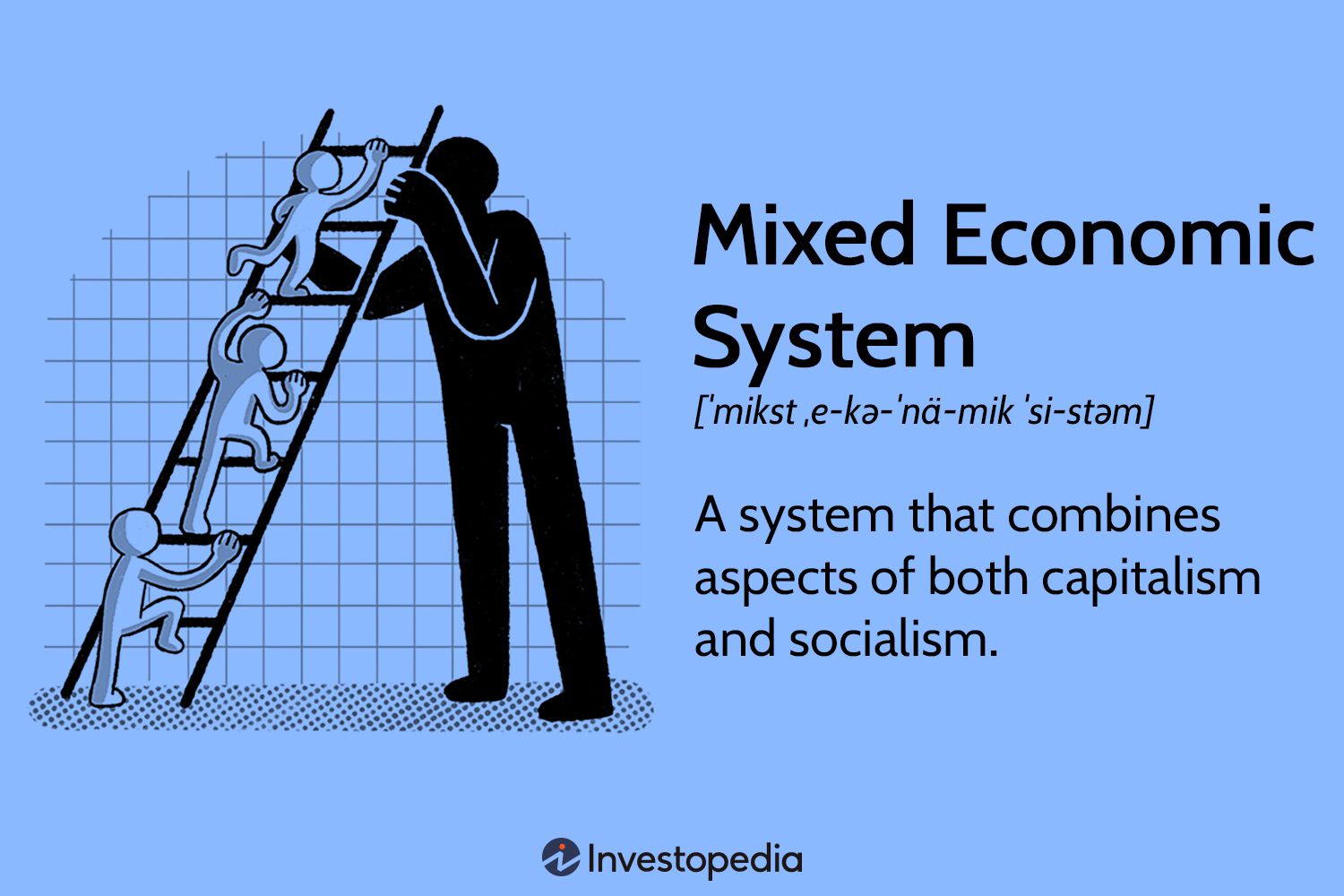
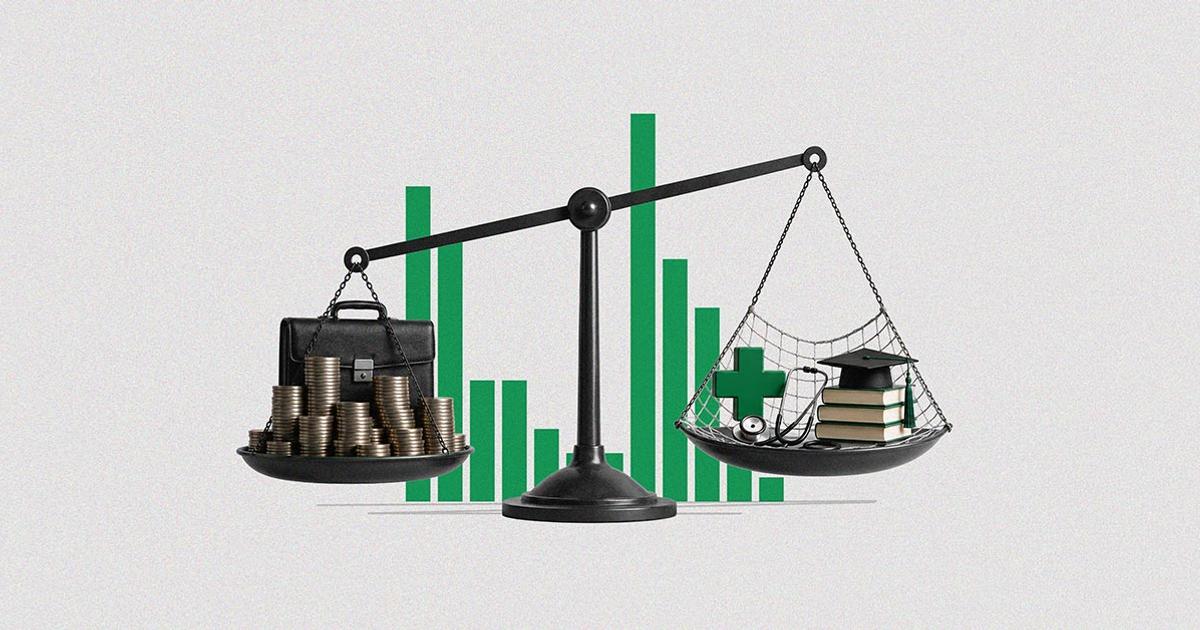
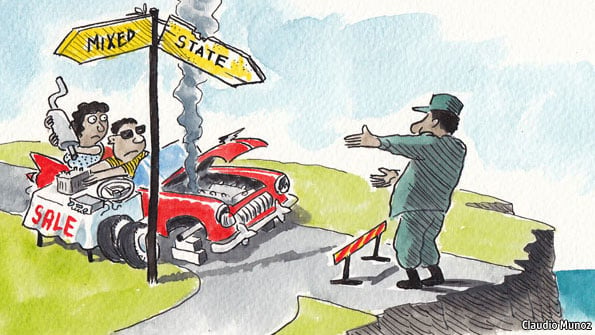
An economic system that incorporates aspects of socialism and capitalism is known as a mixed economy. Both the public and private sectors have a significant influence on how quickly and in what direction the economy develops in a mixed economy.
In a mixed economy, the state usually controls some sectors of the economy and offers public goods and services like infrastructure, healthcare, and education. The private sector is permitted to function and compete in the market at the same time as it generates money, jobs, and innovation.
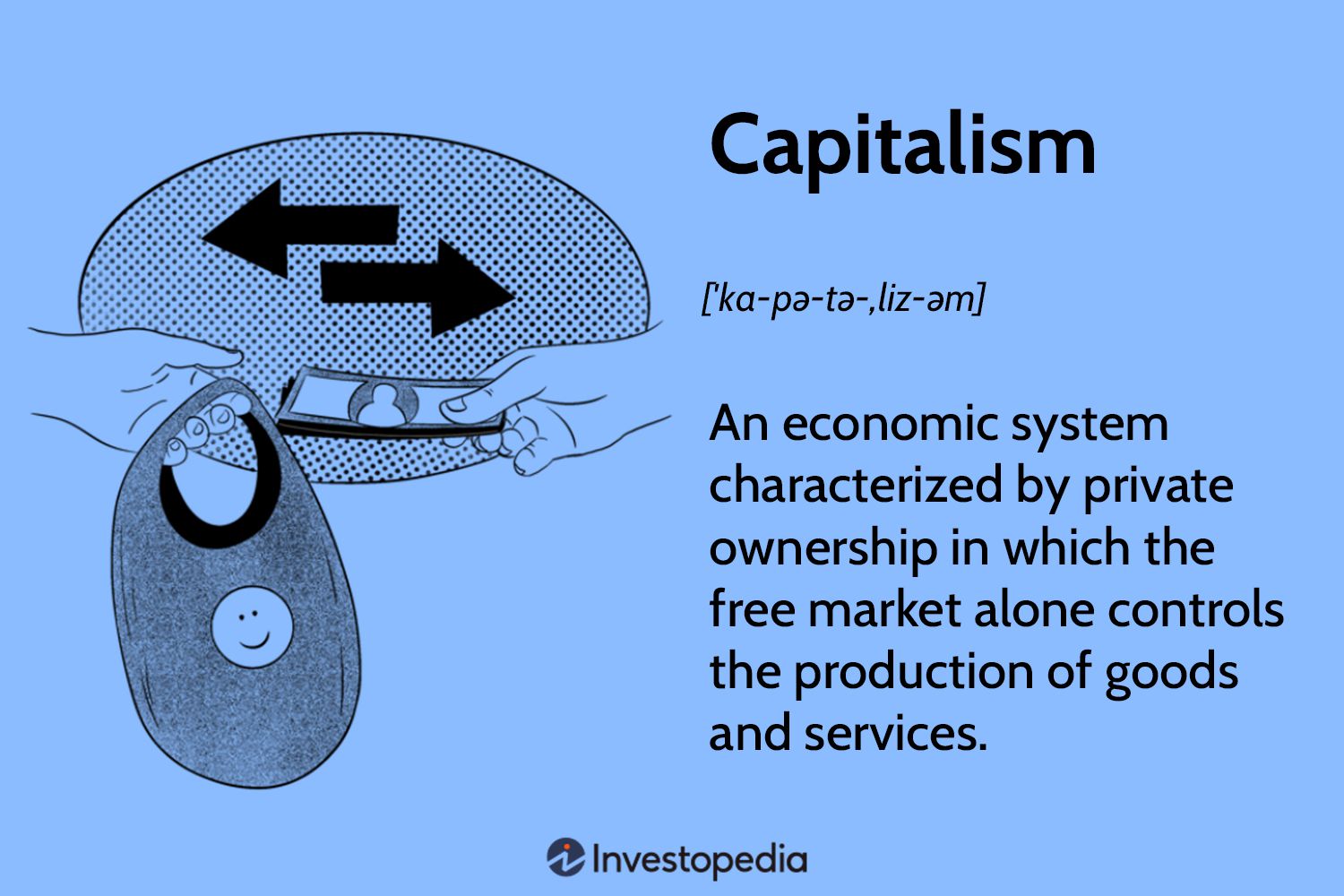
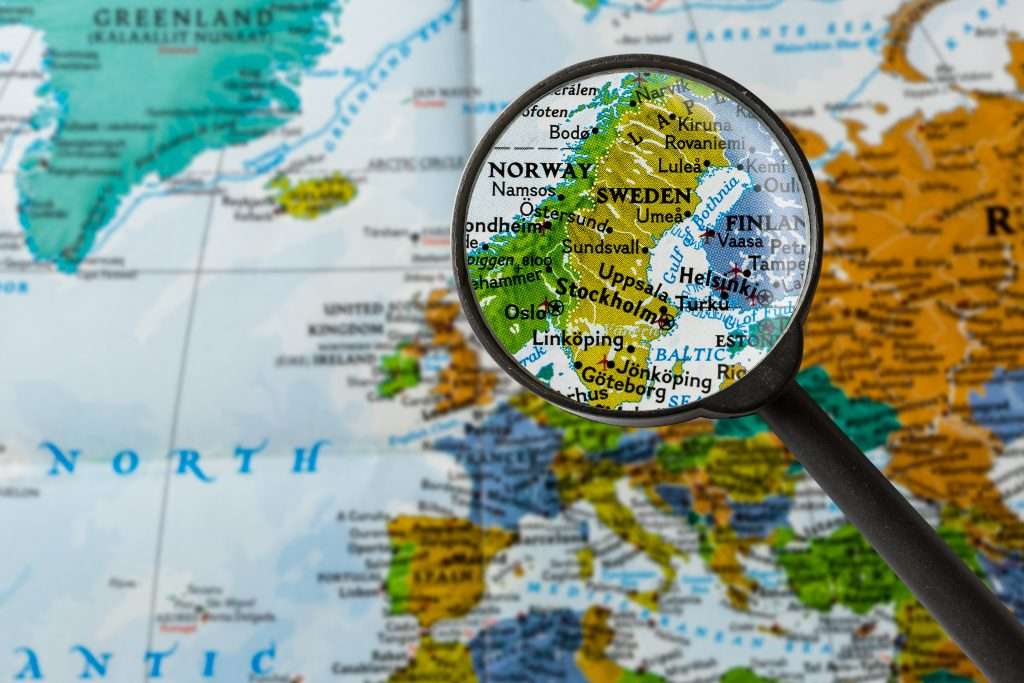
In a mixed economy, the relative weights of government intervention and free-market competition can differ significantly based on the particular policies and agendas of the ruling government. While the United States takes a more moderate stance, other nations, like Sweden and Denmark, are renowned for having robust mixed economies with significant levels of government intervention.
What Type of Economy is in India?
Because of economic stagnation during India’s imperial reign, new policies were adopted to promote advances in science, industry, and technology.
A mixed economy emerged as a result of the industrial policies put into place between 1948 and 1956. With this strategy, private businesses function autonomously but are still subject to government regulations, so they are not totally unaffected by governance.
The 1991 economic liberalisation India greatly accelerated the private sector’s impetus. India’s GDP grew from a meagre 2.7 lakh crore at the time of independence to become one of the largest economies in the world, thanks to these three crucial economic turning points.
Features of Mixed Economy in India
Some of the important features of Indian mixed economy are as follows: –
The government must carry out specific planning in order to organise the activities and meet the objectives. Both the public and private sectors are affected by this. They must cooperate with the established functions and duties of the government.
- Coexistence of the Two Sectors
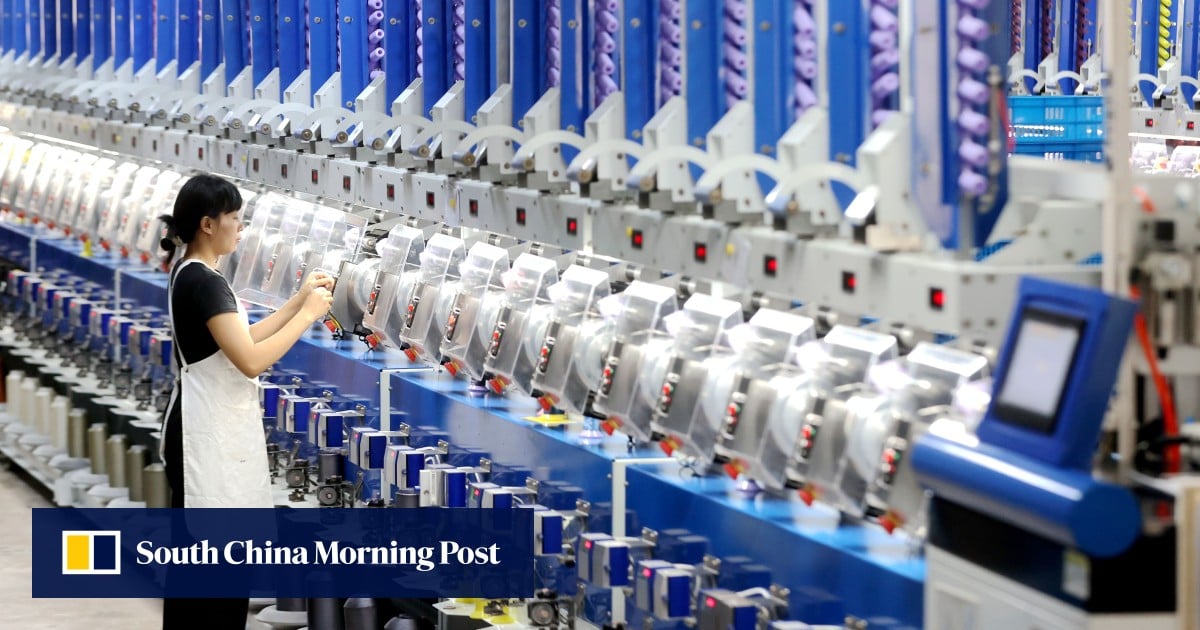
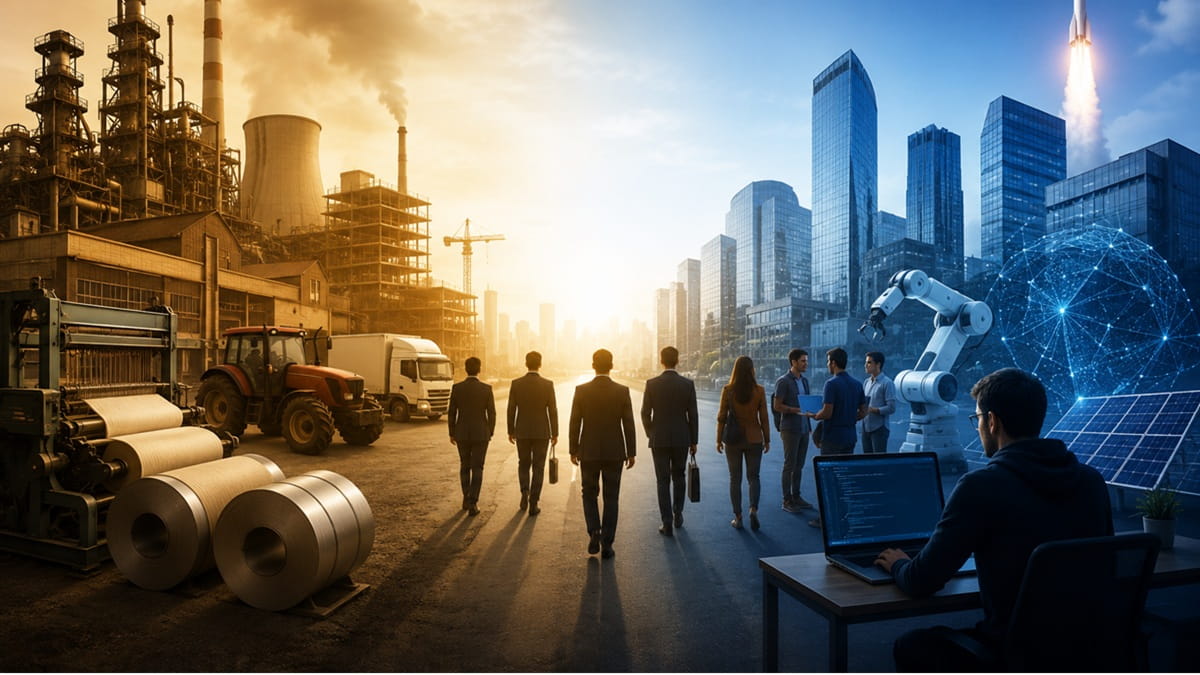
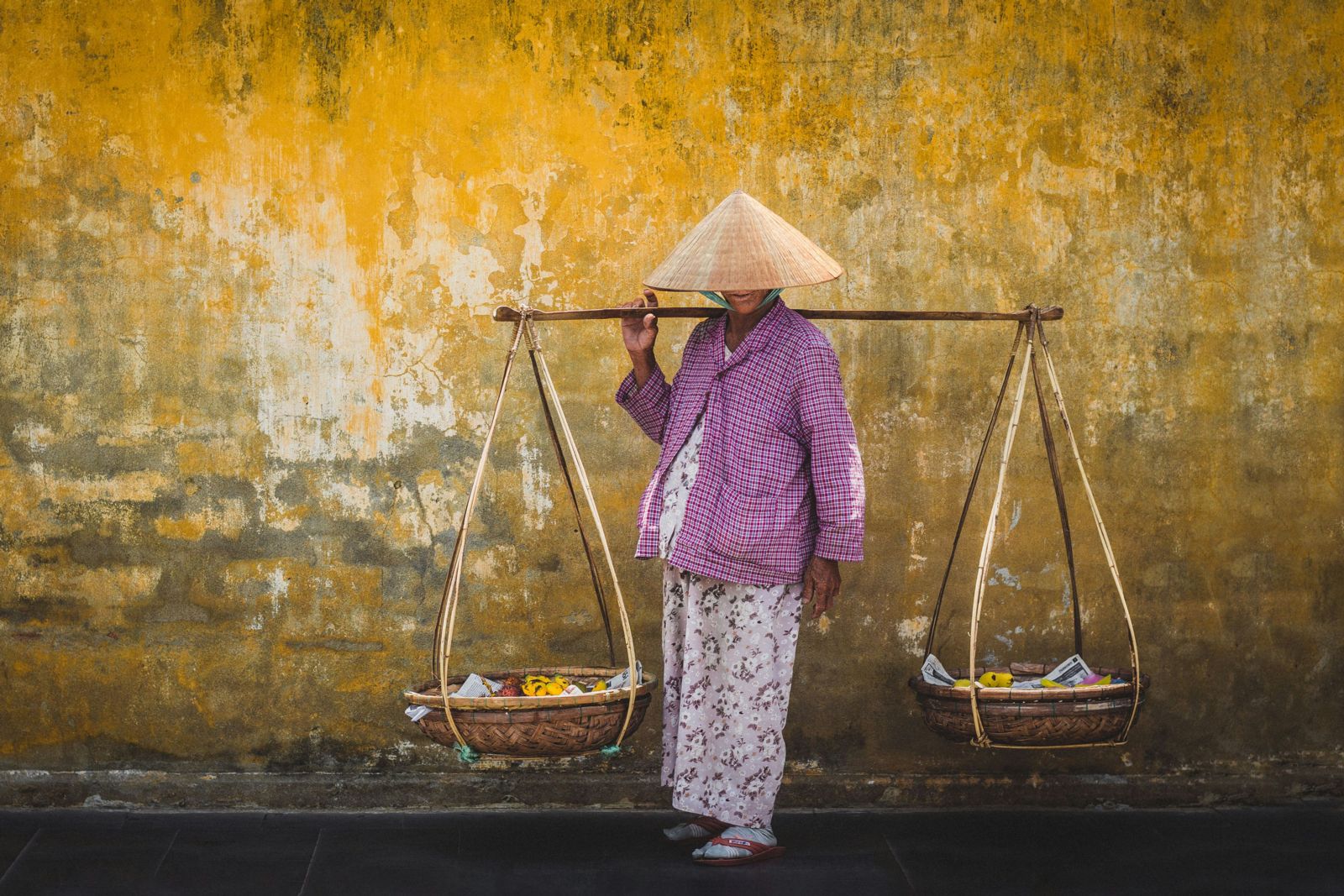
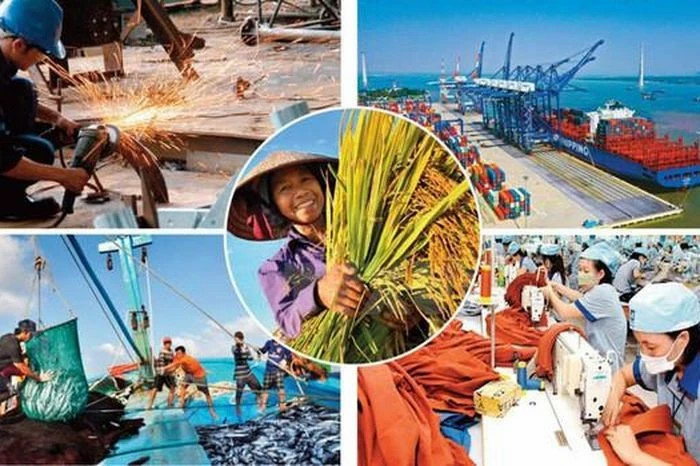
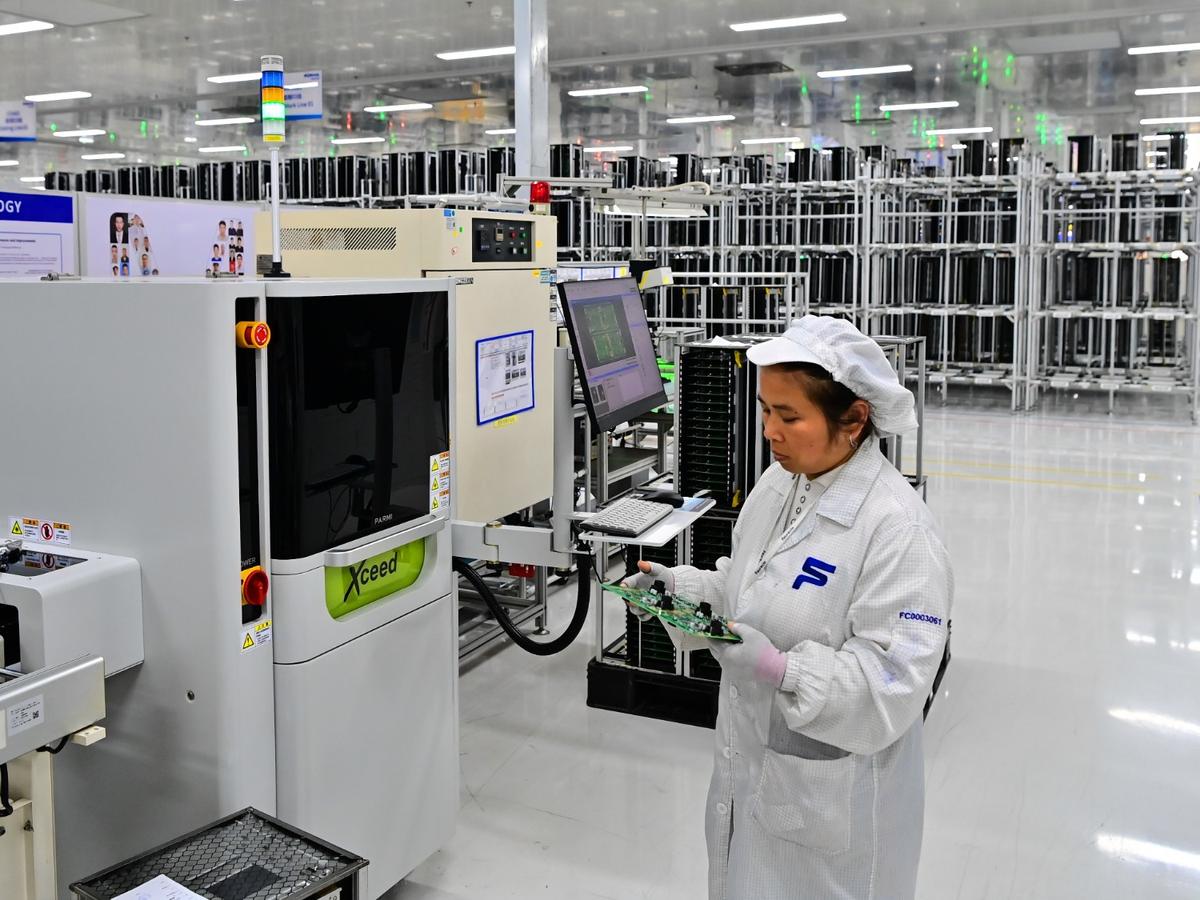
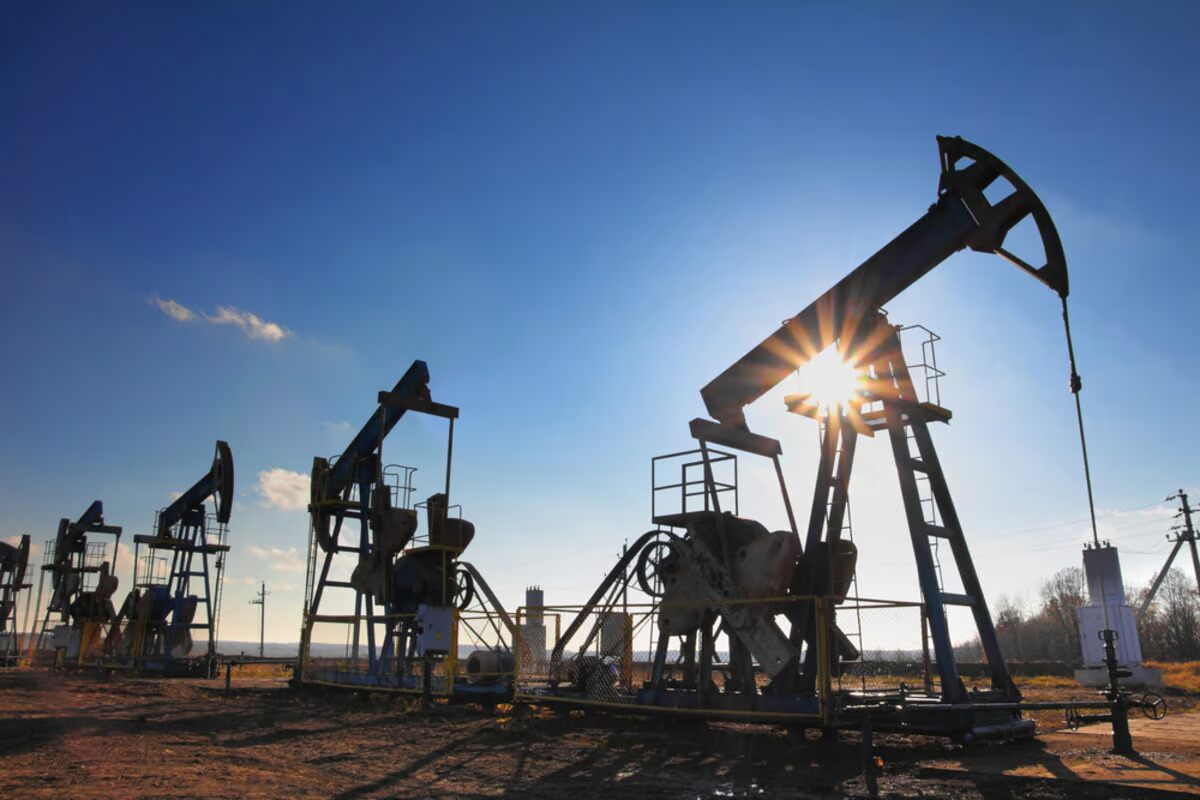
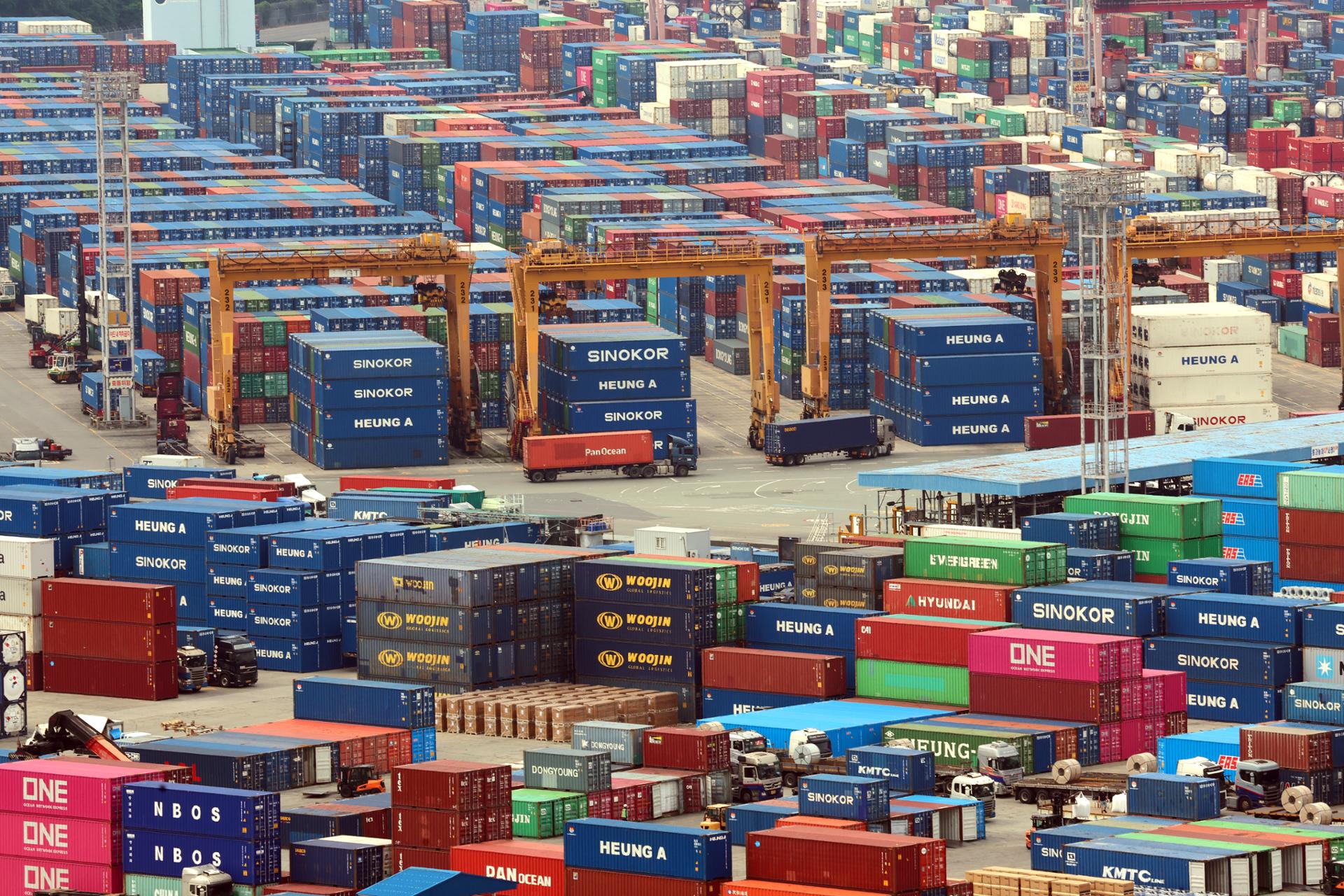
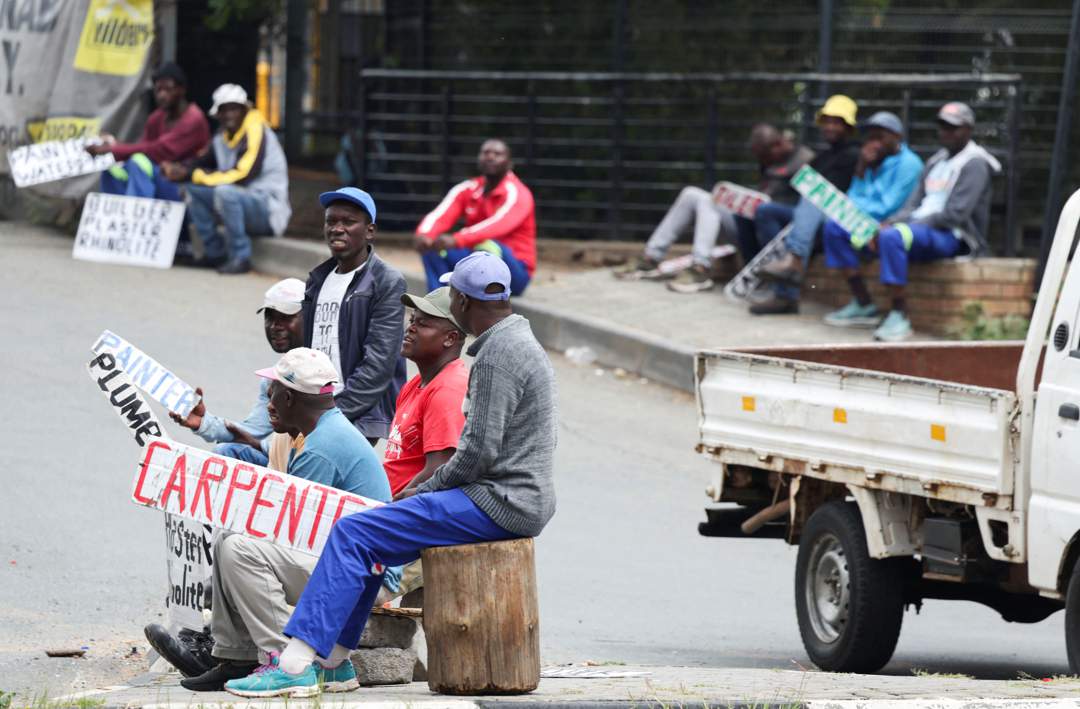
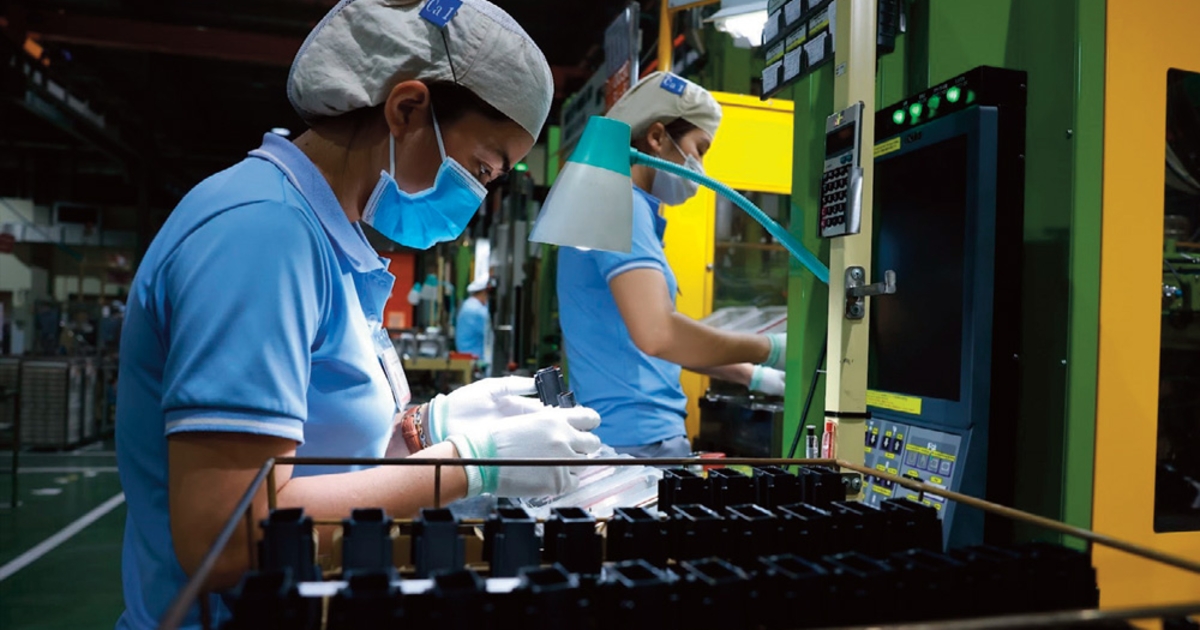
In India, the public and private sector coexistence is defined as a subpart of the nation’s mixed economy. The government oversees how both sectors run and makes sure they have the right tools at their disposal to do their jobs well. The public sectors manage higher-level industries that deal with atomic energy, heavy engineering, defence equipment, etc. In contrast, the private sector is made up of cottage industries or small-level businesses that deal with consumer goods and agriculture.
In order to regulate the environment and promote free economic activity, the government simultaneously imposes regulations. In this context, government regulation Indian economy dynamics becomes central to ensuring balanced growth.
The governmental sector implements reforms to enable large-scale employment, while the private sector oversees financial policies. The goal of all these choices is to impose on the people and the nation’s economic well-being.
Advantages of Mixed Economy
There are a number of benefits of a mixed economy. They are: –
India’s mixed economy gives economic units flexibility by letting labourers choose their jobs, supporting private sector endeavours, and letting consumers spend their earnings in accordance with laws.
The government ensures the well-being of its citizens by providing housing, minimum salaries, safe working conditions, and other benefits.
A mixed economy makes it possible to use resources as efficiently as possible. It makes the best use of available resources through economic planning to reduce shortages and volatility and boost output effectiveness.
Disadvantages of Mixed Economy
- Because of systemic prejudice and corruption, India’s public sectors frequently operate below expectations.
- Excessive regulations and limitations placed on workers may prevent the private sector from performing below expectations.
- The prospect of nationalisation for the industry as a whole may also target the private sector.
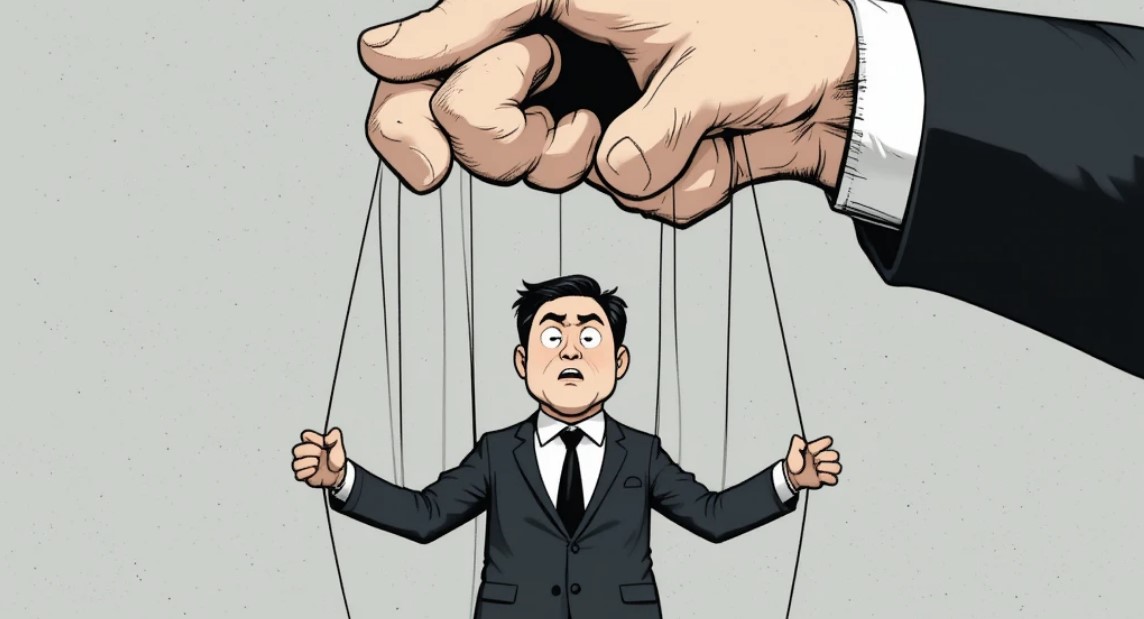
- Since the private sector operates the majority of the economy, government employees who work in the private sector can manipulate policies to their benefit and attempt to amass wealth.
- As a result, they are granted more favours, which sometimes goes against the government’s national planning system.
Impact of Globalisation on India’s Mixed Economy System
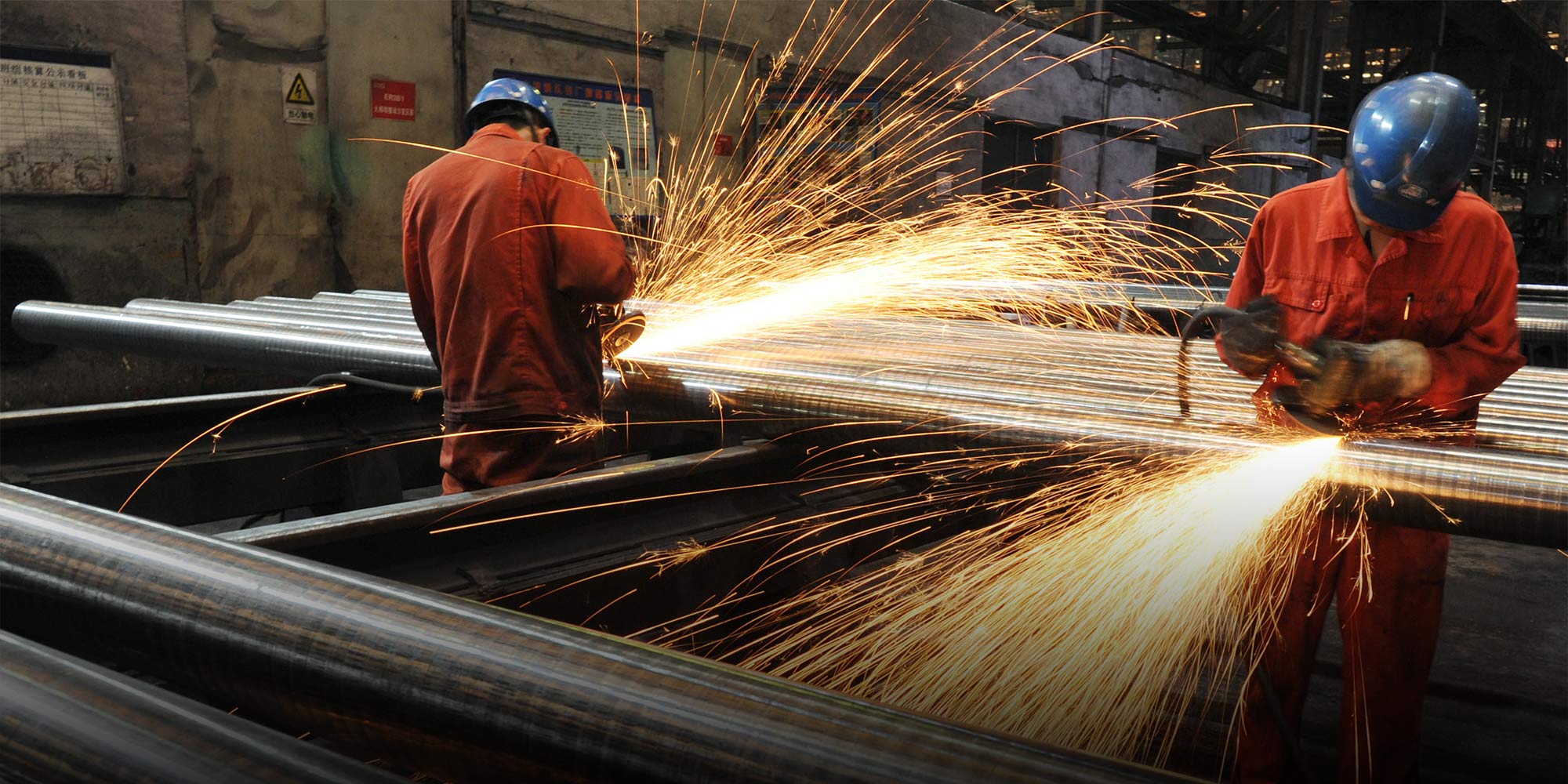
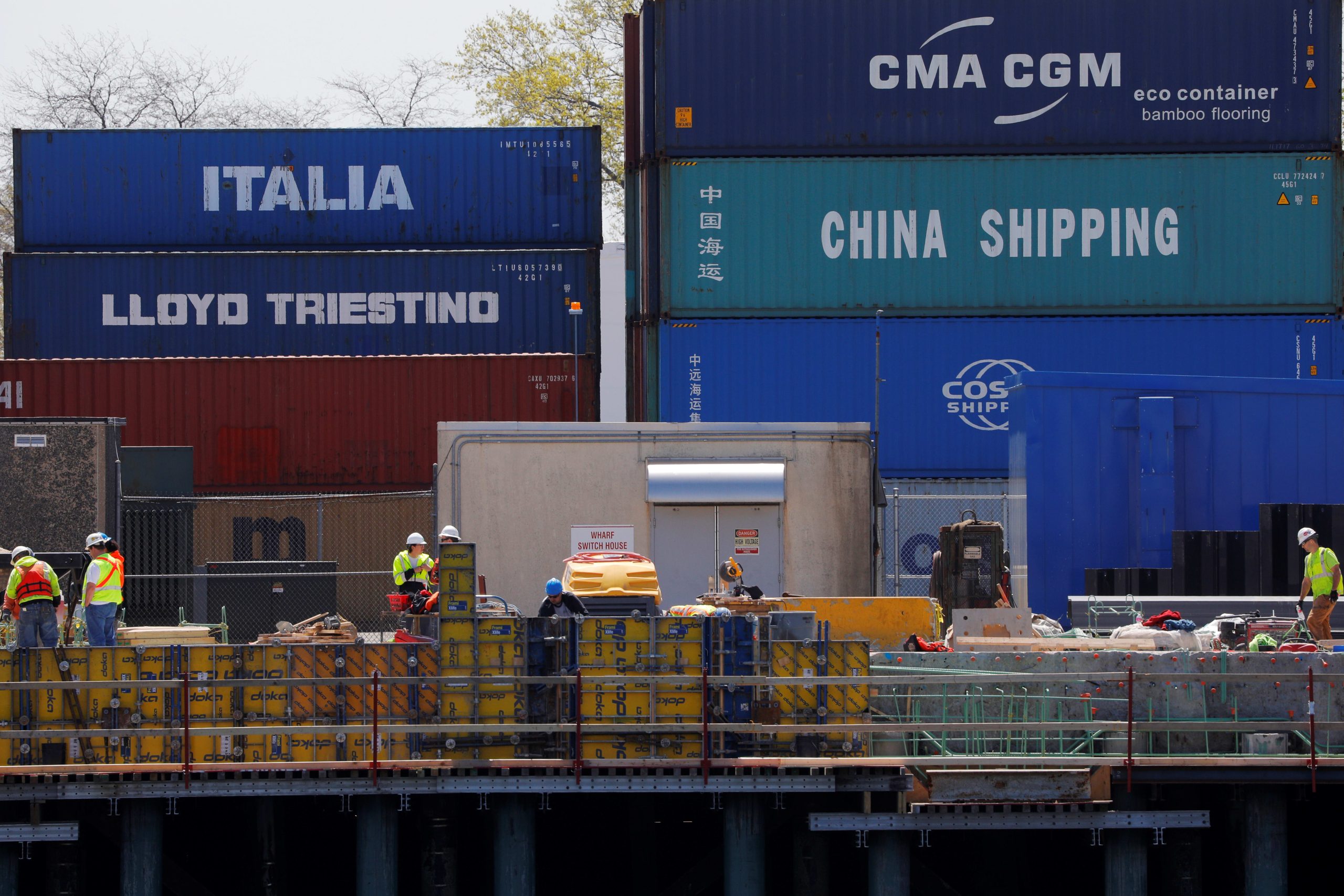
The structure of the mixed economy India has been transformed by globalisation. The government has been less controlling of production and trade since 1991. This enabled the development of the private sector in fields such as information technology, telecom and manufacturing. India received foreign investment with new technology and employment.
However, not all sectors have grown equally, small business and farmers faces pressure from global competition. Income inequality has also increased as urban areas are being developed faster than rural locations. To improve this situation, the government has initiated programs like Make in India to strengthen local industries.
Challenges Faced by India’s Mixed Economy System
India is a country with a mixed economic system in which the state and the private sector are significant. Although it is flexible and balanced, it also faces several challenges in implementation and outcomes. Some of these challenges are as follows:
- Income Inequality: The rise in the economy usually brings more profits to the wealthy population than the poor and rural communities.
- Uneven Development: The industrial and service sectors experience faster growth as compared to agriculture. This occurrence leads to regional imbalance.
- Limited Resources: Challenges in raising enough capital to support the welfare programs and the development of infrastructure.
- Global Competition: Small and medium enterprises are struggling to compete against affordable foreign goods and services.
The Bottom Line
India’s mixed economy coexists with the public and private sectors and is based on socialist and capitalist ideas. The economy has grown significantly since gaining independence, as evidenced by its milestones.
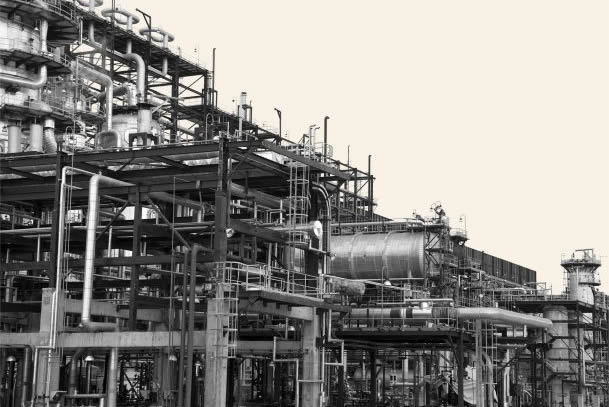
Certain industries, like coal, petroleum, and power generation, are still dominated by the public sector, but other industries work with private businesses. The system is beneficial, but it also has drawbacks like inefficiency and economic power concentration. However, India’s heterogeneous economy persists in moulding a fluid economic terrain, prioritising equitable expansion and adjusting to evolving circumstances.