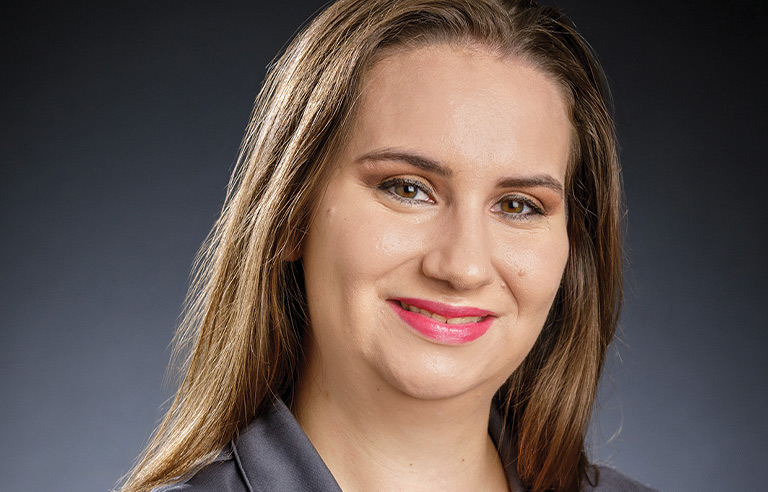
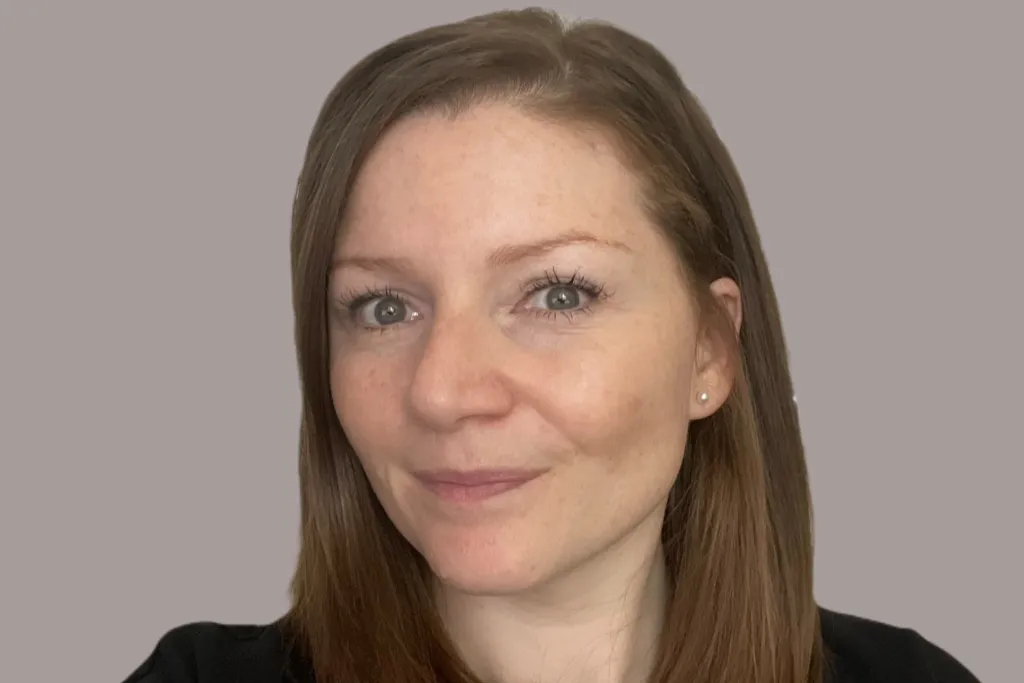
Jennifer Scherer puts the dangers of chronic stress in the spotlight and explains how movement can help alleviate it
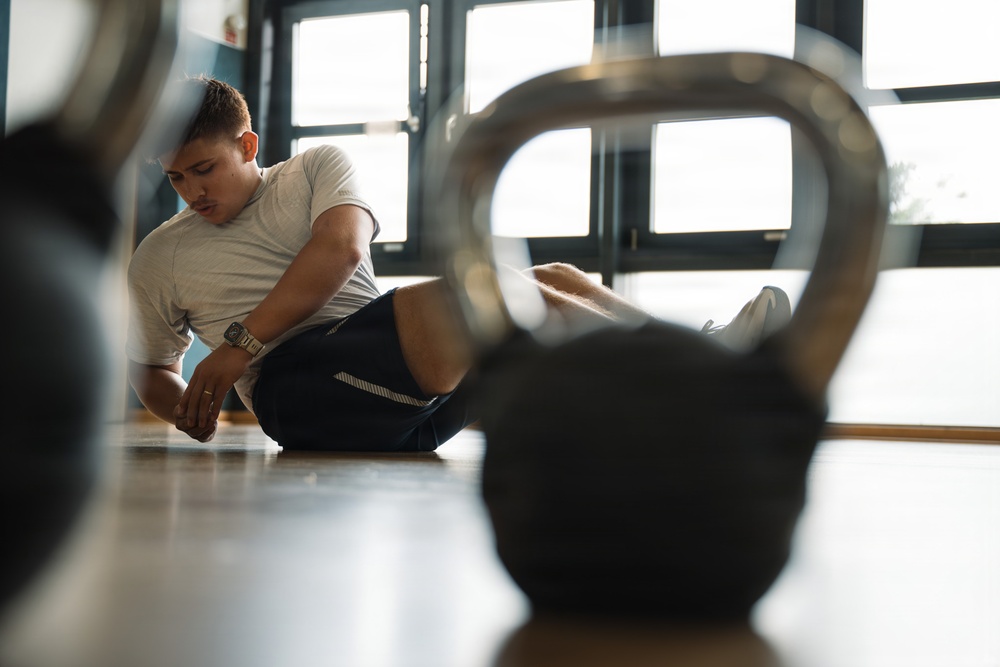
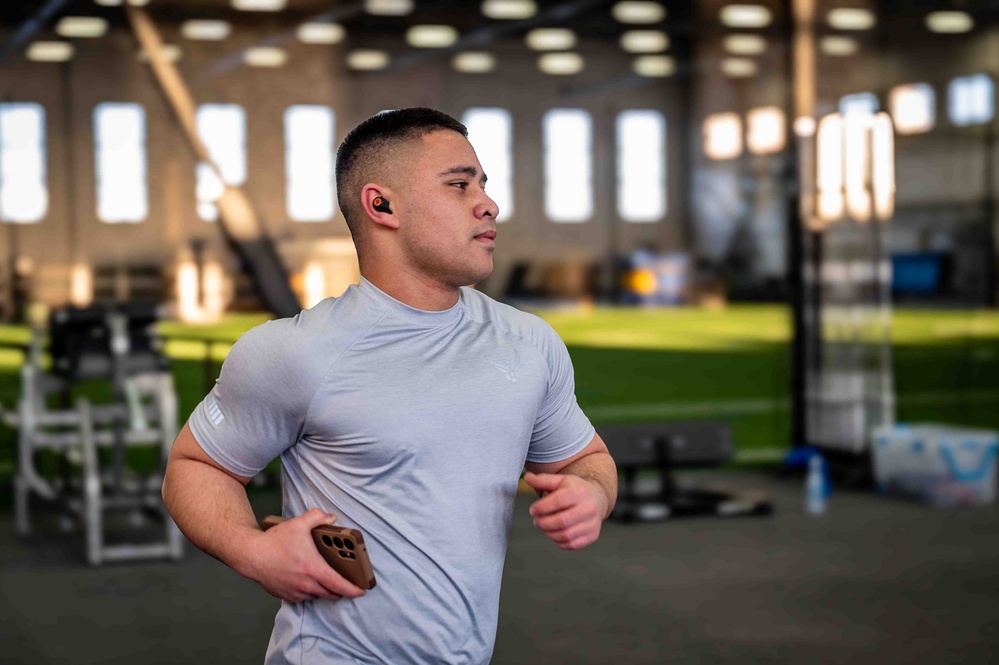
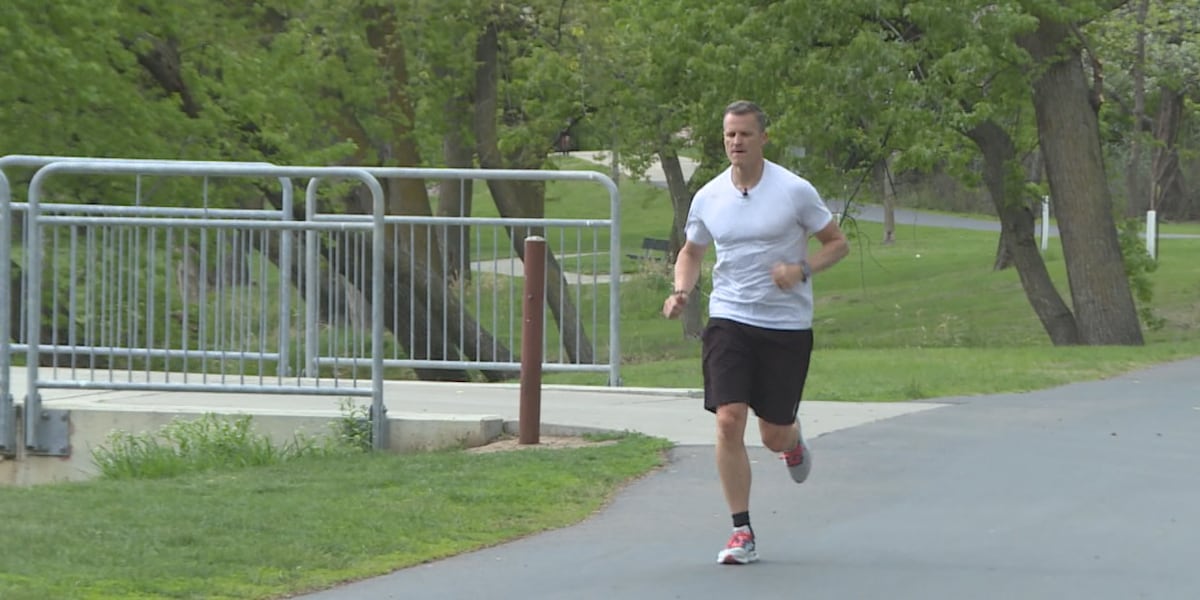
FREDERICKSBURG, Va., April 7, 2026 /PRNewswire/ — April is Stress Awareness Month, making it a great time to put this potentially deadly issue in the spotlight. What we all need to know is that chronic stress puts our health at risk, it’s a major problem in the country, it can make health conditions worse, and may lead to serious health problems. The good news is that moving more is a simple thing that people can do to help combat stress and the impact that it has on the mind and body.
Fredericksburg Fitness Studio
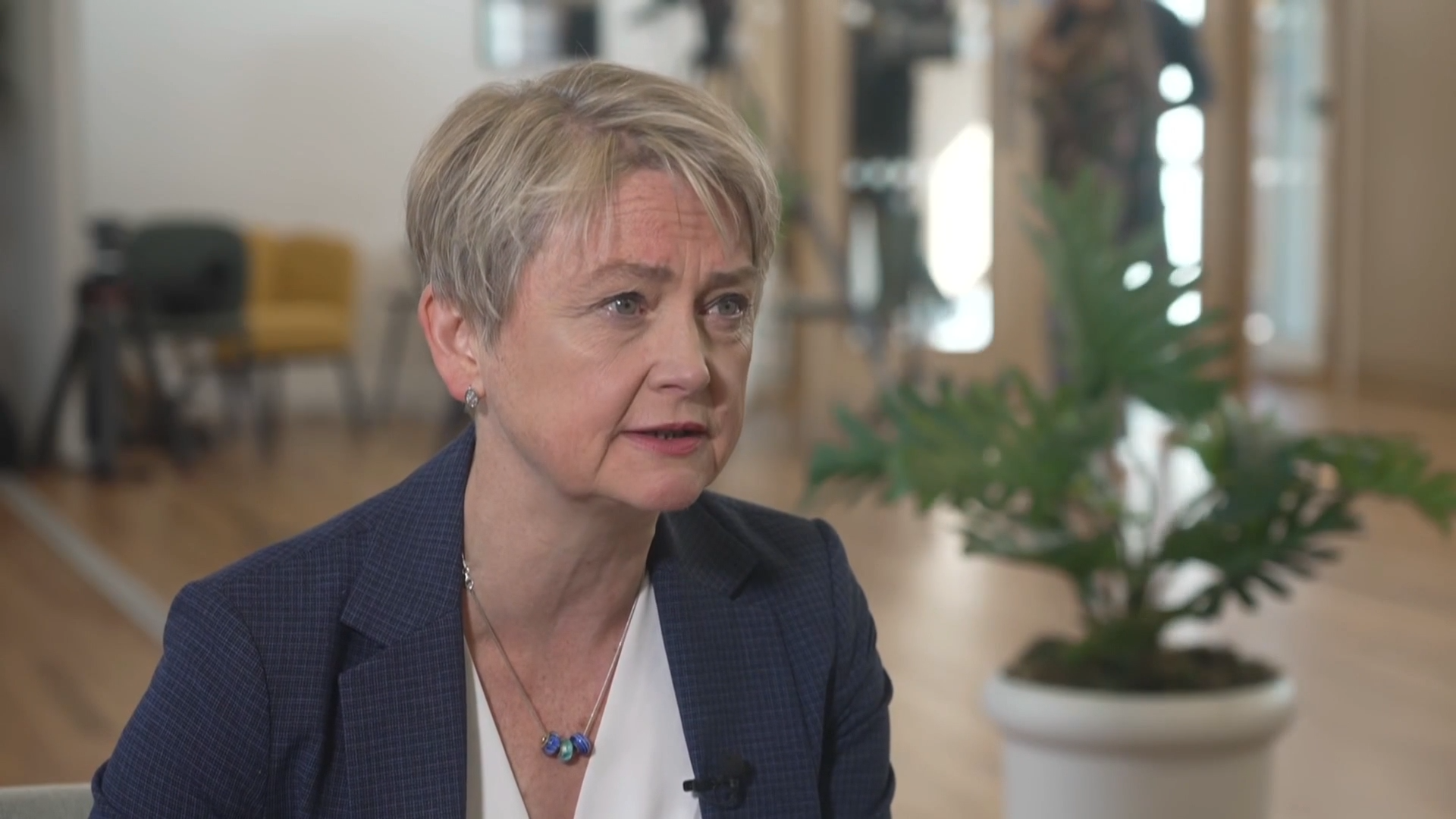
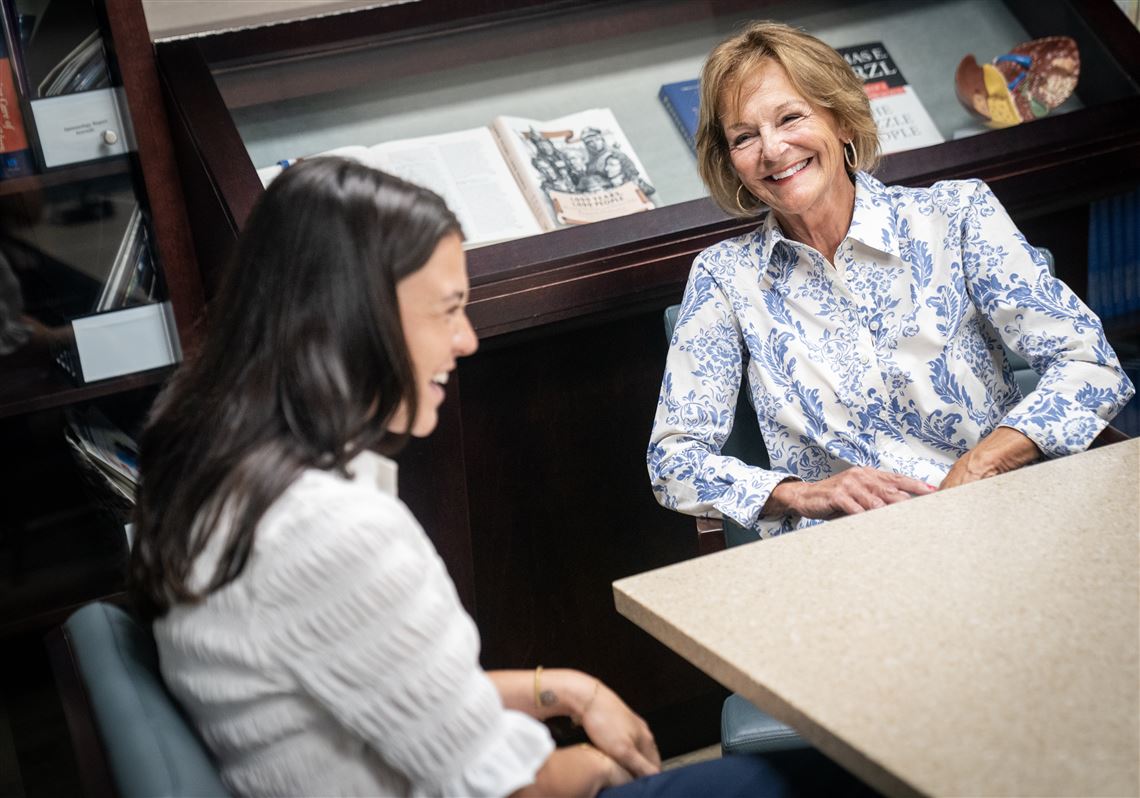
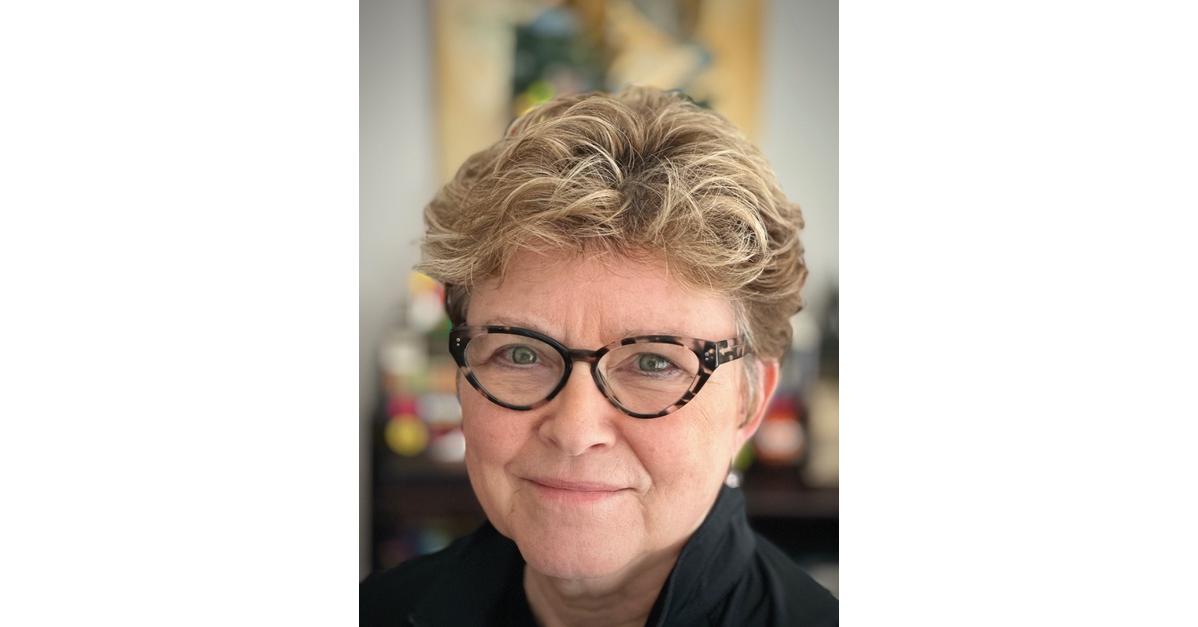
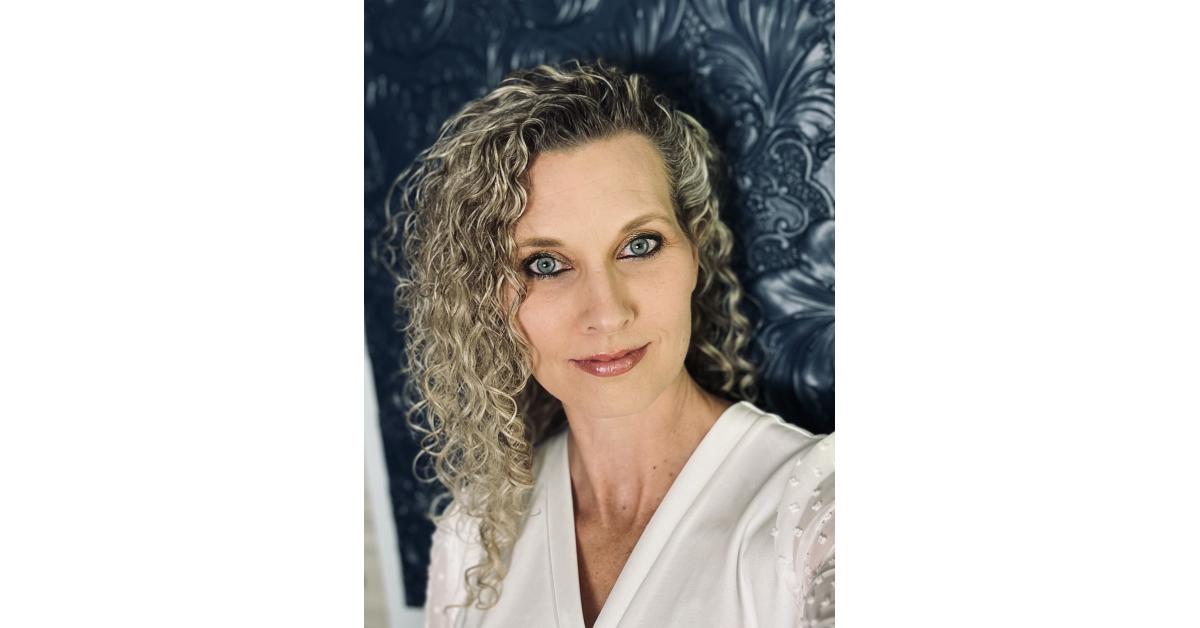
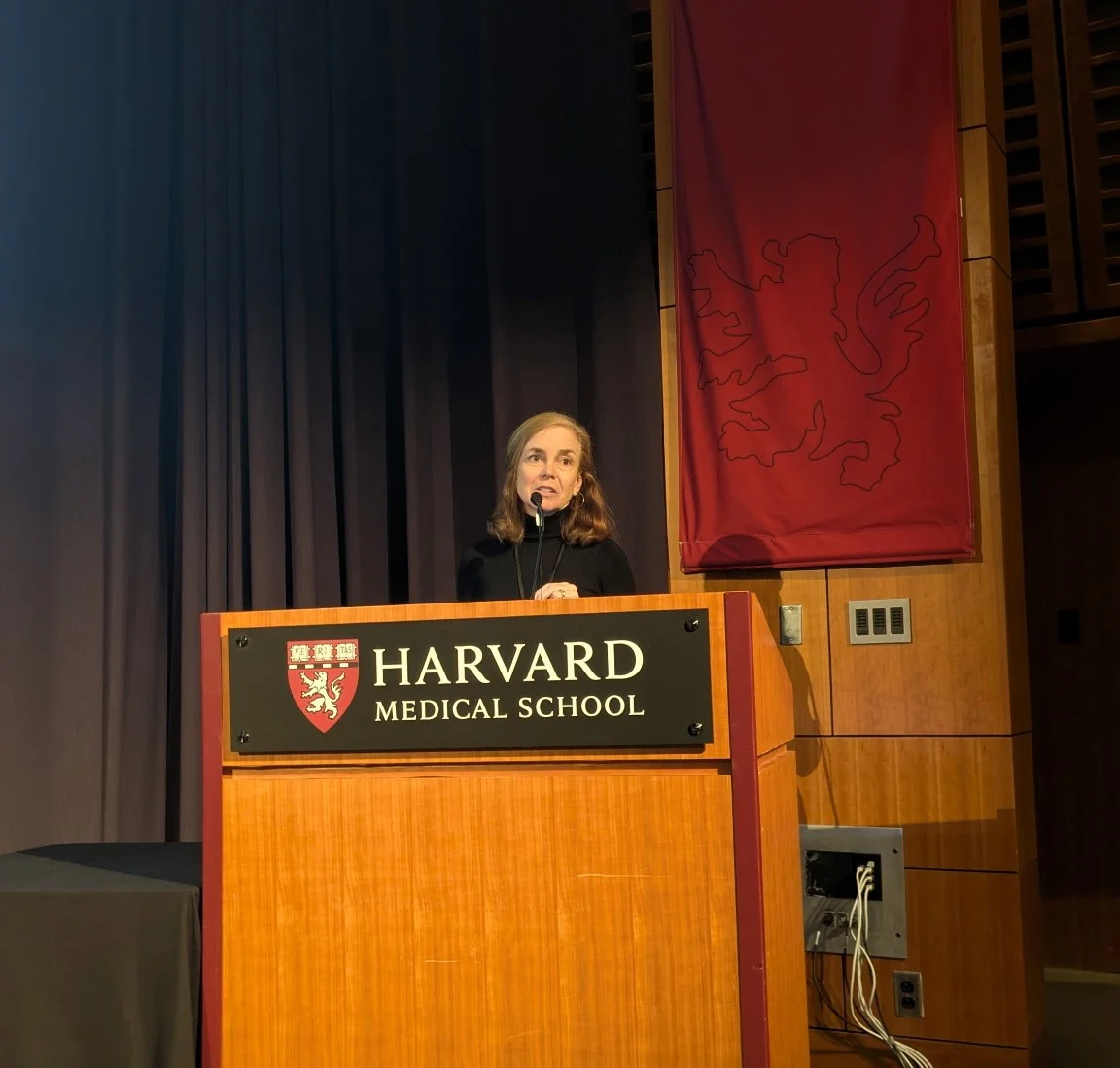
“We may not always be able to avoid the things in our lives that are causing stress, but we can do things to help manage and alleviate it,” said Jennifer Scherer, registered dietitian nutritionist, medical exercise specialist, certified personal trainer, master-level Pilates instructor, and owner of Fredericksburg Fitness Studio. “Being physically active and getting more movement in your life is a great place to start.”
According to the Centers for Disease Control and Prevention (CDC), occasional stress is a normal part of life, but long-term stress can lead to and worsen health problems. We can help prevent long-term stress by taking measures to manage daily stress. Stress, as the CDC explains, is the body’s physical and emotional response to new or challenging situations. It can lead to feelings of fear, anger, frustration, sadness, etc.
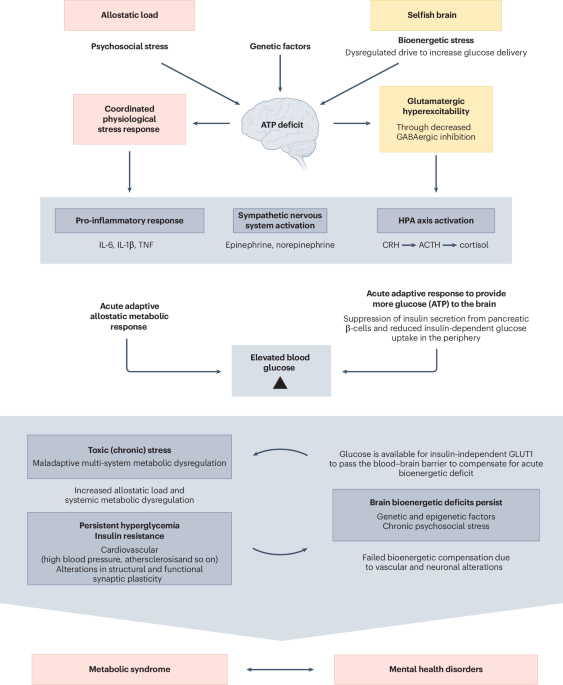
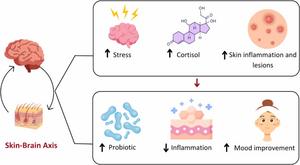
It’s crucial that people learn to cope with stress so that it doesn’t take a toll on their physical and mental health. When we feel stressed, our body releases a hormone called cortisol. When this happens chronically, it can lead to a range of health issues. A study published in the journal Cells reports that disruptions in cortisol regulation due to chronic stress have profound implications for multiple bodily systems. They also report that chronic stress is related to the progression of neurodegenerative diseases, such as Alzheimer’s and Parkinson’s, and that chronic pain is also associated with abnormal cortisol patterns.
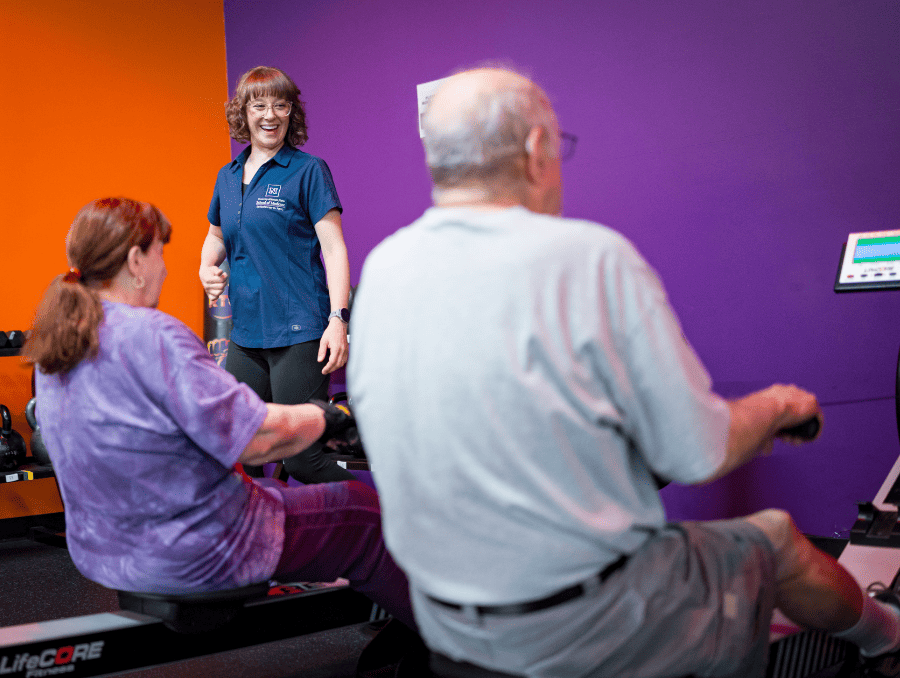
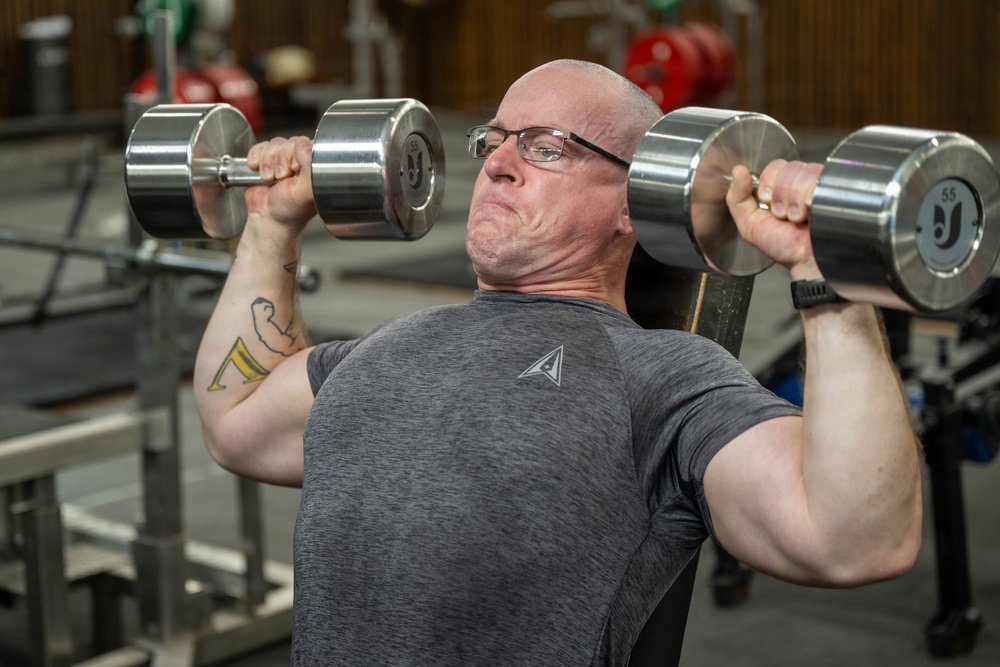
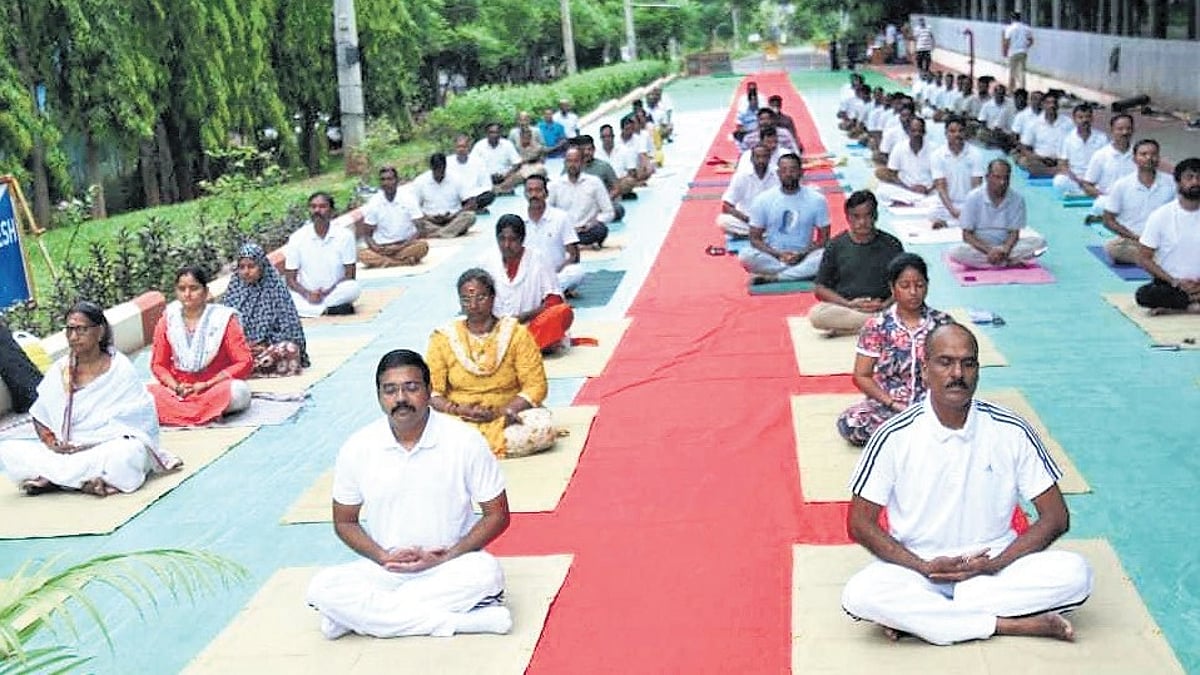
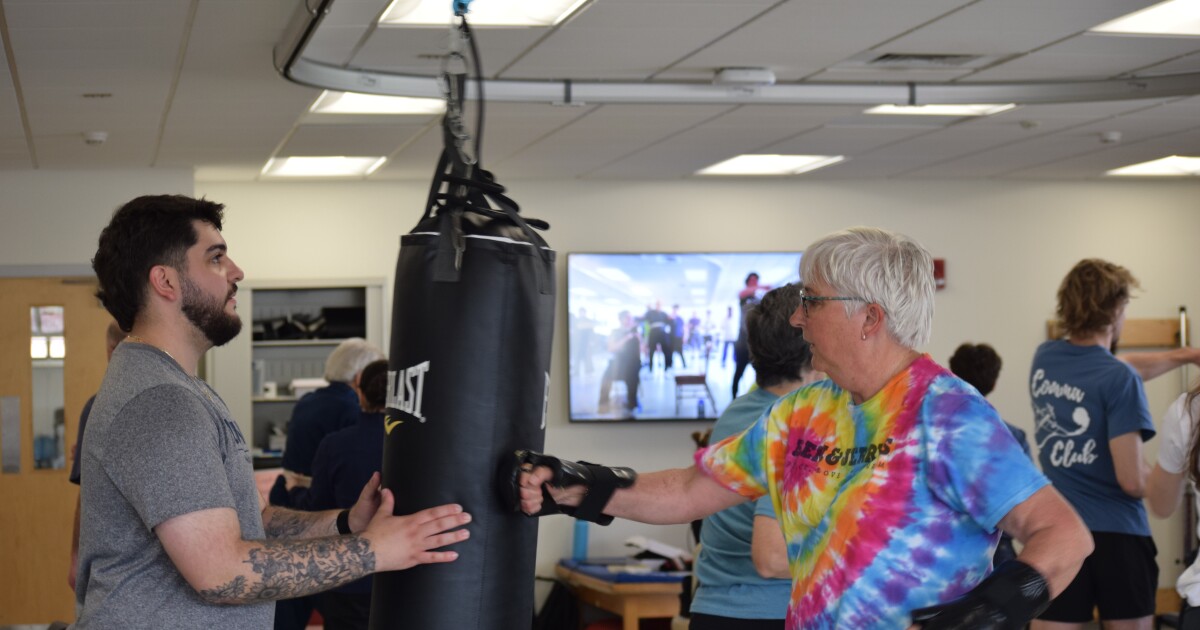
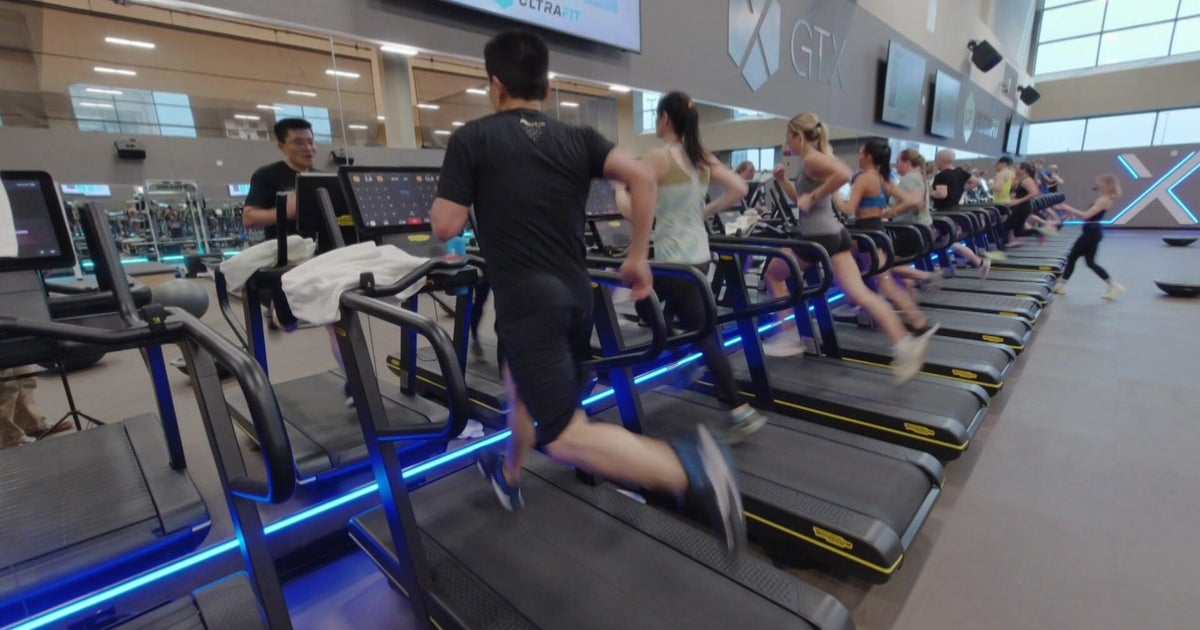
Getting more movement is a great way to help keep cortisol levels balanced. According to Stanford University, exercise provides a temporary cortisol spike that is beneficial because it trains the body to mount and then resolve the cortisol response effectively. They report that physical activity helps people learn to better respond to stress, and that research shows those who regularly exercise tend to reduce their baseline cortisol levels over time.
Many people are unsure what to do when it comes to picking ways to get more physically active. Ideally, it’s a good idea to do something enjoyable, that is a little challenging, and keeps the body and mind feeling good. Working with a fitness trainer can help ensure that these needs are being met and that the person is getting the motivation and support they may need to get started and keep it going long term. Those looking for something to try may want to consider Pilates. A research study published in the journal Healthcare reports that those who can engage in light to moderate exercise are able to do Pilates, which provides benefits for anxiety, depression, stress levels, and psychological symptoms.
“I’ve seen the difference that movement makes in people’s lives when it comes to stress and other issues,” added Scherer. “We are happy to help people get started, keep them going, and work on reaching goals. Stress reduction and management is much more effective with regular movement.”
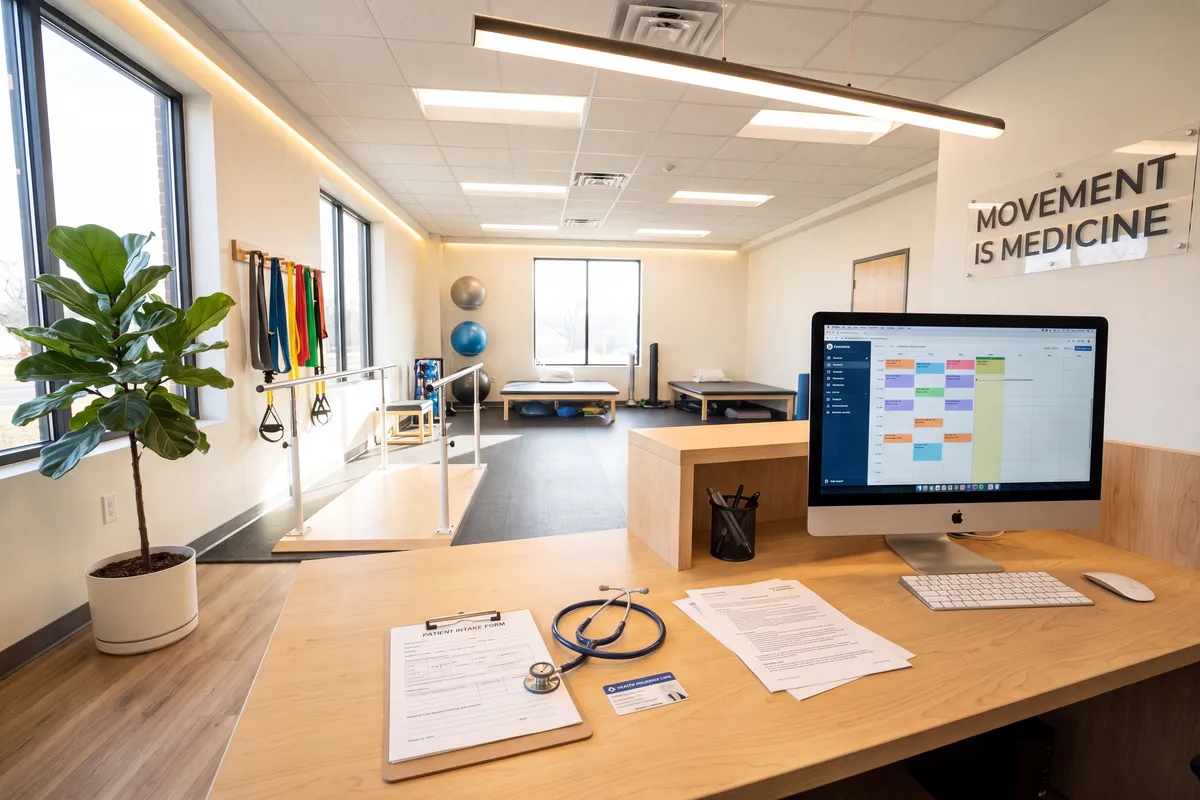
At Fredericksburg Fitness Studio, clients work with a registered dietitian nutritionist and experienced movement professionals to develop personalized, realistic plans. Services are offered both in person and virtually and include comprehensive assessments of medical history, nutrition habits, movement patterns, and lifestyle factors. They provide virtual nutrition therapy, medical nutrition therapy, and tailored meal planning through EatLove Pro—delivering scalable support with built-in accountability at every level.
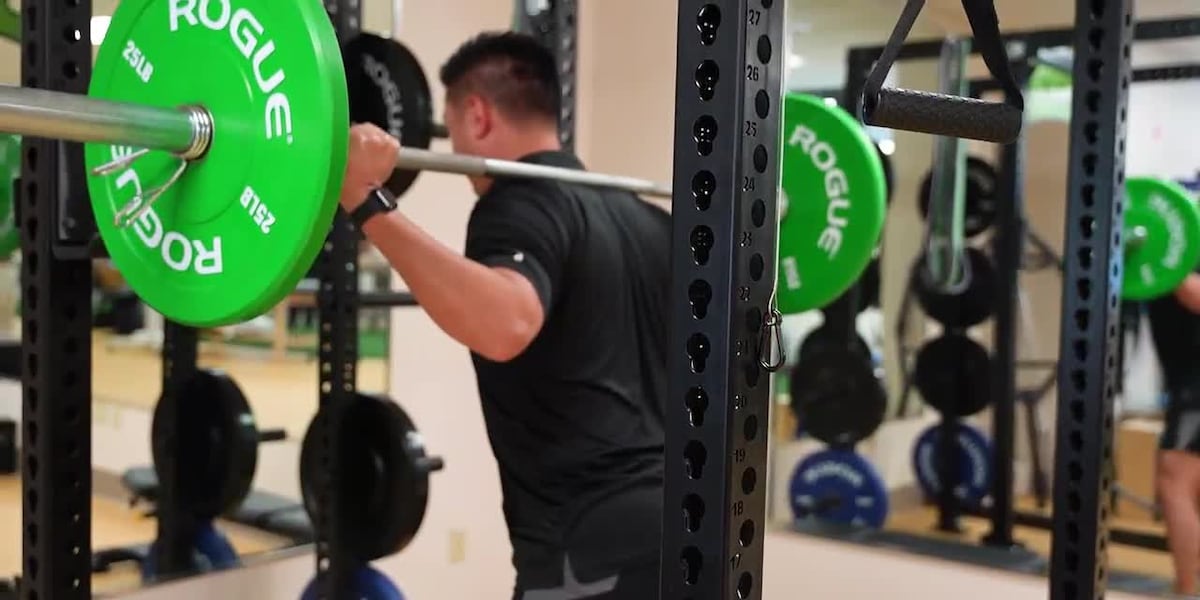
The boutique studio also offers semi-private and private training focused on Pilates, strength training, mobility, fall prevention, and medical exercise. With two Fredericksburg locations, the studio provides a highly personalized environment, luxury amenities, and expert instruction across reformer, chair, tower, CoreAlign, and master-level Pilates equipment. Fredericksburg Fitness Studio is proud to be a Medicare provider.
In addition, Jennifer Scherer and her husband, Jeff Smith, co-host the Fitness & Finance Radio podcast, which explores the intersection of physical wellness and financial planning for retirement, highlighting how long-term health impacts long-term financial security.To learn more about Fredericksburg Fitness Studio, visit https://www.fburgfitness.com. To listen to Fitness & Finance Radio, visit https://fitnessfinancepro.com.
About Fredericksburg Fitness Studio Founded in 2008, Fredericksburg Fitness Studio offers private, customized health and fitness programs designed to meet each client’s unique needs. By appointment only, the studio provides medical exercise, personal training, Pilates, nutrition coaching with a registered dietitian, and recovery services including acupressure, massage, and assisted stretching. With an integrated, client-centered approach, Fredericksburg Fitness Studio helps individuals improve strength, balance, mobility, and overall well-being at every stage of life. The studio proudly accepts Medicare. Learn more at www.fburgfitness.com.