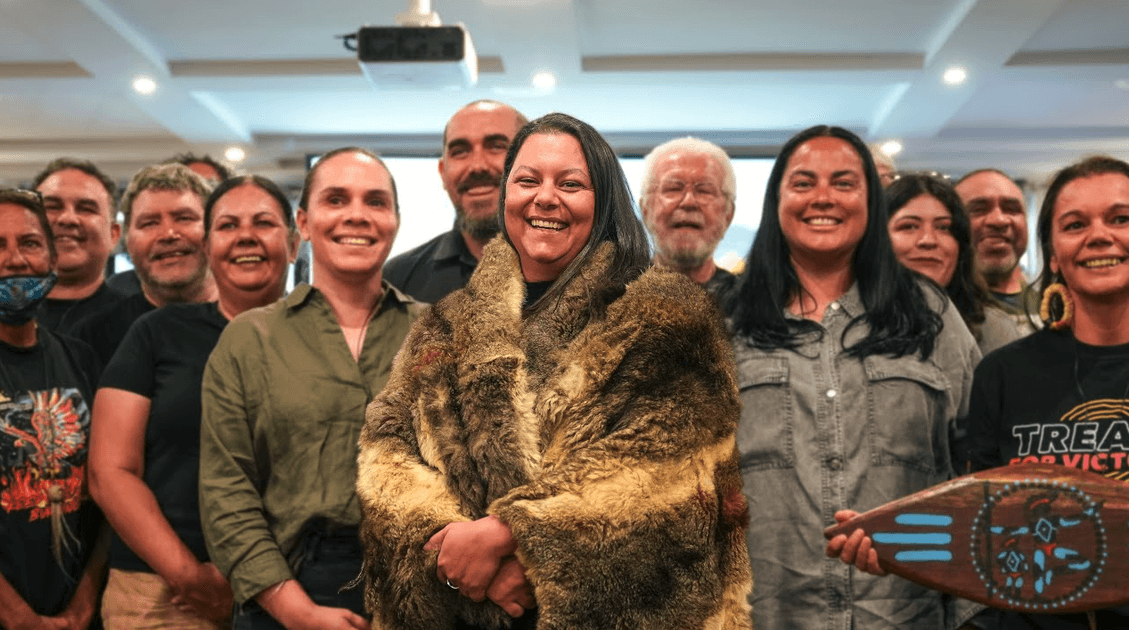
A Victorian advocacy body for Traditional Owner groups across the state has signalled its intention to collaborate with the new Indigenous Business Australian unit intended to provide a more structured and ongoing approach to measuring Indigenous-led economic activity.
The Federation of Victorian Traditional Owner Corporations said the new Office of the Indigenous Economy (OTIE) presents an unprecedented opportunity to accelerate economic development, community wellbeing, and broader national productivity, while potentially unlocking more investment in the sector.
The Office will monitor and publish information on the size and composition of the Indigenous economy, including investment flows, demographic trends and productivity indicators. Over time, it is expected to contribute to the development of a formal measure of Indigenous GDP, allowing for closer alignment with existing national economic frameworks.
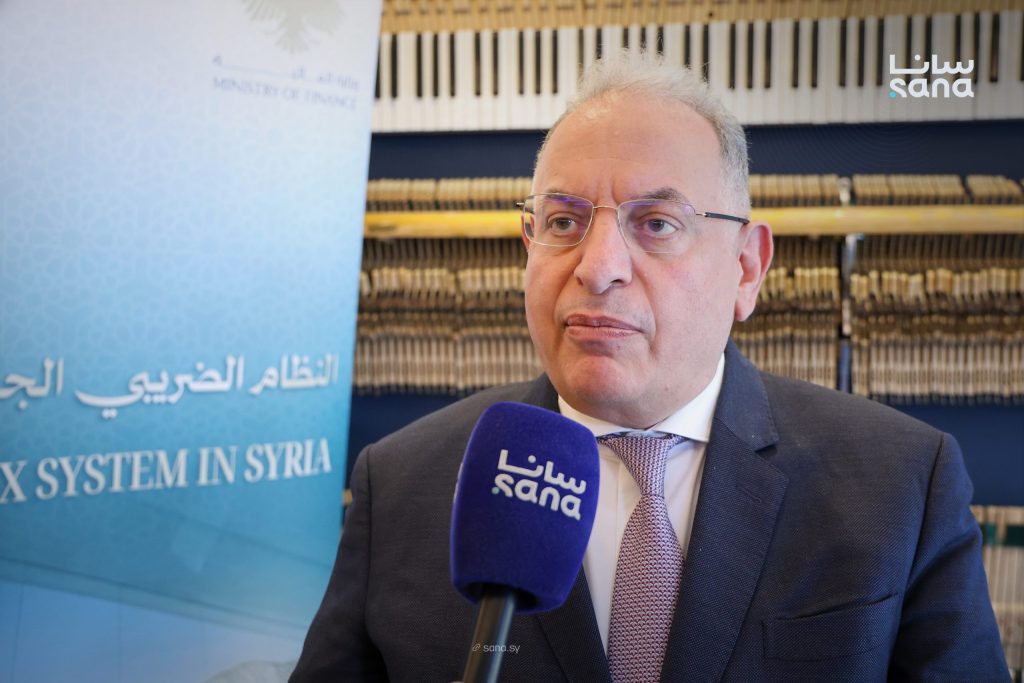
Federation CEO Kaley Nicholson said the body’s research showed greater productivity and investment, and exponential economic growth, came from investing in Indigenous business but a lack of data made it difficult to measure current trends and future growth potential.
“Strengthening the focus on the Aboriginal economy through collaboration between the ABS, OTIE and research partners could be a gamechanger for Aboriginal enterprises and our communities,” she said.
“Limited access to rich, reliable data has long constrained investment decisions, and OTIE is uniquely placed to shift that … we welcome the new unit and are ready to collaborate and share what we know.”
The Federation was established in 2013 by Traditional Owner corporations, uniting family-governed groups to strengthen their collective voice in policy, economic opportunity and caring for Country.
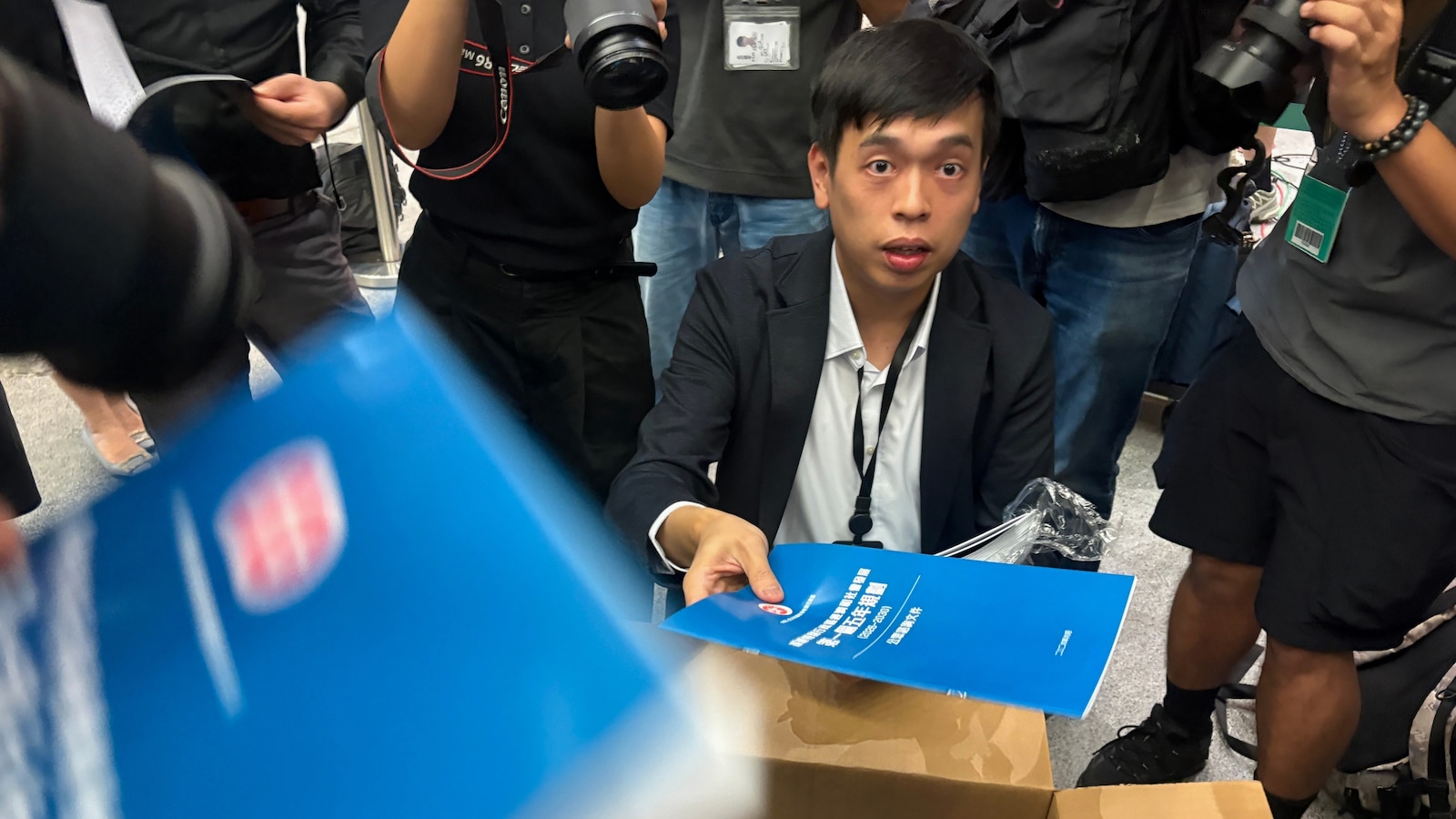
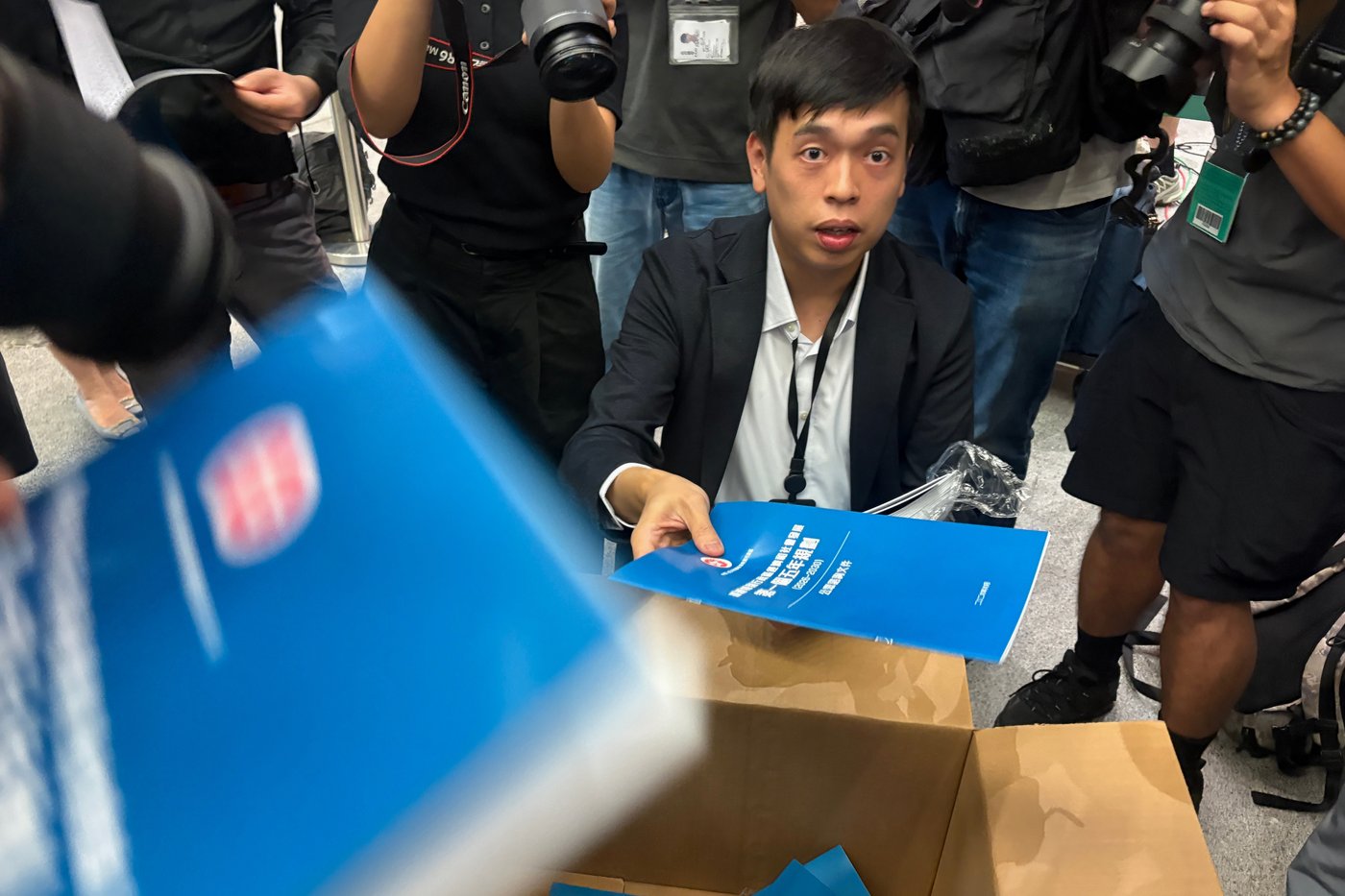
Between 2024 and 2025 it delivered a five-part program of economic research for the Victorian Government, outlining the size, scope, and potential of the state’s Indigenous economy. The key publication of that research – the Victorian Traditional Owner Economic Development Roadmap – recommended 11 key reforms that could bring $1 billion in productivity and service benefits to the wider Victorian economy, if investment focused on collectively-owned Traditional Owner enterprises, not just individual activity.
Ms Nicholson – a proud Koorie woman with family ties to Traditional Owner groups across Victoria – said the 11 reforms could address systemic barriers preventing Traditional Owner enterprise, including access to land, markets and capital, and investing in Traditional Owner corporations was “Australia’s best-kept economic secret”.
“Traditional Owner corporations already make up 15 per cent of Victoria’s Aboriginal economy and invest millions in their communities… they are important regional employers across all of Victoria,” Ms Nicholson said.
“But huge limitations on land ownership and use – from the colonial-era freehold title grants to modern-day government-run land management schemes – lock Traditional Owners out of our full potential.
“Data from OTIE could change everything… if government and industry are ready to hear how the Indigenous economy brings efficiency, competitiveness and prosperity.”
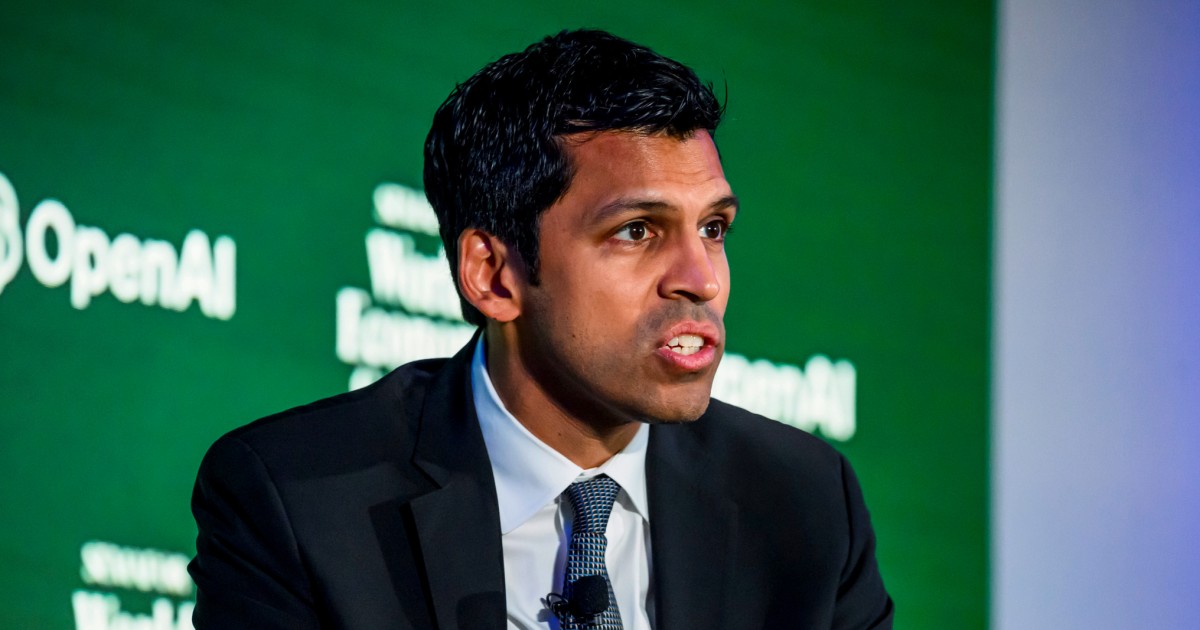
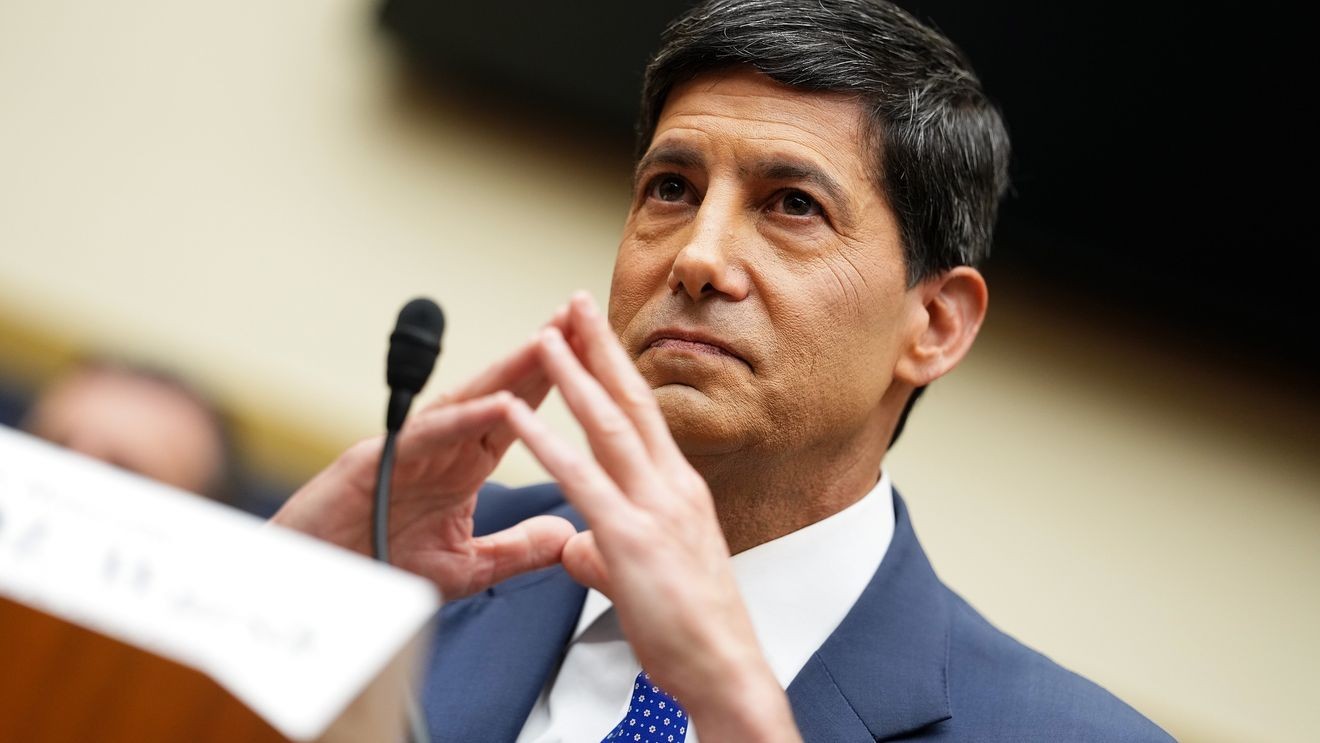
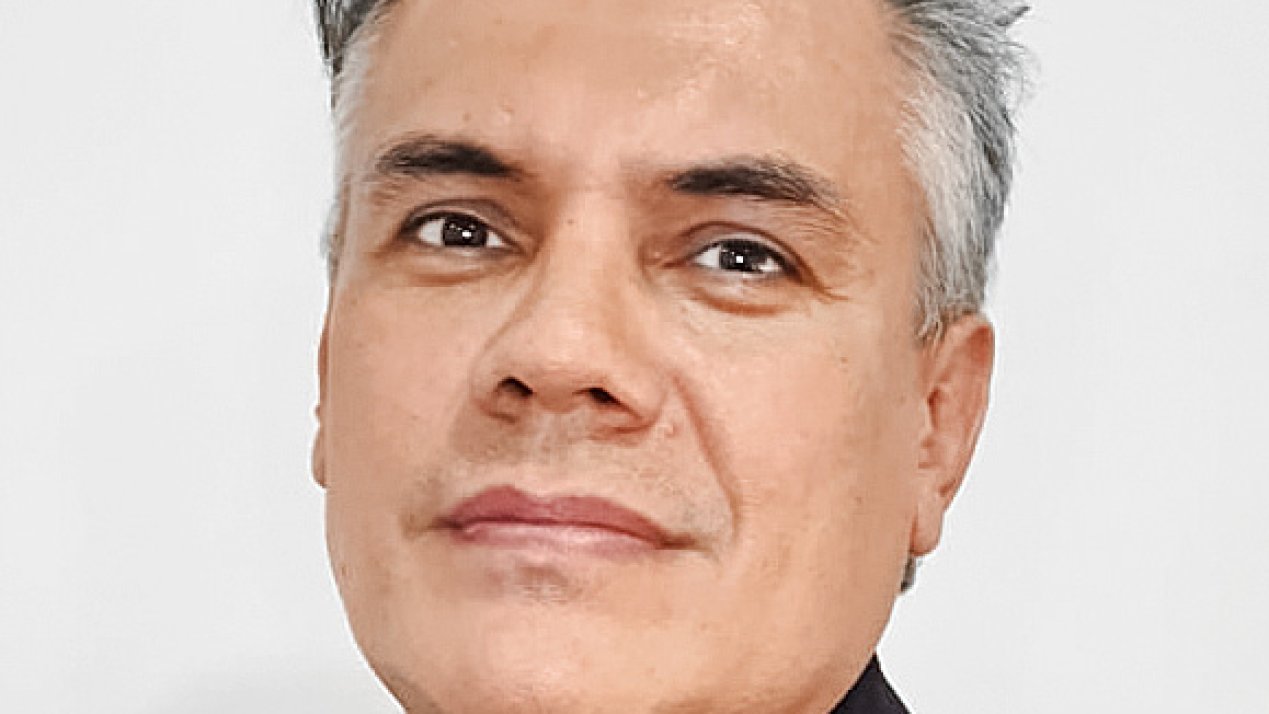
The Indigenous Economy Unit will be led by chief economist Dr Siddharth Shirodkar, tasked with developing the methodologies and datasets required to transition from periodic estimates to more consistent, comparable measurements.
The Office will collaborate with the Australian Bureau of Statistics and an advisory panel including Vanessa Elliot, Professor Deen Sanders, Professor Kerry Arabena, Alan Oster and Professor Doug McTaggart, with a remit that extends beyond gathering data to shaping how it could support and guide policy development, investment decisions, and capital security for Indigenous businesses to enter more larger-scale, equity-driven projects.
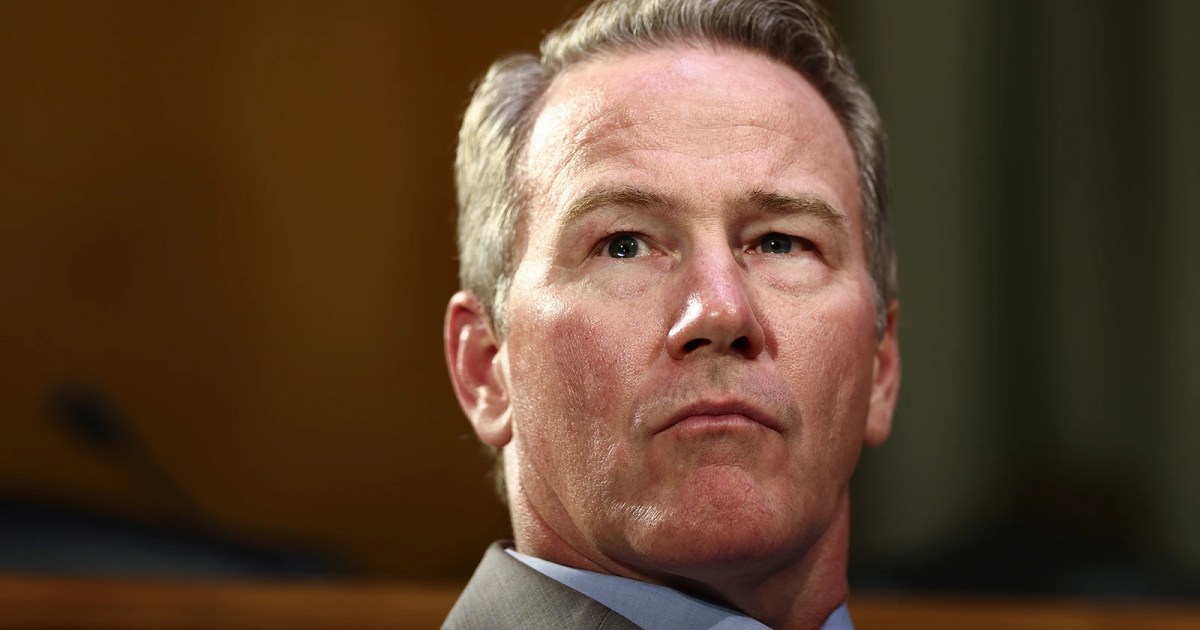
The OTIE unit aligned with IBA chair Darren Godwell’s broader focus on strengthening Indigenous participation in capital markets, particularly through ownership, access to finance and long-term asset growth against a significant economic backdrop: the Indigenous estate covers around 70 per cent of Australia’s landmass, with about 20 per cent under direct Aboriginal and Torres Strait Islander ownership, and much future resource and infrastructure development expected to occur on this land.