Make better investment decisions with Simply Wall St’s easy, visual tools that give you a competitive edge.
Recent share performance and business snapshot
Kosmos Energy (KOS) has seen mixed share performance recently, with the stock down about 7% over the past day, roughly flat over the past week, and down about 3% over the past month.
Over longer periods, the stock is up about 9% over the past 3 months and about 48% over the past year, while total return over the past 3 and 5 years has been weaker and remains in decline.
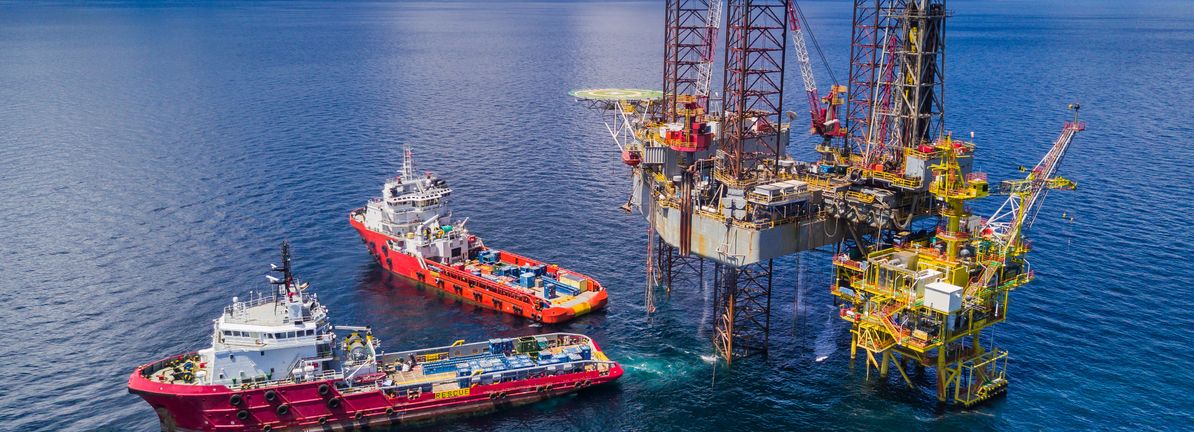
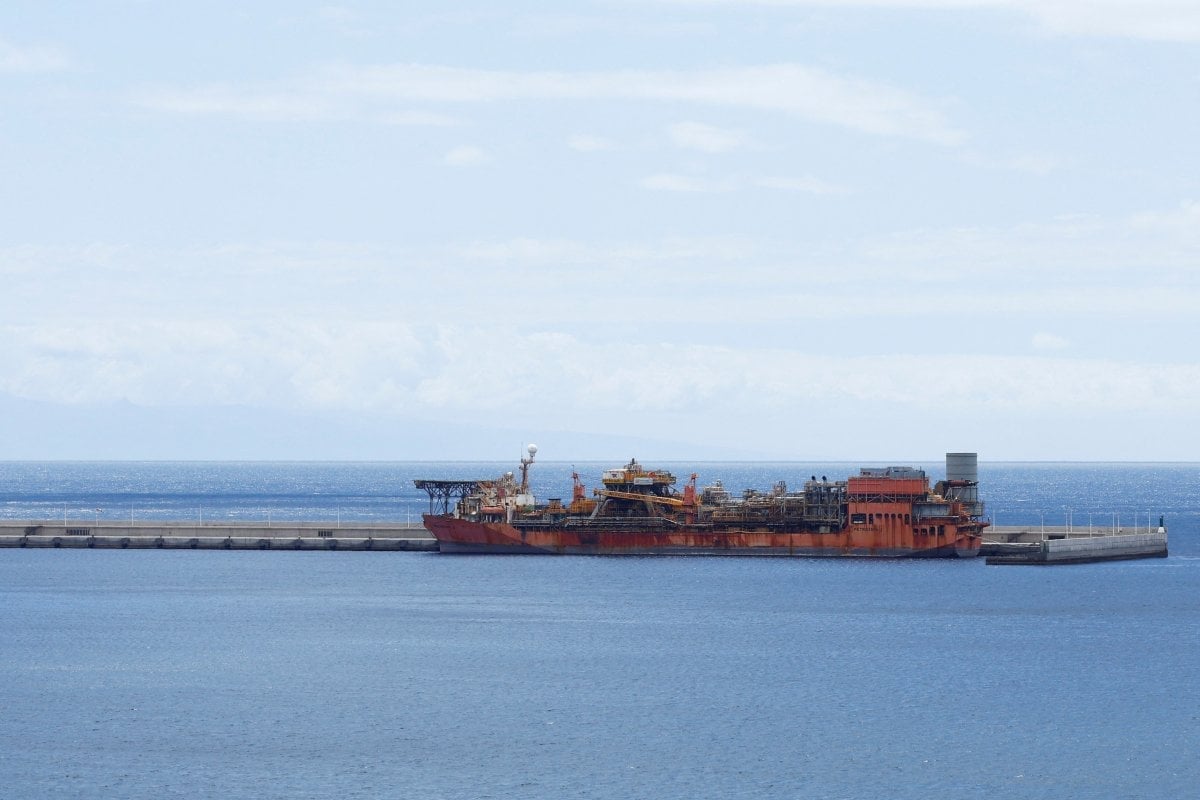
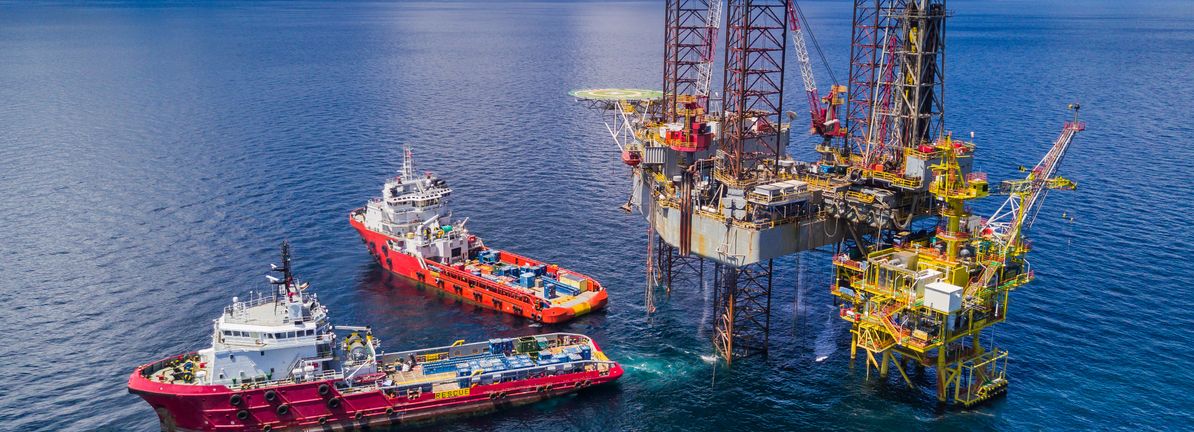
The company focuses on deepwater oil and gas exploration, development, and production, with operations offshore Ghana, Equatorial Guinea, Mauritania, Senegal, and the Gulf of America, and a market value of about US$1.8b.
See our latest analysis for Kosmos Energy.
At a share price of US$2.81, Kosmos Energy has recently pulled back in the very short term. Its year to date share price return above 200% contrasts with a multi year total shareholder return that remains in decline, which suggests momentum has picked up over the past year even though longer term holders have seen weaker outcomes.
If rising energy stocks have your attention, this could be a good moment to scan other potential opportunities using our screener of 88 nuclear energy infrastructure stocks
With Kosmos trading at US$2.81 and an intrinsic value estimate that implies a large discount, plus a modest gap to the average analyst target, the key question is whether this is a genuine value opportunity or if the market is already factoring in future growth.
Most Popular Narrative: 33.9% Undervalued
At a last close of $2.81 versus a fair value estimate of $4.25, the most followed narrative frames Kosmos Energy as a high-risk value setup built around cash flow and deleveraging.
Kosmos is not a “quality compounder” in the way Prysmian or Quanta are. It is a more cyclical, more leveraged, and more commodity-sensitive name. But that is exactly why the stock is interesting. Kosmos has assembled a diversified offshore production base across Ghana, Equatorial Guinea, Mauritania/Senegal, and the Gulf of America, and the company is now showing a better mix of production growth, lower operating costs, and debt reduction than the market typically gives it credit for.
Want to see what sits behind that $4.25 fair value? The narrative leans on record production, tighter cost control, and a balance sheet clean up that hinges on execution. The key is how much cash makes it through to debt reduction and what that implies for equity value.