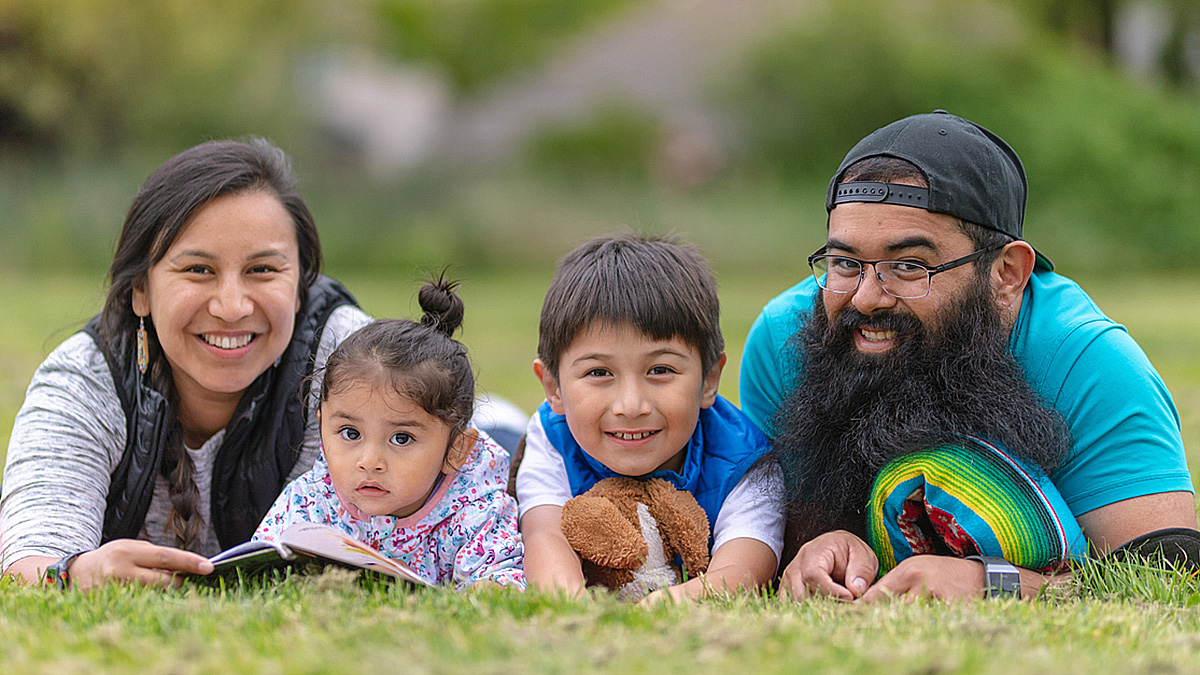


- Good Health and Wellness in Indian Country (GHWIC) is CDC’s largest investment to improve American Indian and Alaska Native (AI/AN) tribal health, focused on health promotion and chronic disease prevention.
- For over 10 years, GHWIC has supported a network of tribal partners and communities throughout the United States to deliver holistic, culturally responsive, community-driven interventions.
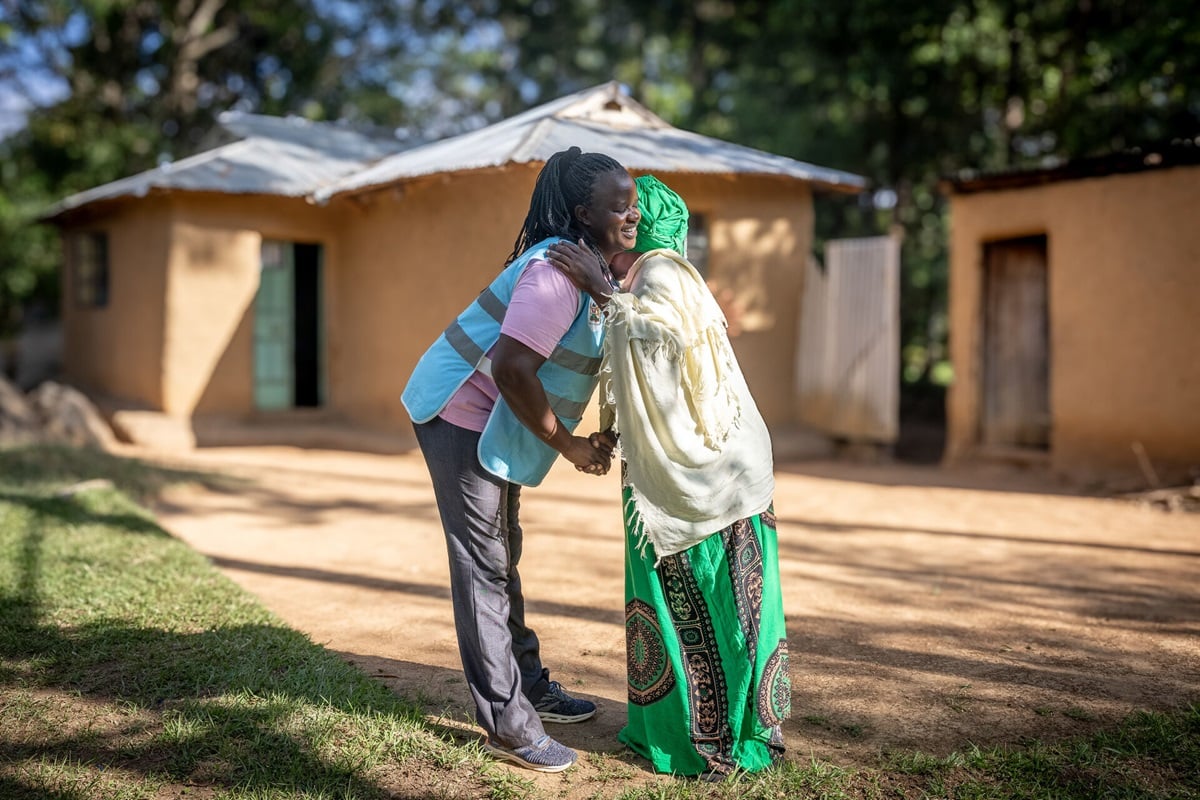
- GHWIC strategies integrate traditional AI/AN practices, community-clinical linkages, and multi-disciplinary team-based care.
Purpose
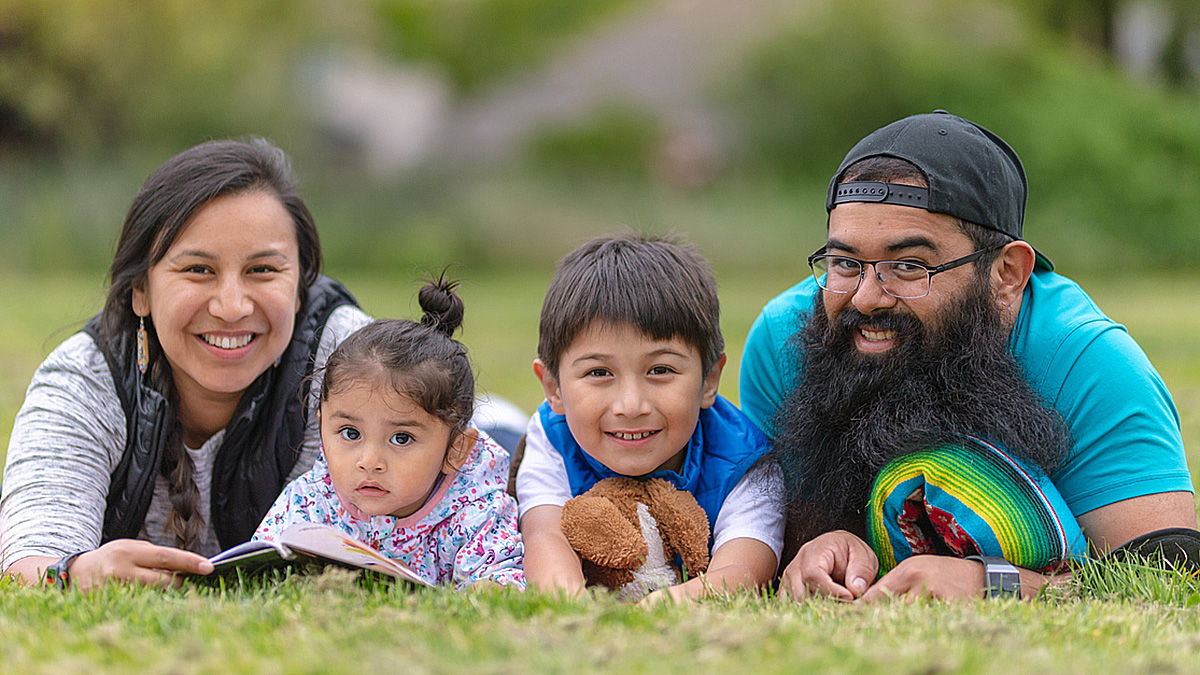
GHWIC seeks to improve American Indian and Alaska Native (AI/AN) health and well-being through chronic disease prevention, management, and control.
GHWIC goals are to:
- Reduce chronic diseases and their risk factors such as type 2 diabetes, commercial tobacco use, high blood pressure, and high cholesterol.
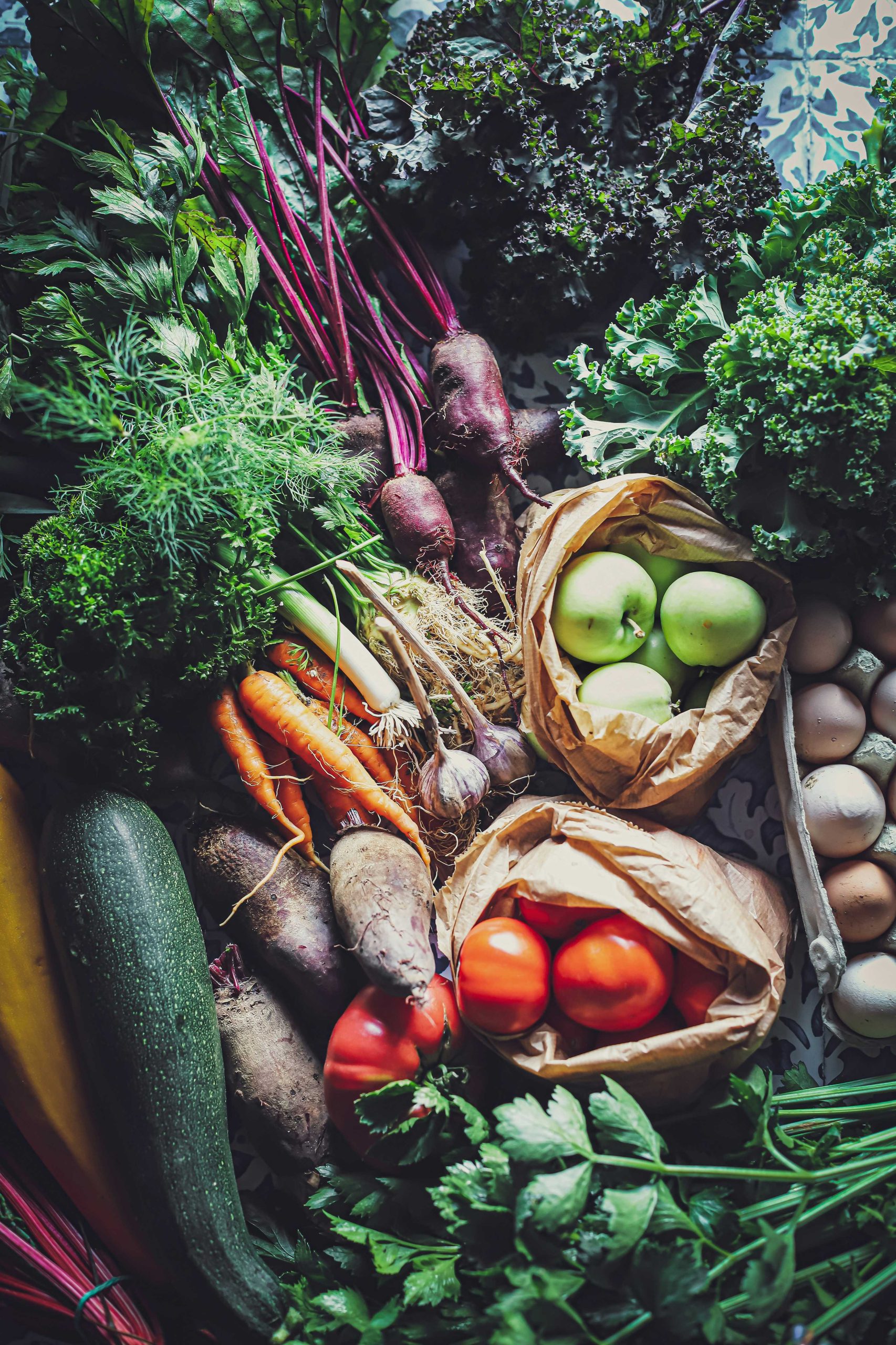
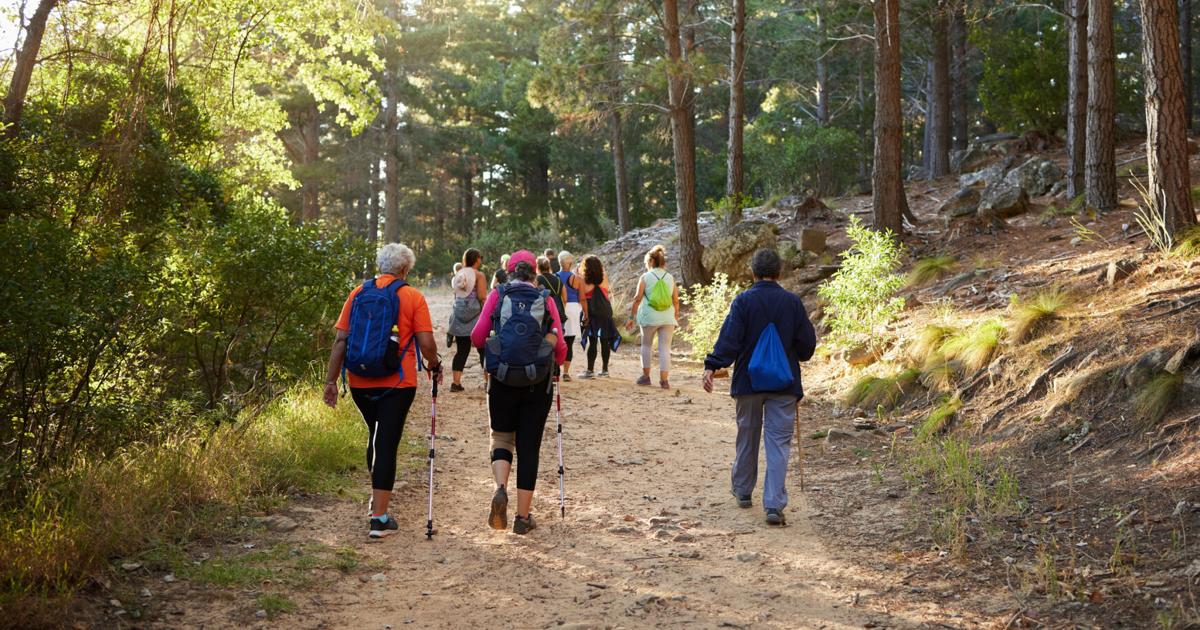
- Increase health promoting behaviors, including physical activity, breastfeeding, and the consumption of healthy foods.
What we do
GHWIC uses the following strategies to achieve its goals:
- Support a holistic approach to healthy living and chronic disease prevention—one in which health is viewed in the context of physical, mental, emotional, and spiritual health.
- Reinforce and build on efforts in Indian Country to make it easier for AI/AN communities to make healthy lifestyle choices.
- Support culturally appropriate and effective public health approaches.
- Extend program reach and impact by building a network of tribal partners and organizations, including Urban Indian Organizations.
How we work
GHWIC supports a network of tribal partners conducting chronic disease prevention activities throughout Native communities in the United States.
It reaches over 115 federally recognized tribes and Urban Indian Organizations, either through direct funding or indirect funding through tribal organizations.
It also funds a tribal organization to serve as the GHWIC coordinating center to:
- Support knowledge sharing and best practices dissemination across recipients.
- Offer capacity building and training opportunities.
- Provide evaluation and technical assistance.
- Establish and lead a national evaluation plan for GHWIC.