Four quantum computing stocks made their debut via an initial public offering (IPO) between February and June of this year: Quantinuum (QNT +1.23%), Xanadu Quantum Technologies (XNDU +0.39%), Horizon Quantum Computing (HQ +9.96%), and Infleqtion (INFQ +4.57%).
As a group, they span every commercial quantum computing modality that currently exists, plus one that’s a software layer. Only Quantinuum did a traditional IPO; the others merged with special purpose acquisition companies (SPACs) to get their public listings.
So, with their biggest round of fundraising in the rearview mirror, what’s next for these four stocks?

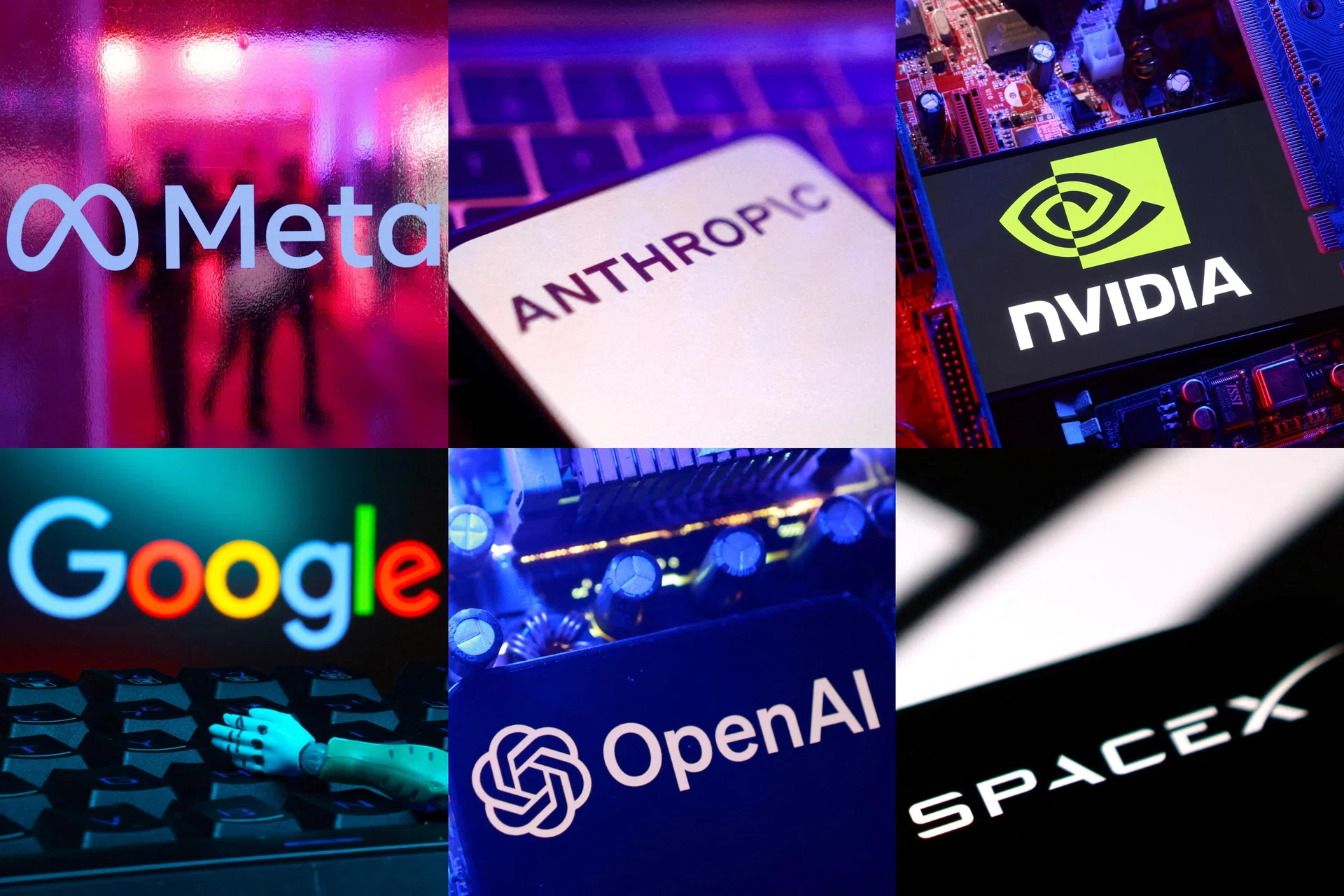
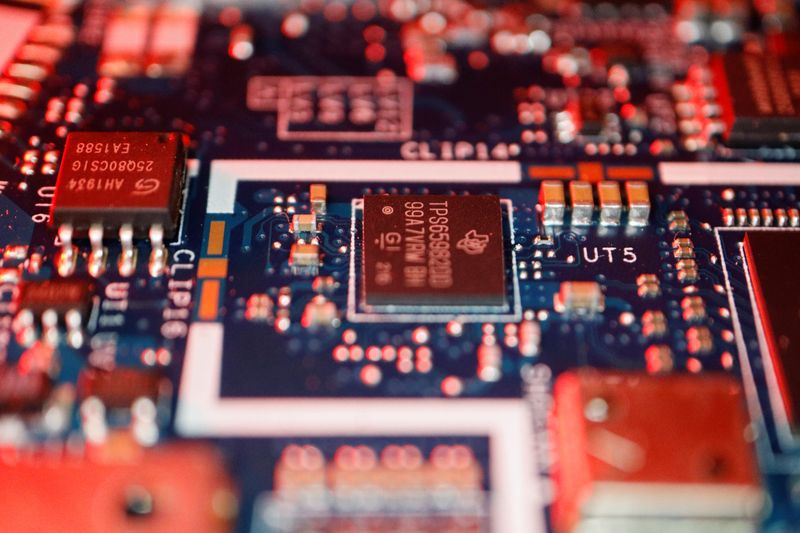
Image source: Getty Images.
This industry is shaping up quickly
Quantinuum has the biggest hardware footprint of the public market’s newcomers. Its Helios trapped-ion computer (ion traps hold charged atoms as qubits) launched commercially in November 2025. By July 2026, it had forged a collaboration with Hewlett Packard Enterprise for integrating quantum and classical computers, and joined an industrial simulation consortium in the United Kingdom alongside Rolls-Royce and Riverlane.
Today, the company’s base of revenue is quite small, and also quite lumpy as a result of relying mostly on government grants and milestone payments. Its first-quarter revenue in fiscal 2026 was $5.2 million, down 73% compared to a year prior.
Its roadmap includes continuing to roll out Helios now, with its successor system, Sol, slated for launch in 2027. Its biggest technical feat yet, the supposedly fault-tolerant Apollo system, is scheduled to arrive in 2029. Watch for whether Quantinuum’s partnerships actually convert into signed contracts for further deployments, and also whether the ambitious plans for Apollo hold up through the next major disclosures about its status.

Today’s Change
(1.23%) $0.65
Current Price
$52.94
Key Data Points
Market Cap
Day’s Range
$51.50 – $56.79
52wk Range
$50.10 – $86.79
Volume
638.2K
Avg Vol
3.8M
Infleqtion, with its neutral-atom approach to quantum computing, is aiming at a very different niche: sensing technology. It brought in $9.5 million in revenue in Q1, up 14% year over year, and its full-year outlook for 2026 was recently tweaked to call for at least $40 million in revenue instead of a flat $40 million target.
In terms of its opportunities, NASA’s legendary Jet Propulsion Lab recruited Infleqtion into its Quantum Gravity Gradiometer Pathfinder mission, and the company now has more than $20 million of additional funding for sensing services as a result. That could be enough to get the company’s foot in the door for more contracts with national laboratories in the future.

Today’s Change
(4.57%) $0.41
Current Price
$9.38
Key Data Points
Market Cap
Day’s Range
$9.24 – $10.09
52wk Range
$8.52 – $21.28
Volume
128.8K
Avg Vol
16.3M
Gross Margin
21.04%
There’s more than one valuable niche
Xanadu builds photonic quantum computers, which use light particles rather than atoms. Its 2025 revenue was just $4.6 million against a $70.7 million net loss, so the story is doing most of the work here for now.
In July, it cut a deal with Lockheed Martin that expands their existing research compact into workforce training, giving Lockheed’s engineers access to Xanadu’s PennyLane quantum computing software so that they can learn how to adapt quantum methods and capabilities to their work across a handful of technical disciplines.

Xanadu Quantum Technologies
Today’s Change
(0.39%) $0.04
Current Price
$10.32
Key Data Points
Market Cap
Day’s Range
$10.28 – $10.79
52wk Range
$6.97 – $42.44
Volume
33.2K
Avg Vol
4.7M
Gross Margin
36.03%
Xanadu’s other big-name relationships, like the Mitsubishi Chemical collaboration on EUV lithography algorithms, could turn into paid research work. The U.S. Air Force Research Lab partnership is already a four-year strategic deal signed in 2025.
Horizon Quantum, on the other hand, is a software company in a hardware-driven industry. Its Triple Alpha and Beryllium tools let developers write programs for quantum computers that can be run across trapped-ion, superconducting, or photonic hardware without rewriting. There are several elements of chip architecture that make doing that a lot harder than it sounds under normal conditions.
To serve that goal, in April, Horizon agreed to buy one of IonQ’s first 256-qubit chip-based systems, giving it a second physical testbed. But its revenue is minuscule, and Horizon posted a $6.5 million operating loss in Q1 2026. This shrank to a $3.6 million net loss thanks to a $3 million non-cash gain from warrant remeasurement tied to the SPAC deal.
No matter how these companies do in the 12 months after their IPOs, there will likely be more quantum computing stocks going public over the coming years. Don’t feel obligated to buy any of them until they show a real path to sustainably generating value.