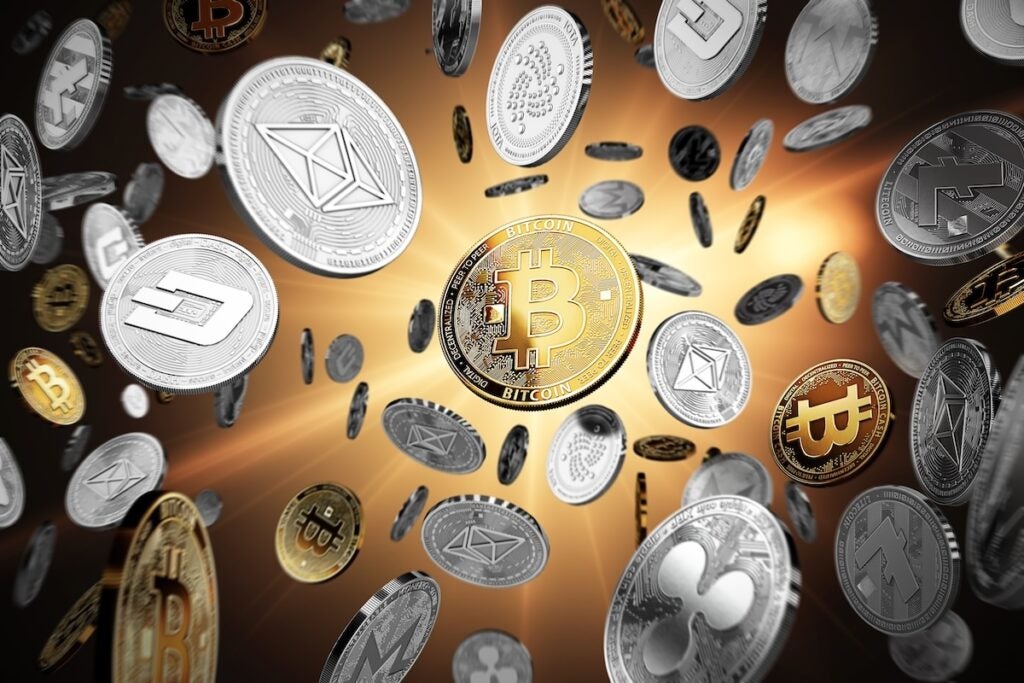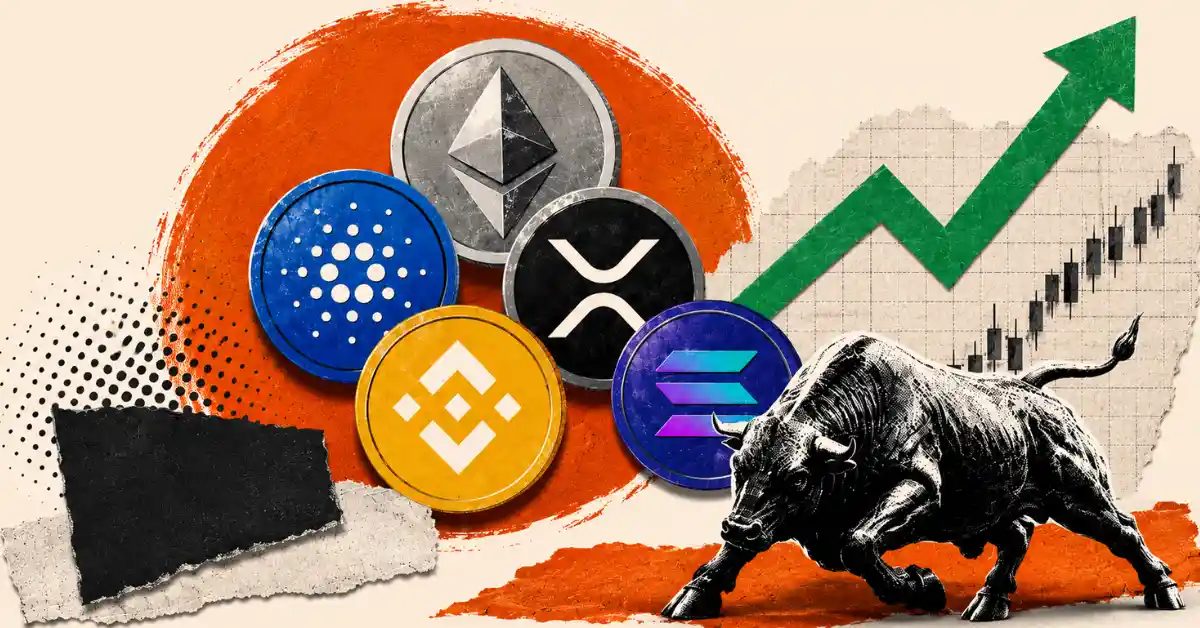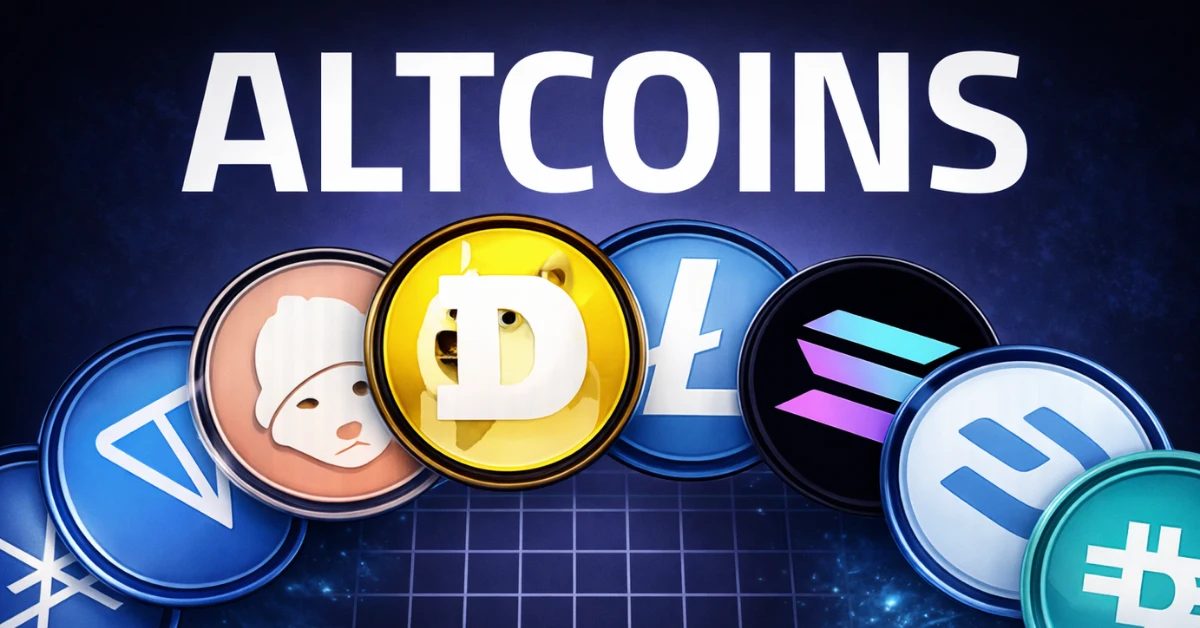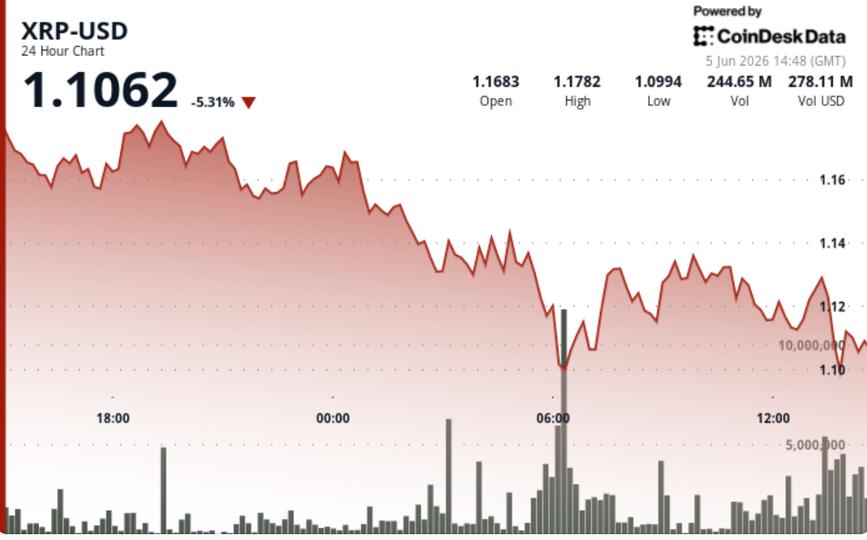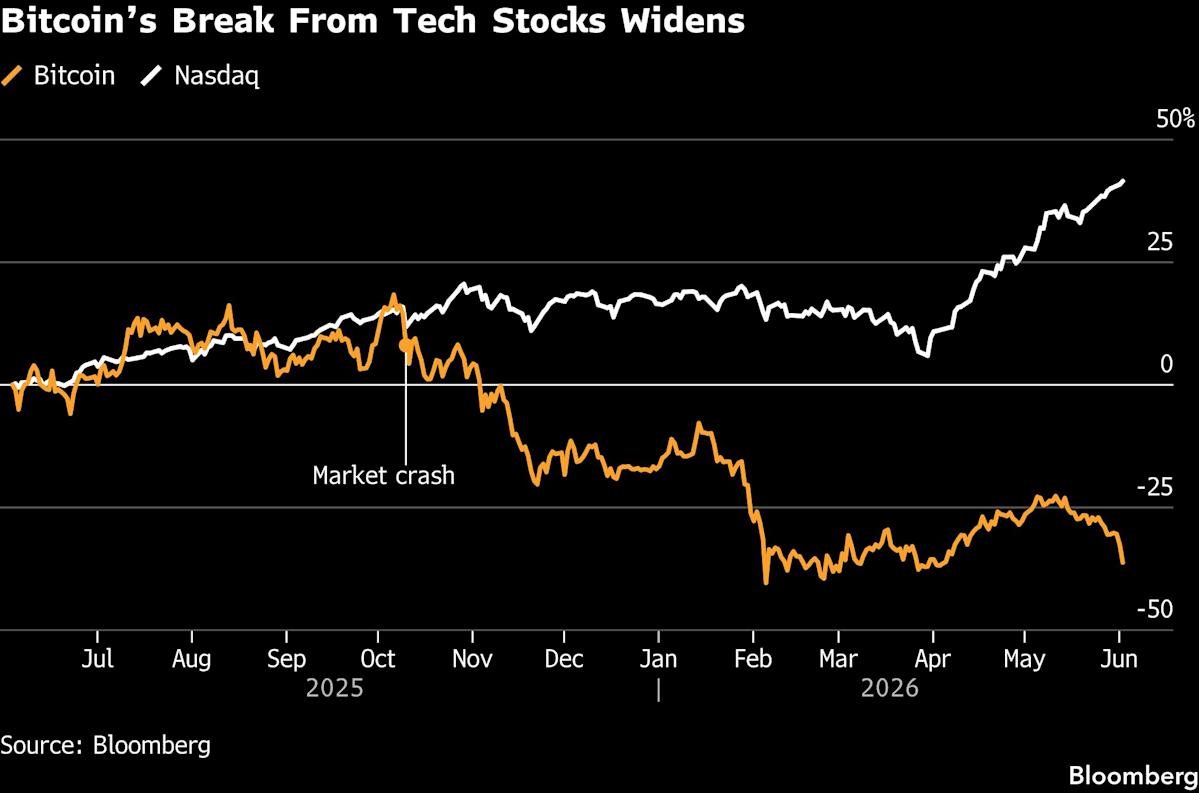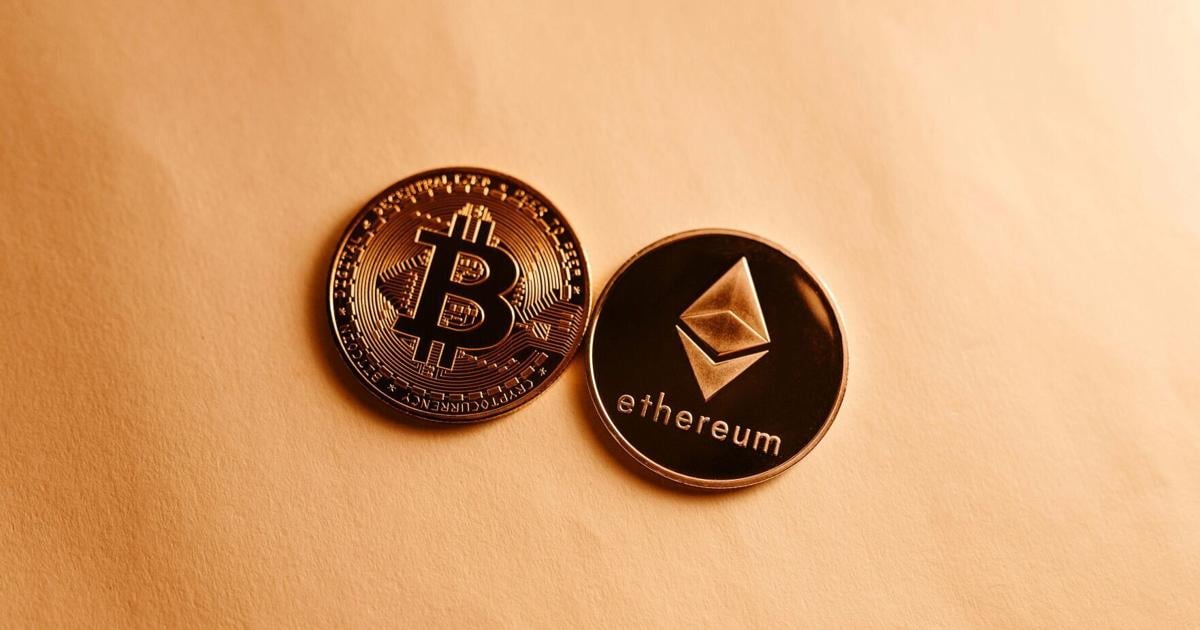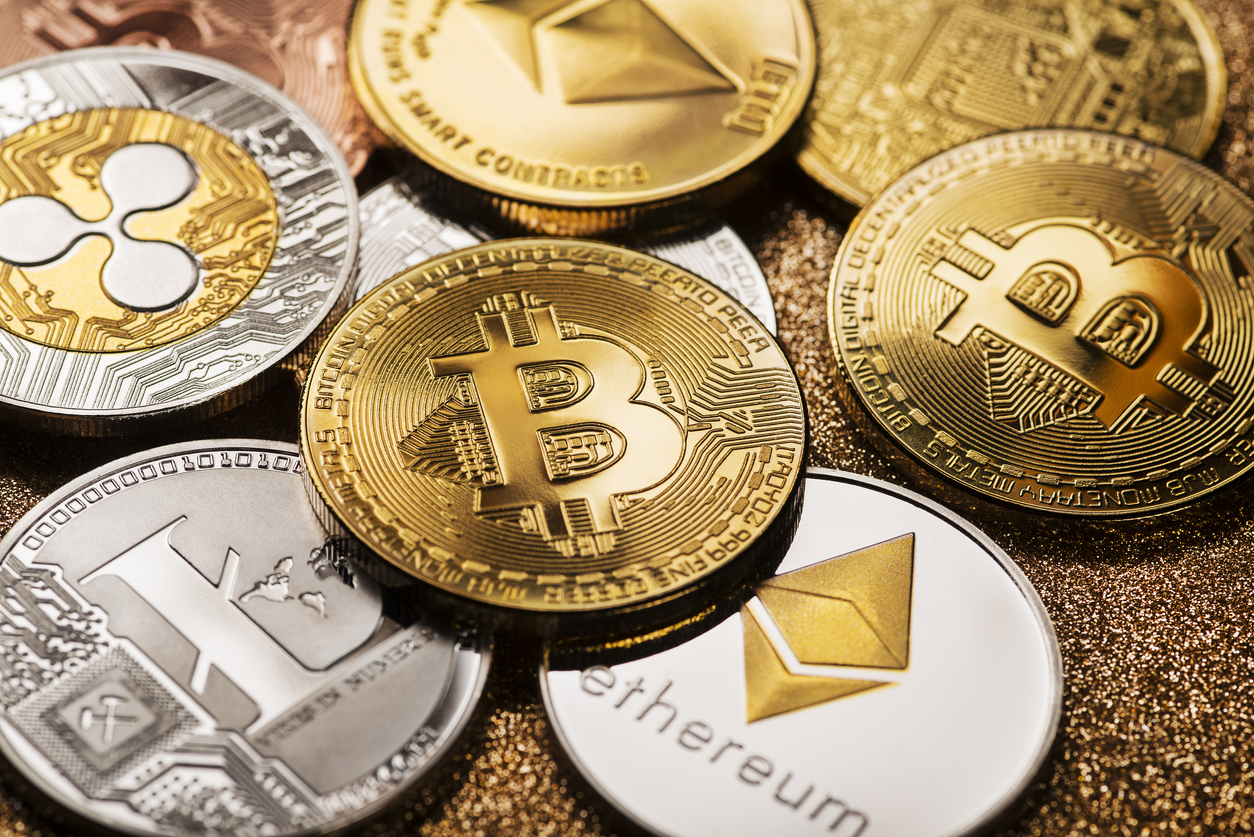
XRP (XRP 1.16%) and Cardano (ADA +0.27%) declined about 40% and 65%, respectively, over the past 12 months. Both of these altcoins were once hot investments, but they fizzled out as fears of rate hikes and other macro headwinds chilled the cryptocurrency market again.
Could either of these out-of-favor tokens turn a modest $1,000 investment into a lot more money over the next decade? Let’s review their catalysts and challenges to find out.

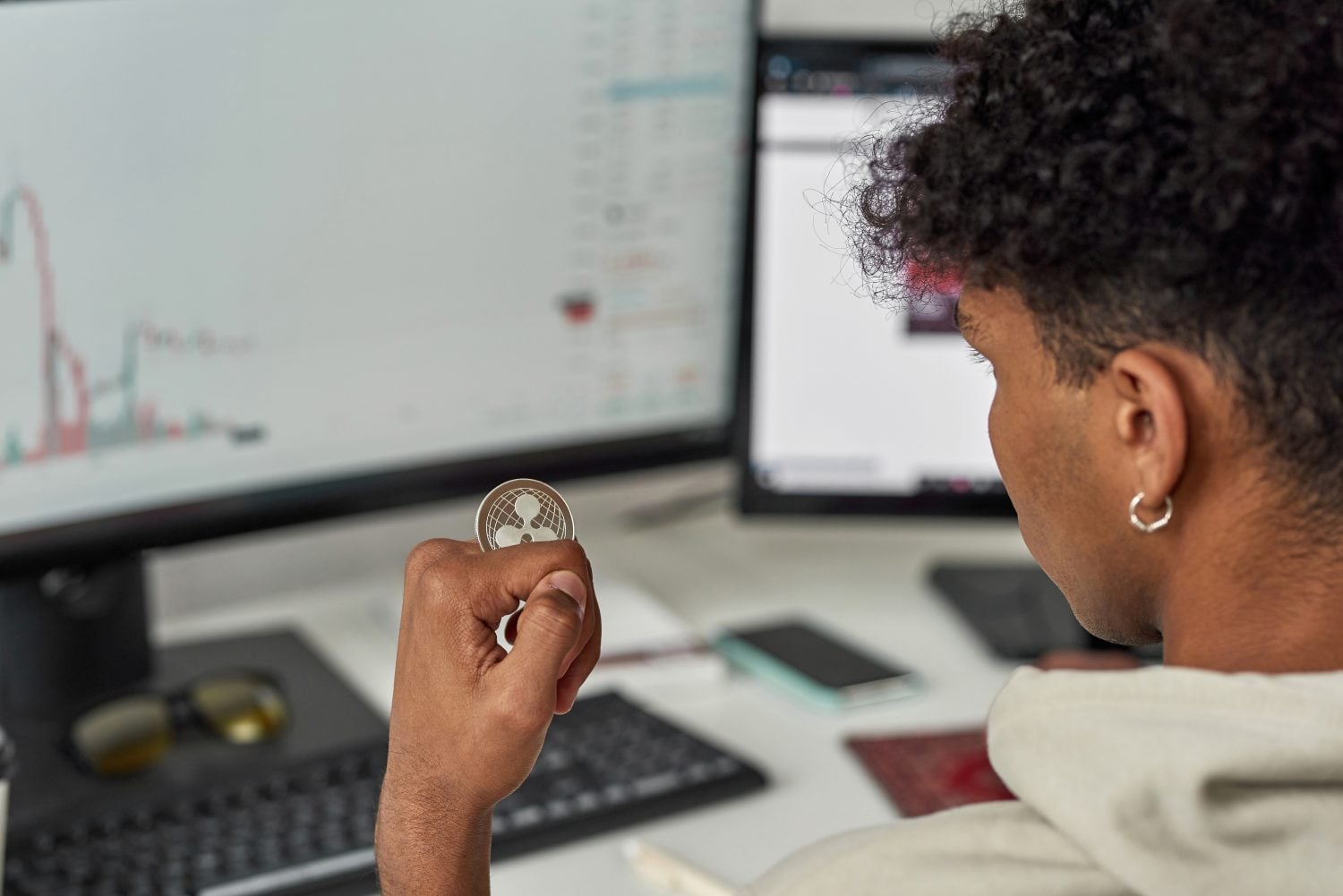
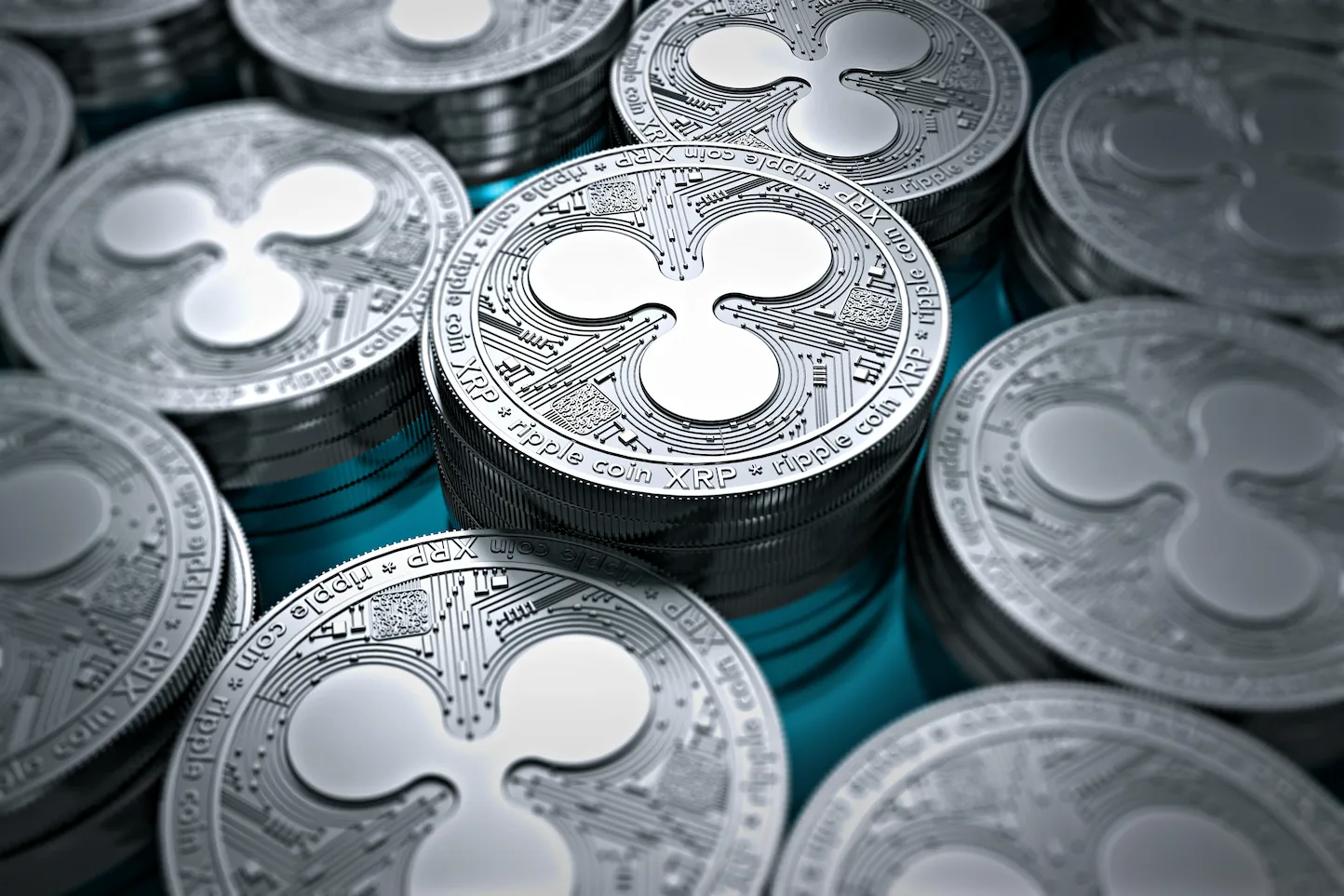
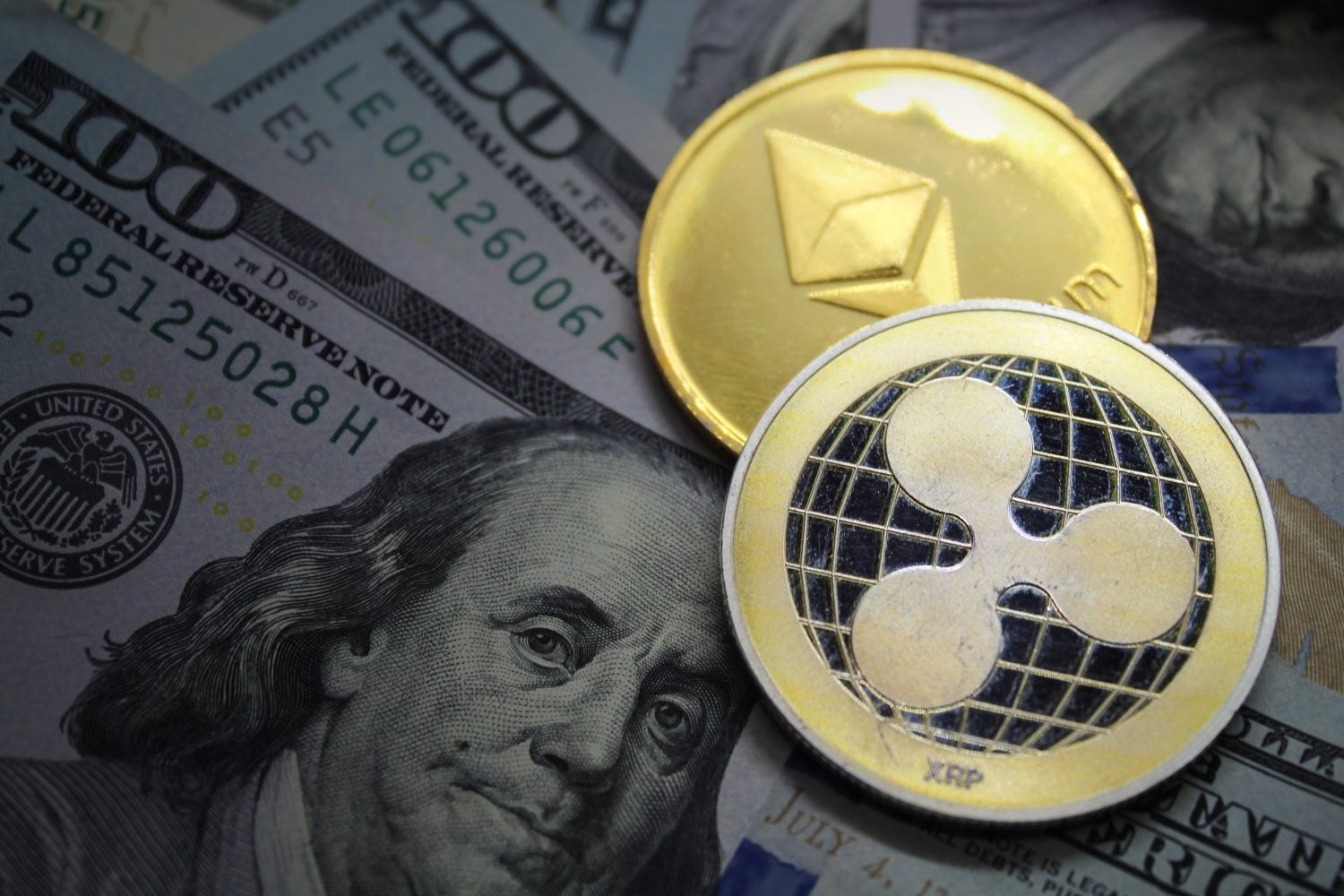
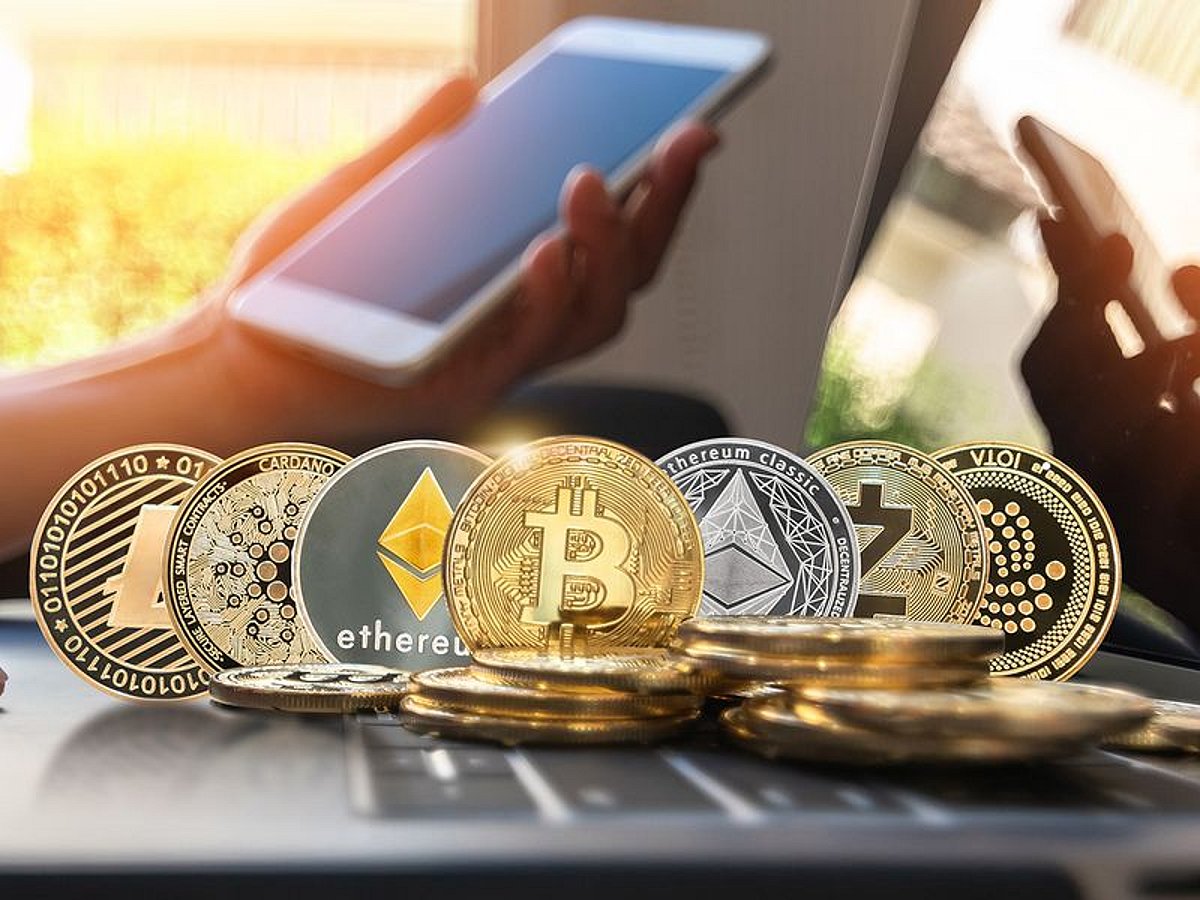
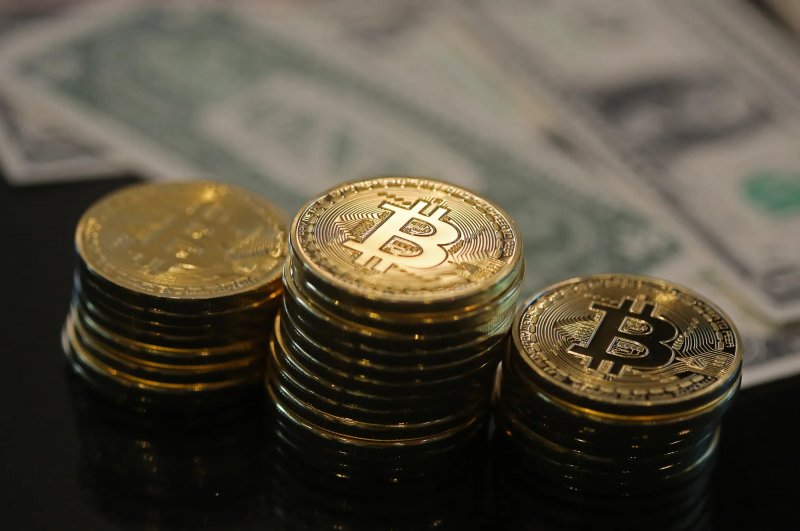
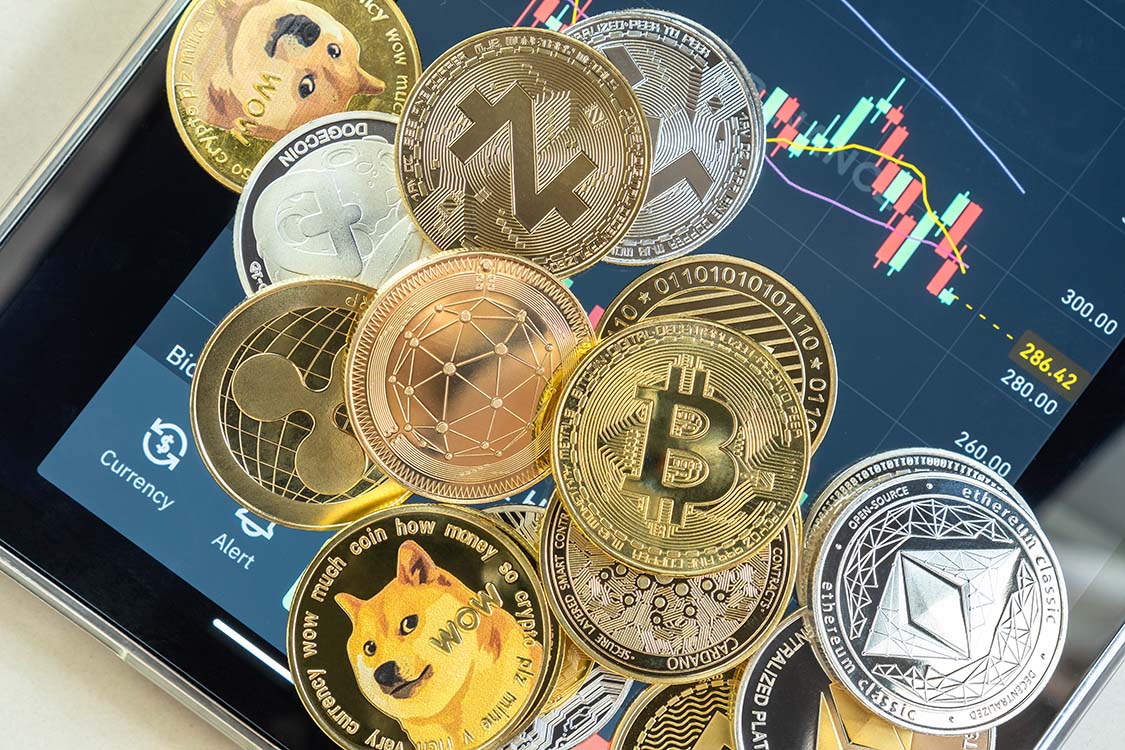
Image source: Getty Images.
The differences between XRP and Cardano
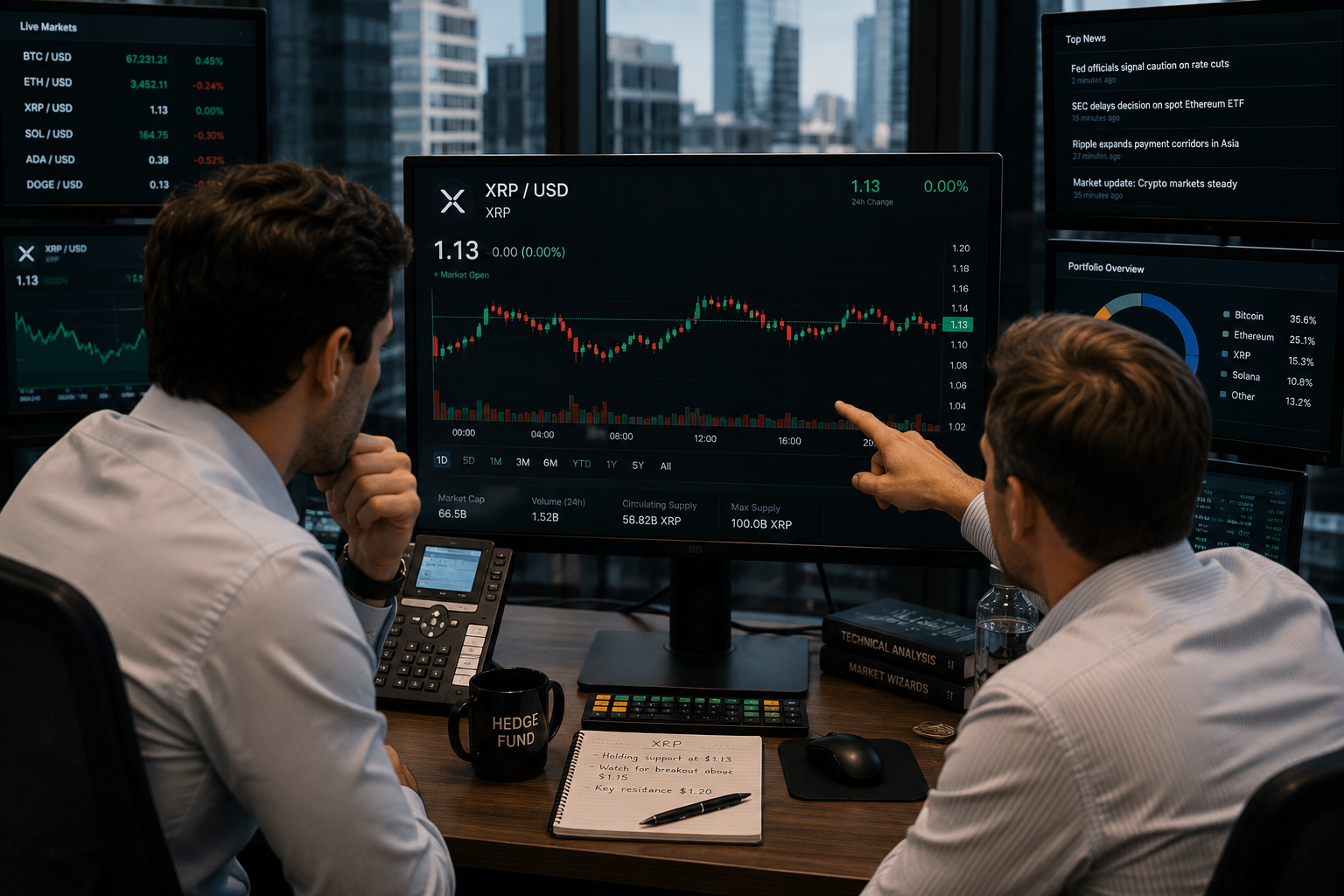
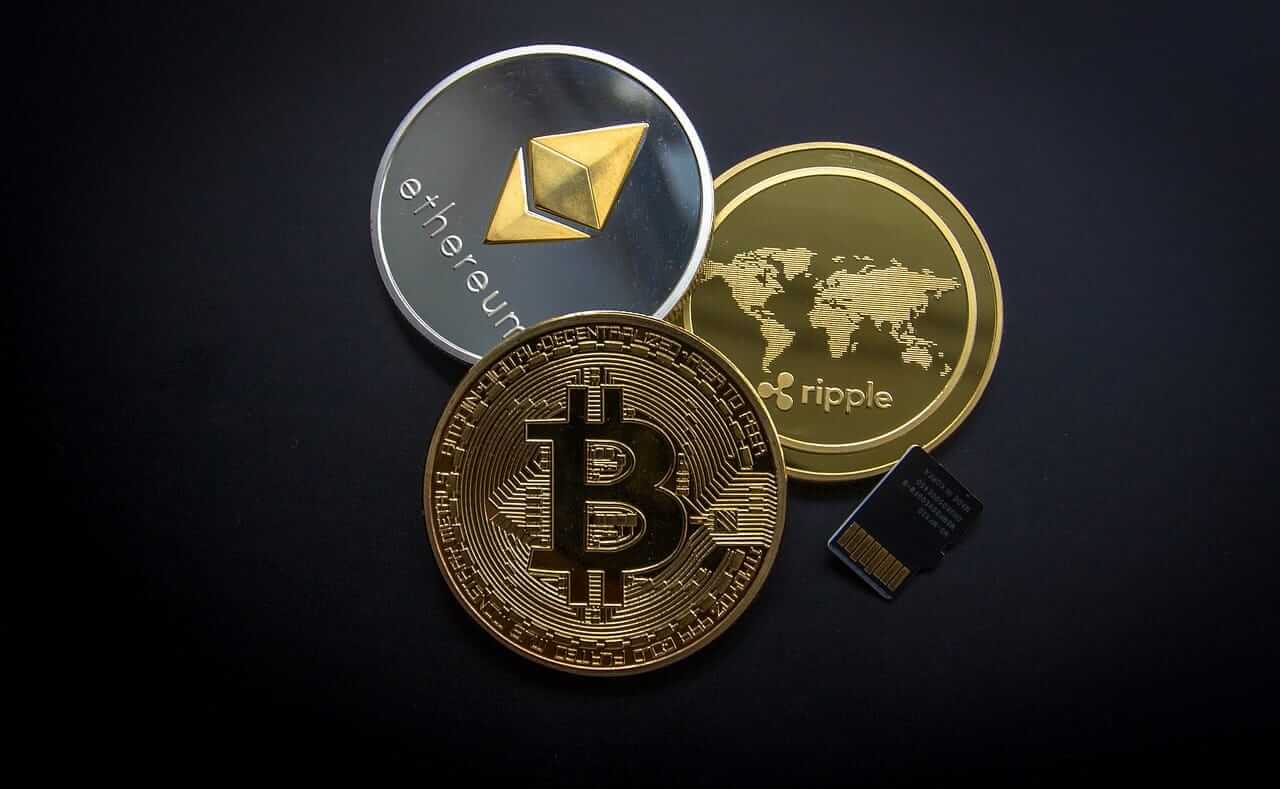
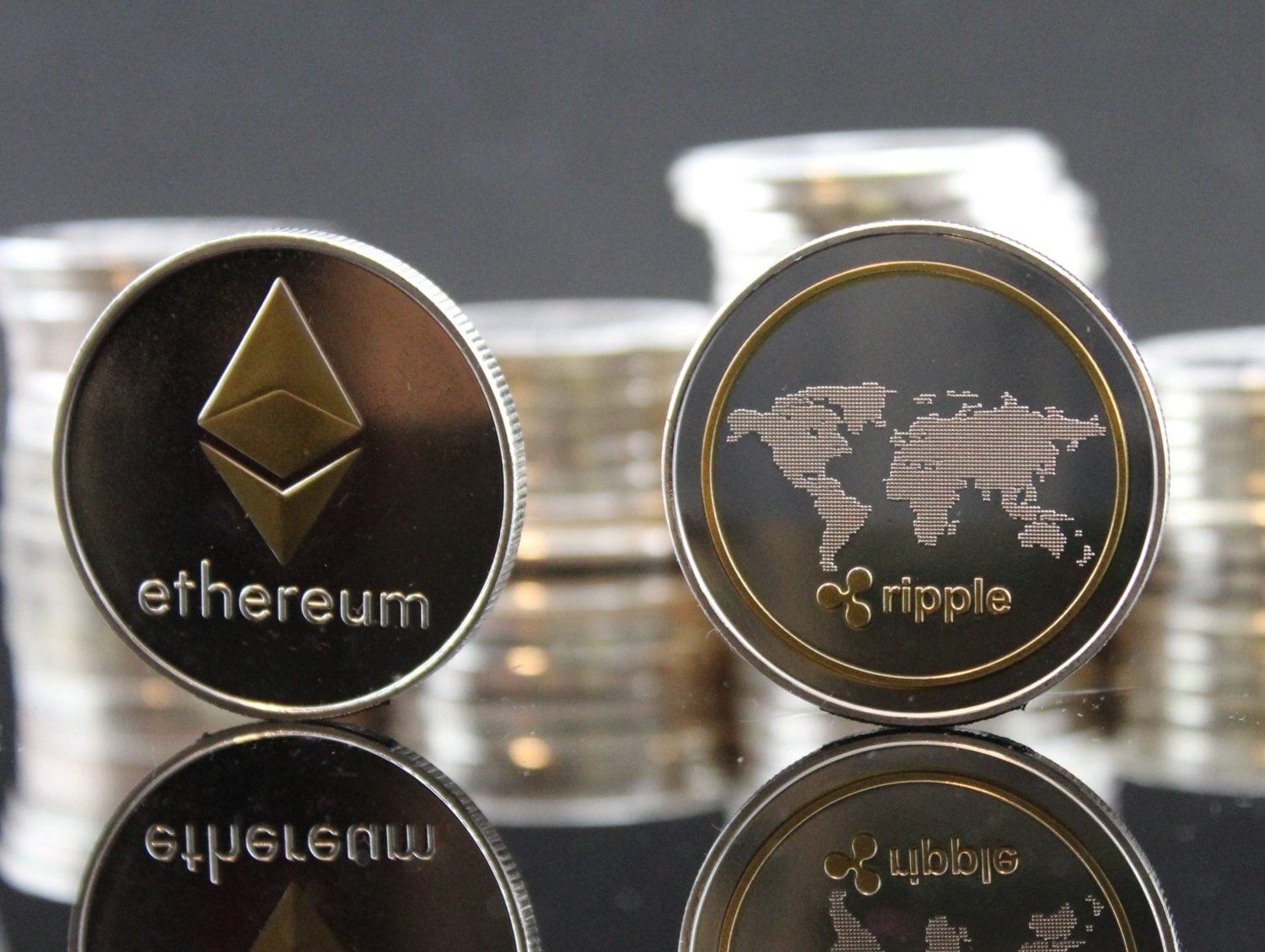
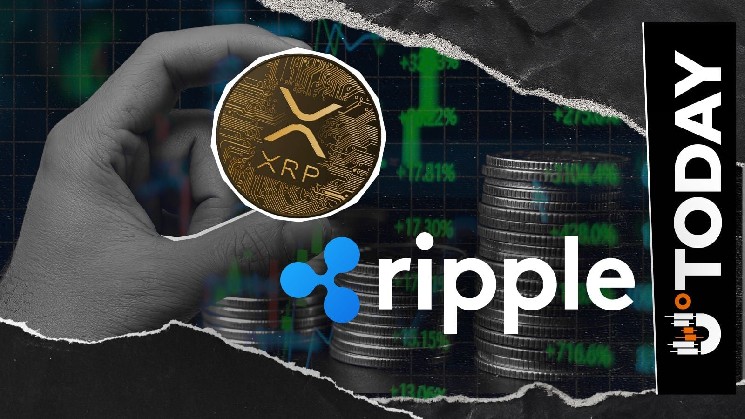
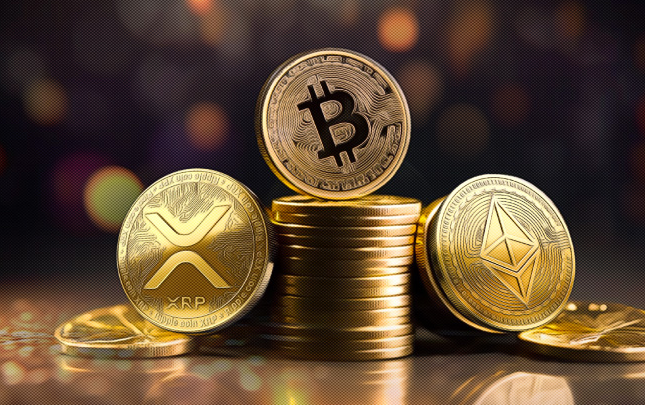
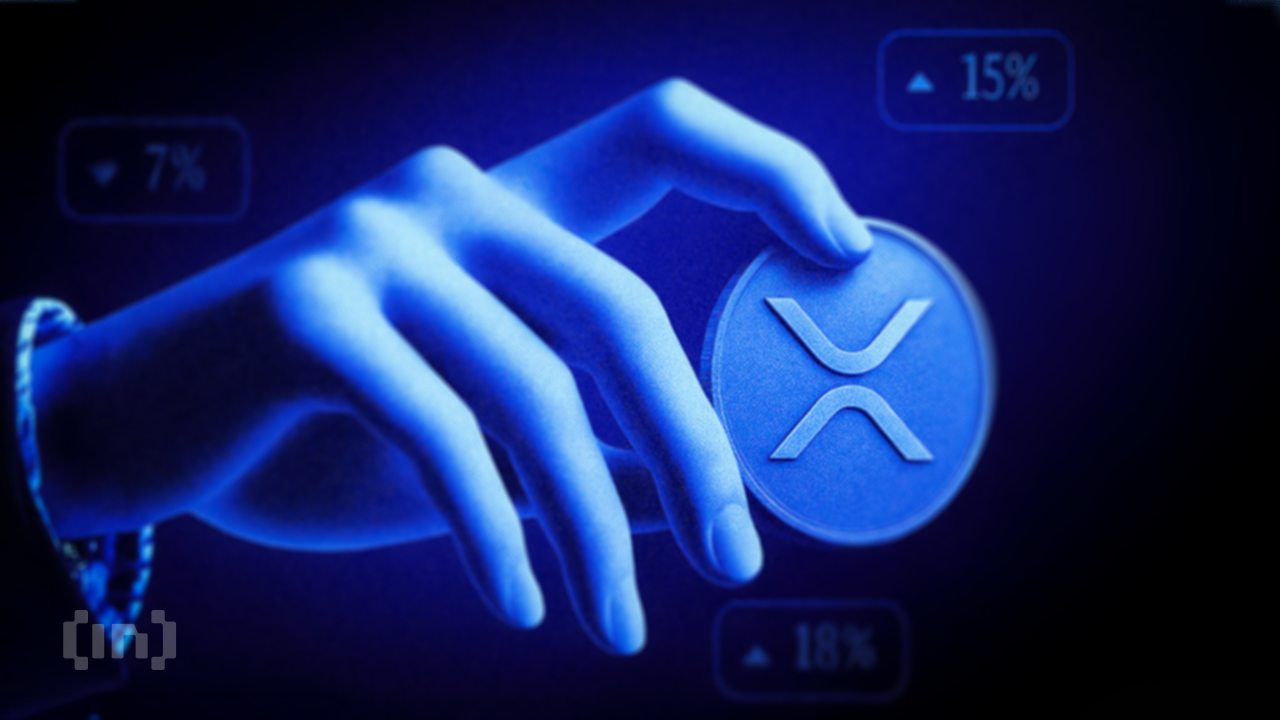
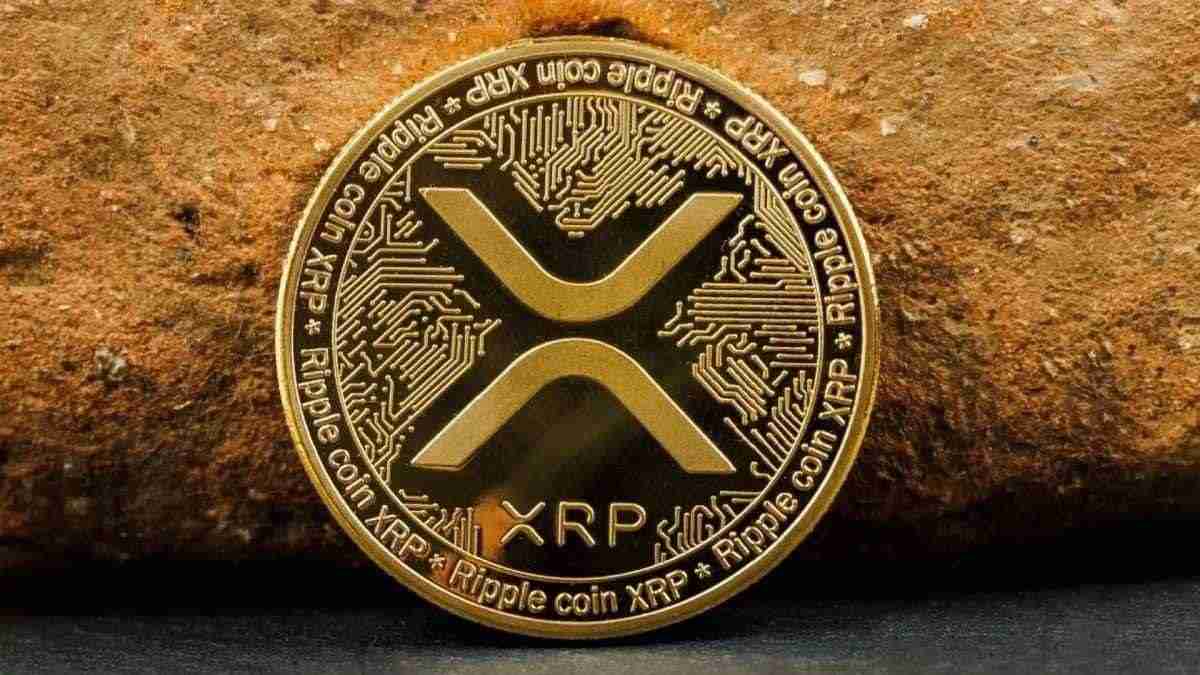
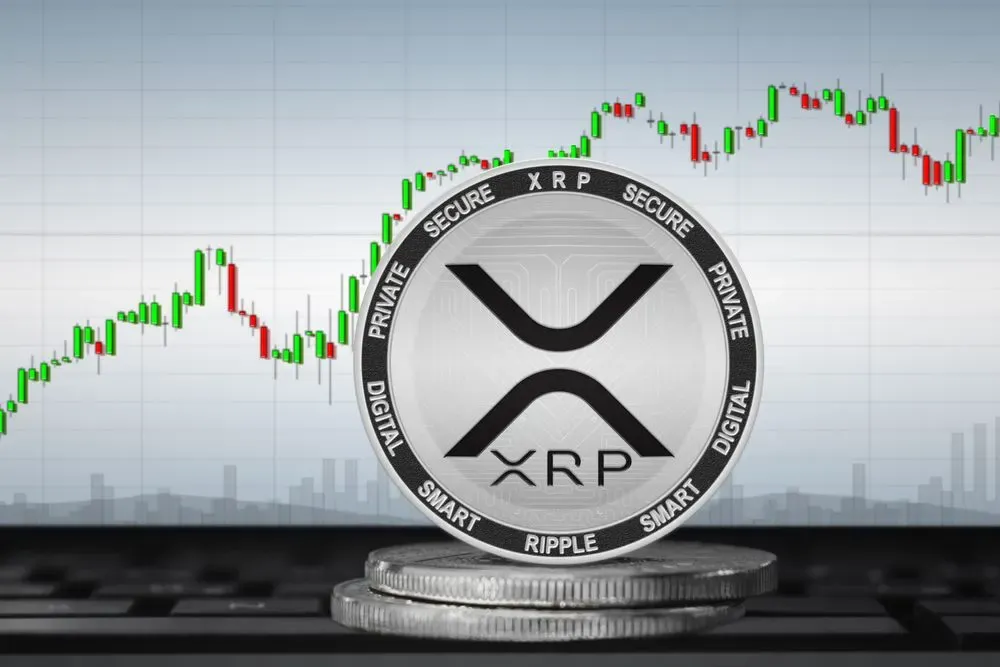
The founders of Ripple, a fintech company specializing in blockchain-based payments, created XRP as the native token of its XRP Ledger in 2012. They minted XRP’s entire supply of 100 billion tokens before its market debut, so it can’t be mined like Bitcoin (BTC 0.75%) or valued by its scarcity. Its ledger also doesn’t natively support smart contracts, which are used to develop decentralized apps and other tokens, so it isn’t valued by its growth in developers.
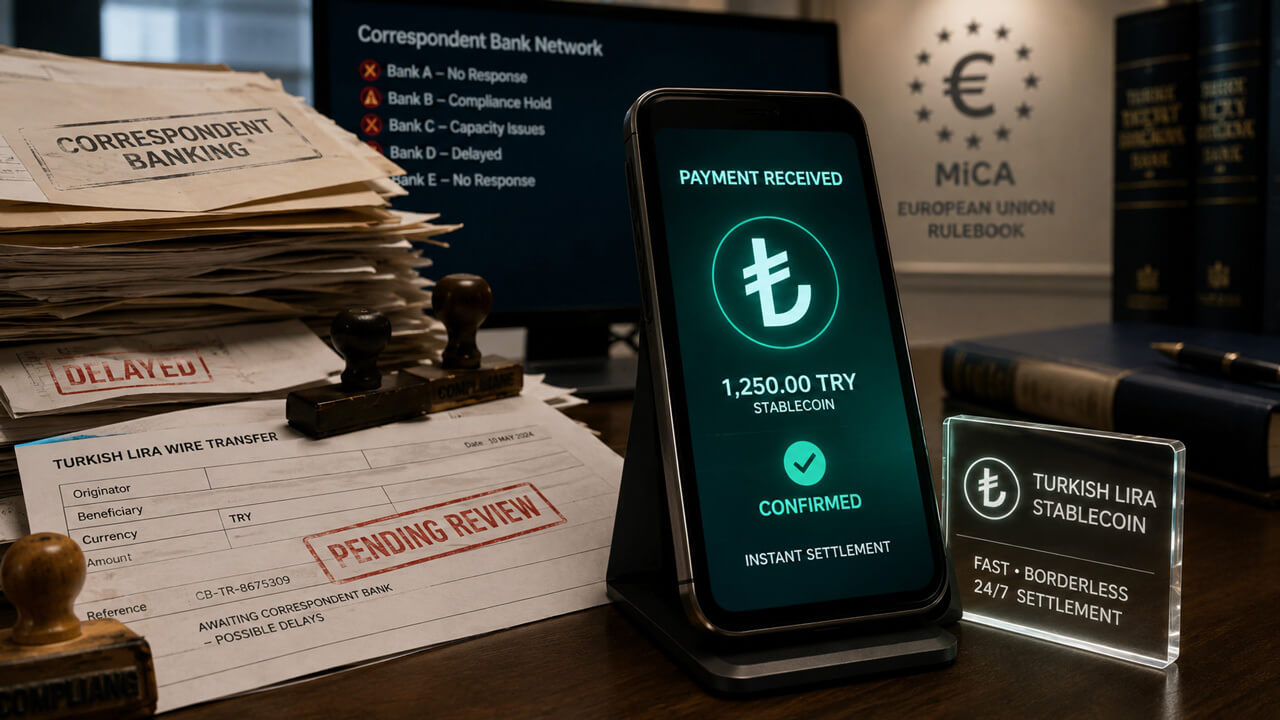
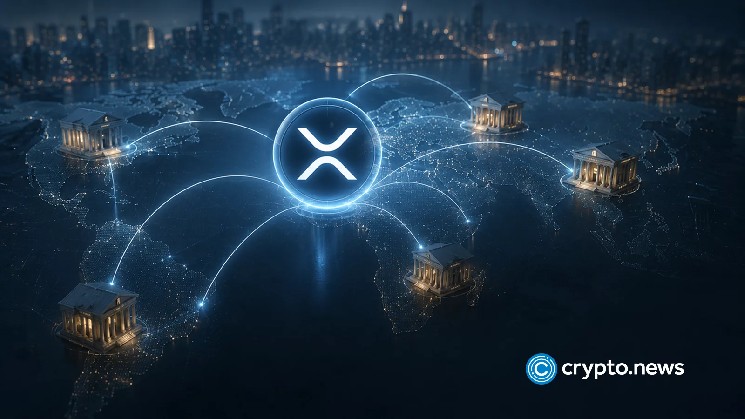
XRP is primarily used as a bridge currency on Ripple to complete cross-border fiat transactions faster and more cheaply than conventional SWIFT transactions. If Ripple expands its ecosystem and more customers use XRP for cross-border transfers, its value could stabilize.

Today’s Change
(-1.16%) $-0.02
Current Price
$1.38
Key Data Points
Market Cap
$85B
Day’s Range
$1.37 – $1.40
52wk Range
$1.14 – $3.65
Volume
1.6B
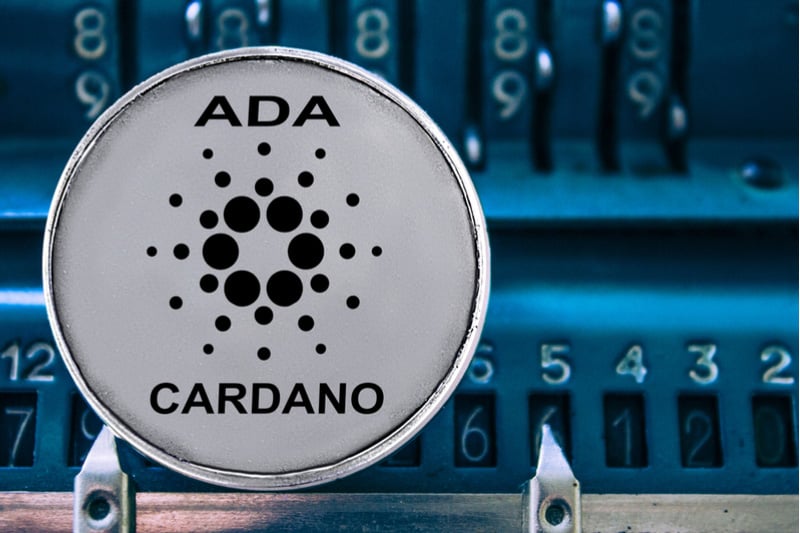
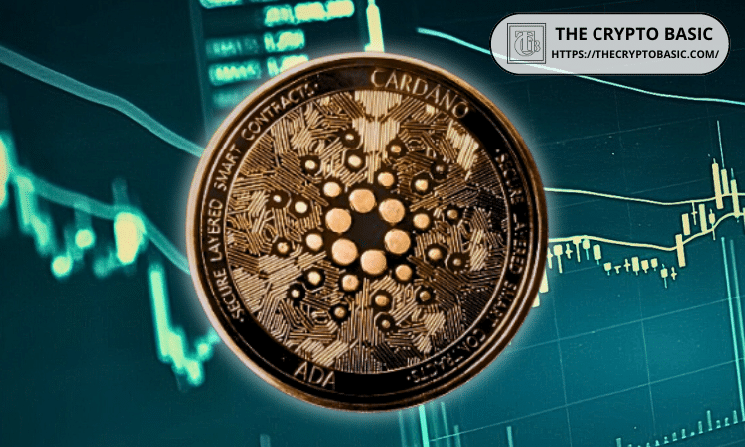
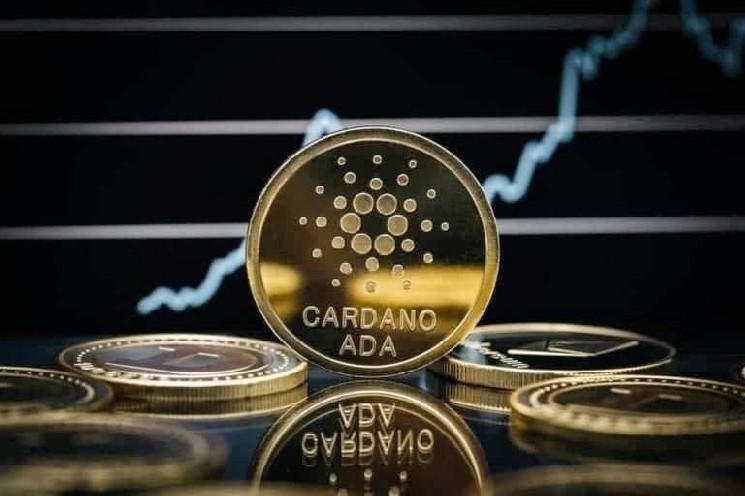
Cardano is a proof-of-stake (PoS) blockchain that supports smart contracts and staking, which allows investors to lock up their tokens to earn interest-like rewards. It can’t be mined, and it has a circulating supply of 36 billion tokens with a supply cap of 45 billion.
Cardano only serves a few hundred active developers because it requires each project to undergo formal peer reviews to ensure security and scalability. It’s tiny compared to Ethereum (ETH +0.14%), which led the PoS market with 31,869 active developers in late 2025. Still, its supporters expect its emphasis on quality over quantity to stabilize the value of its tokens.

Today’s Change
(0.27%) $0.00
Current Price
$0.25
Key Data Points
Market Cap
$9.1B
Day’s Range
$0.24 – $0.25
52wk Range
$0.23 – $1.01
Volume
263M
What are the challenges and catalysts?
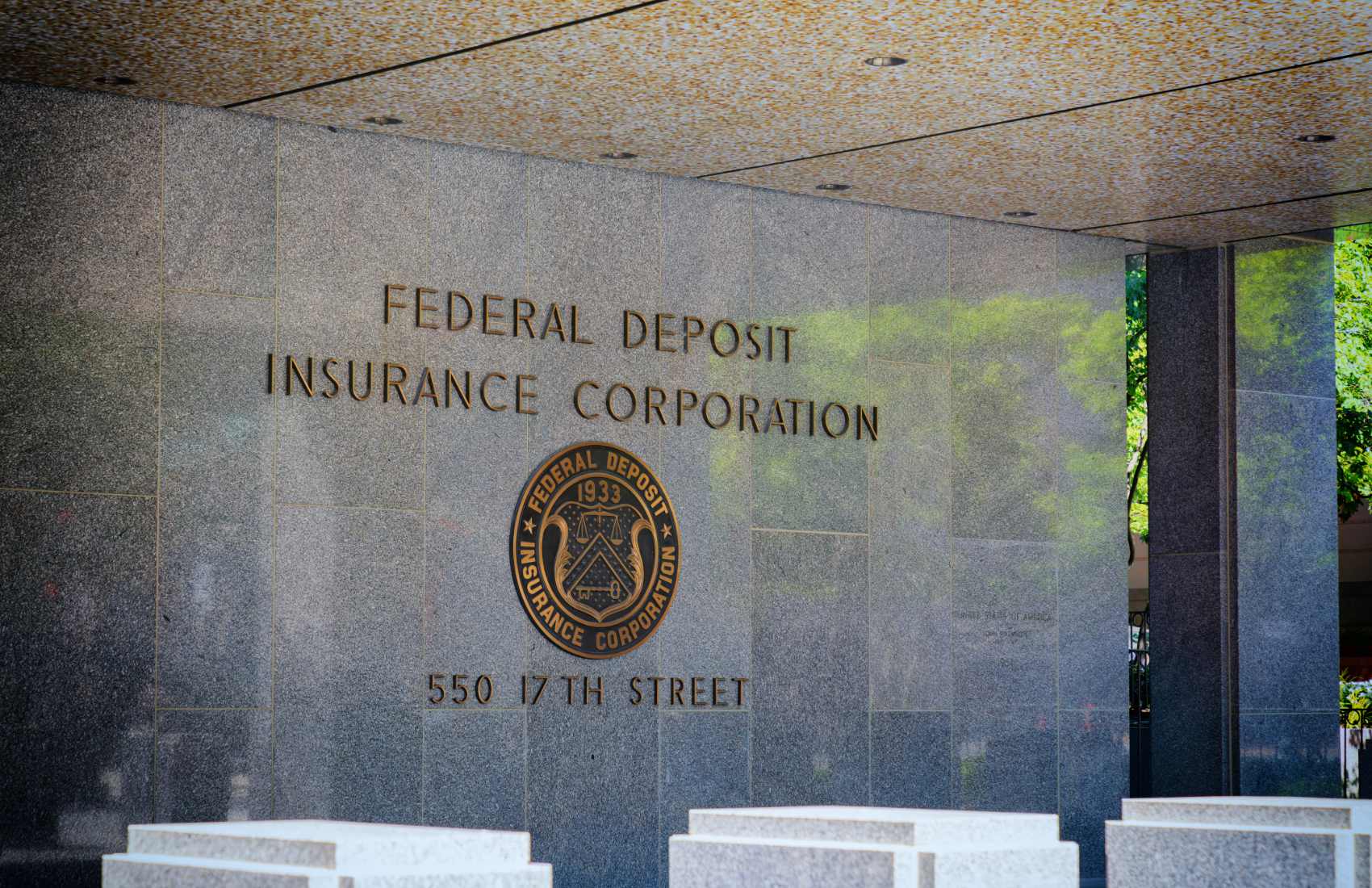
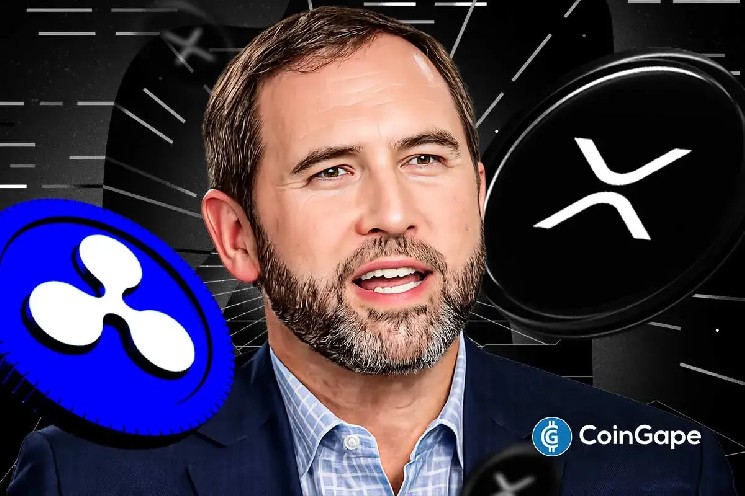
XRP overcame its biggest headwind last year after the Securities and Exchange Commission’s (SEC) lawsuit against Ripple concluded with a lighter-than-expected fine. That lawsuit, which alleged Ripple sold XRP as unlicensed securities to fund its own expansion, had caused Ripple to lose its top customers and driven the top crypto exchanges to delist XRP.
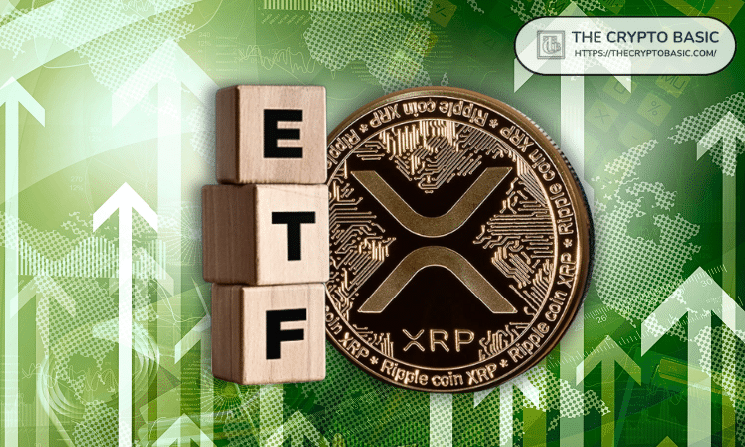
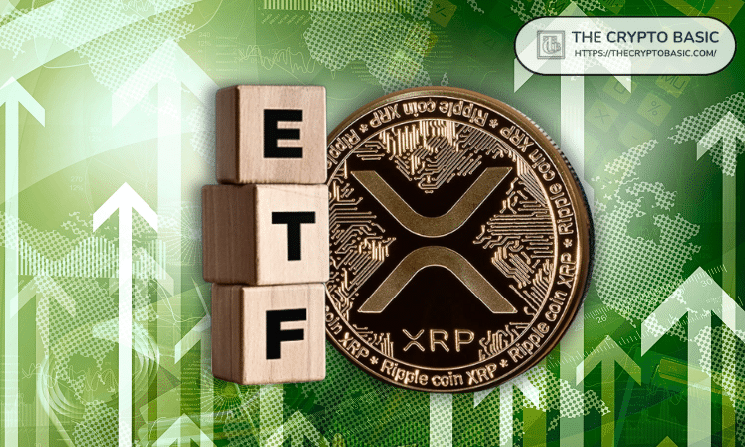
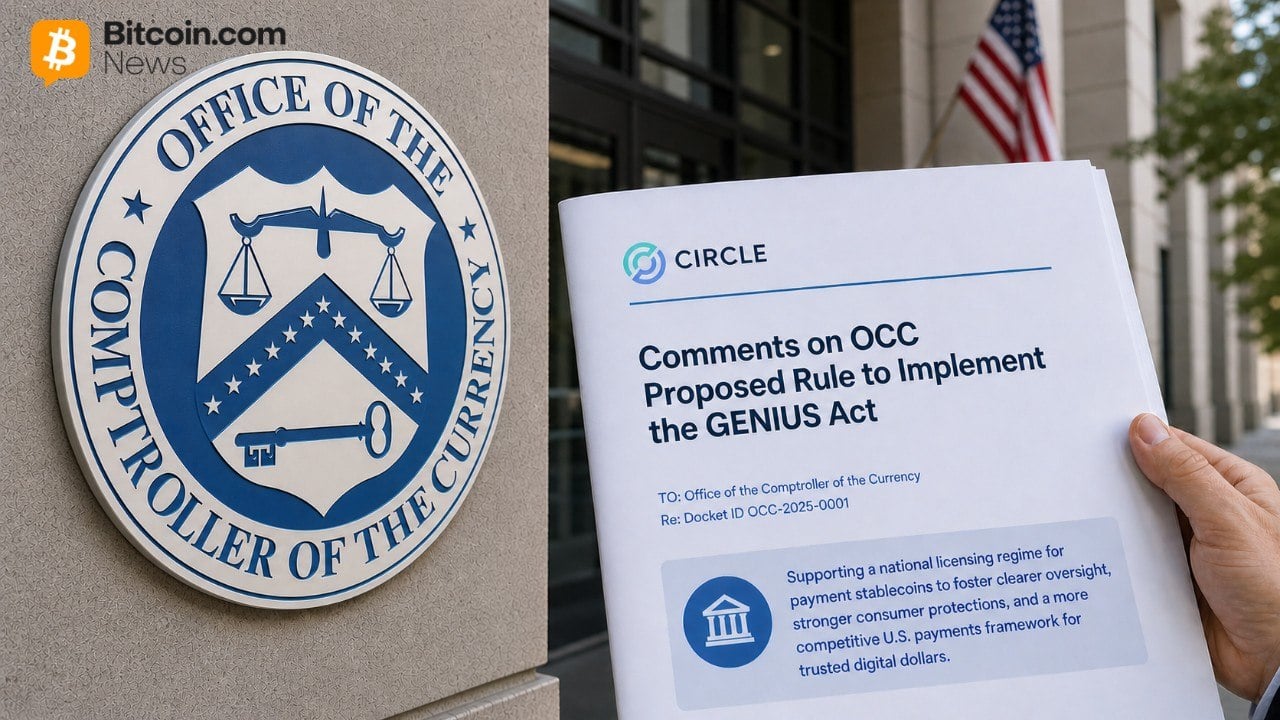
After the lawsuit ended, those crypto exchanges relisted XRP. The SEC even approved XRP’s first spot price ETFs earlier this year, and the Office of the Comptroller of the Currency (OCC) conditionally approved Ripple’s application for a U.S. banking license.
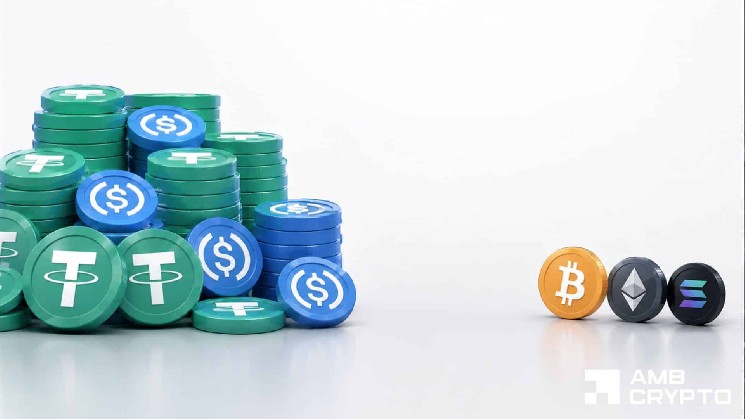
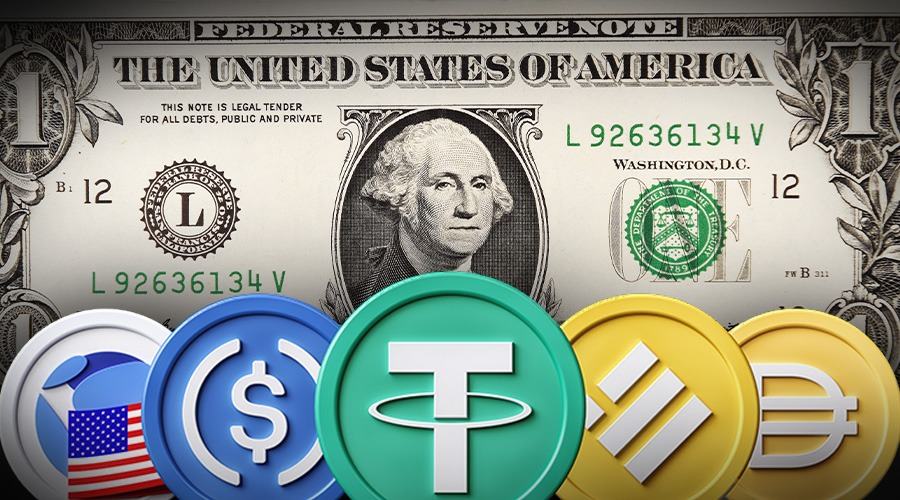
Over the next few years, XRP could soar higher if it secures partnerships with Tier-1 banks or major payment networks to settle large payments. But as of this writing, it’s launched only a few pilot programs in Asia. It also faces stiff competition from stablecoins (pegged to the U.S. dollar) as more reliable bridge currencies for blockchain-based, cross-border transactions.
Cardano’s Layer 1 (L1) blockchain is already faster than Ethereum’s L1 blockchain, and it’s processing more transactions off-chain at even higher speeds through its Layer 2 (L2) Hydra heads to keep up with faster PoS blockchains like Solana. It also recently updated its Mithril validation protocol to improve syncing efficiency, and its new Midnight sidechain — which upgrades its data protection features — could attract more developers.
Cardano’s supporters believe its rigid approval process will make it a popular platform for developers in tightly regulated industries. Its critics claim those self-imposed restrictions will throttle its growth and drive more developers to Ethereum and Solana.
Which altcoin has a brighter future?
XRP and Cardano could both remain out of favor in this wobbly market. But if I had to choose one to hold for the next decade, I’d stick with Cardano because it serves a clearer purpose and can be valued by both its scarcity and the growth of its developer-oriented blockchain. XRP’s future is entirely tied to its use as a bridge currency for cross-border transactions — and it’s unclear how it will break out of its niche without landing more meaningful partnerships.