New York, May 3, 2026, 14:04 (EDT)
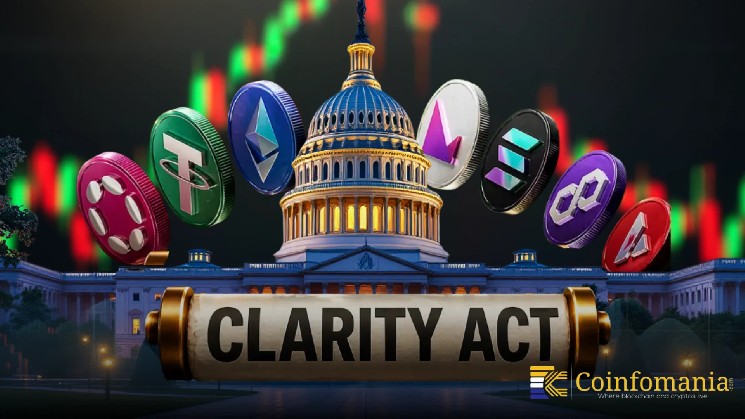
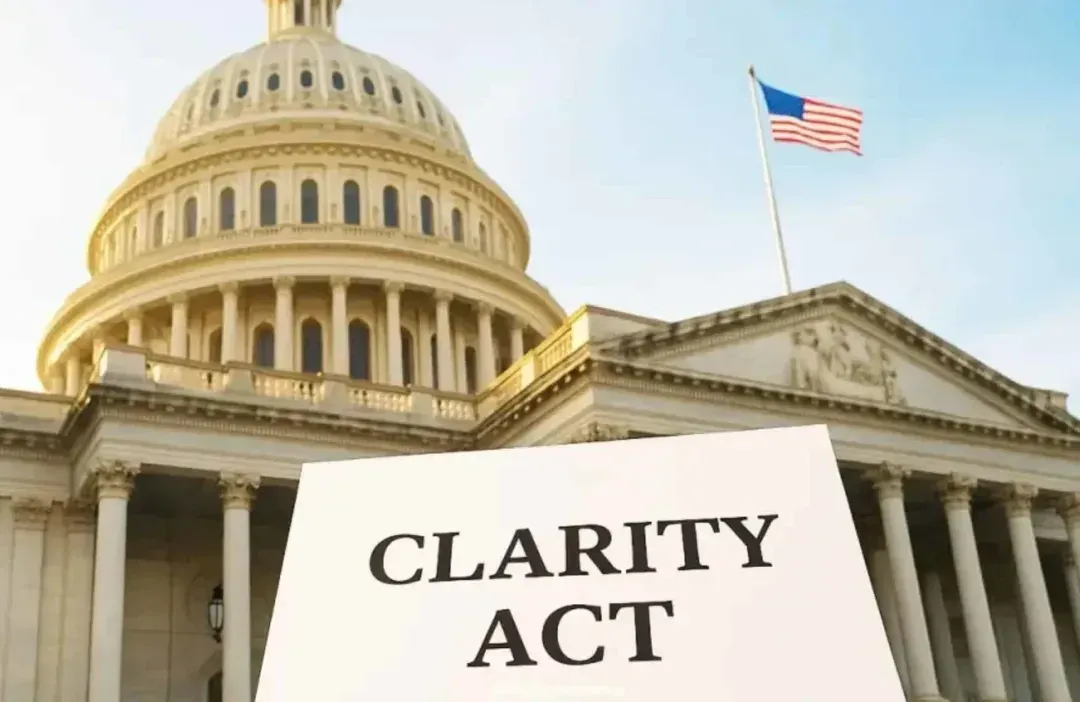
With the U.S. Senate hashing out a stablecoin rewards compromise, the push for regulated dollar tokens is gaining steam. Ripple’s RLUSD rollout on OKX suddenly looks more crucial, as lawmakers attempt to break the crypto legislation logjam. Coinbase on Friday confirmed a breakthrough on a sticking point that had blocked the bill’s progress in the Senate.
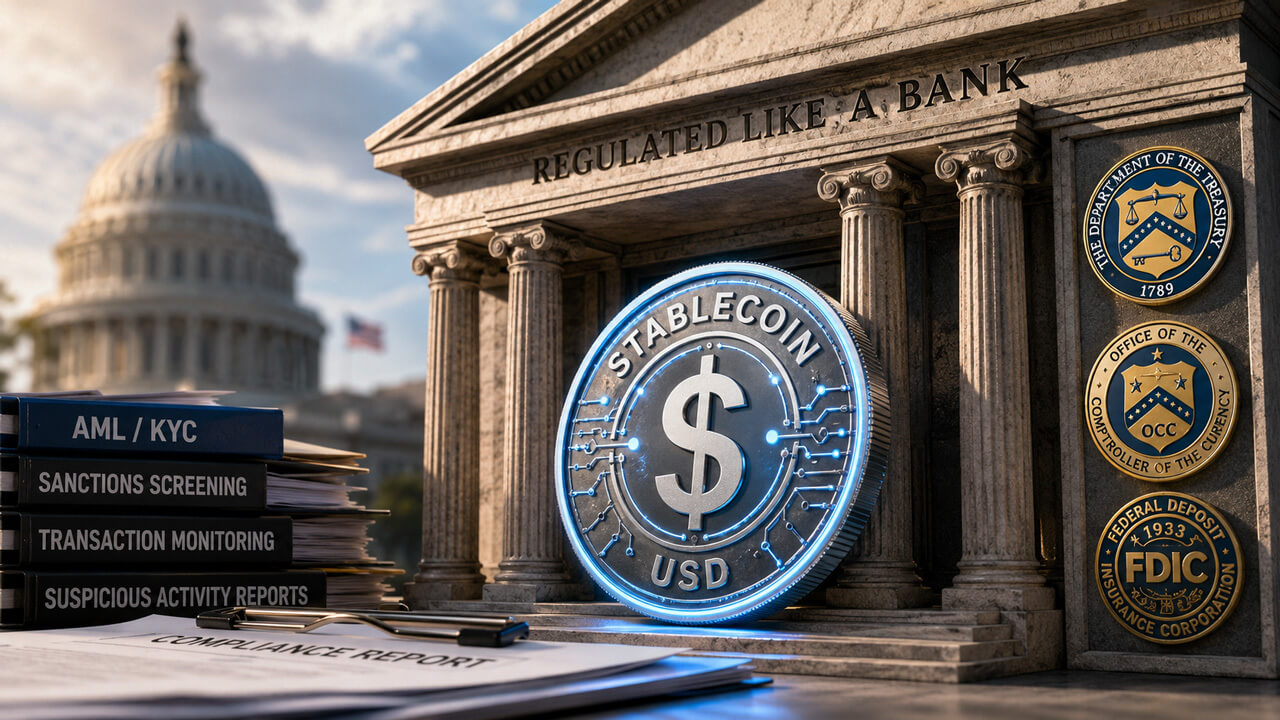
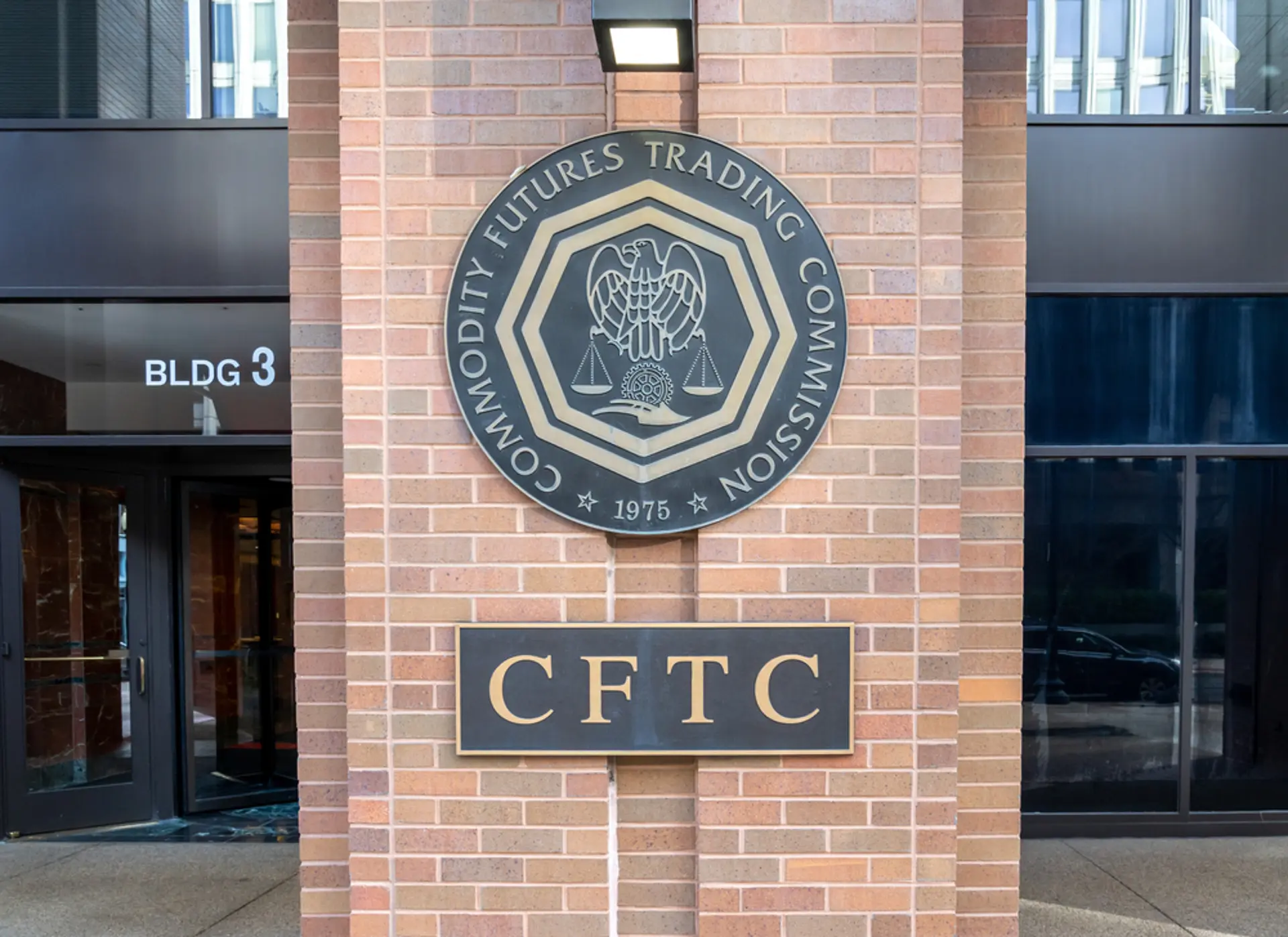
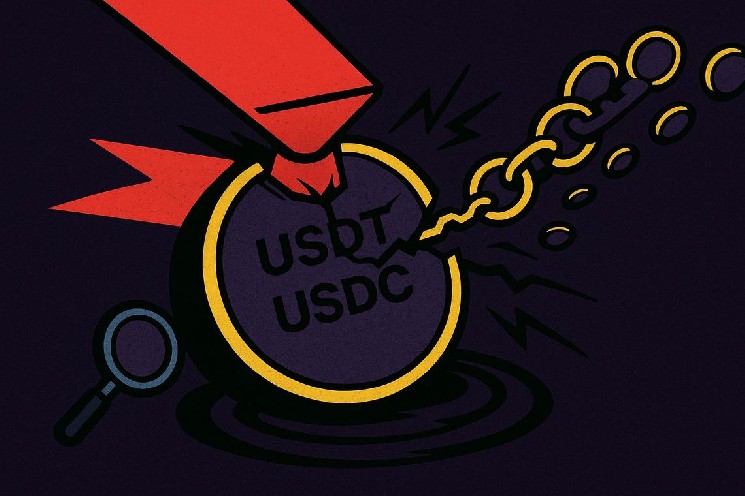
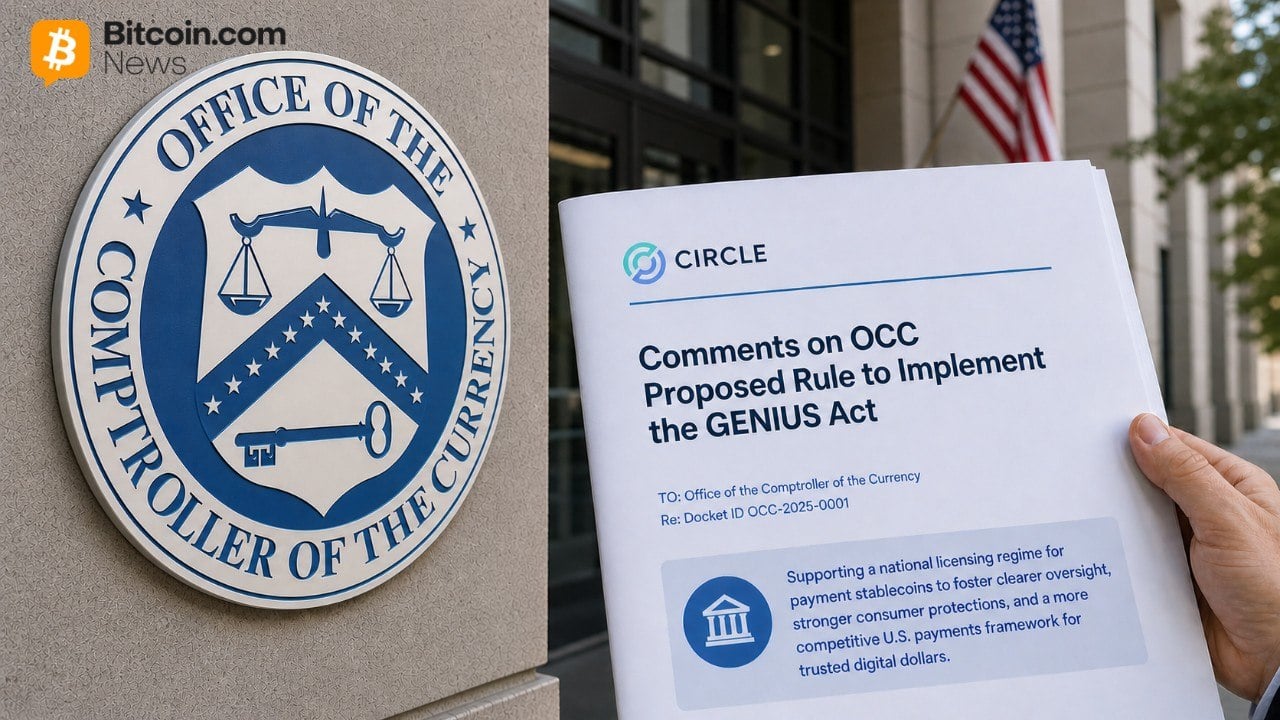
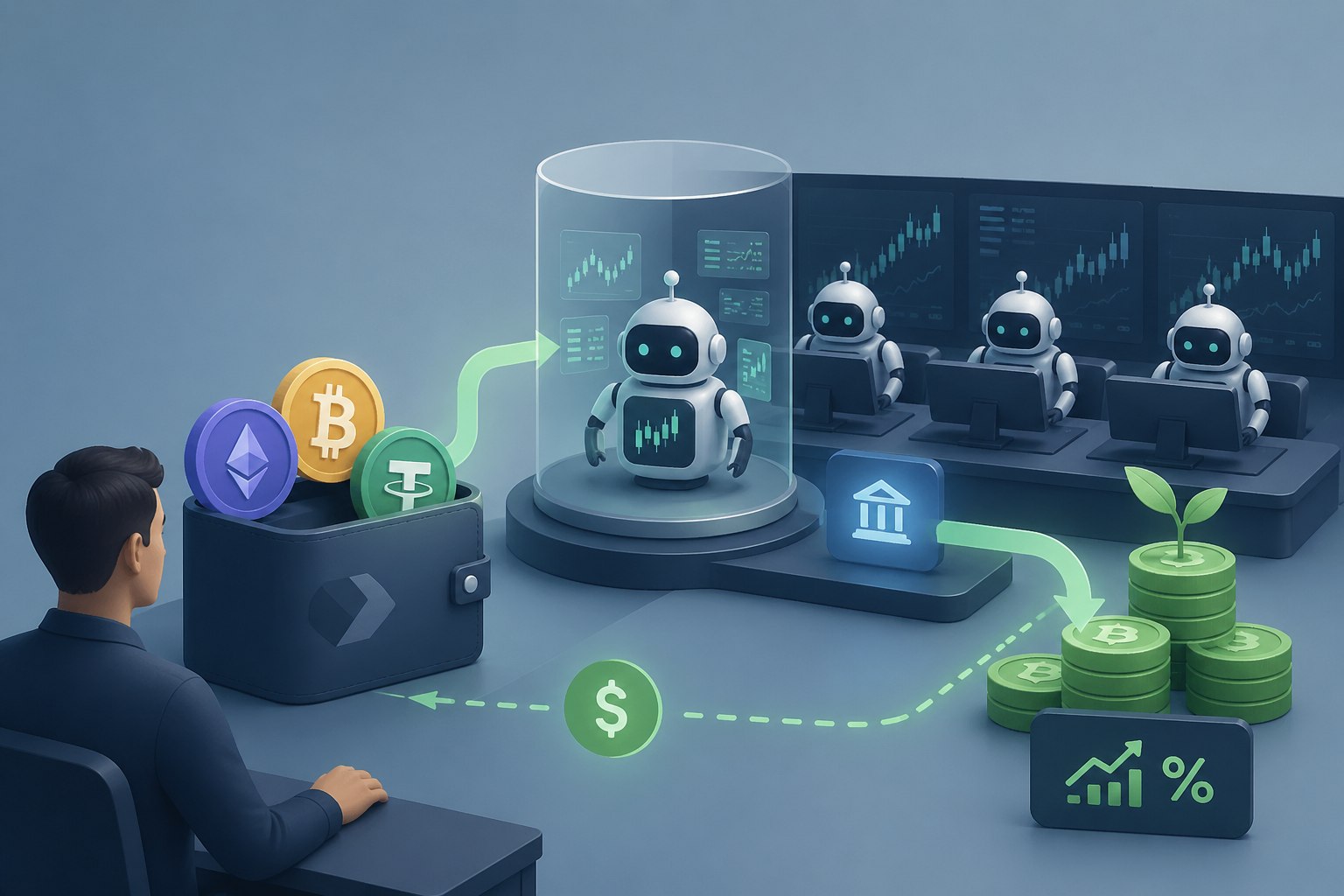
The timing is key as stablecoins—digital tokens pegged to a fixed value, typically one dollar—are shifting beyond their original role as a trading tool and stepping into the regulated world of payments and collateral. The Treasury Department, under the GENIUS Act, has floated rules that would classify approved payment stablecoin issuers as financial institutions under the Bank Secrecy Act, mandating that they implement sanctions compliance programs.
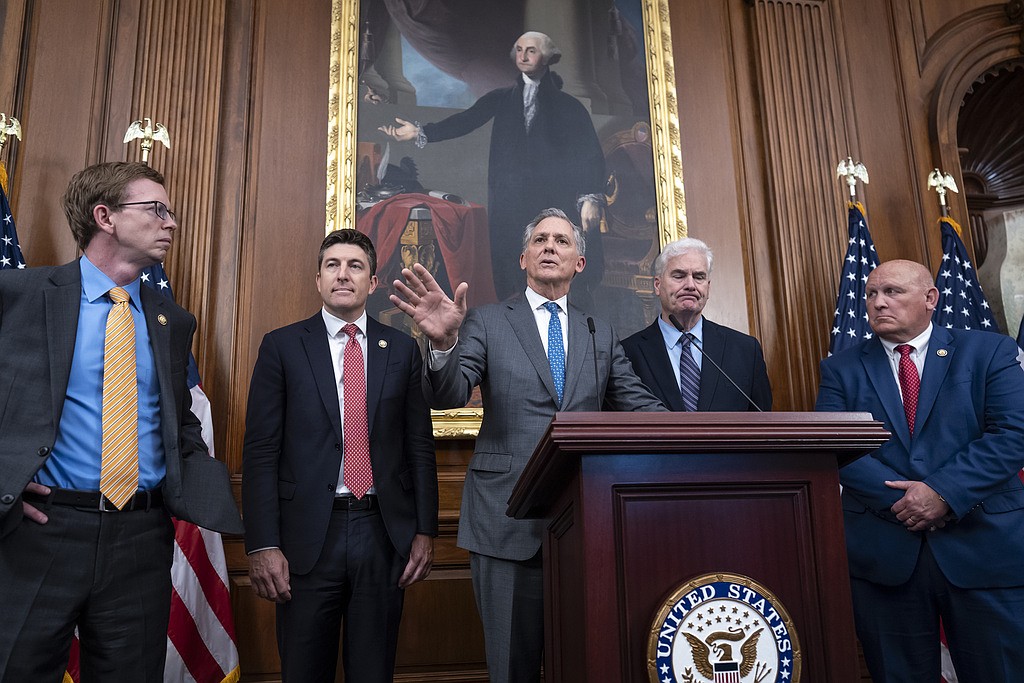
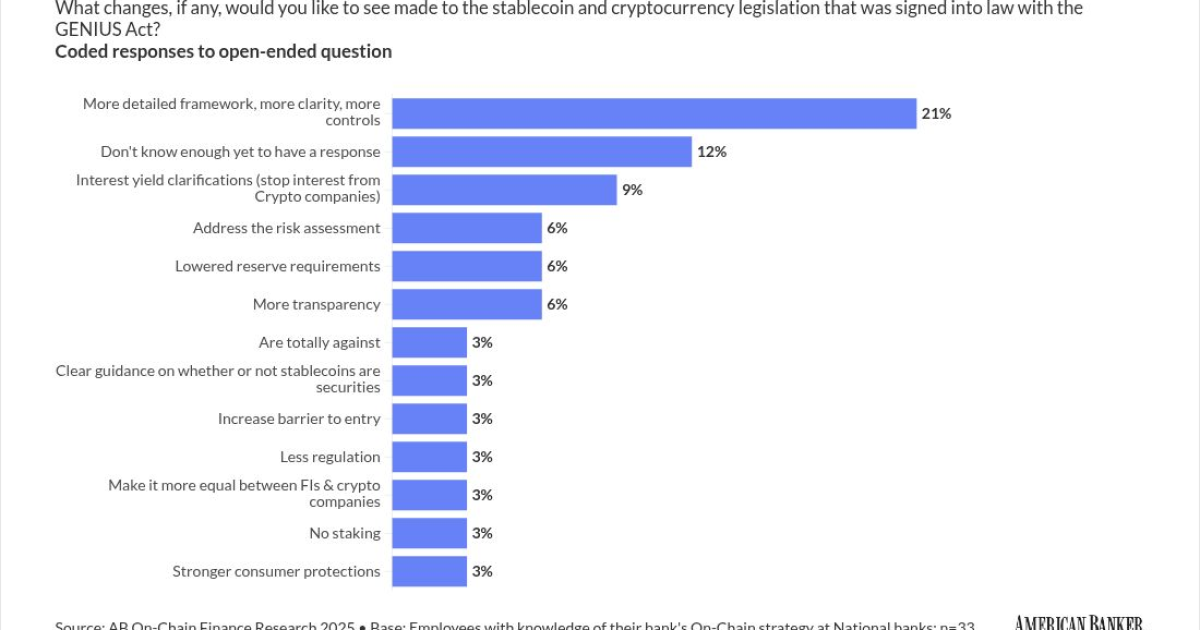
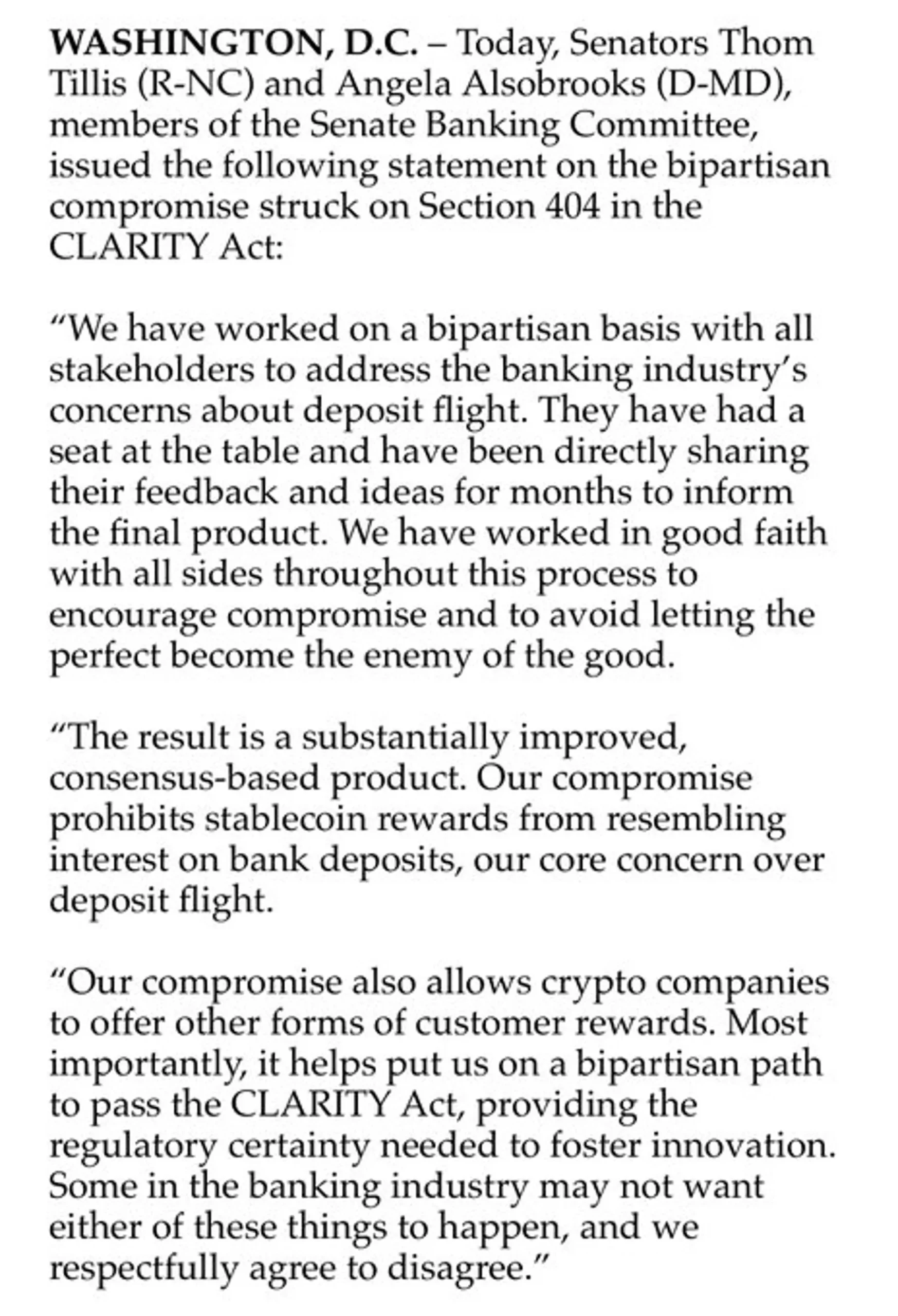
The battle has shifted from stablecoin regulation itself to the question of who stands to benefit from their issuance and circulation. Senators Thom Tillis and Angela Alsobrooks are championing a new compromise that, according to American Banker, would prohibit rewards resembling interest-bearing deposit accounts in either form or function.
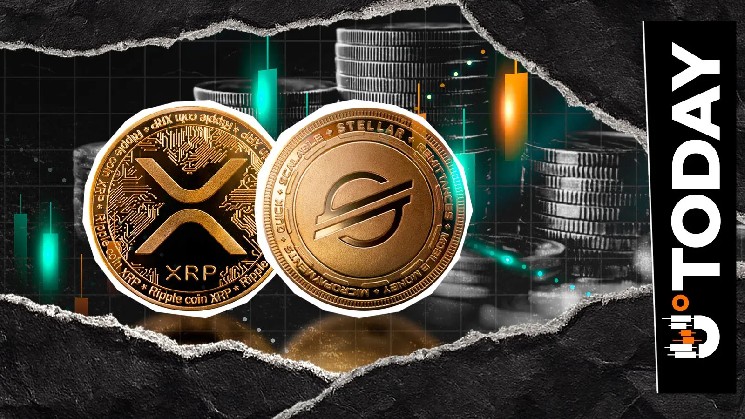
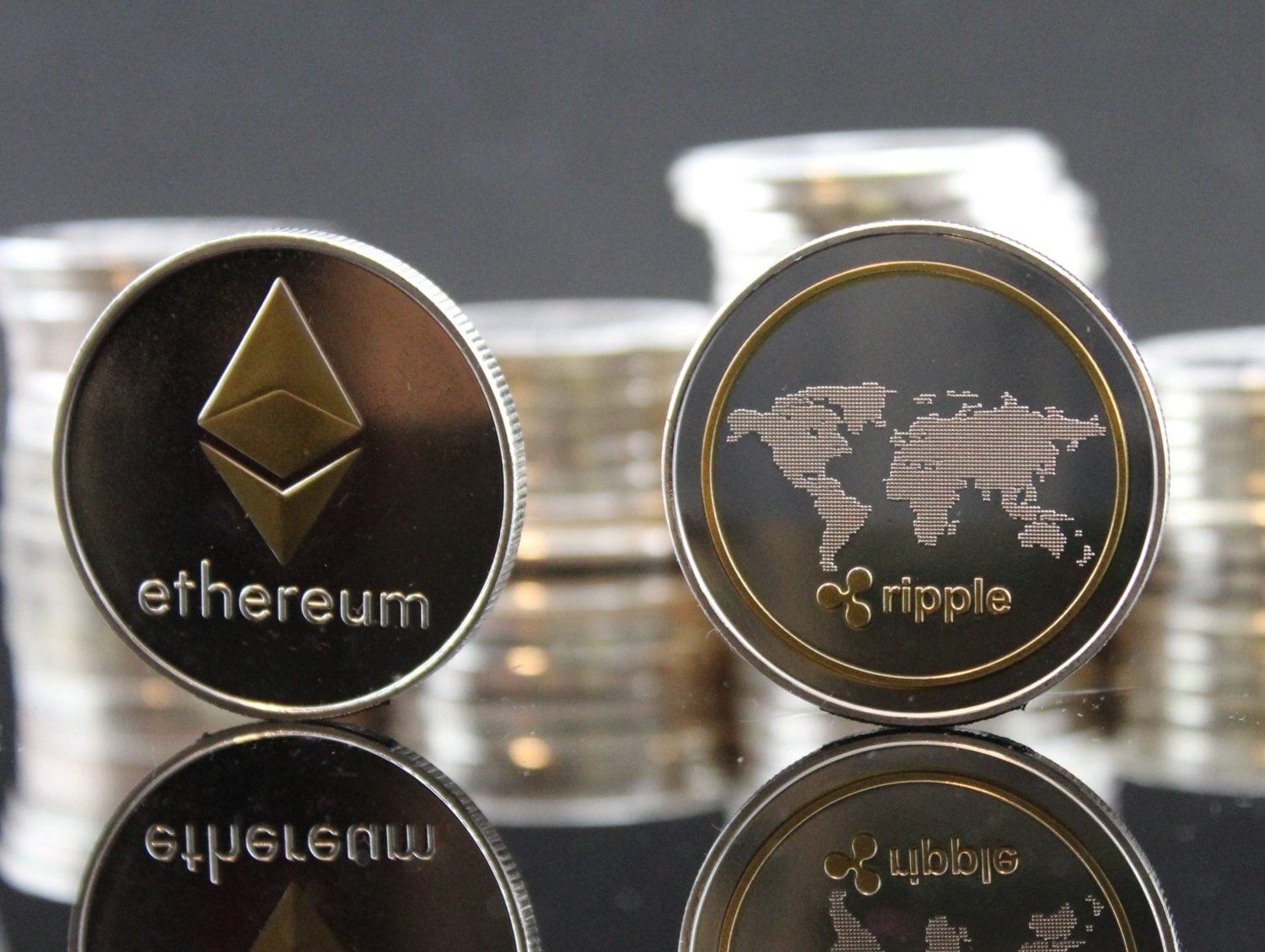
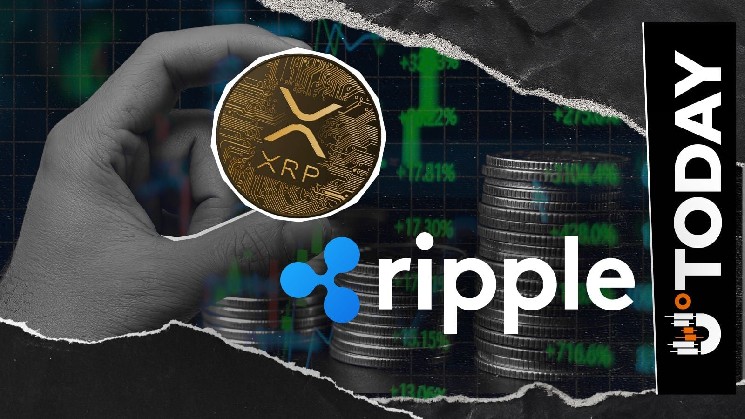
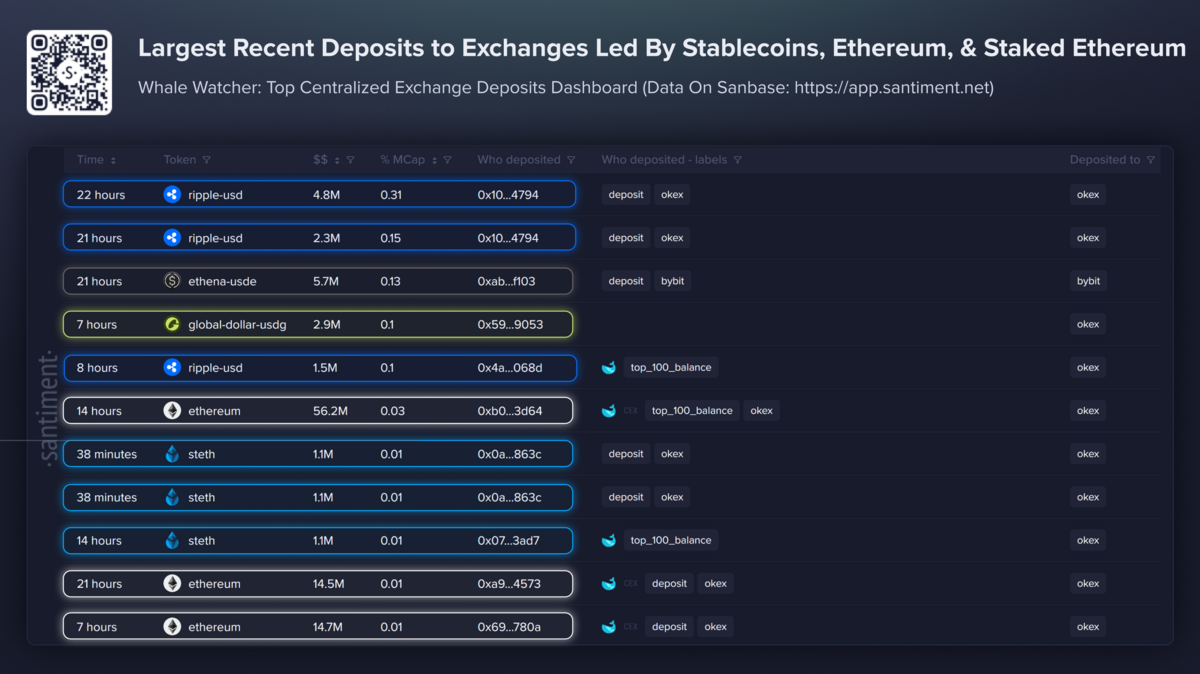
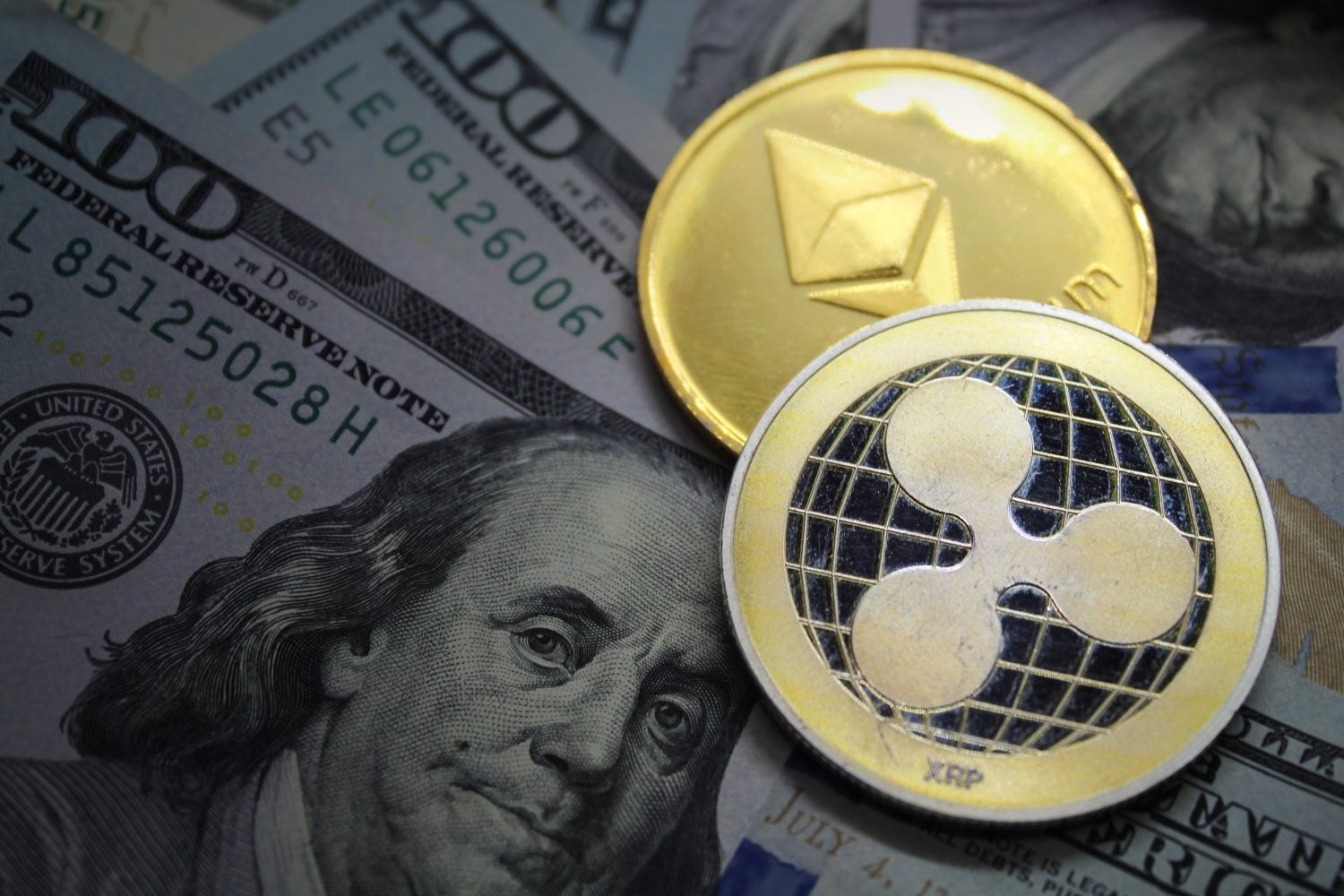
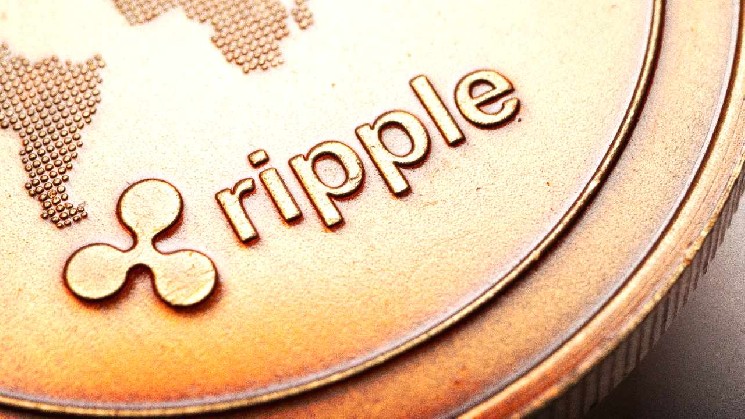
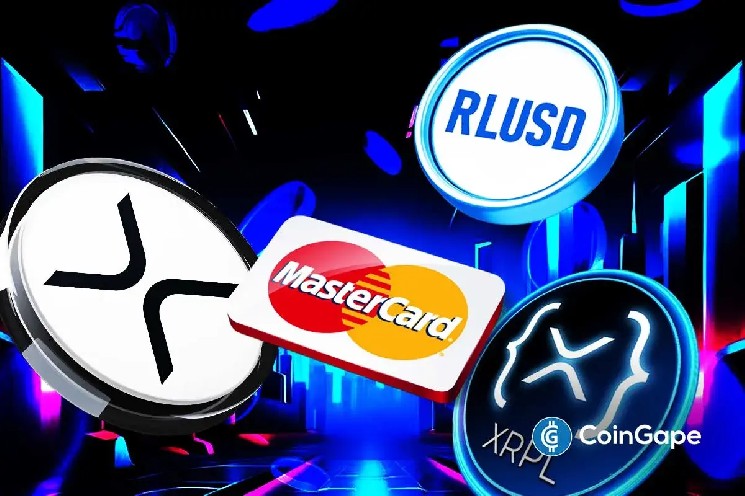
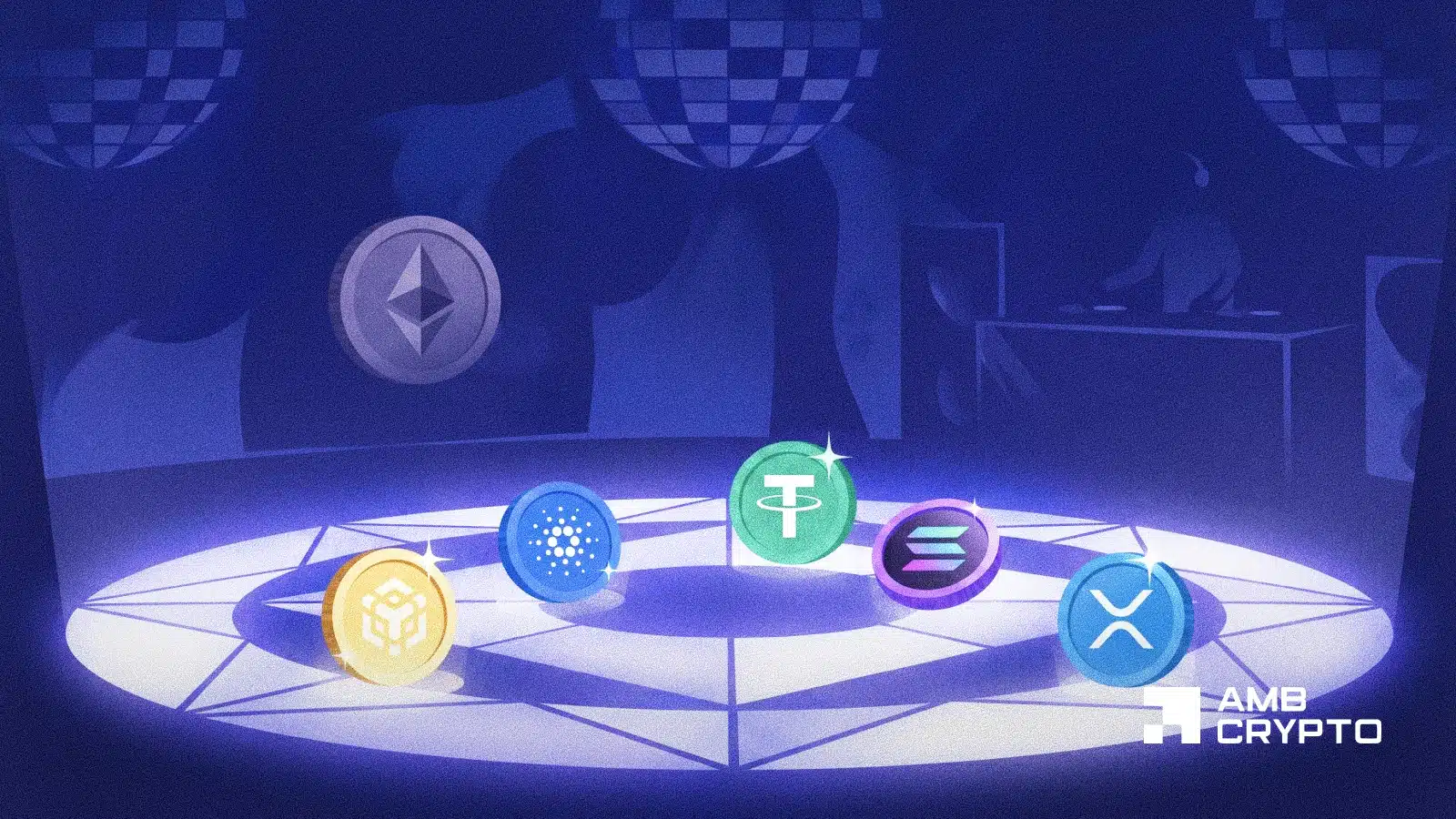
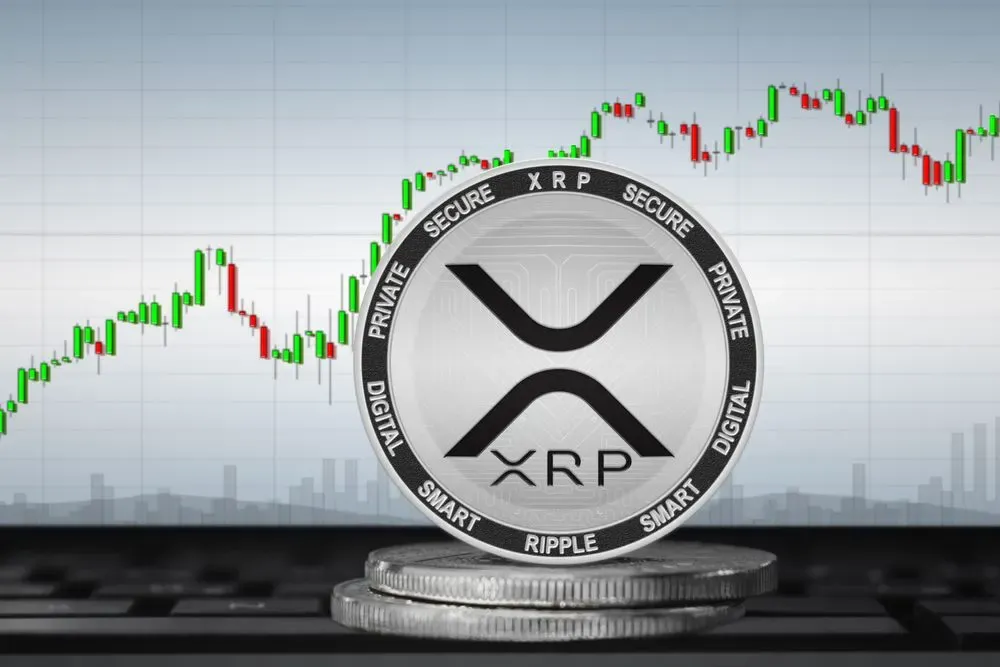
Ripple and OKX have been pushing to expand RLUSD’s reach, according to Securities Finance Times. The token is now tradable on over 280 spot pairs at OKX, and it’s also accepted as institutional-grade margin collateral for eligible derivatives. Ripple Prime is set to provide execution within OKX’s trading ecosystem, the outlet reported.
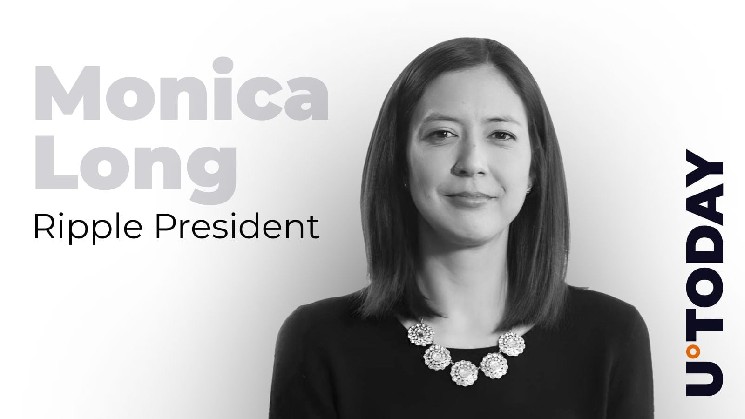
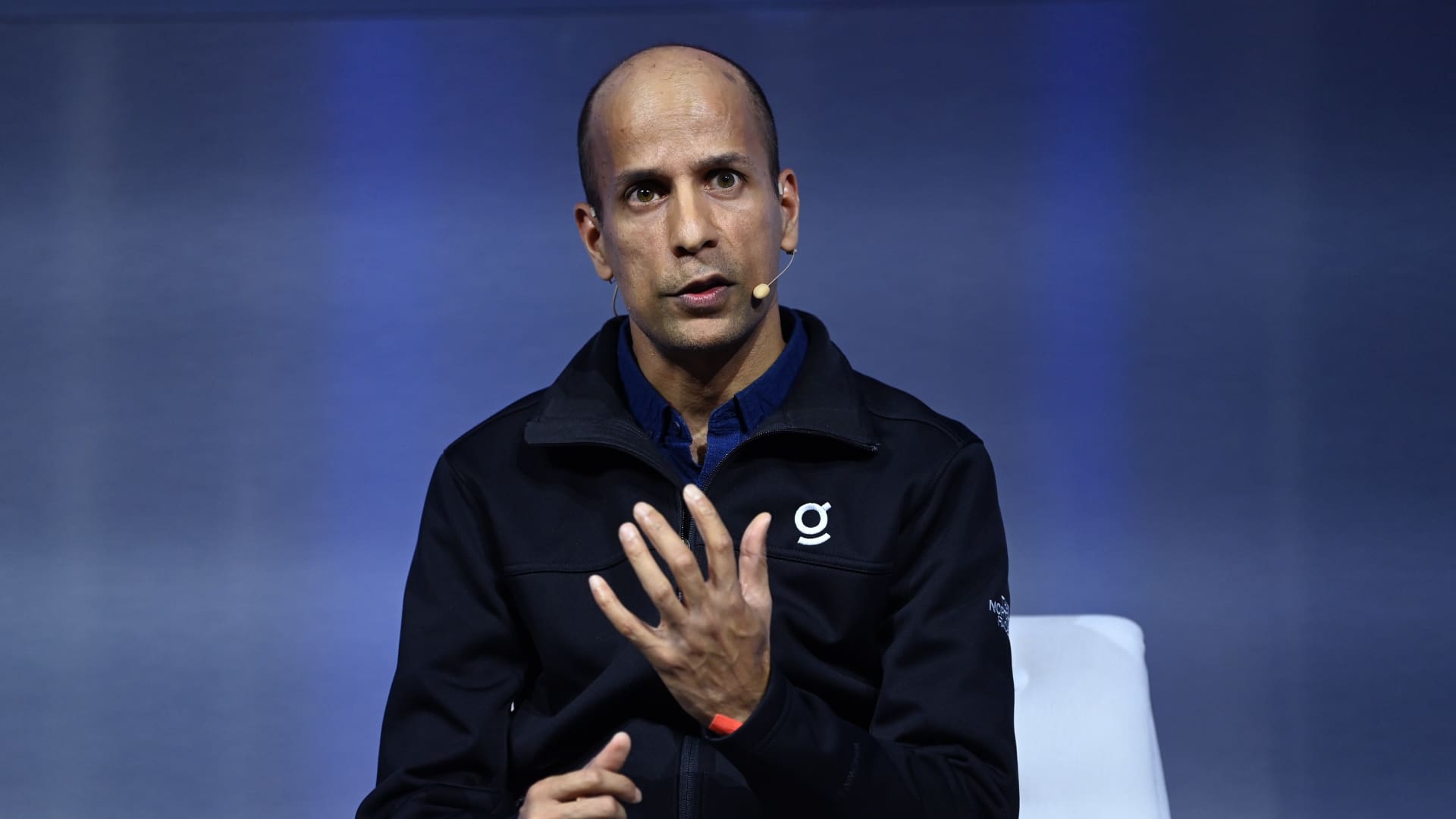
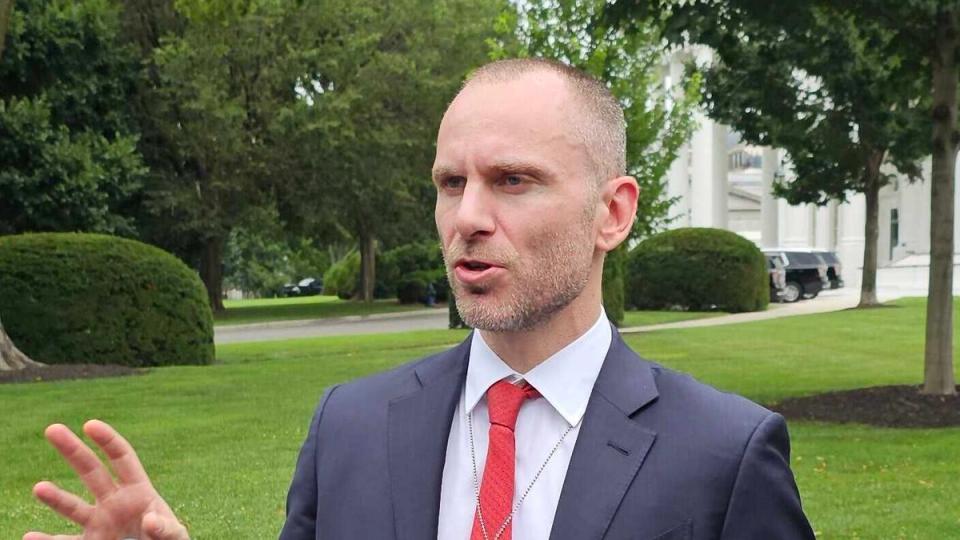
Jack McDonald, who heads up Ripple’s stablecoin division, pointed to the OKX partnership as proof of demand for “high-quality collateral.” He said the move will boost RLUSD liquidity on a major exchange. Ripple added that RLUSD is tradable across more than 280 spot pairs—including XRP/RLUSD—and can also serve as margin collateral in certain markets. Business Wire
OKX has integrated RLUSD directly into its Unified Order Book on day one, pulling it into the same liquidity pool and price-discovery system as other eligible stablecoin pairs. According to the exchange, this means traders don’t have to jump between different pools—a setup that can lead to higher spreads and extra slippage.
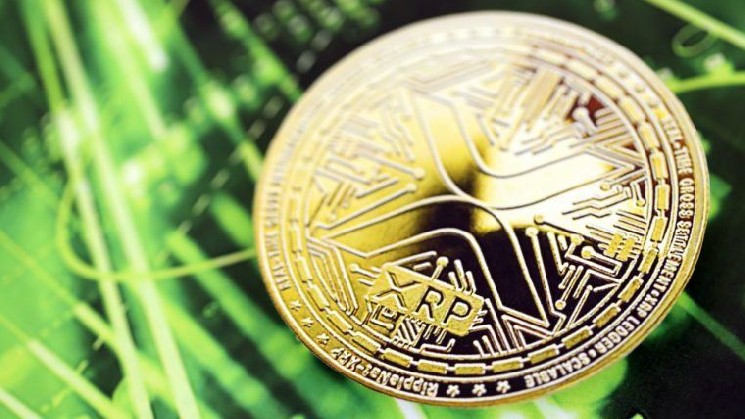
This goes some way toward clarifying why talk around XRP has resurfaced. According to Coinpaper—which references RippleXity research—RLUSD isn’t pitched as an XRP replacement. Rather, it’s described as a stable, dollar-linked layer that could drive greater use across the XRP Ledger. Ripple’s official messaging sticks to a similar split: XRP functions as the ledger’s native bridge asset, while RLUSD is positioned as a stablecoin anchored to reserves.
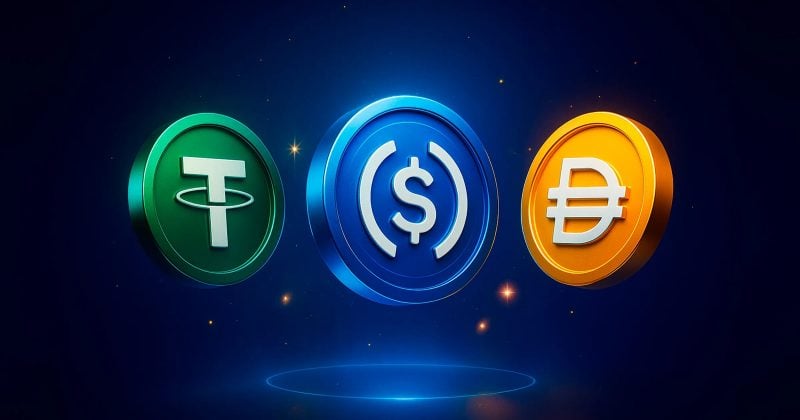
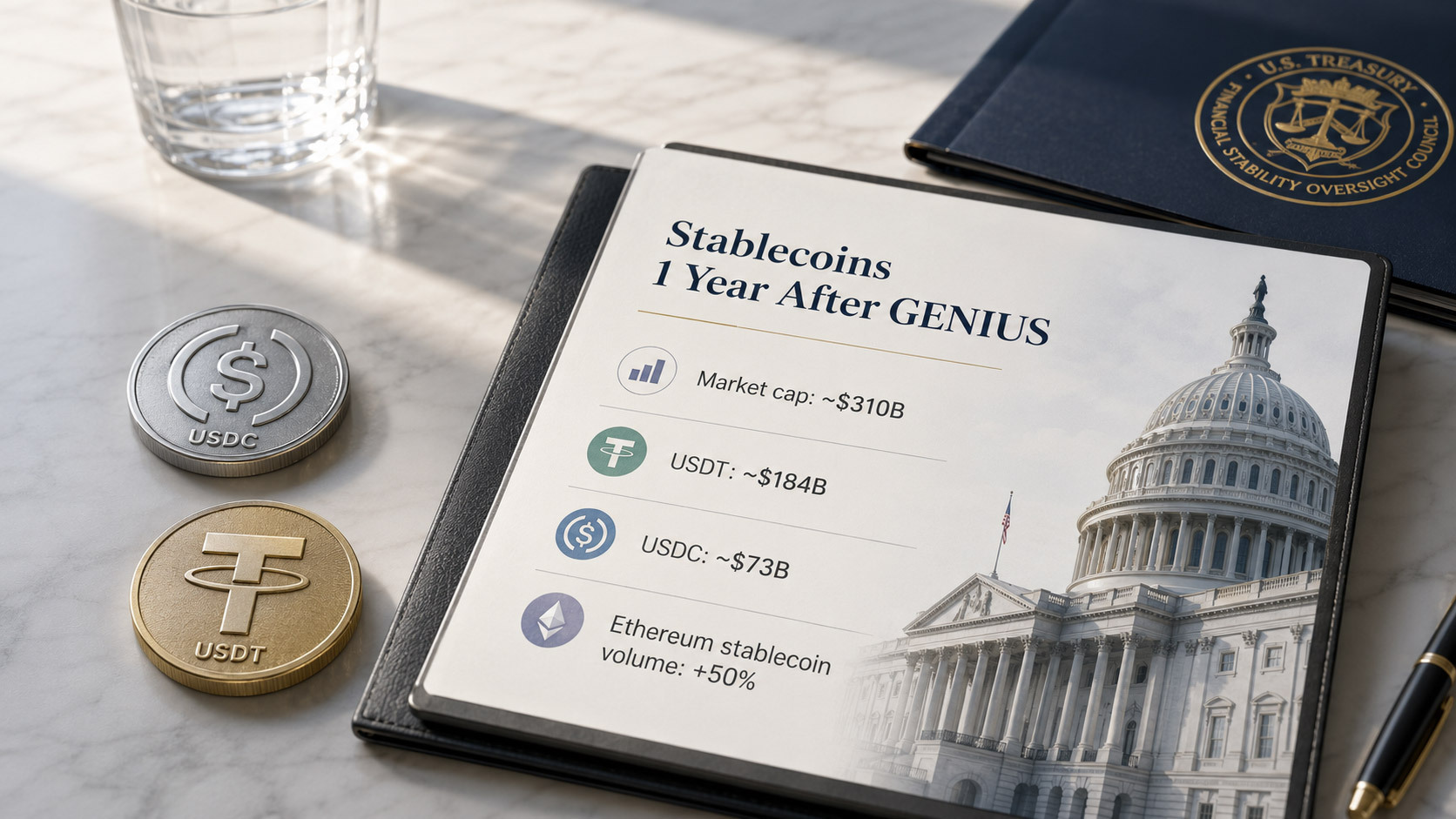
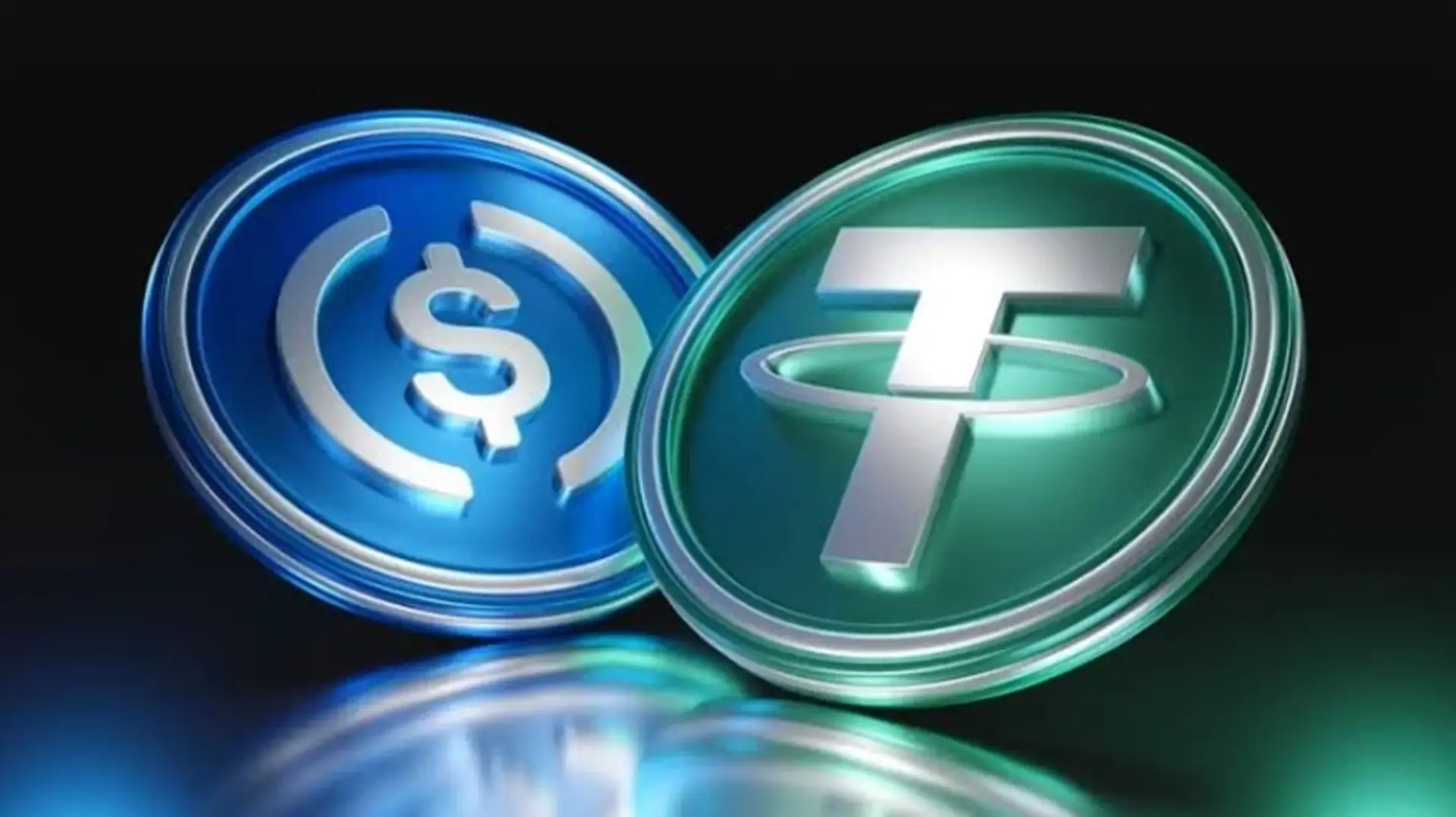
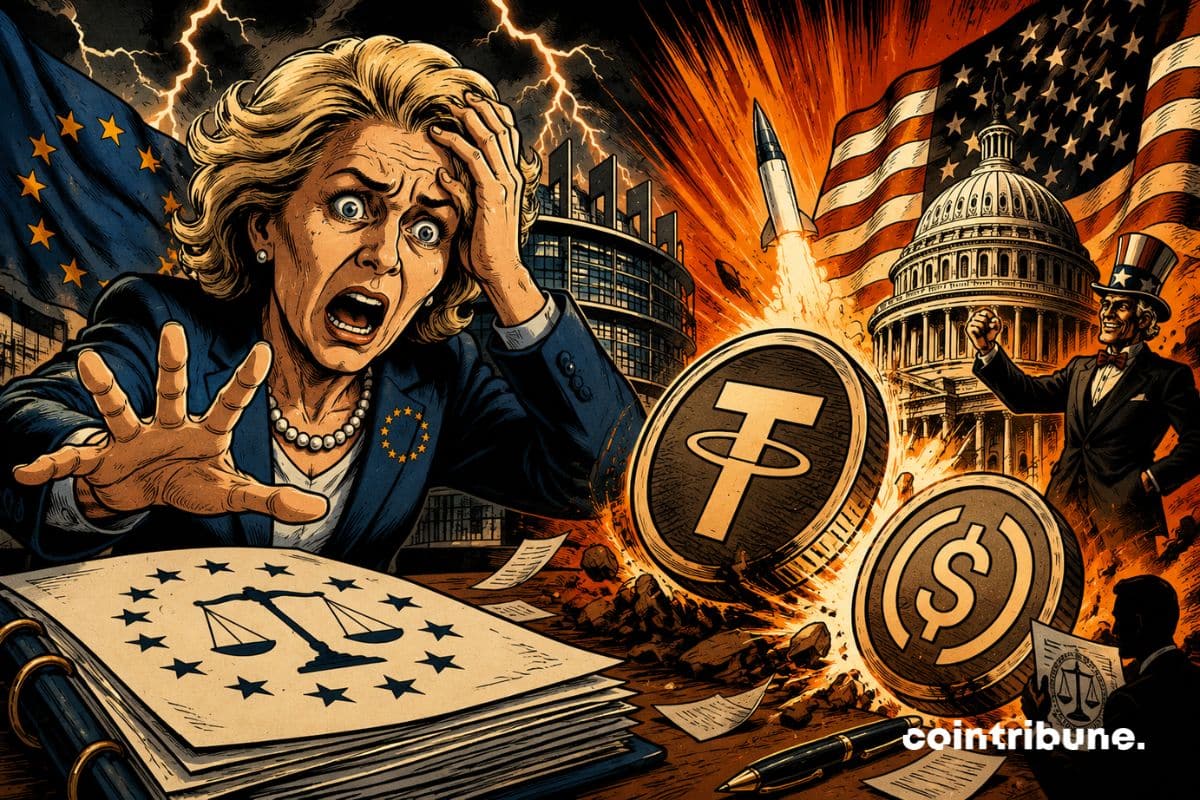
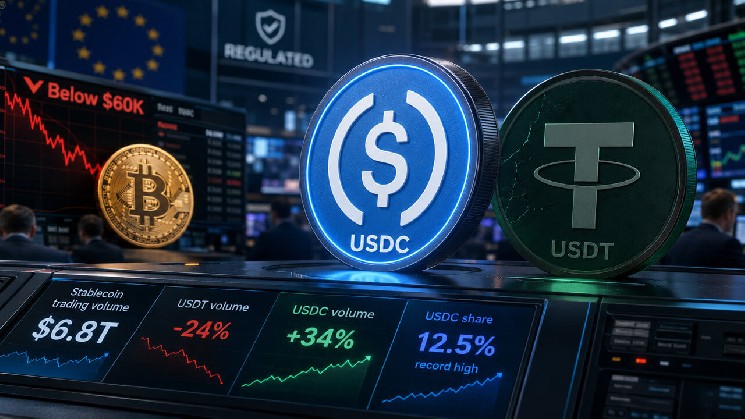
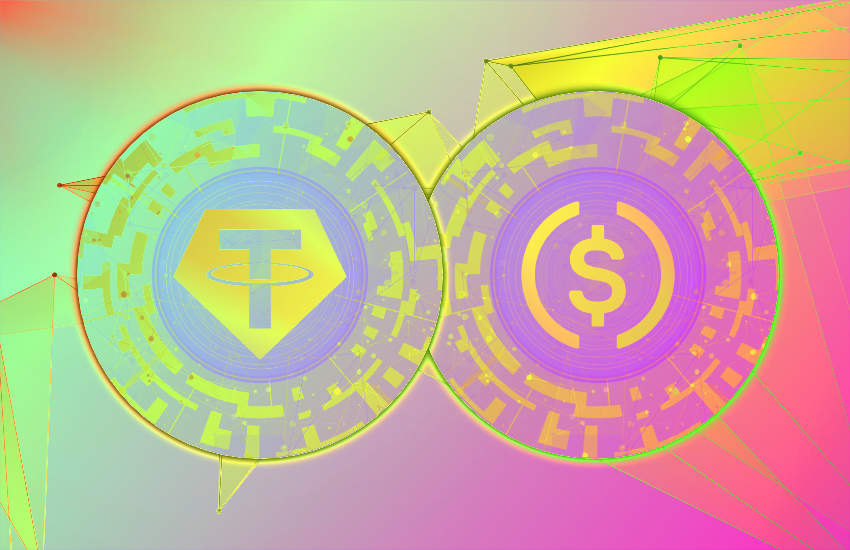
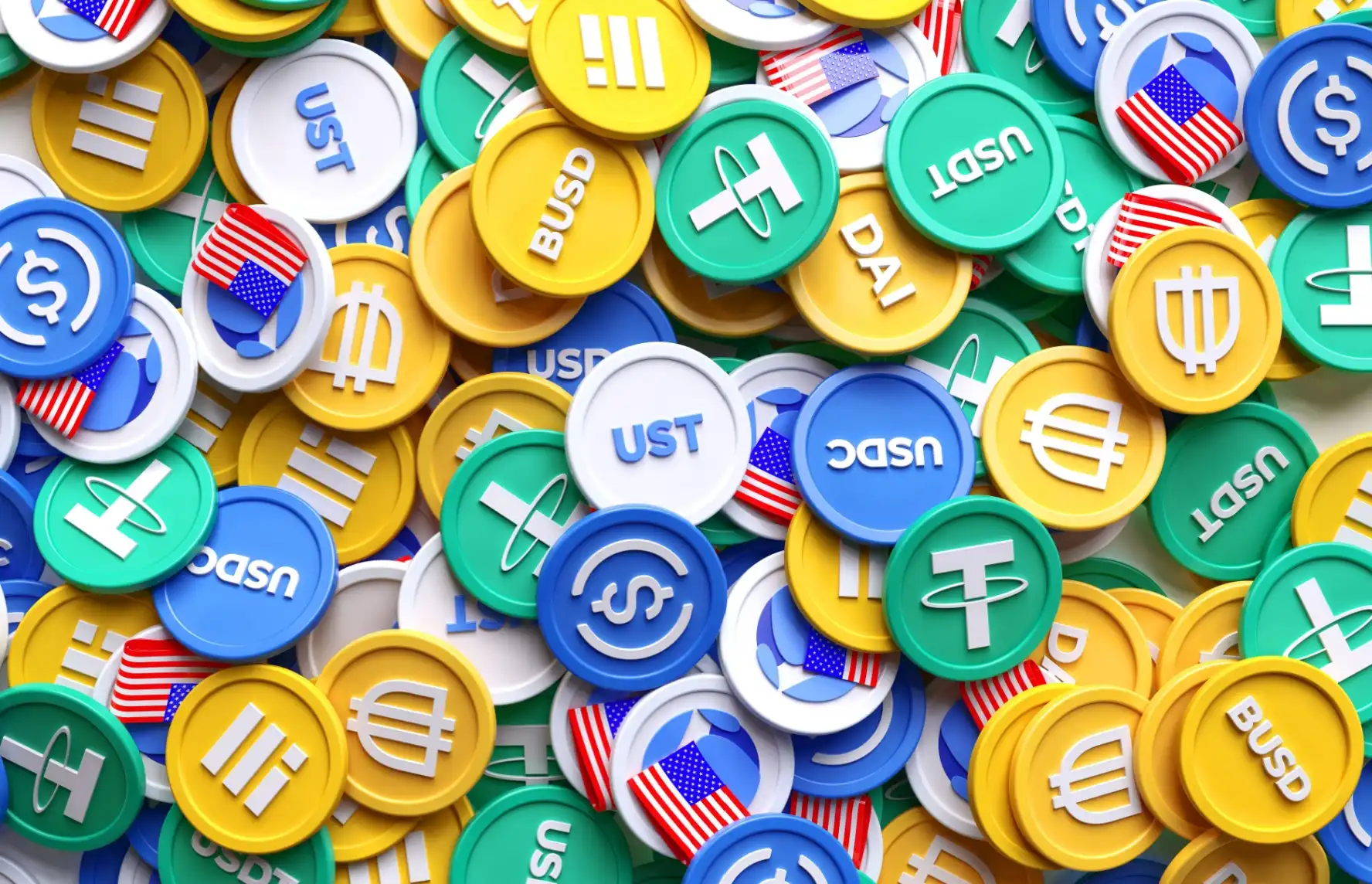
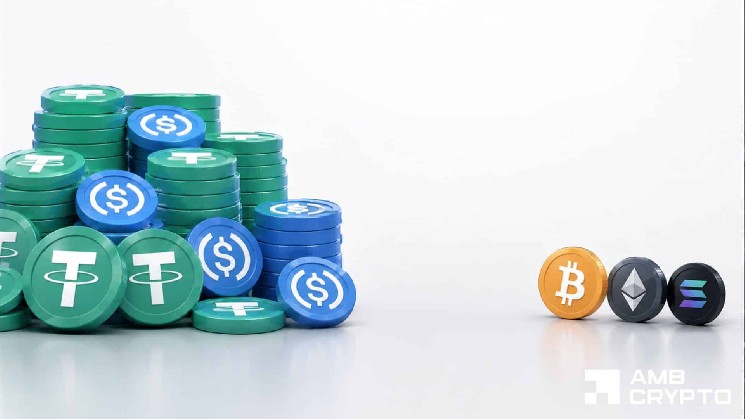
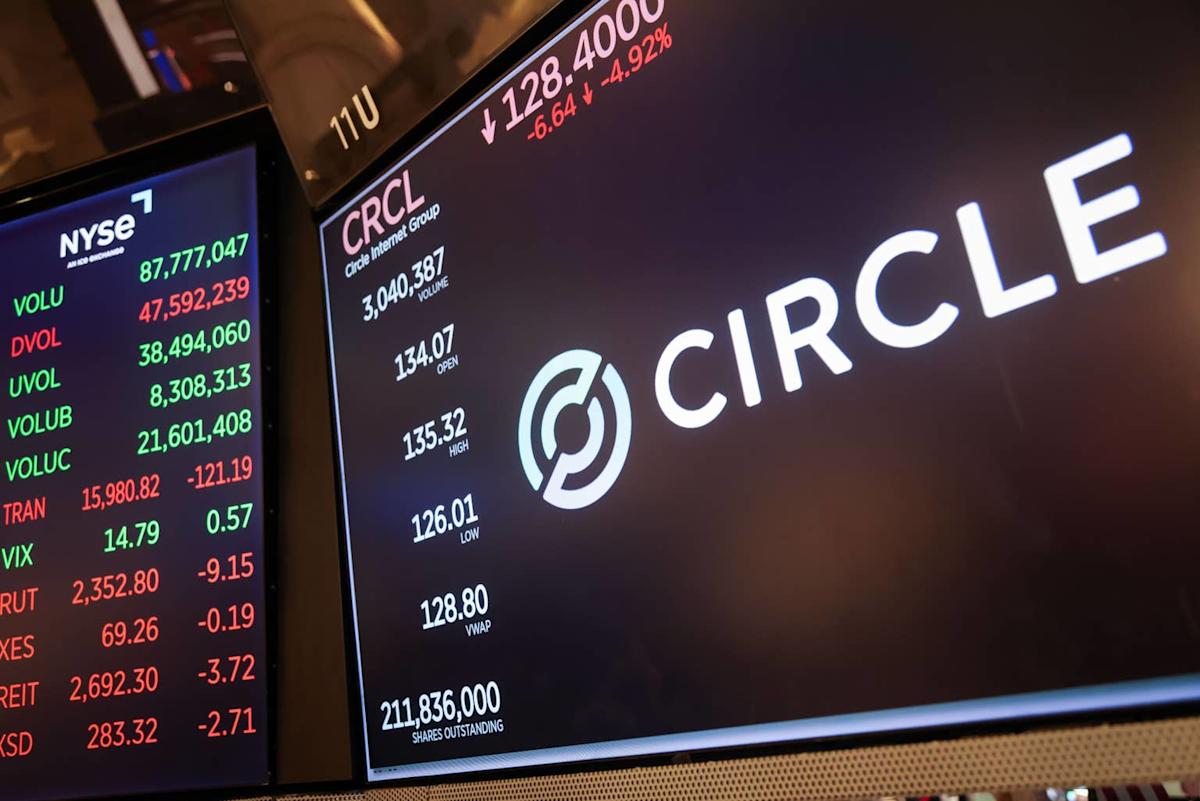
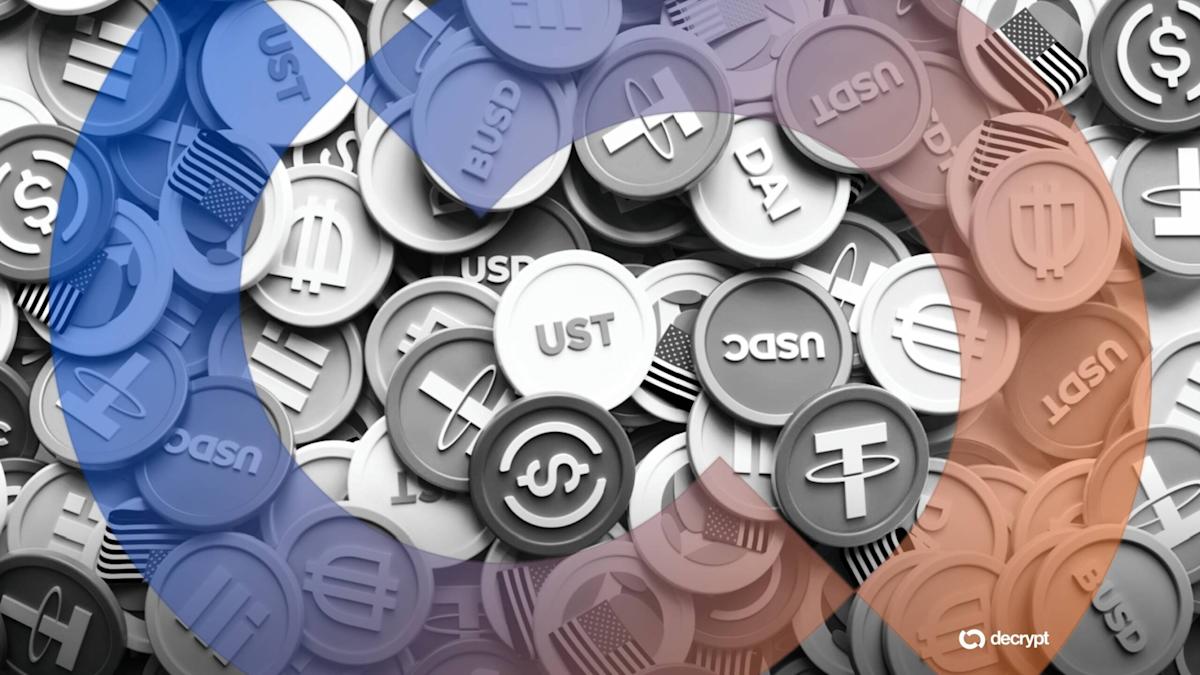
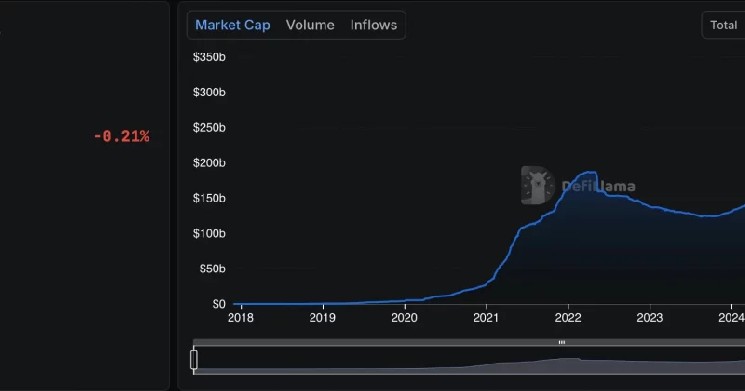
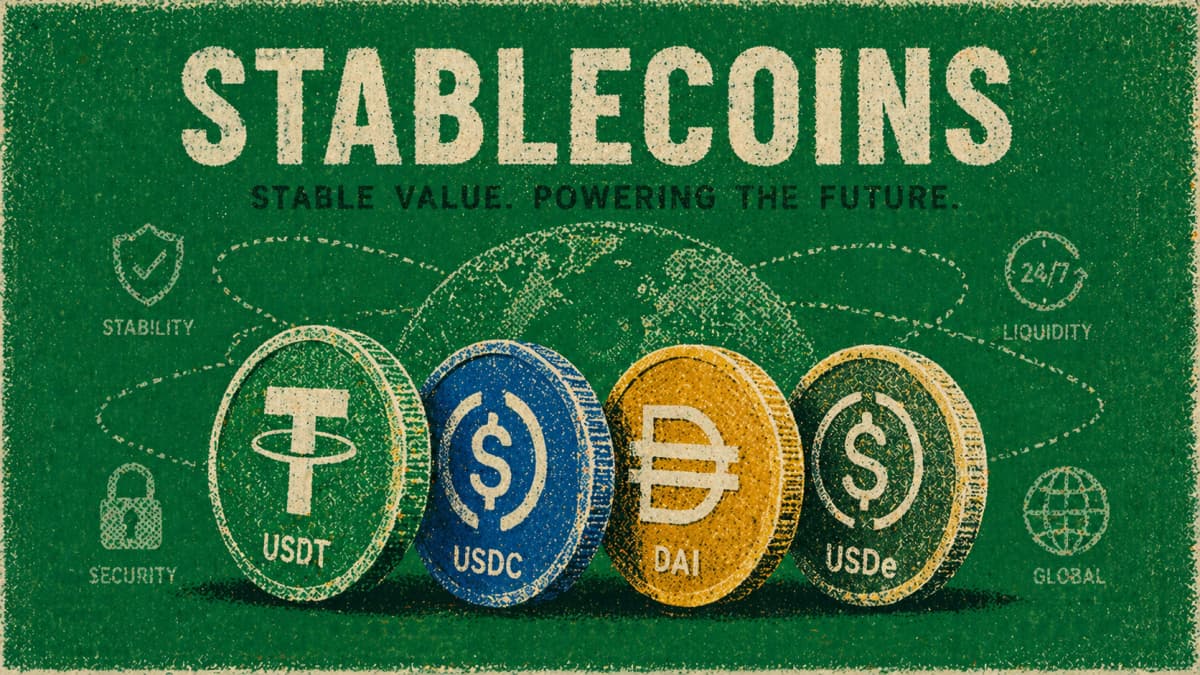
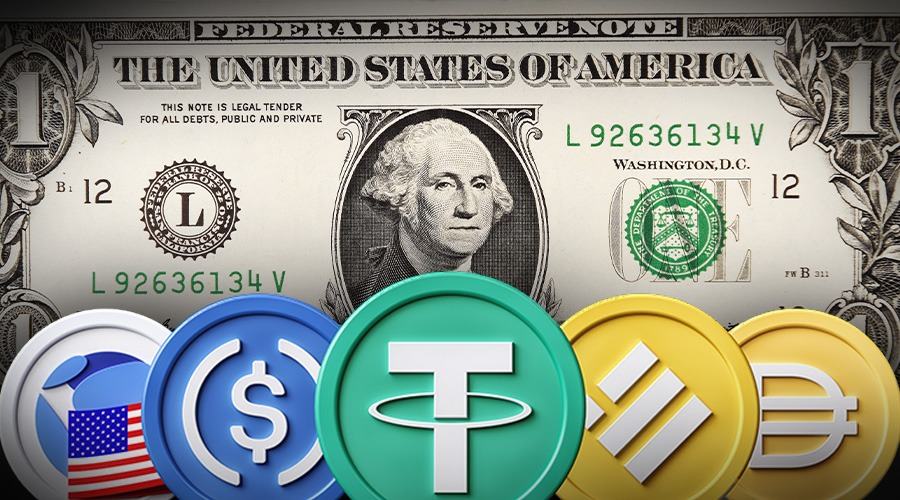
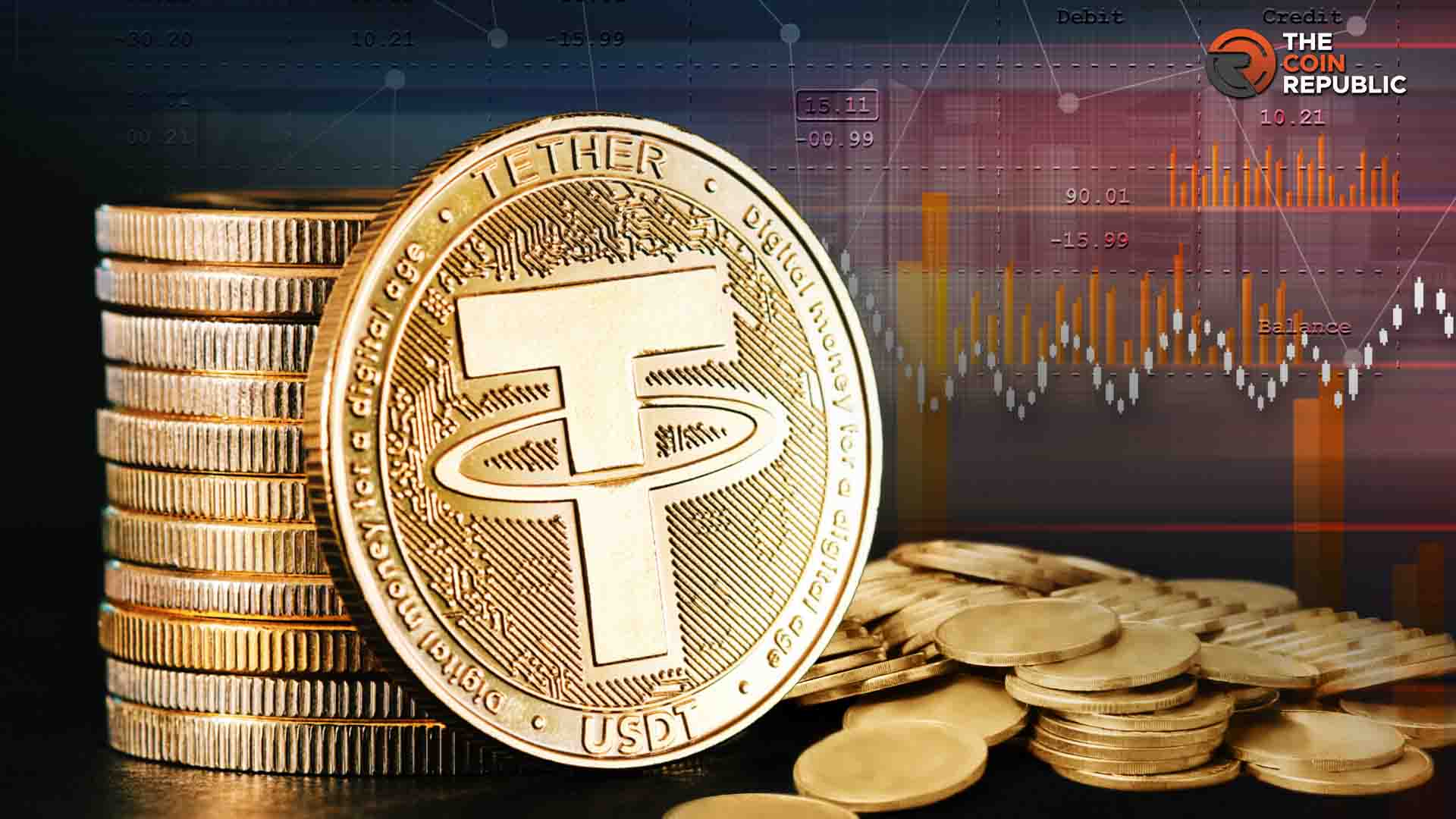
RLUSD remains a minor player. Ripple USD’s market cap stands at $1.57 billion, with 24-hour trading volume around $33 million, CoinGecko data shows. Circle’s USDC sits at $77.19 billion, while Tether’s USDT is way out in front at $189.55 billion.
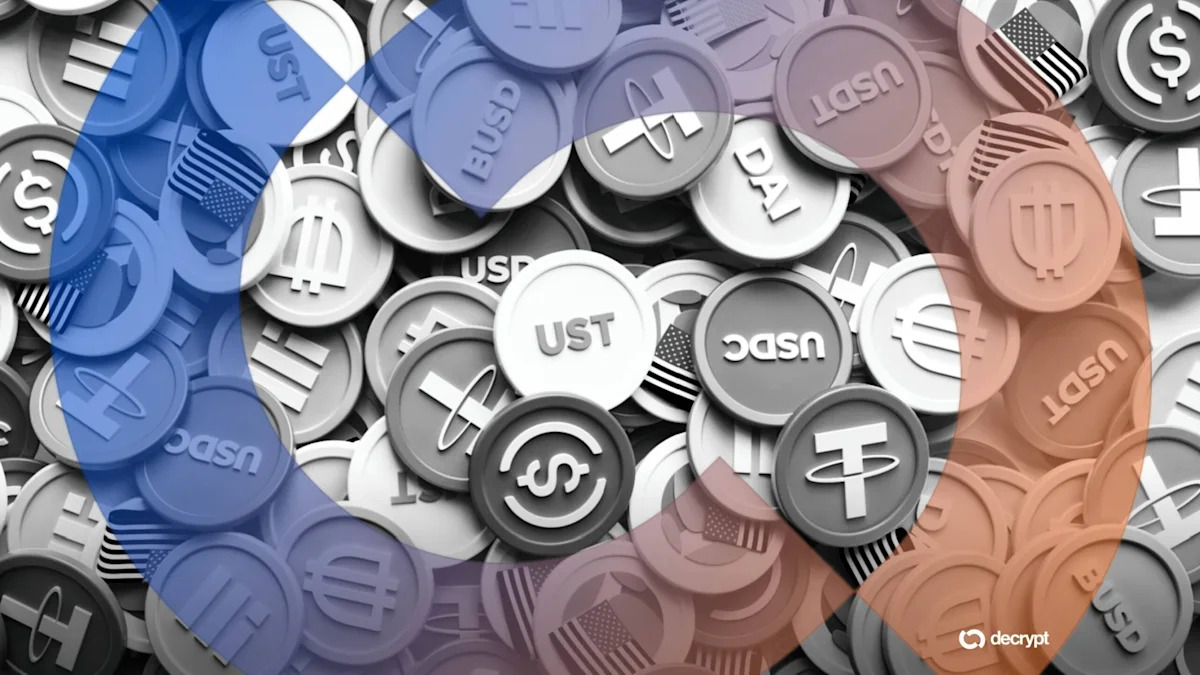
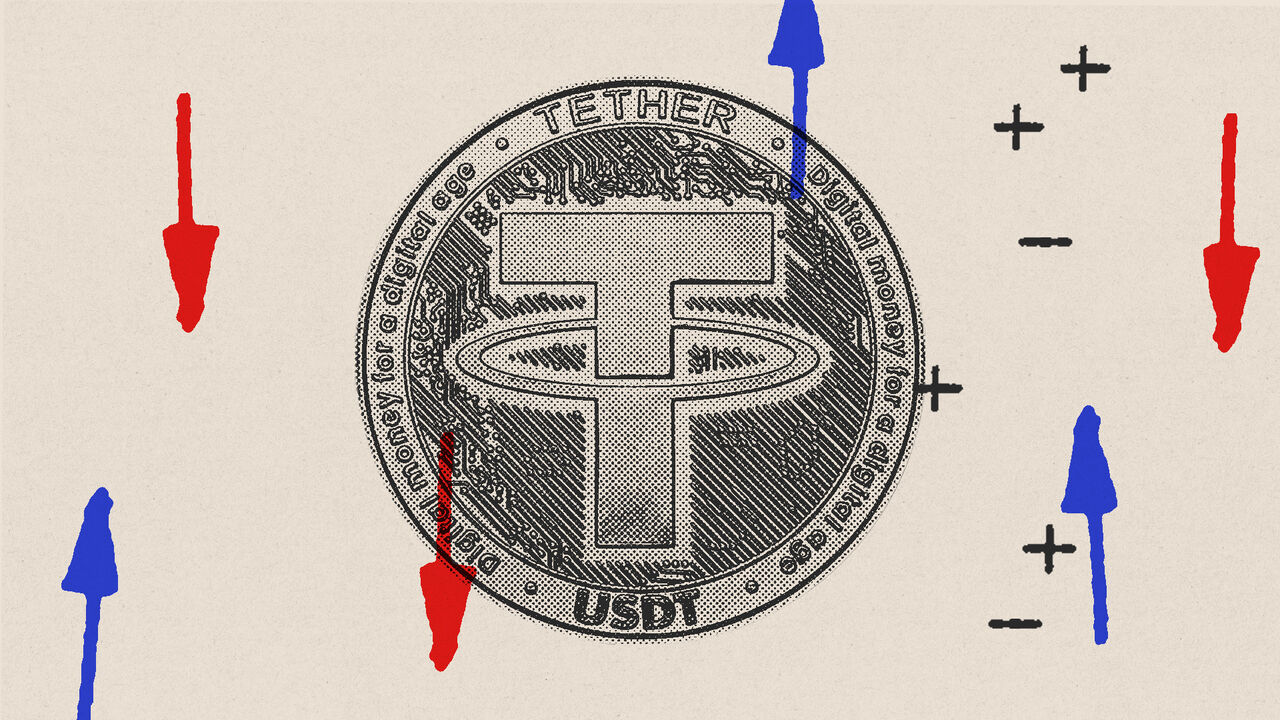
The scale difference defines the playing field. USDC leads among so-called “regulated stablecoins,” but USDT still claims the title of largest dollar-pegged token. Reuters, citing numbers from May 1, put Tether’s USDT in circulation at roughly $189.5 billion, backed mainly by U.S. Treasury bills. Gold accounted for around 10% of reserves at the end of March. Reuters
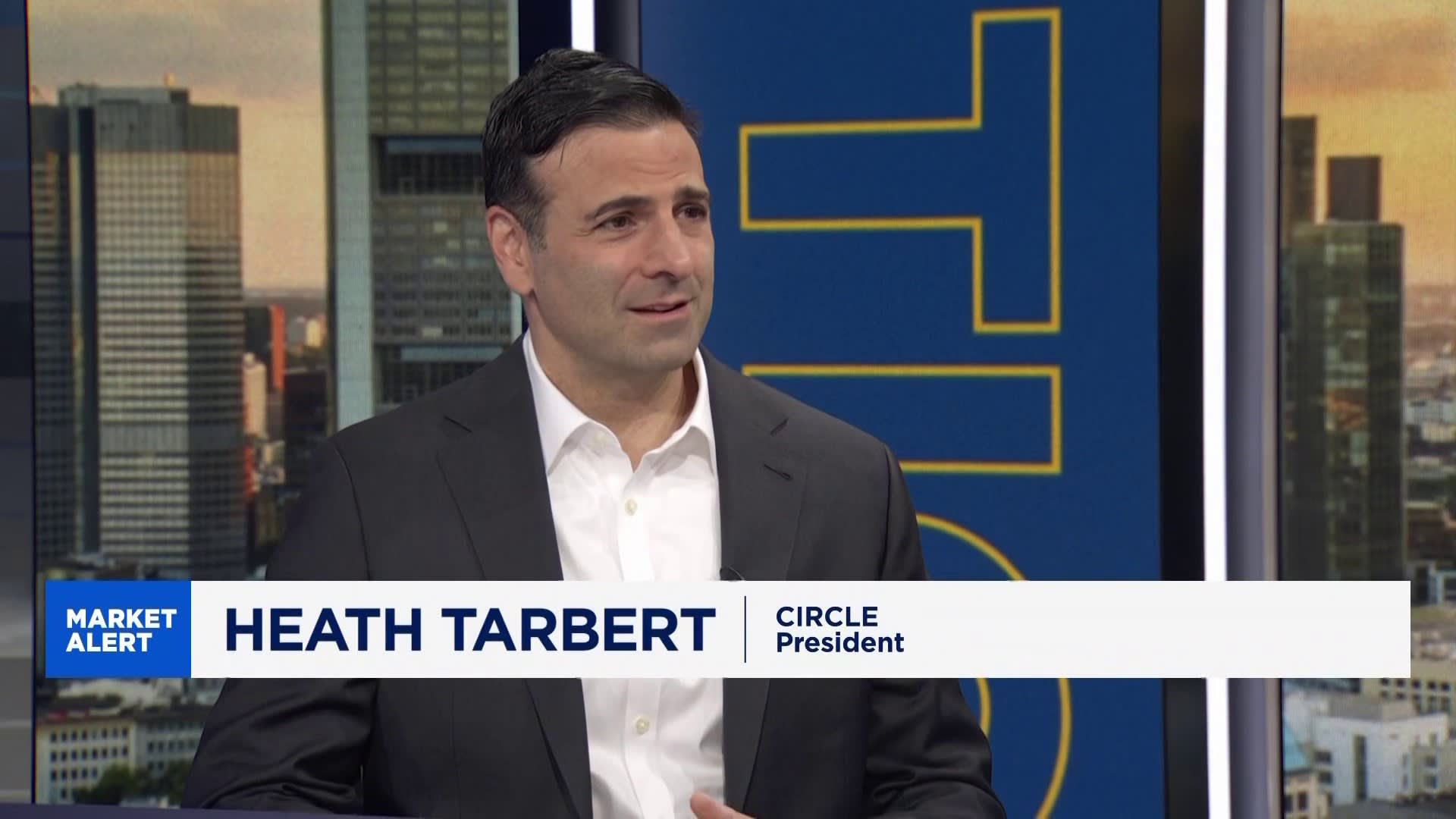
CryptoBriefing previously noted that the GENIUS Act has been steering focus to regulated stablecoins like USDC, as traders judge depeg risk on that token to be minimal. Circle, for its part, maintains USDC is entirely backed by very liquid reserves, with monthly reserve attestations available.
But it’s hardly a one-way street. Banks remain wary that stablecoin rewards might siphon deposits from the traditional banking system. On the other hand, crypto companies insist rewards pegged to genuine platform activity should remain. Coinbase’s policy chief Faryar Shirzad said the compromise keeps the door open for earning rewards through “real usage” of crypto networks and platforms. Reuters
Market-structure risk is also in play. On May 1, SIFMA flagged that if stablecoin issuance balloons to the levels regulators anticipate, reserve requirements could start affecting pricing in short-term Treasuries, repo markets, and government money funds. Consensys, weighing in on Treasury’s stablecoin efforts, said a sweeping interpretation of yield limits might end up targeting distribution partners and certain DeFi activities.
Ripple faces an immediate challenge: will OKX’s listing of RLUSD actually generate sustained liquidity, or is it just another token debut? Regulators, meanwhile, have a tougher job—distinguishing safe, dollar-backed settlement tokens from products that resemble banks, all without killing off the incentives that attracted issuers, traders, and exchanges to this space to begin with.