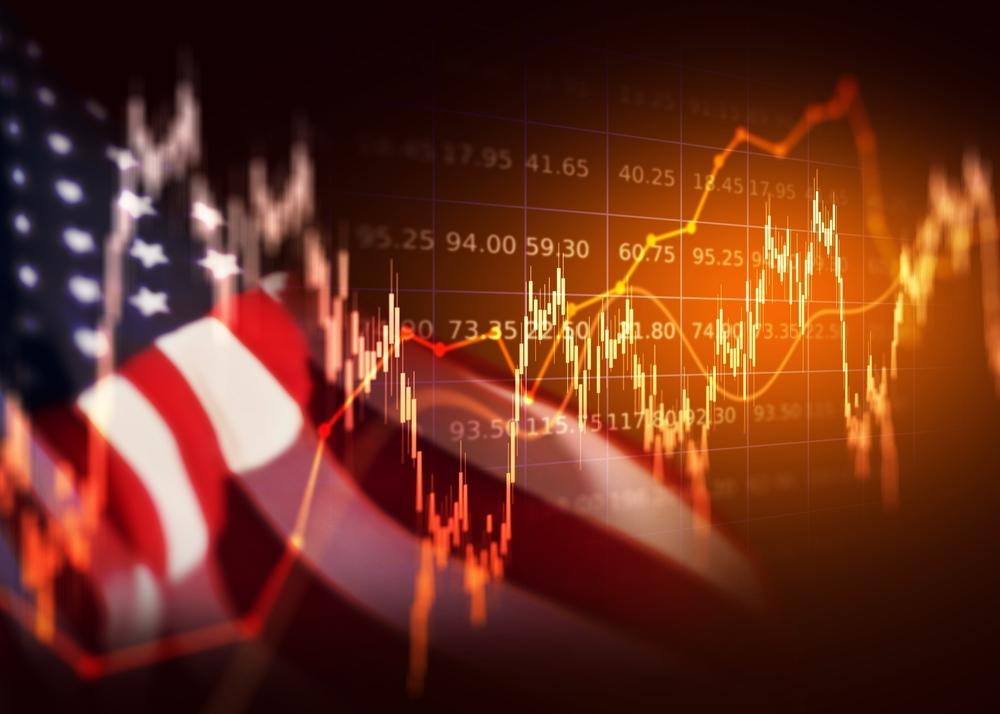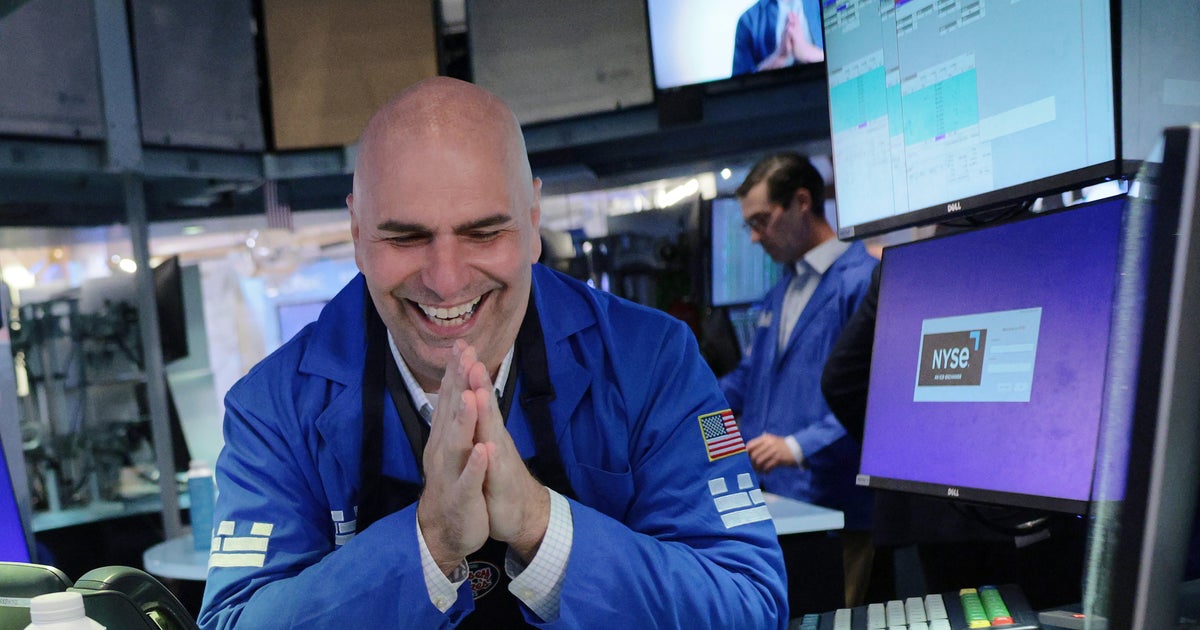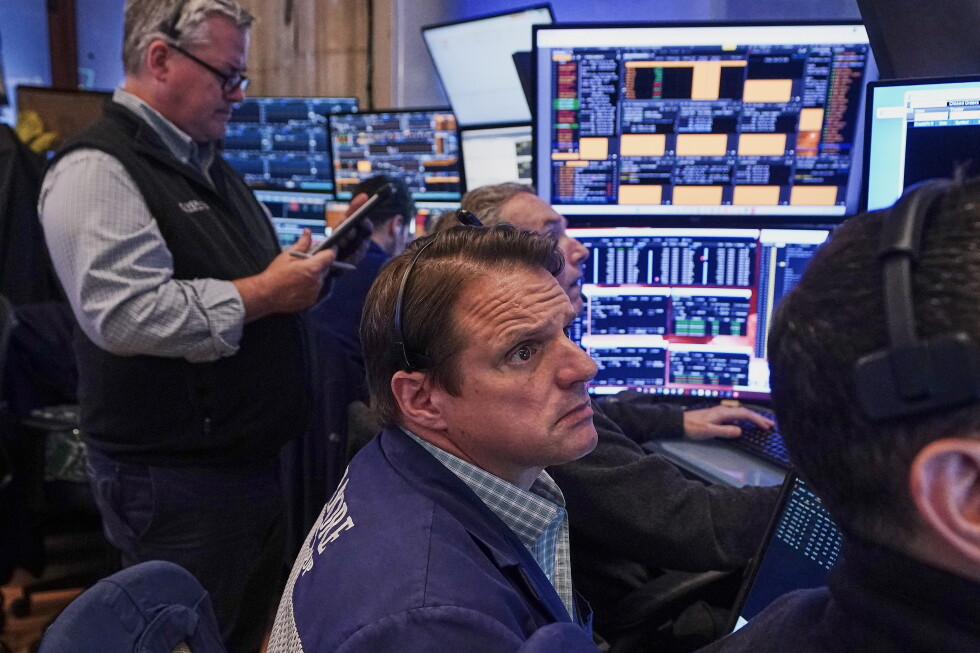
The Dow Jones Industrial Average is set to open higher on Wednesday 27 May 2026, with pre-market futures pointing to a gain of approximately 0.59%, suggesting an implied open around 50,960.
This comes after the blue-chip index was the notable laggard among major US indices on Tuesday, when it shed 118.02 points — or 0.23% — to close at 50,461.68, even as the S&P 500 and Nasdaq Composite surged to fresh all-time highs.
Tuesday’s divergence between the Dow and its sibling indices was a telling illustration of the structural character of the current market rally. The blue-chip index — composed of 30 large-cap companies selected for their representativeness of the broader US economy — was pulled lower by heavyweight declines in its healthcare and energy components, even as the broader market celebrated a historic day for semiconductor stocks.
Why the Dow Underperformed on Tuesday
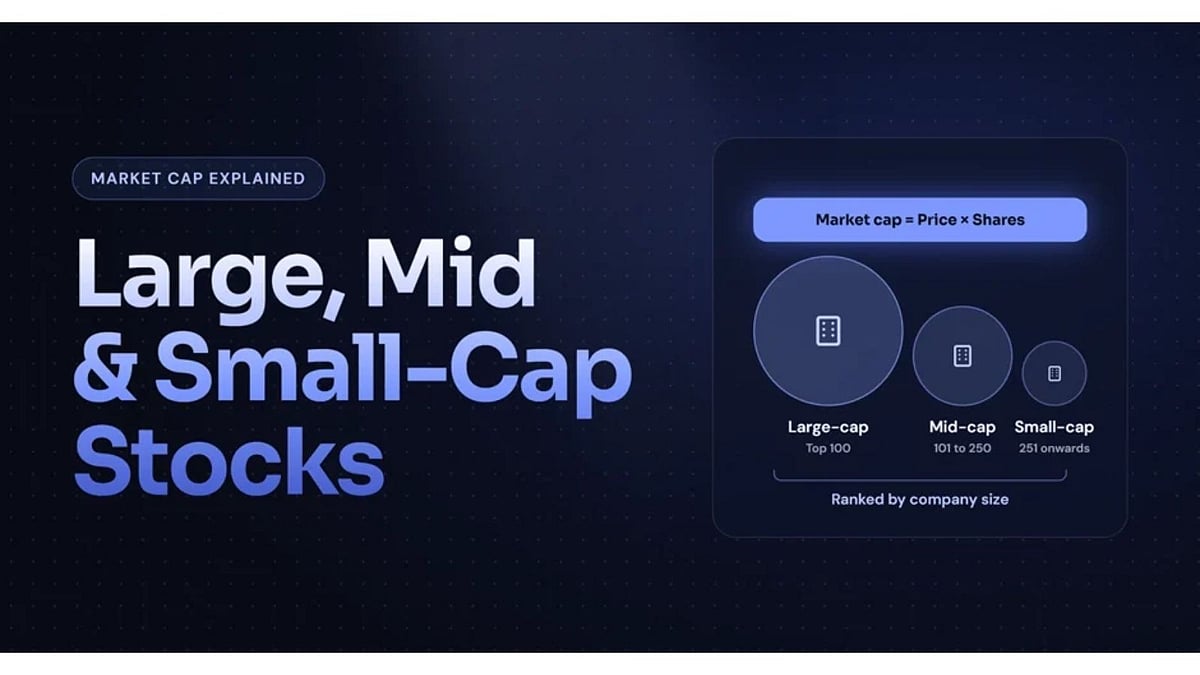
Understanding the Dow’s Tuesday underperformance is essential context for Wednesday’s trading. Unlike the S&P 500, which is market-capitalisation weighted, the Dow Jones Industrial Average is price-weighted: a stock with a higher share price exerts greater influence on the index, regardless of the company’s total market value. This structural feature means the Dow behaves differently from the broader market, particularly in periods of narrow, sector-driven rallies.
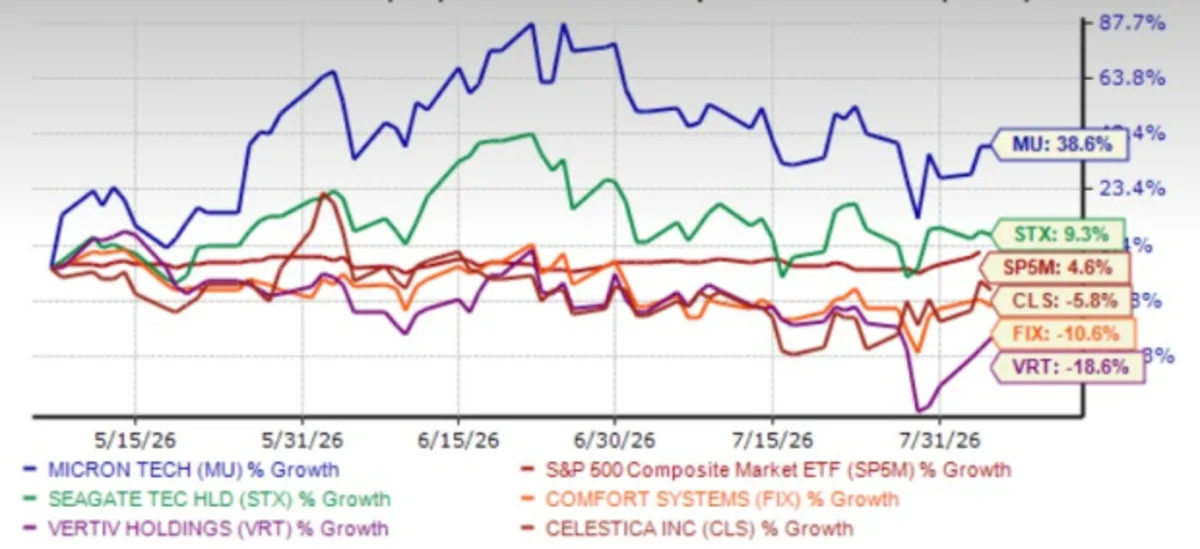
Tuesday’s advance was overwhelmingly concentrated in semiconductors and AI-linked technology stocks — categories well-represented in the S&P 500 and Nasdaq Composite but less so in the Dow’s curated 30-stock roster. Micron Technology, whose extraordinary 19% surge to a $1 trillion market capitalisation was the day’s dominant story, is not a Dow component. The result was that the index missed the engine of Tuesday’s rally almost entirely.
Instead, the Dow was dragged down by UnitedHealth Group and Merck, both of which declined meaningfully on Tuesday, reflecting continuing concerns about drug pricing policy and managed care cost trends. Energy components ExxonMobil and Chevron also retreated as crude oil prices fell sharply on US-Iran ceasefire optimism, compounding the Dow’s underperformance.
The Dow’s Historical Context: 130 Years of American Industrial Strength
To fully appreciate what Wednesday’s trading means for the Dow Jones Industrial Average, it is worth pausing to consider the extraordinary historical context of this index. Founded on 26 May 1896 — meaning the Dow literally celebrated its 130th birthday yesterday — by Charles Dow and Edward Jones, the index was originally composed of twelve industrial companies and was designed to provide a simple, daily measure of US stock market performance.
Today, the index is maintained by S&P Dow Jones Indices and comprises 30 blue-chip companies with a combined market capitalisation of approximately $22.9 trillion. The Dow crossed the 50,000 threshold for the first time earlier in 2026 — a remarkable landmark in its 130-year history. The index set record closing highs of 50,285 on 21 May and 50,579 on 22 May — demonstrating that despite its Tuesday stumble, the long-term trend remains decisively upward.
Wednesday’s Potential Catalysts: What Could Drive the Dow Higher
Several factors support the case for a Dow recovery on Wednesday 27 May. First and most importantly, the broader geopolitical backdrop continues to improve. Diplomatic progress on the US-Iran ceasefire has been the dominant positive catalyst for global markets throughout the latter half of May, and any incremental positive development in those talks today would likely boost risk sentiment across the board — including in the Dow’s energy, industrial, and financial components.
Second, the continued decline in oil prices — Brent crude is down nearly 4% on Wednesday morning — benefits several Dow components that are significant consumers of energy-derived inputs. Chemical companies and consumer goods manufacturers all face lower input cost pressures when energy prices fall, which tends to support earnings estimates and therefore valuations.
Third, Goldman Sachs was actually among the strongest Dow performers on Tuesday, gaining 1.84%. Honeywell International and Caterpillar also showed strength — both gaining more than 1% — as industrials continued to benefit from infrastructure spending tailwinds and the reshoring of manufacturing capacity.
Healthcare: The Dow’s Biggest Challenge
The healthcare sector is, without doubt, the most complex and contested area of the Dow Jones Industrial Average right now. UnitedHealth Group has been in an almost uninterrupted downtrend for the past several weeks, reflecting a combination of factors that include adverse earnings surprises, regulatory scrutiny of managed care practices, and broader uncertainty around drug pricing legislation. As one of the highest-priced stocks in the price-weighted Dow, UnitedHealth’s continued weakness has a disproportionate downward pull on the index.
Merck faces its own headwinds, including patent cliff concerns as blockbuster drugs near the end of their exclusivity periods and intensifying competition from biosimilar manufacturers.
For the Dow to sustain a meaningful recovery above the 50,500–51,000 range, it will likely need a stabilisation in healthcare. Any positive news from either company’s pipeline, or any policy development that reduces the risk of adverse drug pricing legislation, could act as a significant catalyst for the blue-chip index.
Energy Stocks: Lower Oil Prices Cut Both Ways
The Dow’s energy components — primarily ExxonMobil and Chevron — present a nuanced story in the current environment. Both companies have been among the index’s strongest performers over the past 18 months, as elevated crude prices driven by the Middle East conflict boosted revenue and free cash flow well above long-term averages. ExxonMobil has used this period of high earnings to accelerate its share buyback programme and strengthen its balance sheet.
However, as ceasefire talks between the US and Iran gain traction, the energy sector faces a potentially significant rerating. If a deal is struck that fully reopens the Strait of Hormuz to oil trade, the market anticipates a meaningful decline in crude prices — potentially toward the $75–$85 per barrel range, according to various bank estimates.
On the other hand, both companies have invested heavily in cost reduction and diversification over the past decade, positioning themselves to remain profitable even at oil prices well below current levels.
Industrial Giants: Caterpillar, Boeing, and the Infrastructure Story
Among the most interesting sub-narratives within the Dow Jones Industrial Average in 2026 is the performance of its industrial components. Caterpillar, the Illinois-based heavy equipment manufacturer, has been a consistent performer, benefiting from robust infrastructure spending in the United States, ongoing mining and construction activity across emerging markets, and the restocking of equipment fleets that were depleted during the supply chain disruptions of 2022–2024.
Boeing, the aerospace and defence manufacturer that re-joined the Dow after its turbulent years of safety and production issues, continues to attract intense investor scrutiny. The company’s commercial aviation recovery — driven by a global surge in air travel demand — has been broadly positive, but production ramp-up challenges and a complex labour relations environment mean that execution risk remains elevated.
The combination of renewed infrastructure investment, defence spending increases across NATO members, and the commercial construction boom associated with US reshoring initiatives provides a broadly supportive backdrop for the Dow’s industrial components.
The Dow and the Federal Reserve: A Price-Sensitive Relationship
Among the major US indices, the Dow Jones Industrial Average has a particularly sensitive relationship with changes in Federal Reserve interest rate policy. Several of its largest components — Goldman Sachs, JPMorgan Chase, and American Express — benefit directly from higher interest rates through improved net interest margins and more robust credit demand.
The current environment — in which the Fed is on hold and the market is beginning to price in the possibility of rate cuts later in 2026 — creates a nuanced backdrop for Dow components. Financial stocks may face some near-term margin pressure as rate cut expectations build, but the broader index is likely to benefit from the improved consumer and business sentiment that typically accompanies a pivot toward easier monetary conditions.
New Fed Chairman Kevin Warsh’s stated intention to break with established FOMC communication practices introduces an additional element of uncertainty. If Warsh opts for less forward guidance and more meeting-to-meeting flexibility, markets may find it harder to price in the path of rates, potentially leading to episodic volatility.
What Investors Should Watch
The Dow Jones Industrial Average on Wednesday 27 May 2026 is a study in the enduring complexity of blue-chip investing. While the headline narrative of AI and semiconductor exuberance dominates the S&P 500 and Nasdaq, the Dow tells a more grounded story — one of healthcare policy uncertainty, energy sector transition, industrial resilience, and the slow but discernible possibility of monetary policy relief.
Wednesday’s session is likely to see the Dow recover some of Tuesday’s losses. The key questions for the day will be whether healthcare stocks show any stabilisation, whether oil’s continued decline provides enough of a tailwind to cyclical industrials and consumer names to offset energy sector weakness, and whether any US-Iran diplomatic developments provide the geopolitical backdrop that has been the primary engine of sentiment improvement.
At 130 years old, the Dow Jones Industrial Average has witnessed everything from the Great Depression to the dot-com bubble to the global financial crisis. Its current level above 50,000 is a testament to the enduring capacity of American business to grow, adapt, and create value over time — even in periods of profound uncertainty.