- May 3, 2026
- Olivia
- 0
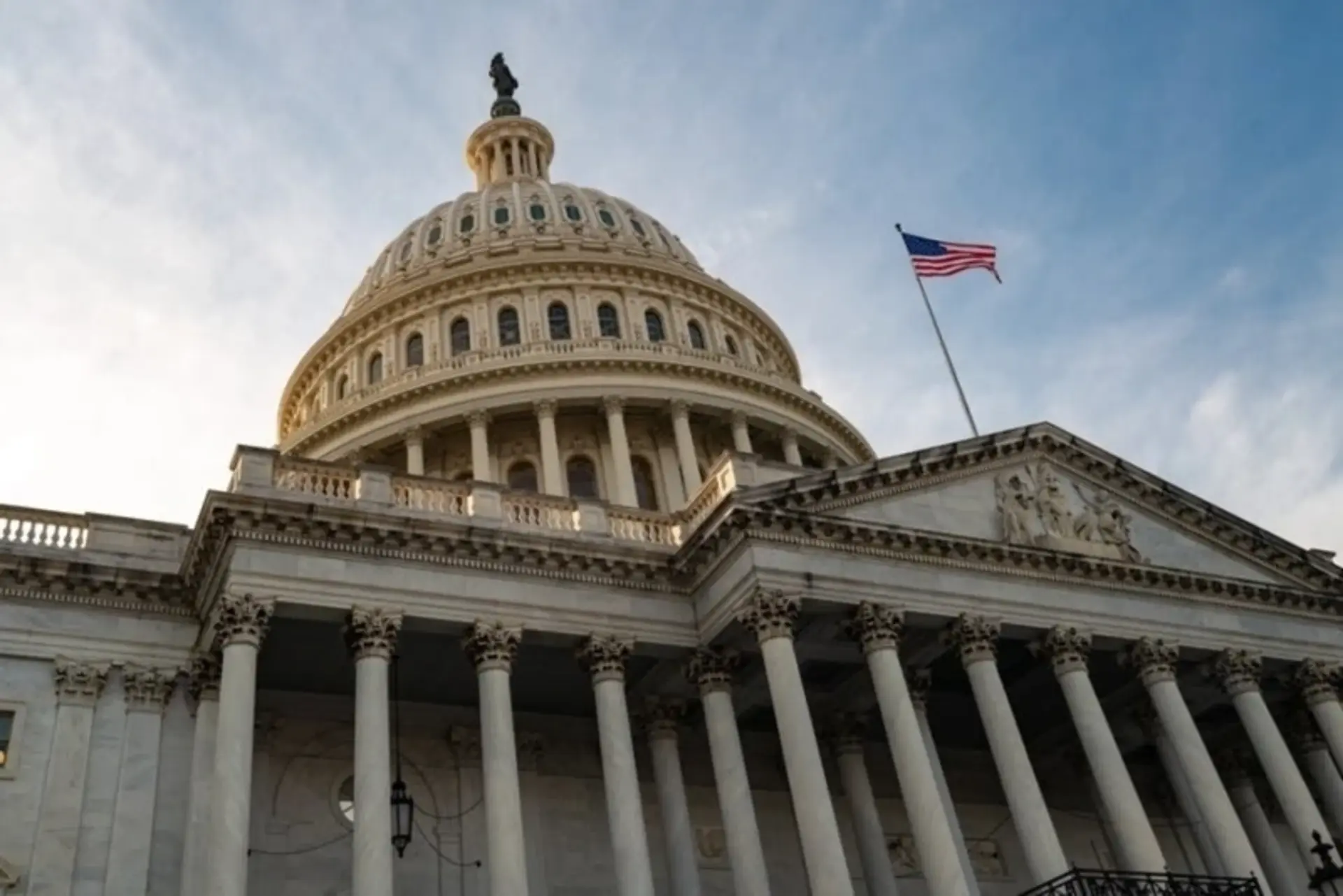
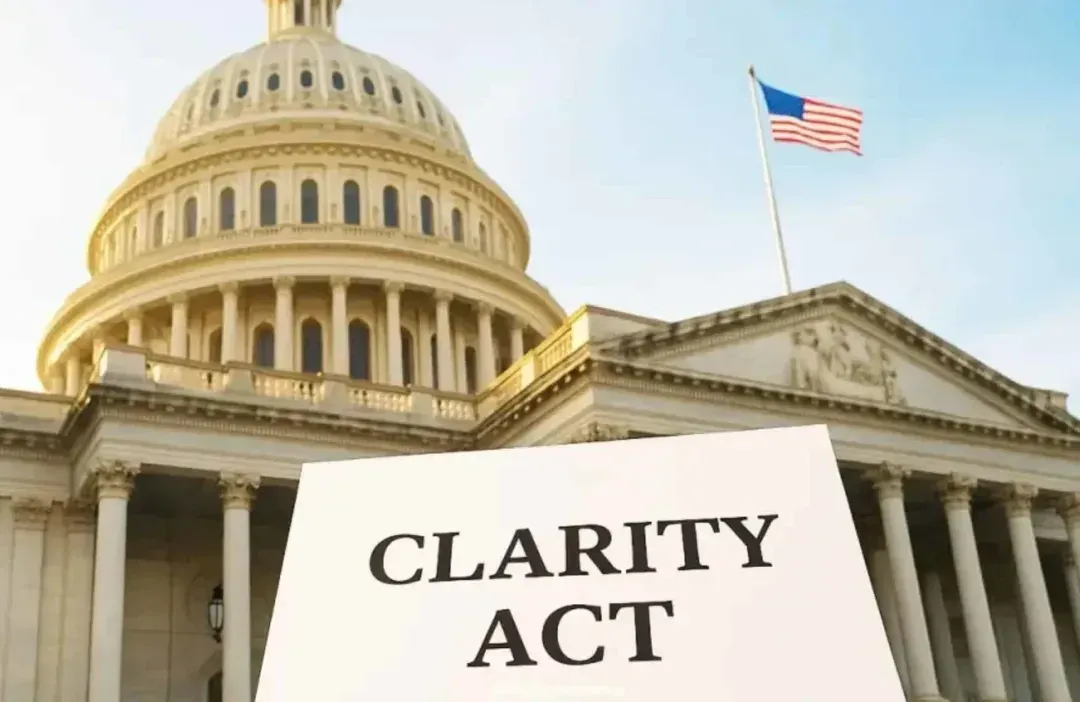
Lawmakers have reportedly struck an important agreement on the way toward finalizing new cryptocurrency legislation.
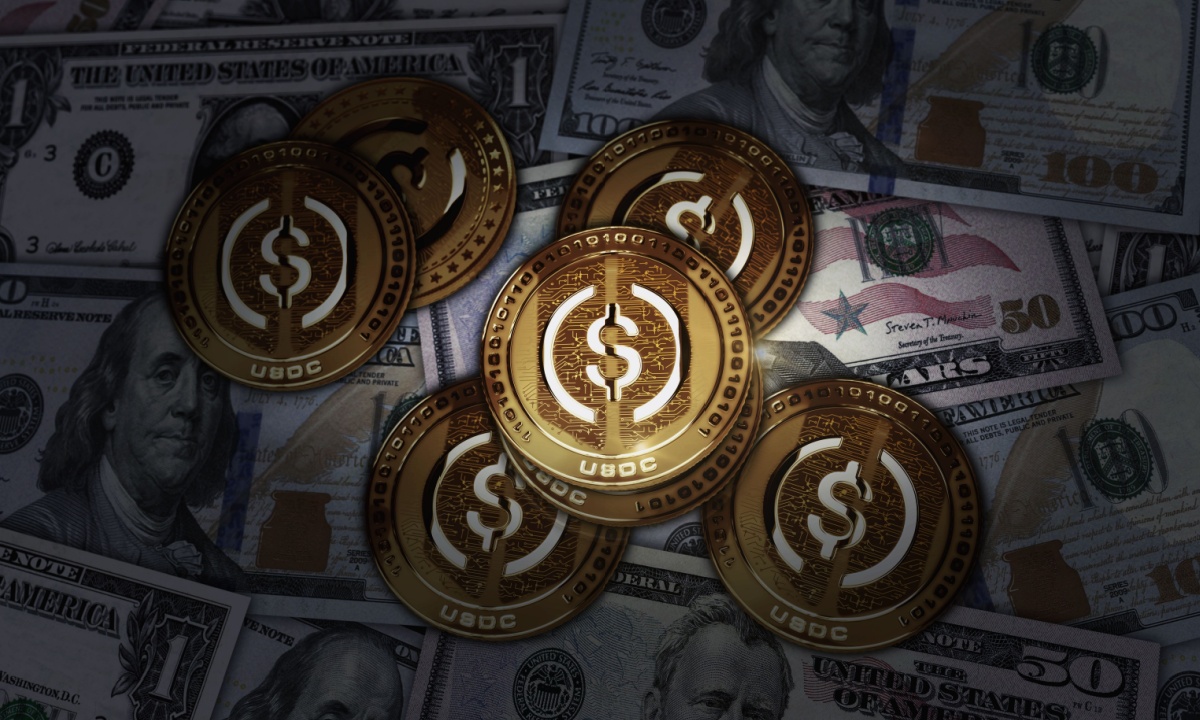
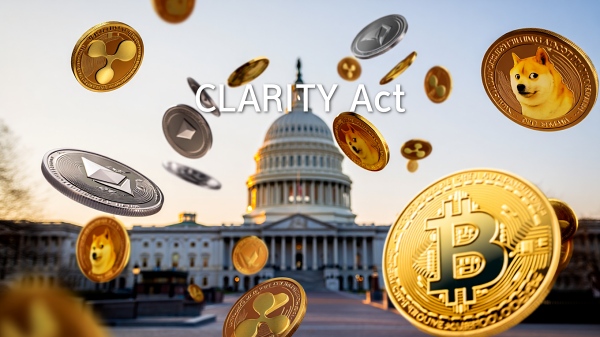
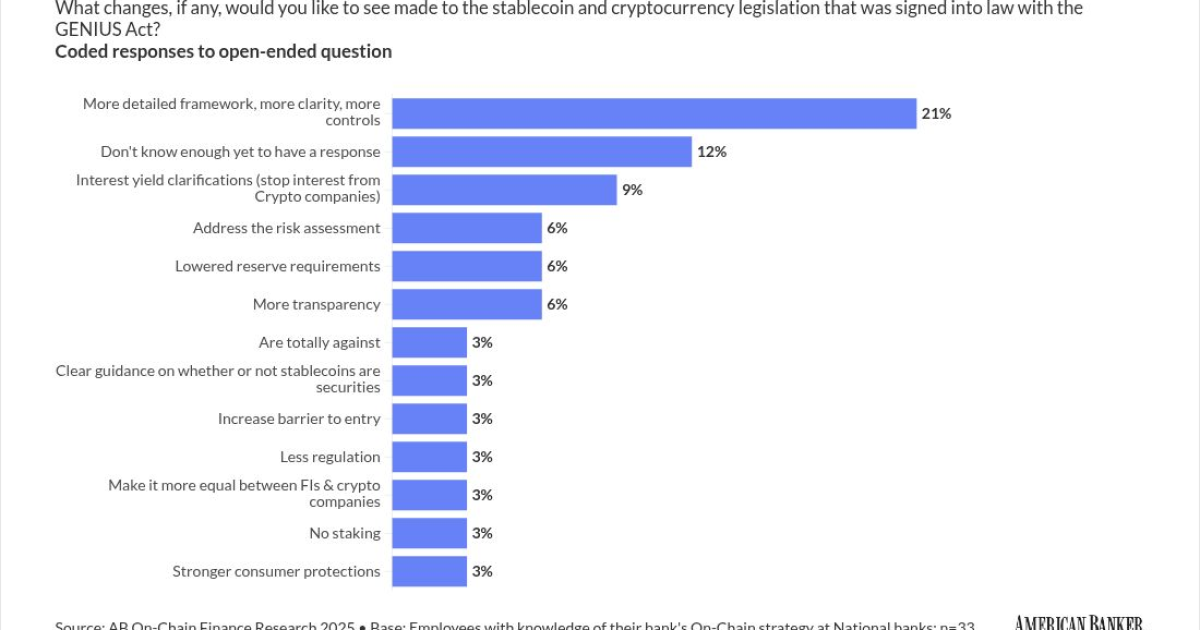
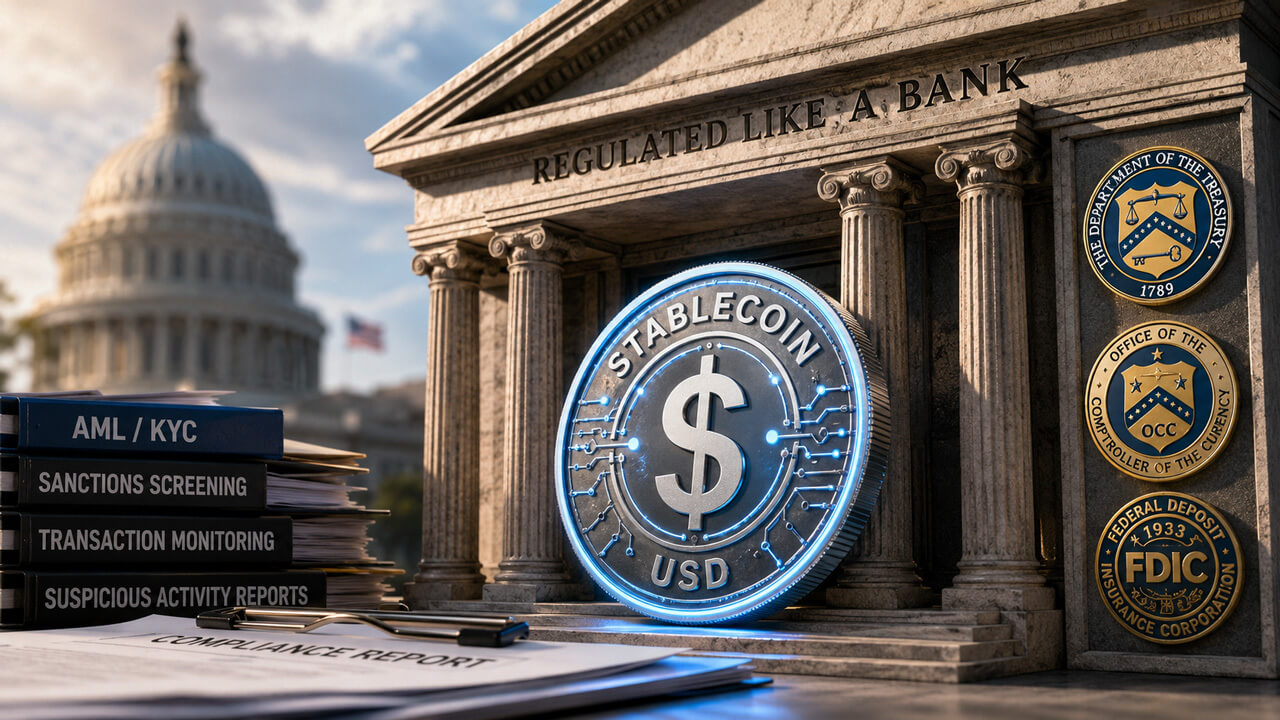
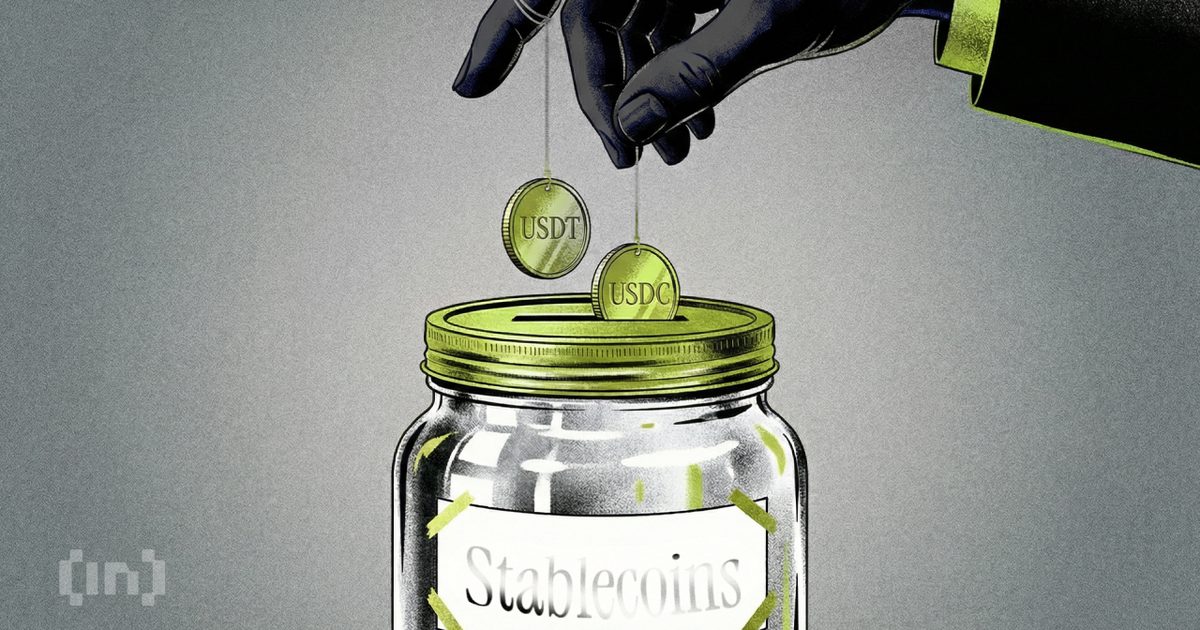
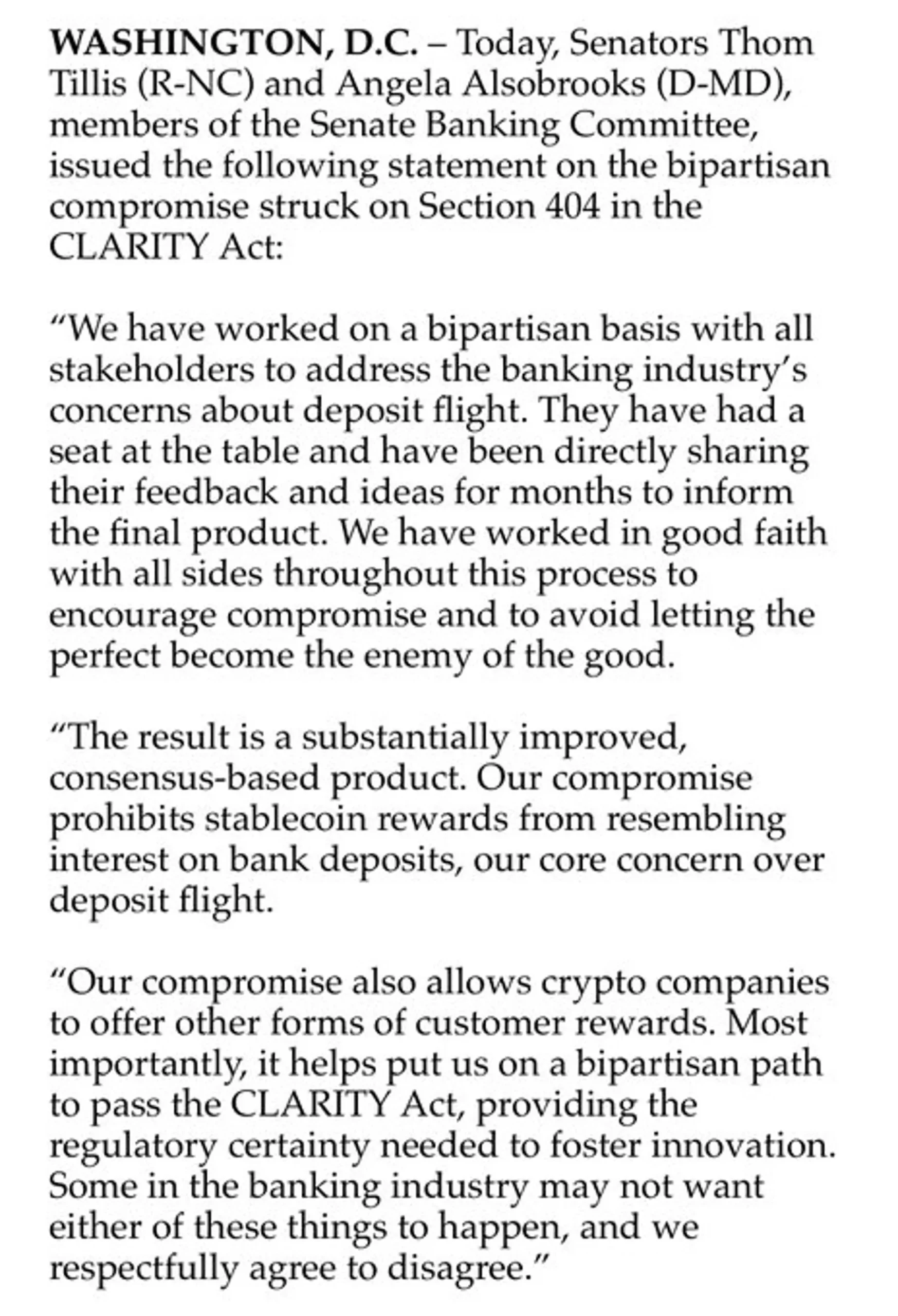
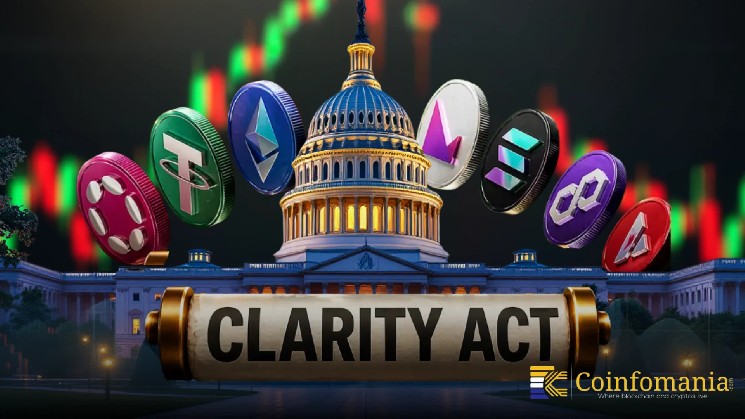
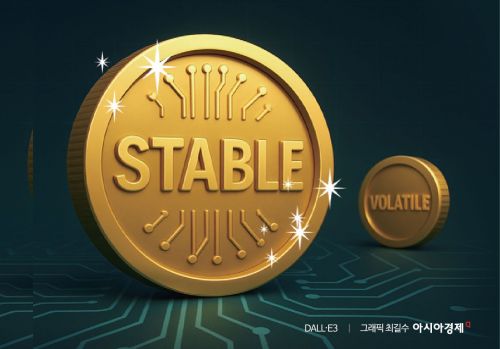
As Punchbowl News reported Friday (May 1), Sens. Thom Tillis, R-N.C., and Angela Alsobrooks, D-Md., have reached a compromise to restrict stablecoin yield and rewards, a key development as the Senate plans a crypto markup later this month.
A copy of the agreement obtained by the news outlet includes new language for the so-called CLARITY Act establishing requirements for crypto companies to offer stablecoin rewards.
Among the requirements is a ban on rewards offered “in a manner that is economically or functionally equivalent to the payment of interest or yield on an interest-bearing bank deposit,” the report added.
In addition, the agreement also calls on regulators to come up with new stablecoin regulations, including the development of a new stablecoin disclosure regime and a set of permissible reward activities.
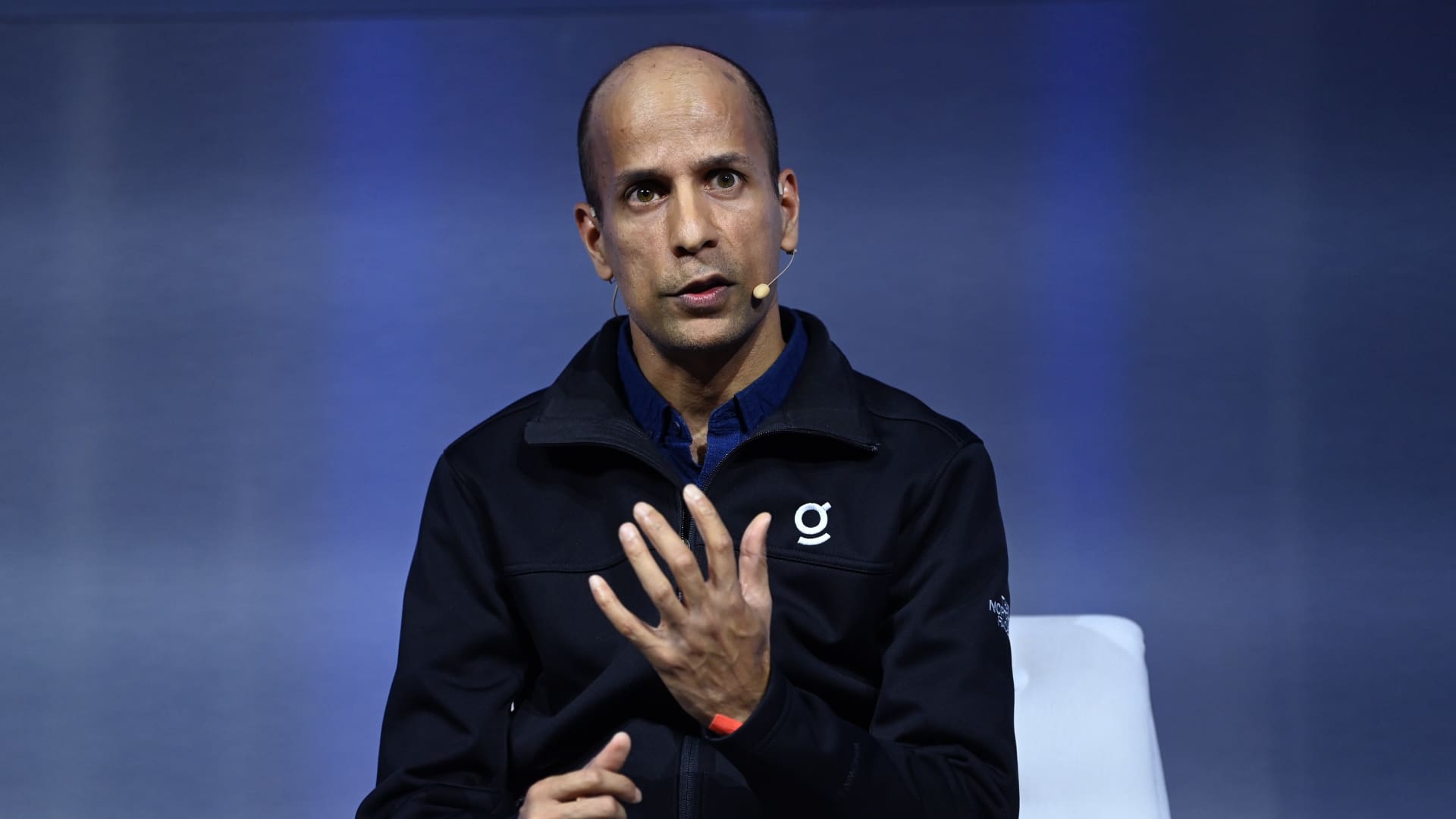
Coinbase Chief Policy Officer Faryar Shirzad had also mentioned that an agreement had been struck Friday in a social media post.
Advertisement: Scroll to Continue
“In the end, the banks were able to get more restrictions on rewards, but we protected what matters – the ability for Americans to earn rewards, based on real usage of crypto platforms and networks,” Shirzad wrote in a post on X.
“We also ensured the US can be at the forefront of the financial system – which in this competitive geopolitical era is paramount.”
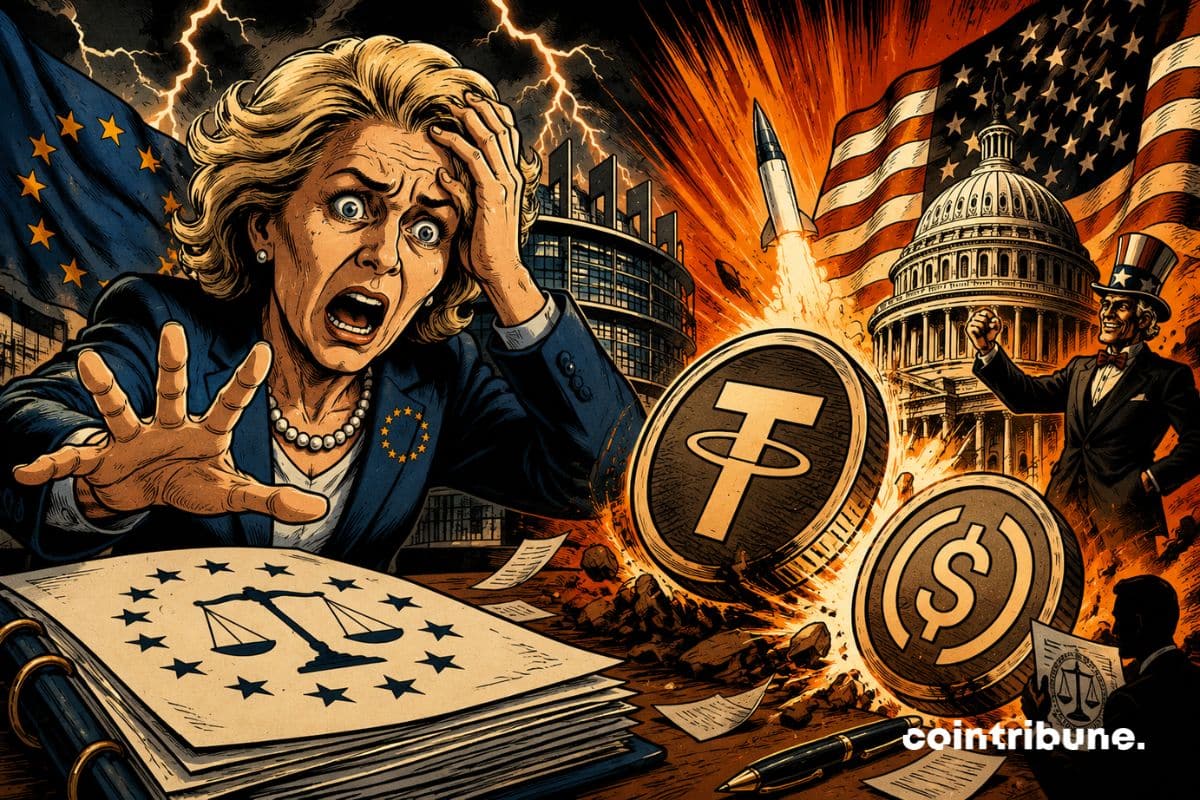
While the CLARITY Act made it through the House of Representatives in 2025, it has remained stalled in the Senate since January amid disagreements between traditional financial institutions and crypto companies, especially around rules for stablecoin interest payments.
The White House, which has been calling on banks to reach an accord, has said that banning those yield rewards would only raise traditional lending by 0.02%, with around three quarters of it coming from larger lenders and the rest from community banks.
However, findings last year from industry group Independent Community Bankers of America (ICBA), showed community banks giving up $1.3 trillion in deposits and $850 billion in loans if stablecoin rewards were allowed.
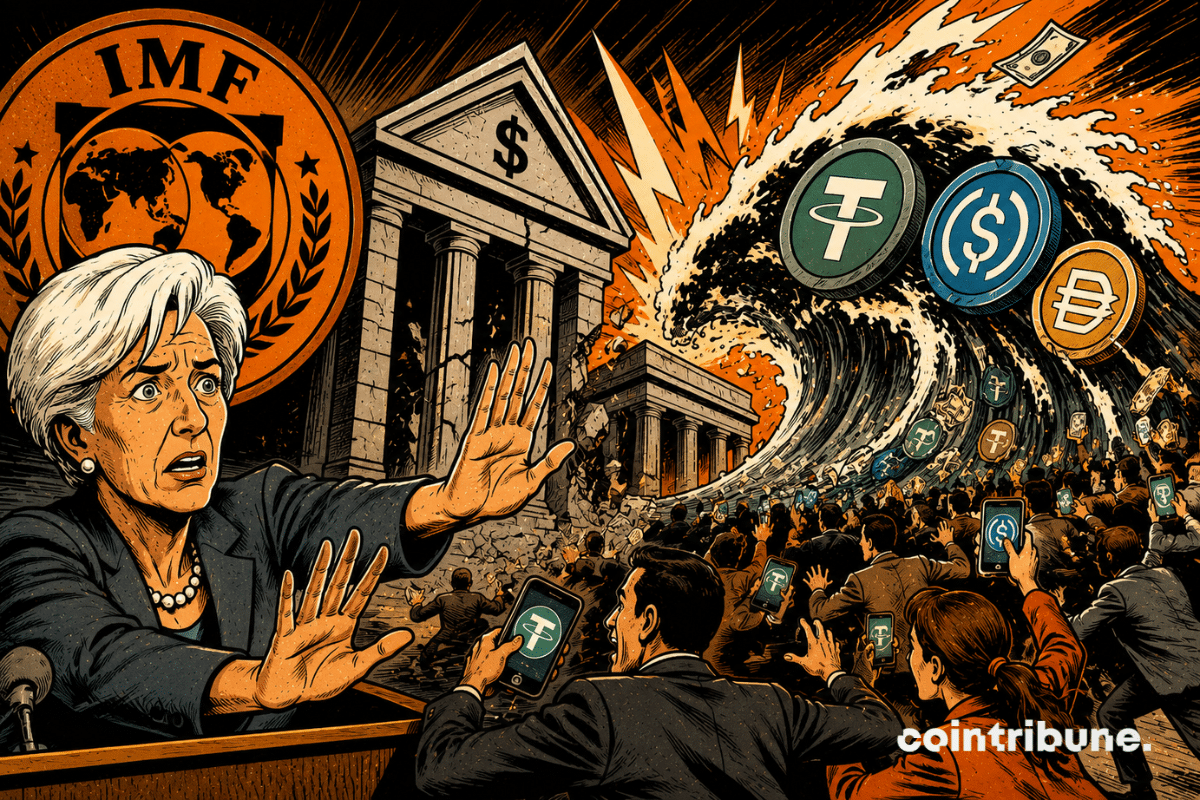
In other stablecoin news, PYMNTS wrote last week about the way the digital asset space is moving along two “increasingly inseparable” paths: one toward broader financial integration and the other toward increased regulatory scrutiny.
“The very features that make stablecoins attractive such as speed, accessibility and borderless transferability can also make them susceptible to misuse,” that report said.
“Unlike traditional banking systems, where intermediaries play a central role in monitoring transactions, stablecoin networks often rely on a patchwork of exchanges, wallet providers and on-chain analytics firms to enforce compliance.”