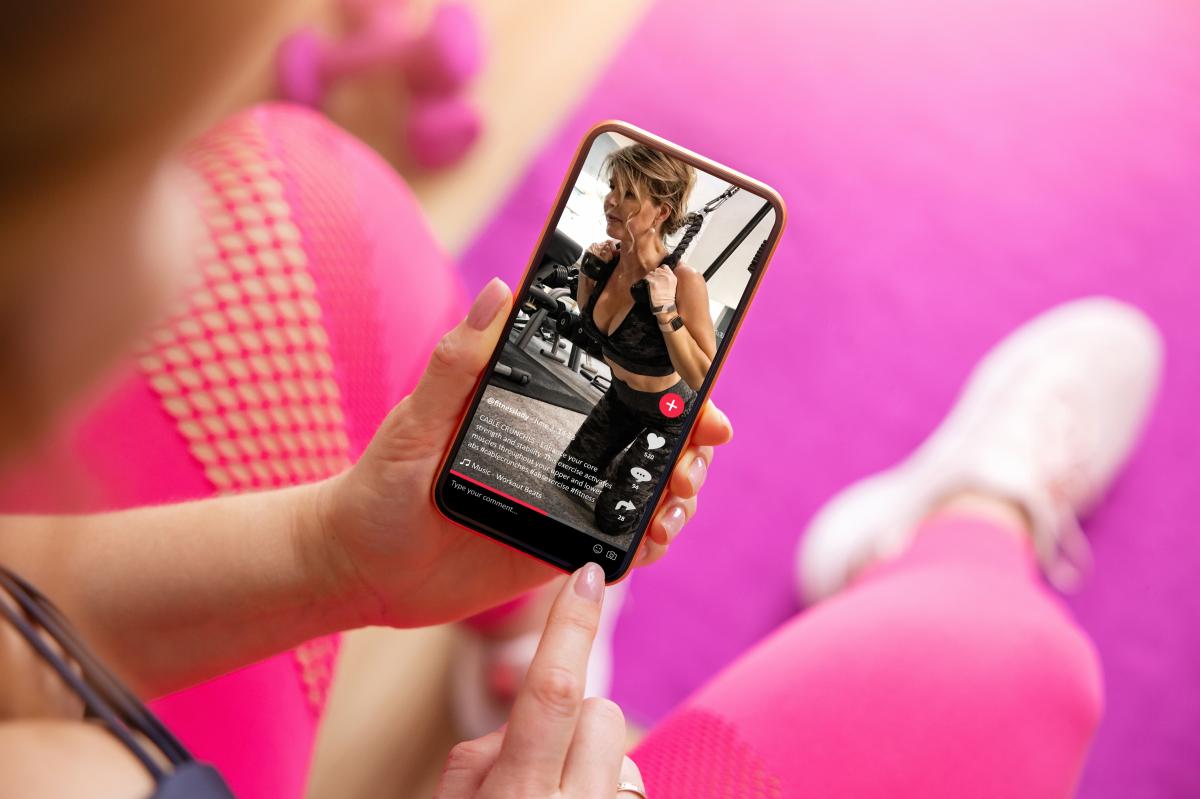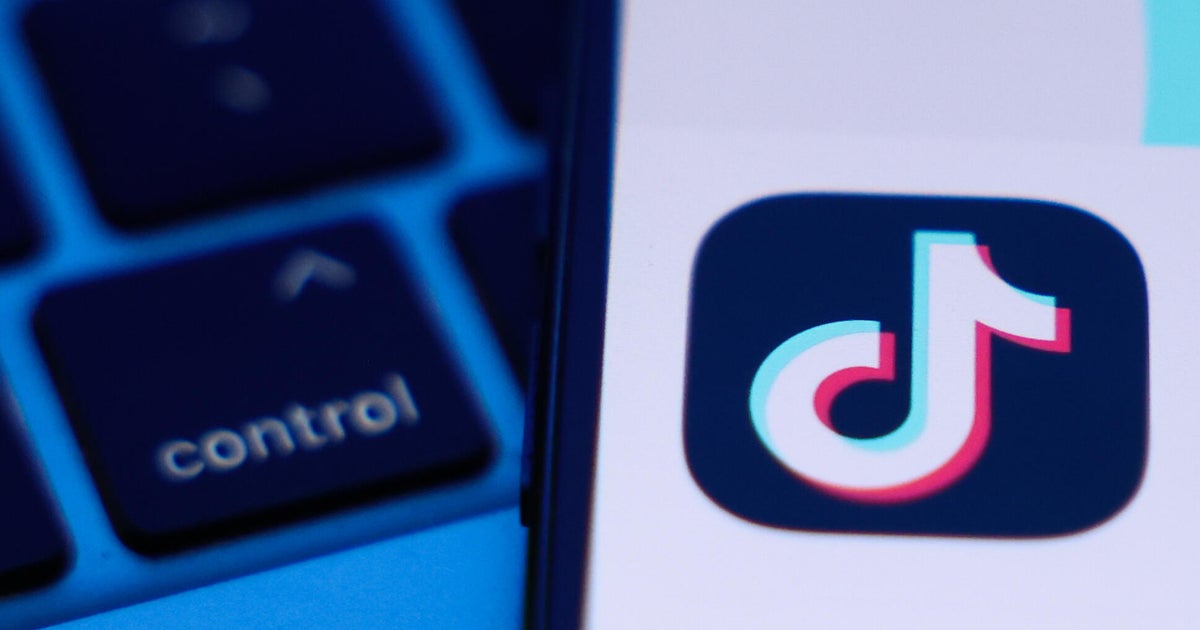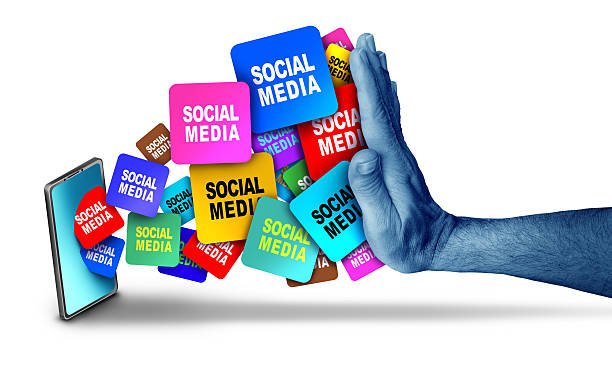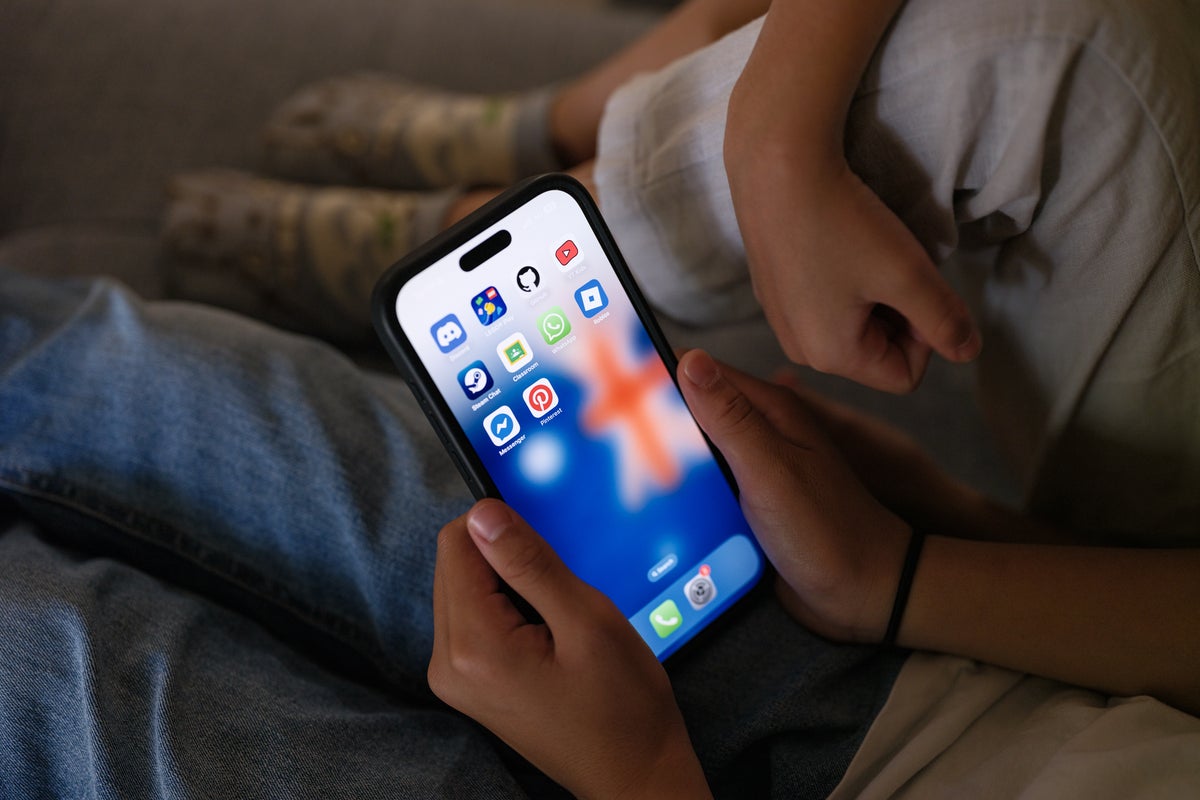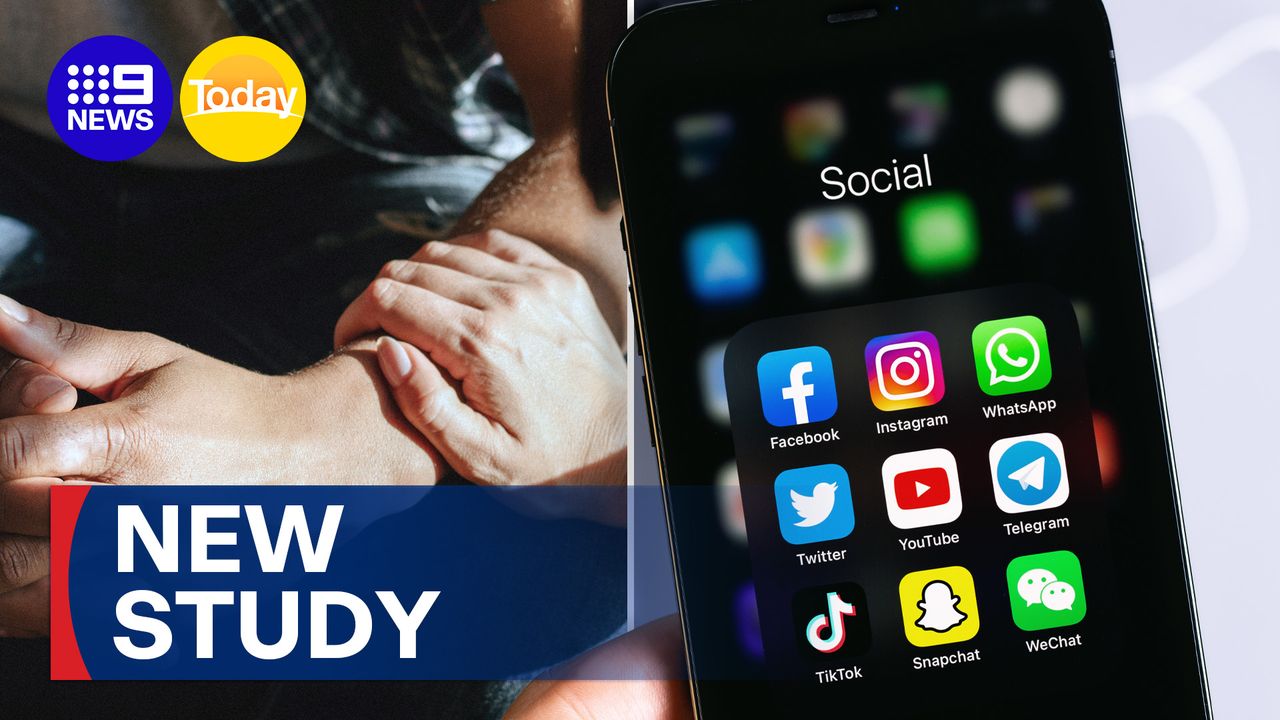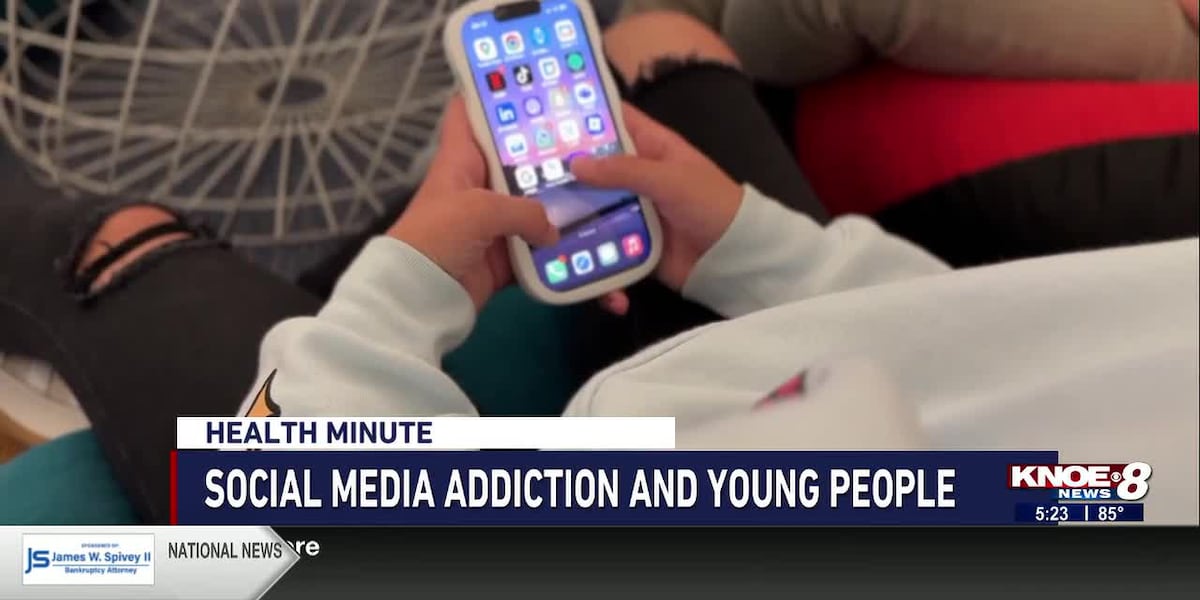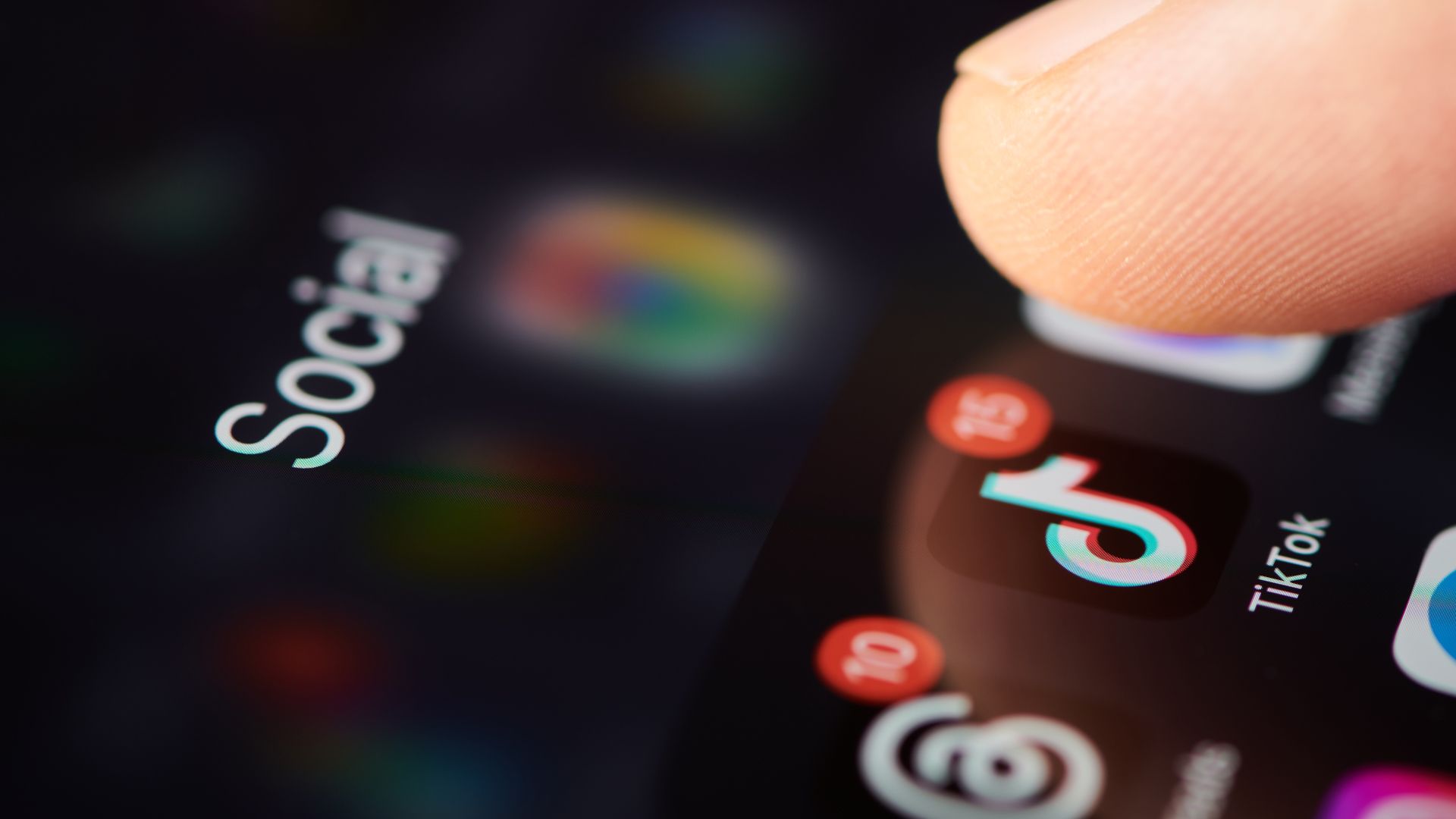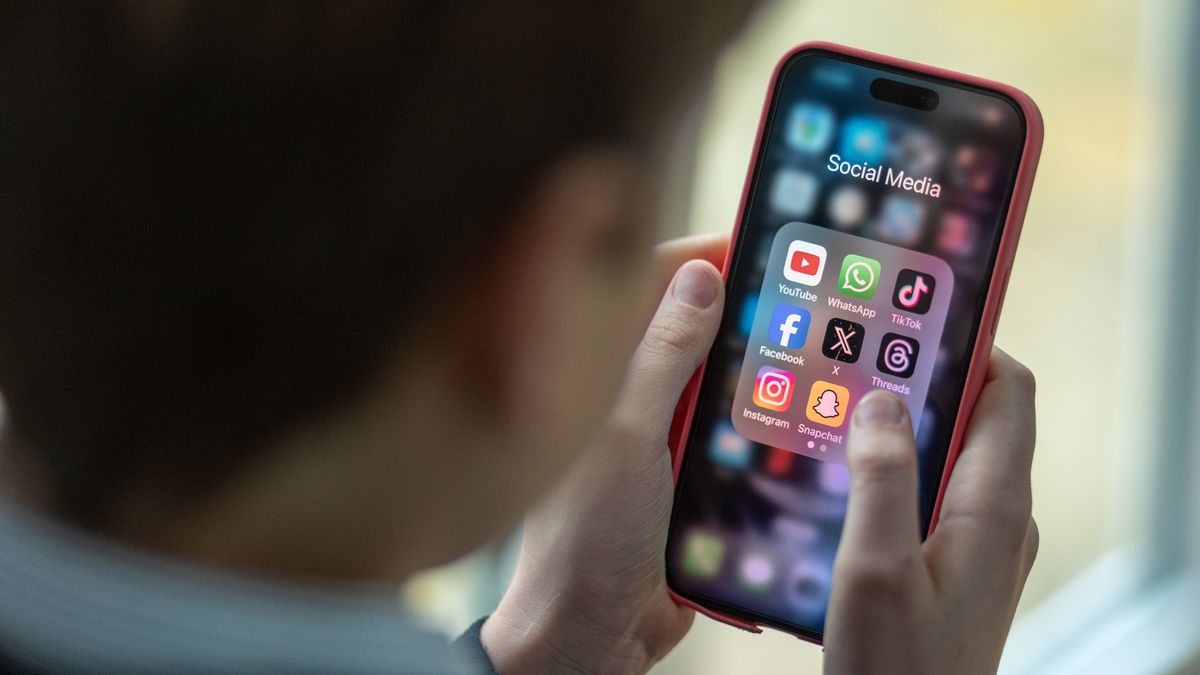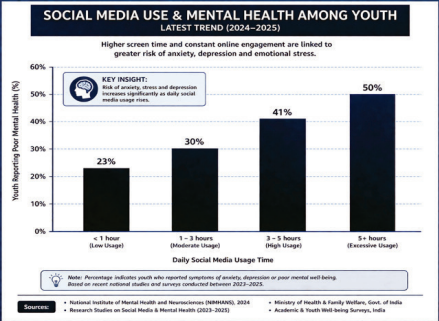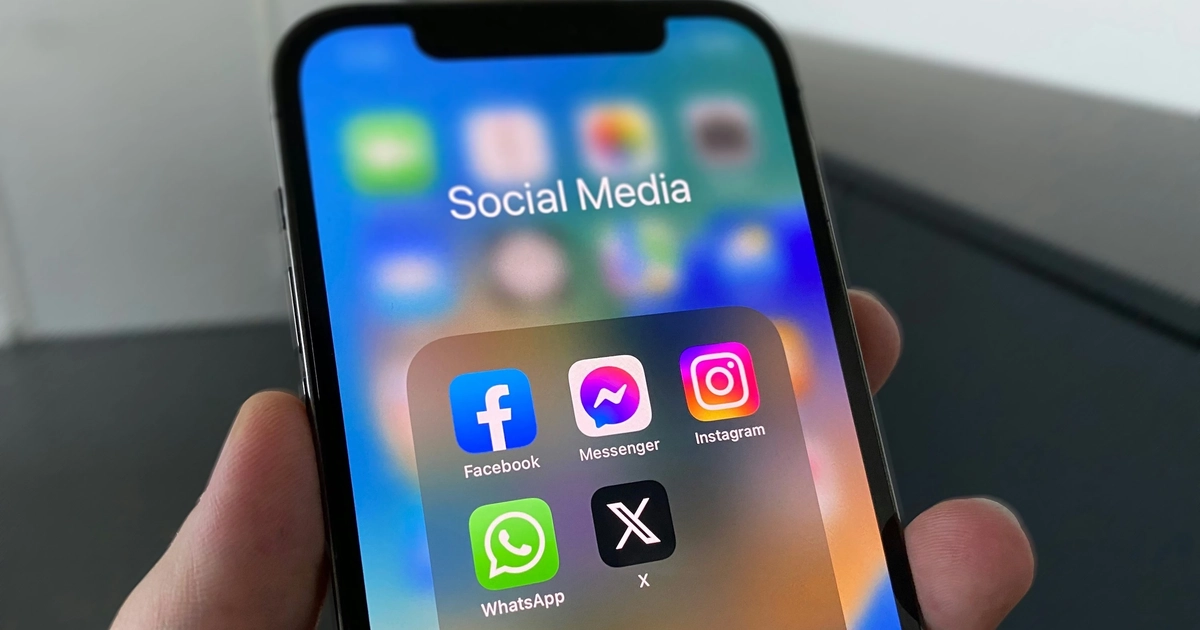
As social media and smartphone use continue to grow, concerns about their impact on mental health, particularly among K-12 students, are drawing increased national and global attention. From lawsuits involving major technology companies to policy discussions about restricting teen access to social media, the conversation is shifting toward viewing digital platforms as a potential public health concern.
Jed Magen, chair of the Department of Psychiatry in Michigan State University’s Colleges of Osteopathic Medicine and Human Medicine, explains the risks, benefits and practical strategies for maintaining a healthy relationship with technology during Mental Health Awareness Month in May.
Why is social media becoming such a major mental health concern?
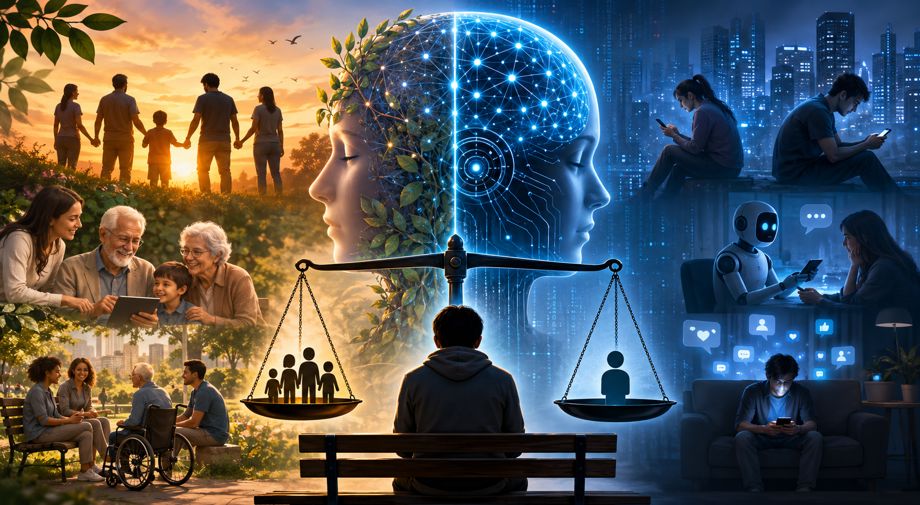
Social media is not inherently harmful, but it presents both benefits and risks. Digital platforms can provide access to valuable information, support communities and foster social connections, particularly for individuals who may struggle with in-person interactions or mobility challenges. When used thoughtfully, social media can be educational and help people build meaningful relationships.
However, there are legitimate concerns. Some individuals may become immersed in harmful content, including messaging that reinforces depression, self-harm or other unhealthy behaviors. Algorithms often tailor content based on user behavior, meaning repeated exposure to negative material can reinforce harmful beliefs or emotional states over time.
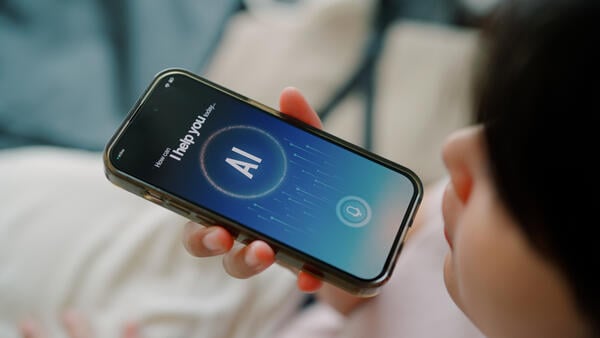
Because social media platforms and artificial intelligence systems respond to user interests and engagement patterns, they may unintentionally amplify harmful content or unhealthy thought patterns. This has raised concerns among mental health professionals and policymakers about the need for stronger safeguards and more responsible platform design.
Ultimately, social media is a complex tool. Its impact depends largely on how it is used, moderated and monitored.
How has social media changed over the past decade?
Over the past decade, social media has evolved from a tool users actively searched to find information into a system that actively delivers content tailored to individual behavior and preferences.
Today, algorithms and artificial intelligence shape what users see, often predicting interests and generating content automatically. While this can improve productivity and efficiency in areas such as research, education and communication, it also creates risks when users rely on digital platforms without critically evaluating the information they receive.
When used responsibly, technology can save time and enhance learning and productivity. However, without foundational knowledge or strong critical-thinking skills, users may struggle to identify inaccuracies or misinformation, which can lead to confusion or poor decision-making.
The key difference today is that social media and digital platforms are no longer passive; they are interactive systems designed to continuously engage users.
What impact does social media have on sleep, focus and academic performance?
Constant digital stimulation can affect sleep, concentration and overall cognitive performance, particularly among students.
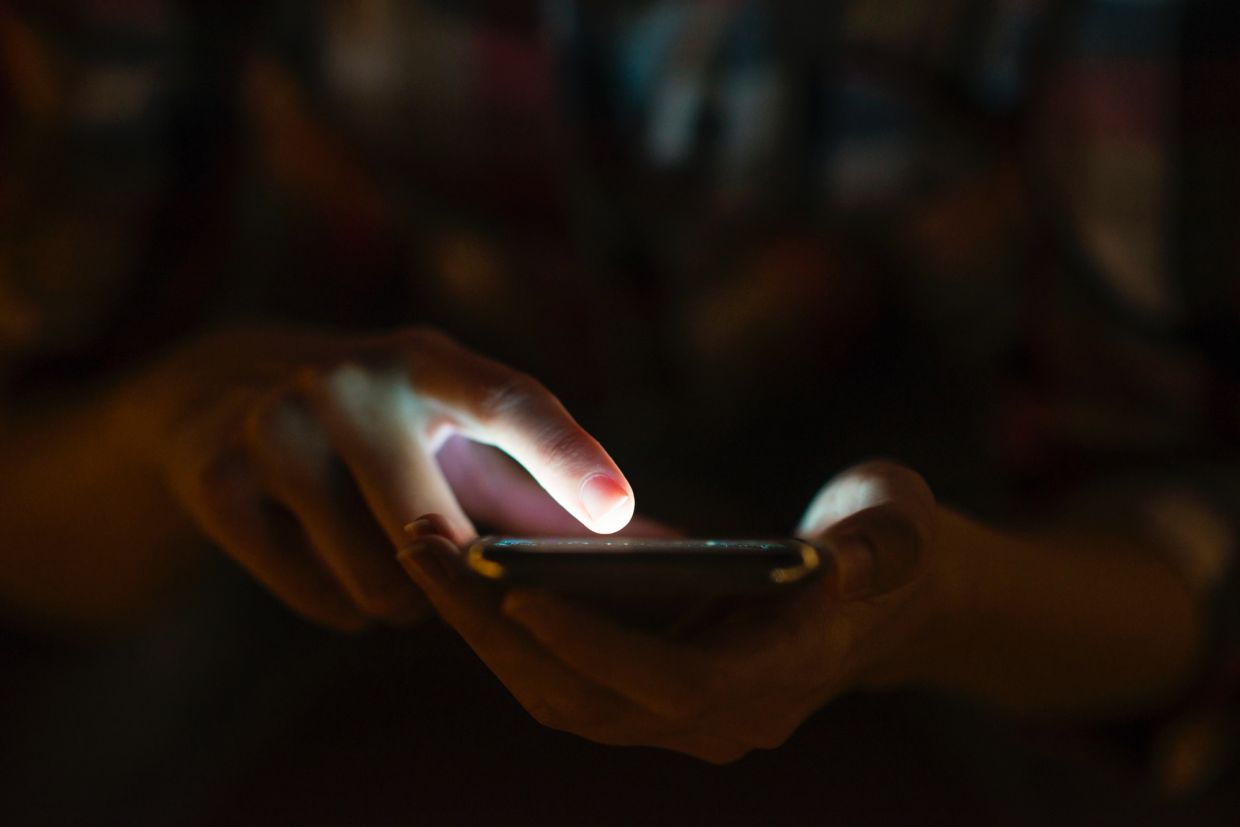
Blue light from screens may interfere with melatonin production, making it more difficult to fall asleep, while the stimulating nature of social media can keep the brain engaged late into the night. As a result, mental health professionals often recommend limiting screen time before bed and using nighttime screen settings to reduce stimulation.
Social media also can interfere with studying and in-person interactions. Unlike television or traditional media, social media responds directly to users and continuously adapts content to keep them engaged. These platforms are intentionally designed to encourage scrolling and prolonged use, which can make it difficult for students to stay focused on academics or face-to-face social interactions.
Students and younger users may be especially vulnerable because their ability to filter and regulate digital content is still developing.
What are the warning signs of unhealthy or compulsive social media use?
There are several indicators that social media use may be becoming unhealthy.
Warning signs include:
- Spending excessive amounts of time on social media
- Reduced in-person social interaction
- Declining academic or work performance
- Poor sleep habits
- Reduced physical activity
- Increased feelings of loneliness or isolation
When social media begins to replace real-world interactions or contributes to emotional distress, it may signal a need for boundaries and support.
Setting limits, such as restricting phone use during meals, keeping devices out of bedrooms at night and monitoring screen time, can help reduce negative effects and encourage healthier habits.
What strategies can students use to build a healthier relationship with social media?
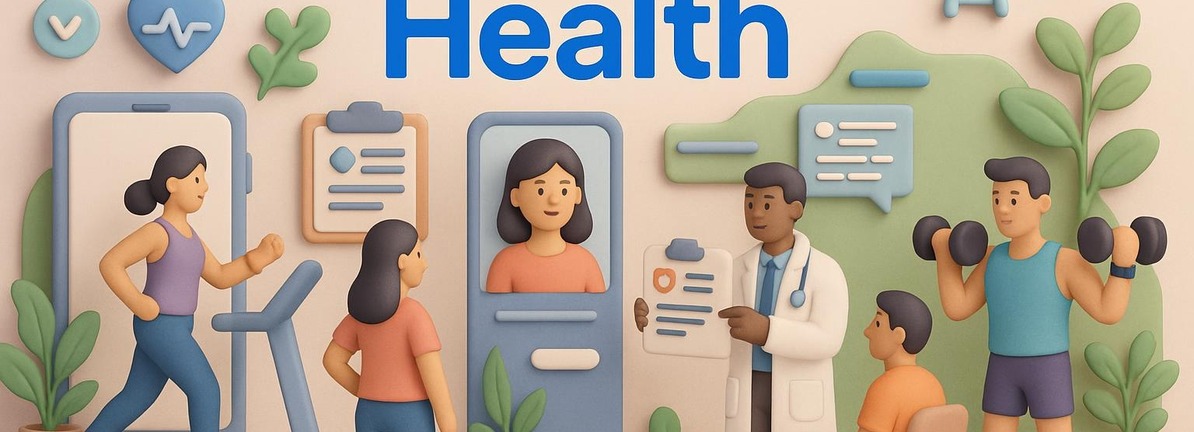
Students can take several practical steps to maintain balance while staying connected.
Setting time limits on apps, using phone timers and putting devices away during study or sleep hours can help reduce overuse. Choosing reliable, trustworthy platforms and being mindful of how personal data is used also can improve digital awareness.
Participating in extracurricular activities such as athletics, clubs or group-based programs encourages face-to-face interaction and social development, which are essential to mental well-being.
Open conversations among students, families and educators about responsible social media use also are important. Creating structured boundaries and encouraging real-world engagement can help students develop healthier habits over time.
If you or someone you know is in crisis, call 911; call or text the Suicide & Crisis Lifeline at 988; or use the resources listed here.
This story originally appeared on the College of Osteopathic Medicine website.