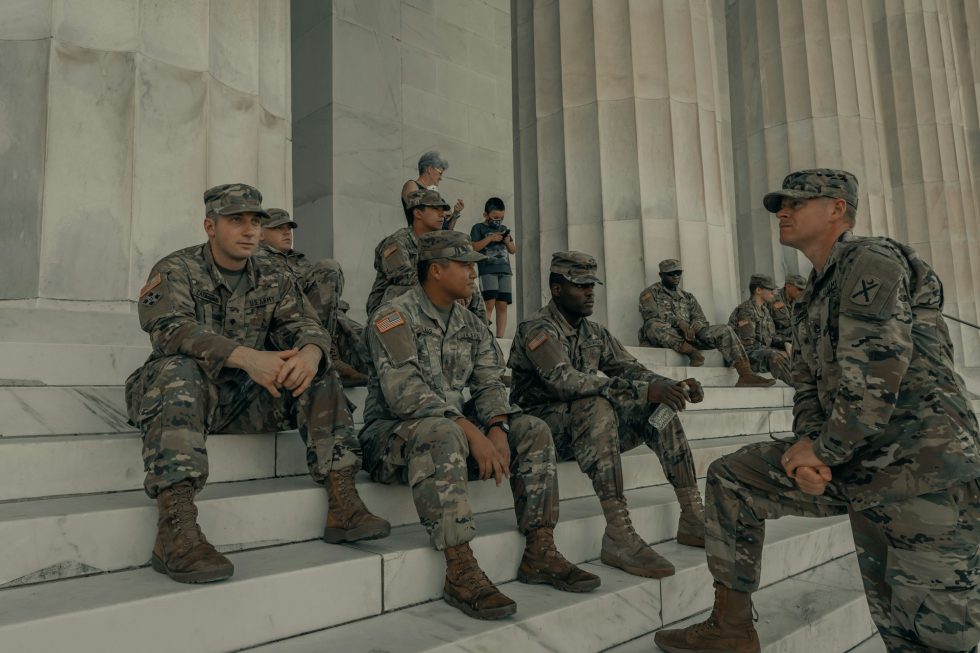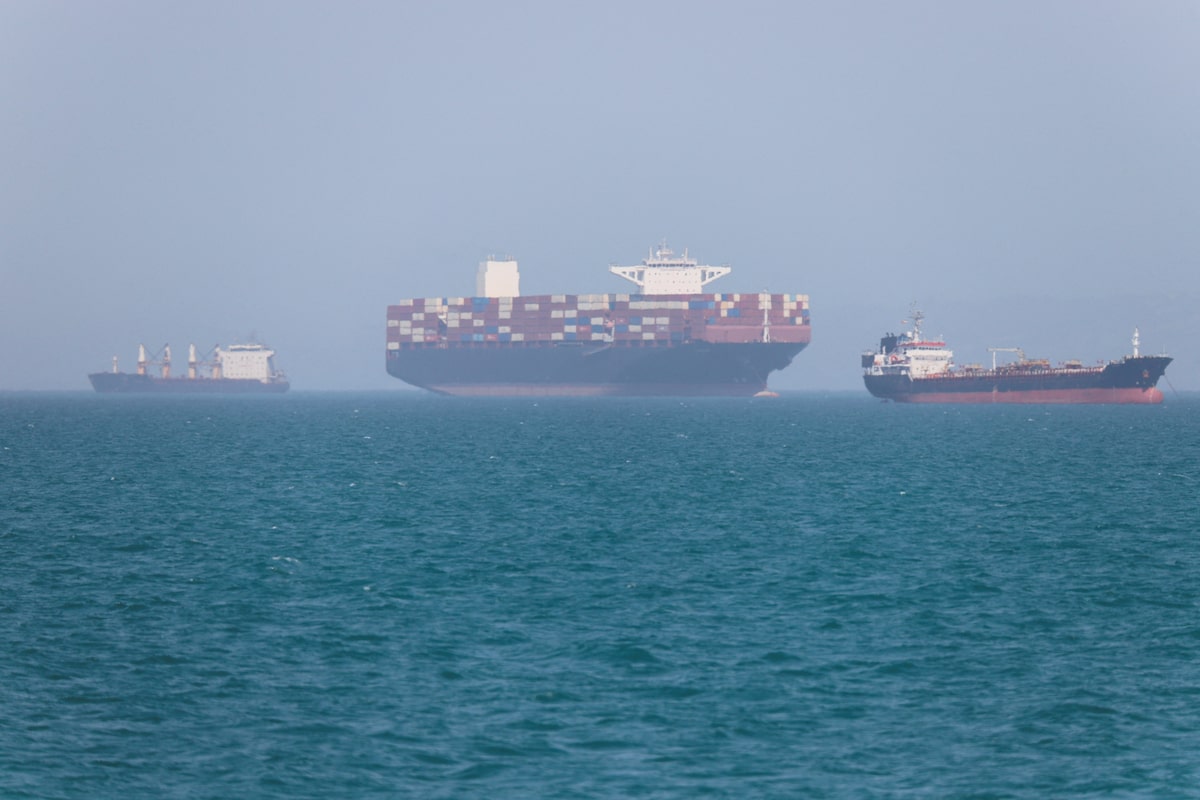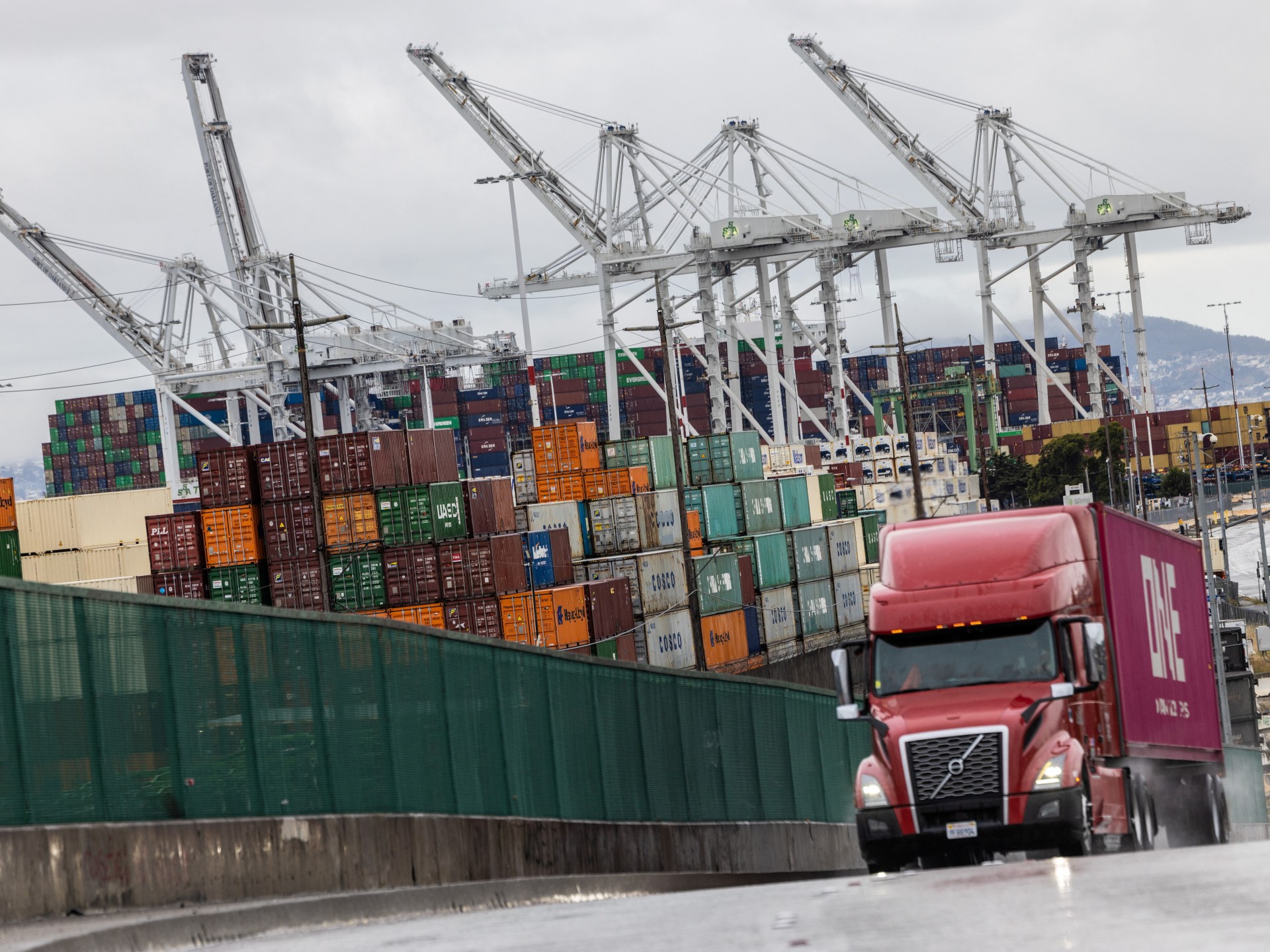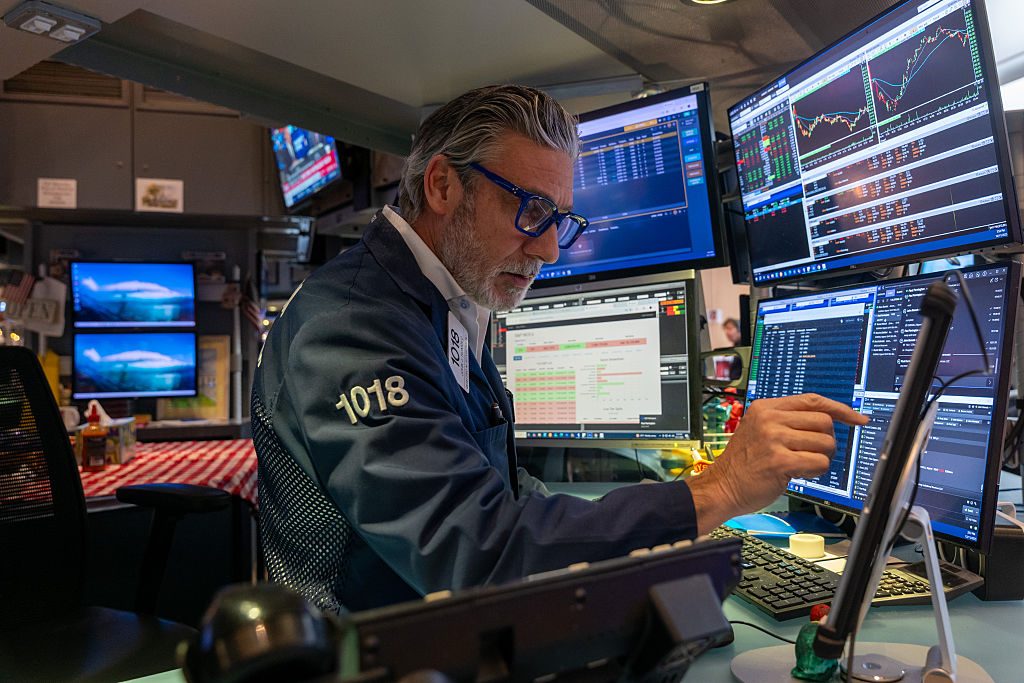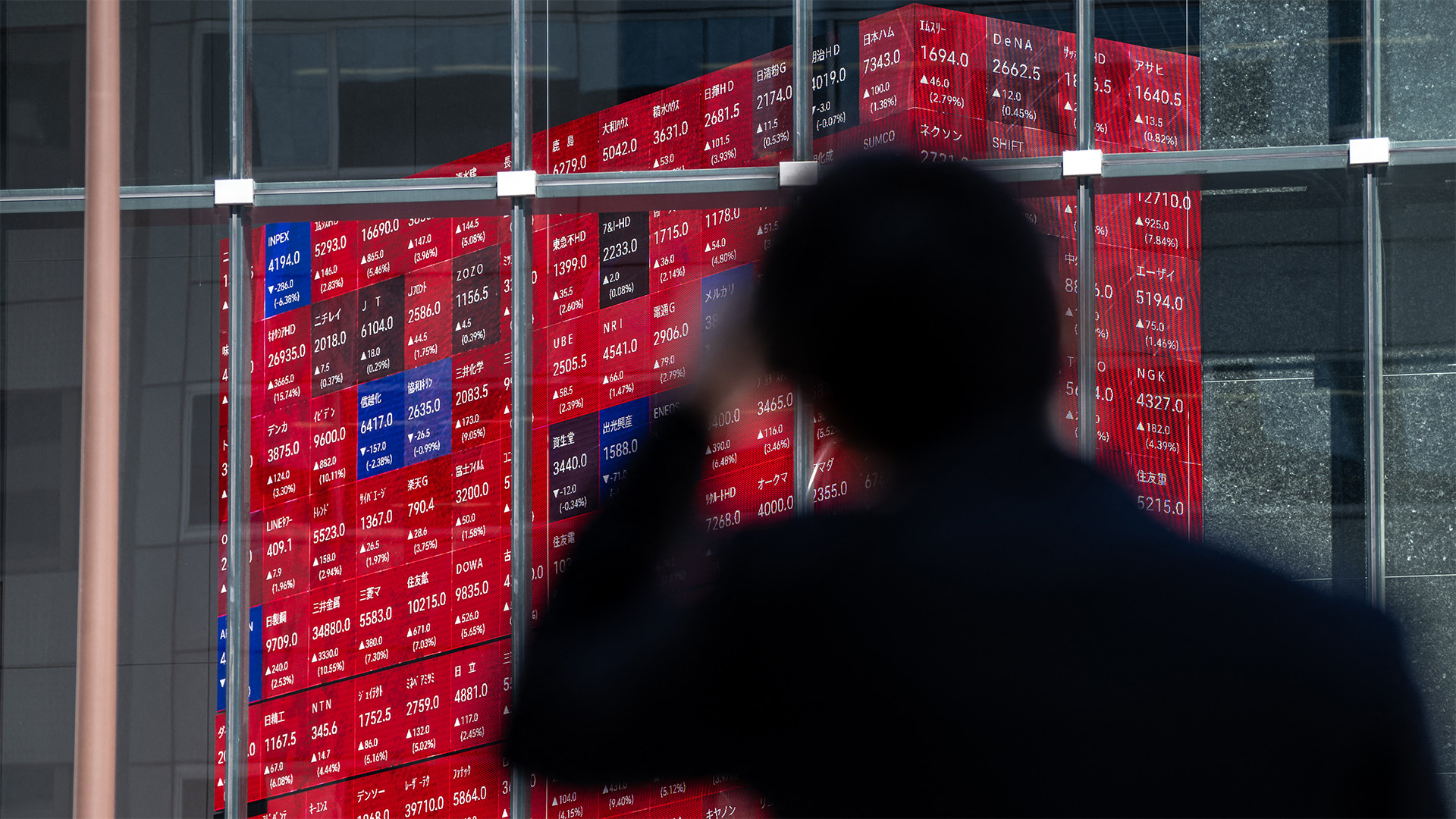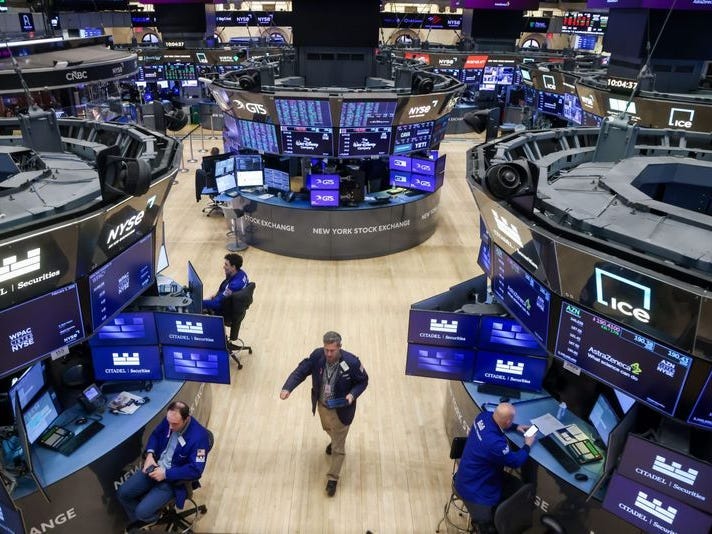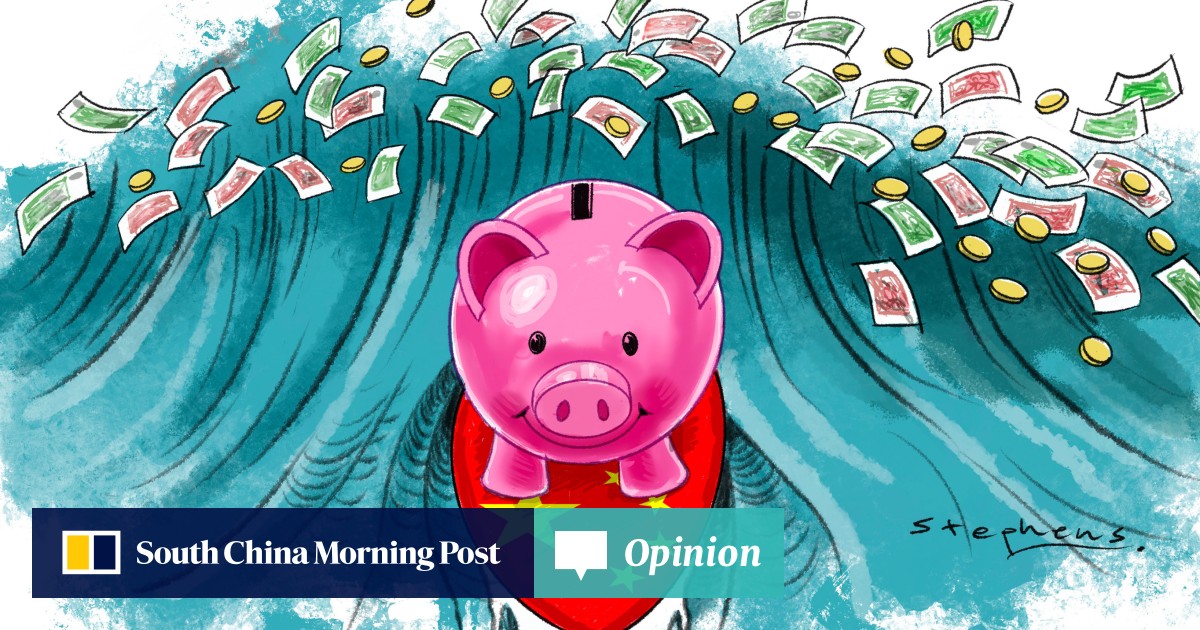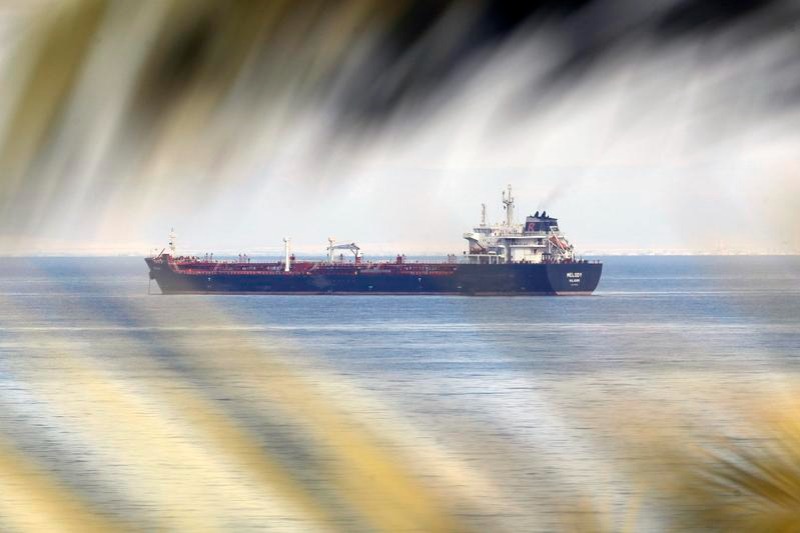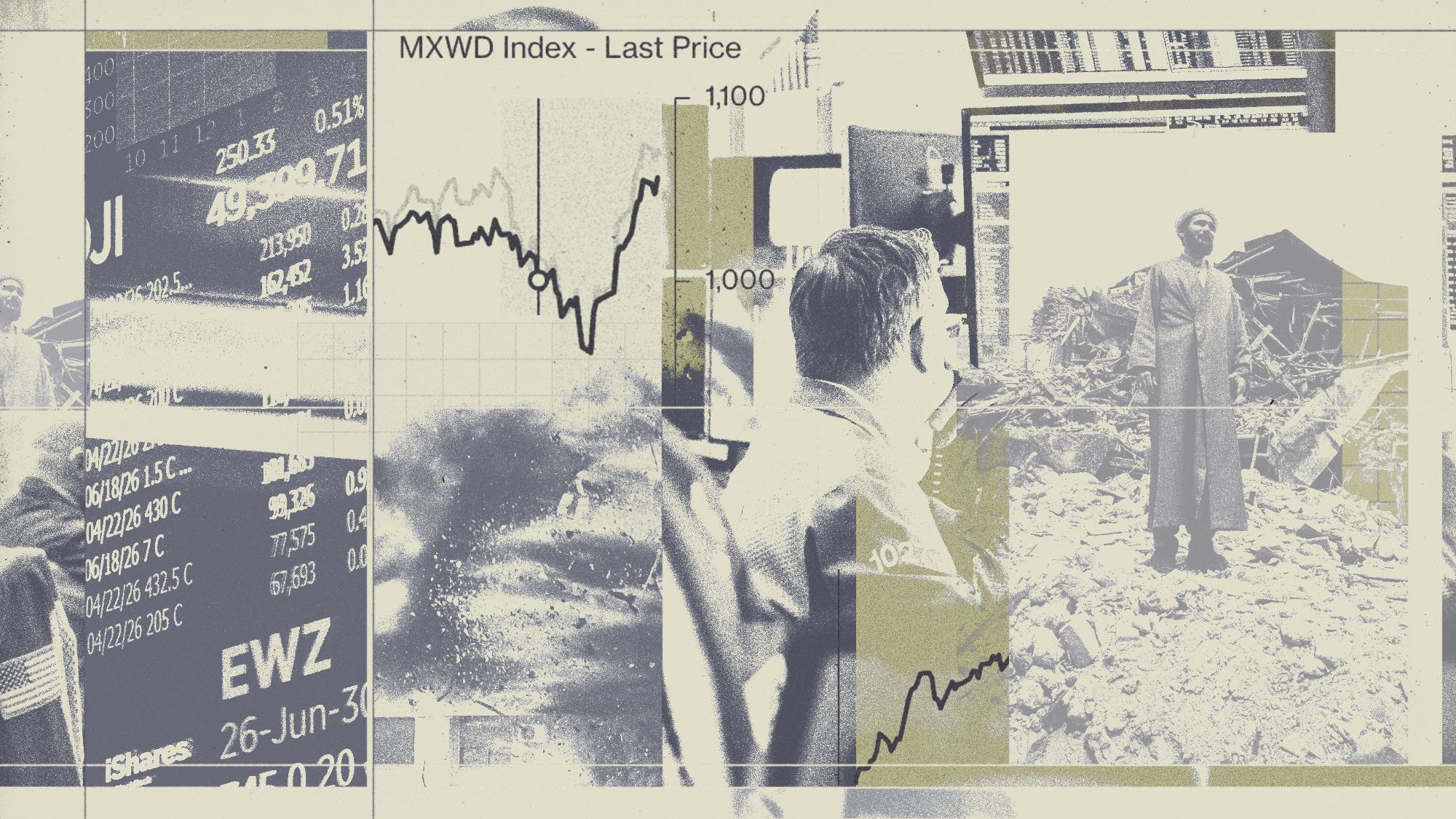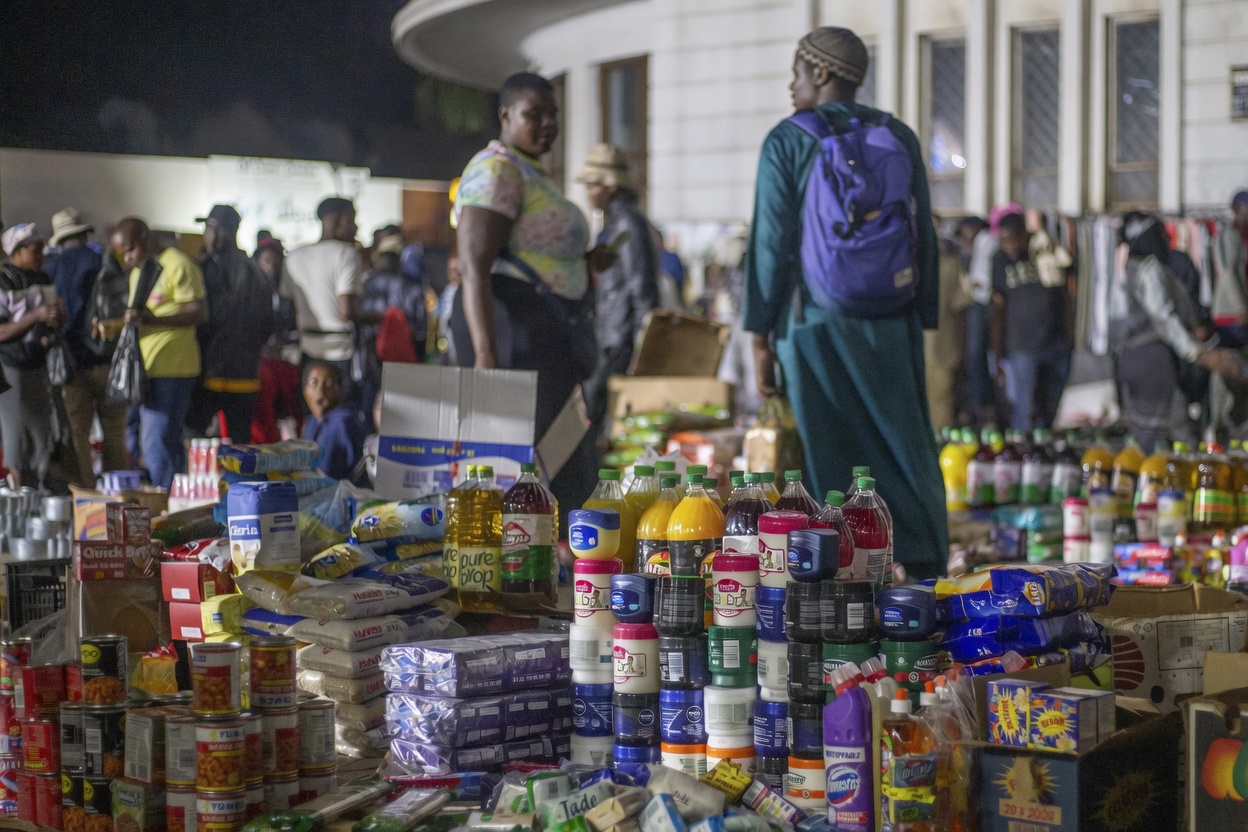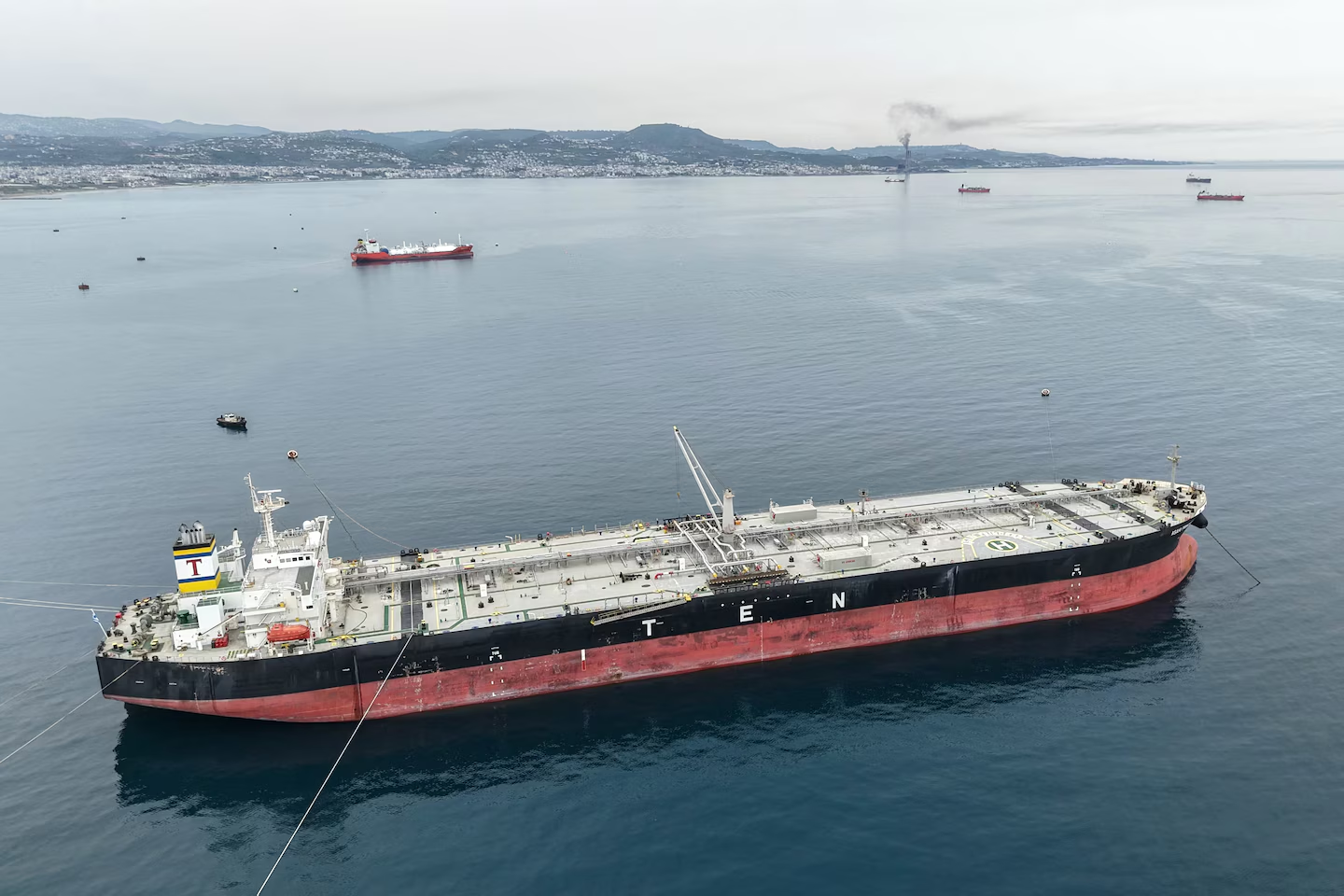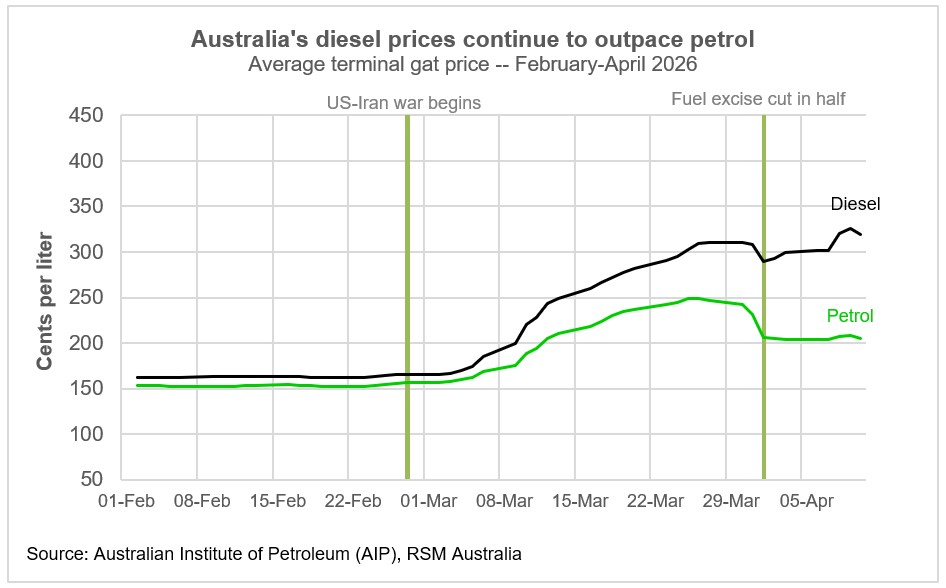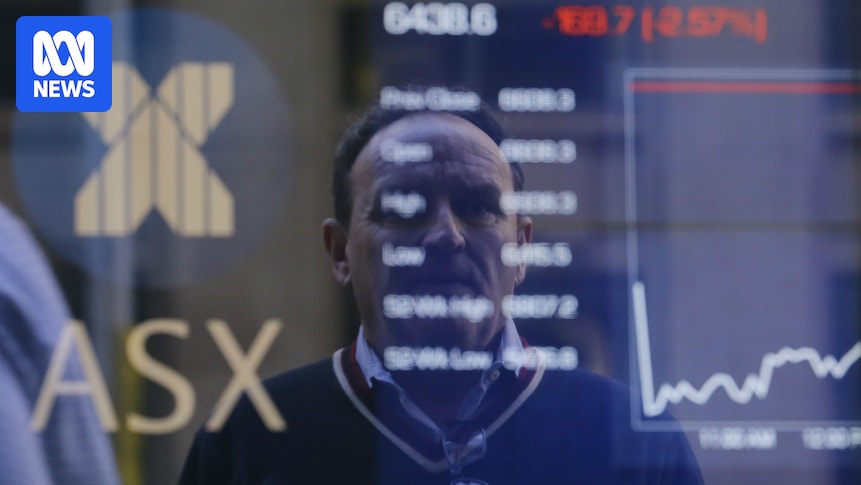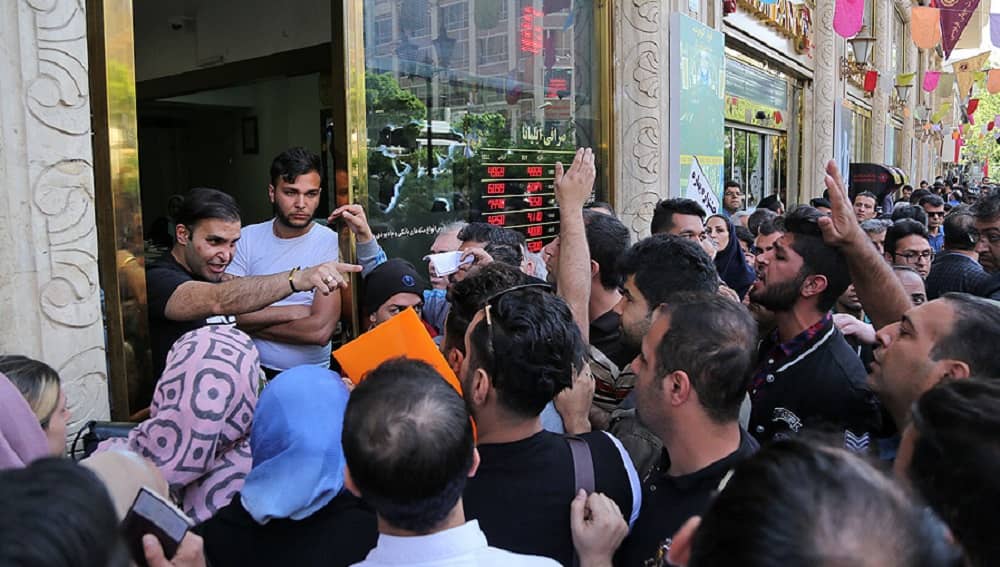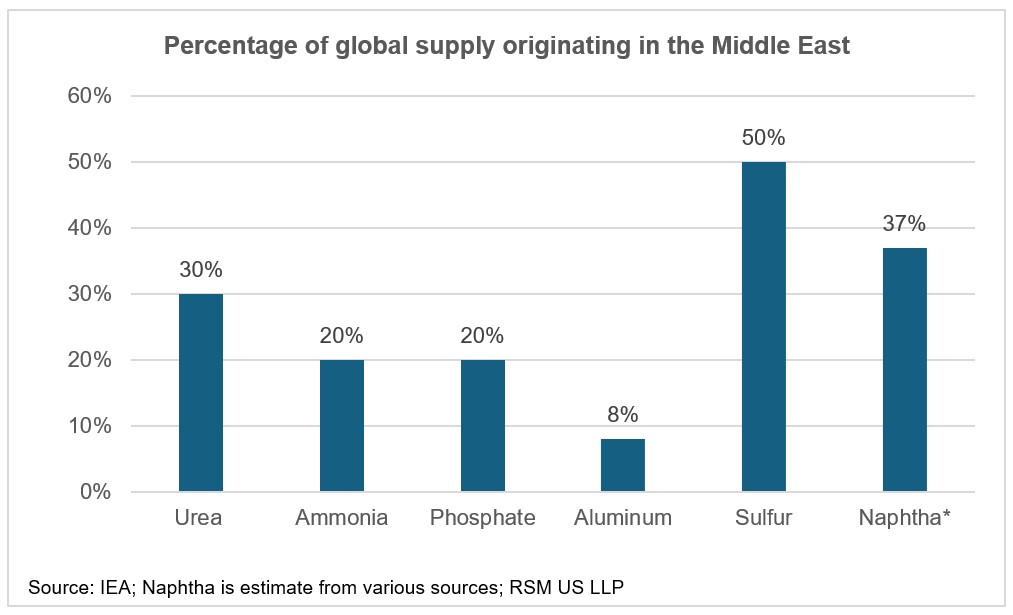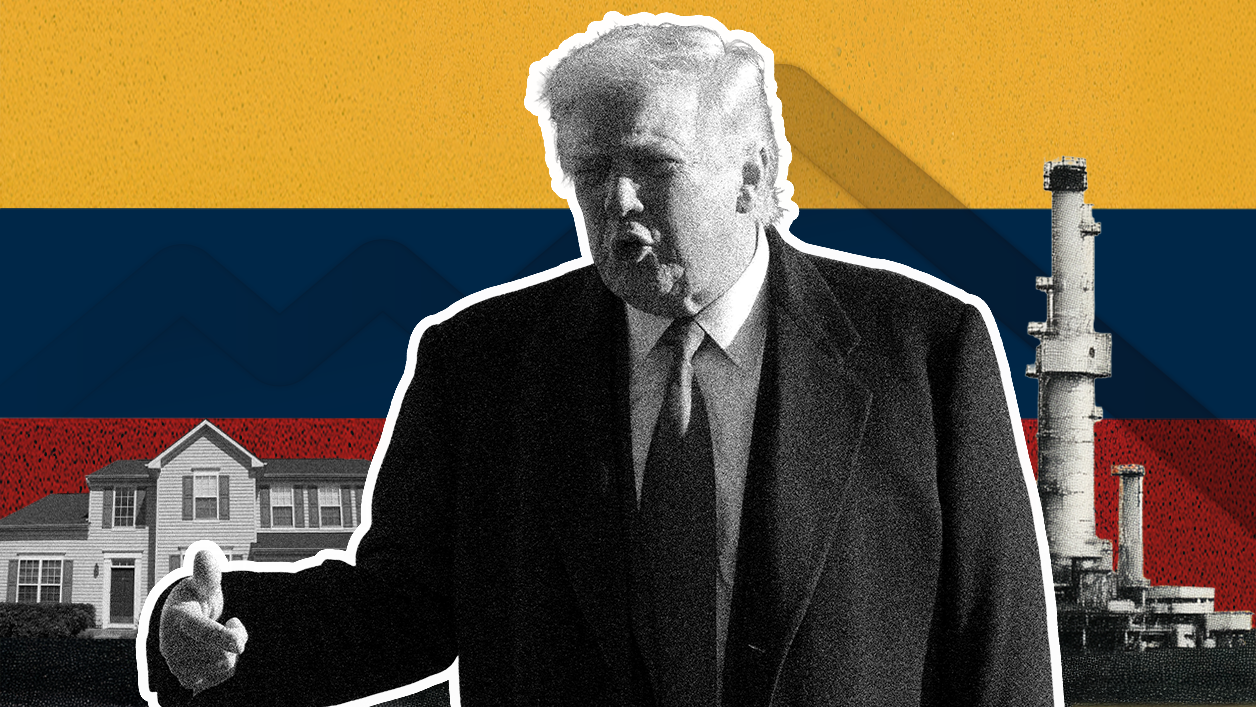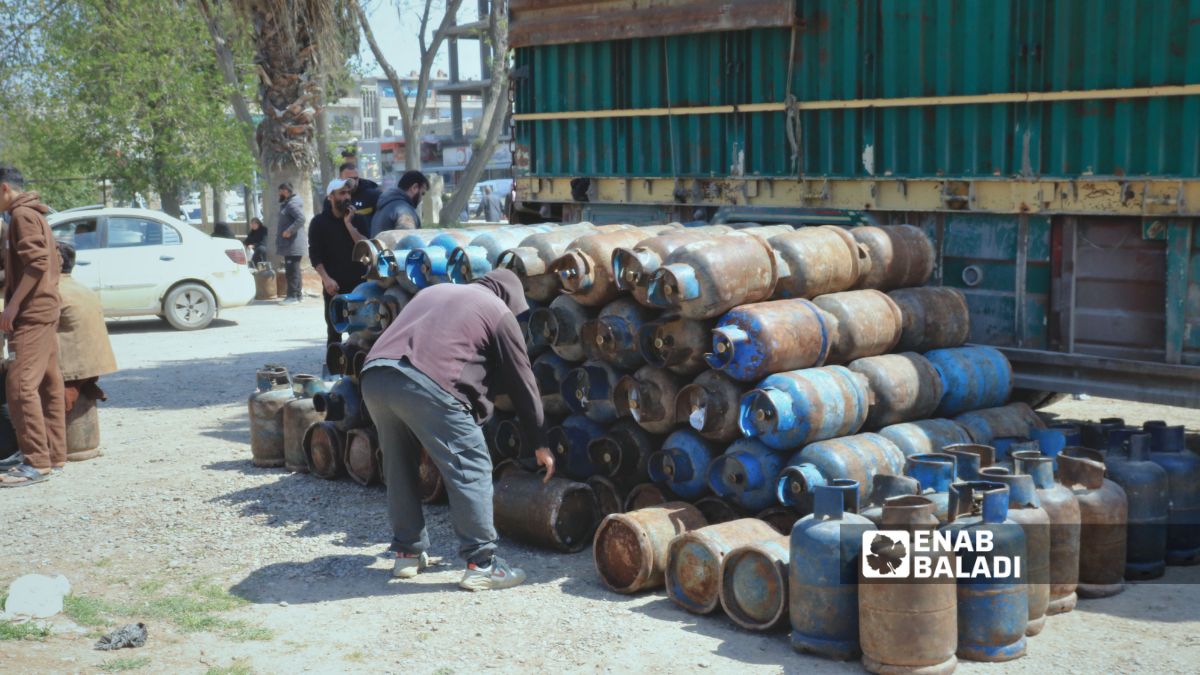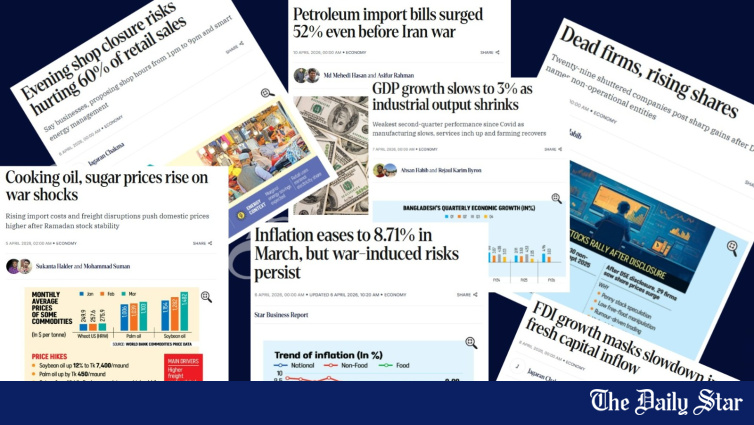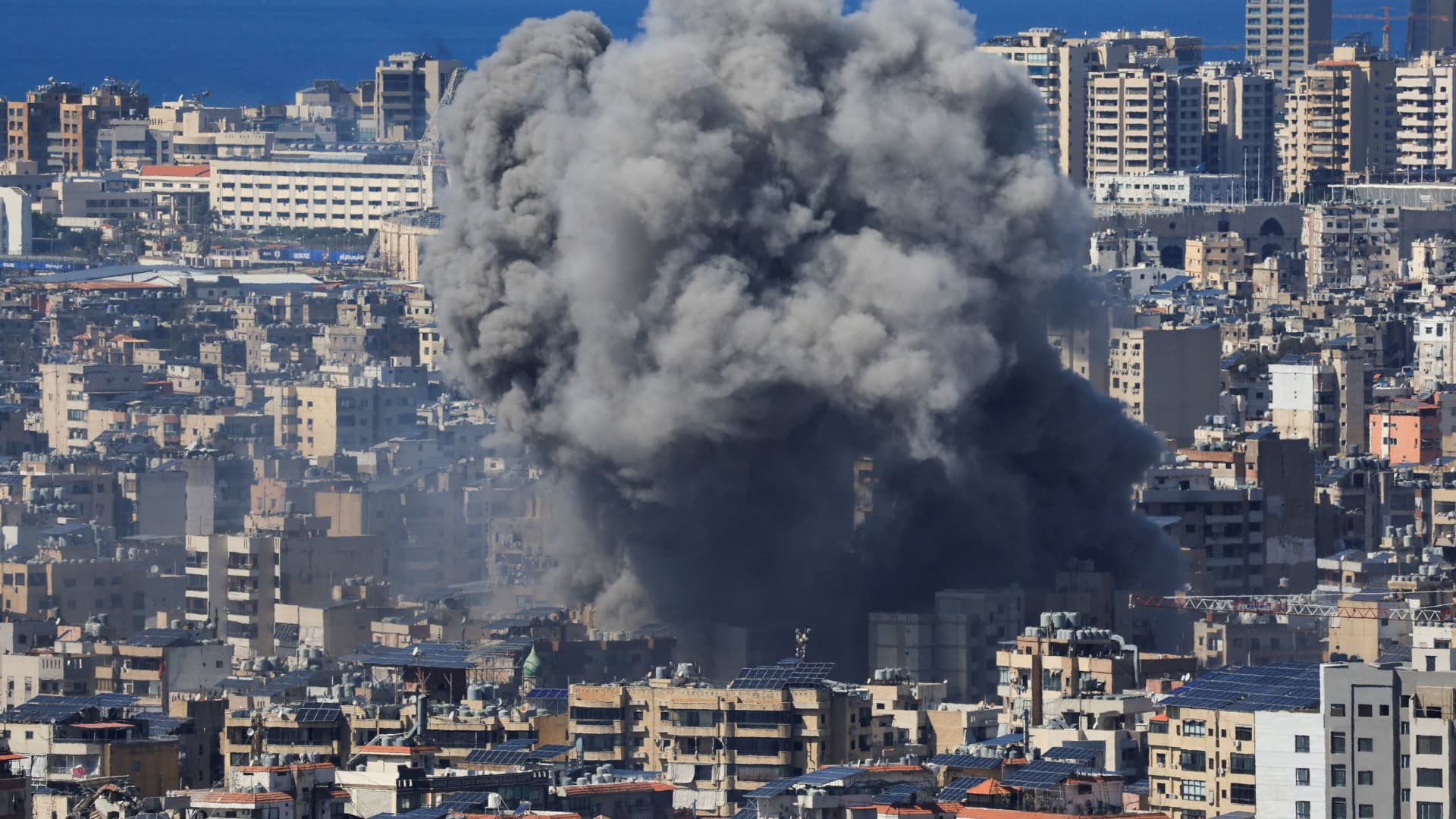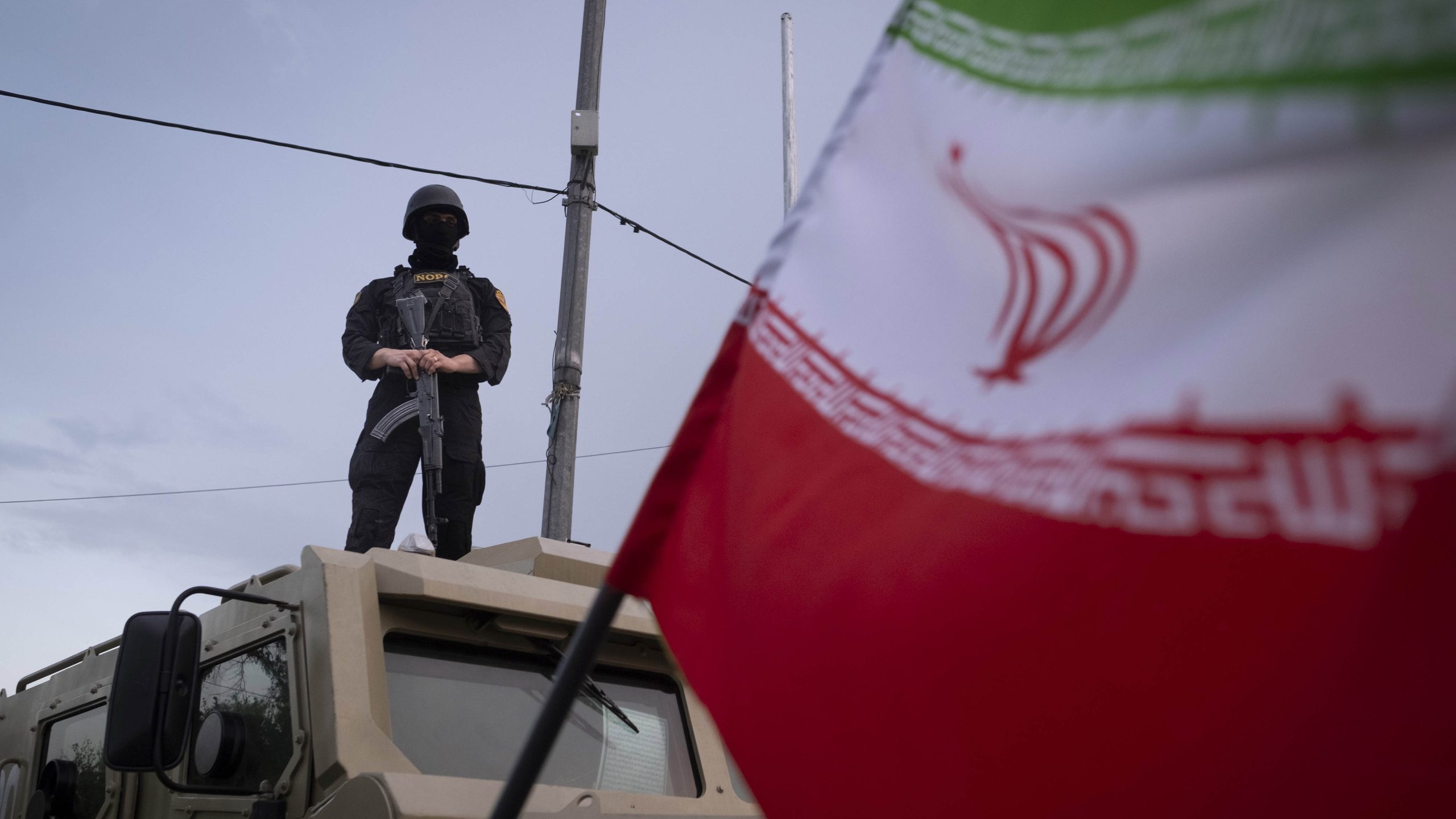
The U.S.-Iran war is producing costs on multiple fronts. The Pentagon is drawing down precision-munition stockpiles faster than industry can replace them, with direct implications for U.S. readiness in the Indo-Pacific. As Operation Epic Fury remains paused in a shaky ceasefire, there is an opportunity to assess whether the U.S. military nears the point of going “Winchester”—or running out of ammunition. On the other hand, Brent crude is carrying a Hormuz risk premium that many Asian economies, especially South Korea, are absorbing through rising fuel costs.
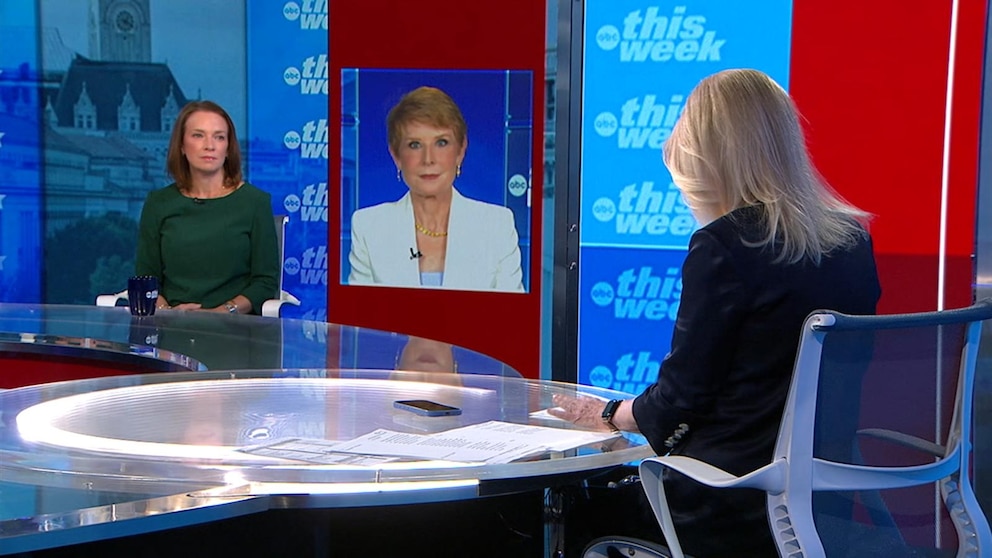
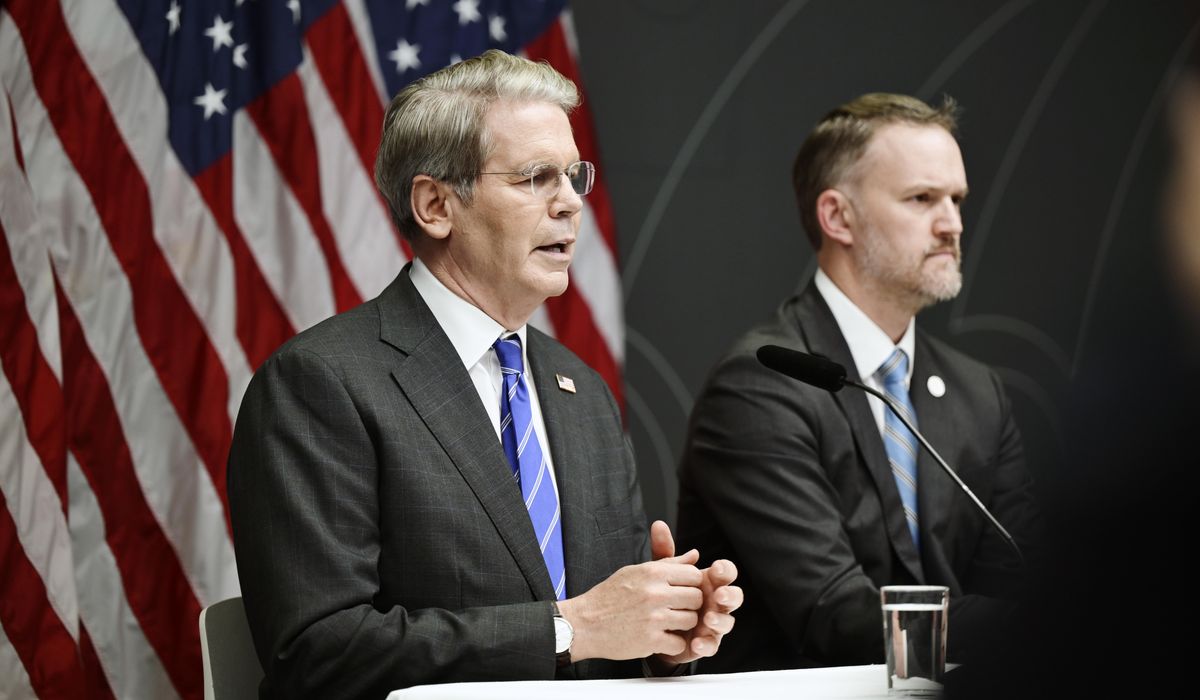
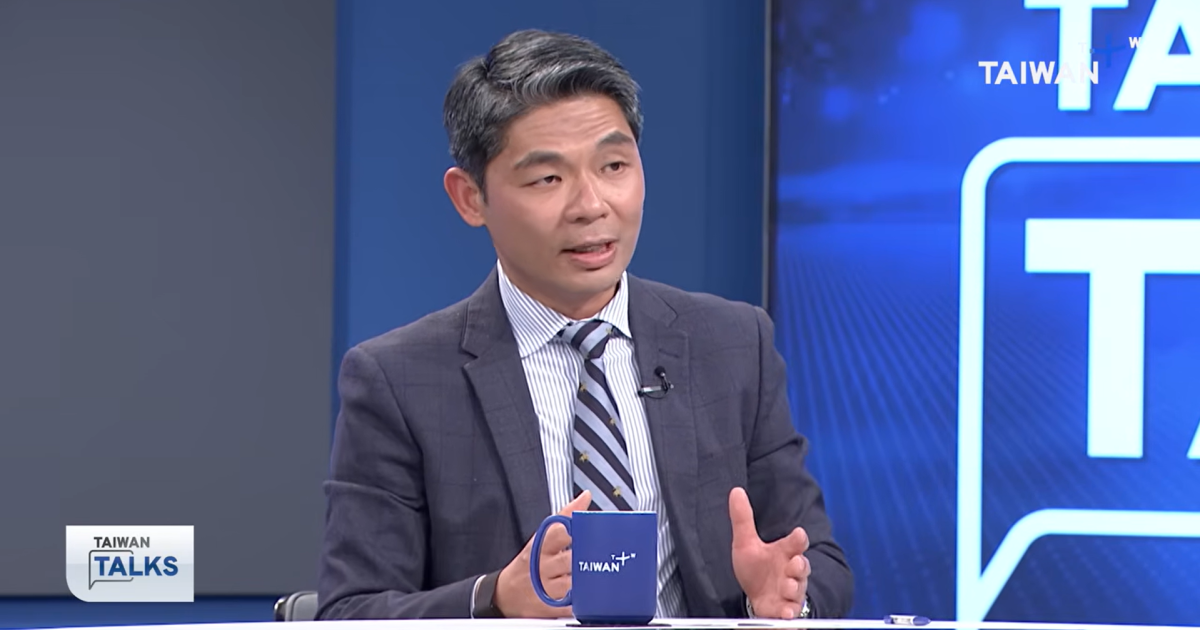
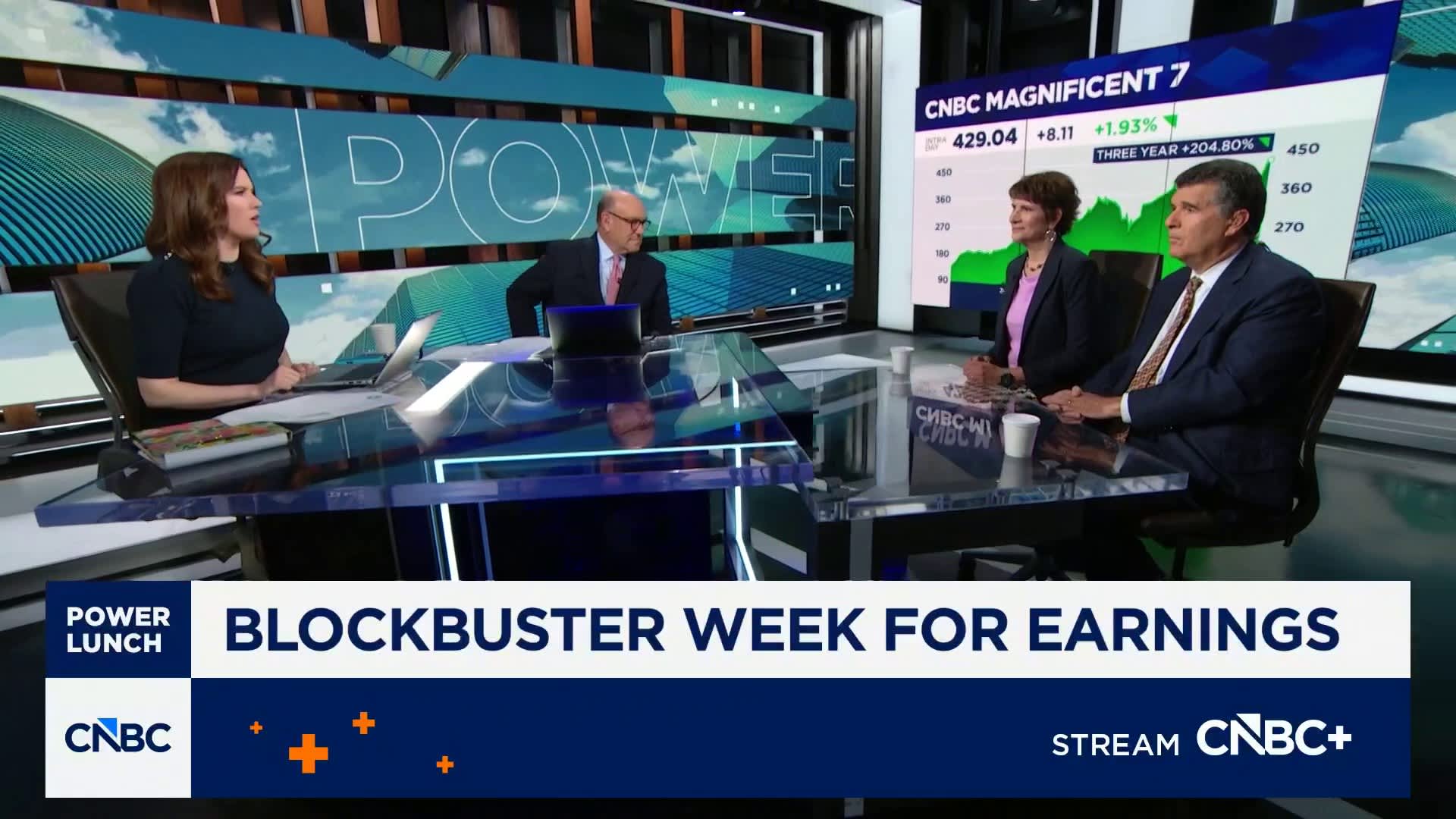
In this episode of The Capital Cable, host Mark Lippert is joined by Mark Cancian, Peter Harrell, and Victor Cha to break down the economic impacts of the Iran War. The conversation covers what the war is costing the United States in dollars and weapons, what it is costing global and allied economies, and what the figures mean for U.S. strategy in the Indo-Pacific.
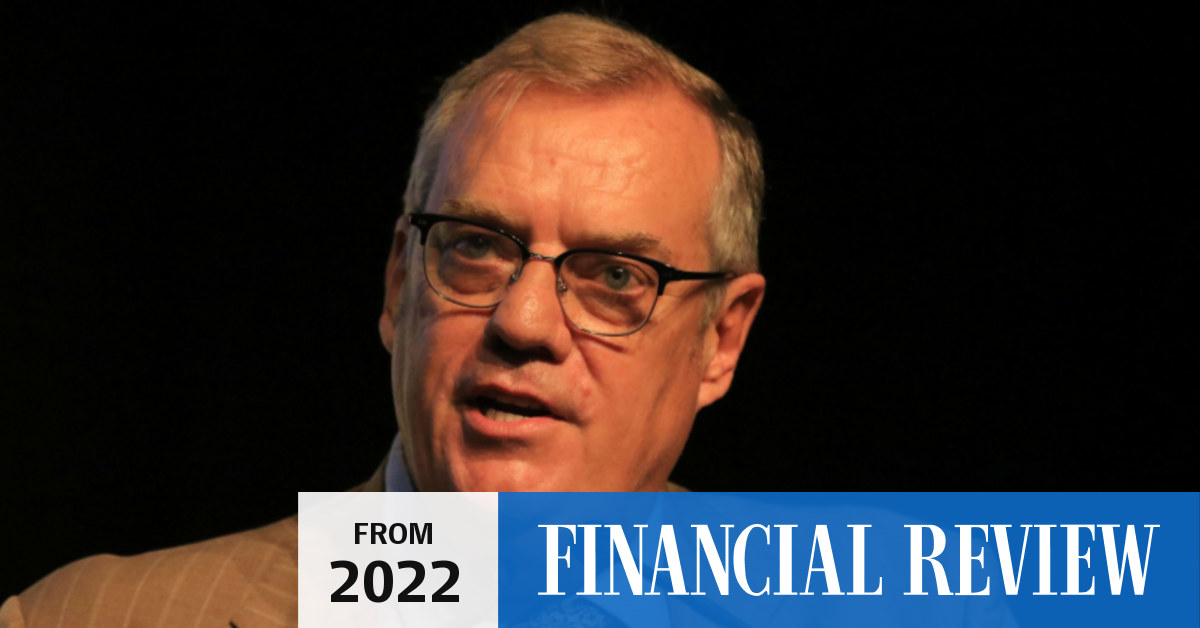
Mark Cancian (Colonel, USMCR, ret.) is a senior adviser with the CSIS Defense and Security Department. He joined CSIS in April 2015 from the Office of Management and Budget, where he spent more than seven years as chief of the Force Structure and Investment Division, working on issues such as Department of Defense budget strategy, war funding, and procurement programs, as well as nuclear weapons development and nonproliferation activities in the Department of Energy. Previously, he worked on force structure and acquisition issues in the Office of the Secretary of Defense and ran research and executive programs at Harvard University’s Kennedy School of Government. In the military, Colonel Cancian spent over three decades in the U.S. Marine Corps, active and reserve, serving as an infantry, artillery, and civil affairs officer and on overseas tours in Vietnam, Desert Storm, and Iraq (twice).
Peter Harrell is a nonresident fellow at the Carnegie Endowment for International Peace and an attorney advising on international legal, regulatory, and geopolitical risks. From January 2021 through 2022, Harrell served at the U.S. White House as senior director for international economics, jointly appointed to the National Security Council and the National Economic Council. From 2015 to early 2021 Harrell was an attorney in private practice and served as Adjunct Senior Fellow at the Center for a New American Security. From 2012 to 2014, Harrell served as the deputy assistant secretary for counter threat finance and sanctions in the State Department’s Bureau of Economic and Business Affairs. From 2009 to 2012 he served on the State Department’s Policy Planning Staff, where he was instrumental in developing Secretary of State Hillary Clinton’s economic statecraft agenda.
This event is made possible by general support to CSIS.