Merchants aggressively negotiate and optimize nearly every major cost category in their business. Rent, labor, advertising and inventory sourcing are scrutinized down to the basis point.
Yet payments, despite often ranking among the top operating expenses for many merchants, are treated as non-negotiable. Swipe fees are accepted as a fixed cost of doing business rather than as a line item to be optimized like any other vendor relationship.
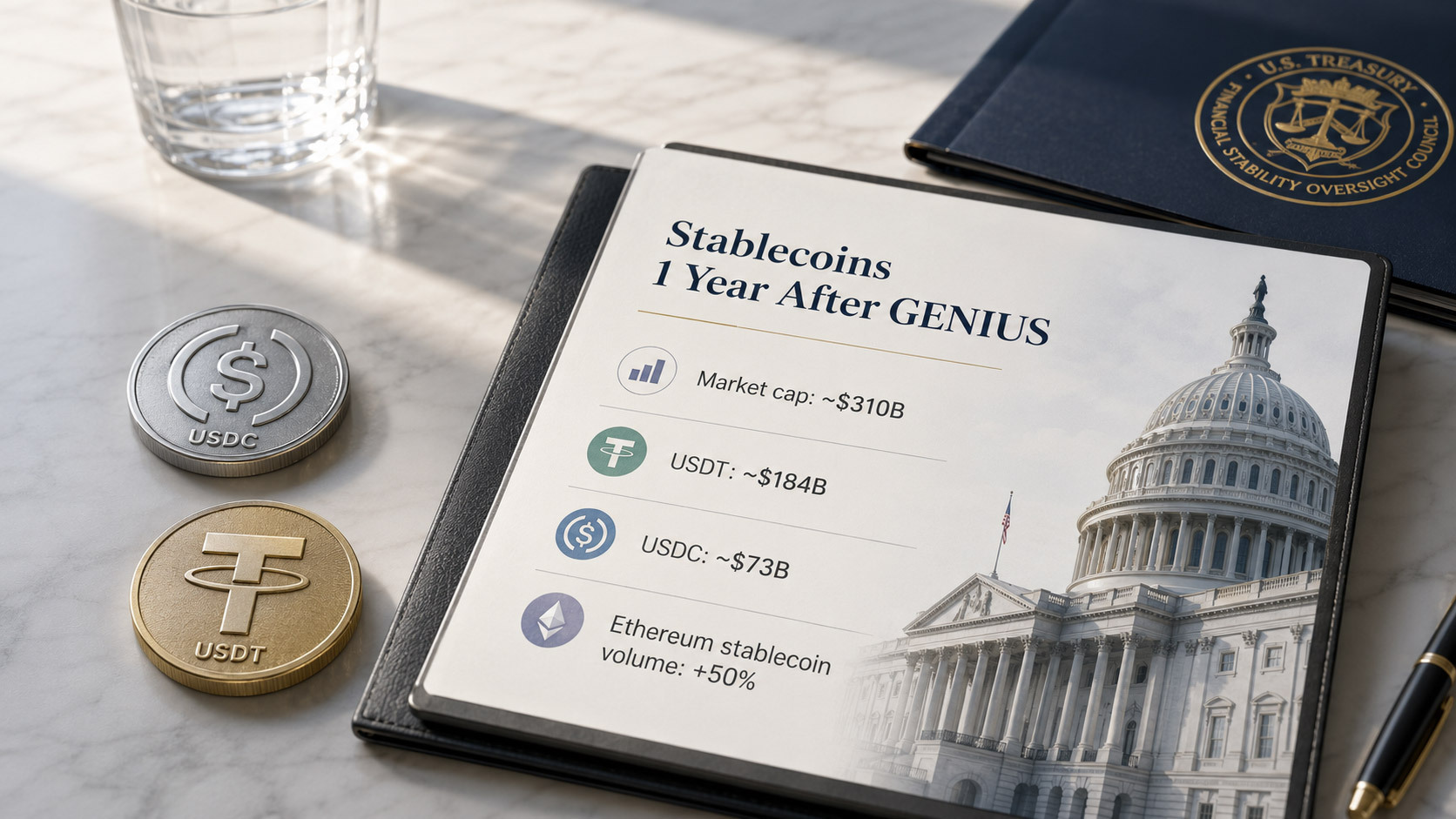
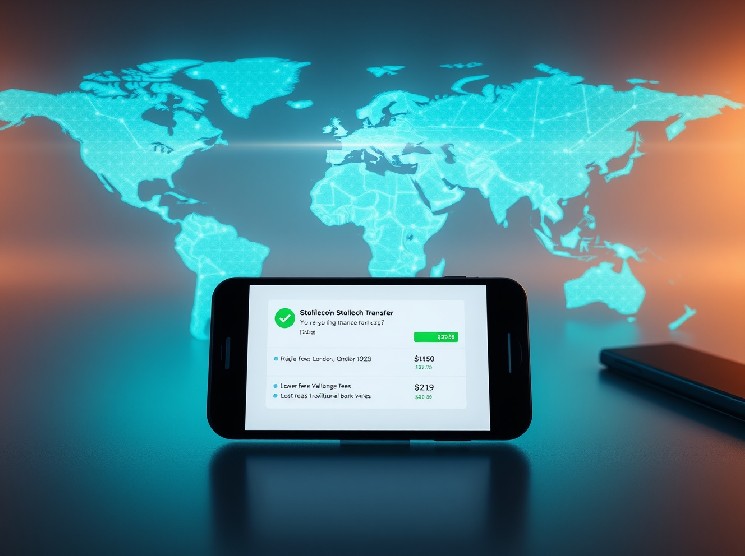
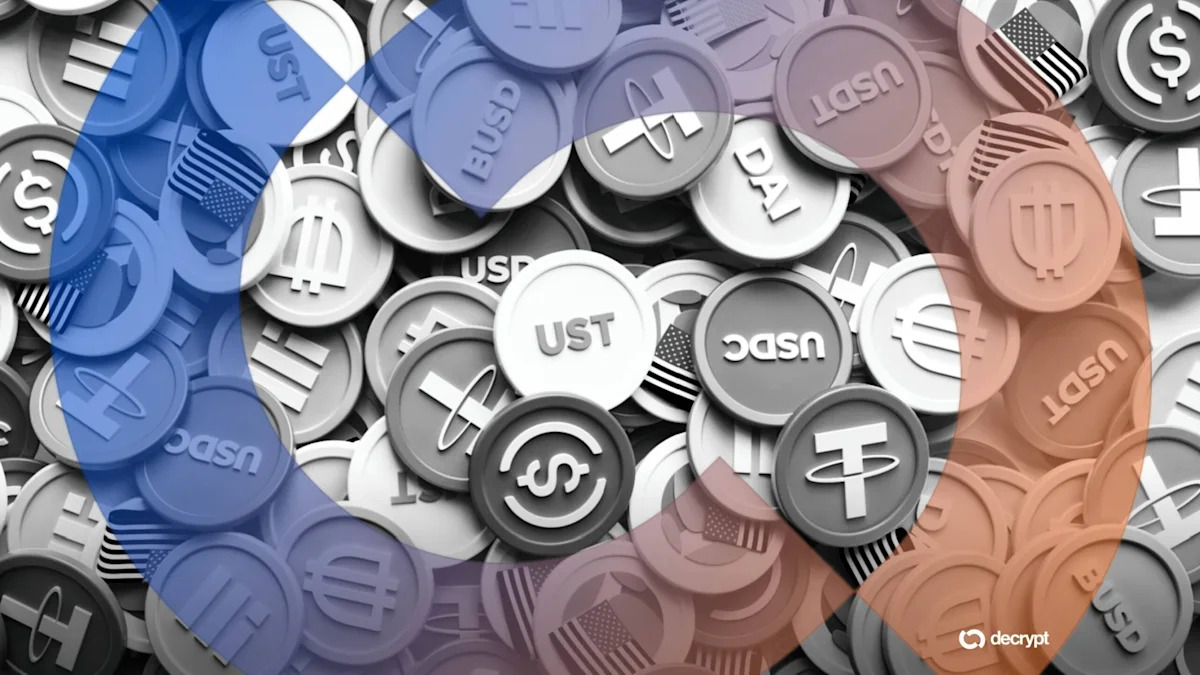
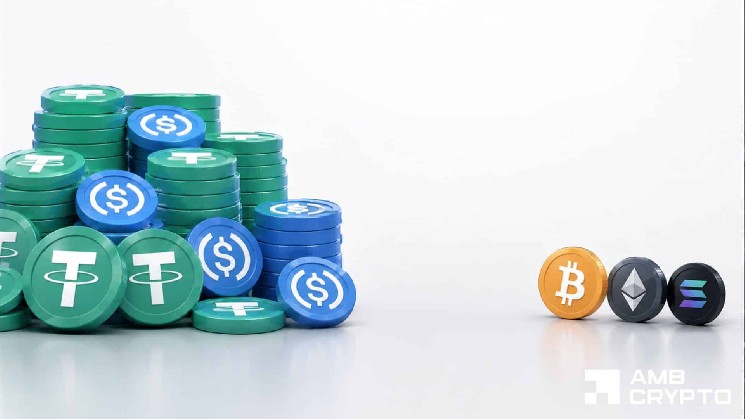
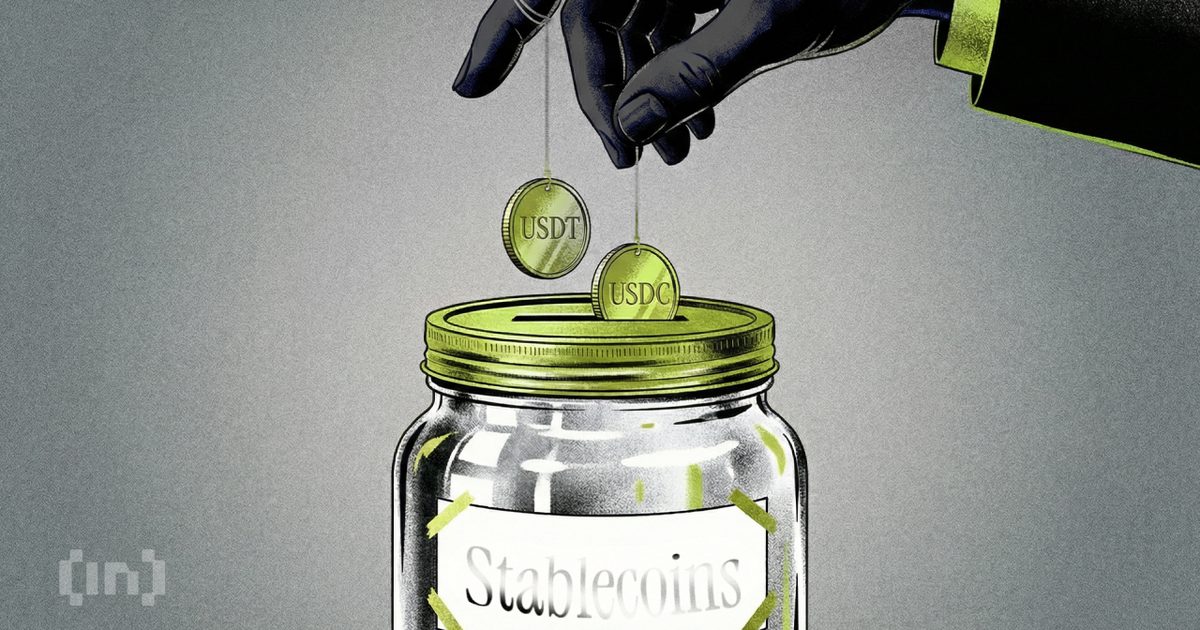
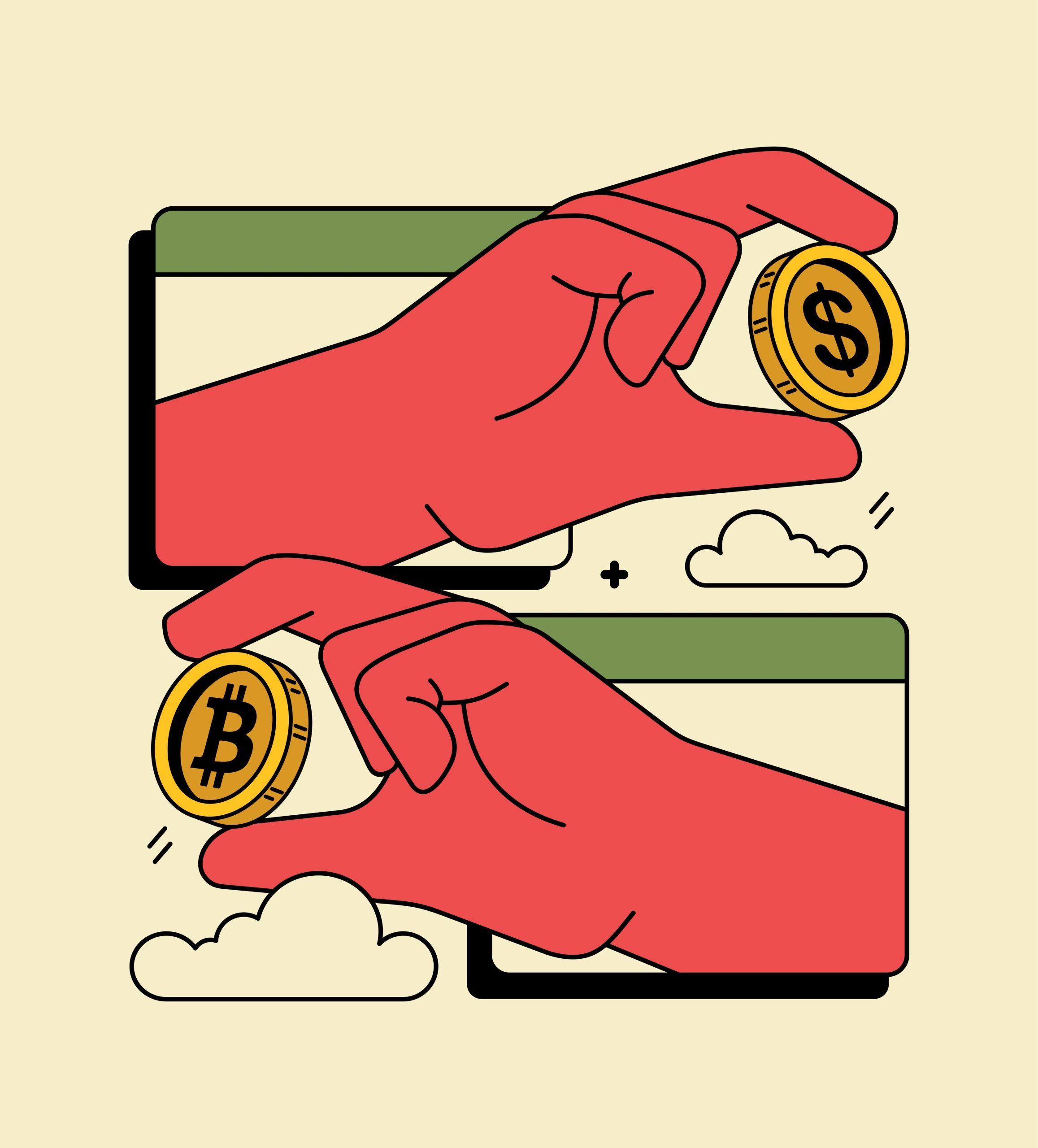
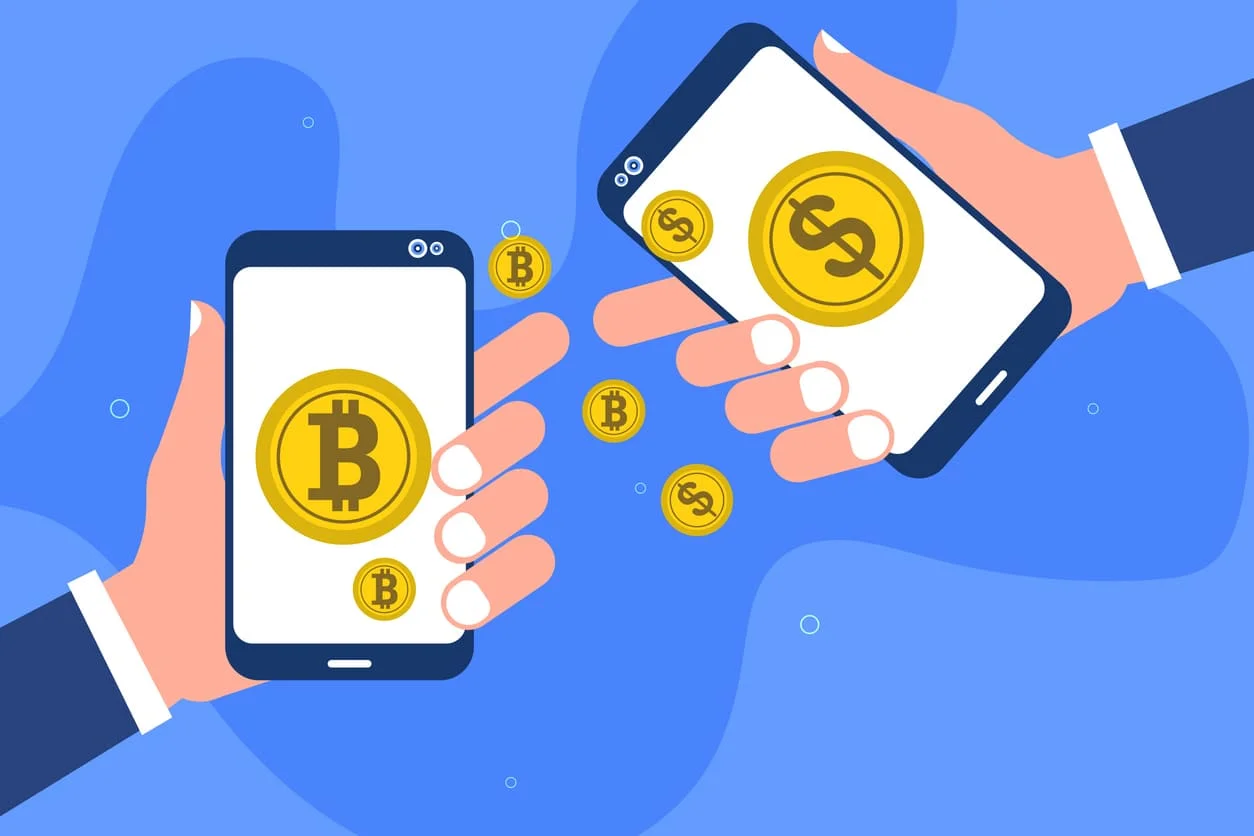
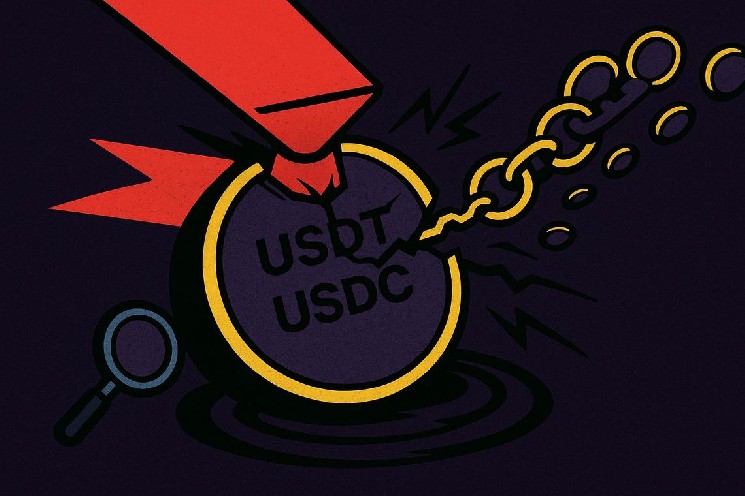
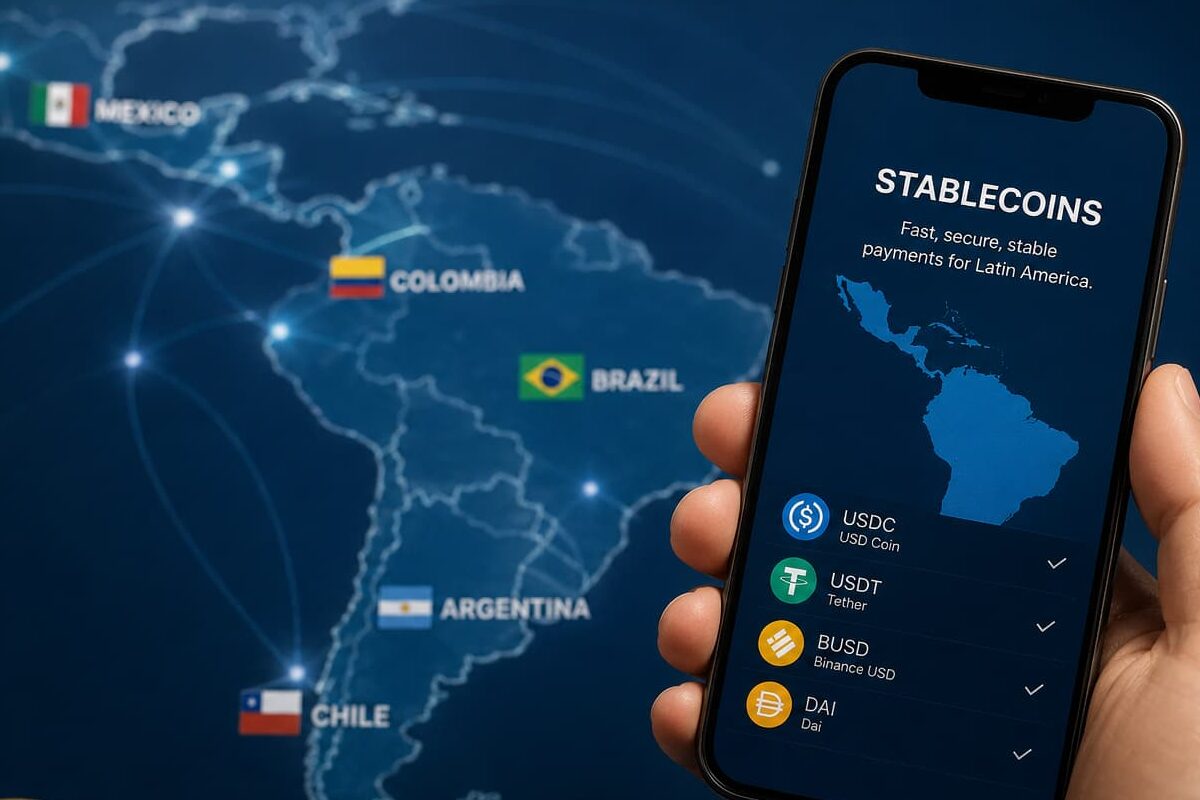
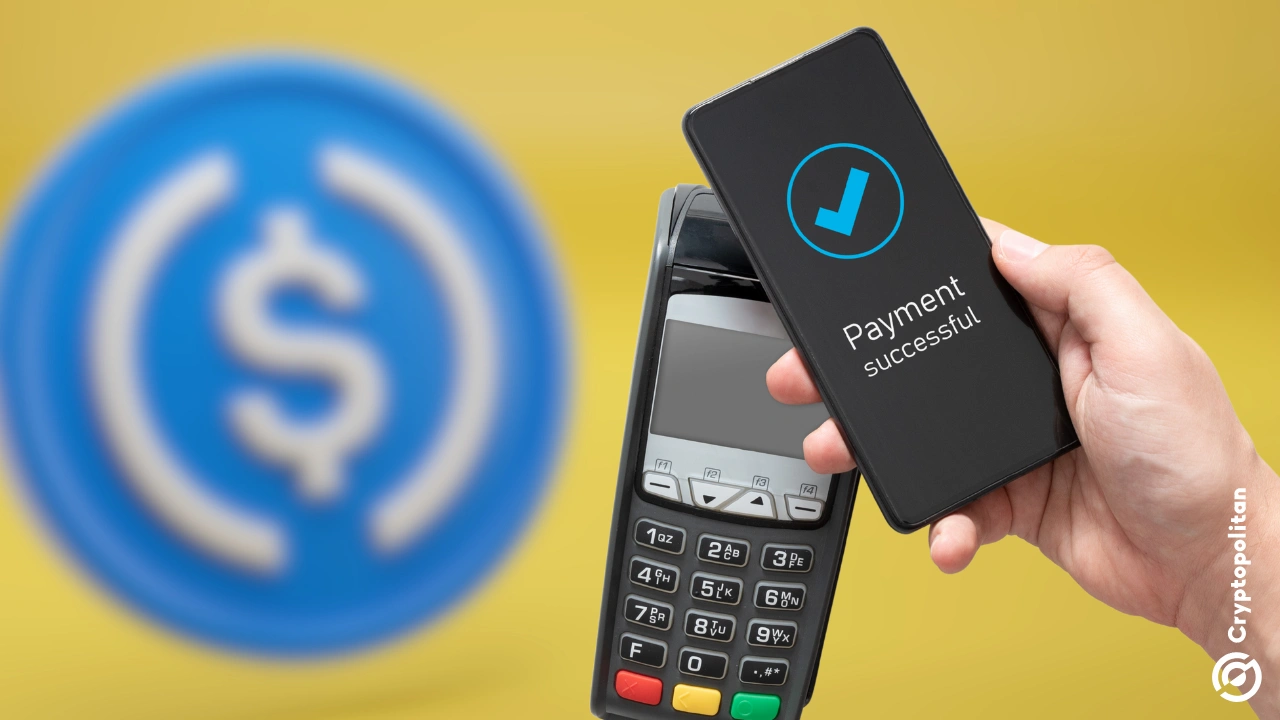
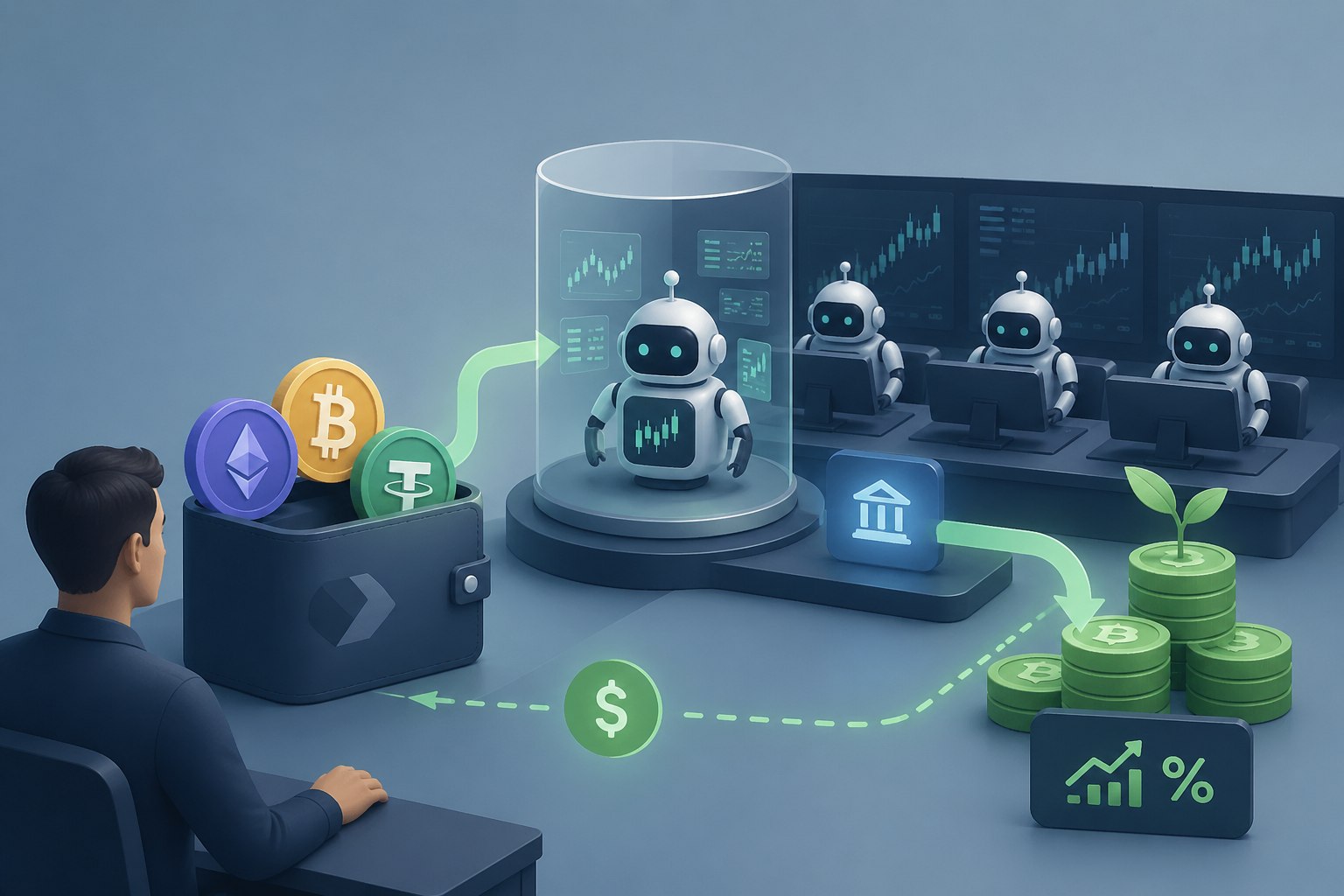
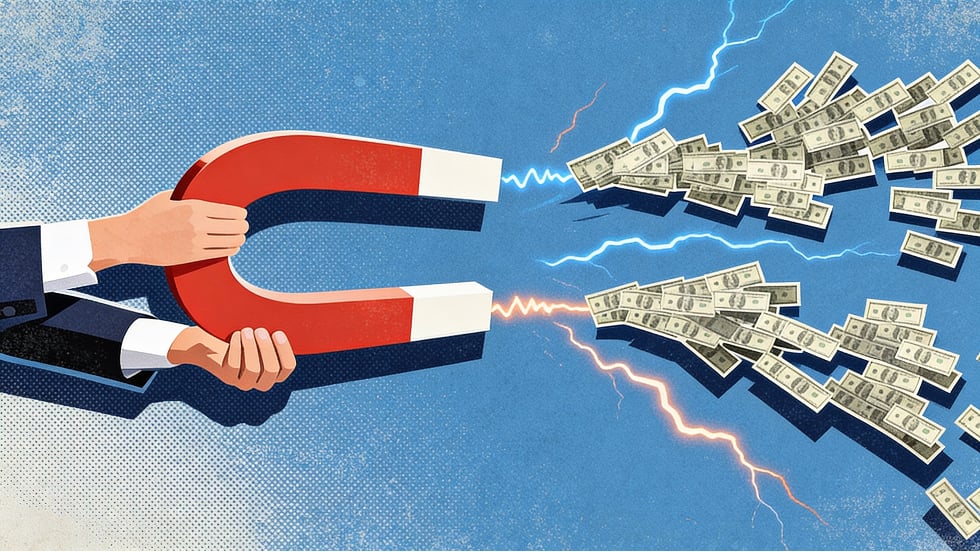
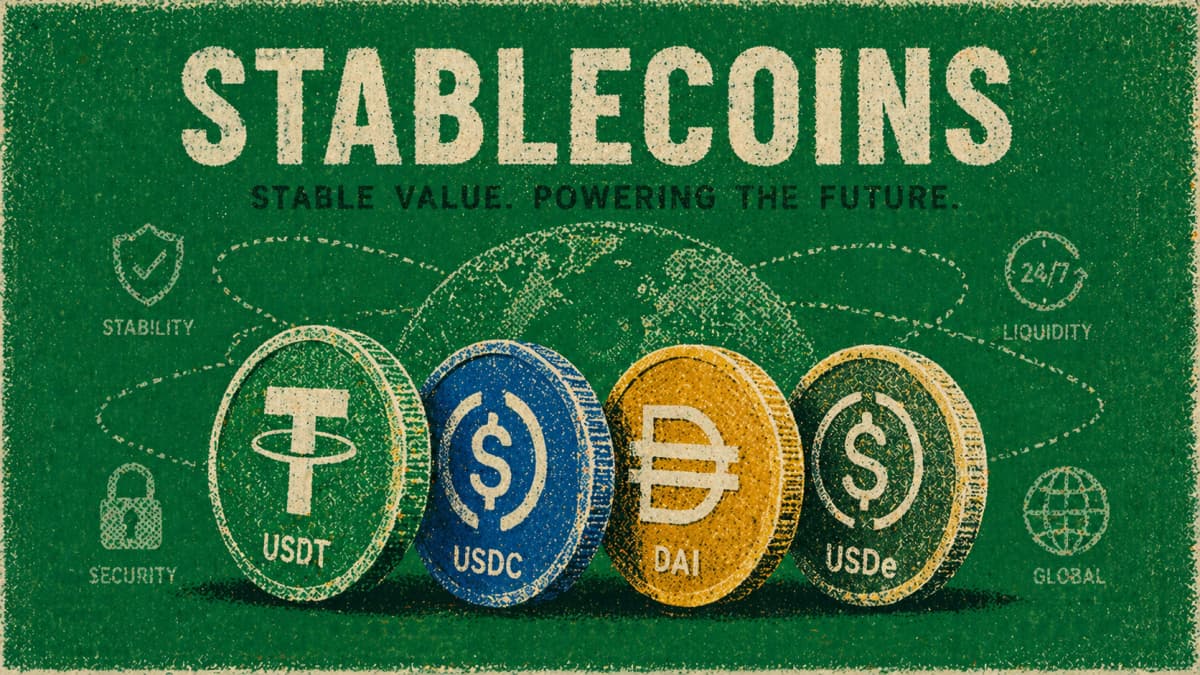
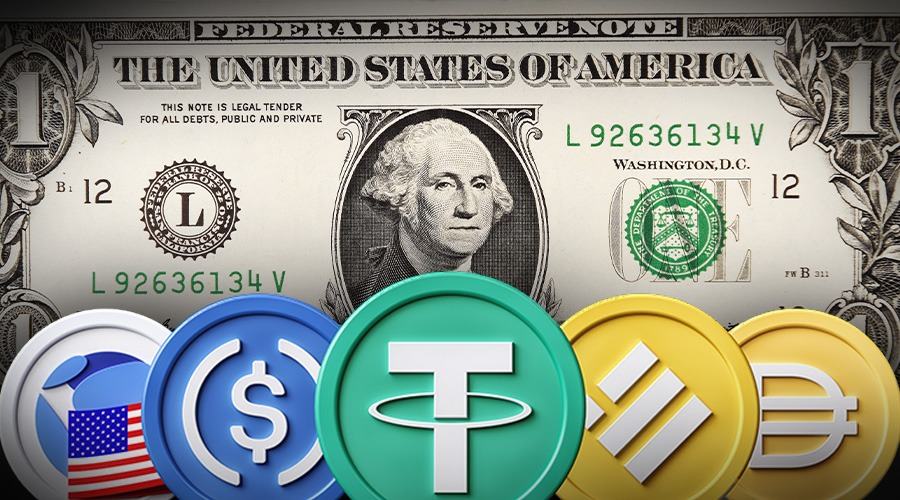
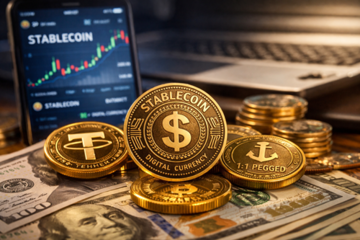
Stablecoins—digital currencies designed to always be worth $1—are beginning to change that dynamic. By introducing alternative settlement rails, they transform payments from a fixed tax into something merchants can actively procure and optimize.

Why Stablecoins Enable Payments Procurement
Payments are one of the last major “untouched” cost centers in modern commerce. In most organizations, CFOs apply rigorous procurement discipline to large operating expenses. The idea that a top-three cost category would remain largely unquestioned should be unthinkable.
Yet that is precisely how payments operate today. The complexity of the ecosystem—card networks, issuing banks, acquiring banks, processors and gateways—reinforces the perception that the system is too entrenched to meaningfully renegotiate.
Stablecoin rails introduce a fundamentally different model by allowing merchants to assemble a payments stack the same way they build other operational infrastructure. Suddenly, providers can be negotiated with and swapped out as market conditions evolve. Procurement teams can apply the same competitive pressure that exists in other large spending categories.
This shift has important implications for market power. Legacy card networks and processors have historically dictated terms because merchants lacked credible alternatives. Stablecoins introduce those alternatives. Even partial routing (where only a subset of transactions move over stablecoin rails) creates leverage in negotiations.
In other words, the strategic value of stablecoins is not limited to using them directly. Their existence reshapes the negotiating landscape.
Benefits of Having Procurement Strategy for Payments
Once payments are viewed through a procurement lens, the benefits extend well beyond transaction fees.
Stablecoin settlement is not only cheaper; it is also faster and programmable. Traditional card settlements can take days to fully clear through the banking system. Stablecoin settlement can occur in milliseconds.
That speed has meaningful implications for working capital. It improves the cash conversion cycle and gives finance teams earlier access to revenue, which in turn allows them to optimize liquidity across accounts in real time.
Early adopters may also capture a temporary margin advantage. There will likely be a transitional period where only a subset of merchants are operationally ready to process meaningful stablecoin volume. During that window, prepared merchants can benefit from lower effective payment costs, gaining margin that competitors do not yet have. Early movers can then lower prices, offer richer loyalty rewards, subsidize customer acquisition, or reinvest in growth.
Like many technology transitions, the advantage is unlikely to last forever. Once stablecoins become mainstream, pricing efficiencies will compress. But the merchants who prepared early will have enjoyed years of incremental margin before the market fully adjusts.
Besides, procurement discipline compounds over time. Even if stablecoins represent only a small share of transaction volume in the near term, early adoption creates institutional expertise. Finance teams develop playbooks for treasury management. Compliance teams become comfortable with digital-asset controls. Accounting systems integrate automated reconciliation and reporting.
Over time, those operational capabilities compound. Merchants that start early develop the ability to dynamically route payment volume across multiple rails—choosing the lowest-cost or fastest option in any given moment. When volumes eventually scale, those organizations are not scrambling to build infrastructure. They are harvesting margin.
Time Is Now
If merchants wait until stablecoins are fully mainstream, they will enter the market under very different conditions. Pricing models will be standardized, and integration pathways will largely have been set by earlier participants.
But early adopters shape the ecosystem. They negotiate bespoke commercial terms and build relationships with the infrastructure layer while the market is still forming. The real strategic risk, then, is not that stablecoins could fail. The greater risk is that they succeed faster than expected—and merchants find themselves operationally unprepared.
Payments have long been treated as an unavoidable cost of participating in commerce. Stablecoins challenge that assumption. They make it possible, for the first time, to treat payments as something that can be sourced, negotiated and optimized like any other strategic input. For merchants willing to apply procurement discipline to payments, this is an opportunity to gain leverage in the economics of commerce.
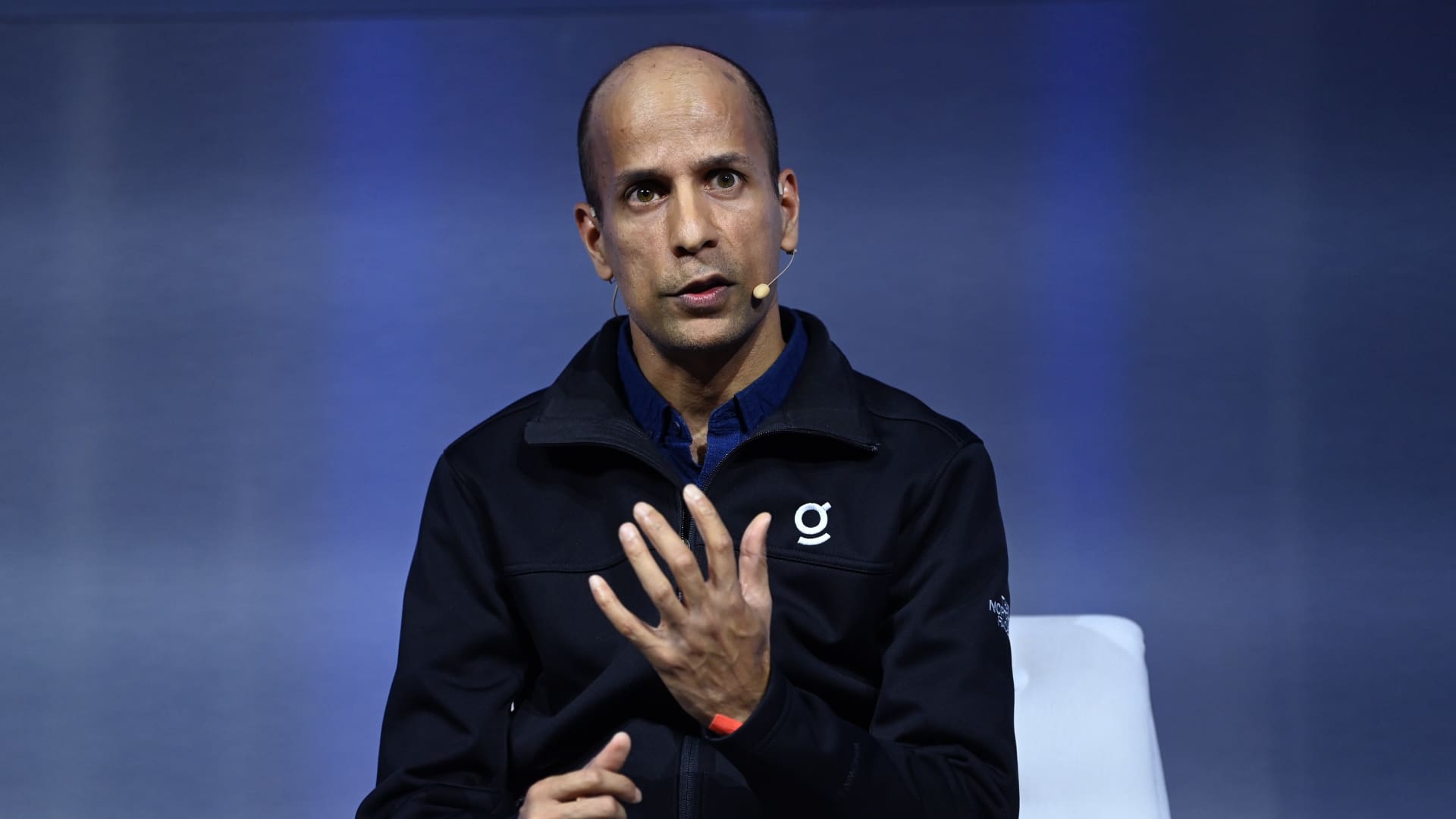
Ron Tarter is the founder of MNEE Pay, a platform developing stablecoin acceptance infrastructure for merchant applications.