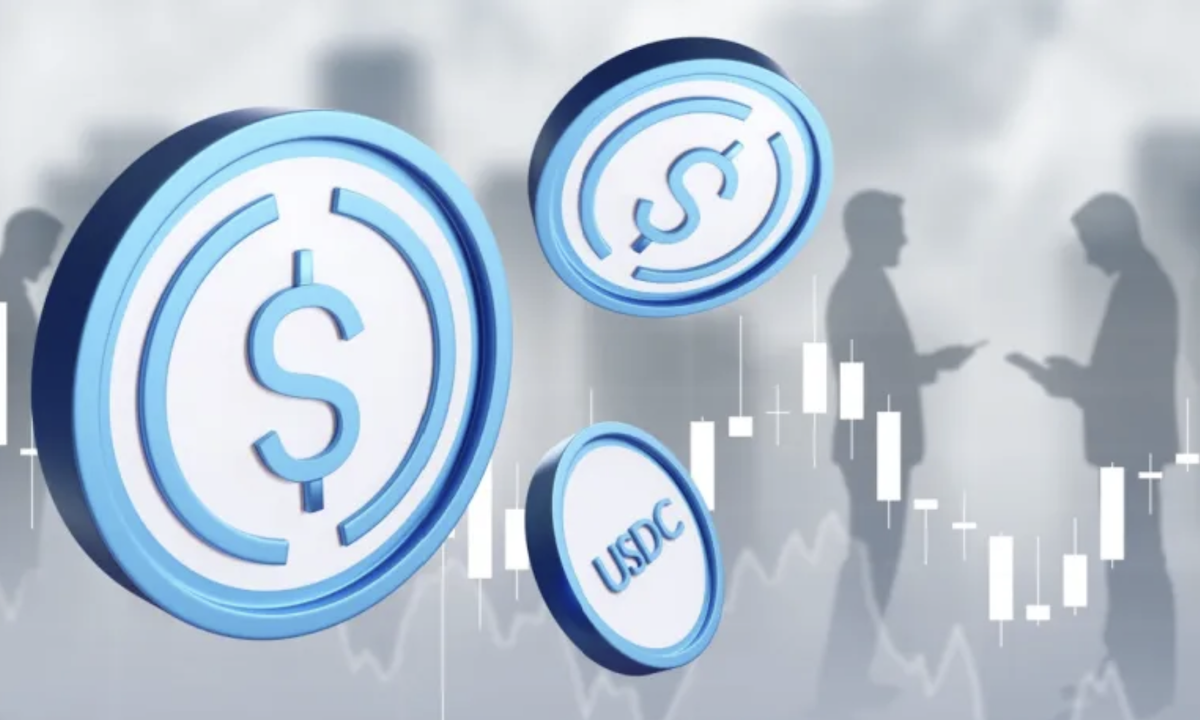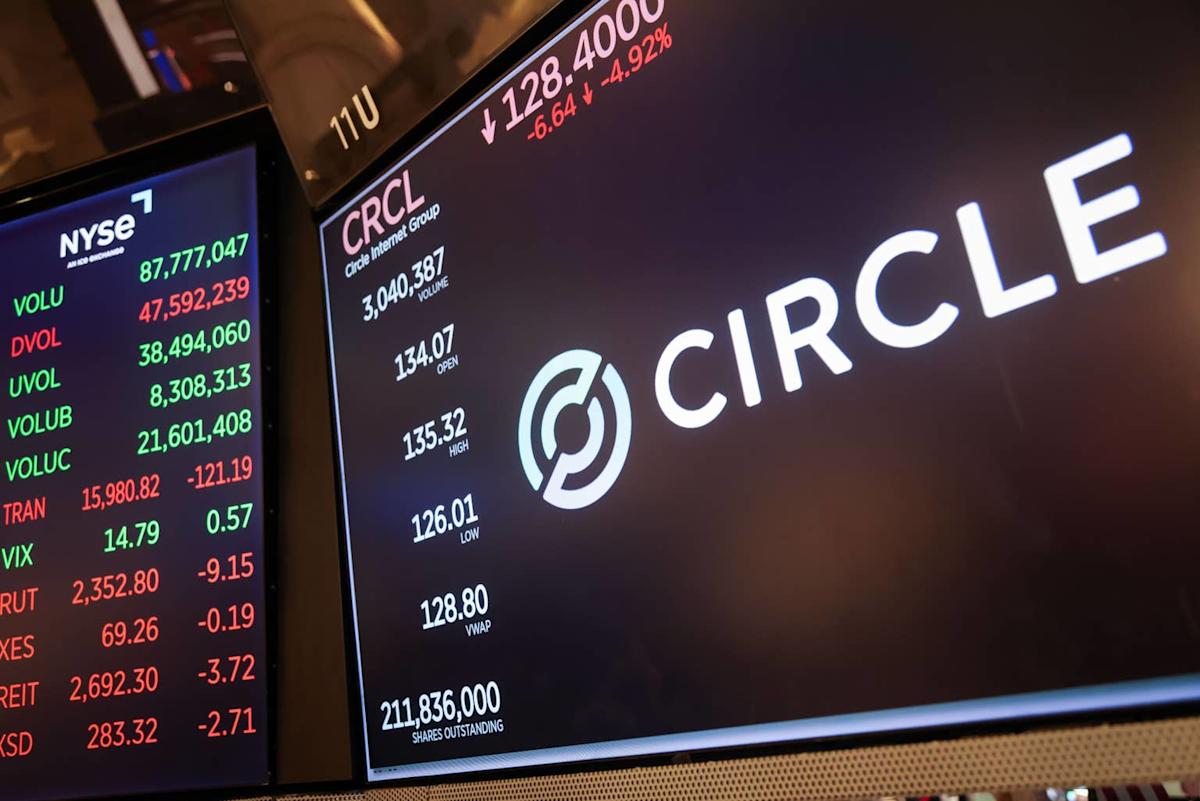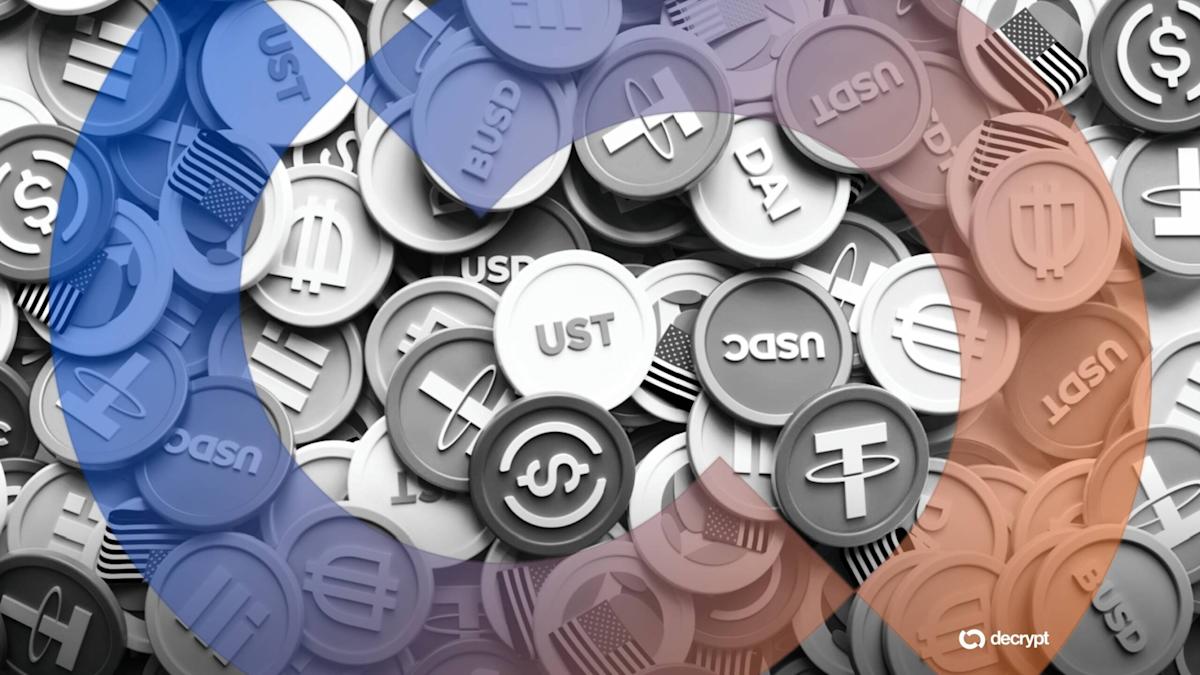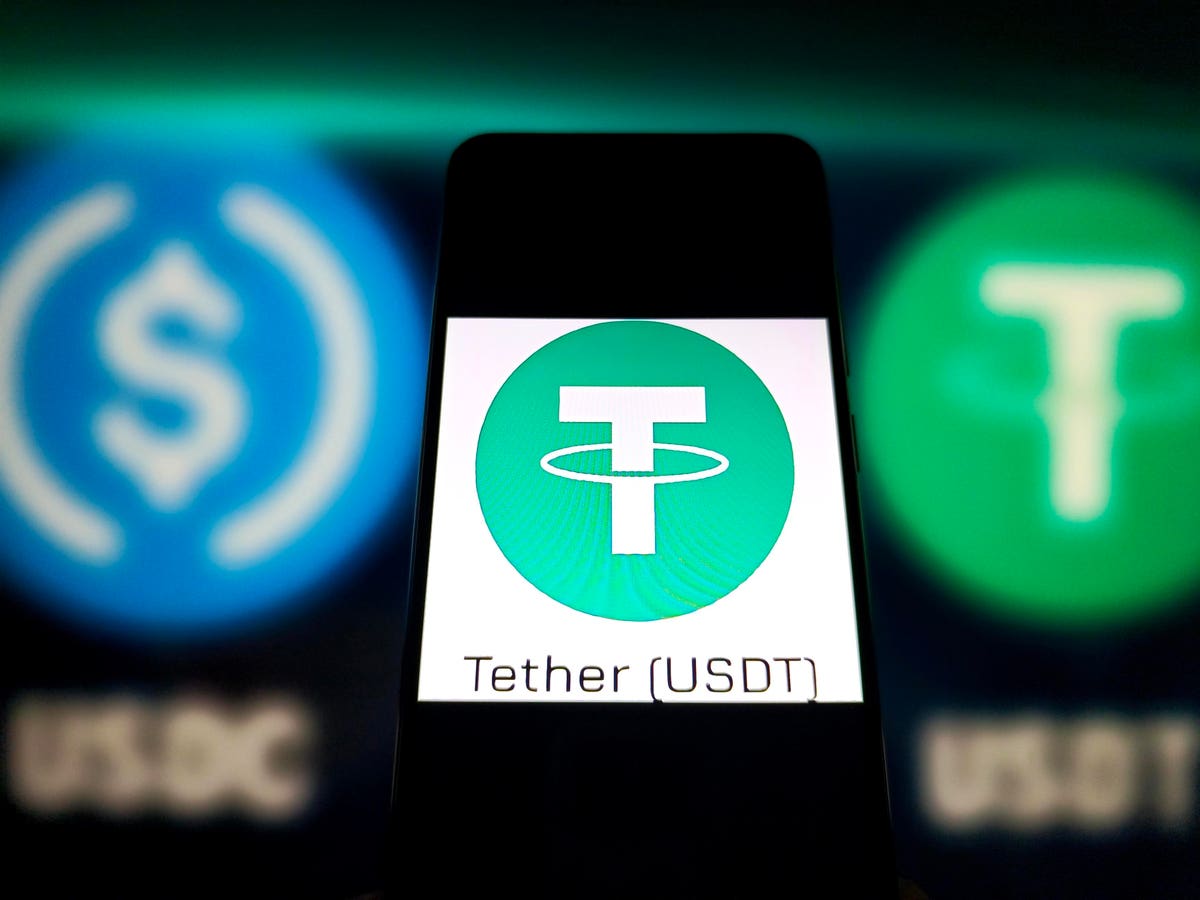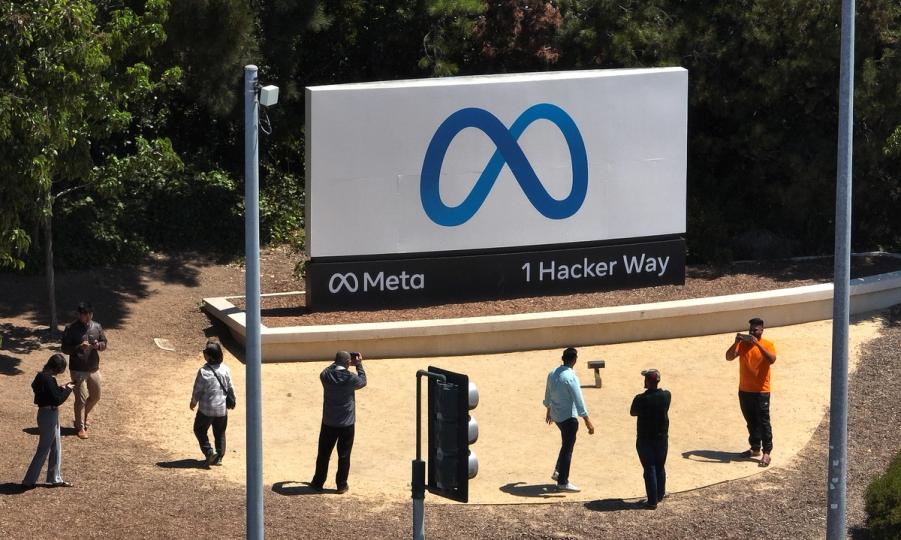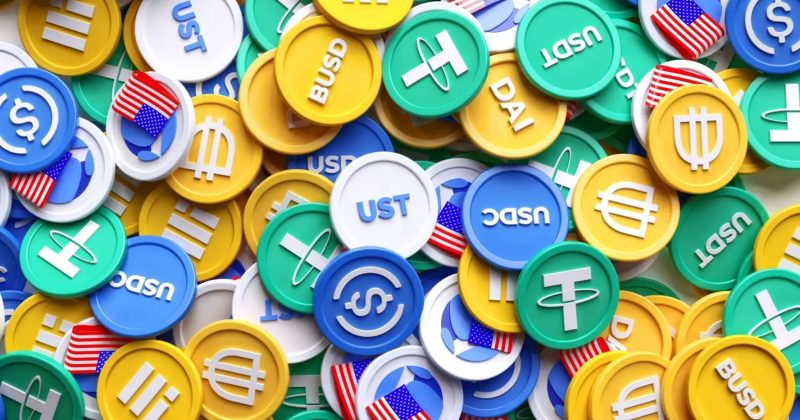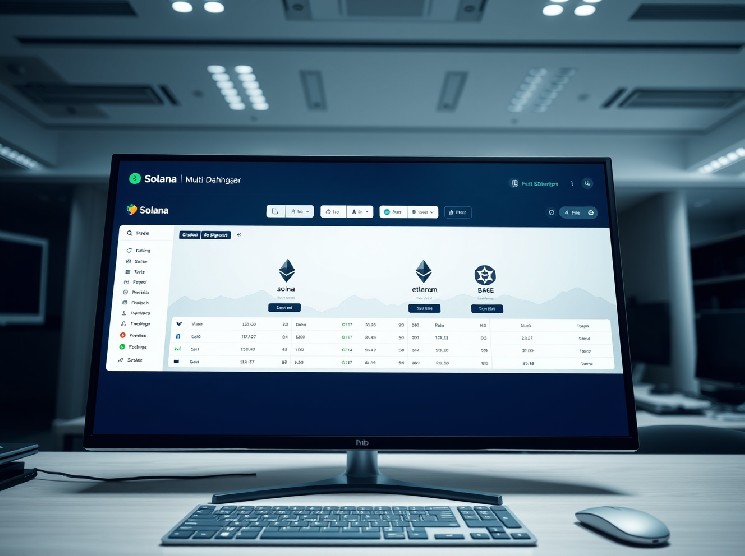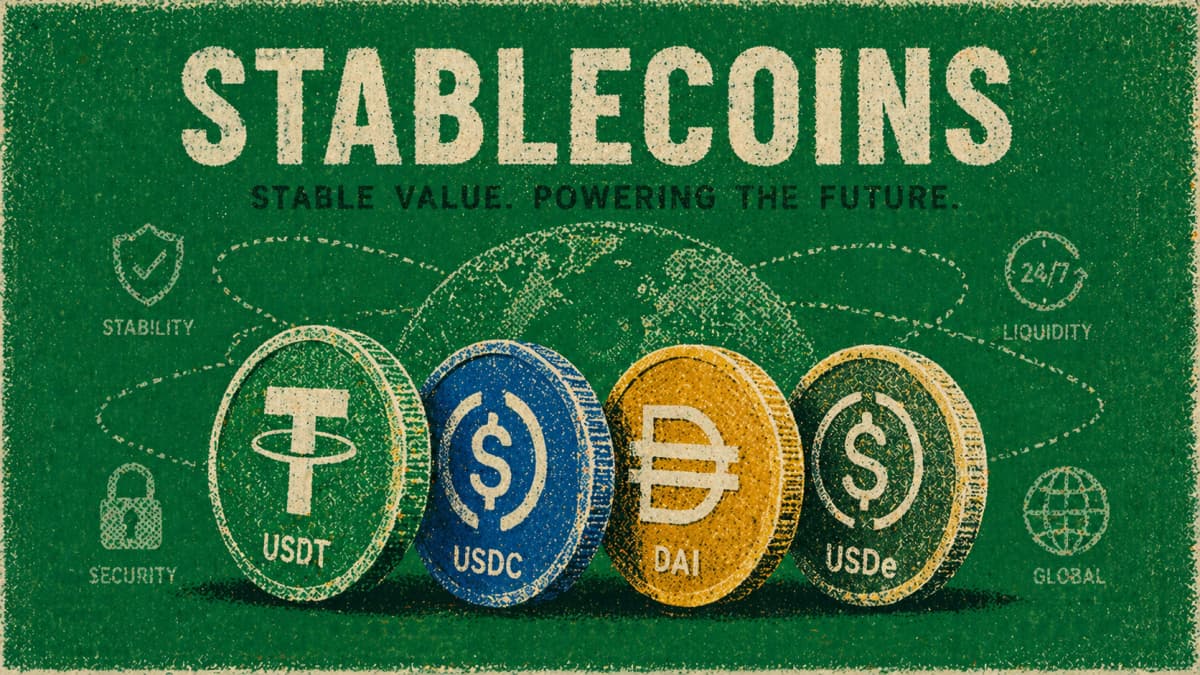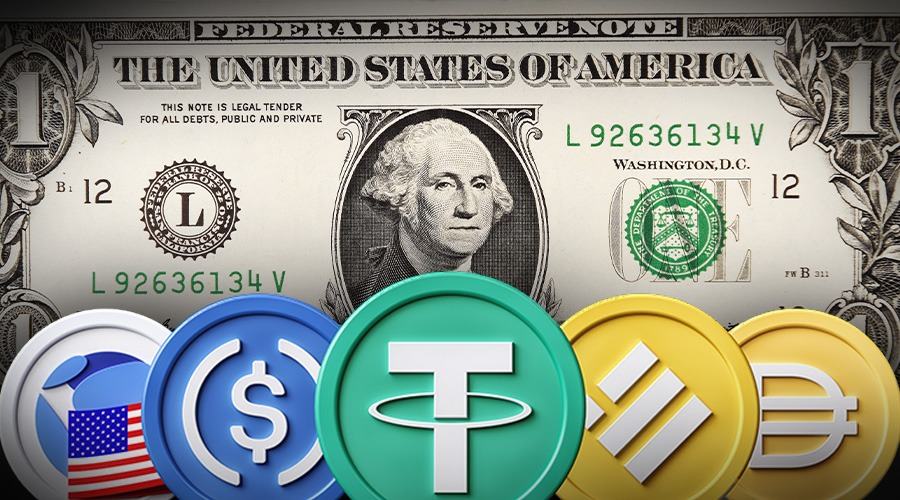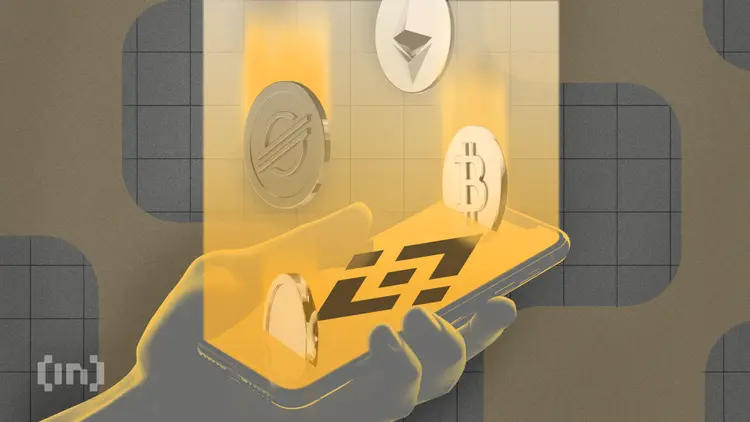
Meta (Facebook) (NASDAQ:META) has started with supporting stablecoin payouts to certain social media content creators, effectively enabling them to accept earnings in Circle’s USDC on the Solana or Polygon crypto networks. In the past, Meta has been known to aggressively pursue a range of (mostly unsuccessful) crypto-related ventures, such as the failed Metaverse experiment that resulted in billions of dollars being wasted.
Although Meta has not had much success with crypto projects like Libra / Diem in the past few years, the social media giant finally appears to be taking a more practical and realistic approach to digital assets. By enabling support for legitimate innovations like stablecoins with USDC payouts, Meta can finally begin to carve out its place in the web3 and digital currency ecosystem.
As one of the world’s largest tech companies, most of Meta’s actions are heavily scrutinized and monitored by US regulators and those operating in other major jurisdictions. In addition to regulatory hurdles, Meta has had numerous issues with privacy and ensuring adequate consumer protection. Many lawsuits have been settled by the tech firm in the past 20 years where it has had to pay billions in fines and penalties.
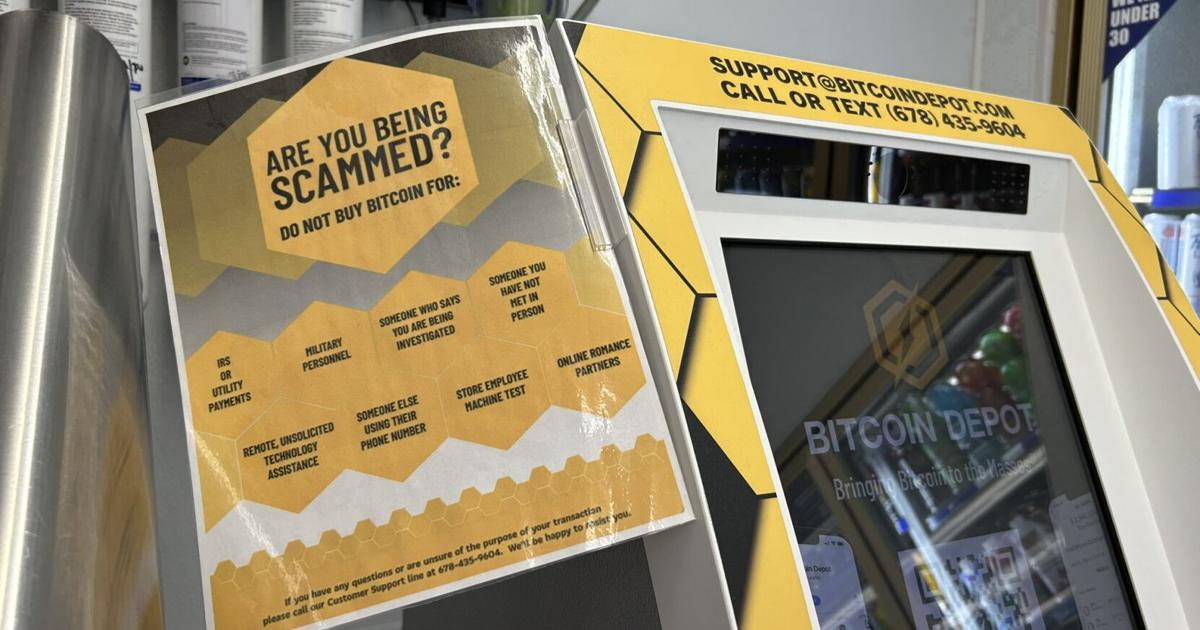
Now though, Meta finally seems to be taking a sensible approach to enabling digital assets and stablecoin transactions through its vast network. These small steps are going to lead to more meaningful progress in the foreseeable future, but only if the tech giant can curb scams, various fraudulent activities, and other forms of user abuse carried out rampantly via Facebook Marketplace and other chat groups on the platform.
Facebook, Instagram, WhatsApp (all owned by Meta) should also look into providing improved customer protection policies. The tech company may also benefit from introducing basic Bitcoin and crypto trading services through some of its fintech–related services. Other platforms like X have already been making progress in terms of working on payments apps.
There’s no reason why Meta cannot focus more on its own Fintech focused product development. But overly ambitious and unrealistic projects in crypto and Fintech have proven to be bad business ideas / moves. That’s why it would make much more sense for the tech firm to roll out products gradually, test out their usefulness, and then introduce other Fintech features based on user feedback. Regulators must also stay well-informed so that there are no surprises and every ecosystem participant knows what to expect.