Corporate demand for efficiency
Cross-border complexity creates friction for multinational operations. According to Bain & Company, 34% of CFOs identify this as a leading challenge.
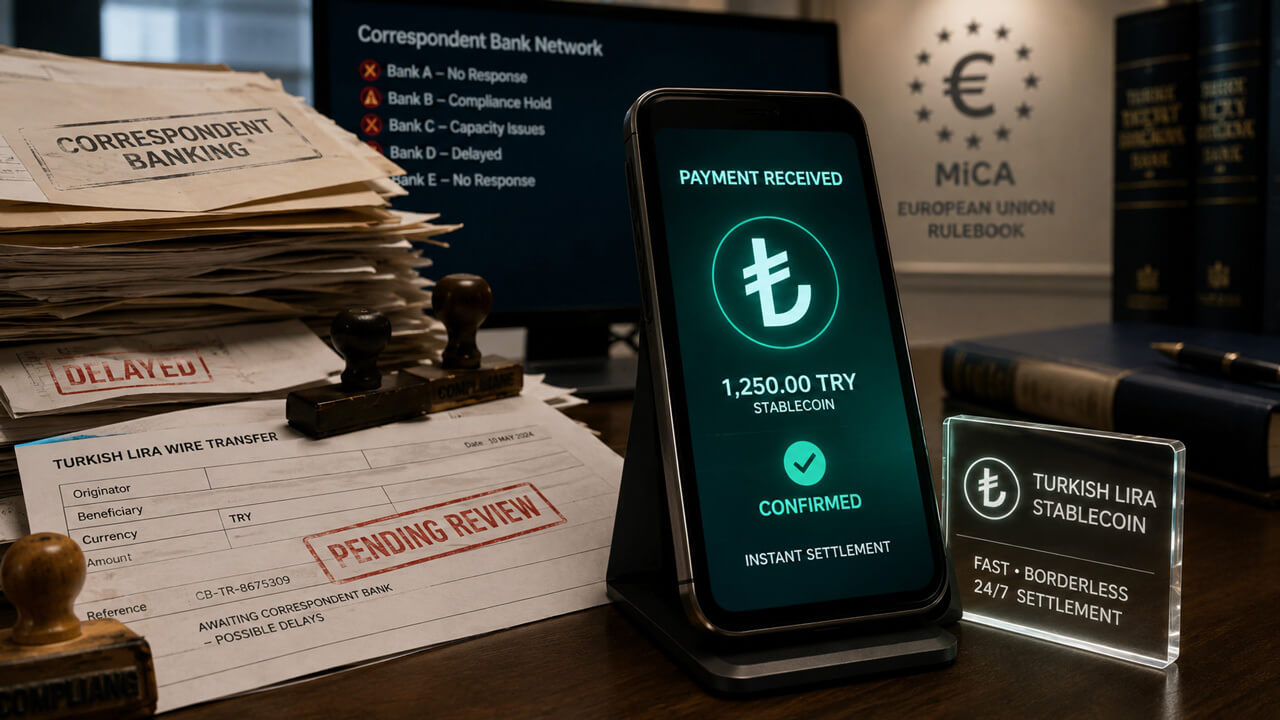
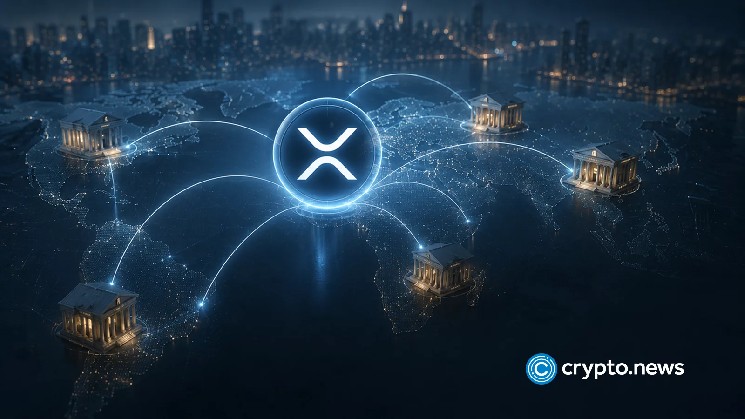
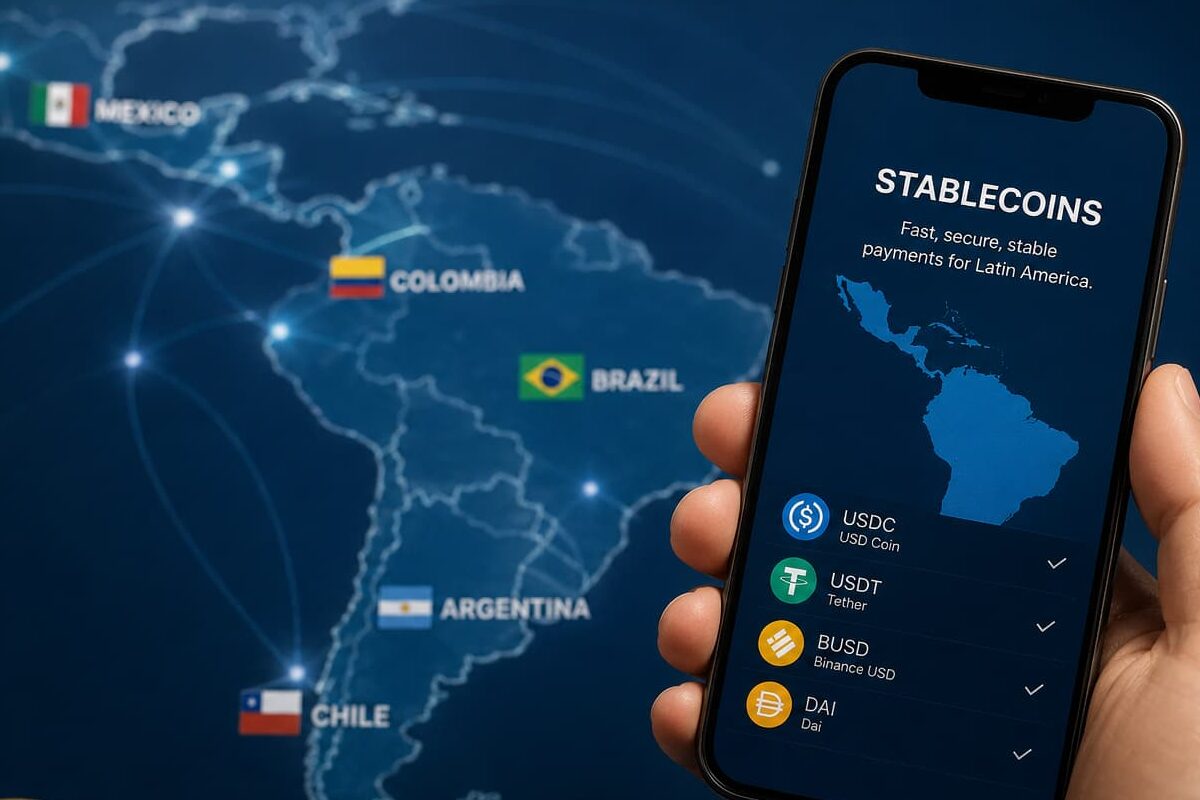
Fragmented foreign exchange markets, delayed settlement cycles and the requirement for pre-funded accounts all add operational cost. Stablecoins and tokenised deposits offer near-instant, programmable transfers that can operate continuously across time zones.
The ability to reduce delays and enable faster reuse of capital could unlock trapped liquidity. This could improve capital efficiency and reduce operational complexity for financial institutions.
Use cases are already appearing in foreign exchange, collateral management and corporate treasury operations. Speed, programmability and continuous availability offer advantages over legacy systems in these areas.
Regulatory and operational barriers
Bain & Company identifies sanctions screening and transaction monitoring as key barriers to adoption. These challenges are particularly acute in cross-border contexts.
The firm recommends a phased approach. Pilot programmes and targeted deployments should precede broader participation in emerging networks.
Institutions must also invest in compliance frameworks, data integration and operational infrastructure to support adoption. These foundations are necessary before scaling participation.
The report draws attention to high-friction areas where digital money can deliver tangible improvements. Cross-border foreign exchange, collateral management and treasury functions present the clearest opportunities.