What Happened?
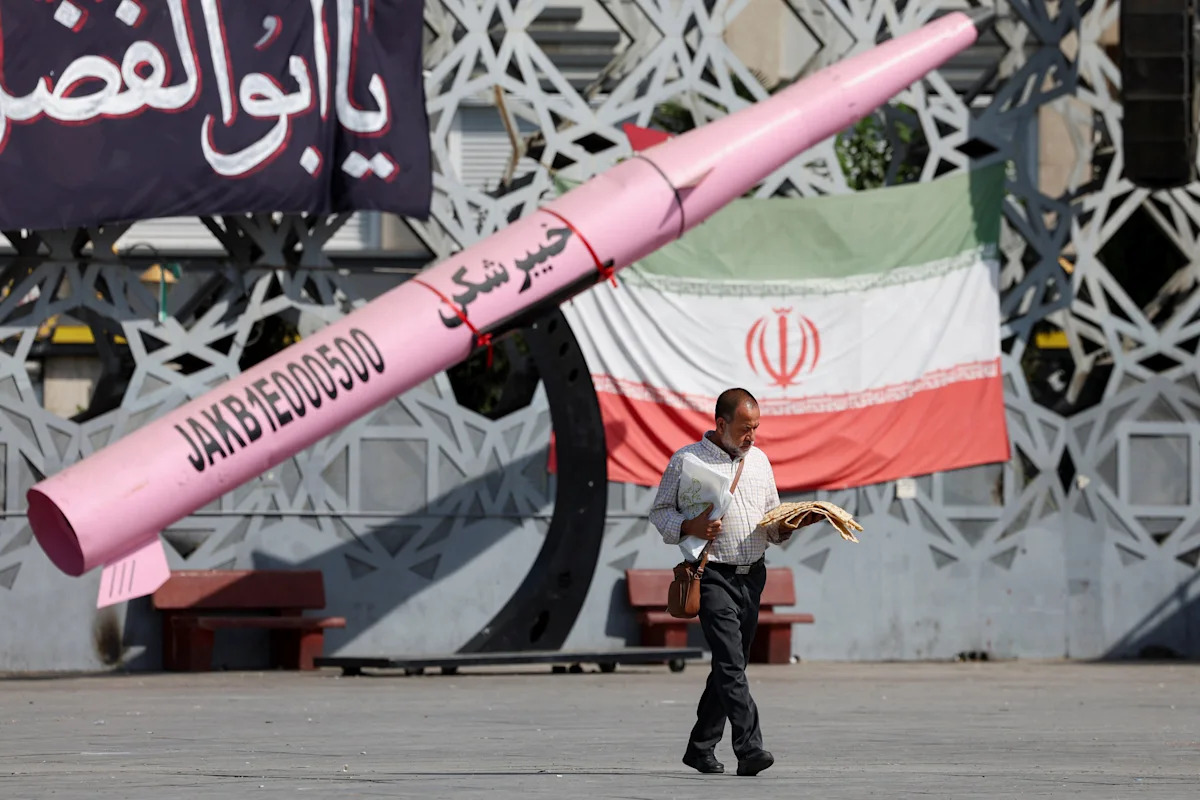
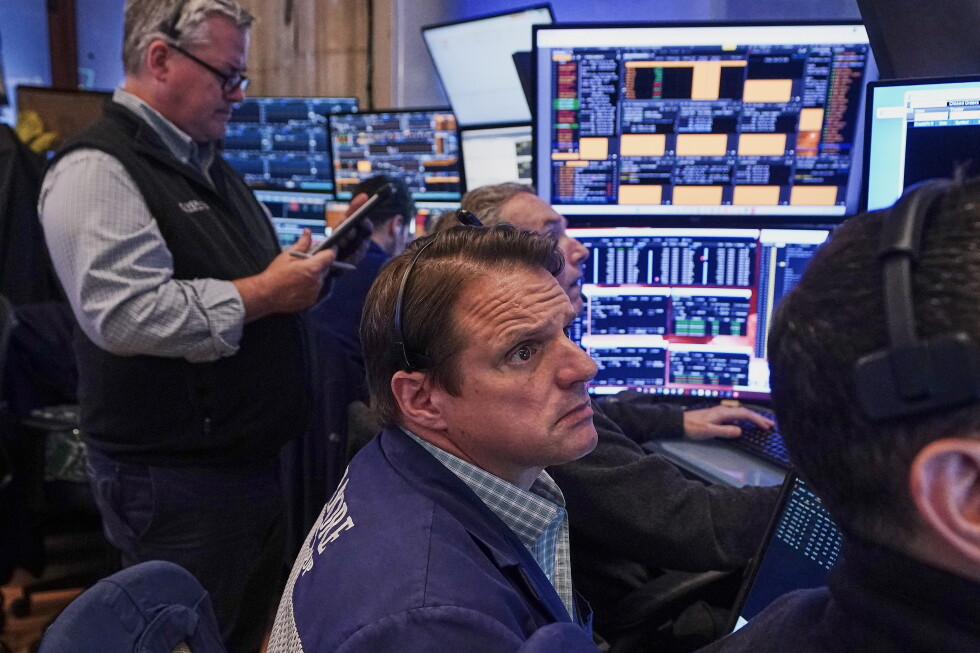
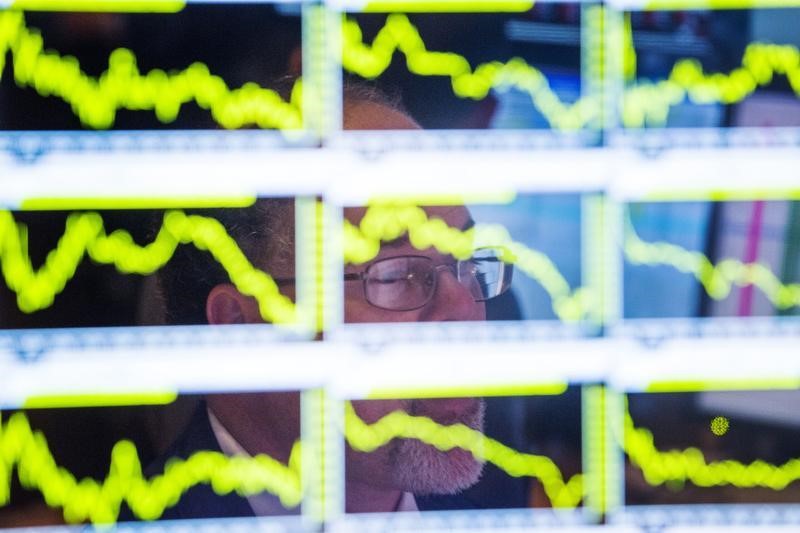
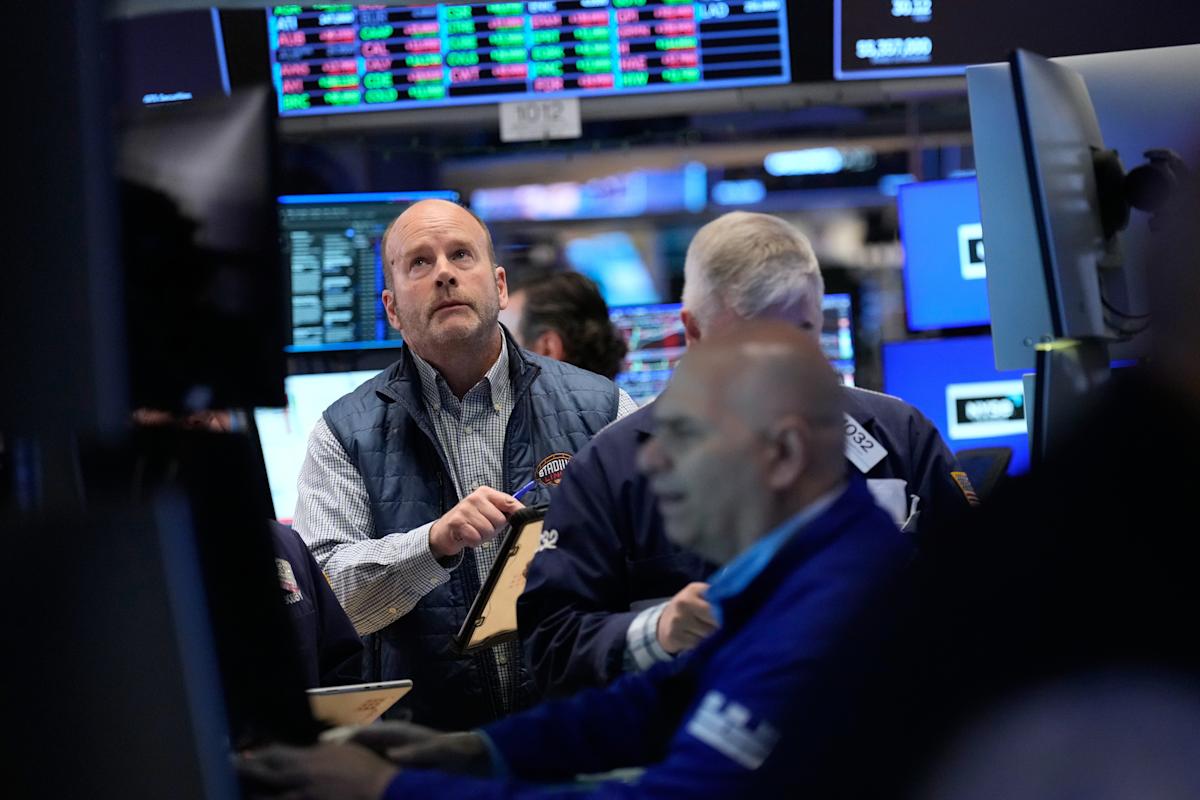
A number of stocks fell in the afternoon session after the U.S. and Iran signed an interim agreement that would waive sanctions on Tehran’s oil and reopen the Strait of Hormuz.
WTI futures fell as much as 3.5% to an intraday low of $73.60, the lowest since March 2, the first trading day after the initial US-Israeli strikes on Iran, while Brent crude dropped 2% to $77.96. The catalyst was a 14-point memorandum of understanding signed by the US and Iran, which begins a 60-day negotiation period. This stripped away the geopolitical risk premium that had been the energy sector’s most powerful tailwind for months.
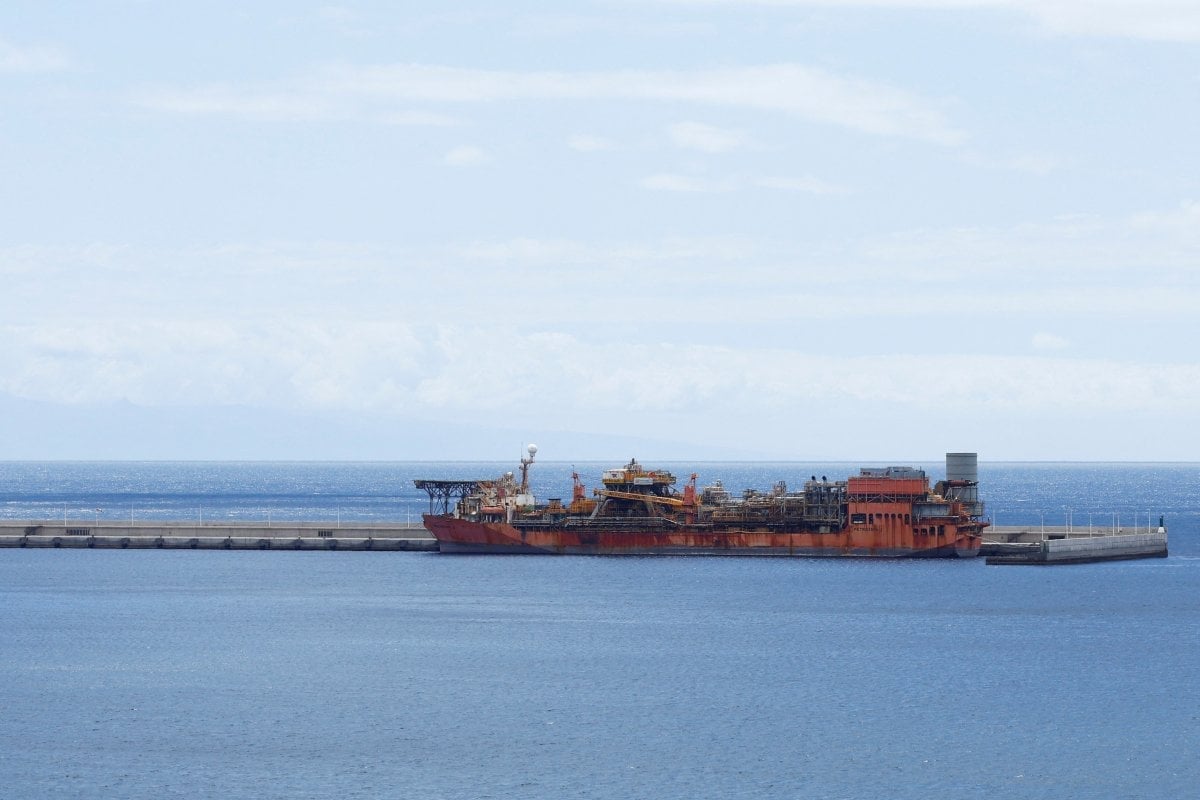
Under its terms, Iran will allow toll-free passage through the Strait of Hormuz immediately, with full traffic capacity restored within 30 days. Roughly 20% of the world’s seaborne oil and LNG transits the strait. Saudi tankers and LNG carriers were already departing the Gulf region as shipping activity began to normalize. Oil reached as high as $120 per barrel at the peak of the conflict and fell nearly 29% in a month. That collapse reflects markets pricing in the return of Iranian barrels to global supply, barrels that had been sanctioned out of the market, alongside the reopening of the world’s most critical energy shipping lane.
The stock market overreacts to news, and big price drops can present good opportunities to buy high-quality stocks.
Among others, the following stocks were impacted:
Zooming In On Occidental Petroleum (OXY)
Occidental Petroleum’s shares are somewhat volatile and have had 11 moves greater than 5% over the last year. In that context, today’s move indicates the market considers this news meaningful but not something that would fundamentally change its perception of the business.
The biggest move we wrote about over the last year was 2 months ago when the stock dropped 5.3% after President Donald Trump announced a two-week suspension of attacks on Iran, leading to a massive collapse in crude oil prices.
The “double-sided” ceasefire and the subsequent reopening of the Strait of Hormuz effectively removed the “war premium” that propped up energy prices. As the threat of a prolonged conflict recedes and the U.S. discusses sanctions relief for Iran, the outlook for global oil supply is projected to shift from a deficit to a potential surplus. Investors rotated out of these defensive “inflation hedges” and back into growth-oriented sectors, viewing the current ceasefire as a sign that the peak of the energy-driven profit cycle may have passed.
Occidental Petroleum is up 21.1% since the beginning of the year, but at $51.32 per share, it is still trading 22.5% below its 52-week high of $66.24 from March 2026. Investors who bought $1,000 worth of Occidental Petroleum’s shares 5 years ago would now be looking at an investment worth $1,834.
ONE MORE THING: 3 Hidden Platforms Growing 3X Faster than Amazon, Google, and PayPal. Amazon, Google, and Meta all followed the same playbook: Dominate an ignored market. Build an unbeatable moat. Scale until you’re unstoppable.
These three platforms are running that exact playbook right now. The early investors in Amazon made fortunes. The early investors in these could do the same. Get All 3 Stocks Here for FREE.