The S&P 500 (^GSPC -0.17%) bull market has just entered its 47th month since reaching a relative low in October 2022. After nearly four years of phenomenal returns in the stock market, with the benchmark indexes zooming well past their previous high, investors may be wondering just how much higher stocks can climb. In fact, with the S&P 500, Nasdaq Composite (^IXIC -0.28%), and Dow Jones Industrial Average (^DJI -0.20%) all trading within a couple of percentage points of their all-time highs, some may think it’s not a great time to buy stocks.
Turning to historical data can help investors assess whether their emotions are getting the best of them or if it’s highly likely the bull market has mostly run its course and we’re due for a meaningful pullback in stocks. The answer is quite clear.

Image source: Getty Images.
How much longer can this bull market last?
The bull market is just a couple of months short of reaching its fourth anniversary at this point. But even at four years old, the bull market’s current age is below average. The average bull market since World War II has lasted 5.6 years, according to data compiled by Carson Investment Research. That means we could have over 20 months left before the market peaks if the current bull market is merely average.
Today’s Change
(-0.17%) -13.23
Index Level
7,785.76
Key Data Points
Day’s Range
7,776.31 – 7,810.01
52wk Range
6,316.91 – 7,816.70
Additionally, the average bull market produced cumulative returns of 167% in the S&P 500. Nearly four years into the current bull market, the S&P 500 has produced a total return of 129%. That leaves room for another 16.5% increase in the S&P 500 from here through the end of the bull market, if it hits the average.
Of course, the current bull market is unlikely to be average. Just as it’s unlikely for the S&P 500 or Nasdaq to produce “average” returns in any given year, it’s also unlikely to see average returns for a market cycle. The fact that the bull market is already nearly four years old suggests it could last longer and deliver greater returns than the average bull market, given that some bull markets fade much earlier.
There’s good reason to believe the bull market still has legs
The first few years of the bull market were characterized by a handful of big winners. Big tech stocks tied to artificial intelligence pushed the entire market higher. That’s pushed the concentration of the S&P 500 and Nasdaq indexes to extreme levels.
The top 10 companies in the S&P 500 account for 39% of the index’s total value. The top five in the Nasdaq-100 account for nearly 50% of its value.
But there are signs that market strength is broadening beyond the megacap AI stocks that have pushed the indexes higher over the first three years of the bull market. Indeed, 57% of the S&P 500 constituents have outperformed the index so far this year. That’s the highest level in a decade. In other words, the continued rise of the bull market isn’t predicated on the results of just a handful of companies this year.
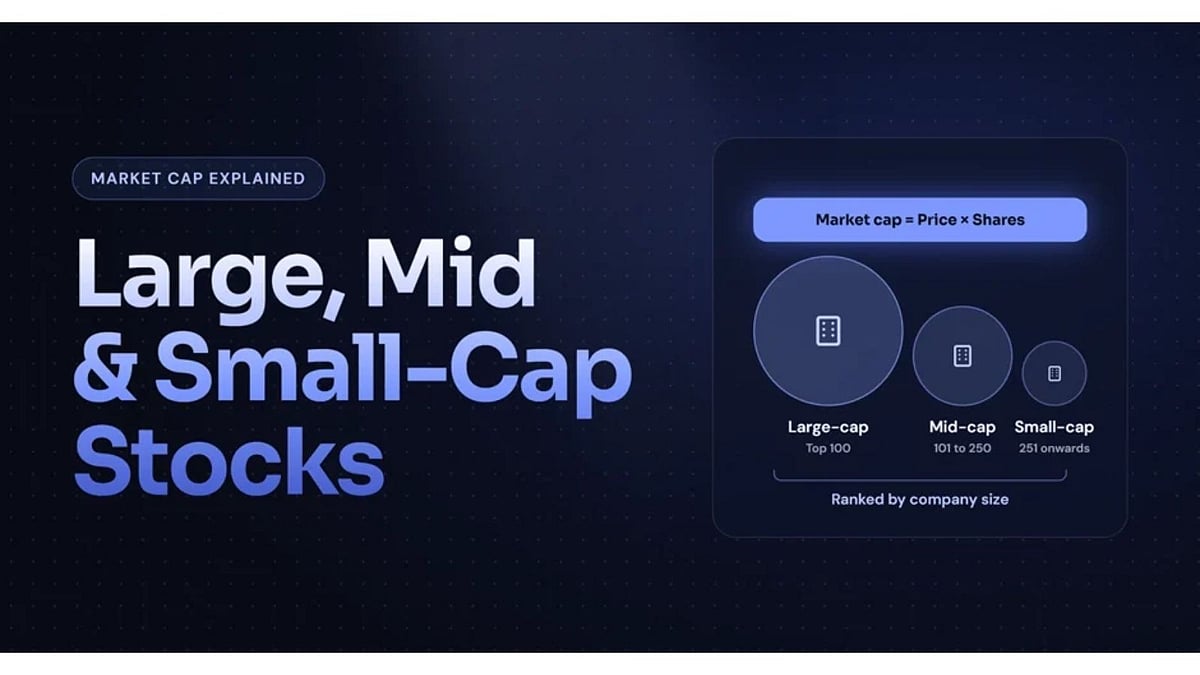
What’s more, the S&P 500 equal-weight index is outperforming the commonly cited cap-weighted index, producing a total return of 16.5% versus 14% so far this year. The equal-weight index, as the name suggests, weighs the performance of each component of the S&P 500 equally. The outperformance suggests that smaller companies are outperforming larger companies in the index.

Invesco S&P 500 Equal Weight ETF
Today’s Change
(0.02%) $0.04
Current Price
$222.77
Key Data Points
AUM
$100B
Dividend Yield
1.44%
Expense Ratio
0.20%
Top Holdings
ZBRA
0.33%
VEEV
0.29%
GPN
0.28%
If those trends continue, the S&P 500 and other major indexes can keep climbing. It doesn’t necessarily mean the megacap stocks at the top of the market will perform poorly, but their performance could lag behind stocks that have underperformed during the first part of the current bull run.
Investors interested in capitalizing on the trend could buy the Invesco S&P 500 Equal Weight ETF (RSP +0.02%), but a simple S&P 500 index fund will probably continue to produce solid results and ensure you don’t miss out on any returns if the biggest tech companies continue to lead the market higher.
A broader bull market is also great for individual stock investors. When just a handful of stocks are pushing the whole market higher, it’s really hard to beat the index. When there are a lot of stocks beating the S&P 500, it’s a lot easier to find successful investments that can produce market-beating returns. It looks like we’re firmly moving into the latter type of bull market.