- May 6, 2026
- Olivia
- 0
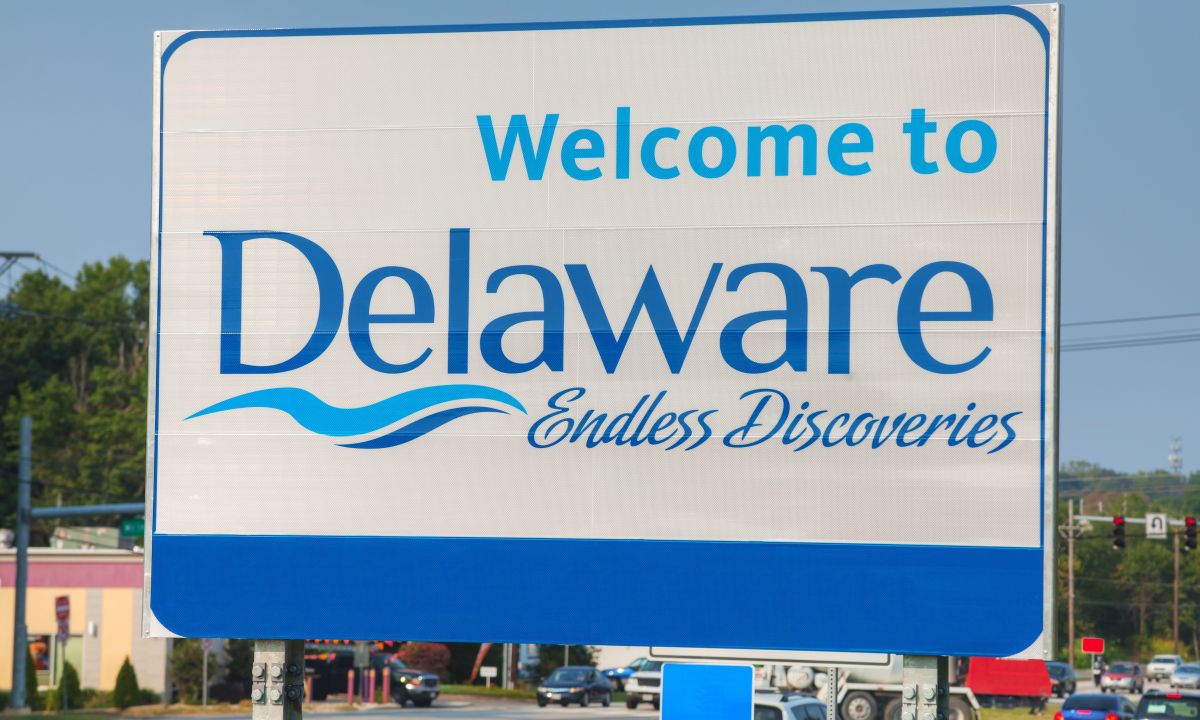
Delaware, long synonymous with corporate incorporation, may extend its reach more fully into digital finance, advancing legislation that could shape where stablecoin issuers and FinTech firms choose to establish their legal base.
At the center are Senate Bill 16, the Banking Modernization Act of 2026, and Senate Bill 19, the Payment Stablecoin Act. The measures are designed to bring digital assets into statute rather than rely on interpretive guidance or piecemeal rulemaking.
Senate Bill 16, the Banking Modernization Act of 2026, defines digital assets and virtual currency within the state’s banking code and clarifies that those assets qualify as personal property.
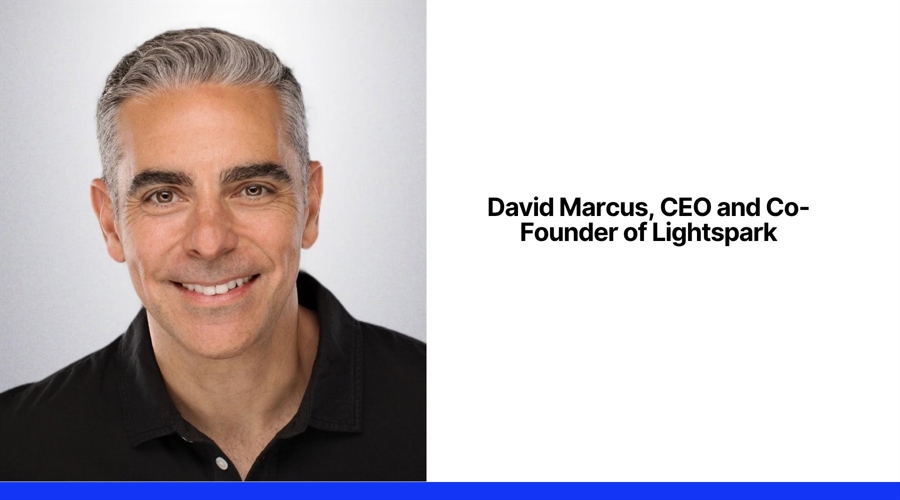
Kyle Lawrence, partner at Falcon, Rappaport & Berkman’s Digital Assets Group, told PYMNTS the measure “confirms that state-chartered banks can hold digital assets in fiduciary capacities,” giving institutions explicit authority to participate in custody and administration.
He added that the legislation “gives state-chartered banks and trust companies clear statutory authority to hold and administer crypto on behalf of customers,” a step that could draw more traditional institutions into digital asset infrastructure.
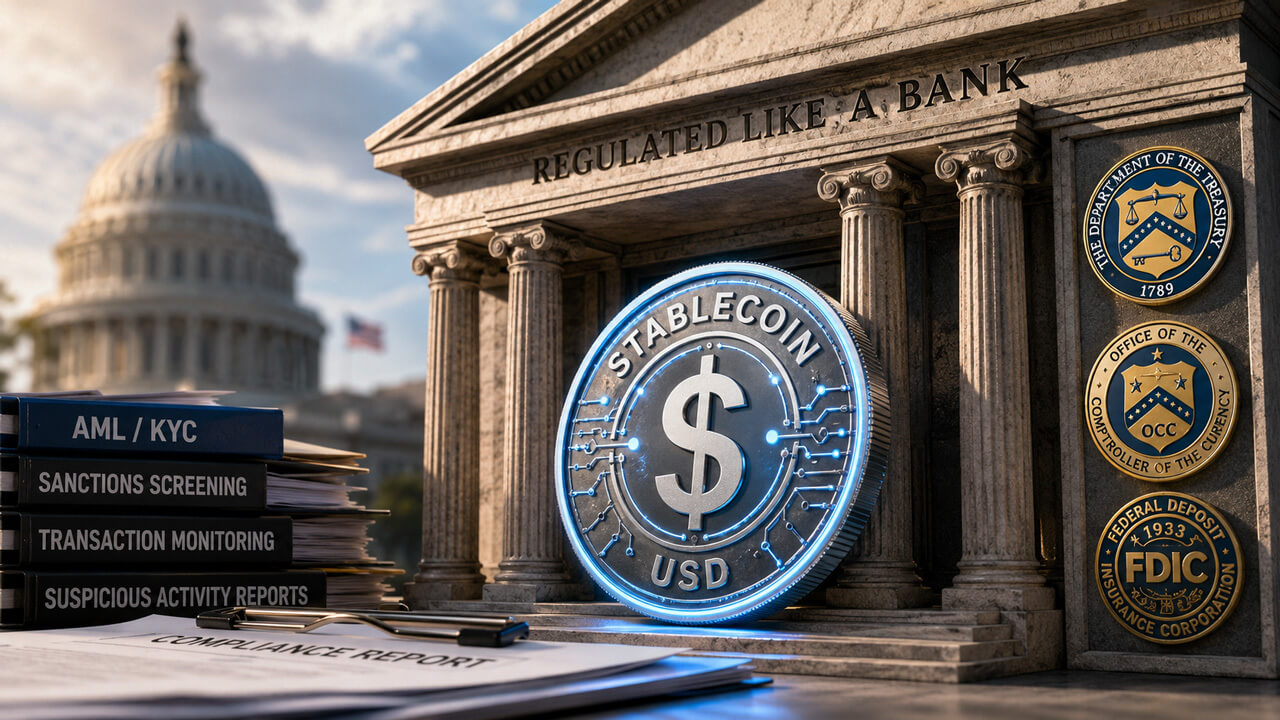
Senate Bill 19, the Payment Stablecoin Act, establishes a licensing regime for issuers and sets requirements for reserves, redemption and disclosures.
Advertisement: Scroll to Continue
Lawrence said the bill “creates a comprehensive licensing framework” through reserve, capital, and AML requirements, aligning Delaware’s approach with federal proposals under consideration.
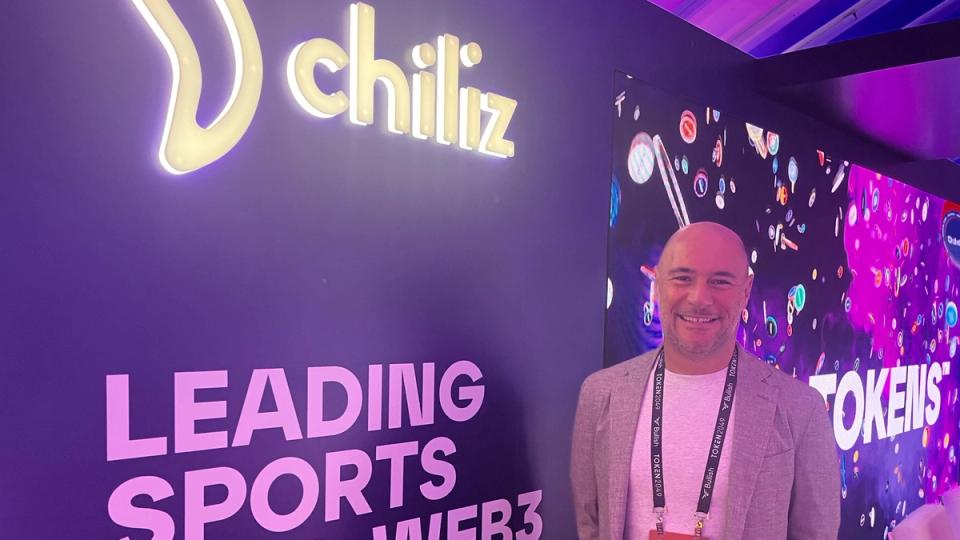
Marcel Thiess, CEO of Thiess Invest, framed the efforts as far-reaching in scope, saying the legislation makes Delaware “legible” for institutions.
Thiess added that the bills provide “a GENIUS-aligned rulebook on licensing, reserves and redemption,” which replaces what has been a fragmented regulatory landscape.
Lawrence said that outcome would allow firms to “operate nationwide under a single state regime,” reducing the need to navigate multiple state licensing structures.
Still, both observers pointed to remaining uncertainties. Lawrence noted that “much of the framework’s detail … will be determined through that rulemaking process,” while Thiess said institutions will see the bills as progress “but not the final word,” citing open questions around implementation and federal coordination.
Delaware vs. New York
The emerging framework invites comparison with New York’s BitLicense regime, which applies broadly to virtual currency activity.
Thiess said New York “still sets the de facto ‘highest bar’ for reserves, attestations and supervision,” reflecting a more comprehensive approach to oversight.
Delaware, by contrast, is not attempting to replicate that model. Thiess said the state is “plugging digital assets into a familiar bank-supervision model and copying the structure of the GENIUS Act,” rather than creating a separate crypto-specific regime.
Lawrence similarly described Delaware’s approach as designed to attract firms through a more tailored framework, noting that it offers a licensing structure specific to stablecoins and limits overlapping requirements.
That strategy builds on Delaware’s established corporate law model, where predictable statutes and a specialized legal system have made it the preferred jurisdiction for a large share of U.S. companies.
What’s Next for FinTechs
The success of Delaware’s effort will depend on whether legal clarity translates into adoption. Federal certification under emerging stablecoin standards remains a central factor.
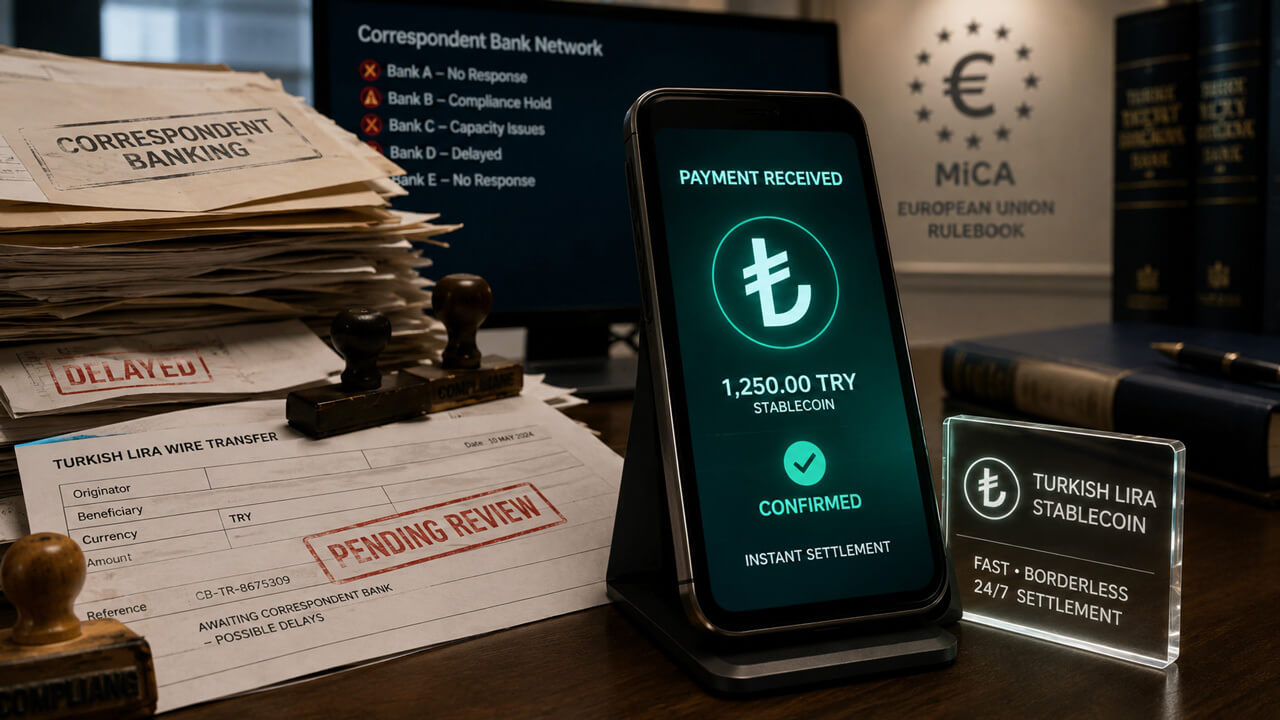
Thiess said that if Delaware achieves recognition as a qualified regime, it could provide issuers with “a cleaner path to operate nationally under a single primary state supervisor,” reducing regulatory friction compared with managing multiple state licenses.
Lawrence echoed that point, saying alignment with federal standards could “meaningfully reduce the multistate regulatory friction that currently plagues the industry.”
Both also pointed to the contours of Delaware’s likely role. Thiess said the state is positioned to become a preferred legal home for payment stablecoin issuers, particularly those focused on settlement and treasury functions, rather than a broad-based technology hub.
He described the opportunity as concentrated in “high-trust financial plumbing,” including custody services and compliance infrastructure tied to digital assets.
At the same time, structural limits remain. Delaware is likely to function as a legal domicile rather than a full operational ecosystem, with talent and product development continuing to cluster in larger markets, Lawrence said.
Whether firms respond, and whether the small state has an outsized FinTech presence, will depend on how effectively that framework operates once it is put into practice.