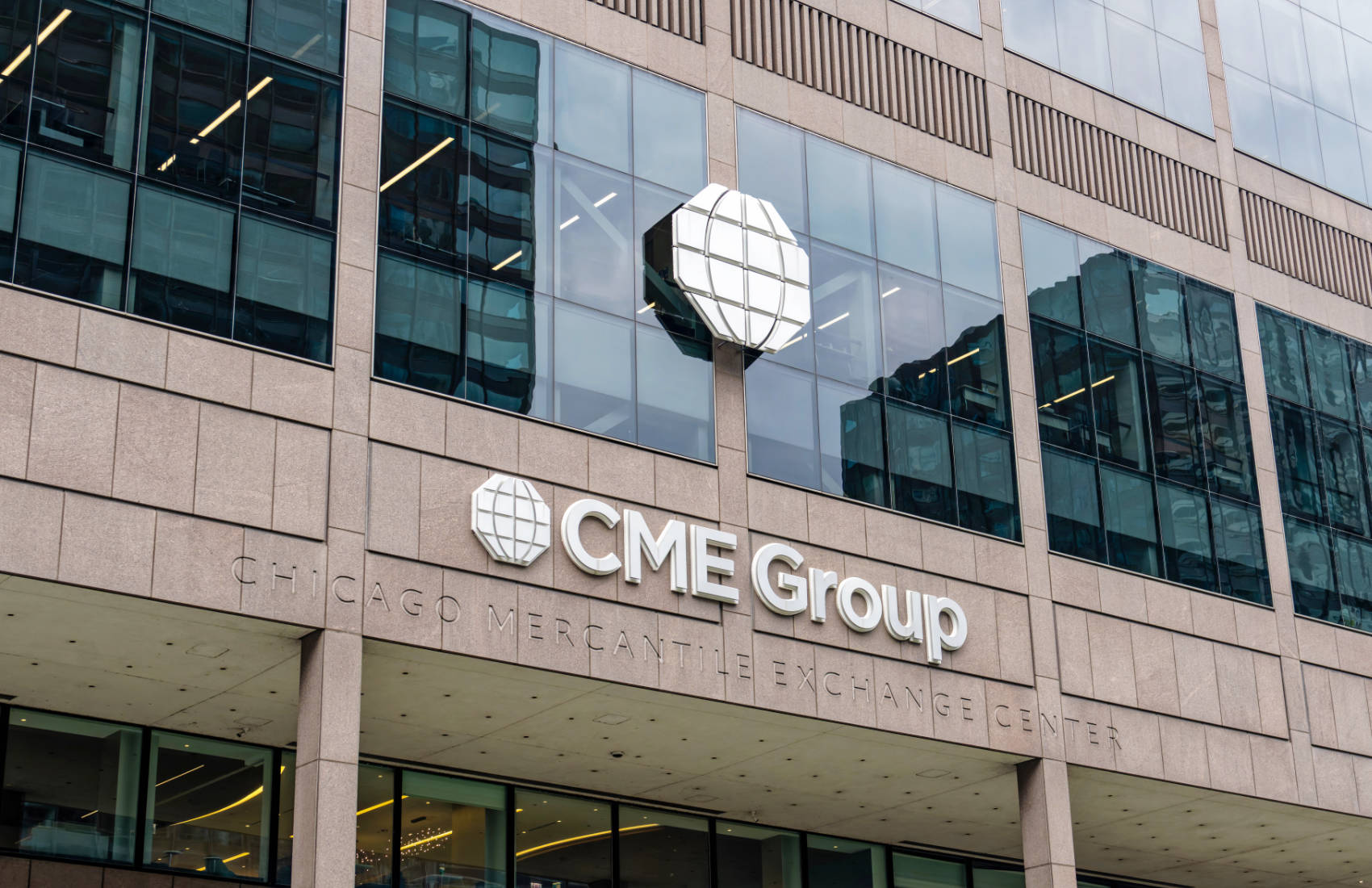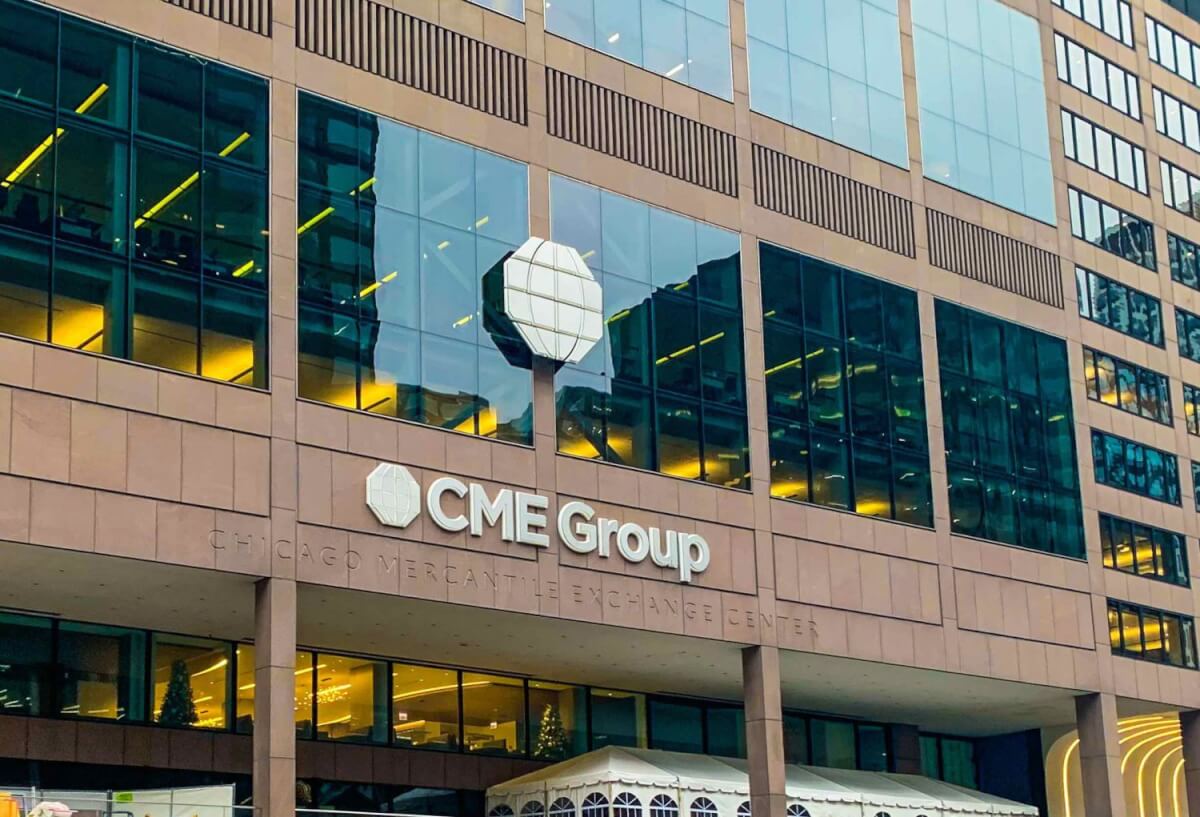
CME Group has announced that G-20 Group and FalconX executed the first block trades in its new Avalanche and Sui futures, adding two more altcoin contracts to the regulated derivatives market at a time when institutional crypto desks want broader tools for hedging, leverage, and portfolio exposure.
The trades took place on May 4, the first day of trading for the contracts. G-20 Group acted on one side of the block trade, while FalconX acted as counterparty. The launch adds Avalanche and Sui to CME Group’s crypto derivatives suite and comes before a separate change on May 29, when CME cryptocurrency futures and options will move to continuous trading across the week, with short maintenance windows.
Why Avalanche And Sui Matter For CME’s Crypto Futures Suite
The launch is not just another product addition. CME’s crypto franchise started with Bitcoin and Ether futures, then widened into more instruments as institutional participation grew. The addition of Avalanche and Sui points to a market where asset managers, trading firms, market makers, and treasury vehicles no longer treat regulated crypto exposure as a two-asset category.
Avalanche and Sui sit outside the Bitcoin and Ether core, but both belong to a group of networks that institutional investors monitor for liquidity, developer activity, token supply structure, and ecosystem growth. Futures contracts on these assets allow participants to hedge spot exposure, trade relative value, manage treasury risk, or express directional views without moving into offshore perpetual markets.
That distinction matters. Much of crypto leverage still sits in offshore venues, where perpetual futures, funding rates, and fragmented liquidity shape short-term price action. CME offers a different model. Its contracts clear through a regulated derivatives framework, sit within familiar operational processes, and fit the risk controls used by institutional desks.
Jonathan Mathai, Head of Trading, G-20 Group, commented, “CME Group sets the standard for regulated, institutionally compliant instruments, and firms like G-20 and FalconX represent exactly the kind of sophisticated counterparties driving these markets at scale. Large allocators consistently favor onshore U.S. derivatives when safety and compliance are paramount. From a fiduciary standpoint, CME Group is our venue of choice, and as a CFTC-regulated entity, we welcome both the CME’s expanding product roadmap and the broader institutional adoption taking hold across our offering.”
What The First Trades Say About Institutional Crypto Demand
The first trades show that regulated altcoin derivatives now sit closer to institutional workflows. For crypto native firms, a CME contract can provide a cleaner hedge against inventory or client flow. For asset managers, it can provide exposure without direct token custody. For market makers, it can support basis trades, block liquidity, and risk transfer between spot, futures, and OTC markets.
CME said the contracts are available in both micro and larger contract sizes. That structure gives market participants a way to scale exposure more precisely, which is useful in assets where liquidity can be thinner than Bitcoin or Ether and where position sizing must account for volatility.
Giovanni Vicioso, Global Head of Cryptocurrency Products at CME Group, commented, “The early support we’ve seen for our AVAX and SUI contracts signals that clients are actively seeking regulated products to manage price risk and pursue new opportunities across a wider range of crypto instruments. By offering these futures in both micro- and larger-sized contracts, we’re giving market participants the flexibility and capital efficiency they need to execute their cryptocurrency investment and hedging strategies with greater precision.”
The block trade format also matters. It suggests that institutional counterparties wanted to transact size from the first day rather than wait for screen liquidity to mature. In new derivatives markets, early block activity can help establish price references, attract market makers, and give other desks confidence that the product can support risk transfer.
Why 24 Hour Crypto Futures Trading Changes The Market Structure
The timing of the launch is important because CME’s cryptocurrency futures and options will become available for trading 24 hours a day, seven days a week from May 29. Crypto spot markets already trade continuously, but regulated futures venues historically retained more traditional exchange-hour structures. That gap created weekend basis risk for institutions that used CME futures while spot prices moved elsewhere.
Continuous trading does not remove all operational risks, but it narrows the mismatch between crypto’s native market structure and regulated derivatives access. For firms with weekend exposure, the change should make it easier to adjust hedges during price moves that occur outside traditional hours. It may also reduce the premium that offshore venues held as the main source of weekend leverage.
The change will not automatically move all liquidity onshore. Offshore perpetual futures still offer deep liquidity, high leverage, and constant retail and proprietary trading flow. CME’s advantage lies elsewhere: counterparty standards, clearing, regulatory oversight, and acceptance among institutions that cannot or will not depend primarily on offshore crypto infrastructure.
Joshua Lim, Global Co-head of Markets, FalconX, commented, “FalconX is pleased to partner with G–20 and CME Group on liquidity for AVAX and SUI futures at launch. Two major trends we see are the growth of broader altcoin indices for crypto exposure and Digital Asset Treasuries’ accumulation of assets like AVAX and SUI on behalf of shareholders. These new CME Group futures markets are addressing real market demand for hedging and leverage on a wider array of underlying crypto assets.”
Altcoin Futures Move From Speculation To Risk Management
The larger story is the shift from speculative altcoin access toward institutional risk management. When investors hold tokens directly, run structured products, manage treasury exposure, or build index strategies, they need hedging tools that do not depend only on spot liquidity. Futures create a route to short exposure, basis trades, and portfolio overlays.
That matters for Avalanche and Sui because both assets can attract concentrated flows around ecosystem news, token unlocks, protocol upgrades, and market-wide rotations. Without regulated futures, desks often rely on offshore instruments or OTC arrangements. CME contracts can help formalize that activity inside a venue already used across rates, equities, commodities, foreign exchange, and major crypto benchmarks.
The move also comes as digital asset treasuries and broader crypto index products gain more attention. If companies or funds accumulate altcoins on behalf of shareholders or investors, the need for transparent hedging grows. A liquid futures market can support those structures by giving treasurers and portfolio managers a way to reduce downside exposure without selling underlying assets.
Still, liquidity will decide the long-term role of these contracts. A listed futures product only becomes a benchmark if market makers quote consistently, blocks transact at size, and open interest develops beyond launch-day activity. Avalanche and Sui futures will need participation from proprietary trading firms, crypto desks, asset managers, and hedgers before they can become central tools in institutional altcoin markets.
What Comes Next For Regulated Altcoin Derivatives?
CME’s move suggests that regulated crypto derivatives are moving beyond the Bitcoin and Ether phase. The next test is whether altcoin futures can attract sustained volume across different market regimes, including rallies, selloffs, low-volatility periods, and liquidity shocks. Strong launch activity helps, but durable adoption requires a full trading ecosystem.
For brokers and trading firms, the product expansion creates new opportunities around execution, clearing, margin strategy, client education, and structured exposure. For institutional investors, it creates a cleaner route to hedge or trade altcoin exposure without relying only on offshore perpetual futures. For crypto projects, CME listings can add market infrastructure that supports larger allocators, though they do not remove token-specific risks.
The launch also strengthens CME’s position as a regulated venue for institutional crypto derivatives. As more products trade under a CFTC-regulated framework, the market can move closer to the structure seen in traditional asset classes, where futures serve as price discovery, hedge instruments, and liquidity hubs. Crypto remains more volatile and more fragmented, but the direction is clear: institutional exposure is no longer limited to spot accumulation or offshore leverage.
Takeaway
CME’s Avalanche and Sui futures launch shows that regulated crypto derivatives are moving deeper into altcoin markets. The first trades between G-20 Group and FalconX point to demand for institutional hedging, while the May 29 move to 24 hour trading reduces the gap between regulated futures and crypto’s always-open spot market.