So, is the current mid- and small-cap rally backed by fundamentals, or is liquidity and momentum doing the heavy lifting? And as US yields remain elevated, which businesses could emerge stronger while expensive stocks come under pressure?
In an interaction with Kshitij Anand of ETMarkets, Harish Krishnan, CIO – Equity, Aditya Birla Sun Life AMC, discusses the risks and opportunities in the broader market, why investors should not confuse momentum with quality, and why earnings, cash flows and return on capital will become increasingly important. Edited Excerpts –
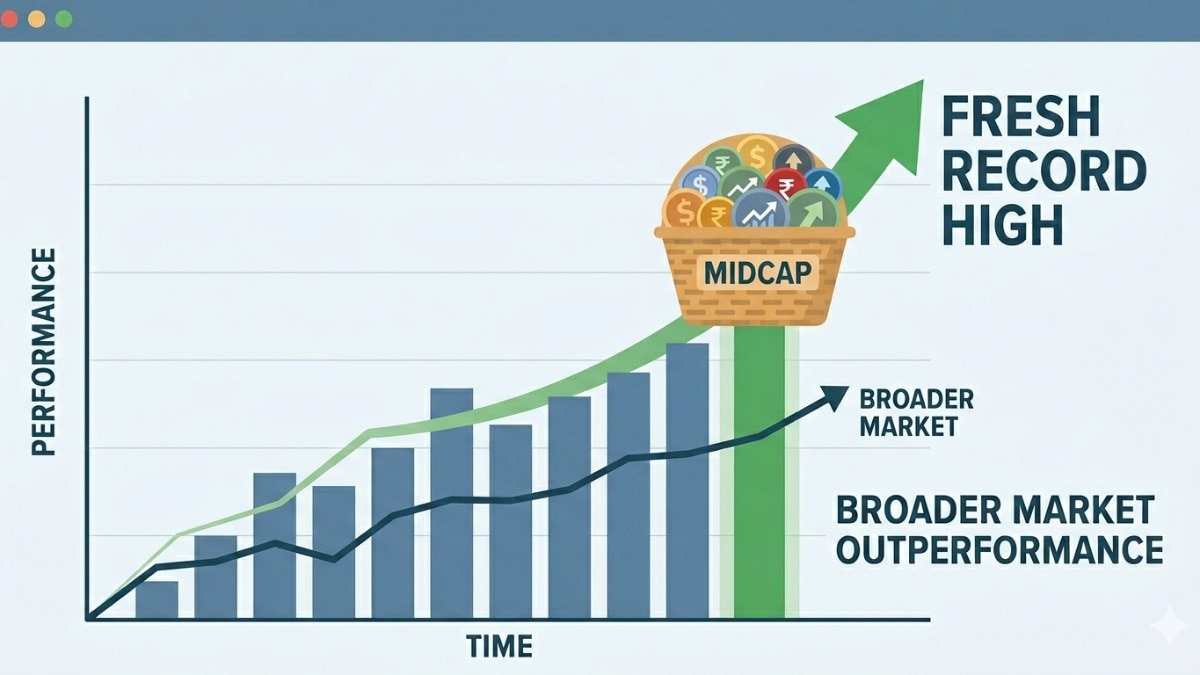
Q) There is plenty of action happening in the broader markets. Midcap and small cap indices are at fresh record highs. Are we looking at a healthy rotation beneath the surface or growing complacency?
A) I would say it is a bit of both, but I would not call it broad-based complacency yet. What we are seeing is a rotation within the market, but the important question is whether that rotation is being supported by earnings or simply by liquidity and momentum.

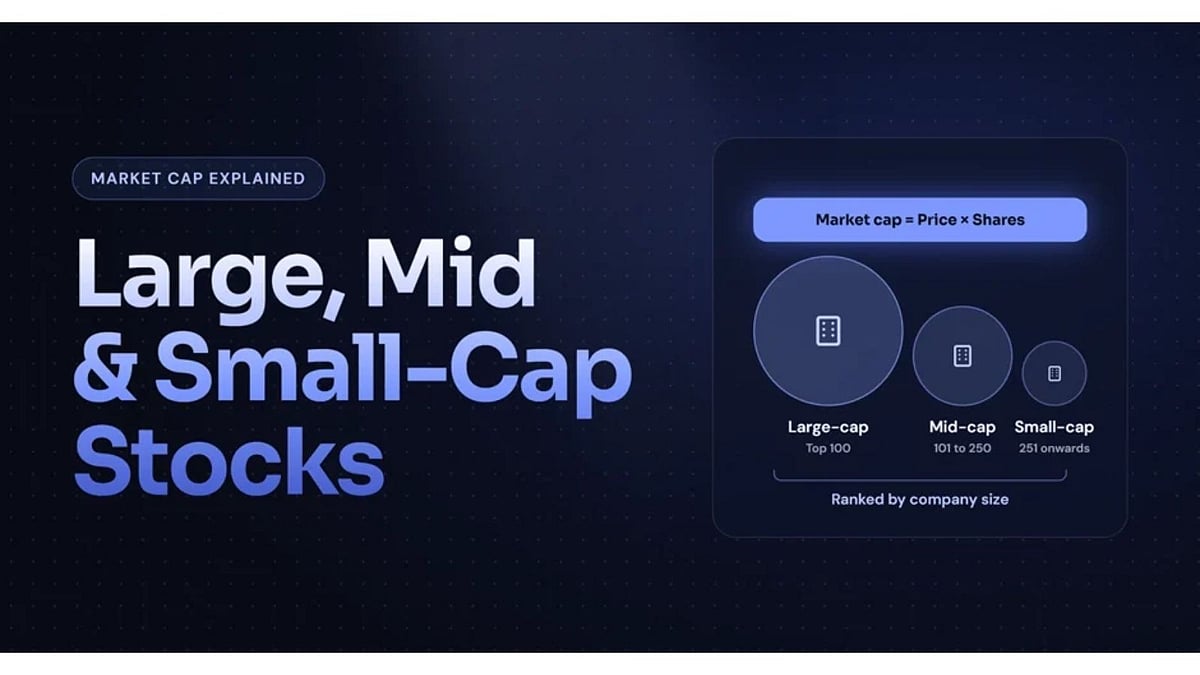
At the aggregate level, mid and small caps continue to have a lot of investor interest. So, the bar for positive surprises is much higher.
We do believe that there are interesting opportunities in this space, but they are becoming increasingly stock-specific.The way we would approach it is not to ask whether mid and small caps will do well, but which businesses have enough earnings runway to justify where they are trading.
Q) The biggest risk with record highs is that investors confuse momentum with quality. Are we seeing that happen again in parts of the mid- and small cap universe?
A) Absolutely, and that is probably the bigger risk than the index level itself. When liquidity becomes abundant, the distinction between a good business and a good stock tends to get blurred.
There are businesses where the earnings trajectory is genuinely improving, and there are businesses where the expectation of future earnings has already been capitalised into the stock price.
For us, quality is not just about growth. It is about the combination of growth, return on capital, cash flows and the ability to compound without requiring the market to continuously re-rate the stock.
We would rather miss the first leg of momentum than participate in a business where the valuation leaves very little room for disappointment.
Read more: Indian stocks face a cyclical correction, not a deeper earnings reset: Mahindra Manulife MF CIO
Q) Are we entering another phase where investors are buying anything that is remotely linked to capex, defence, manufacturing, power or AI?
A) I think that is where the market needs to become a lot more discriminating. Capex, defence, manufacturing, power and AI are all very large structural themes.
But a large theme does not automatically make every company participating in that theme a good investment.
Take AI itself. We would much rather own businesses where AI can materially improve unit economics, customer acquisition or productivity, rather than simply companies that happen to be supplying one small component somewhere in the AI value chain.
The same applies to capex. The question is not whether capex is happening; it is who has pricing power, who can earn attractive returns on the capital being deployed and who can sustain those returns. The theme is important, but the business model is more important.
Q) Can domestic liquidity permanently offset sustained FII selling, or are we underestimating the influence foreign investors still have on valuations and sentiment?
A) Domestic liquidity can certainly cushion the market, but I don’t think it can permanently make foreign flows irrelevant.
Foreign investors still matter because they influence the marginal price, the currency and, importantly, global risk perception towards India.
At the same time, the domestic investor base has become structurally much deeper than it was a few years ago. So, I would not look at FII selling in isolation.
The more important question is whether earnings can catch up with valuations.
Liquidity can support prices for a certain period, but over a medium-term horizon it is earnings that ultimately decide where the market goes. So, if FII selling persists, the market can absorb it—but only if fundamentals continue to provide that support.
Q) How sensitive is India to the possibility that US rates may remain higher for longer?
A) India is sensitive to US rates, but I would not say that higher-for-longer US rates automatically translate into a negative view on Indian equities.
The transmission happens through three channels—global liquidity, the dollar and the risk premium investors demand for emerging markets.
The impact is therefore more pronounced on the parts of the market where valuations are already stretched and where the investment case depends heavily on continued liquidity.
But if India’s earnings growth remains healthy and domestic liquidity remains strong, we can absorb a fair amount of global volatility. So I would look at US rates as a risk to the valuation framework rather than as a reason to question the structural India story.
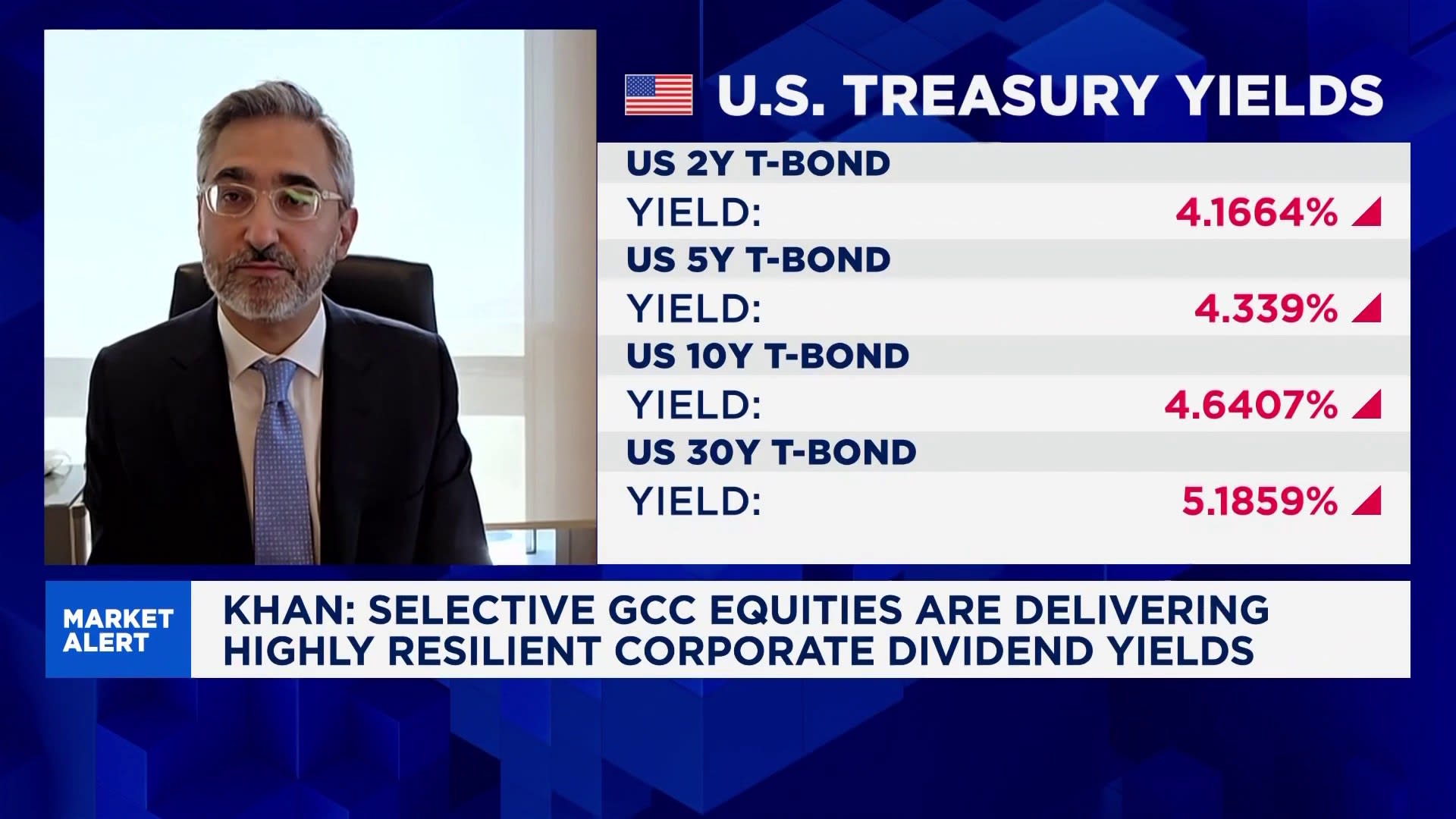
Q) US Treasury yields have been moving higher, and historically rising yields tend to trigger a risk-off sentiment by making safe US assets more attractive and tightening global liquidity. How serious a risk is this for Indian equities, particularly expensive mid- and small caps?
A) This is a more meaningful risk for expensive mid and small caps than it is for the market as a whole. When the risk-free rate moves higher, the market becomes less willing to pay very high multiples for earnings that are still several years away. That is where the vulnerability lies.
So, if Treasury yields continue to move up, I would expect the market to become increasingly discriminating.
Businesses with strong balance sheets, visible cash flows and reasonable valuations should hold up much better than companies where the investment thesis is predominantly based on future expectations.
In that sense, rising yields can be healthy for the market over time because they force investors to go back to first principles—earnings, cash flows and return on capital.
Q) If you are sitting on 30–40% gains in mid- and small caps, what should you do today—hold, trim or rotate?
A) I would not make the decision based purely on the 30–40% gain. The right question is: after that 30–40% appreciation, does the stock still offer an attractive risk-reward?
And importantly, I would not rotate just from one midcap into another midcap because the latter has not yet moved. That is simply changing the horse, not changing the risk.
At this point, we think it is important to look at the portfolio with a fresh lens and assess how earnings, valuations and the margin of safety have evolved across businesses.
The opportunity set within mid and small caps is becoming increasingly differentiated, and the winners from here may look quite different from those of the previous cycle.
(Disclaimer: Recommendations, suggestions, views, and opinions given by experts are their own. These do not represent the views of the Economic Times)