We are living through a Tocquevillian moment: ‘The evils which are endured with patience so long as they seem inevitable become intolerable as soon as a hope can be entertained of escaping from them.’

The two-party system appears to be collapsing. The rightward turn seen in the United States may well be repeated in the next British general election. After the local elections and Reform UK’s gains, it is conceivable that, even without a majority, the party could enter government through a coalition with the Conservatives. Yet Reform’s economic programme remains ambiguous. One day it declareswar’ on welfare; the next it defends the triple lock. One day it supports the child benefit cap; the next it retreats from it. But there is a deeper reason why I believe Reform can never become a Thatcherite party.

James Orr, Reform’s Head of Policy, said in one speech that the politics of the New Right is ‘much less doctrinaire on questions of economic policy than it used to be – say in the era of Reagan and Thatcher, and Blair and Cameron’ when there was a consensus that we ‘should maximise free markets at all costs’. But what is the alternative the New Right offers? Orr continued: ‘the vision of the New Right economic policy must always be refracted through the prism of what is in the national interest’.

The first problem is that refusing to be ‘doctrinaire’ on economics often becomes an excuse for not taking economic questions seriously. There is no virtue in lacking a doctrine on economic policy. One needs a framework through which to judge economic decisions. Without an economic theory, policy becomes driven by polling and populism rather than principle.

But the more fundamental problem with Reform’s economic thinking is that it is mission-driven. Mariana Mazzucato’s criticism of the free market is that it lacks a collective mission. For Mazzucato, that mission is climate change, greater state intervention and reducing inequality. For Reform, the mission is the national interest. But the flaw in mission-driven economics is the assumption that a market economy without a central mission is somehow deficient. In reality, that is precisely the strength of the market: it does not follow one plan or one national purpose, but the countless plans and ambitions of millions of individuals.

Both mission-driven approaches neglect a central insight of classical liberalism: individuals have goals; societies do not. Attempting to impose a single mission on the economy inevitably requires illiberal means, because achieving outcomes that would not emerge from a free market demands changes in individual behaviour and that, in turn, requires coercion. In a mission-driven model, the state decides which industries should survive through subsidies, tariffs or even nationalisation, all justified in the name of the national interest. If Reform continue to think in these terms, they cannot become a Thatcherite party.

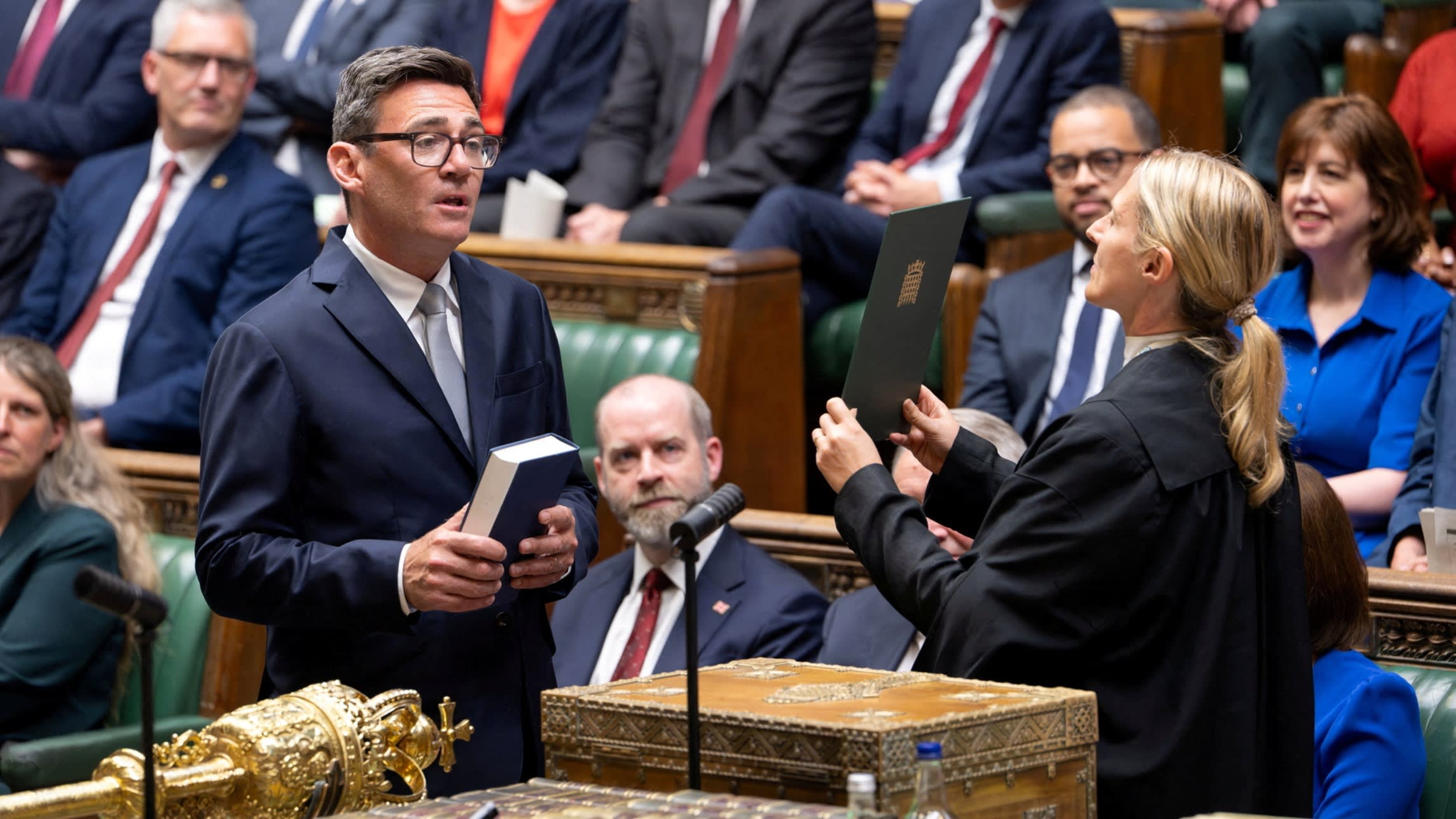
But this brings us back to the beginning. Decades of rising taxation, borrowing and regulatory burdens have left Britain enduring two decades of stagnation and in desperate need of economic reform. Yet the most popular parties remain unwilling to make difficult decisions, or continue to search for solutions in long-discredited ideas such as the nationalisation of steel, which Starmer mentioned in his speech, and further borrowing, which seems to be Andy Burnham’s plan.

The economic reform Britain needs is one that unlocks its potential through supply-side reform. But supply-side reforms suffer from a paradox: we know they can bring prosperity, yet they often also involve short-term pain. If economic reform came without costs, every government would already be pursuing it. Can Reform’s popularity finally break this dilemma? Almost certainly not, because for them, economics is no longer the central issue of our politics. For Reform, immigration is the defining issue, and when immigration becomes the overriding concern, political capital is spent there rather than on economic liberalisation. 

This is not a problem unique to Reform; it has come to define much of the New Right across the West. And ultimately, it is a problem of ideas. The return of the Right in 2016 and again in 2024 was not an intellectual revival. It was not driven by theory or political philosophy, but by visibility and reach: Jordan Peterson debating feminists, Charlie Kirk confronting campus socialists, Donald Trump dominating the podcast circuit. The Right returned culturally, but with an intellectual vacuum at its centre: most notably, a lack of serious economics.

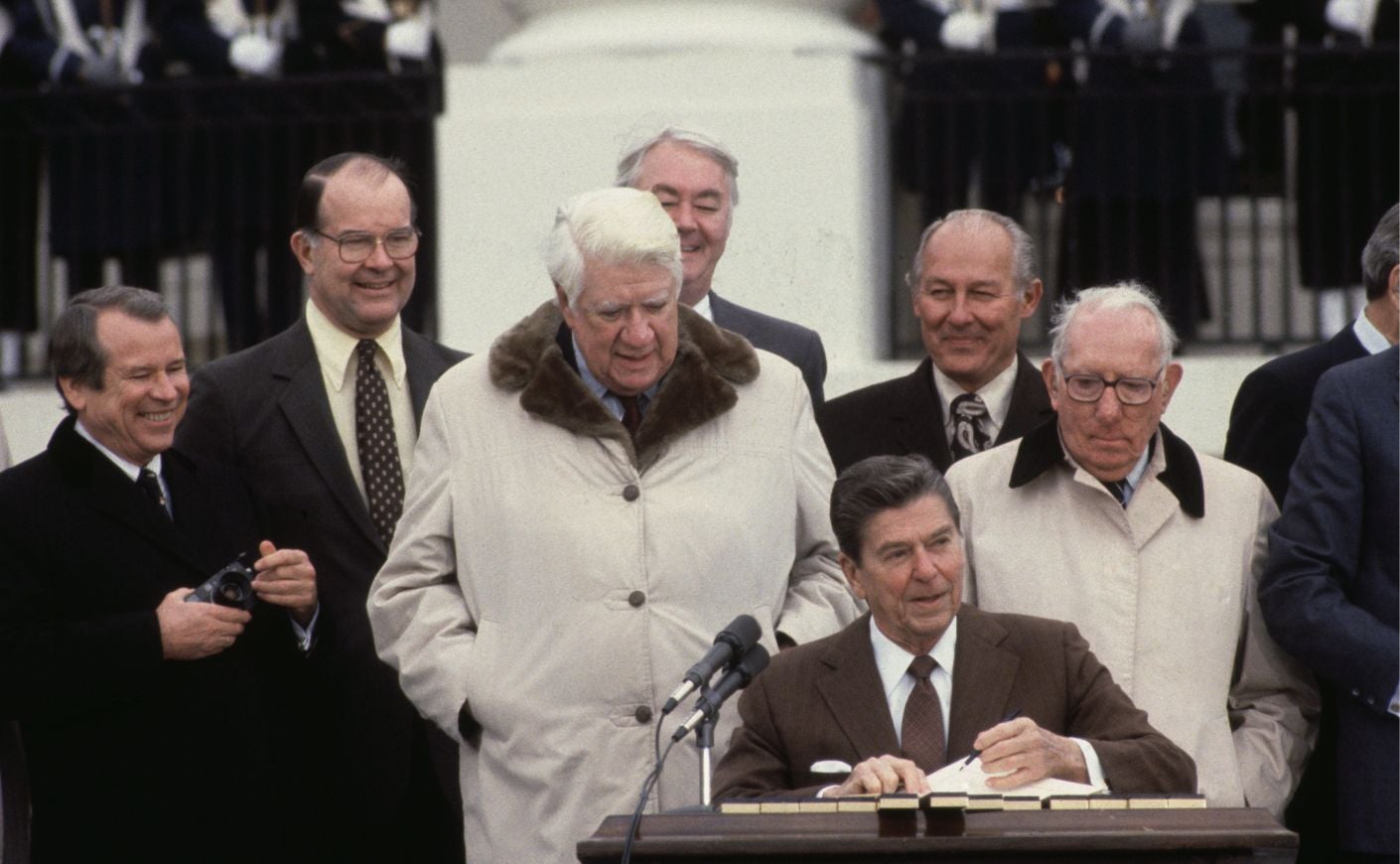
For classical liberals looking back decades from now, this revival of the Right is unlikely to inspire them in the way Thatcher and Reagan still do today. The politicians of the 1980s were what George Will called ‘conviction politicians’: figures who entered politics with a coherent social creed. Politics for them was not merely about remaining in power, but about pursuing a broader mission of prosperity. That mission was not to control the economy toward a collective goal, but to empower individuals to make their own decisions. 

Today’s Right, by contrast, is dominated by political entrepreneurs: figures highly skilled at attracting attention and mobilising voters. By nature, they are populists, and populism is the direct translation of public emotion into government policy. Without intellectual grounding, politics becomes purely oppositional. Today, lacking any clear sense of direction in economics, the Right is often effective at identifying problems but incapable of solving them.

 – the best pieces from CapX and across the web.

CapX depends on the generosity of its readers. If you value what we do, please consider making a donation.

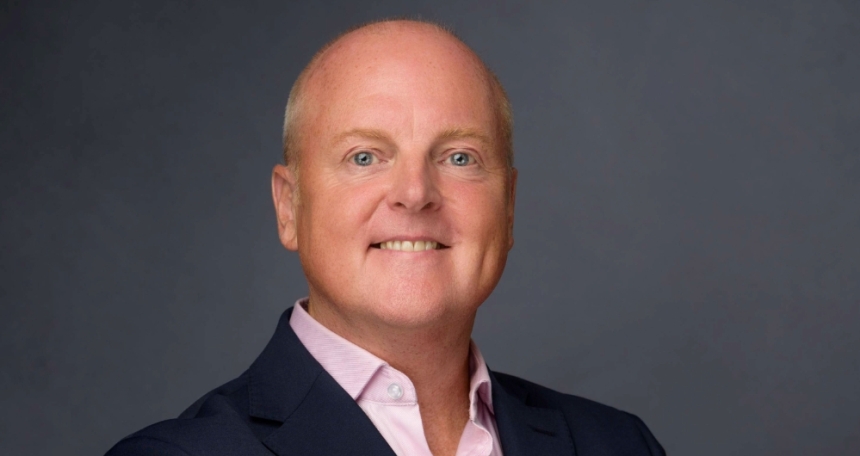
Mani Basharzad is a Junior Research Associate at the Institute of Economic Affairs and an economic journalist.

Columns are the author’s own opinion and do not necessarily reflect the views of CapX.


Source link

Leave a Reply

Your email address will not be published. Required fields are marked *