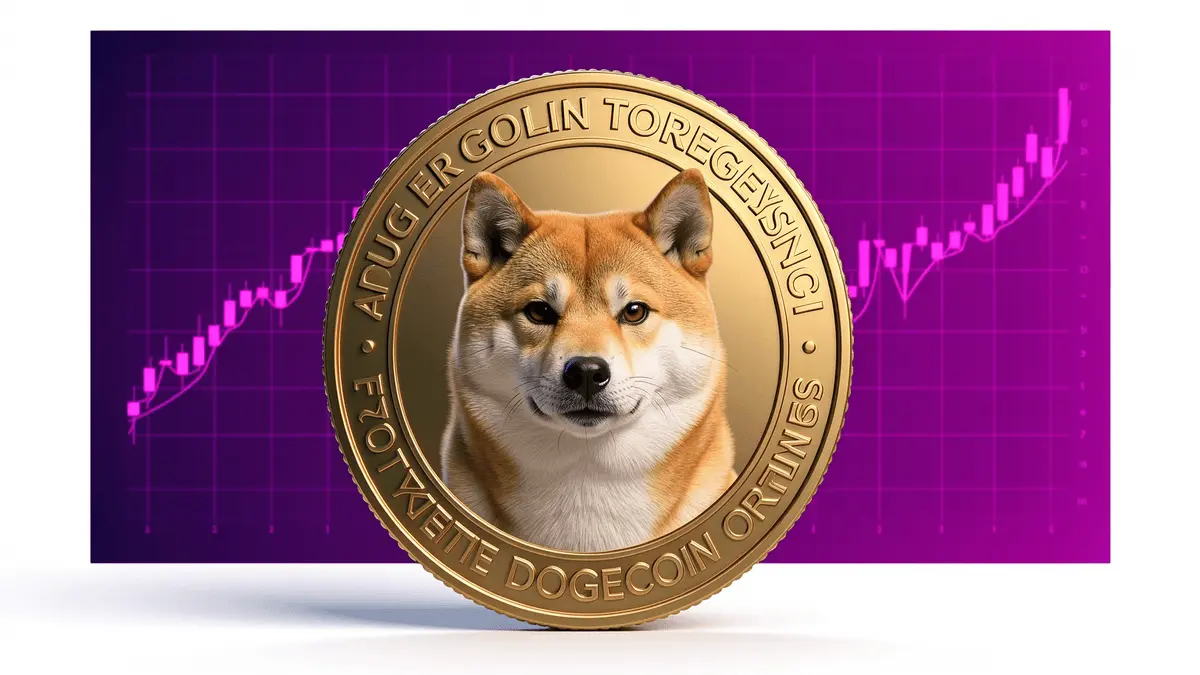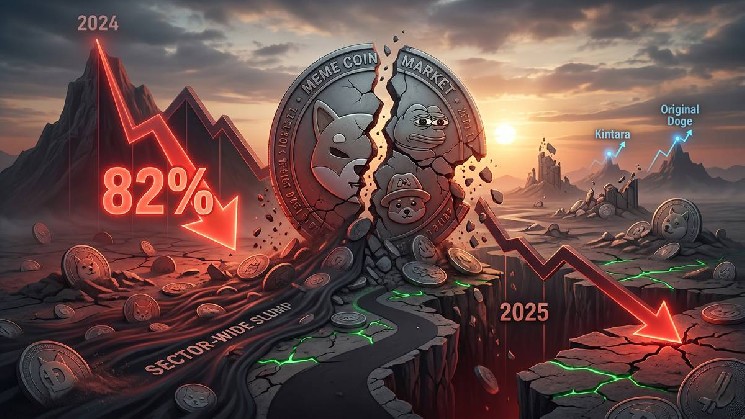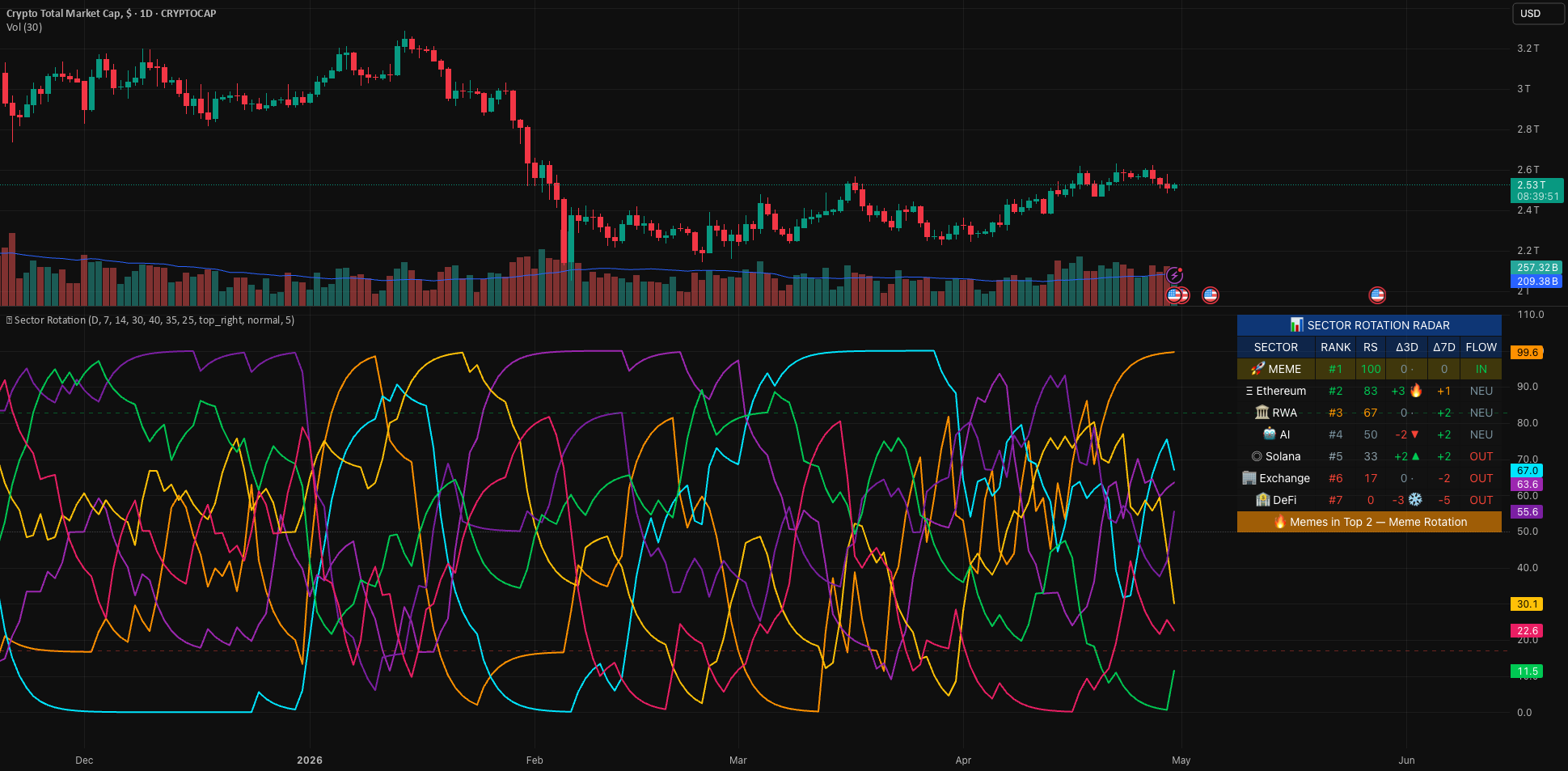
The meme coin market continues evolving as legacy ecosystems like Shiba Inu, Dogecoin, Bonk, Pepe, and Fartcoin remain dominant forces in liquidity, culture, and speculative cycles. These assets have shaped previous meme waves where early positioning often determined exponential outcomes, setting the benchmark for what many now describe when discussing the best 100x meme coin category. Fresh market insights on Best Crypto To Buy Now indicate changing trend cycles, highlighting how momentum is rotating across different crypto sectors.

At the same time, emerging ecosystems like APEMARS and Apeing are attempting to replicate early-cycle positioning through structured presales and staged progression. With APEMARS now in Stage 23 at $0.000541050, alongside $495K raised, 30B tokens sold, and 1,810 holders, the project is increasingly entering conversations around the best 100x meme coin, driven by timing rather than guaranteed outcomes.
ParaWin Early Access: Why the Whitelist Phase Matters Before Launch
ParaWin is currently in its whitelist phase, creating an early-access window for users interested in joining the ecosystem before presale activity begins. This phase gives participants an opportunity to stay informed about platform developments, ecosystem updates, and the rollout of the $PWIN utility model.
As more Web3 gaming ecosystems move toward structured participation, early positioning has become increasingly important. ParaWin’s whitelist offers users a way to prepare ahead of launch while gaining visibility into a platform still developing its early momentum.
1. APEMARS Stage 23 Momentum: Structured Entry in the Best 100x Meme Coin Debate
APEMARS continues advancing through a structured presale system where each stage increases price as participation grows. In Stage 23, pricing currently sits at $0.000541050, while the intended listing target is $0.0055, creating a clear structured gap that reflects the presale model rather than open-market volatility. This stage-based design is one of the key reasons APEMARS is increasingly referenced in discussions around the best 100x meme coin narrative.

Beyond pricing structure, APEMARS has already recorded $495K raised, 30B tokens sold, and a growing base of 1,810 holders, signaling increasing traction within early participation cycles. Unlike traditional meme coins that rely purely on viral momentum, APEMARS is positioning itself through structured progression and controlled distribution.
APE YIELD STATION: 63% APY Ecosystem Engine
APEMARS strengthens its ecosystem through a yield-driven staking model designed for long-term participation stability. Holders can stake tokens to access a 63% APY reward system, creating a structured incentive layer that supports ecosystem engagement beyond speculation.
Staked tokens remain locked for 2 months after launch, reinforcing early-stage stability while the network develops. Rewards are distributed automatically, ensuring consistent participation benefits for holders contributing to the ecosystem.
In the APEMARS framework, staking is not an optional feature, it functions as a core participation engine that reinforces long-term alignment and supports ecosystem growth during early expansion phases.
$2000 APEMARS Strategy: Can Stage 23 Shape the Best 100x Meme Coin Narrative?
A $2000 investment in APEMARS at $0.000541050 Stage 23 pricing would acquire approximately 3,696,516 tokens. Based on the intended listing price of $0.0055, this allocation could reach an estimated value of approximately $20,330, representing a projected gain of around $18,330, aligned with the modeled 916% ROI structure.
Using bonus code LAUNCH350, participants may receive additional allocation depending on eligibility and purchase size. This could increase total token exposure beyond base allocation, further enhancing positioning within the early-stage framework often associated with the best 100x meme coin discussion.
How To Enter APEMARS Stage 23 Before Next Pricing Shift
- Connect Your Wallet: Link a compatible crypto wallet to begin participation securely
- Choose Payment Method: Select a supported payment option for your purchase
- Enter Investment Amount: Input the amount and review token allocation at Stage 23 pricing
- Add Referral Code (Optional): Apply bonus codes like LAUNCH350 if available
- Complete Transaction: Confirm purchase before the next stage price increase
2. Shiba Inu Cycle Legacy: The Meme Benchmark That Defined 100x Culture
Shiba Inu remains one of the most recognizable examples of how meme coins can scale from community-driven hype into global market recognition. Its early expansion demonstrated how timing and narrative momentum played critical roles in defining exponential growth cycles within meme ecosystems.
Today, Shiba Inu serves as a reference point for traders analyzing the best 100x meme coin landscape. While it represents a mature cycle asset, newer projects like APEMARS are attempting to replicate early-entry dynamics through structured presales rather than post-launch virality.
3. Dogecoin Market Gravity: The Original Meme Liquidity Engine
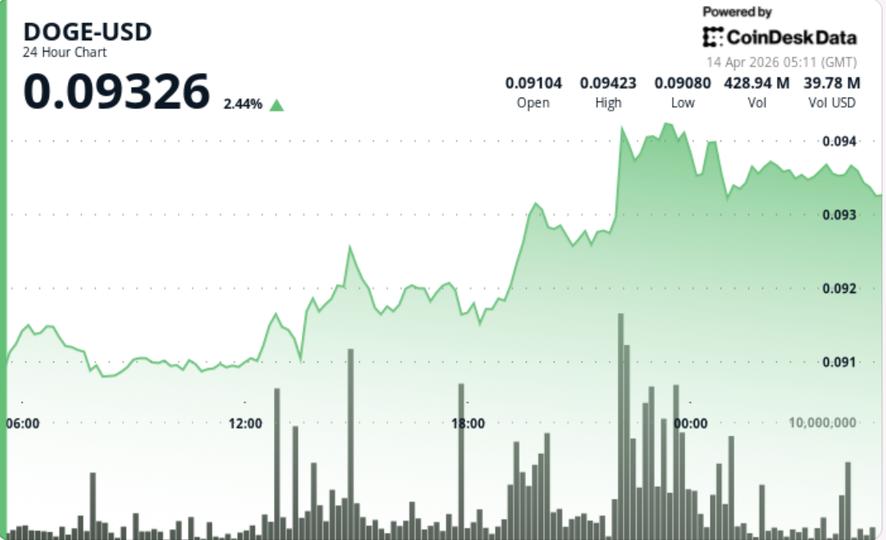
Dogecoin continues to hold cultural and liquidity significance as the original meme coin that brought internet culture into financial markets. Its long-standing presence has made it a foundational asset in meme coin history, often influencing broader speculative cycles.
However, Dogecoin’s maturity also highlights why traders searching for the best 100x meme coin often explore earlier-stage alternatives. While DOGE represents established liquidity, emerging ecosystems like APEMARS focus on structured entry timing and stage-based pricing.
4. Bonk Momentum Shift: Solana Meme Expansion Enters Rotation Cycles
Bonk gained traction through ecosystem-driven momentum and strong community participation within the Solana network. Its rise demonstrated how meme assets can scale quickly when supported by active ecosystems and viral sentiment cycles.
This rapid expansion has also reinforced interest in identifying the best 100x meme coin before large-scale visibility occurs. As a result, early-stage projects like APEMARS are increasingly compared to earlier meme cycles where timing played a crucial role in upside capture.
5. Pepe Speculation Cycle: Viral Meme Power Remains Strong
Pepe became a major symbol of meme-driven speculation, proving that internet culture alone can drive significant market attention. Its rapid rise highlighted how sentiment-based trading continues to shape meme coin performance cycles.
Because of this, Pepe remains central to discussions about the best 100x meme coin, especially when comparing established meme volatility with structured presale ecosystems like APEMARS.
6. Fartcoin Volatility Narrative: Humor, Hype, and Speculation Cycles
Fartcoin represents the extreme speculative edge of meme coin culture, where humor and viral attention often drive short-term momentum spikes. Despite its unconventional positioning, it reflects the broader reality of meme cycles driven by attention rather than fundamentals.
This volatility reinforces why traders constantly rotate toward new opportunities in search of the best 100x meme coin, especially during early-stage phases where momentum has not yet fully matured.
7. Apeing Whitelist: Stay Early, Stay Ready, Stay Ahead
Apeing is moving toward its presale phase with a focus on preparation, security, and verified communication. The Apeing whitelist exists for users who want to stay aligned with the project before launch details become public and momentum starts building.
When you join the Apeing whitelist, you receive direct updates around presale readiness, launch timing, and official participation guidance. It is a straightforward way to stay informed and ready as Apeing moves closer to its next stage.

Meme Cycle Crossroads: Legacy Giants Meet Structured Early Opportunity
The current meme coin landscape is defined by two parallel forces: established giants like Shiba Inu, Dogecoin, Bonk, Pepe, and Fartcoin that continue to drive cultural liquidity, and emerging structured entrants like APEMARS that are building momentum through staged progression and early participation models. As attention cycles rotate, the market repeatedly shifts between mature narratives and early-stage opportunities where positioning becomes the key differentiator.
In this evolving environment, APEMARS Stage 23 at $0.000541050, alongside $495K raised and 30B tokens sold, continues to strengthen its visibility within discussions around the best 100x meme coin narrative. Rather than relying on pure hype, it reflects a structured entry model that aligns with how early-cycle opportunities typically form before broader market awareness expands.

For More Information:
Website: Visit the Official APEMARS Website
Telegram: Join the APEMARS Telegram Channel
Twitter: Follow APEMARS ON X (Formerly Twitter)
FAQs About The Best 100x Meme Coin
What is APEMARS Stage 23 price?
APEMARS Stage 23 is currently priced at $0.000541050 with structured stage-based progression.
Why is APEMARS discussed as a best 100x meme coin?
It combines early-stage pricing, structured progression, staking rewards, and growing participation metrics.
What is the APE YIELD STATION?
It is a staking system offering 63% APY rewards with a 2-month lock period after launch.
How do Shiba Inu and Dogecoin compare to APEMARS?
They represent mature meme cycles, while APEMARS focuses on early-stage structured participation.
What makes Bonk, Pepe, and Fartcoin relevant?
They reflect meme volatility, viral cycles, and speculative momentum in crypto markets.
Summary
Meme coin markets continue evolving between legacy giants and early-stage entrants. While Shiba Inu, Dogecoin, Bonk, Pepe, and Fartcoin dominate cultural liquidity, APEMARS is building momentum through structured stage progression and ecosystem incentives. With Stage 23 at $0.000541050, $495K raised, and 30B tokens sold, it continues positioning itself within the expanding best 100x meme coin narrative.
Top Keywords
best 100x meme coin, APEMARS, $APRZ, Apeing, Shiba Inu, Dogecoin, Bonk, Pepe, Fartcoin, crypto presale, meme coin cycle, Stage 23 APEMARS
Disclaimer:
This article is for informational purposes only and does not constitute financial advice. Cryptocurrency investments carry risk, including total loss of capital.
All market analysis and token data are for informational purposes only and do not constitute financial advice. Readers should conduct independent research and consult licensed advisors before investing.
Crypto Press Release Distribution by BTCPressWire.com