By Kasandra Musyimi
MOMBASA, Kenya — As the media landscape undergoes rapid digital transformation, journalists and content creators must urgently strengthen their grasp on intellectual property (IP) rights, protect their mental well-being, and commit to the responsible use of Artificial Intelligence (AI).
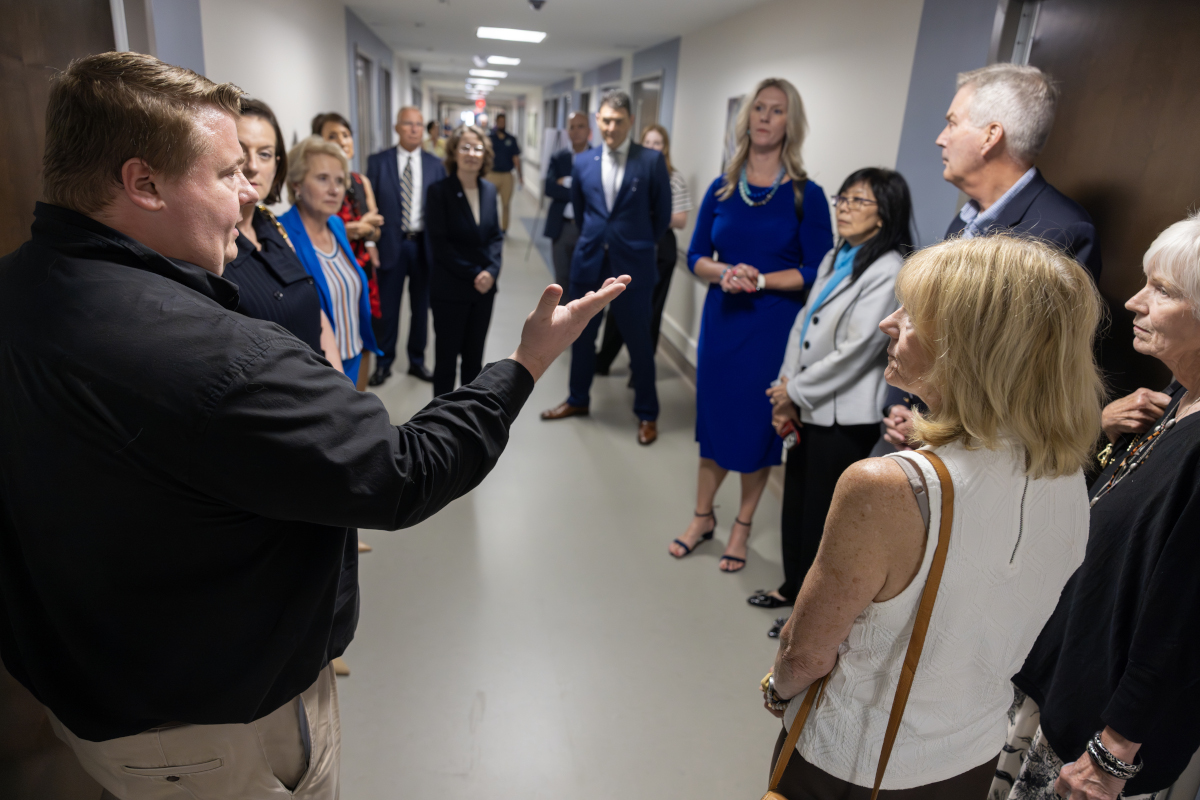
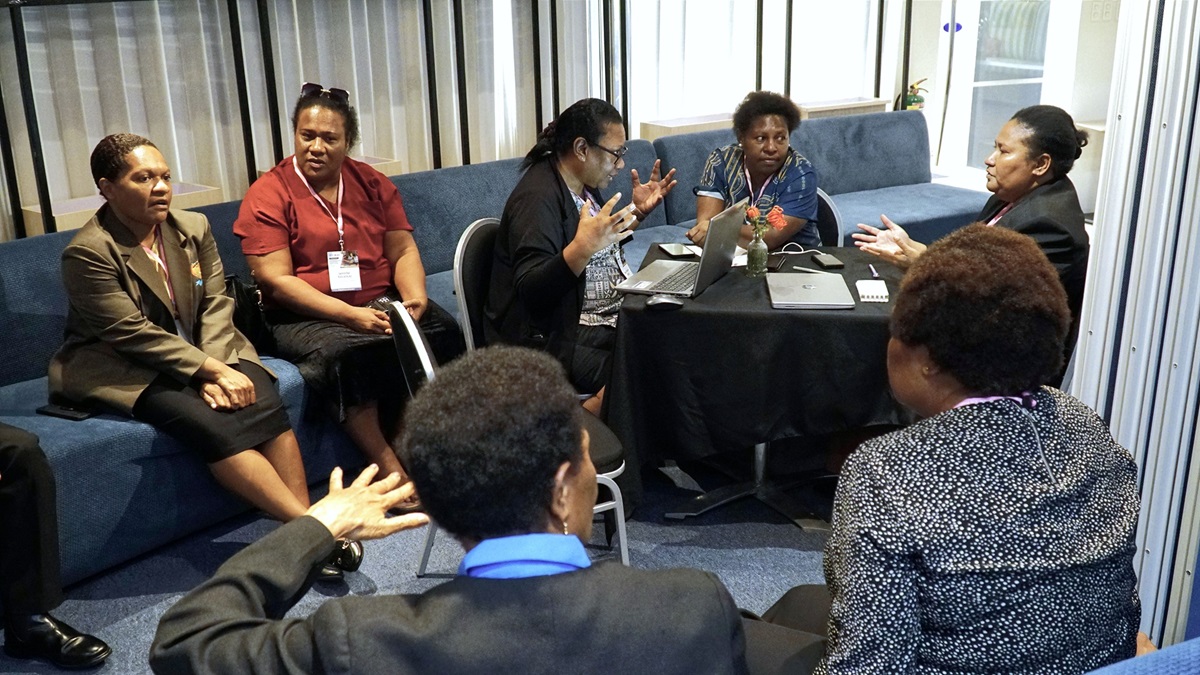
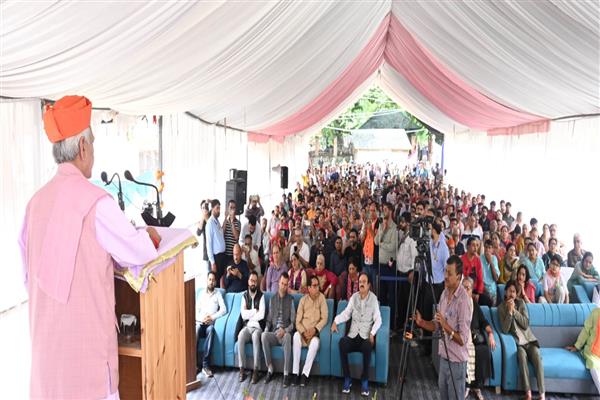
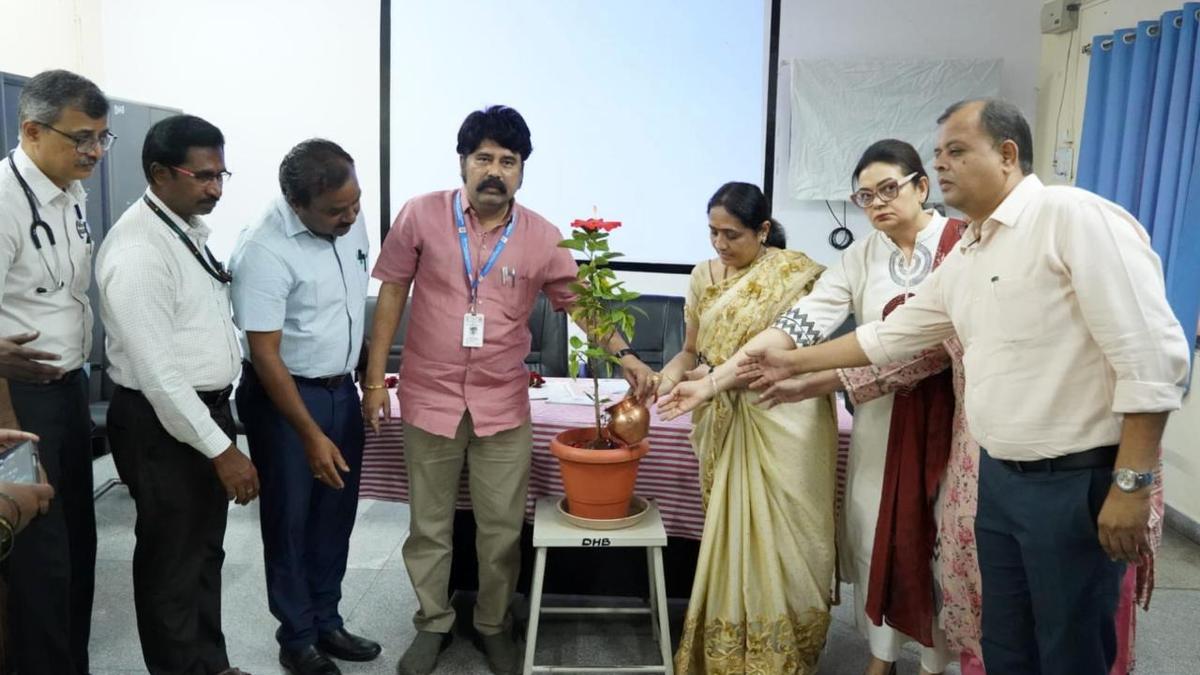
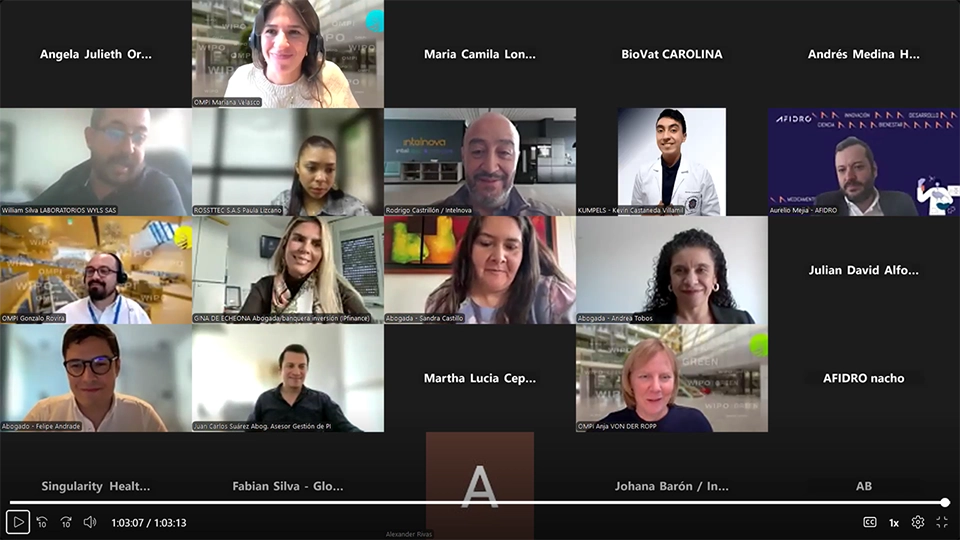
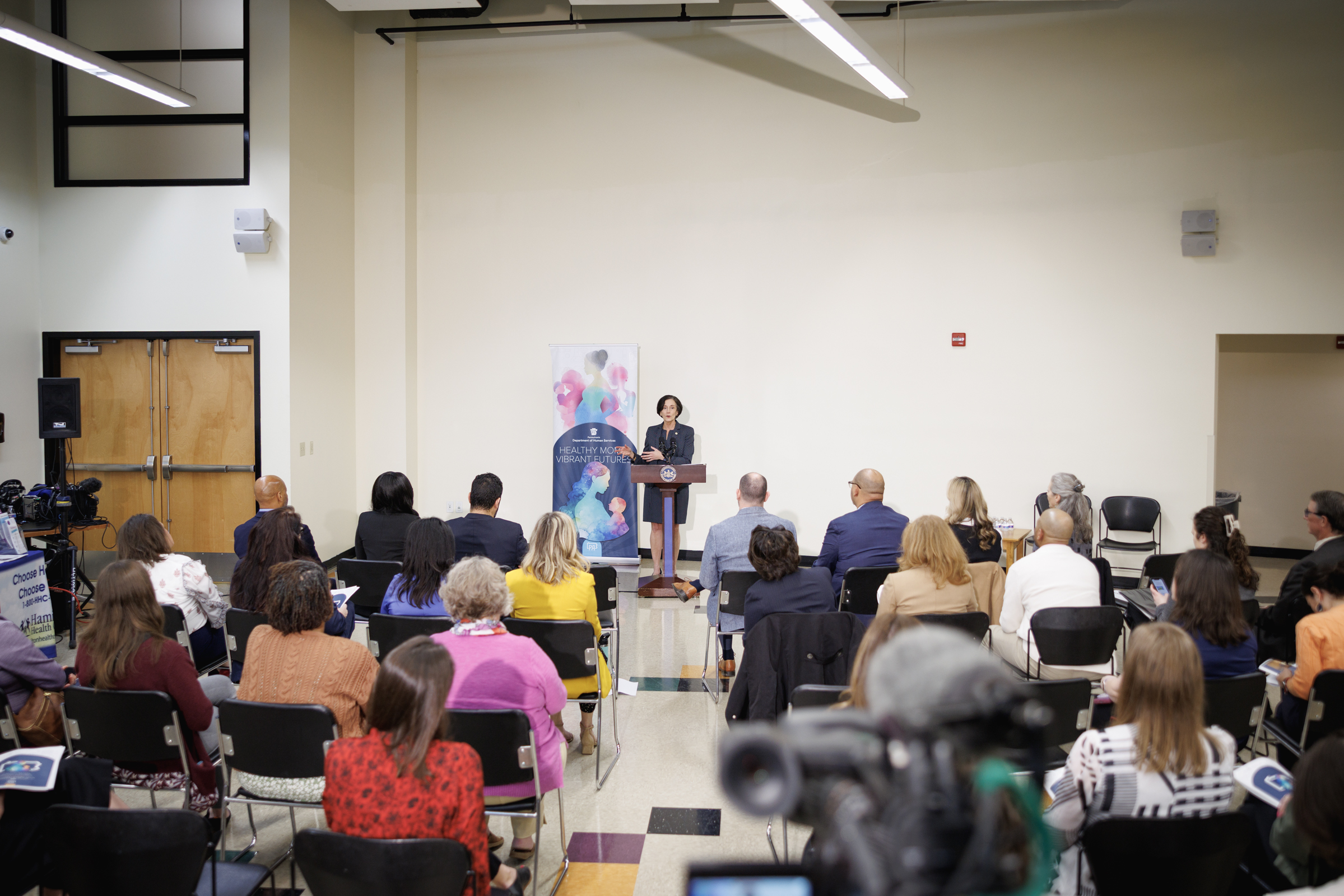
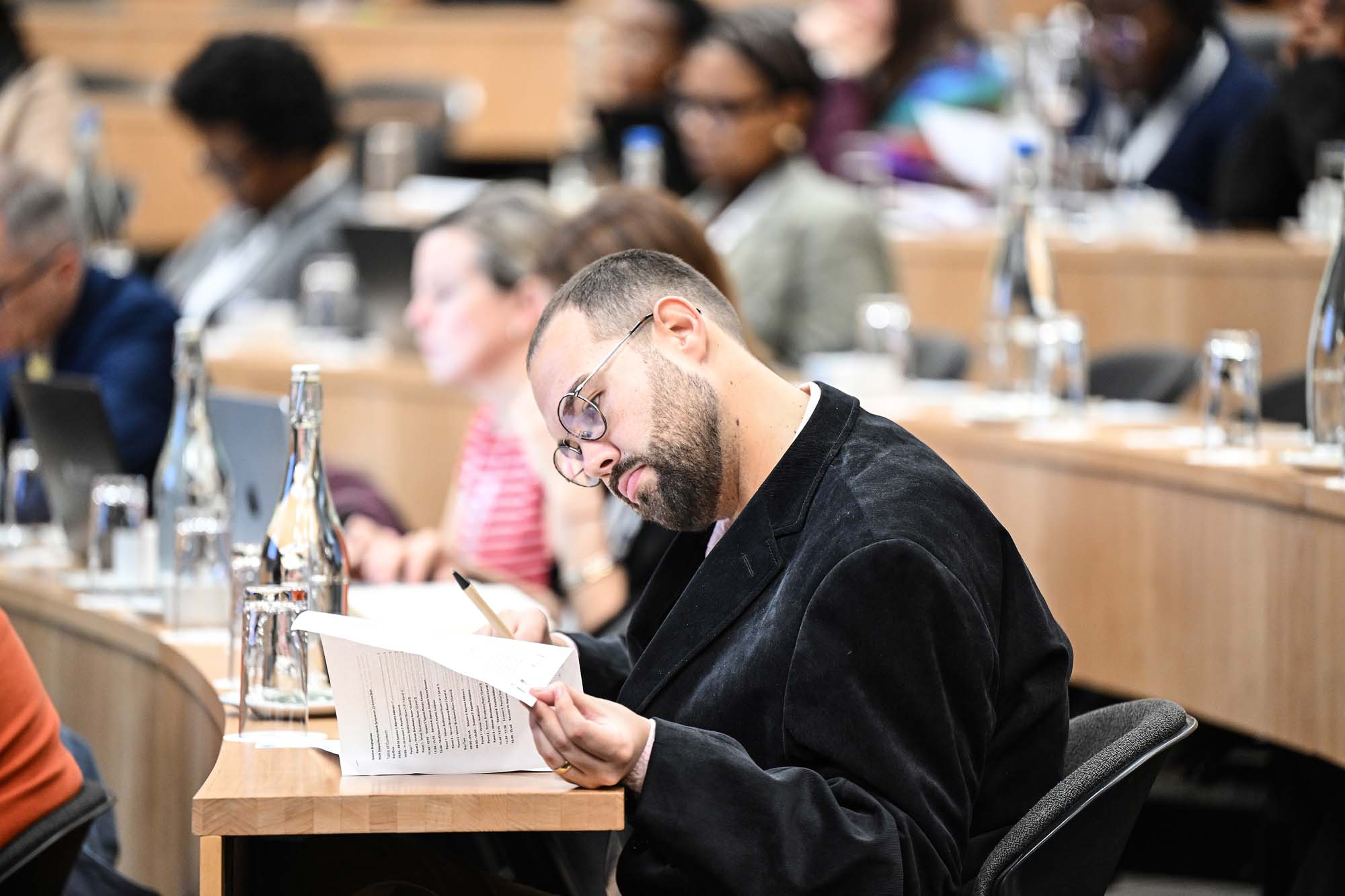
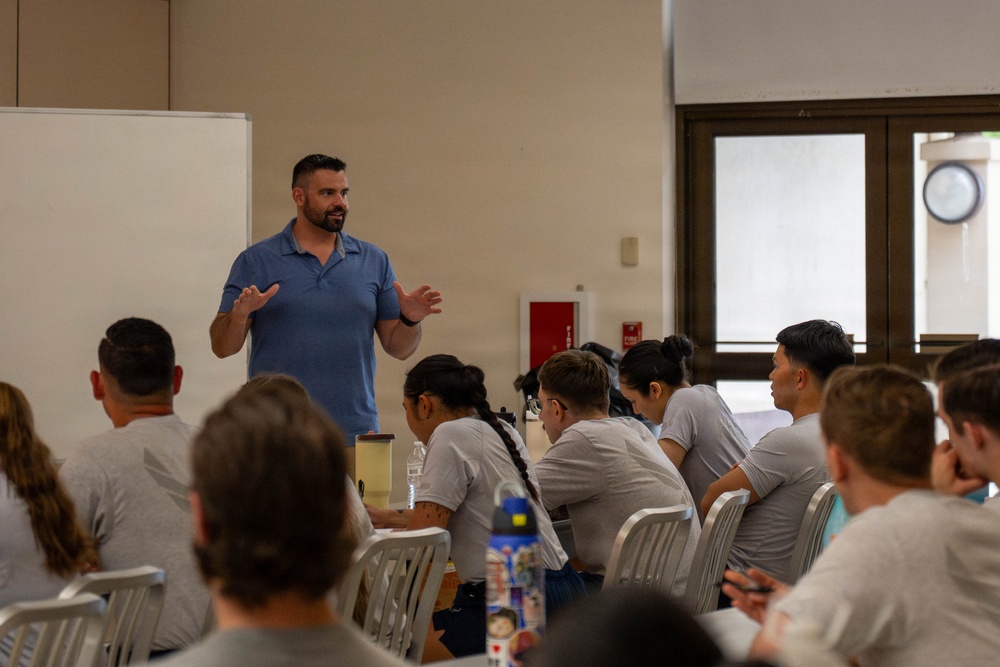
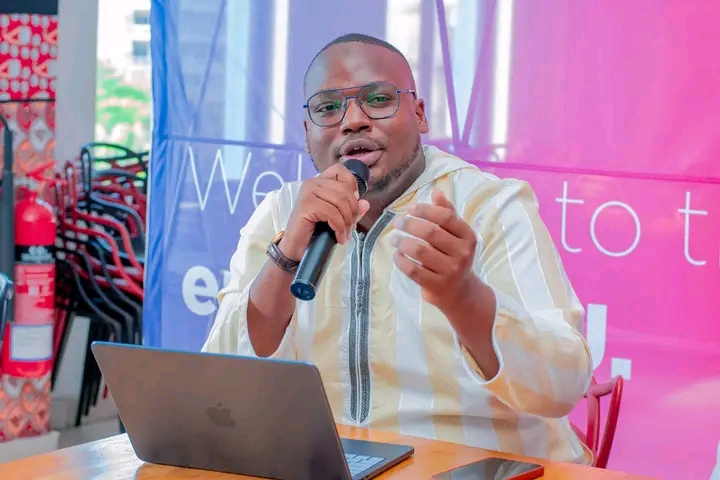
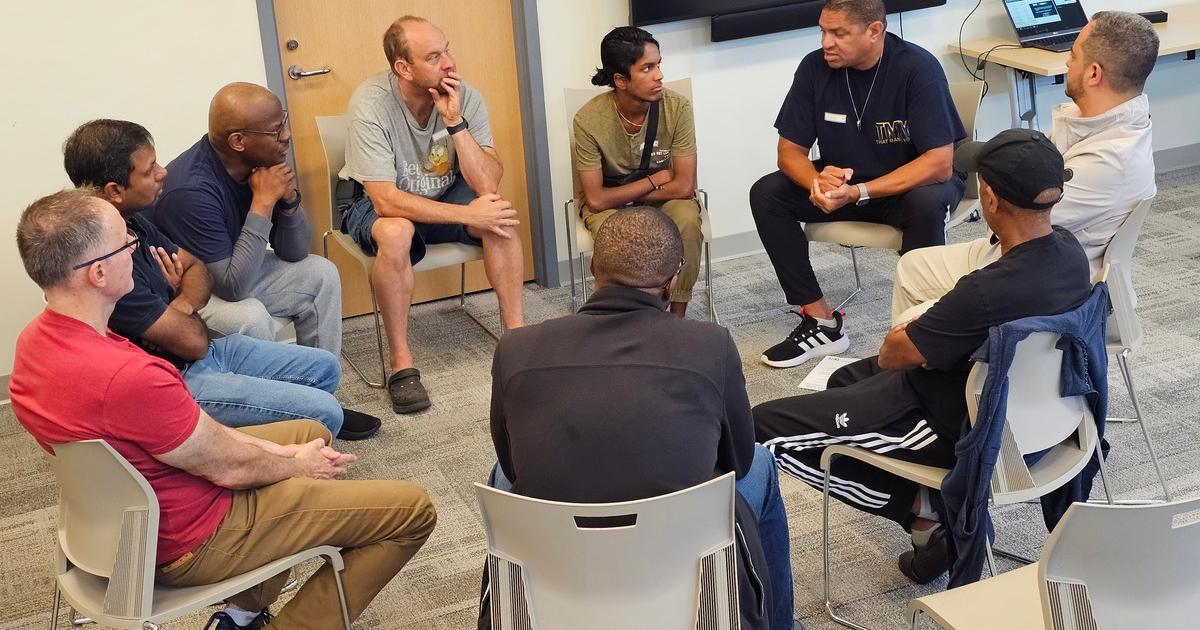
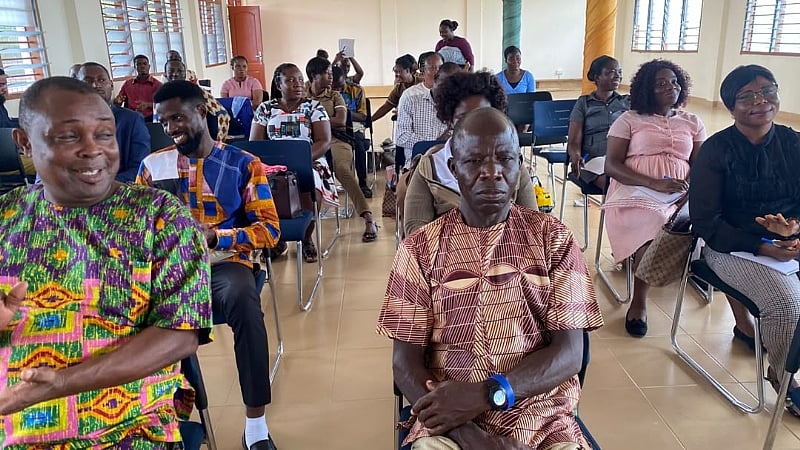
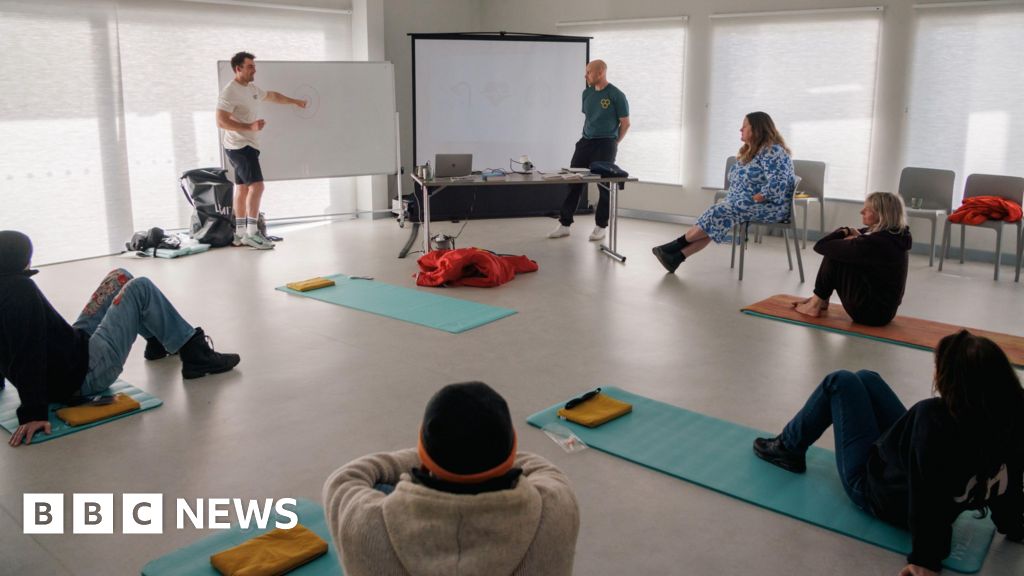
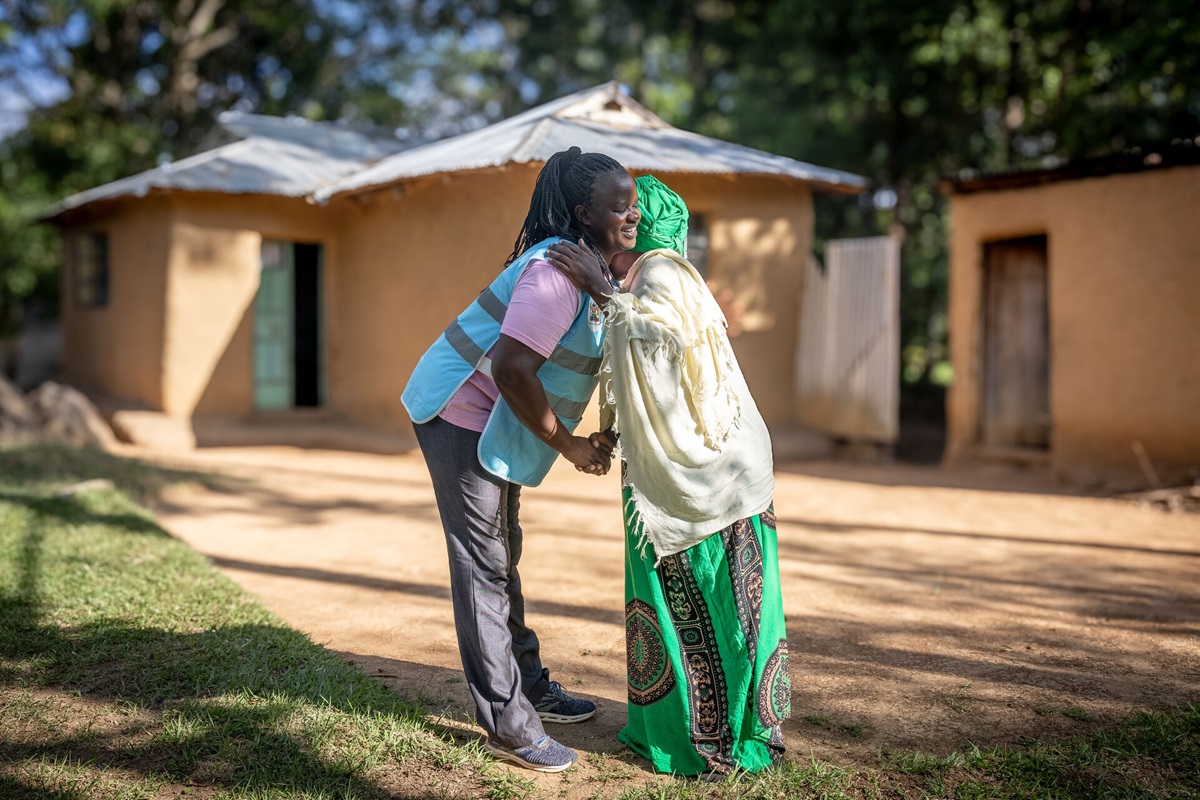
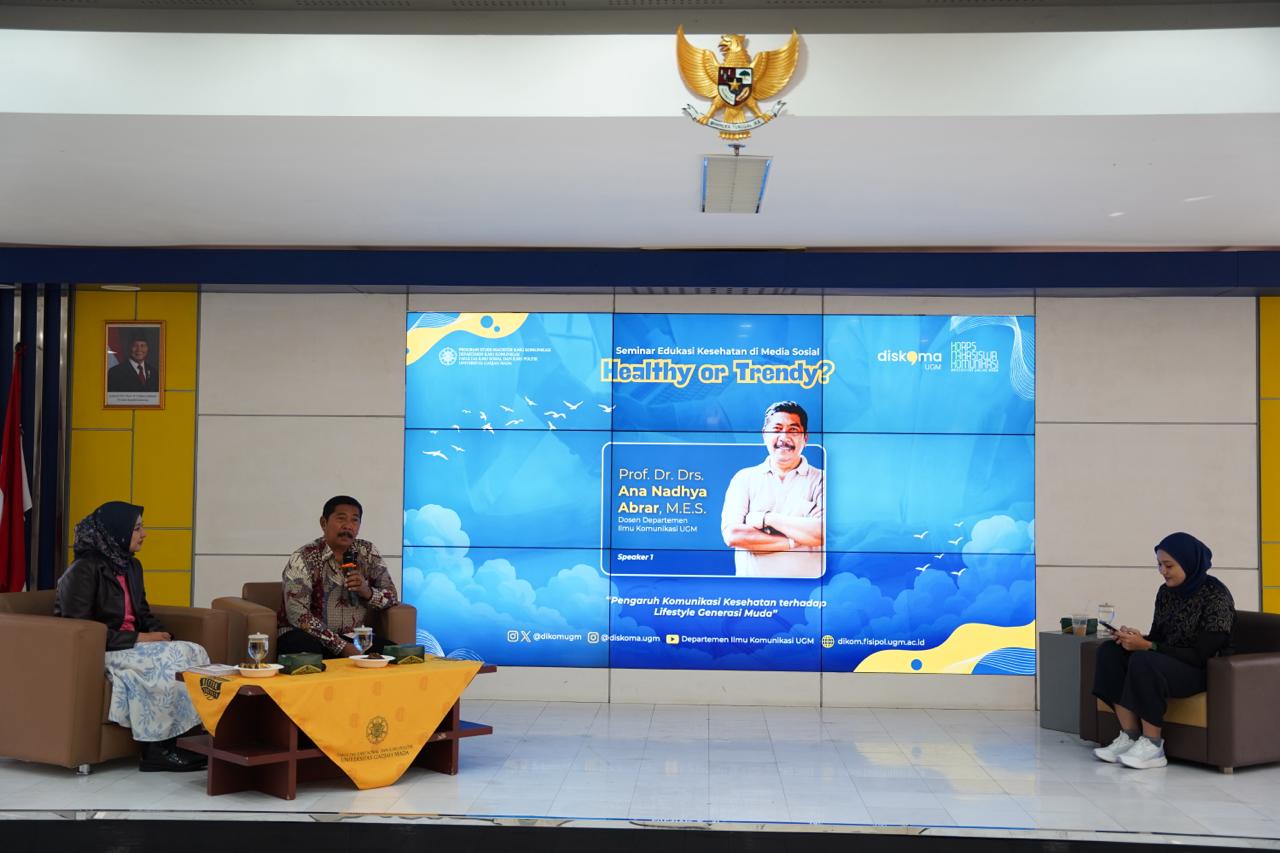
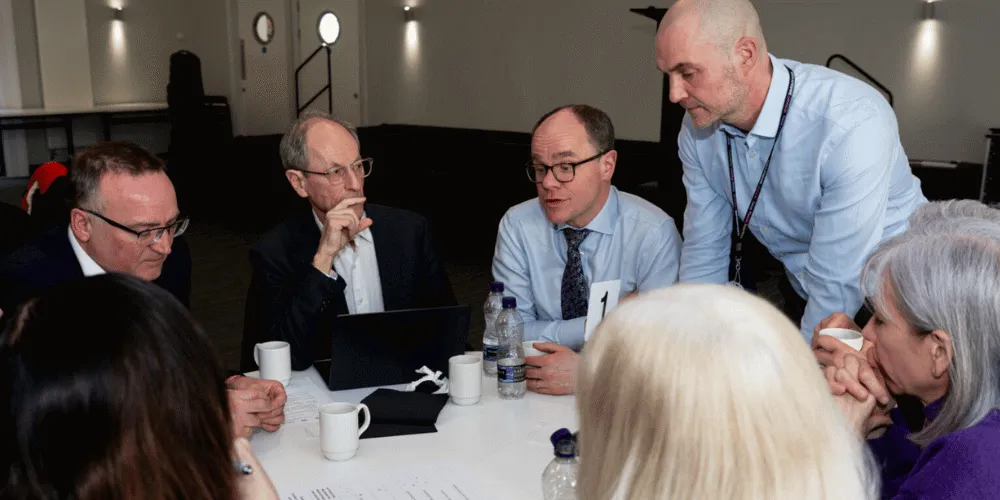
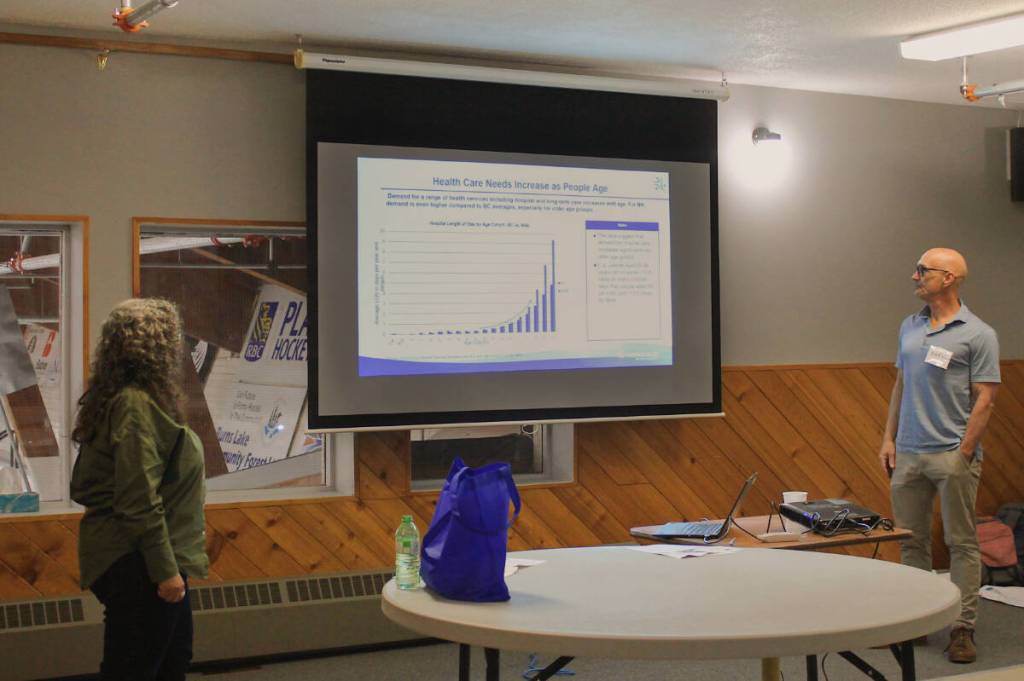
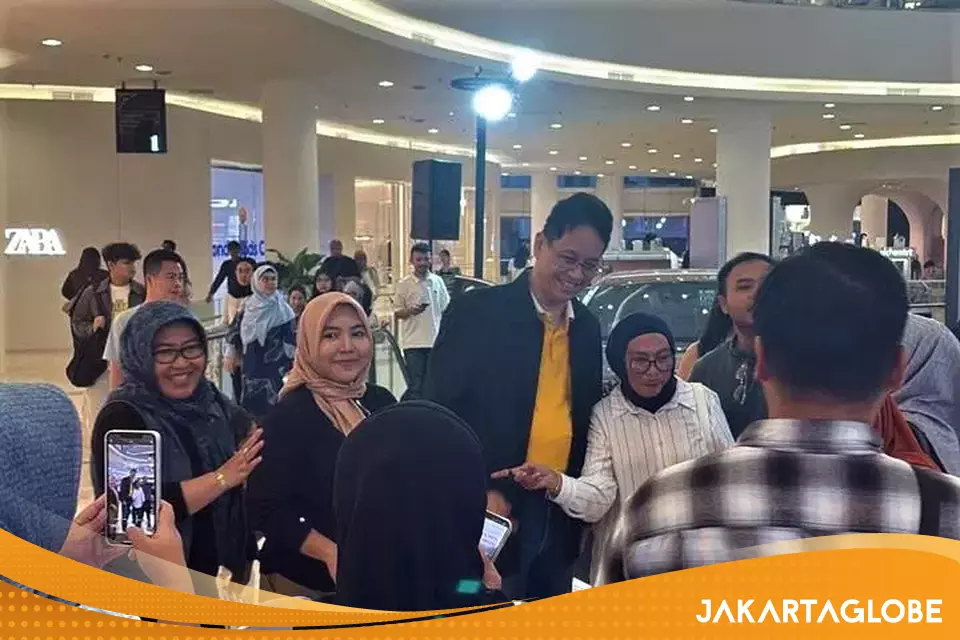
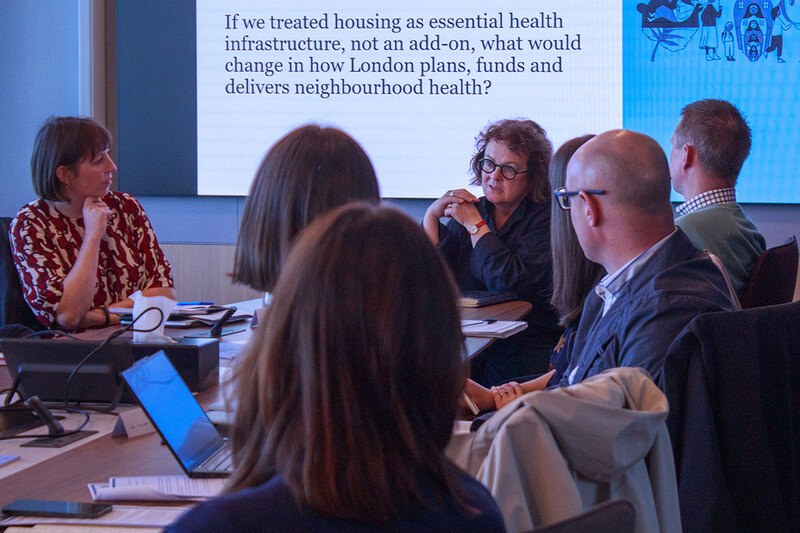
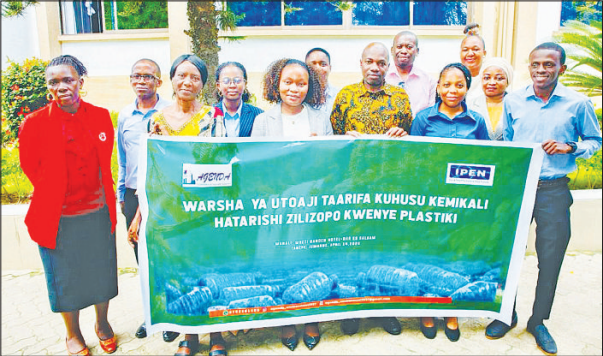
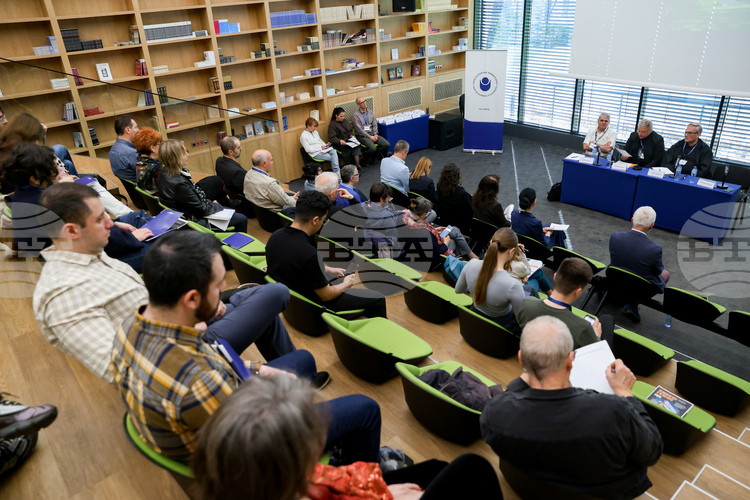
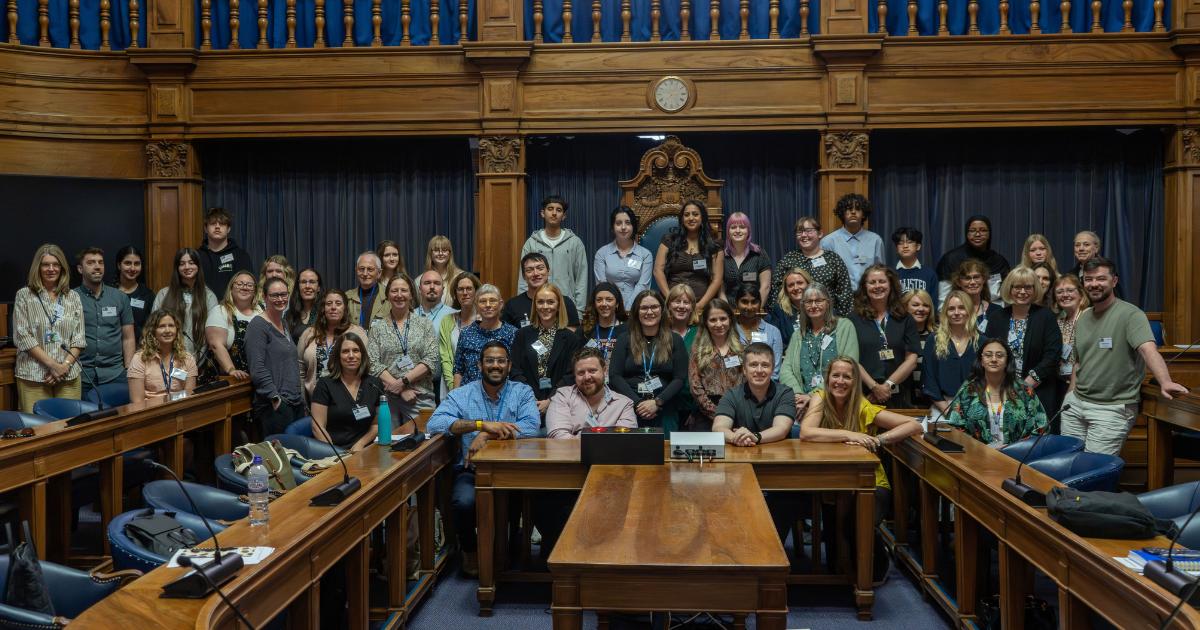
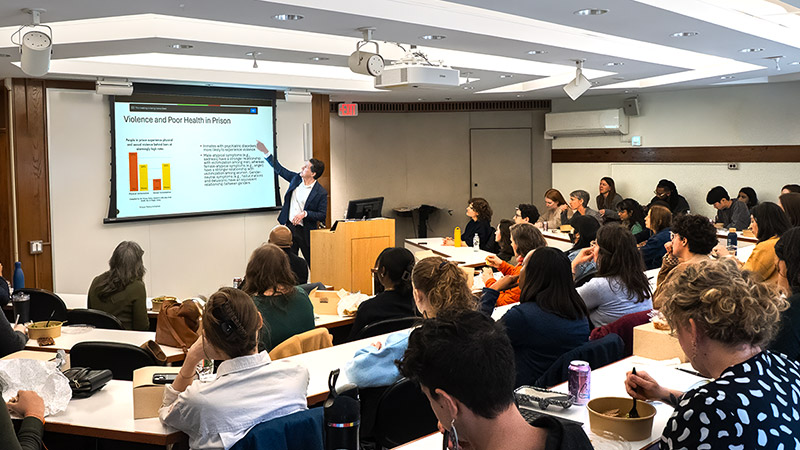
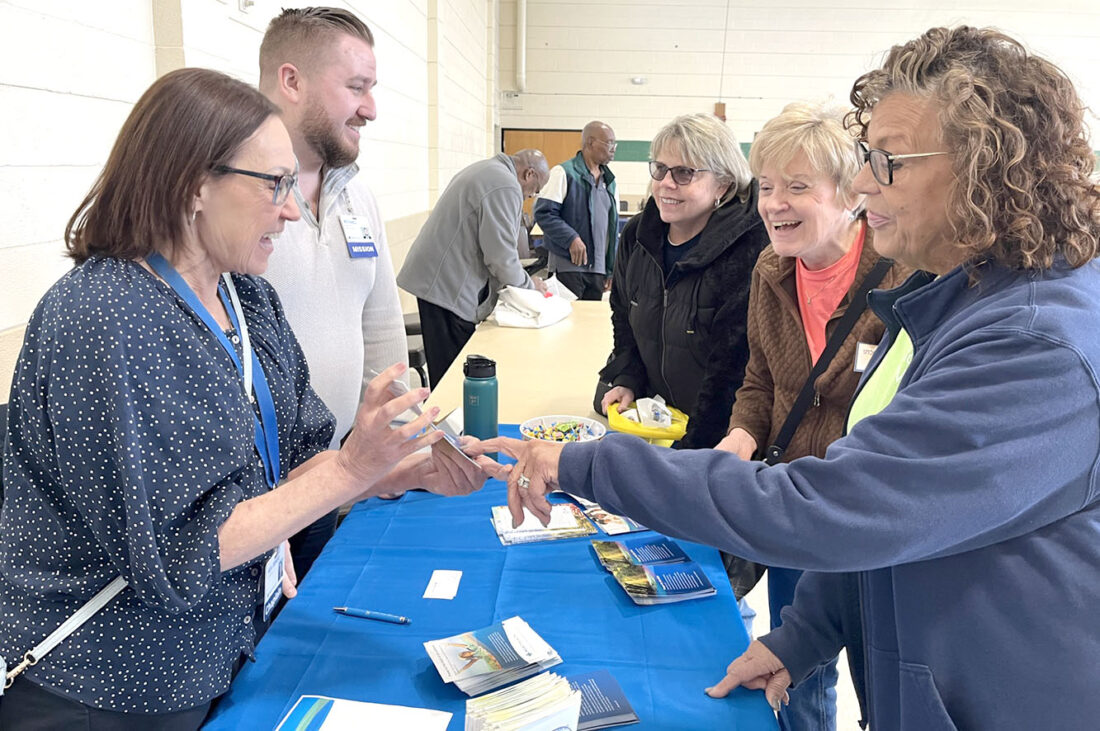
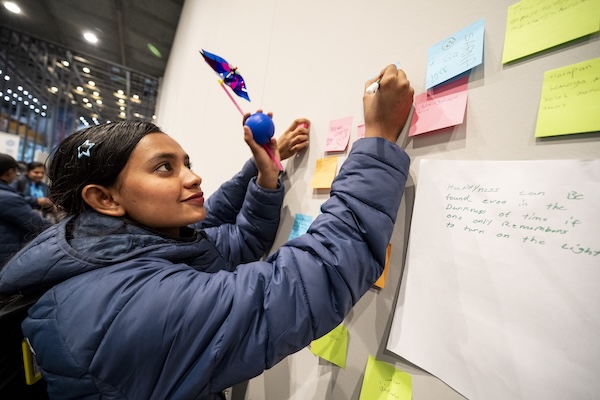
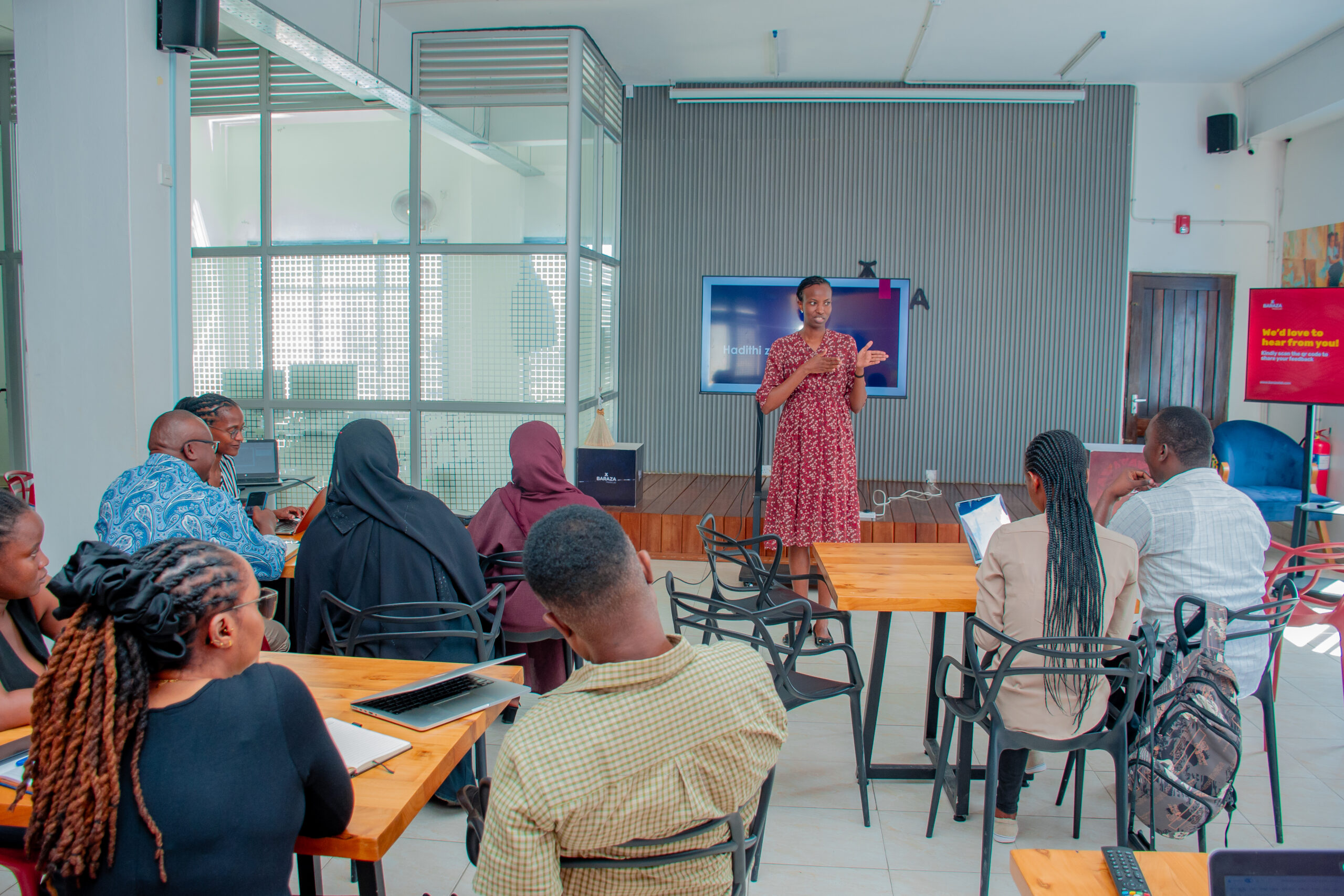
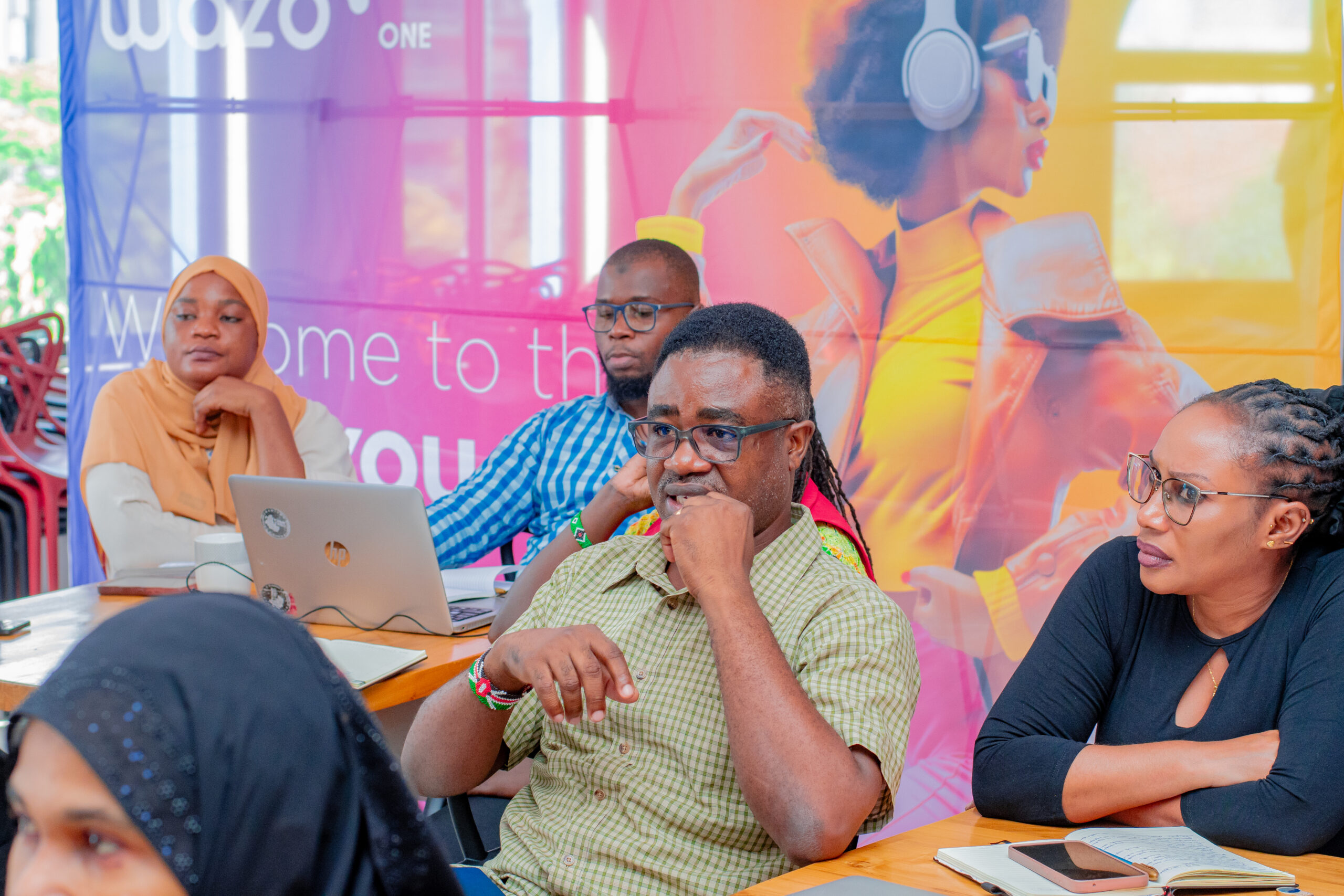
This multifaceted call to action took center stage at the recent Hadithi za Wanahabari training session. Hosted at the Baraza Media Lab in partnership with MMS Advocates, the workshop gathered media practitioners to confront the legal, psychological, and technological shifts reshaping modern journalism.
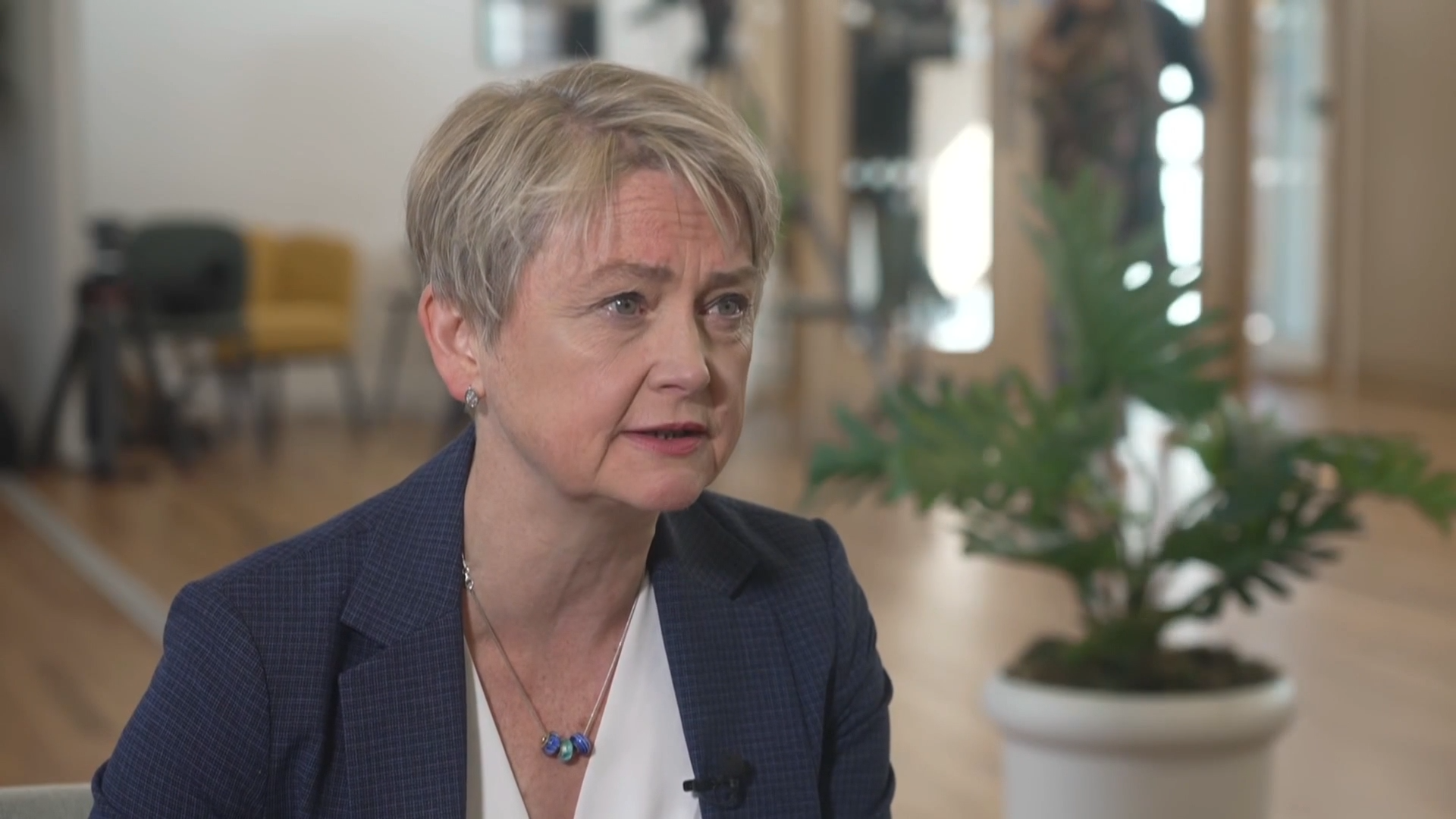
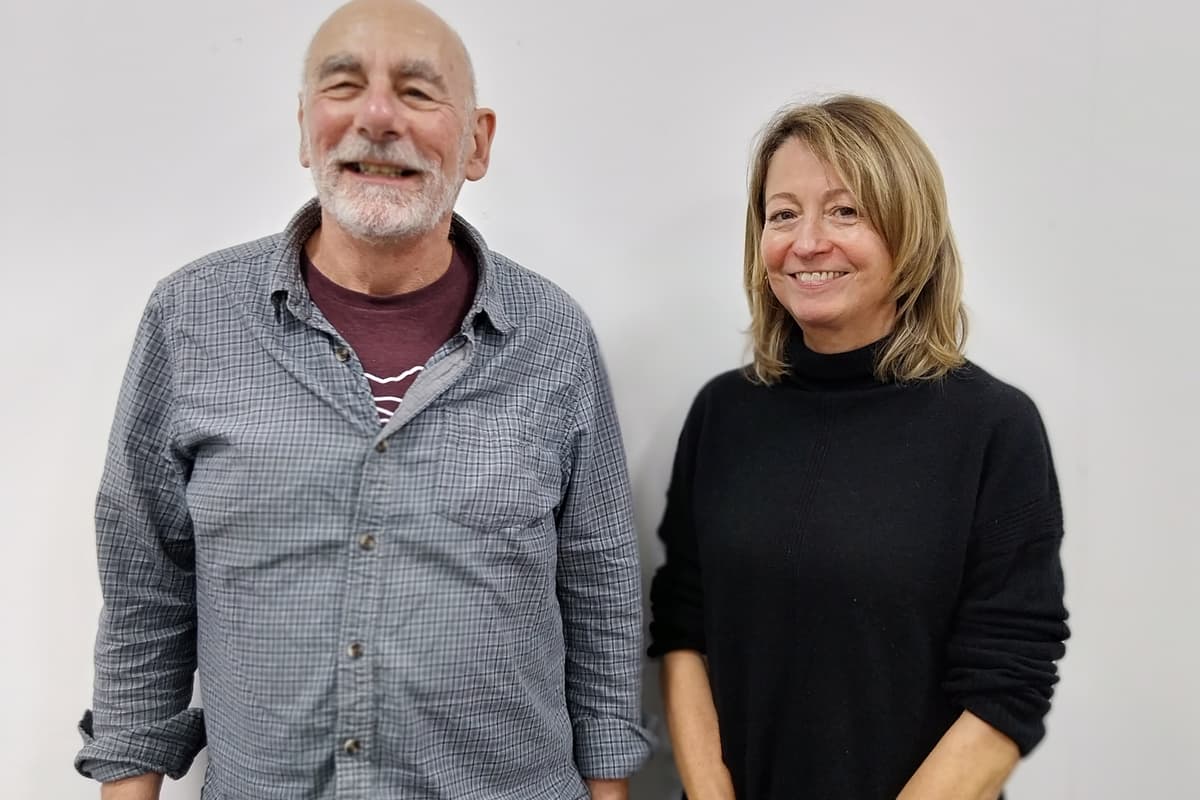
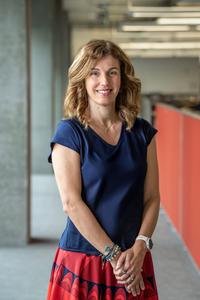
Lilian Makanga, an intellectual property expert speaking at the session, emphasized that IP is not just a legal shield, but a vital engine for economic survival and job creation.
She noted that “An idea in the mind can become tangible property to own, sell, or license. To bridge the gap between creators and legal protections.”
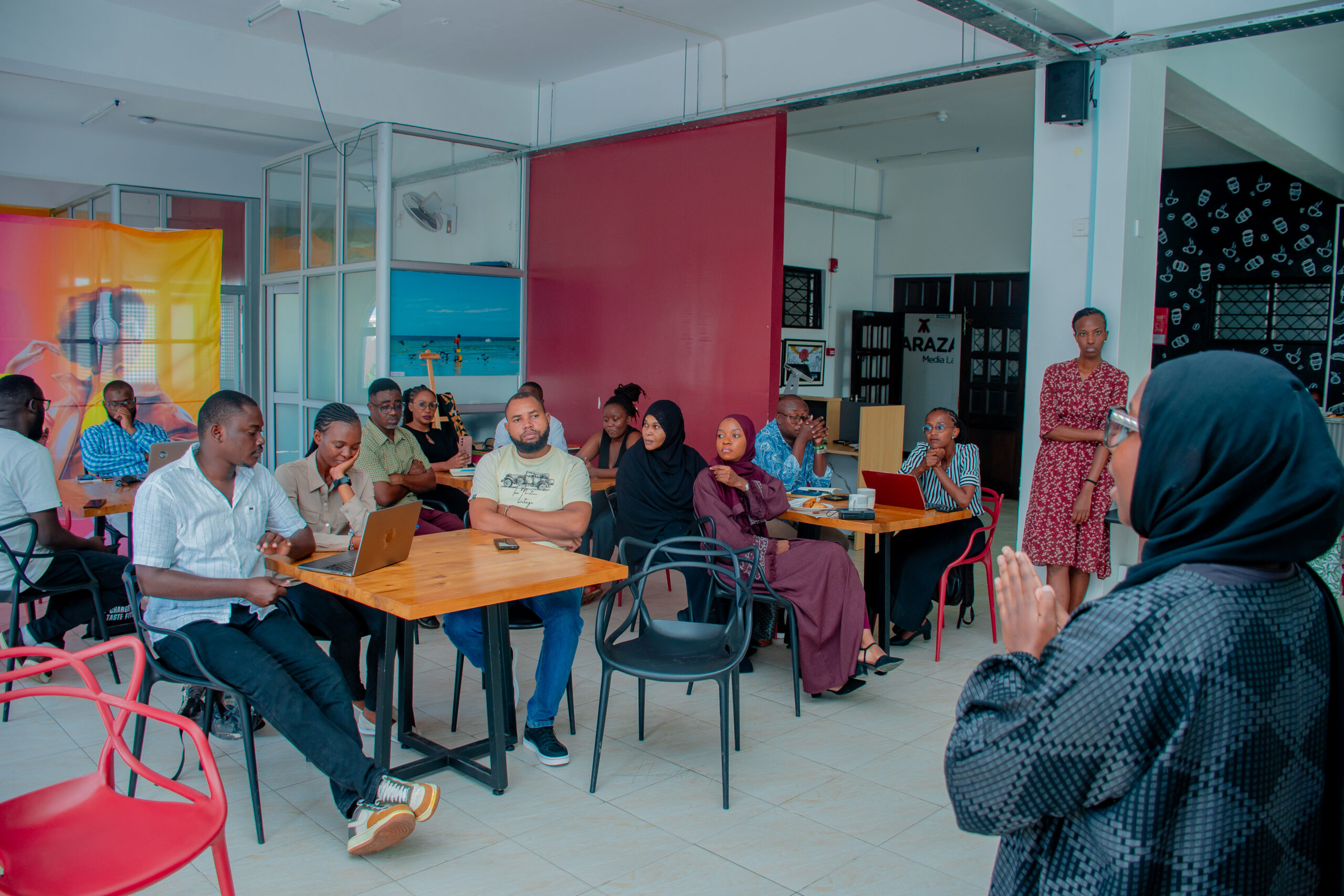 Makanga also highlighted several key priorities, including increased collaboration between grassroots organizations and government bodies to democratize legal knowledge.
While the Kenya Copyright Board (KECOBO) maintains an active online presence, she noted that entities like the Kenya Industrial Property Institute (KIPI) must step up digital engagement to reach tech-savvy creators.
Furthermore, Makanga pointed out that a thriving creative sector supports massive supply chains benefiting everyone from sound technicians and transport providers to hospitality vendors. She challenged journalists to use their platforms to amplify stories about the creative economy, helping the public grasp the tangible value of IP rights.
The Hadithi za Wanahabari program was specifically engineered to address the systemic vulnerabilities facing Kenyan media professionals. According to Rajab Salim of Baraza Media Lab, the industry has reached a tipping point regarding legal safety and emotional burnout.
He noted that “There has been a growing need for journalists to understand where their rights begin and end to avoid legal trouble” he said.
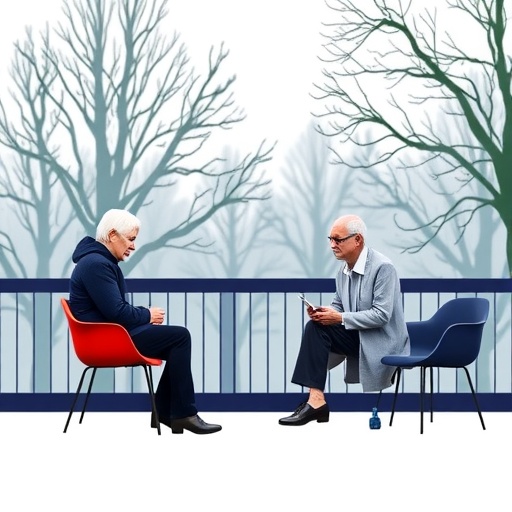
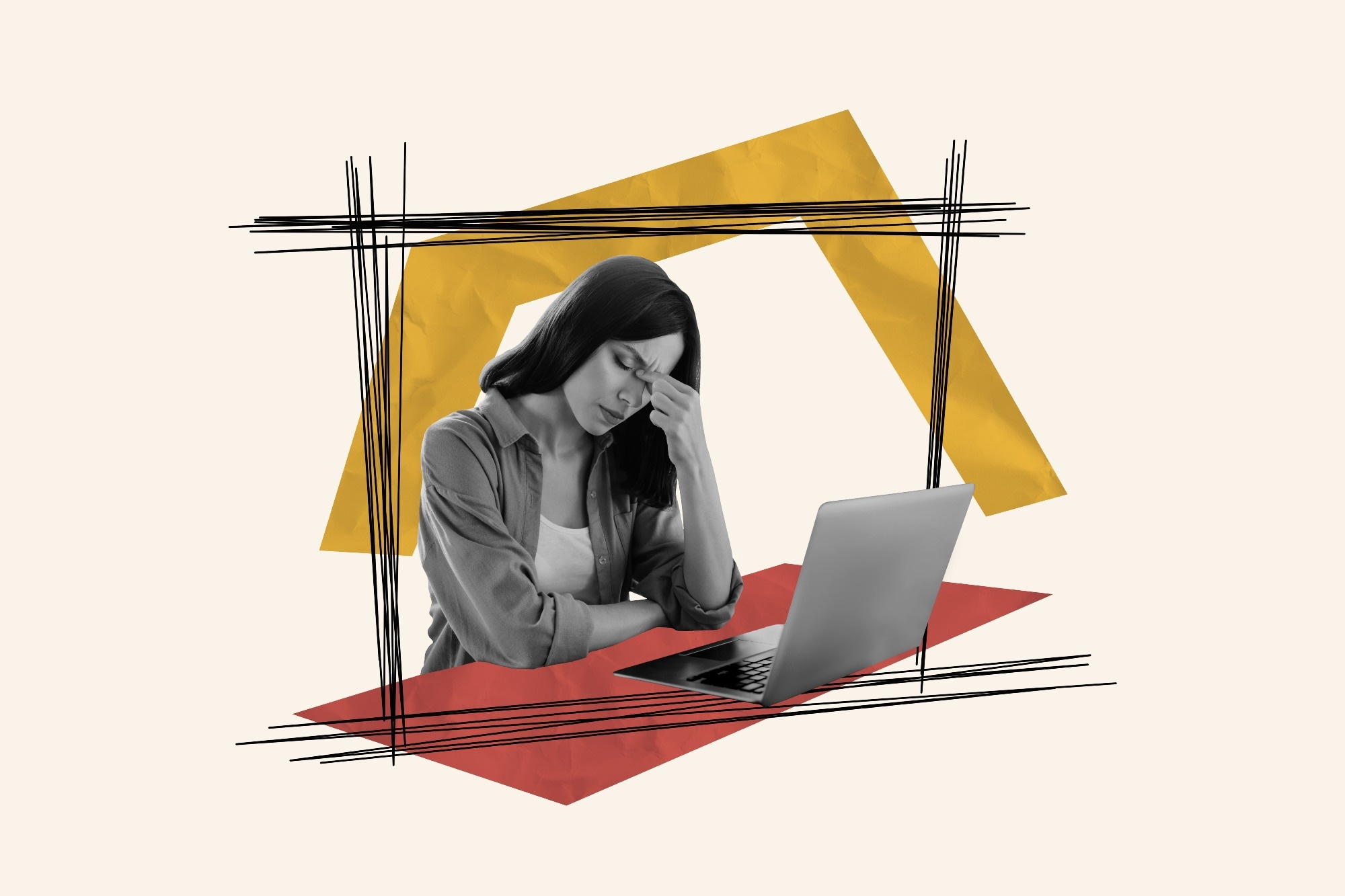
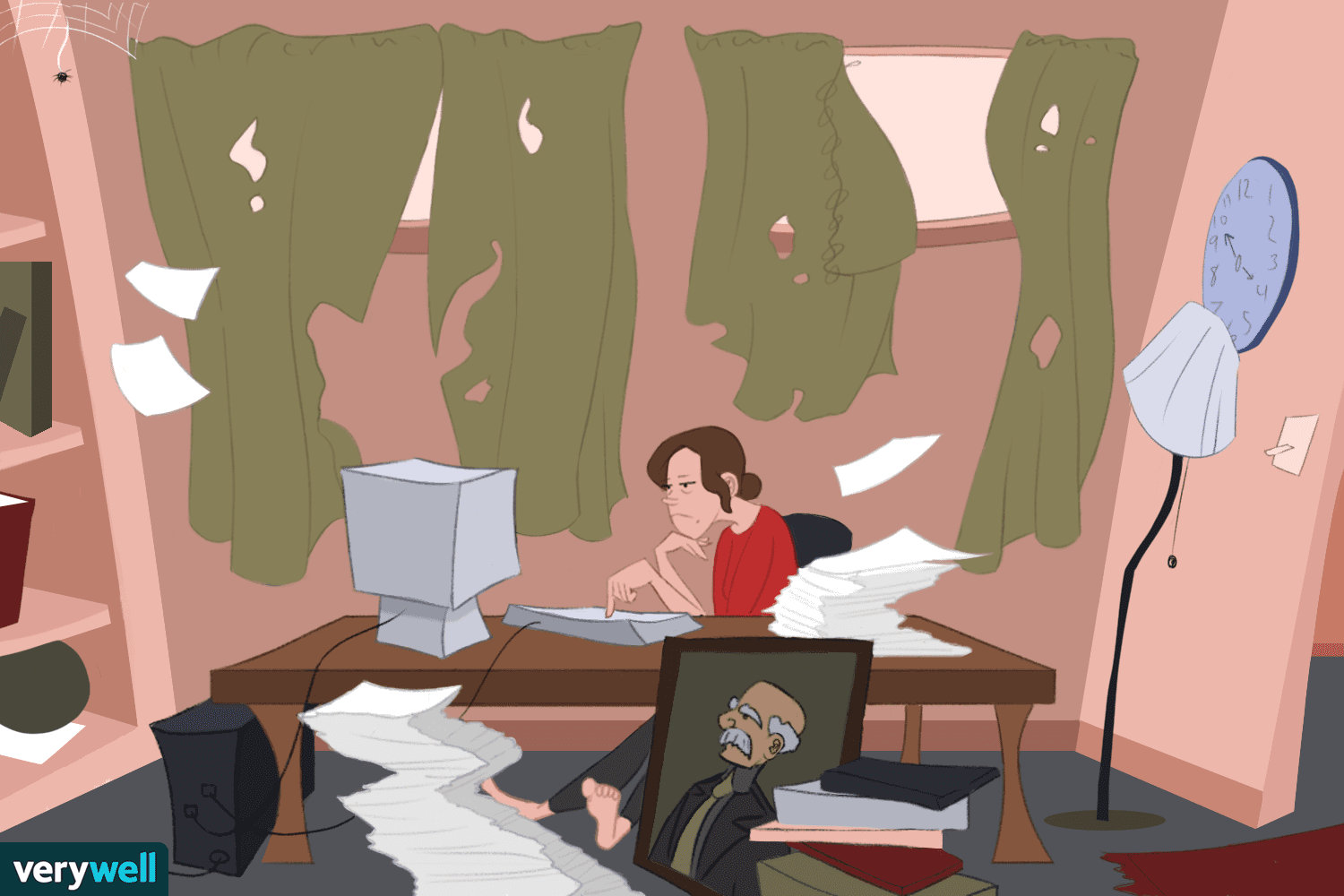
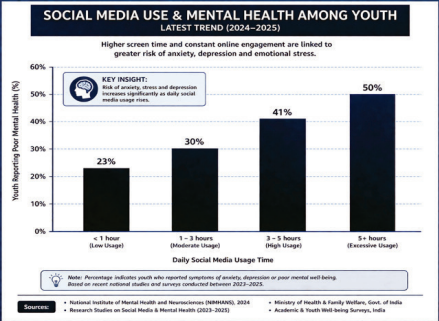
Salim also brought attention to the mental health blindspot in the industry, explaining that journalists frequently endure long hours covering high-stress or traumatic events, yet their psychological wellness is routinely ignored.
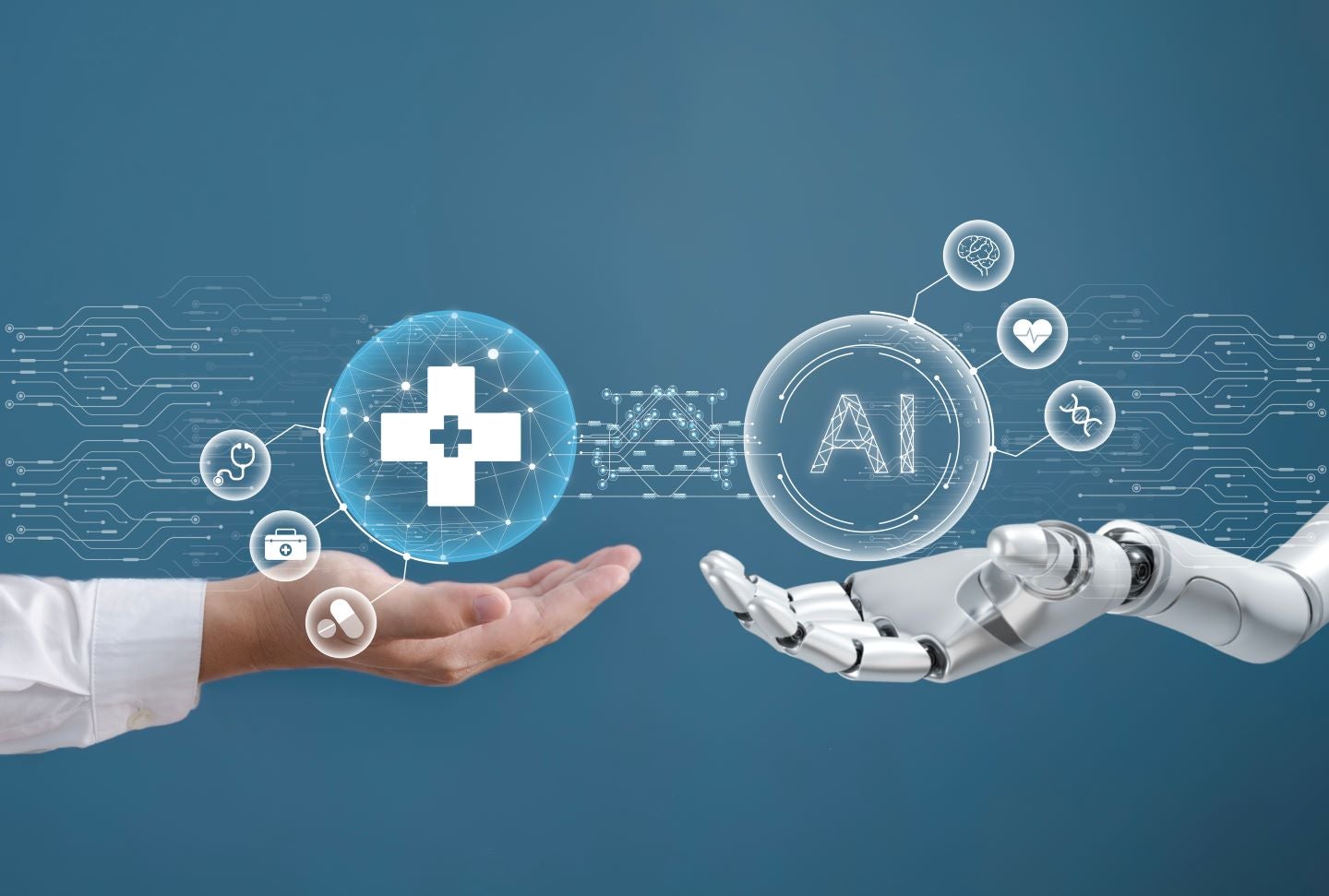
 In tandem with these professional challenges, Salim introduced Baraza Media Lab’s Civic Canvas initiative. As Kenya approaches its next election cycle, this program focuses on grassroots civic education to counter misinformation and foster social cohesion, helping citizens connect the power of their vote to their daily quality of life. The integration of Artificial Intelligence in newsrooms offers a double-edged sword for the industry.
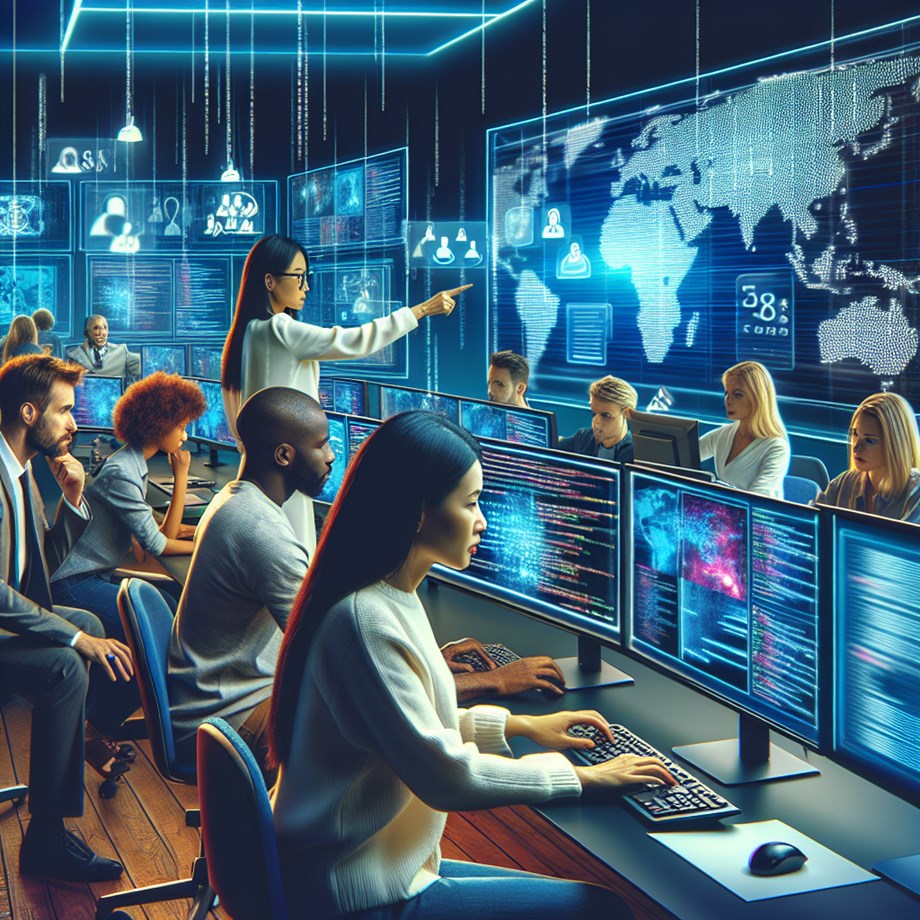
Legal expert Felicia Solomon noted that AI tools serve as a massive equalizer, particularly for independent journalists operating without the luxury of large editorial teams, by refining raw ideas and serving as a low-cost, automated copy editor.
“However, excessive dependence on AI-generated content exposes journalists to plagiarism, IP disputes, and algorithmic misinformation” she noted.
Solomon issued a stern warning regarding the upcoming election cycle, where AI-generated deepfakes, manipulated imagery, and fabricated polling data pose an existential threat to democratic stability. If left unchecked, these technologies can effortlessly mislead voters, supercharge hate speech, and incite violence.
She emphasized that human verification remains non-negotiable, and that journalists cannot simply publish what a robot gives them without checking the facts.
The Mombasa training served as a critical reminder that modern journalists are no longer just passive observers. To survive and thrive in a tech-driven era, media practitioners must actively evolve into legally literate, technologically responsible, and self-aware custodians of public truth.