Given speculation that the US Federal Reserve will soon raise interest rates while the Iran turmoil continues to fan fears across asset classes, should investors boost cash holdings?
High cash allocations may feel safe, but an insidious risk lurks. Cash weighs on long-term returns, risking a brutal, underfunded long-term retirement – aged poverty. Few investors fully fathom this, to their peril.
Holding some cash, perhaps six to 12 months’ worth of expenses, is sensible – an emergency fund. It can improve investing performance by helping investors avoid forced securities sales at inopportune times. Or, if there is an upcoming major expense such as a home purchase, setting cash aside can be wise. Otherwise, investors should cap their cash.
Myriad studies show asset allocation (the mix of stocks, bonds, cash and other securities investors hold) determines most of one’s long-term returns. Market timing, stock picking and perceptions of “value” or “safety” pale in comparison. Asset allocation is the keystone choice investors make.
An investor’s goals, needs and time horizon (how long their assets must last to finance their goals) should largely determine allocation. Generally, the longer the time horizon and the more growth needed, the more a portfolio should be tilted towards higher-returning assets like stocks. Perhaps those who cannot stomach volatility should hold some bonds. But cash, in most cases, should be quite minimal.
Cash trap
Why? Cash delivers minimal returns. Consider US data in dollars for their global importance and long history. Since 1974, when gold standard controls ended, gold has delivered annualised 7.3 per cent returns through May. The US equities benchmark S&P 500, meanwhile, annualised 10.4 per cent returns since data start in 1925. Over the same stretch, 10-year US Treasury bonds annualised 4.7 per cent. US Treasury bills – a cash proxy – annualised lowest: 3.4 per cent. US inflation’s 3 per cent year-on-year average almost totally eroded cash returns. If an investor’s goals require any substantial growth, cash is highly unlikely to deliver it.
Similar trends hold since MSCI All-Country World Index (ACWI) data begin in 2000 (also in dollars). World stocks annualised 7.5 per cent while cash proxy Treasury bills annualised just 1.8 per cent – negative after adjusting for US inflation’s 2.6 per cent year-on-year average in that span.
Most investors do not know their asset allocation. To obtain it, consider asset classes – not accounts or “buckets”. First, total all accounts, including any brokerage account, savings or time deposits. Funds that blend stocks and bonds require closer inspection. For example, if an investor has $1 million in a fund that is 60 per cent stocks and 40 per cent bonds, they have allocated $600,000 to stocks and $400,000 to bonds.
Then subtract funds earmarked for known, near-term expenses or emergencies. Now divide each category – stocks, bonds, cash and other – by the total. These are the portfolio’s allocation percentages.
Conscious or not, allocations reveal an implied forecast. A high cash allocation equates to saying the lowest-returning asset class in modern history is more future-fit than historically higher-returning ones. Said otherwise, holding excess cash is implicitly bearish.
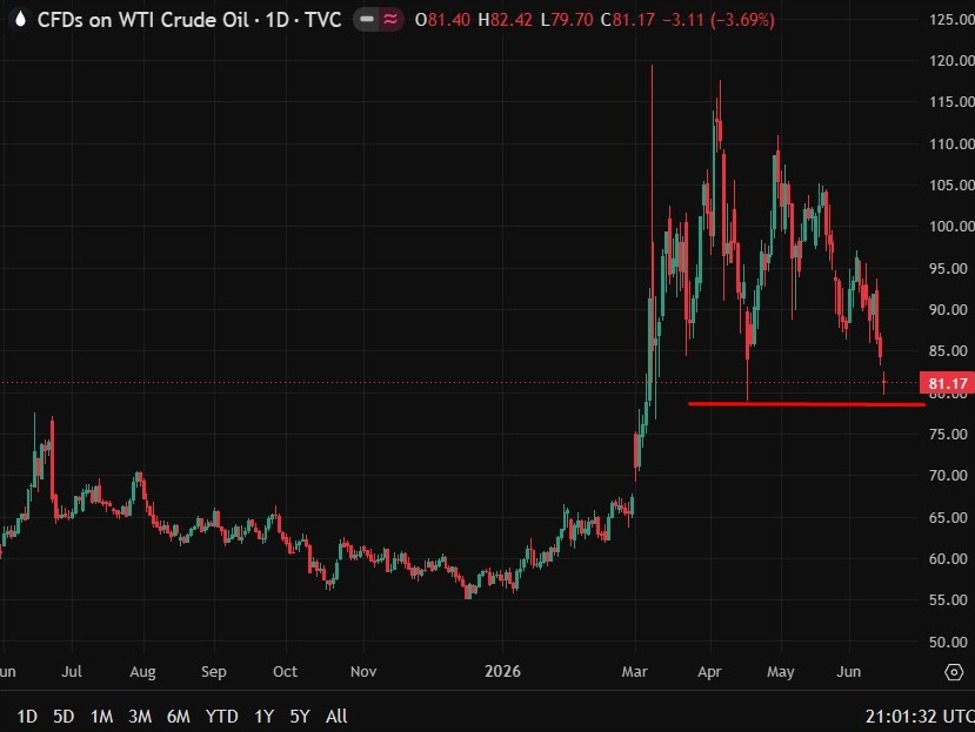
Justifying a bearish forecast requires seeing big negatives others do not. Widely discussed fears like the Iran conflict do not count, as markets have already pre-priced their impact. Taking a bearish stance is perhaps the biggest risk an investor can take if they need growth to finance their goals. Almost no one is that good at market timing.
Many say they hold cash “in case” stocks tumble. But at what cost? Usually, those investors end up holding that cash long term, too frightened to buy amid big declines like the one in March. Then they ignore cash’s performance, focusing on the return of portfolio parts versus the whole. That is a dangerous mental error.
Safety illusion
Large cash holdings feel good but hurt overall returns. Since 2000’s end, $100,000 invested 70 per cent in world stocks and 30 per cent in long-term US Treasury grew by $407,055 through May. If 20 per cent of that initial investment was in cash, the portfolio would have grown by $337,218. The portfolio with cash earned almost $70,000 less despite that period beginning with a punishing bear market for stocks,
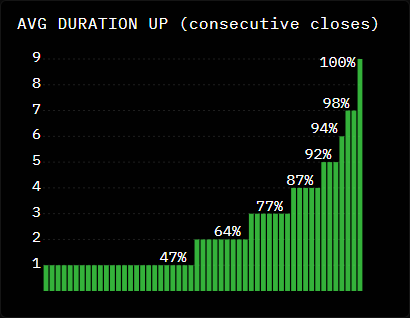
Stocks perform well over shorter time horizons, too. Consider S&P 500 data, again in dollars since 1925. Using monthly returns, stocks gained in 75.6 per cent of rolling 12-month periods, through May. That rose to 88.7 per cent over rolling five-year periods and 94.7 per cent for rolling 10-year periods.
Moreover, while inflation crushes cash, stocks can generate the higher returns needed to keep up – and more. US stocks averaged 72 per cent gains over those five-year rolling periods and 201 per cent over the rolling 10-year stretches.
The safety of cash is an illusion. Investors shouldn’t mistake short-term comfort for a long-term strategy.