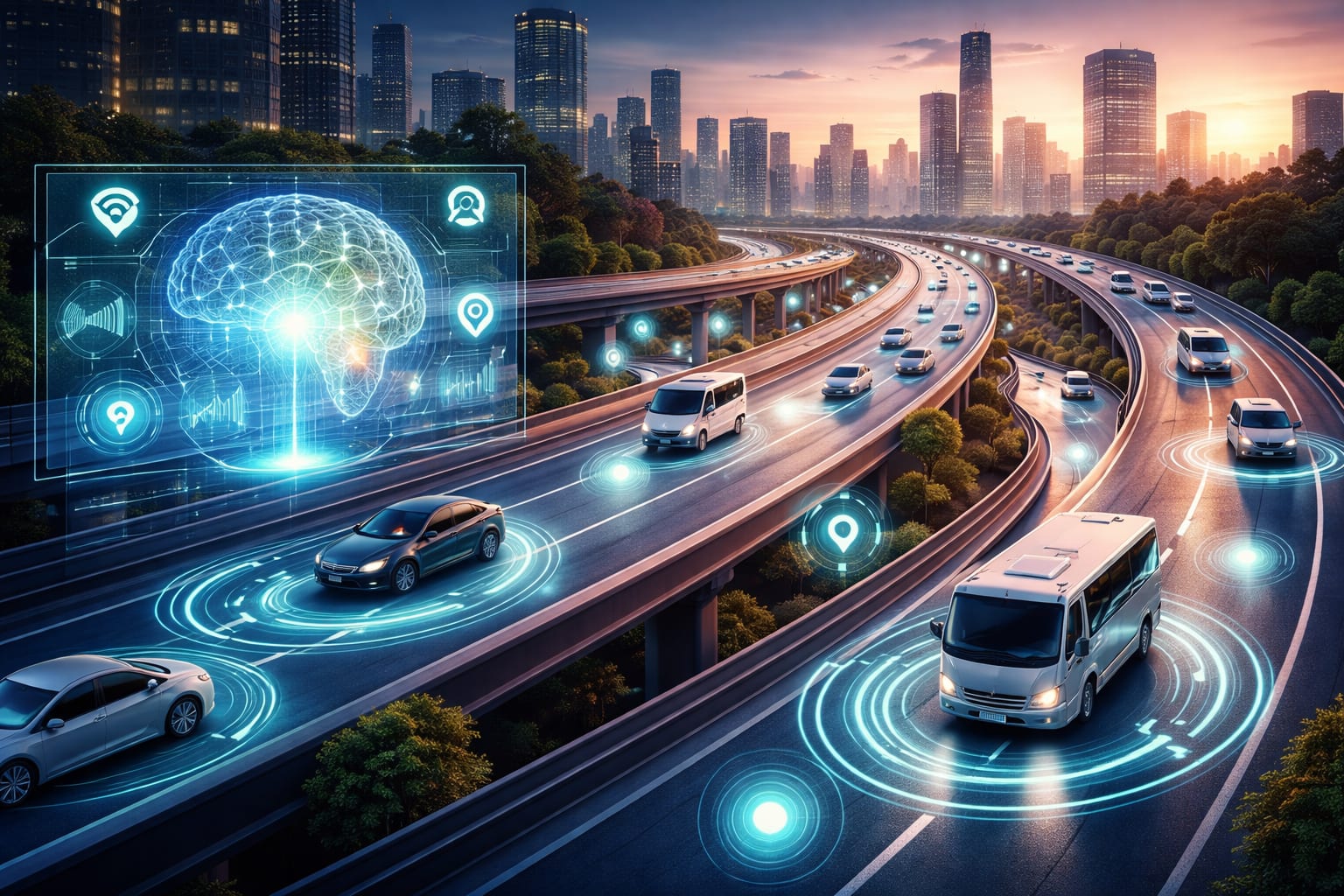
The shift in how individuals engage with the physical and digital realms is transforming the local leisure and entertainment landscape. Traditional structures, historically rooted in brick-and-mortar venues and neighborhood social clubs, are undergoing a fundamental change.
Mobile apps, smart city analytics, cloud-based data systems, and regional investments in digital convergence are redefining how residents and visitors interact with gaming and casino entertainment. This report examines how technology has become the primary operational layer for modern gaming, commercial integration, and the evolving urban experience.
The Visitor Economy and Long-Range Connectivity
The expansion of high-capacity digital infrastructure is a major driver of modern gaming habits. The city centre now features extensive fibre-optic networks providing the low-latency, high-speed data access essential for seamless online gaming and live-dealer platforms. Specifically, the city’s ‘Coventry Core’ initiative, a 140km state-of-the-art fibre network connecting over 300 key sites, provides the low-latency backbone that makes high-fidelity mobile entertainment possible even when users are on the move through the city centre. With local authorities receiving recognition for their digital advancements, the foundation is set for operators to reach a wider, more connected audience than ever before.
With the tourism economy reaching record annual heights, a resilient network is vital to support on-demand digital engagement. This digital density allows inhabitants and tourists to experience high-fidelity entertainment, whether they are accessing regulated online platforms on the move or engaging with interactive, location-based gaming software while navigating the urban core.
On-Demand Entertainment and Algorithmic Optimization
The discovery of gaming options has transitioned from physical proximity to real-time, algorithmic curation. Rather than relying on traditional directories or static advertisements, consumers increasingly depend on advanced on-device software and predictive processing to choose their entertainment.
Mobile ecosystems now analyze variables such as live geographic coordinates and historic user profiles to serve instantaneous, personalized recommendations. This shift is a global phenomenon; for example, in markets like New Zealand, platforms such as Gamingclub.com have become illustrative of the trend toward high-end mobile optimization. By allowing users to transition seamlessly from classic table games to immersive live-dealer experiences, such platforms demonstrate how portable, high-quality digital entertainment has become a cornerstone of modern leisure. This optimization shifts the gaming experience from a planned, destination-bound activity to a flexible, highly personalized series of decisions.
Physical Integration in Modern Urban Developments
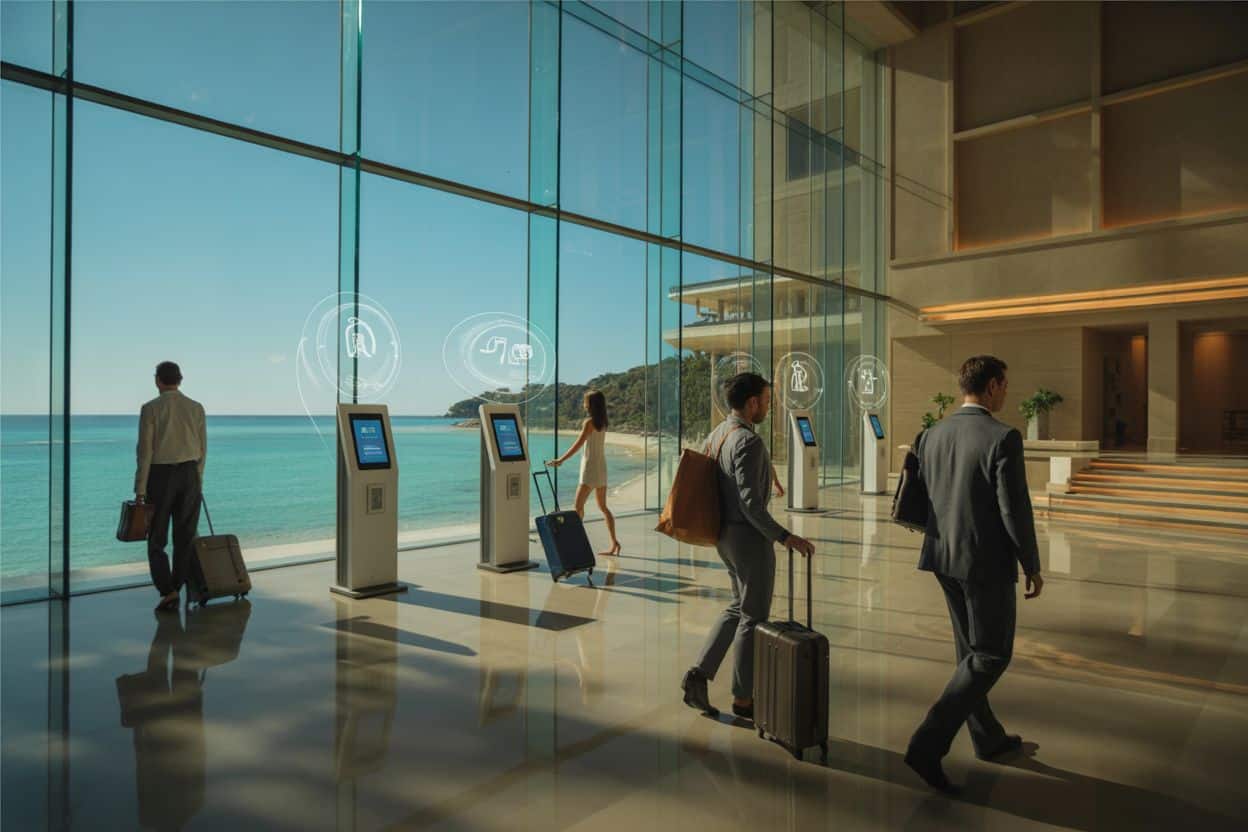
The rise of virtual gaming does not render physical entertainment venues redundant; rather, it re-engineers how those spaces operate. Major urban renewal schemes are designed with the assumption that visitors are digitally connected. Modern entertainment venues in these zones now depend on mobile interfaces for contactless transactions, digital loyalty programmes, and direct-to-table service, bridging the gap between high-tech online gaming and the social atmosphere of a physical environment.
Smart Hubs and Data-Driven Management
Municipal and commercial developers are using real-time data flows to build the physical environment around consumer demand. Central areas now utilize sophisticated footfall monitoring systems, technologies that leverage AI cameras and thermal sensors to measure visitor flow, peak activity times, and dwell time. For the entertainment and gaming sector, these insights help operators understand how to better serve their customers, improve public safety, and build layouts that align with modern consumer behaviours.
Privacy-First Frameworks and the Future of Trust
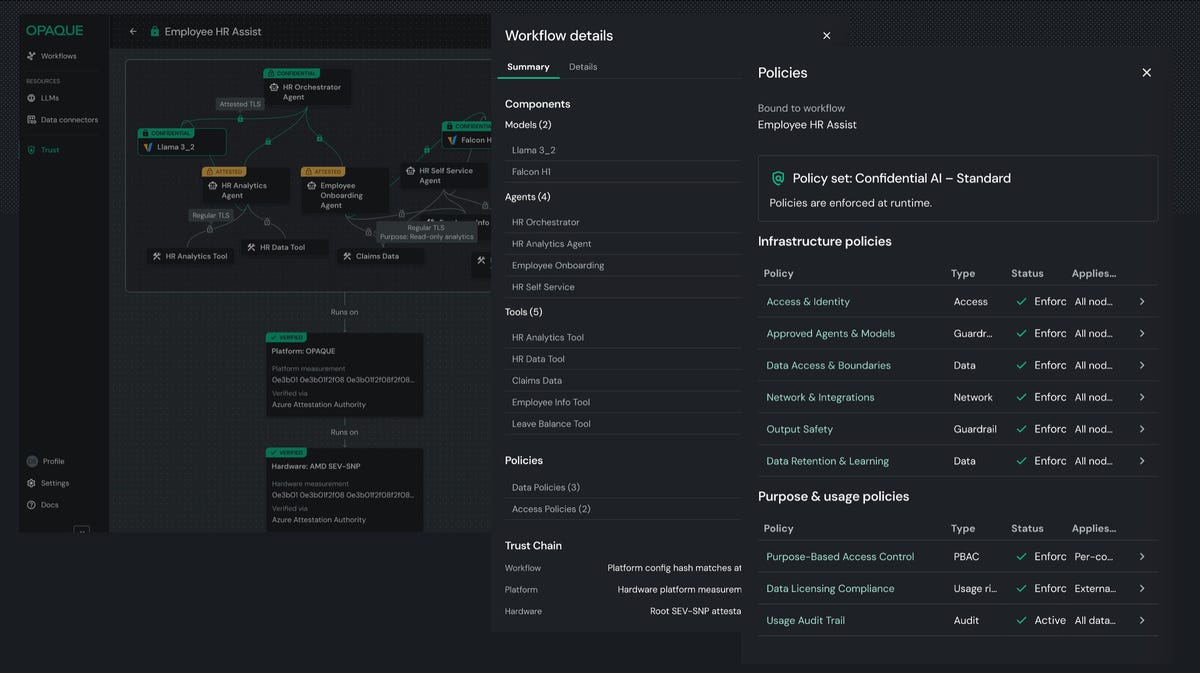
As technology becomes thoroughly integrated into local gaming and leisure sectors, software performance and data control remain paramount. Modern users expect pages to load instantly, security protocols to be verified, and data to be protected aggressively.
This environment of increased oversight also applies to marketing practices. For instance, the UK Gambling Commission’s AI ad sweep has placed casino content under much closer watch, ensuring that digital advertising remains both responsible and transparent. Local organizations and developers are responding to these changes with a focus on secure, locally processed data models. The future of the local leisure economy lies in finding the right balance—fostering an environment of high-tech, individualized gaming entertainment while ensuring safe, consistent, and responsible digital behaviours.