When the KOSPI fell 4.5% this month
Samsung Electro-Mechanics and LG Ensol, etc.
Earnings Growth Stocks
‘Snowfall’
Hanwha Solution rose 38% to No. 1 with an average return of 20%
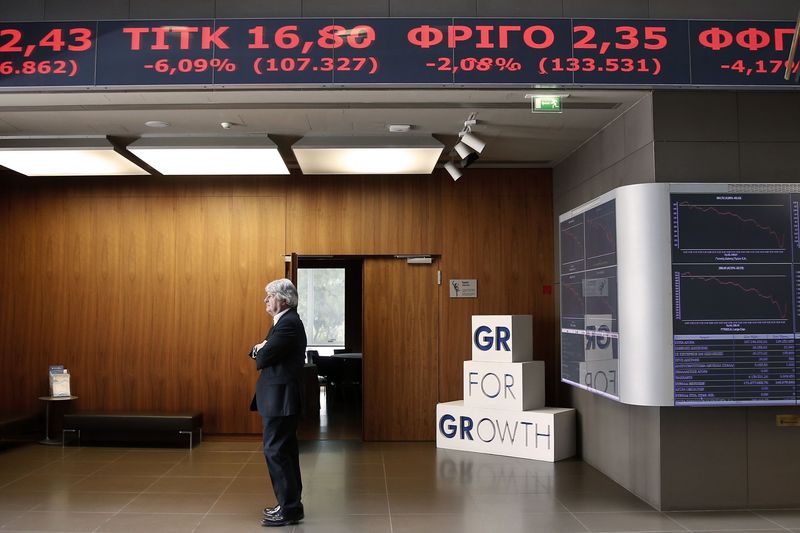
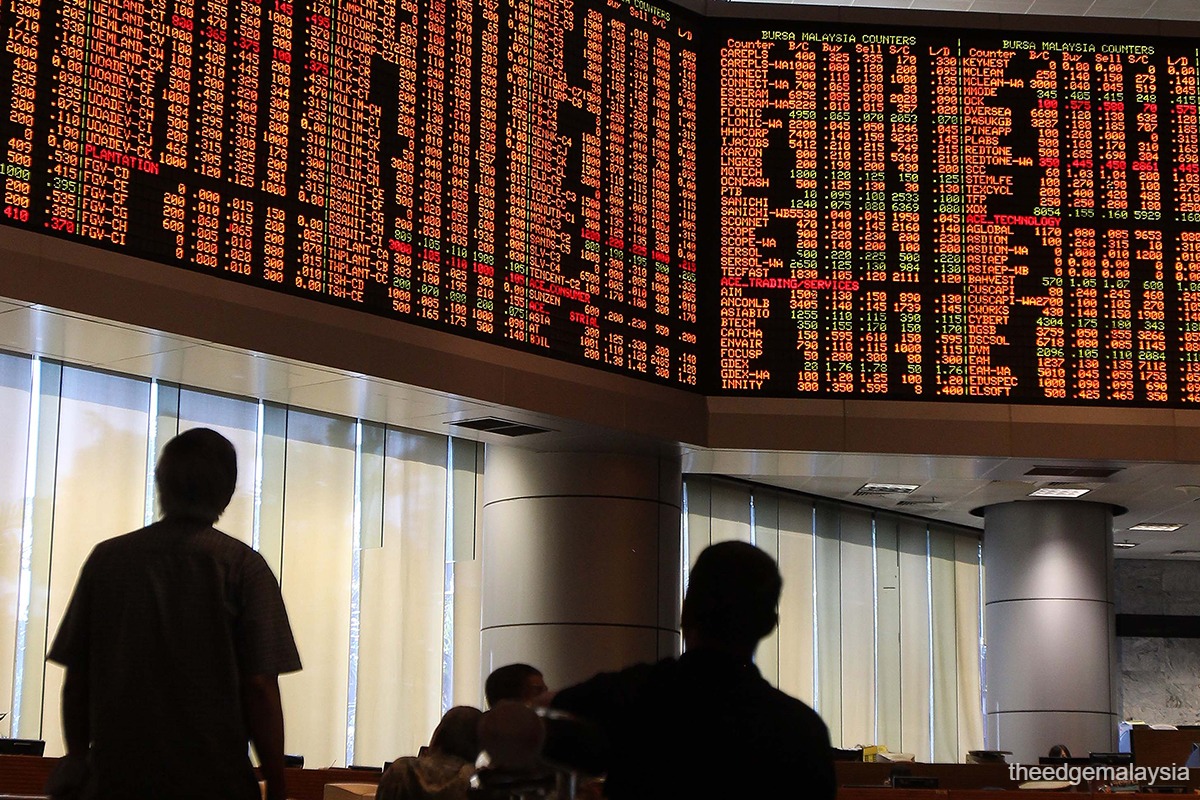
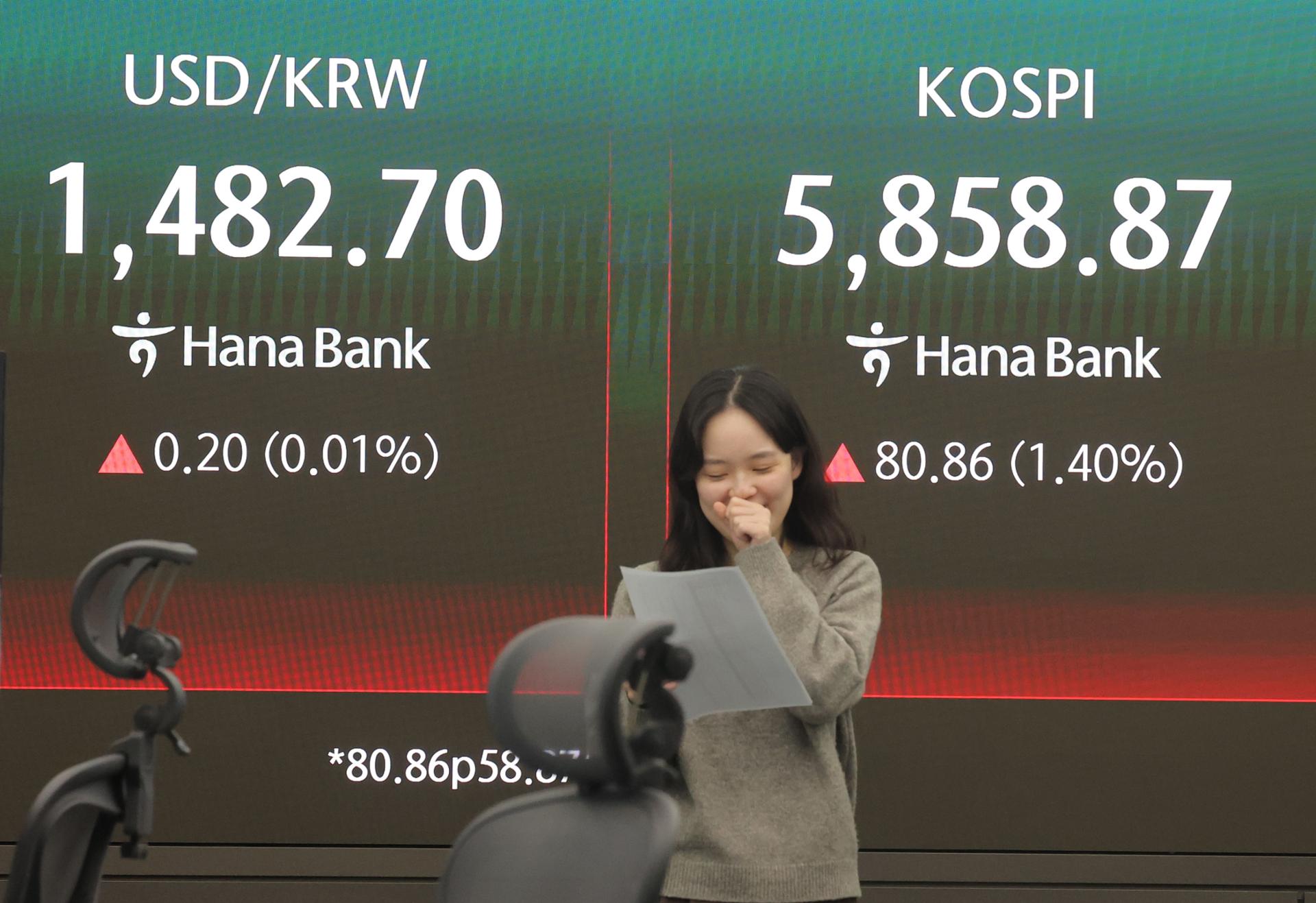
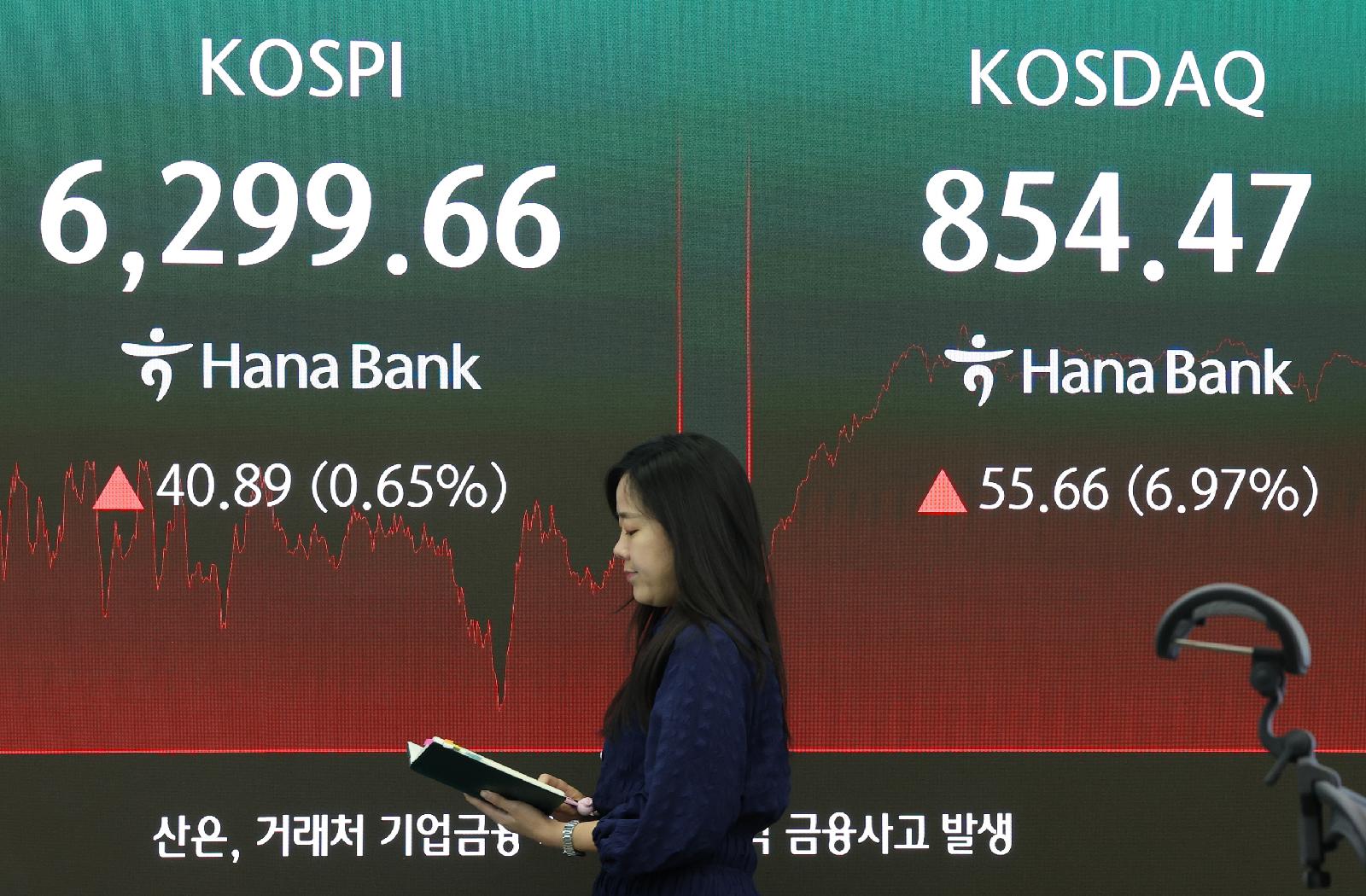
![The KOSPI and KOSDAQ indexes are displayed on the dealing room status board of Hana Bank in Jung-gu, Seoul on the 10th. The KOSPI rose 40.89 points, or 0.65 percent, to 6,299.66 and the KOSDAQ closed at 854.47, up 55.66 points, or 6.97 percent. [Yonhap News]](https://wimg.mk.co.kr/news/cms/202608/11/rcv.YNA.20260810.PYH2026081014710001300_P1.jpg)
The KOSPI’s earnings growth stocks, which plunged along with semiconductor stocks during the stock market plunge last month, are showing a sharp rebound this month.
In particular, in the market, unlike simple fall heavy stocks, it seems to be in full swing to distinguish between good and bad for non-semiconductor performance stocks that are clearly showing profit growth after next year.
According to the Korea Exchange on the 10th, the average return on 14 major “non-semiconductor performance growth stocks” such as Samsung Electro-Mechanics and LG Energy Solutions was 20.0% until this day. While the KOSPI fell 4.5% during the same period, 14 stocks saw their stock prices rise without missing any of them.
These companies are in the top 20% of sales, net income, and surplus cash flow (FCF) growth and return on equity (ROE) improvement estimated by Hana Securities, including Samsung Electro-Mechanics, LG Energy Solution, Doosan Energy, Samsung SDI, LS Electric, Hyosung Heavy Industries, Korea Aerospace, Hanwha System, Limited Yanghaeng, Hanwha Solution, Gaon Cable, Hanwha Engine, Hanall Biopharma, and Cosmo Materials. The baseline for the top 20% is 14.9% sales growth next year, 41.9% net profit growth, 56.7% FCF growth, and 1.8 percentage points improvement in ROE.
Hanwha Solutions rose 38.2% to record the highest return this month, while Hanall Biopharma also rose 31.1%. Hanwha System (23.5 percent), Hyosung Heavy Industries (21.4 percent), Samsung SDI (21.3 percent), Korea Aerospace (21.1 percent), and Cosmosin Materials (21.0 percent) also showed gains of more than 20%. Analysts say that there were various rising stocks ranging from energy and health care to defense, power devices, and secondary batteries, and that they were different from the technological rebound centered on large semiconductor stocks.

However, these performance-listed stocks suffered a slump in last month’s plunge. The July yield of 14 stocks averaged -22.3 percent, similar to the KOSPI’s decline (-22.2 percent) during the same period. Samsung Electro-Mechanics fell 47.7%, heating wire fell 42.5%, and Hanol Biopharma fell 30.5%.
Analysts say that the fact that earnings growth is emerging again as an important yardstick for stock prices to rise is not irrelevant to the changed financial environment. After the COVID-19 crisis or the global financial crisis in the past, a cut in the benchmark interest rate and increased liquidity have boosted the overall valuation of the stock market, but now it is difficult to expect the same level of monetary easing as the economy and corporate profits are expanding at the same time. In fact, the KOSPI’s 12-month expected stock price/earnings ratio (PER) fell from 8.4 times at the end of May to 5.1 times recently, but the interest rate on Korea’s three-year government bonds rose from 3.7 percent to 3.8 percent during the same period. Customer deposits have also stagnated after falling from 140 trillion won to 100 trillion won.
Analysts say that the lack of market liquidity has made future profits and cash flows more important for investors to overcome high interest rates. In an environment where the U.S. manufacturing economy is expanding and long-term interest rates are rising, the average monthly rate of return for industries with increased expected net profit in the KOSPI was 1.8% based on Hana Securities’ estimate, far exceeding the decreasing industry (-0.2%). Industries with improved ROE also rose 1.4% on average, while those with worsened ROE fell 0.3%.
“In the phase of economic expansion, corporate profit-related indicators affect stock price differentiation,” said Lee Jae-man, a researcher at Hana Securities. “It is also a valid strategy to increase the proportion of non-semiconductor companies that are all in the top 20% of profit factors based on the forecast for 2027.”
The same trend is confirmed in the U.S. stock market. According to Hana Securities, the average return of companies with top 20% sales, earnings per share (EPS), and surplus cash flow (FCF) growth in 2027 in the S&P 500 until the 7th of August was 6.3%, 4.0 percentage points higher than the bottom 20% (2.3%). In other words, the trend of selecting companies that can actually increase profits in the future is strengthening in Korea and the United States at the same time, rather than the market in which the entire market’s valuation recovers collectively after the plunge.