Cuba’s private sector has reached a historic milestone in 2024, surpassing state-controlled stores in retail sales value for the first time.
According to preliminary data released by the National Statistics Office, the private sector’s share of retail sales increased to 55% this year, up from 44% the previous year.
This shift comes as goods shortages and rising prices reshape daily life in the country.
Private imports increased as the state economy contracted
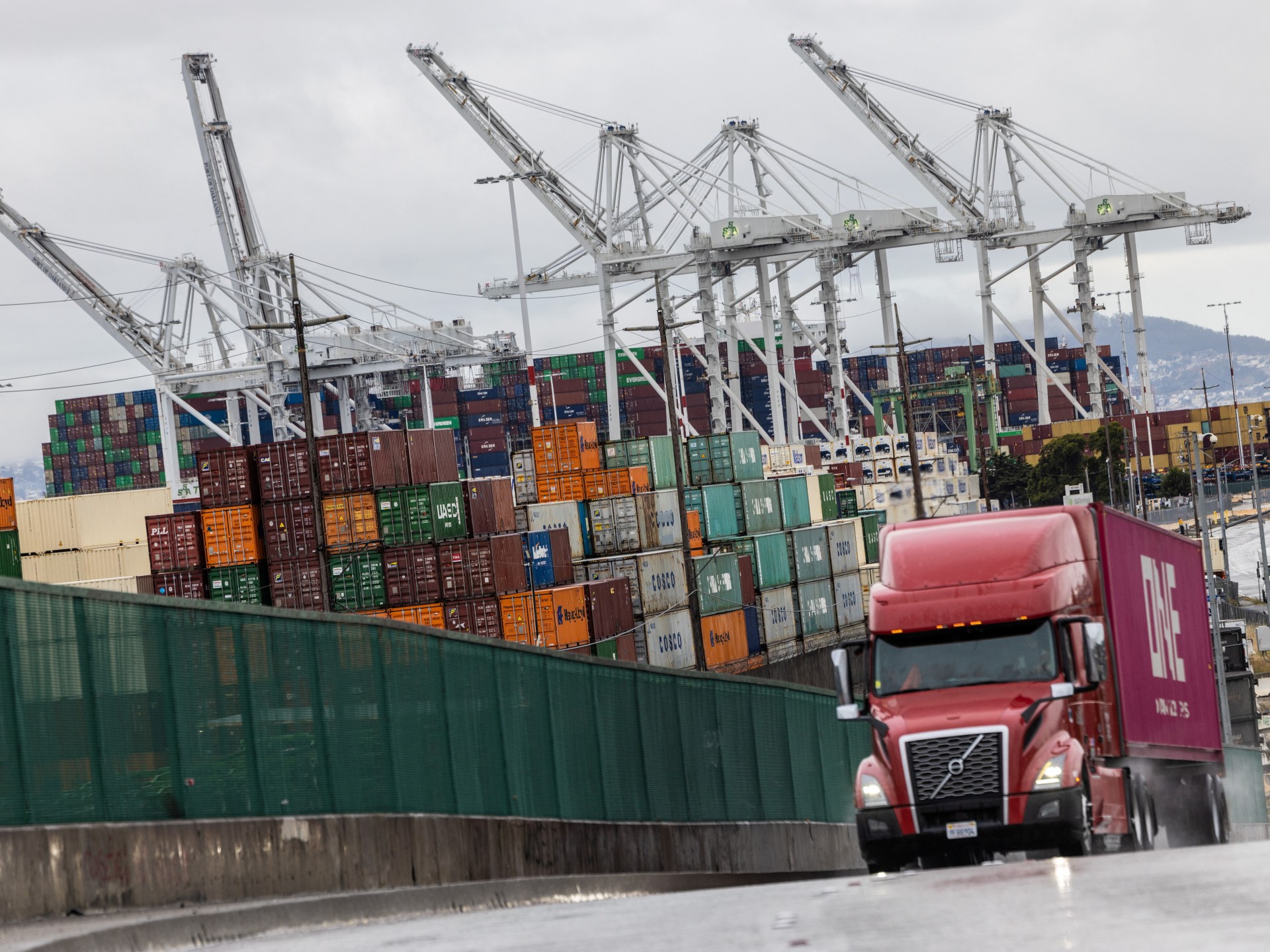
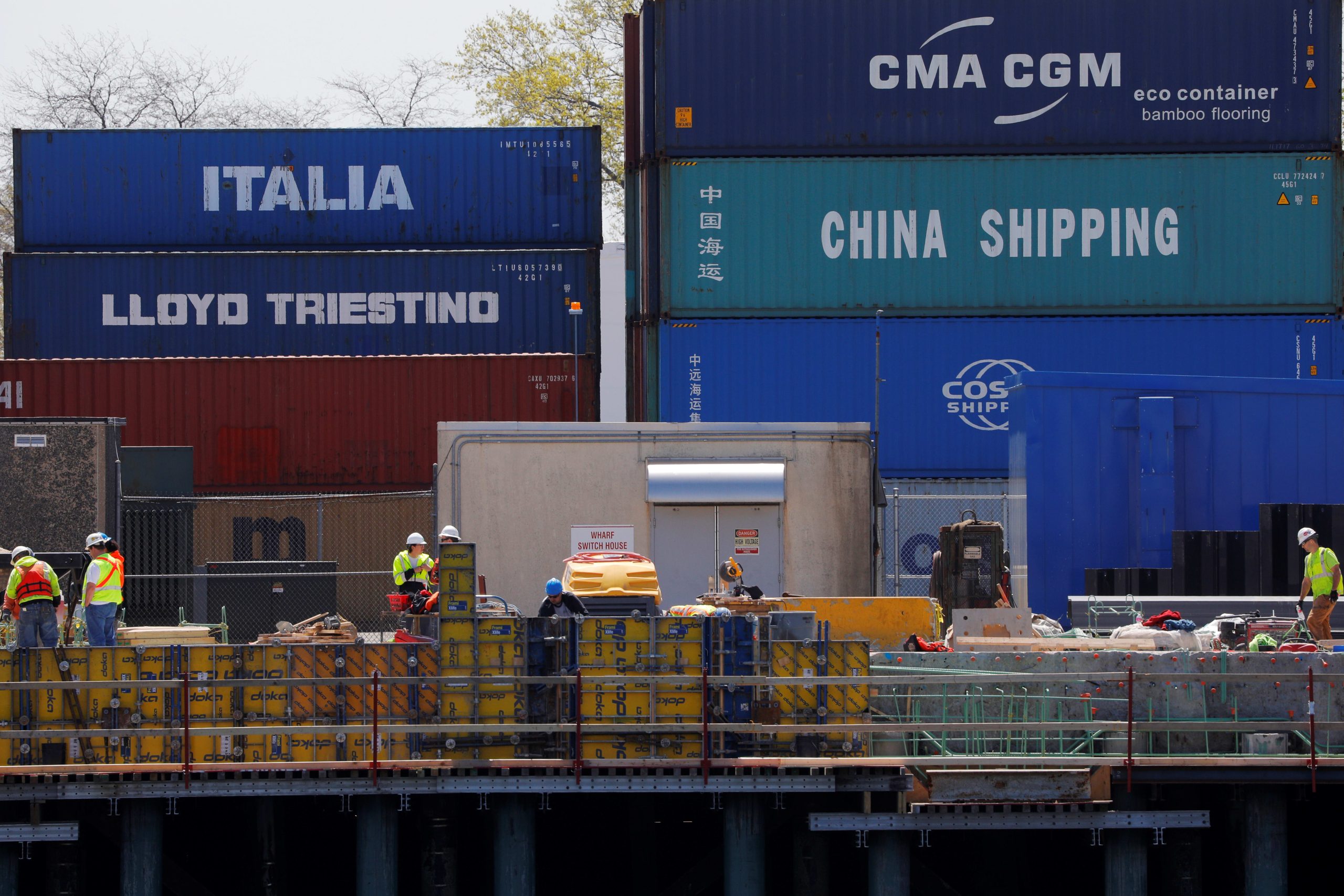
While the state-controlled economy has contracted by 11% over the last five years, private importers brought in over $1 billion worth of goods last year.
According to Economy Minister Joaquin Alonso’s statement to the National Assembly this month, this figure represents a 34% increase compared to the same period last year. Meanwhile, the country’s total imports have declined.
As state stores grapple with supply shortages, private businesses are stepping in to meet demand in every area, from groceries to electronics.
The public seeks in private markets what it cannot find in state stores
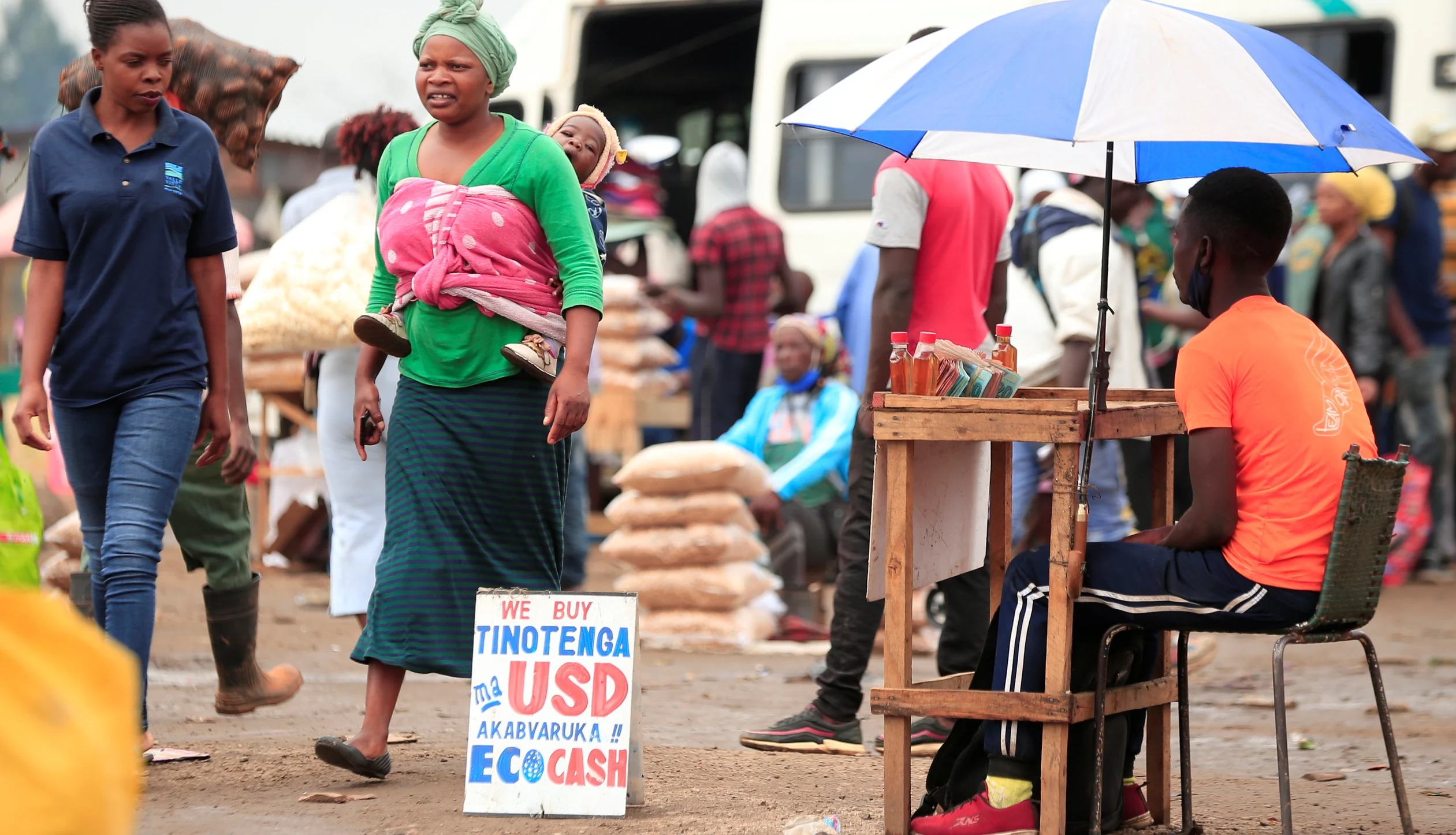
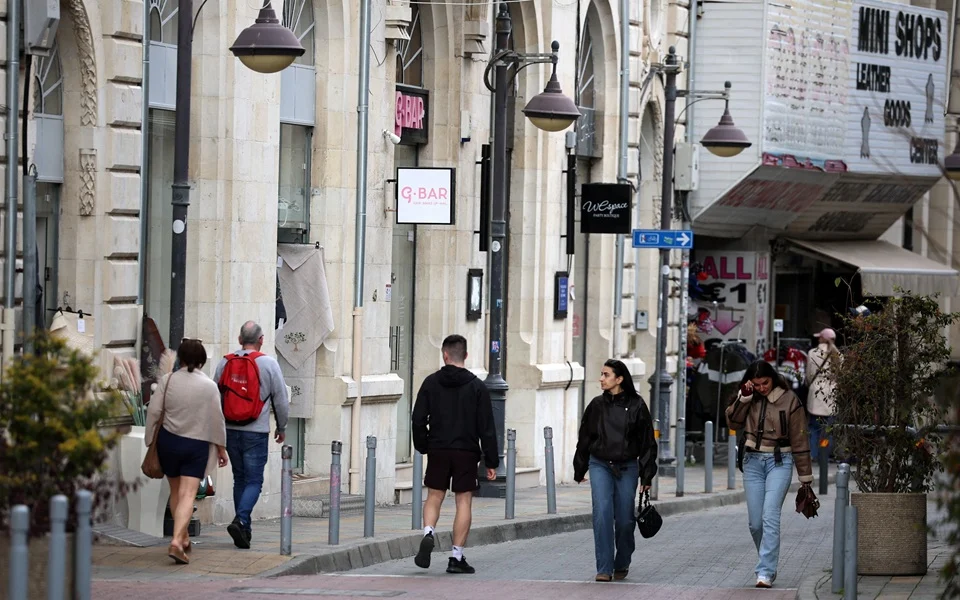
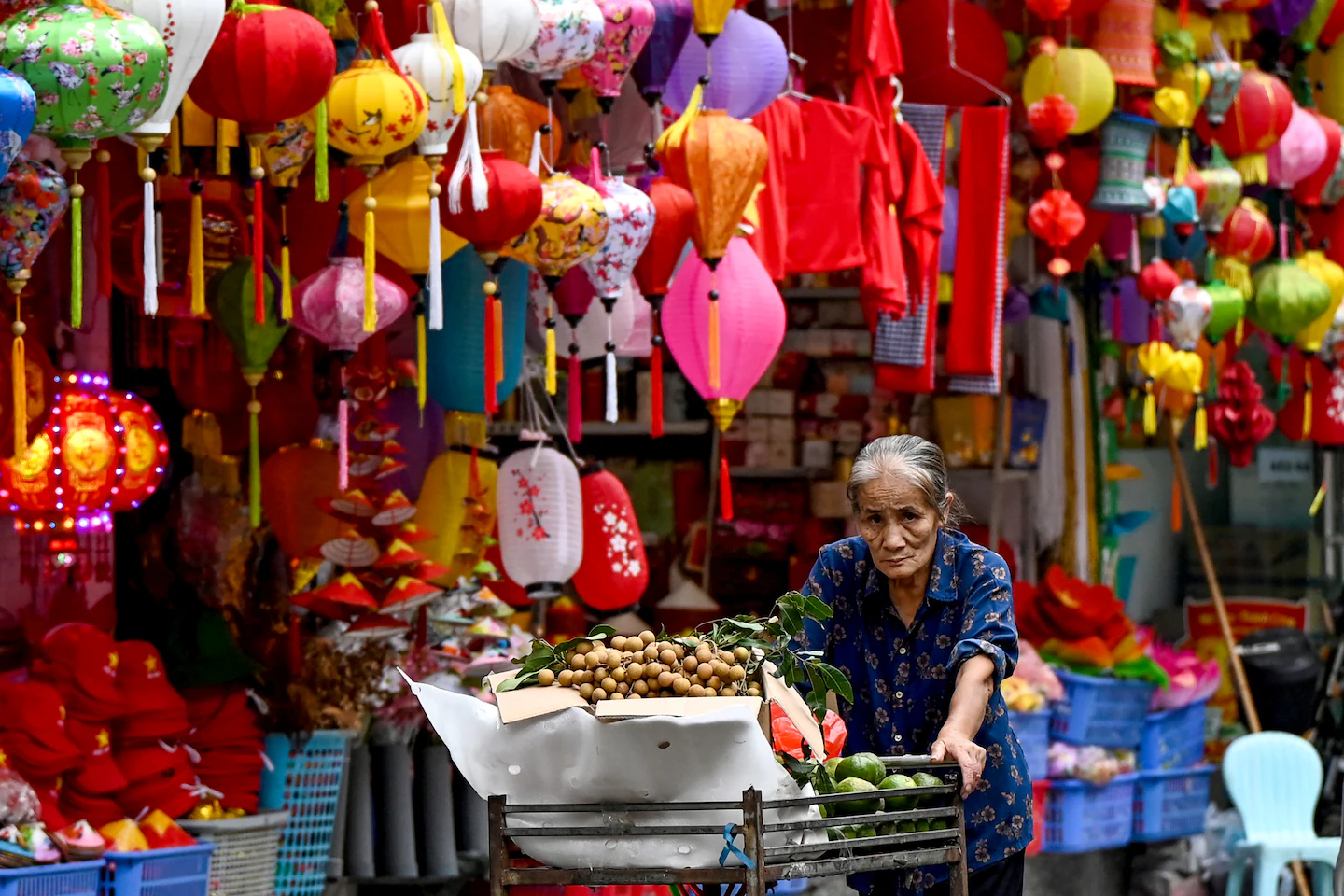
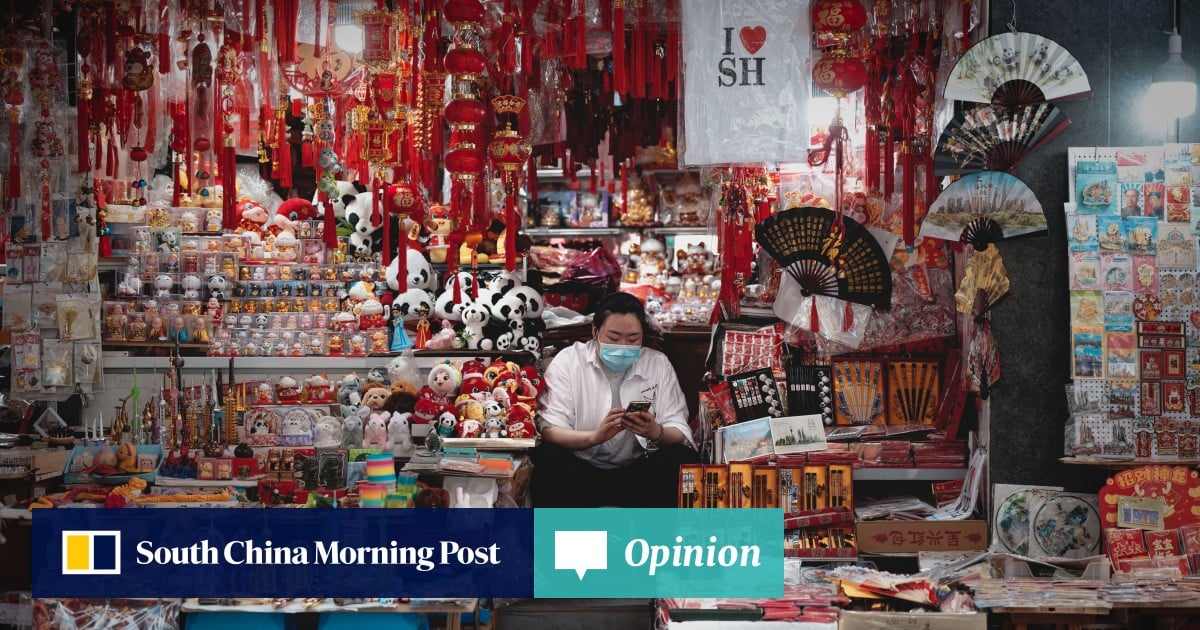
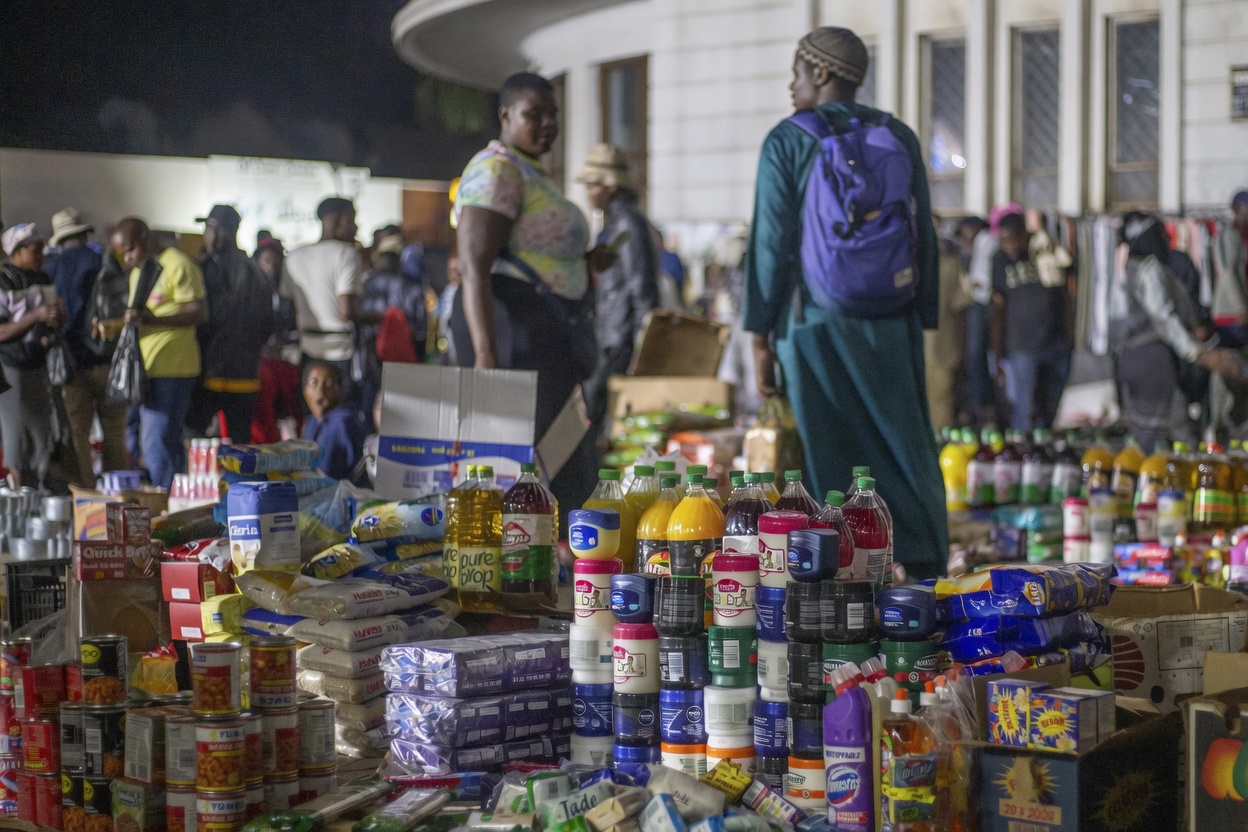
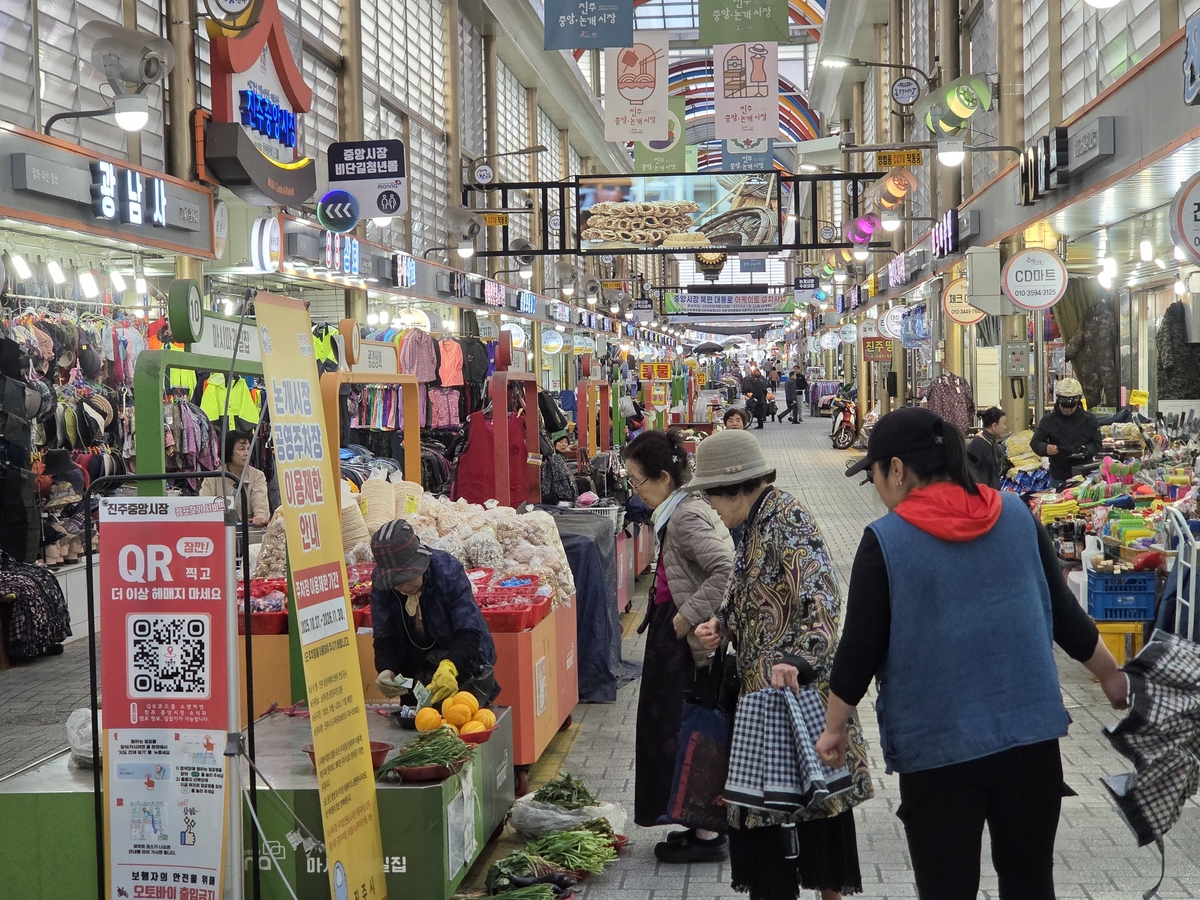
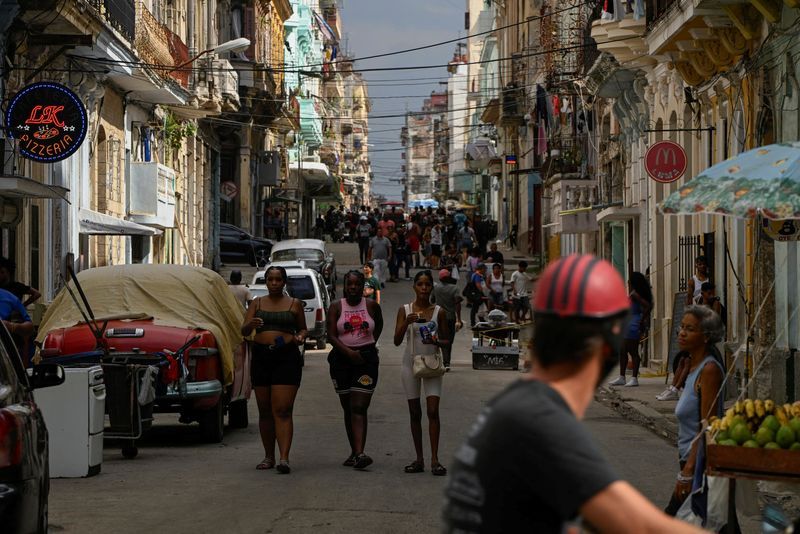
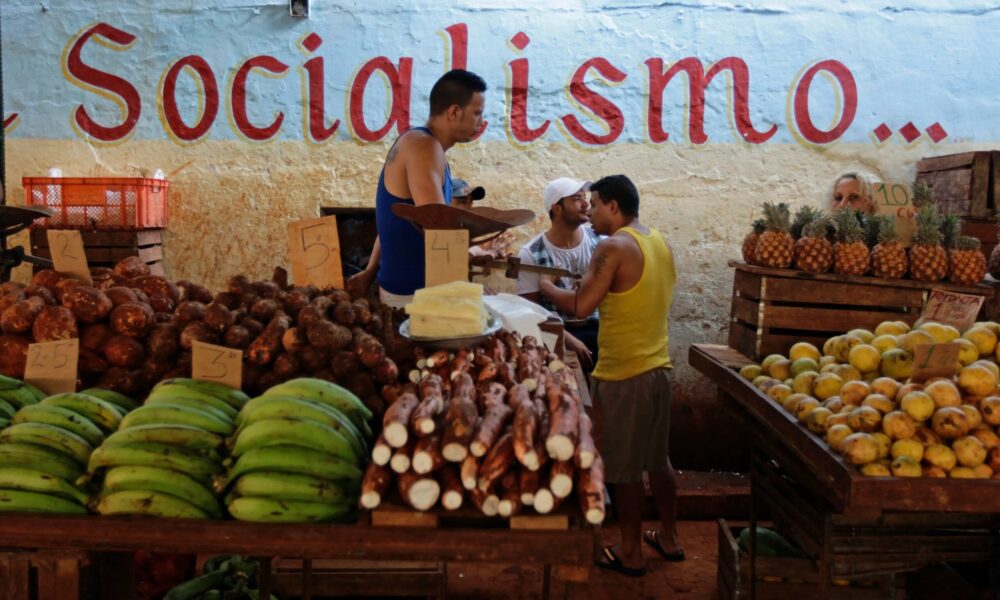
Bustling street markets, such as the 100th Street Bridge Fair in Havana, are at the center of this new economic reality.
In these markets, where everything from food to clothing is sold, consumers have more options but generally face higher prices due to the lack of state subsidies.
Entrepreneur Diamela Garcia, who has a stall at the market, explained the situation to the Reuters news agency, stating, “This solves a large part of the problem because when people can’t find something in state stores, they can come here to these other options and find it in the private sector.”
Transition to a mixed economy
According to official figures, approximately 1.6 million of Cuba’s 4-million-strong workforce, or one in every four workers, are now employed in the private sector.
In 1968, all private businesses in the country were nationalized, but the role of private enterprise has been gradually expanded since the early 1990s following the dissolution of the Soviet Union.
Speaking to Reuters, Amet Perez, one of the market managers, highlighted the importance of granting more opportunities to the private sector, saying, “This is a good idea because it’s not just about making sales but also about creating employment. People can work for themselves; they can be their own bosses, as they say.”
This transformation is expected to reshape the country’s labor market, household spending, and its relationship with the global economy.