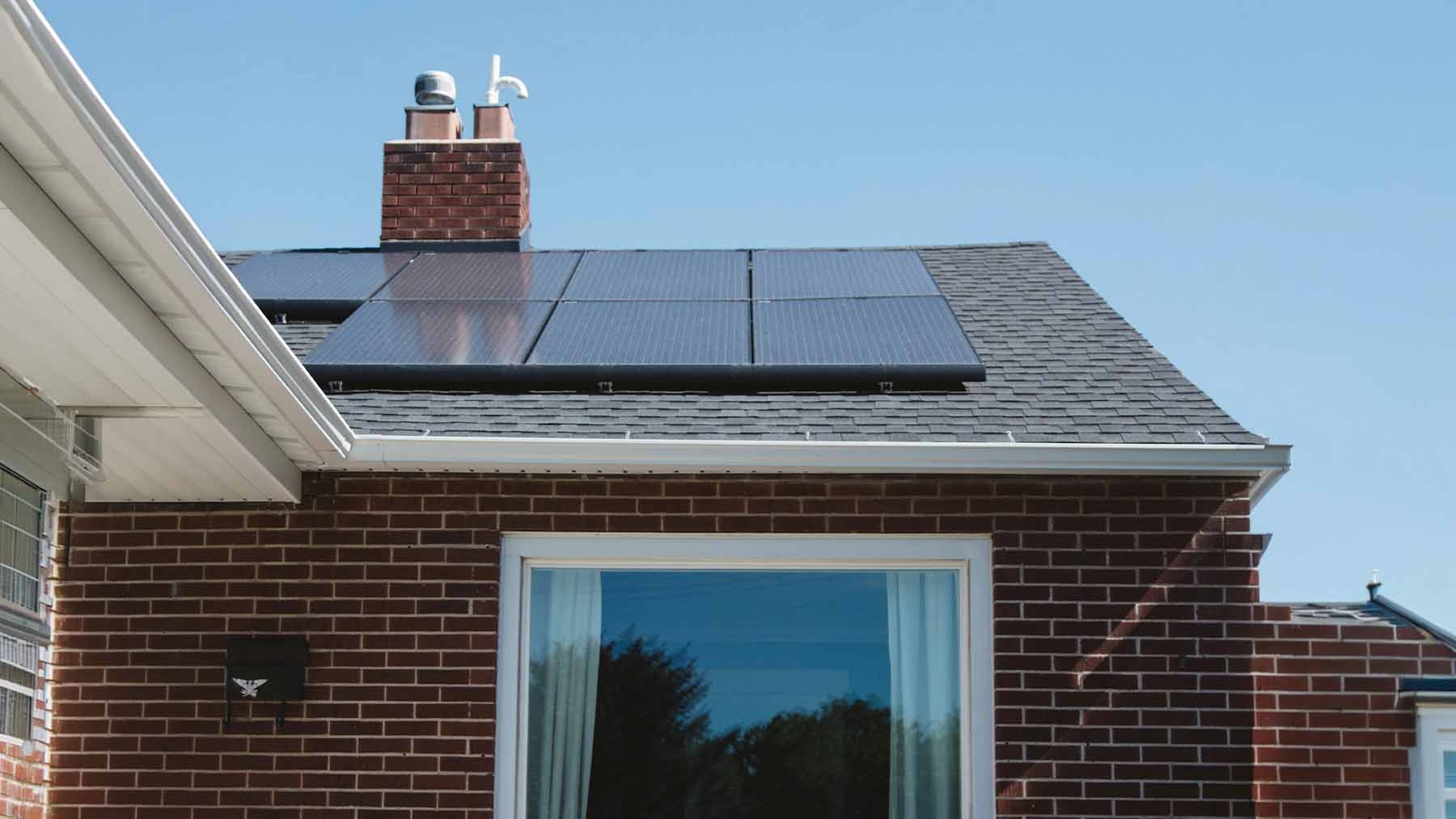
Most climate plans focus on cleaner technology. Electric cars, solar panels, and cleaner factories dominate the conversation because they promise lower emissions without asking people to change much about how they live.
There is another path, though. It cuts emissions by using less energy and fewer materials through better-insulated homes, public transportation, and smarter use of resources.

The common assumption is that people will resist those changes because they sound like a sacrifice.
A large international team decided to test that assumption. They compared both approaches across 18 very different countries, asking not just which one cut carbon, but which one actually improved people’s lives.
The results challenged one of the biggest assumptions in climate policy.
Looking beyond carbon emissions
Climate strategies tend to get judged on two things – their cost, and the tons of carbon they keep out of the air. Those two numbers dominate the debate, and they leave a lot out.
That blind spot bothered Arnulf Grubler, a Distinguished Emeritus Research Scholar at the International Institute for Applied Systems Analysis (IIASA) in Austria, who helped lead the work.
Cost and carbon, he argues, miss most of what people actually care about.
So the team widened the lens, scoring six measures instead of two.
Household income after energy bills, jobs, energy security, fairness toward poorer families, cleaner air, and the climate payoff itself. Each one is something a household can feel.
Two paths to lower emissions
Here is the clever part of the setup. The researchers paired rival ways of hitting the exact same target – a 10 percent drop in emissions – in buildings, transport, and heavy industry.
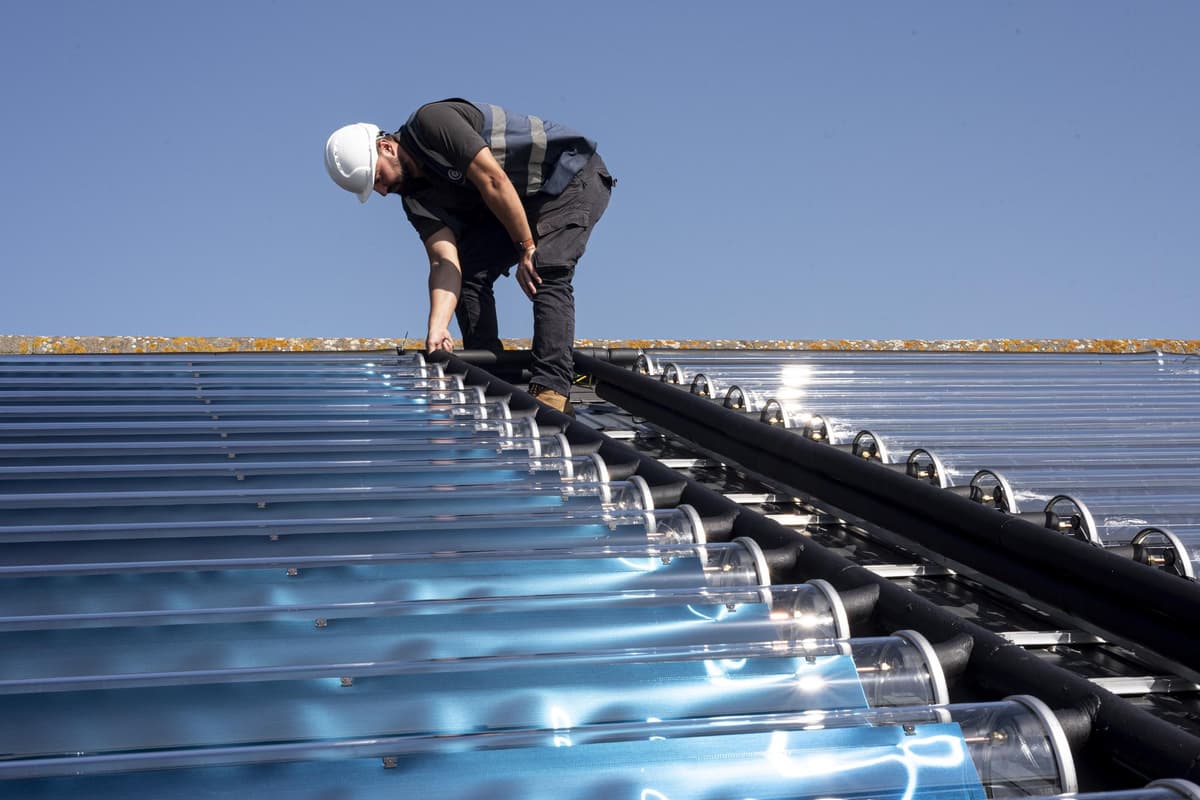
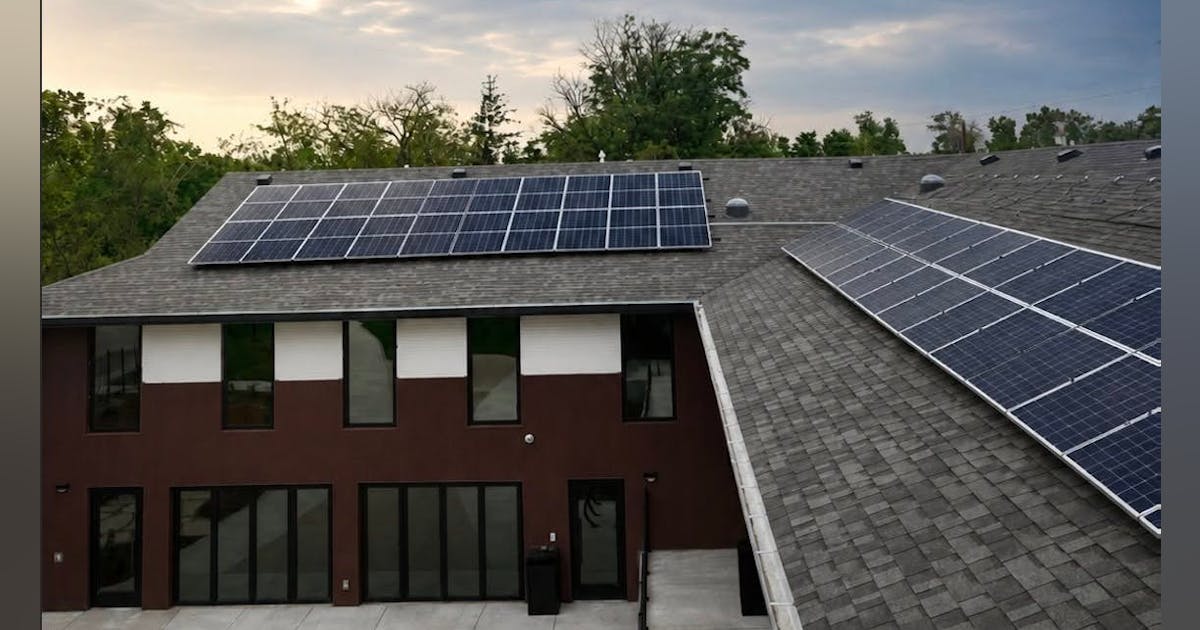
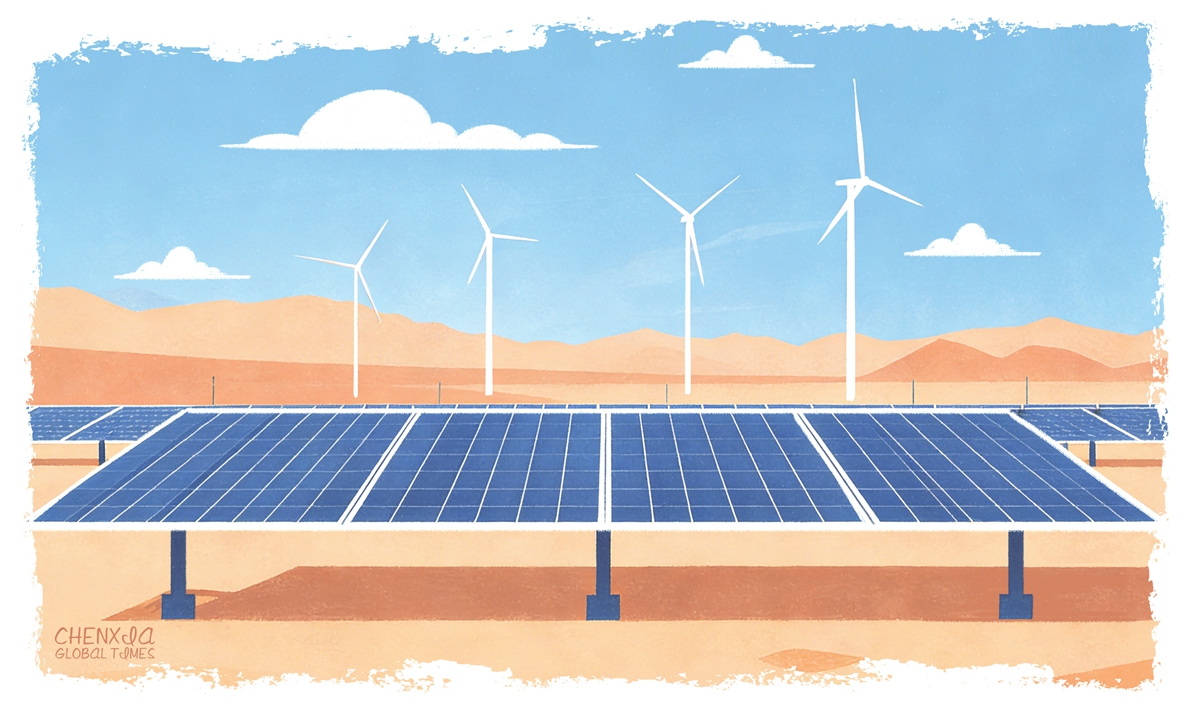
One path leaned on cleaner supply. Swap dirty fuels for better technology – heat pumps for gas boilers, electric cars for gas ones, hydrogen for fossil fuels in factories. These fixes get most of the attention.
The other path leaned on using less. Better insulation and a slightly cooler thermostat at home, more trips by bus and train, and smarter use of materials in factories. Same emissions cut, very different route.
That careful matchup is what lets you compare fairly. An earlier study had shown such demand-side moves can cut emissions fast; the new question was what they do to daily life.
Cutting energy, better outcomes
Add everything up across all 18 countries, and a clear pattern showed. Every strategy improved quality of life – not one made things worse.
The using-less options pulled ahead, scoring better across a wider spread of the six measures.
One fix stood out above the rest. Better home insulation paired with a modest thermostat change was the top performer once researchers weighed all six dimensions together. It also held up under stress-testing.
The authors think they have understated the real gains. Their model could not capture every way that warmer homes, cleaner air, and lower bills add up in a person’s life.
Benefits across every economy
For years, climate talks have stalled on a familiar split. Wealthy nations and developing ones each suspect the other is getting the better deal, and that cutting energy and emissions will cost them more.
The numbers tell a different story. Quality of life rose in every country the team modeled, rich and poor alike. Some of the largest gains appeared in both major industrial economies and fast-growing developing nations.
That had not been demonstrated so directly before, and earlier research on using less and cutting energy lines up with it. Benigna Boza-Kiss, a research scholar at IIASA who coordinates the project, sees a way past the old deadlock.
“The fact that both richer and poorer countries gain could help break the ‘developed versus developing’ stalemate in climate talks,” said Boza-Kiss.
That shared upside is exactly what global agreements have struggled to find.
The public’s surprising response
A stubborn belief hangs over demand-side policy. People assume the public hates being told to use less – that asking households to insulate, take the bus, or nudge the thermostat down will spark resistance.
So the team ran proper national surveys in three countries with very different economies and politics – the Netherlands, Brazil, and China. More than 3,500 people answered questions about how each strategy would touch their own lives.
The backlash never showed. Across all three countries, people expected both kinds of strategy to improve their lives and said they would accept them – even the demand-side options that ask for real changes in habit.
“People expected both supply and demand-side strategies to improve their lives and found them acceptable in all three countries,” said Linda Steg, a coauthor who helped design the surveys.
The acceptance held even where the team braced for the most pushback.
Information changes opinions
One more test produced the most encouraging result. After people read a short, plain description of what each strategy would actually do for their quality of life, their views warmed.
That came after a single, brief look at the facts. A few honest sentences nudged people toward support – a sign that how we talk about climate action may count for as much as the action itself.
The picture was not perfectly tidy. People still leaned slightly toward the cleaner-technology fixes, even though the using-less ones scored better on paper.
The surveys may have missed quieter worries – effort, inconvenience, or losing some say over your own choices.
Changing the climate conversation
The takeaway is sharper than the usual climate headline. Earlier work hinted that using less could improve wellbeing.
This study puts hard numbers on that idea across income, health, fairness, and security, and shows the benefits extend beyond what cleaner technology alone can deliver.
For policymakers, that reshuffles the menu. Demand-side measures, long treated as the hard sell, now look like strong performers worth more room in national plans – and worth selling to the public as comfort, health, and lower bills, not sacrifice.
What the field can chase next is how to deliver these gains in practice. Which subsidies, which rules, which designs turn a promising strategy into a popular one. The old assumption that people balk at using less no longer holds. Many seem ready to welcome it.
The study is published in Communications Sustainability.
—–
Like what you read? Subscribe to our newsletter for engaging articles, exclusive content, and the latest updates.
Check us out on EarthSnap, a free app brought to you by Eric Ralls and Earth.com.
—–