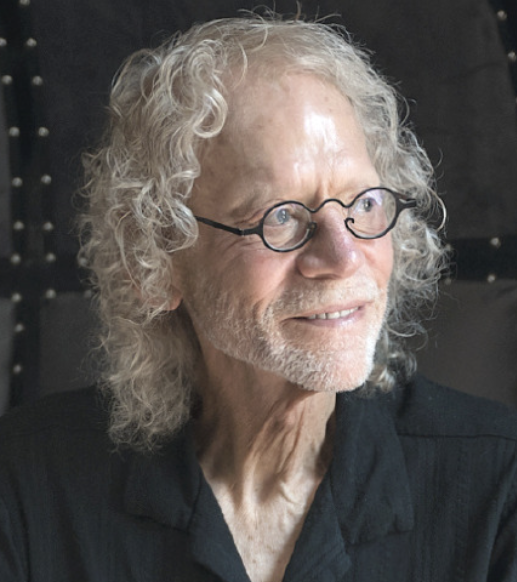
By Tom LeNoble—
Each month, The Philanthropic Mindset explores how we contribute to the lives of others. Philanthropy is not defined by wealth or recognition. It is found in a conversation, an act of kindness, or a moment of encouragement. These simple expressions of care strengthen communities, restore hope, and remind us of our shared humanity.
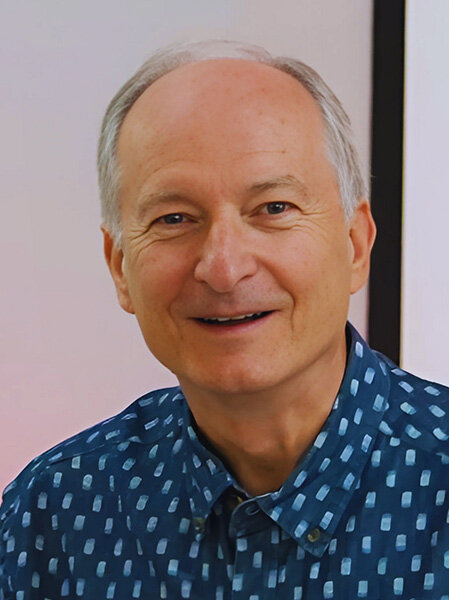
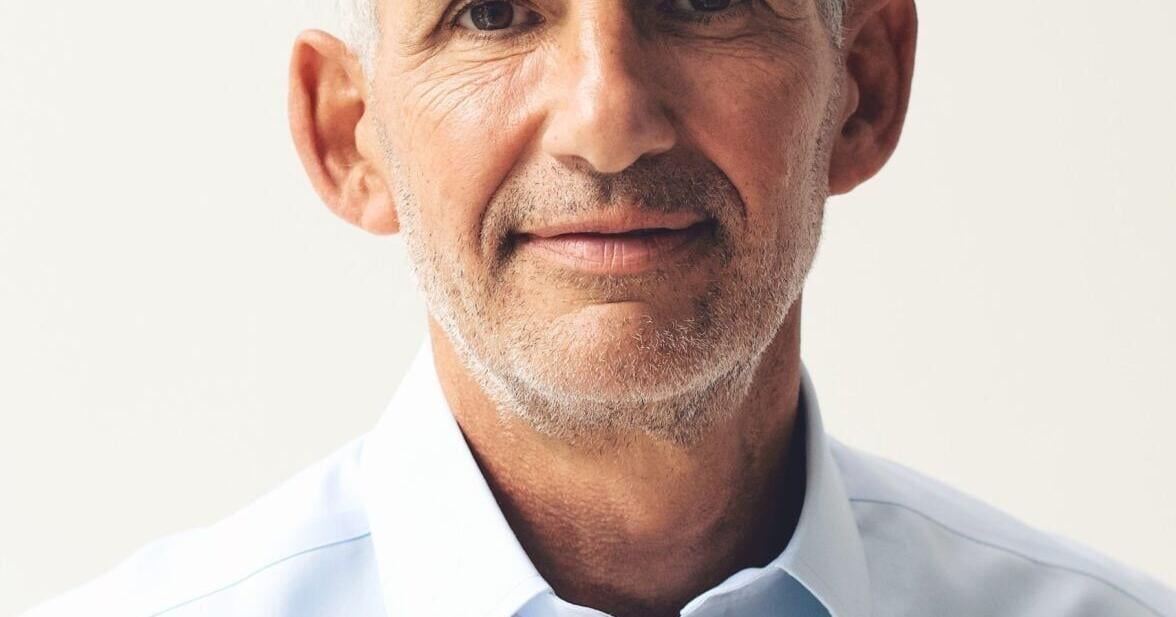
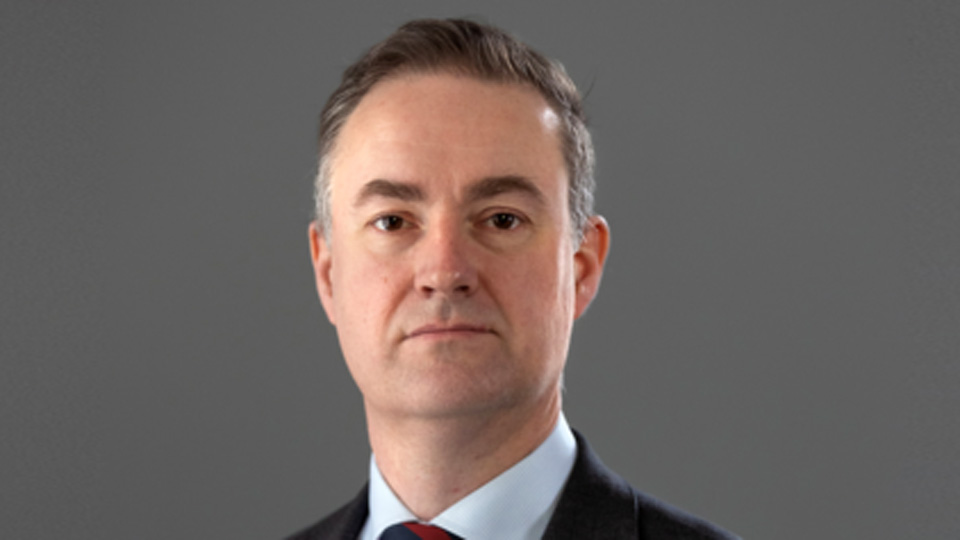
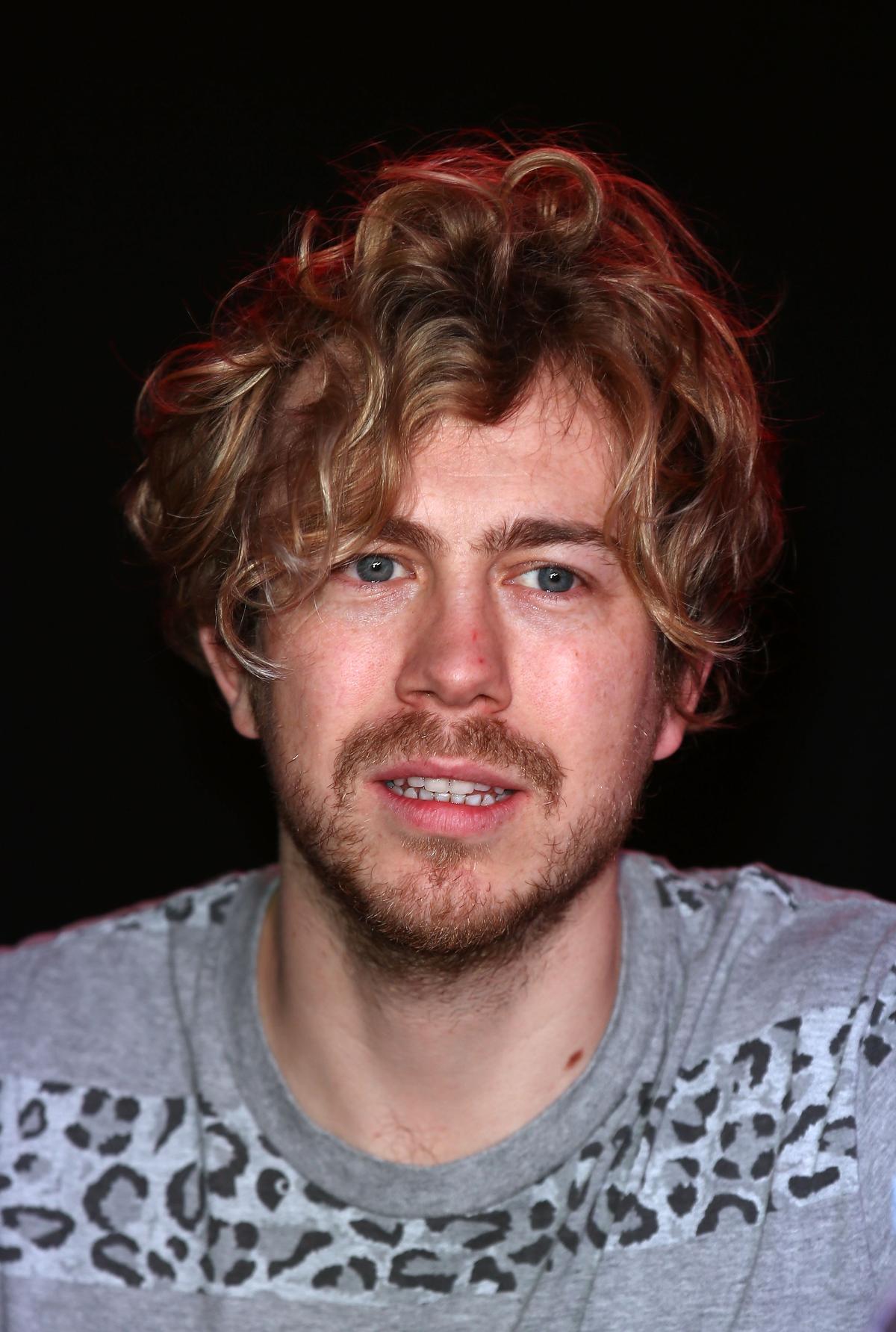
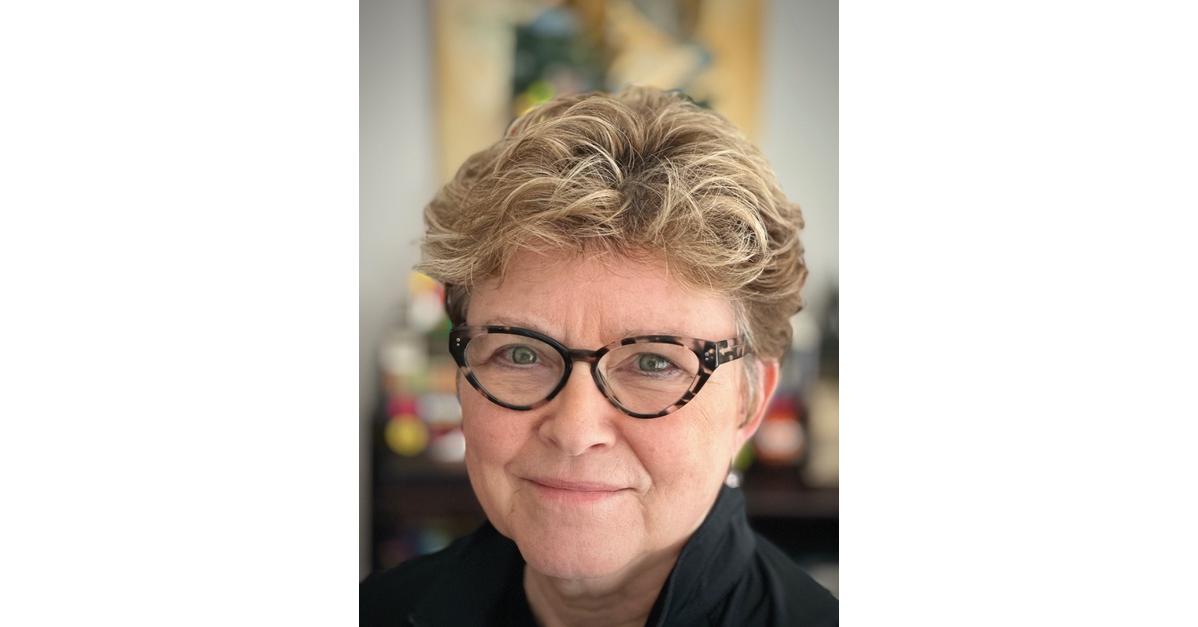
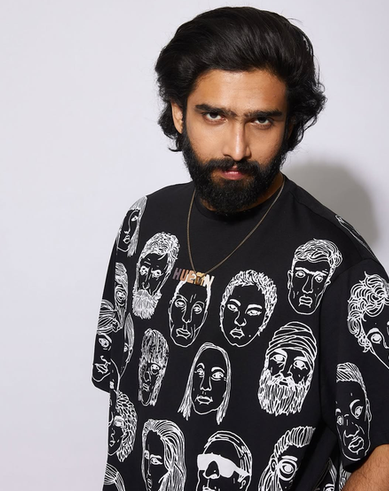
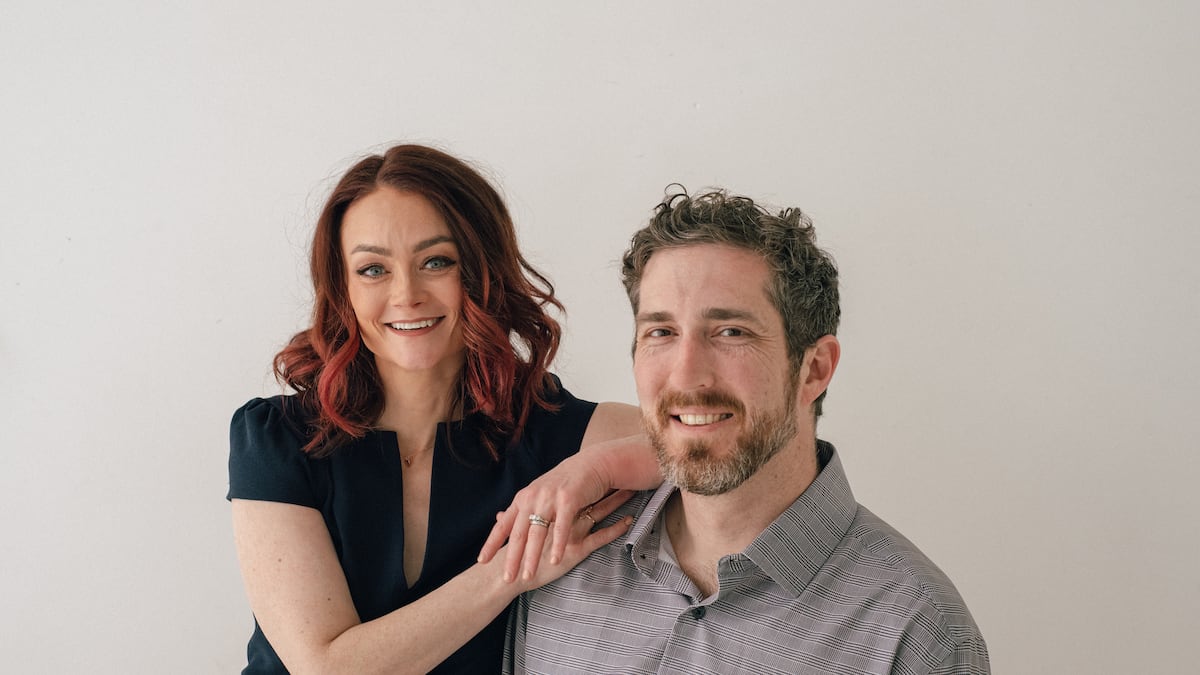
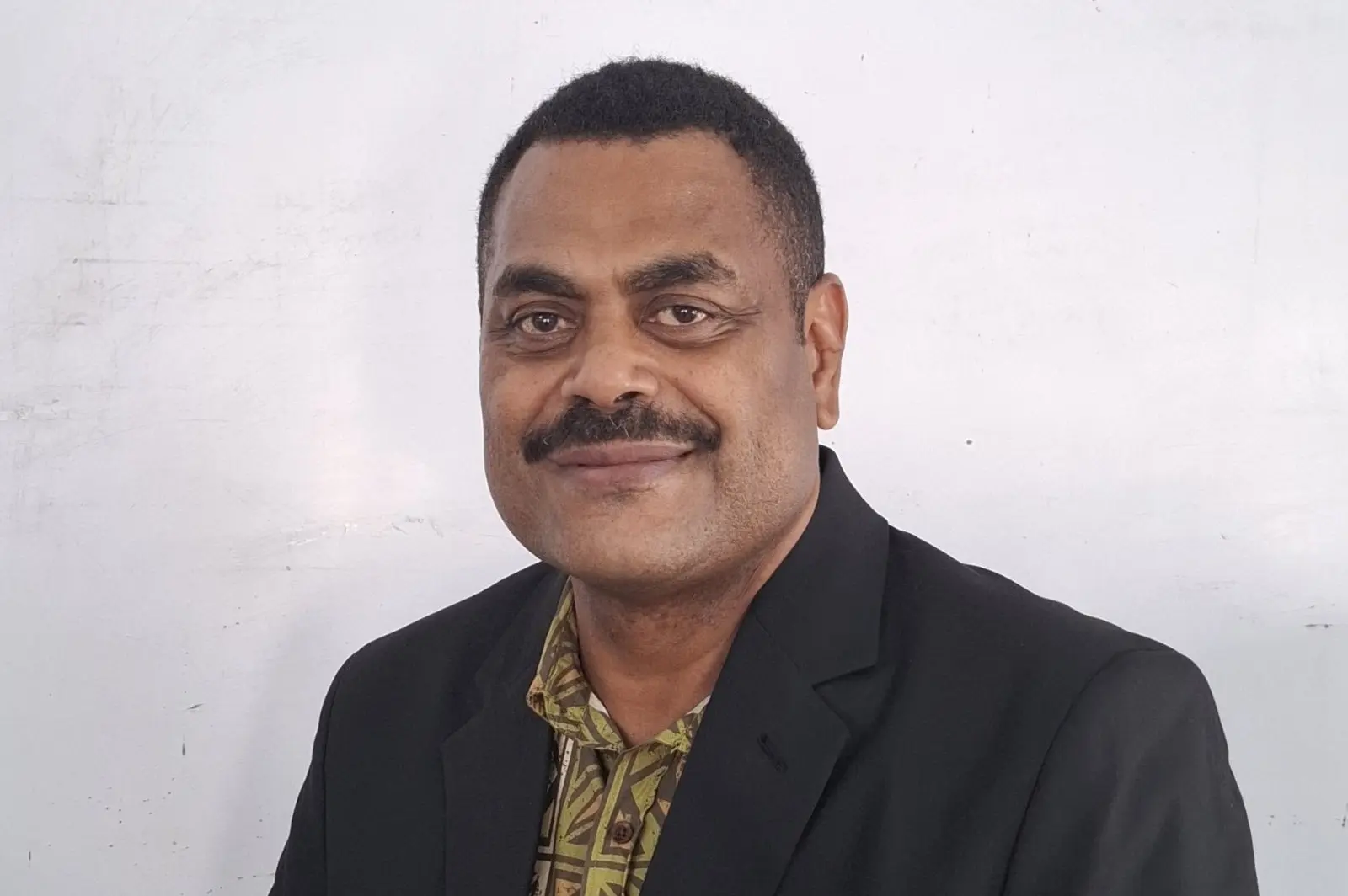
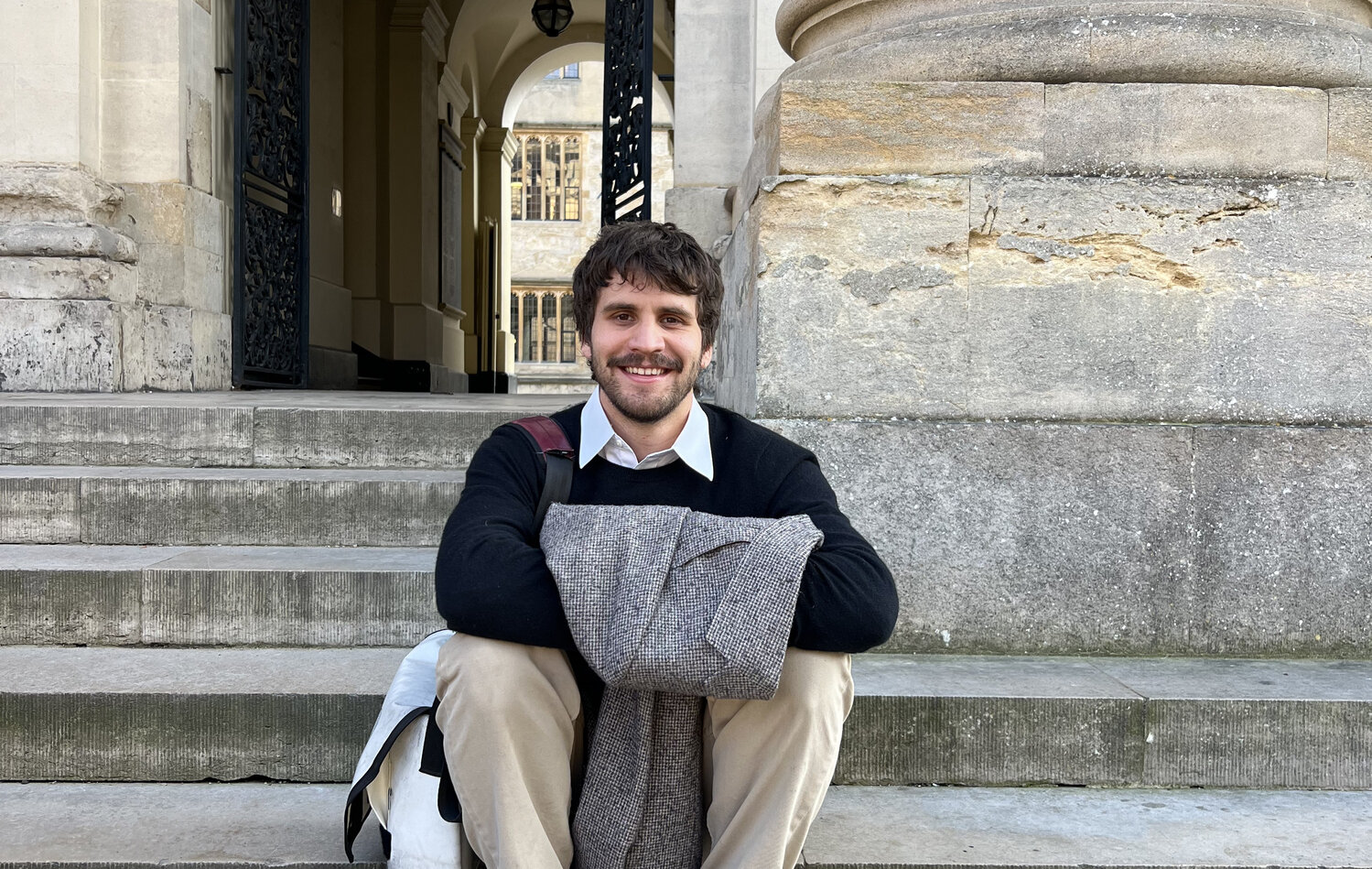
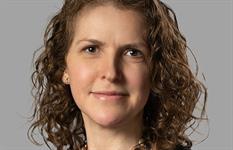
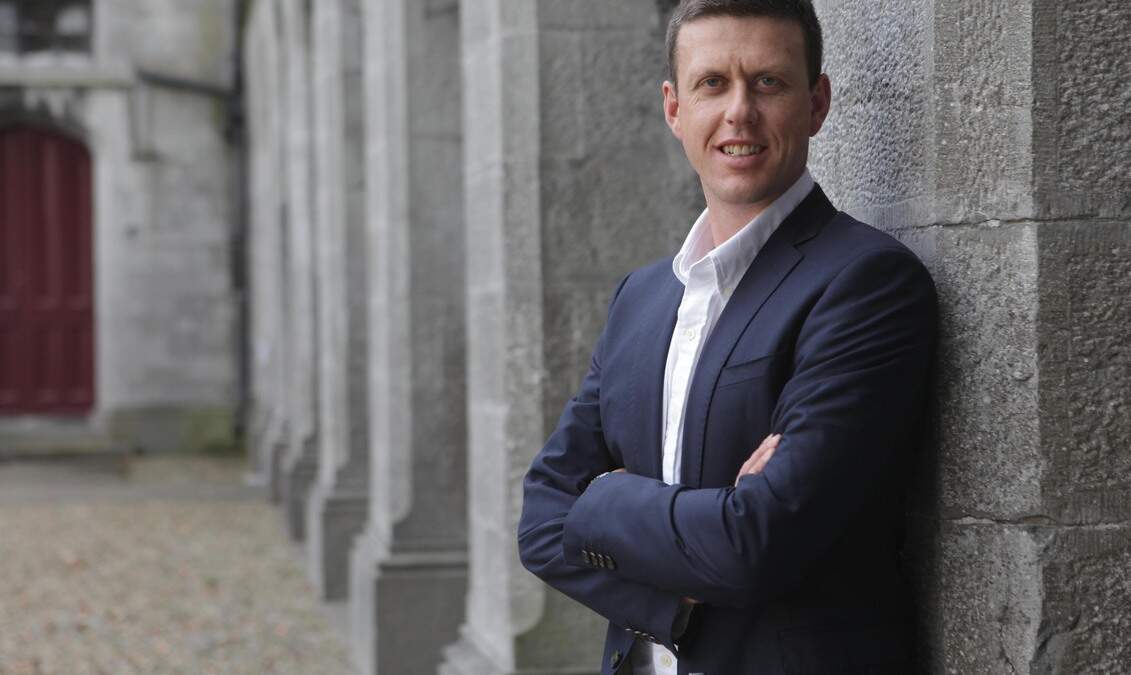
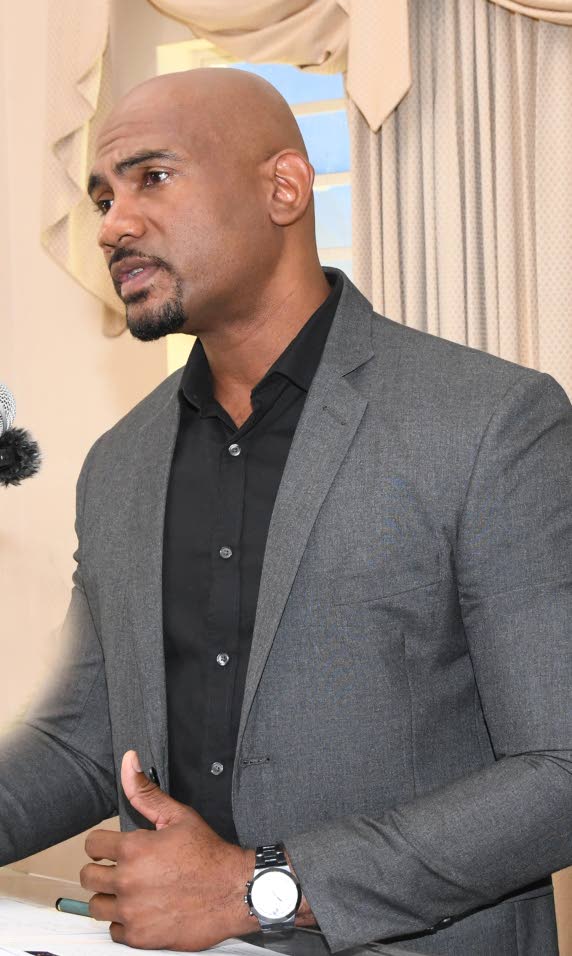
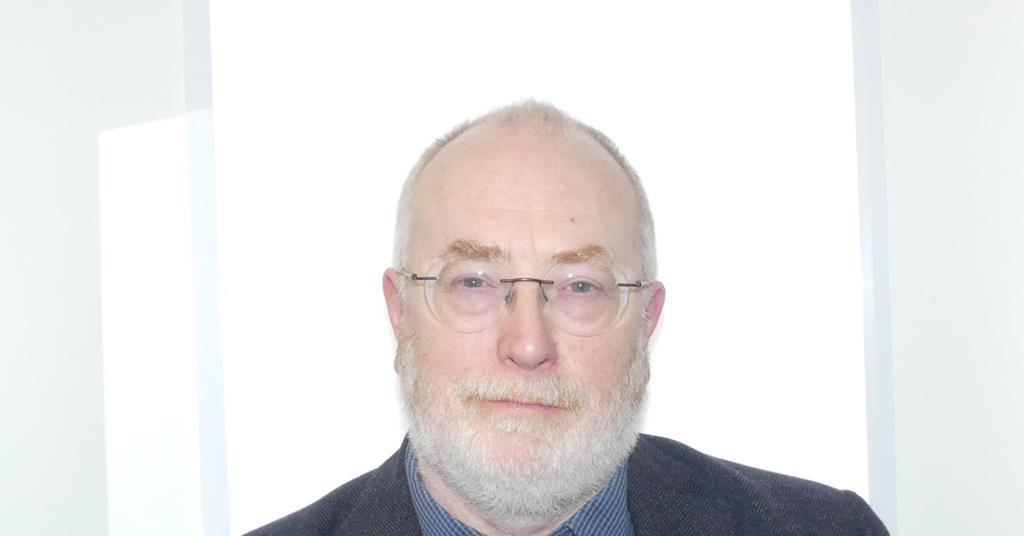
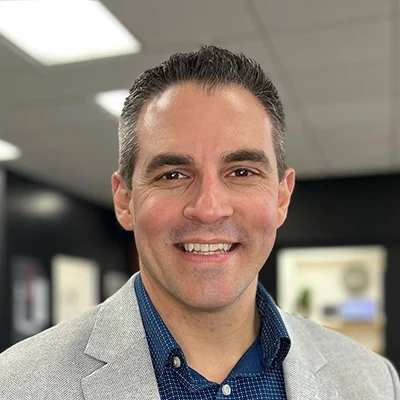
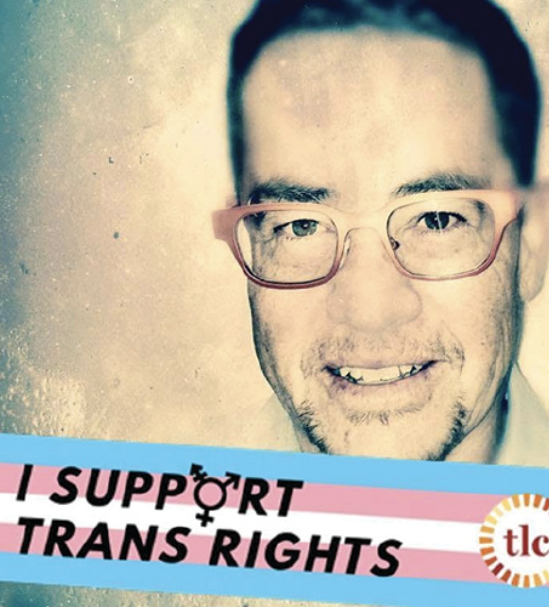
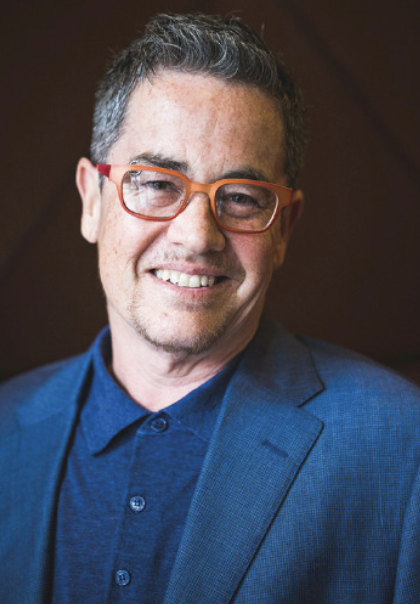
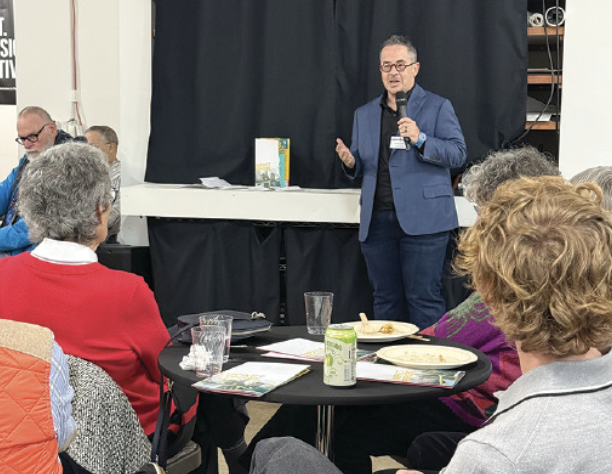
Morey Riordan has spent his career advancing health equity and social justice for marginalized communities. In 2025, he became Executive Director of Openhouse, a San Francisco nonprofit serving LGBTQ+ older adults through housing, services, and community.
Previously, he served as CEO of Mind Share Partners and founded the Transgender Strategy Center. Earlier leadership roles included overseeing national HIV-focused grantmaking at AIDS United, directing HIV/AIDS service organizations in Oakland and Santa Cruz, and leading The Sperm Bank of California.
Morey serves on the boards of the National Center for LGBTQ Rights and ETR (Education, Training, and Research), and previously served on the Openhouse Board of Directors.
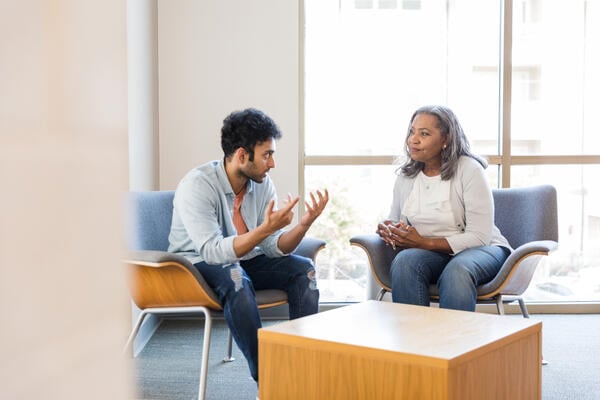
Tom LeNoble: What first opened your eyes to the issues your organization works on?
Morey Riordan: My journey into LGBTQ community work began during the AIDS epidemic. As a young queer person coming of age in the early 1980s, I was discovering community and embracing who I was when friends around me began getting sick. AIDS changed everything.
While those years were heartbreaking, they also revealed the extraordinary strength of community. Lesbians, gay men, allies, and advocates stepped in because no one else was coming to save us. Whether serving as a buddy to someone living with AIDS or later working within AIDS service organizations, I always felt I received more than I gave.
Tom LeNoble: Who modeled generosity for you when you were young?
Morey Riordan: My parents did. My mother was a nurse, and both of my parents were involved in the farm worker movement. Growing up in the Santa Cruz area, I was surrounded by conversations about fairness, justice, and standing up for people whose voices were not always heard. They taught me that, when people are mistreated, it matters.
Tom LeNoble: What motivates you to keep showing up and doing this work?
Morey Riordan: A friend once told me that, while they might feel exhausted when it came to their own challenges, they never lost energy when fighting for someone else. That has always stayed with me. At my core, I still react strongly when I see people being left behind or treated unfairly.
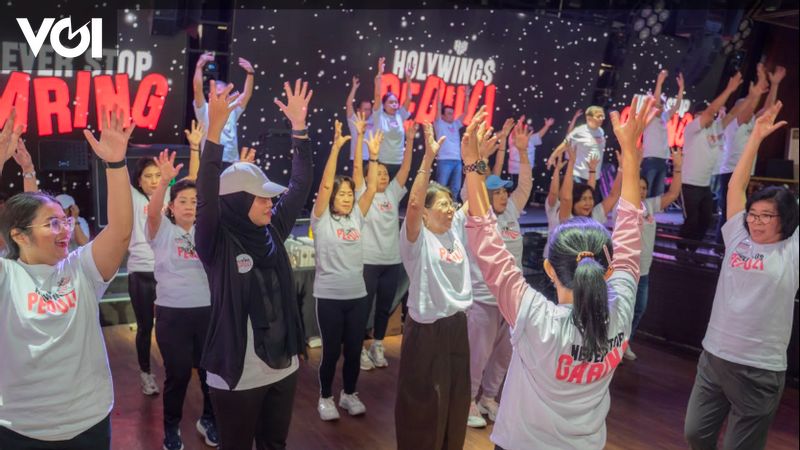
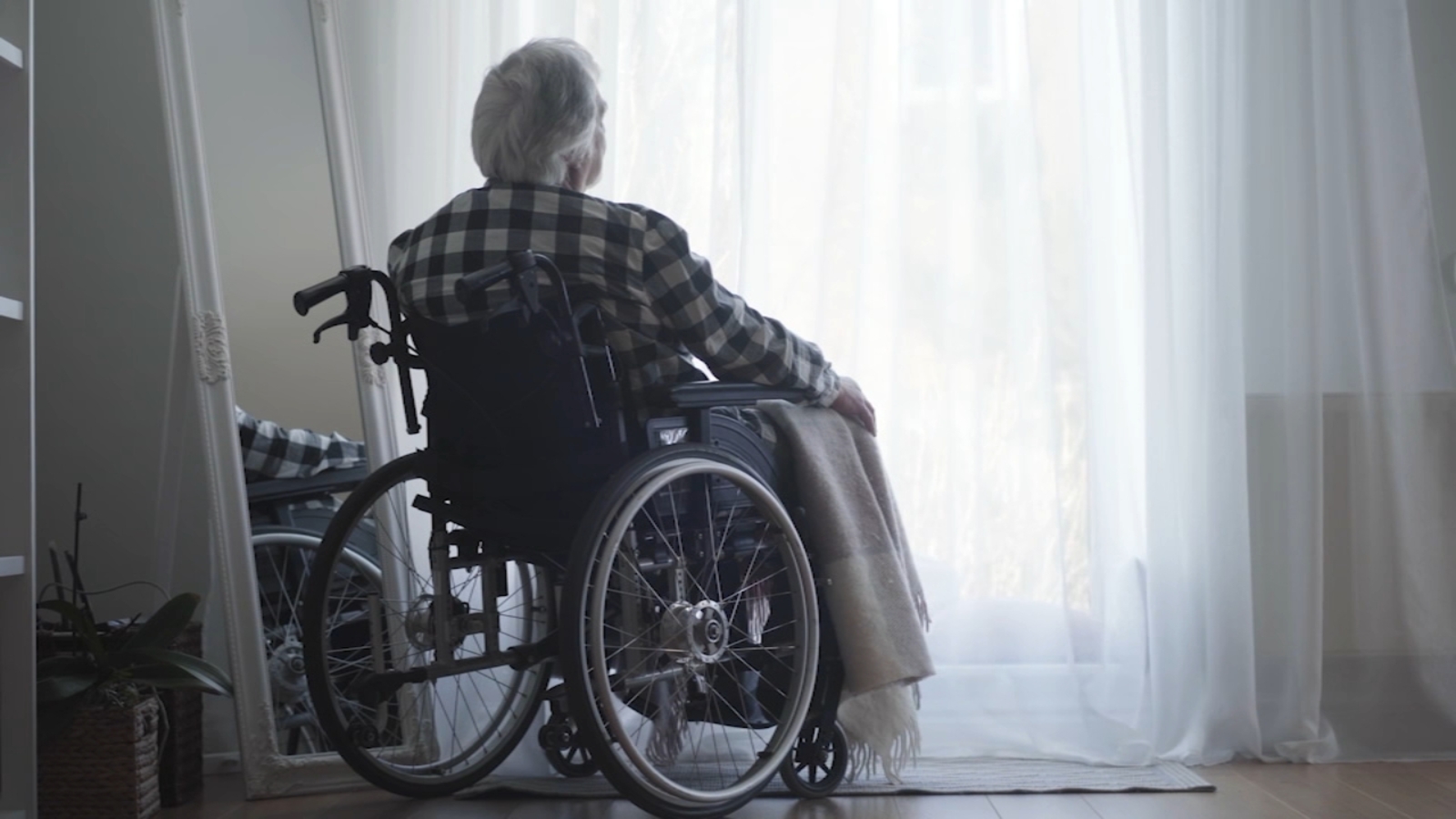
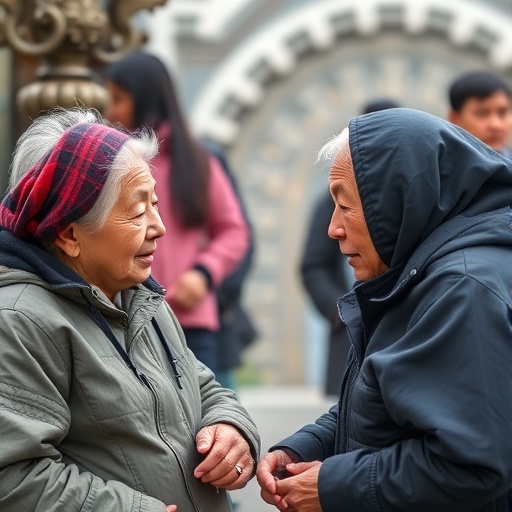
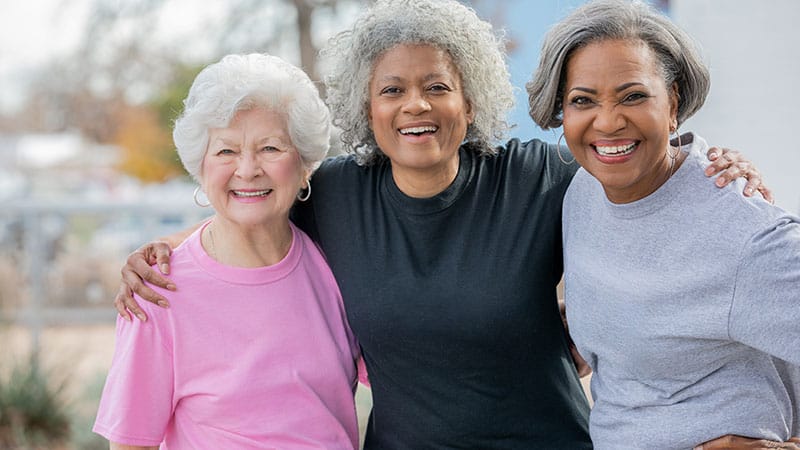
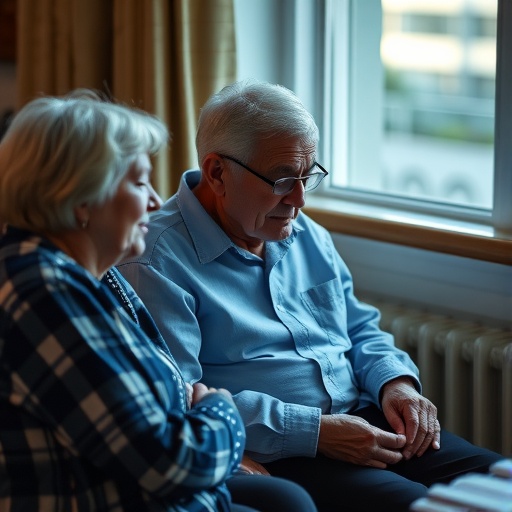
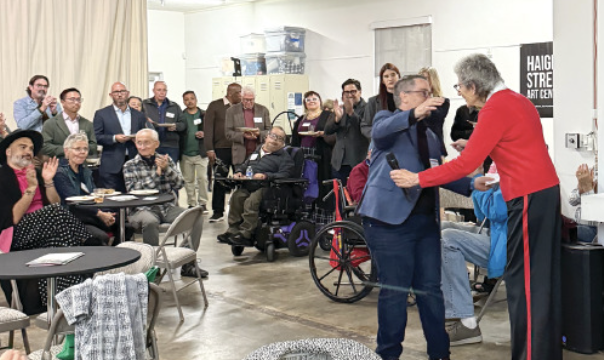
Today, LGBTQ older adults face significant challenges, including housing insecurity and isolation. Recently, we brought a group of LGBTQ elders to a city budget town hall. They wore shirts that said, “LGBTQ Elders Built This City.” Many were in their seventies and eighties, yet they were determined to advocate for their future and for the generations that follow. Seeing that determination inspires me every day.
Tom LeNoble: When you hear the word “philanthropy,” what does it mean to you personally?
Morey Riordan: I spent nearly a decade working in philanthropy and philanthropy-adjacent organizations, which gave me a unique perspective. At its best, philanthropy provides the resources and stability that allow mission-driven organizations to serve communities and address urgent needs. Many nonprofits would not exist without it. While philanthropy is not perfect, I view it as an essential force that helps communities tackle challenges and create meaningful change.
Tom LeNoble: What keeps your optimism alive when things get really difficult?
Morey Riordan: The AIDS epidemic taught me that communities can accomplish extraordinary things when they come together. During those years, we faced stigma, indifference, and unimaginable loss, yet people organized, cared for one another, and fought for change.
Activists transformed how medications were developed and approved, proving that even marginalized communities can influence systems and create lasting impact. Whenever times feel difficult, I remember those lessons. Collective action remains one of the most powerful forces for change.
Tom LeNoble: What moment reminded you that Openhouse is truly making a difference?
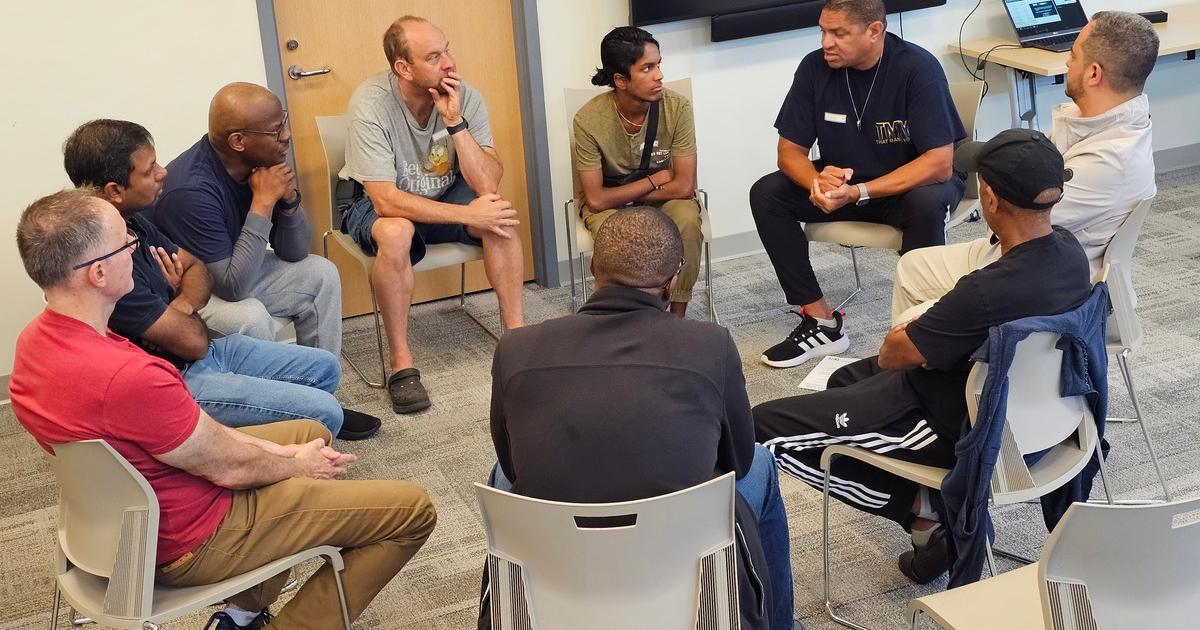
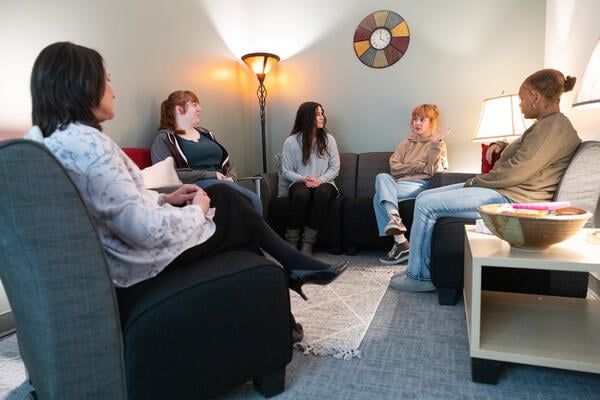
Morey Riordan: One moment stands out from my first month at Openhouse. I attended a gathering of transgender elders and someone asked whether the blinds should be closed. The group immediately said no.
They explained that this was a place where they gathered openly, shared meals, told their stories, and lived authentically. They refused to hide. That moment captured everything Openhouse represents. It was about dignity, belonging, visibility, and community.
Tom LeNoble: What has this work taught you about humanity?
Morey Riordan: After decades in community work, I continue to be inspired by the generosity shown by people who have very little. I meet individuals facing housing insecurity, food insecurity, and countless other challenges who still find ways to care for others. Those moments remind me that there is tremendous goodness within people and that our role is to create environments where that goodness can thrive.
Tom LeNoble: What is unique about doing this work in San Francisco?
Morey Riordan: San Francisco has a remarkable LGBTQ history. It has long been a place where people could come to live openly, build community, and create change. At the same time, we are seeing increased hostility toward LGBTQ people, particularly transgender individuals, even here. We are also welcoming more people arriving from states where they no longer feel safe, often at a time when resources are becoming more limited. The city’s proud history and today’s realities are intersecting in complex ways.
Tom LeNoble: How has this work changed you personally?
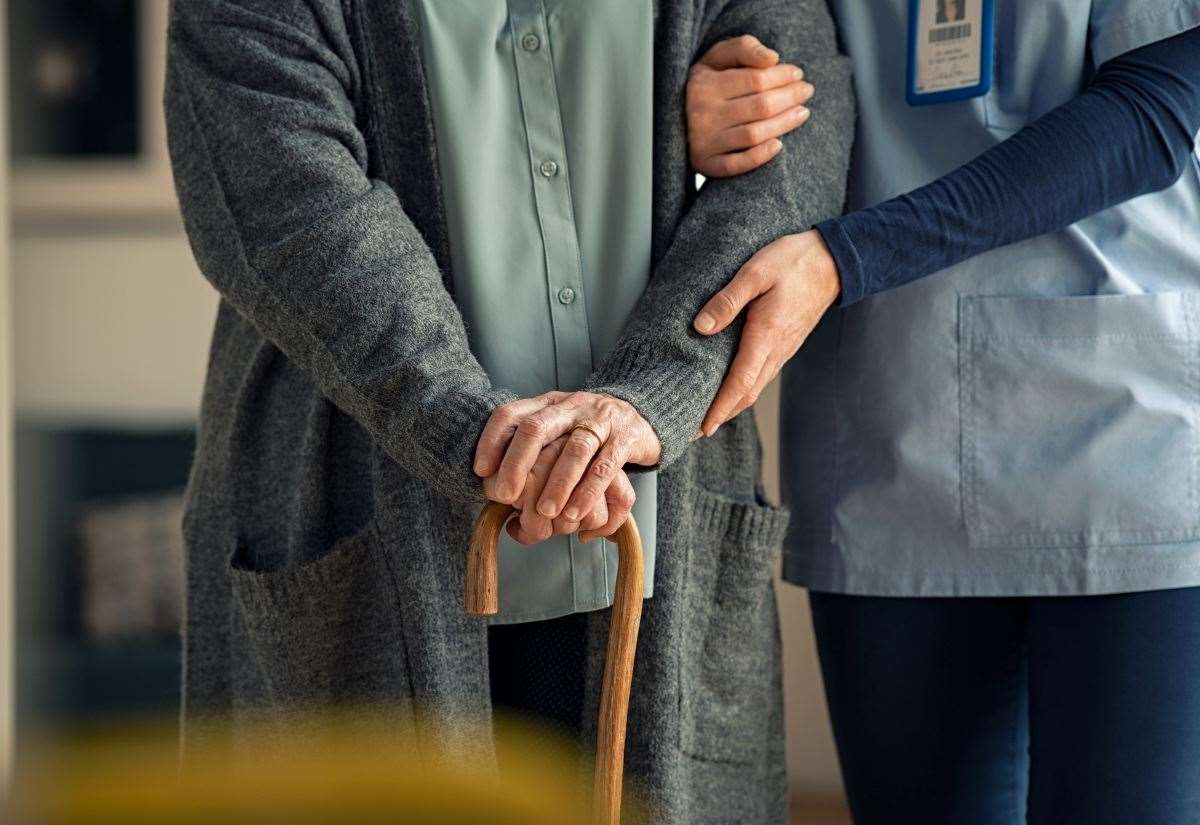
Morey Riordan: This work has expanded my vision of aging. Watching LGBTQ people thrive in their seventies, eighties, and nineties has shown me what is possible. It has reinforced my belief that our later years should be celebrated and supported.
Our elders carry wisdom, experience, and history that deserve recognition. The more I witness their resilience and vitality, the more committed I become to ensuring they have the dignity, support, and opportunities they deserve.
Tom LeNoble: If someone wanted to begin developing a philanthropic mindset, what is one small step they could take?
Morey Riordan: Volunteer. Many of Openhouse’s donors first connected with us through volunteer opportunities. They served meals, attended events, and spent time with community members. Volunteering allows you to see impact firsthand and discover how your time, talents, and resources can make a difference.
Tom LeNoble: What would surprise people most about you outside of work?
Morey Riordan: I identify as transmasculine and have a wonderfully unique family experience. I gave birth to my oldest child, who is now graduating from college. My children call me “Mo.” I am not quite mom and not quite dad, but something that incorporates elements of both. I continue to embrace the nurturing parts of myself, and family remains at the center of my life.
Tom LeNoble: If you had a completely free day in San Francisco, how would you spend it?
Morey Riordan: I would spend it outdoors with friends. I love exploring the Presidio and Golden Gate Park on my electric bike, stopping for a picnic and taking in the beauty of the city. Most of all, I would spend the day laughing, because laughter is one of life’s greatest gifts and one of the best ways to recharge.
Tom LeNoble is an international speaker, confidential advisor, and resilience strategist who works with leaders navigating meaningful inflection points in life and leadership. He has held senior leadership roles at MCI, Walmart.com, Palm, and Facebook, and high growth startups. He is the author of the award-winning memoir “My Life in Business Suits, Hospital Gowns, and High Heels.” Through speaking, coaching, and writing, he explores resilience, leadership, and the choices that shape how we show up for others and for the communities we serve.
The Philanthropic Mindset
Published on June 25, 2026