Nieuwsbericht29-06-2026 | 09:07
From 20 to 22 May, 2026, the Dutch Minister for Agriculture, Fisheries, Food Security and Nature (LVVN), Silvio Erkens, conducted an official visit to South Korea to lay a strategic groundwork for future bilateral cooperation. Rather than focusing on traditional agricultural trade, the high-profile itinerary targeted critical technological advancements in smart farming, autonomous robotics, crop phenotyping, and sustainable alternative proteins. By engaging deeply with South Korea’s leading public, academic, and private entities, the visit successfully paved the way for a formalized, cross-border knowledge-sharing ecosystem.
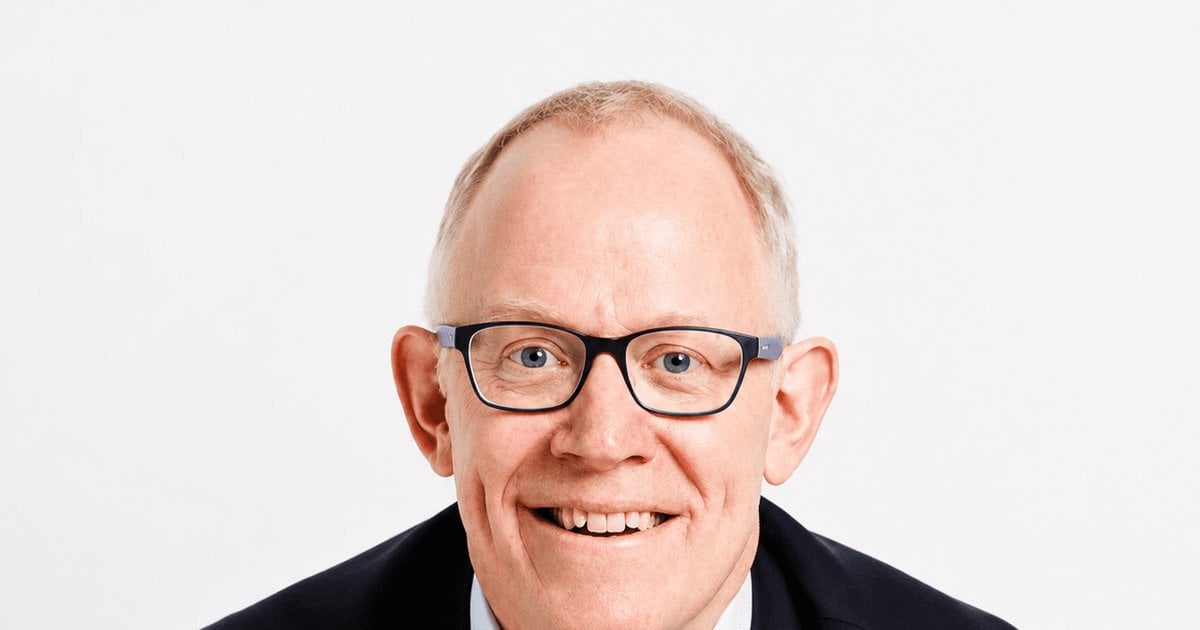
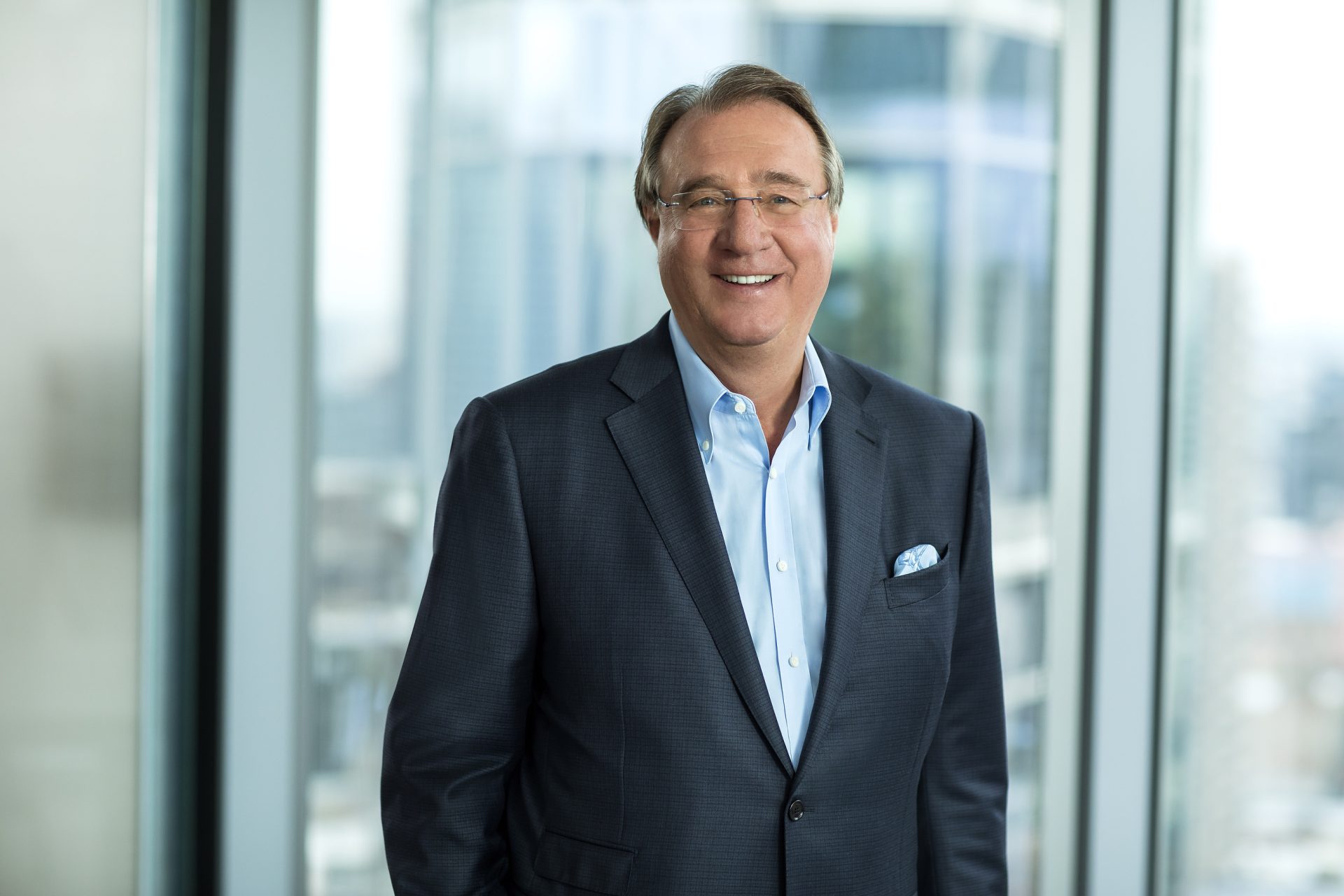
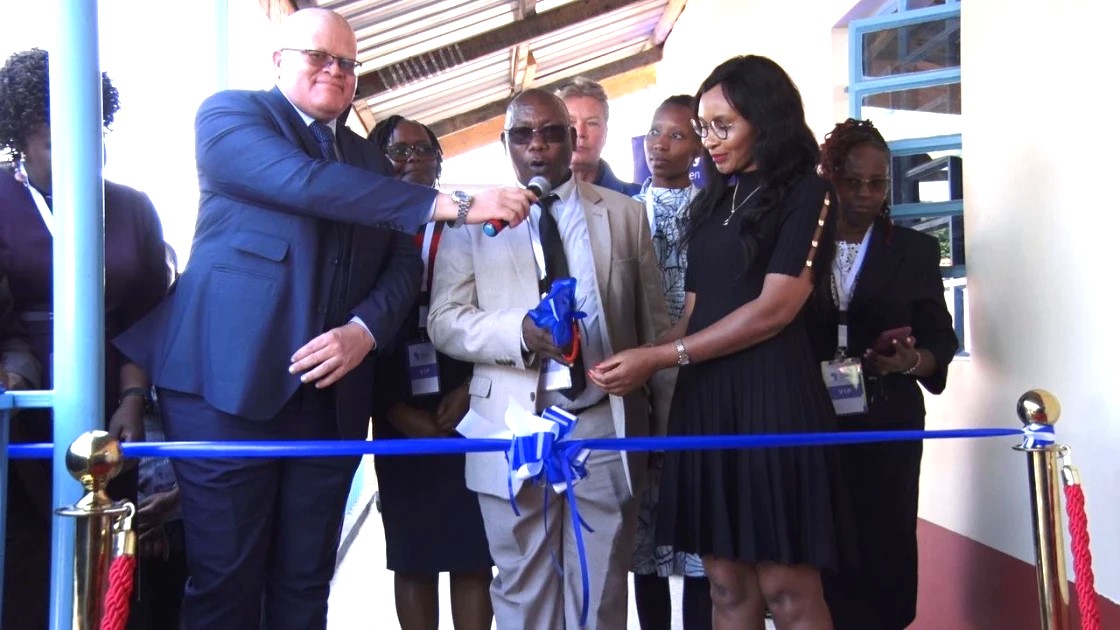
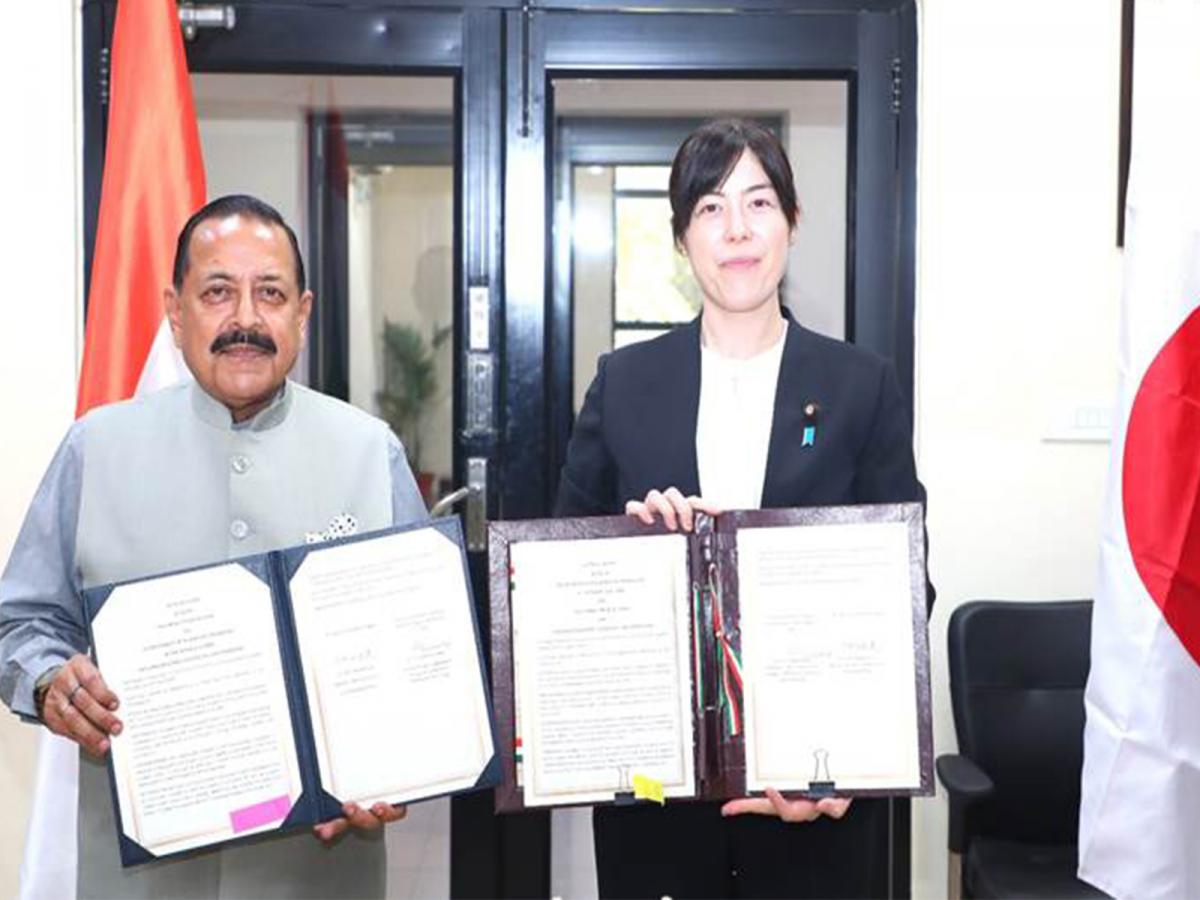
Beeld: © SEO-LVVN
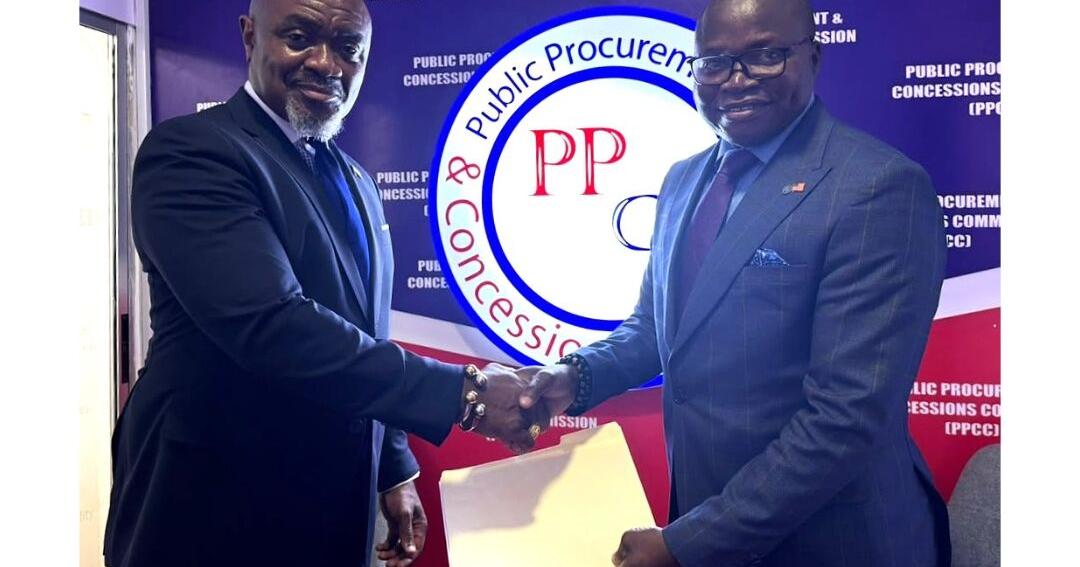
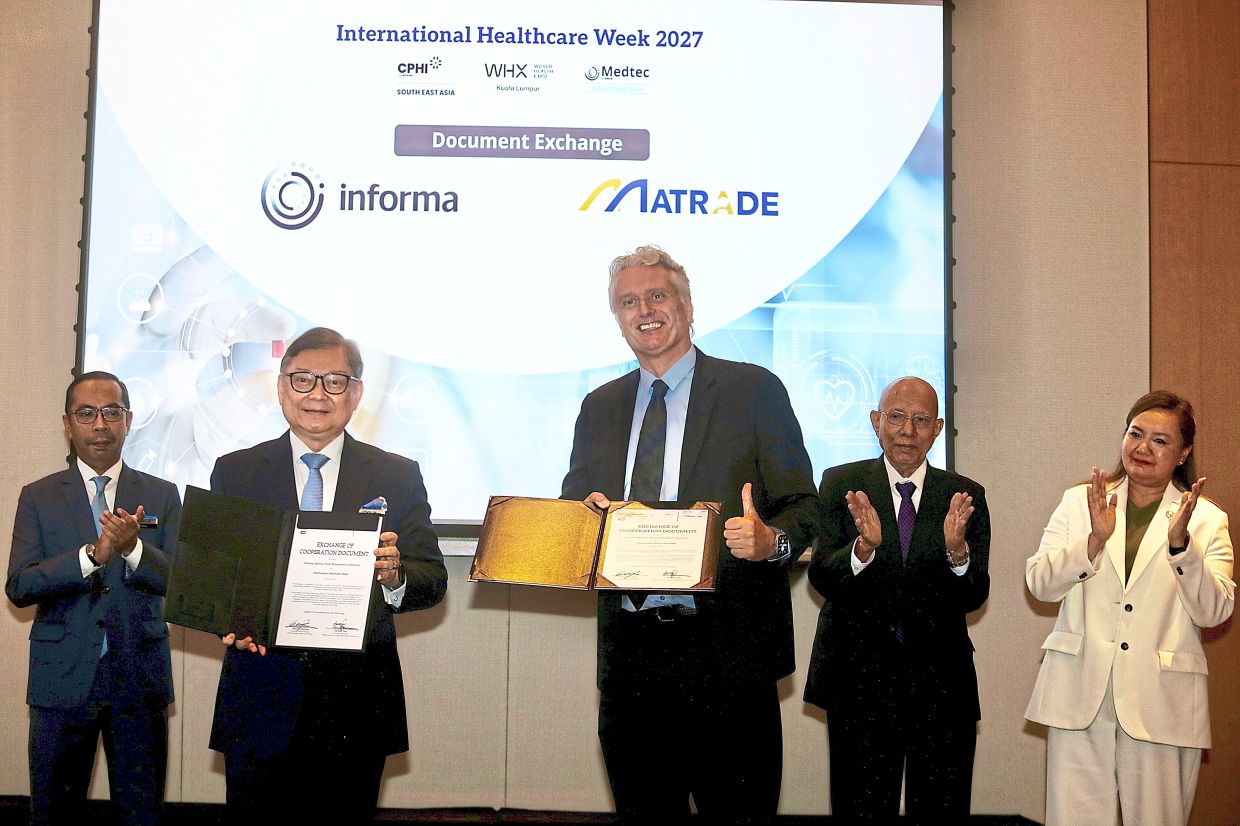
MOU on agricultural innovation cooperation and knowledge exchange
Day 1: Government-led Ag-tech Innovation
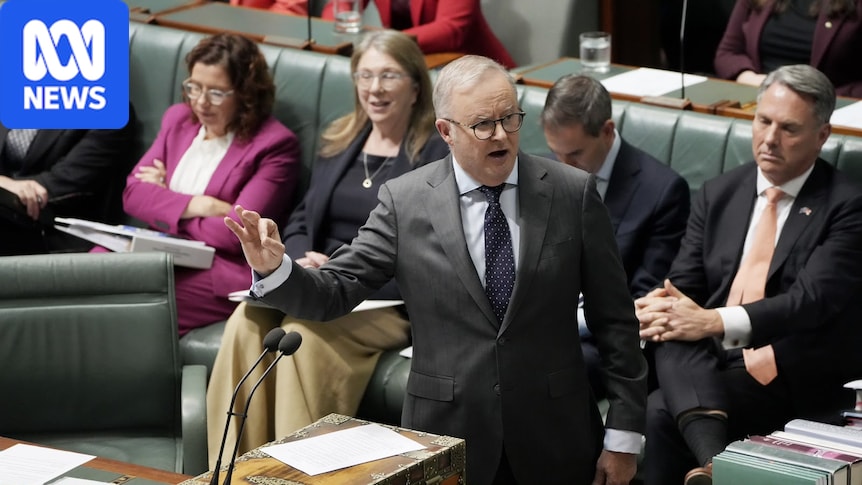
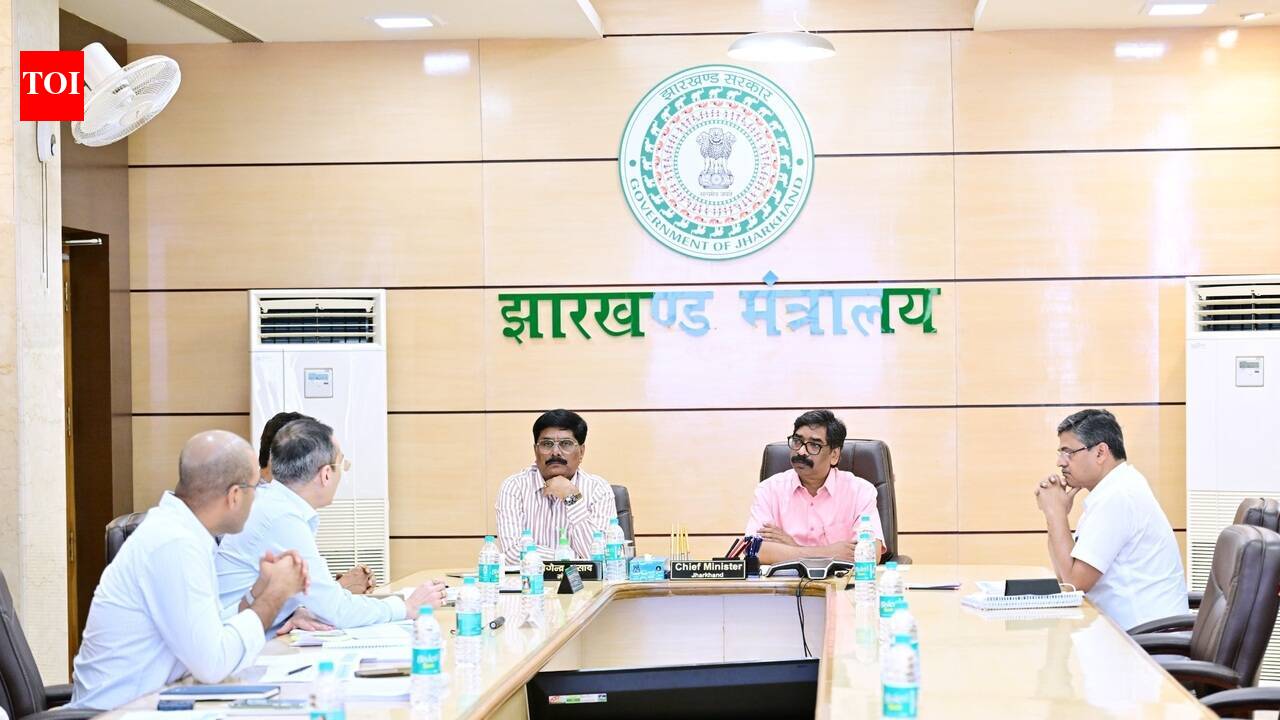
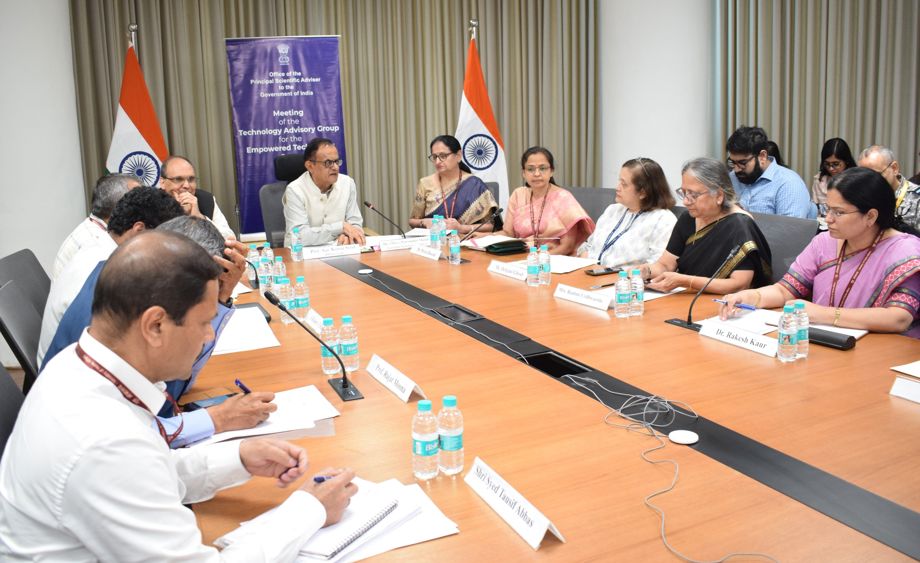
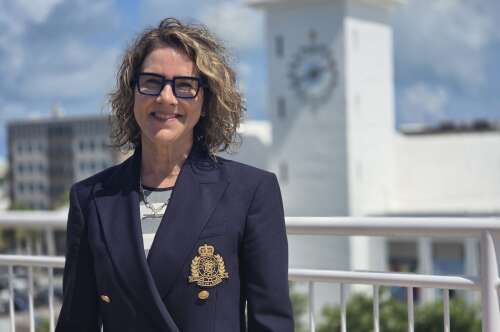
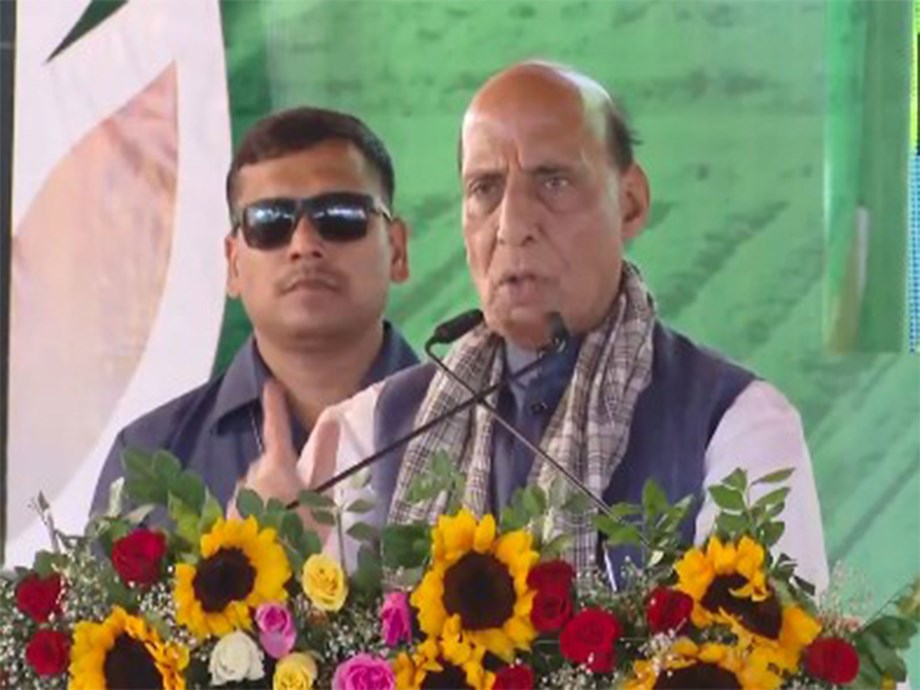
The official program commenced on the morning of 21 May with a high-level bilateral meeting between the Minister Erkens and Mrs. Song Mi-ryung, the South Korean Minister of Agriculture, Food and Rural Affairs (MAFRA), held at the JW Marriott Hotel Seoul. The core objective of the meeting was to consolidate positive bilateral relations and sign a Memorandum of Understanding (MoU) centered on agricultural innovation cooperation and knowledge exchange. Discussions focused heavily on forward-looking, positive collaboration in AI, smart farming, alternative proteins , and sustainable energy.
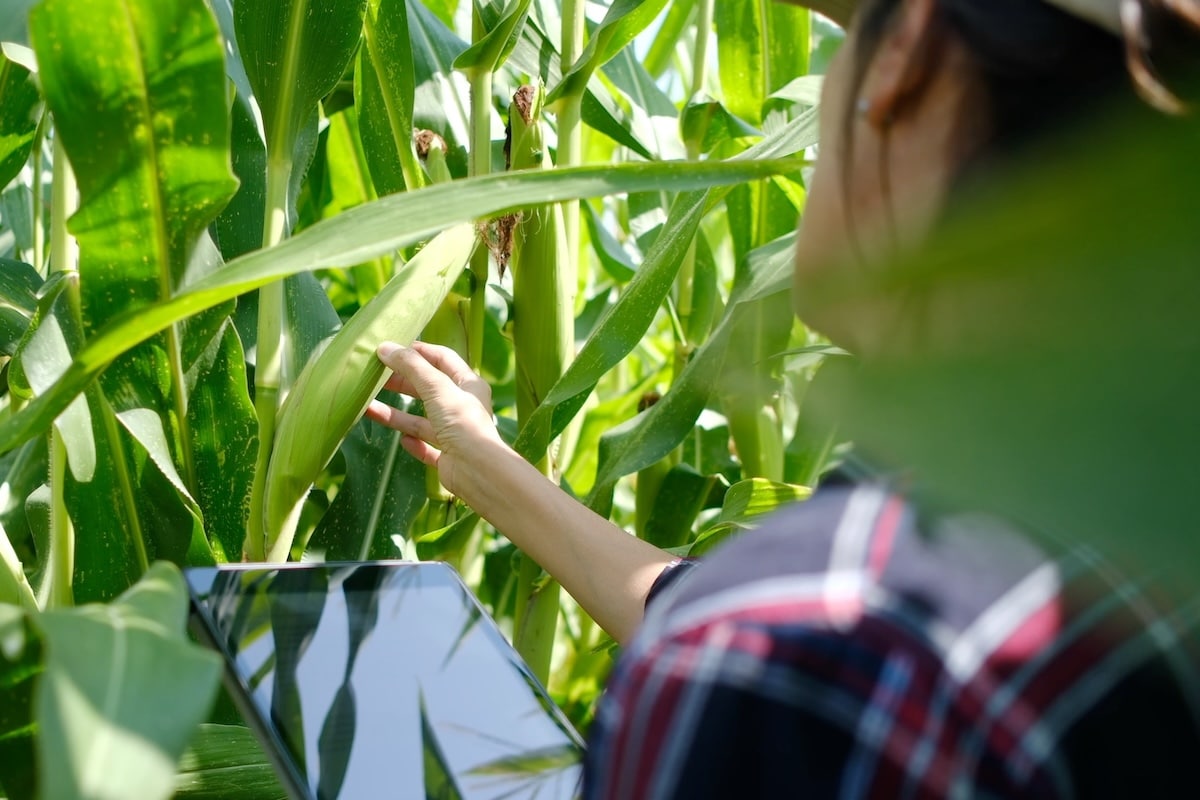
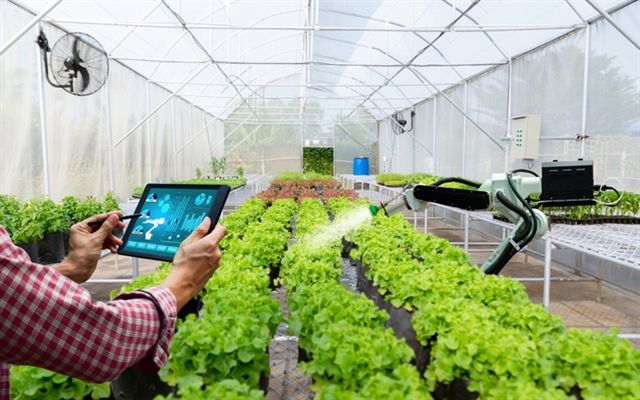
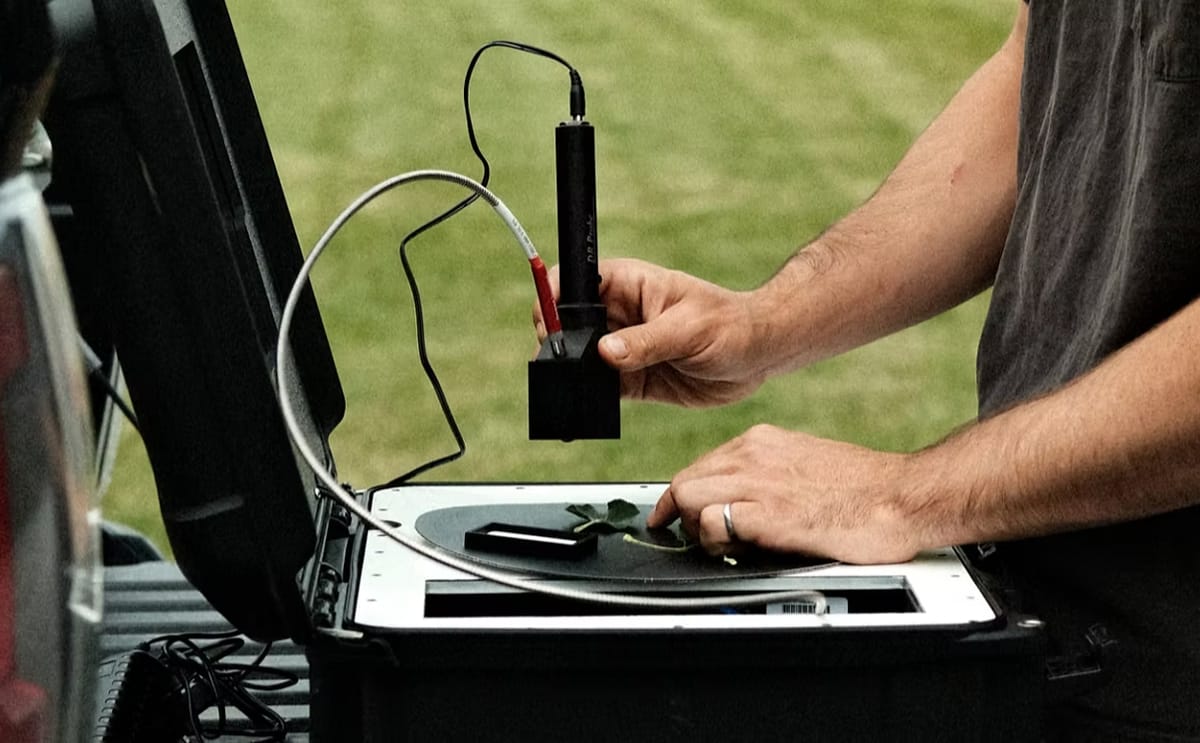
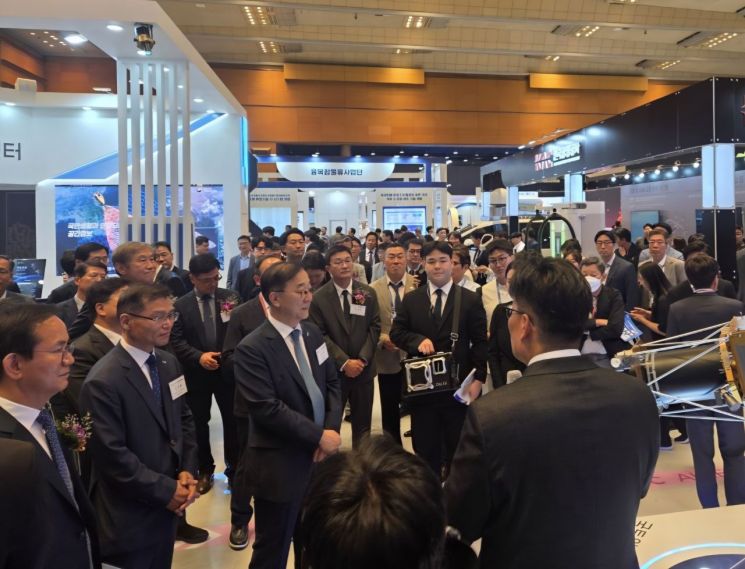
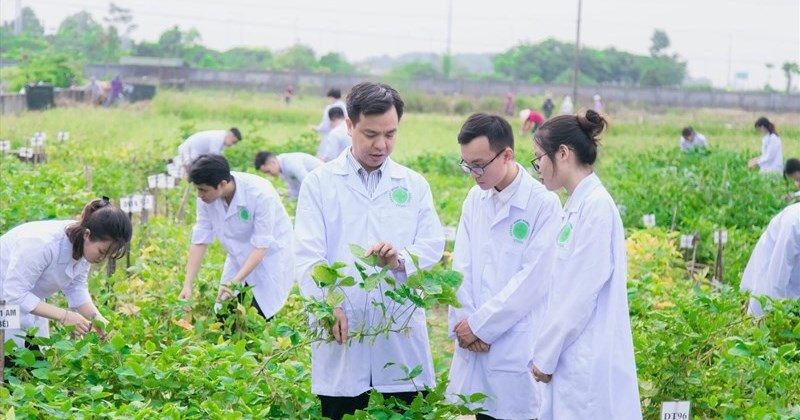
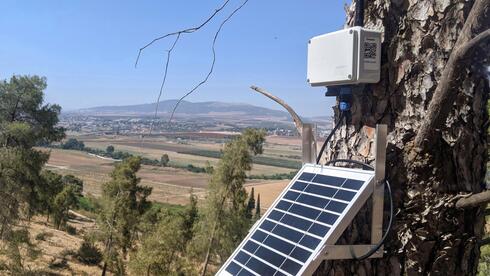
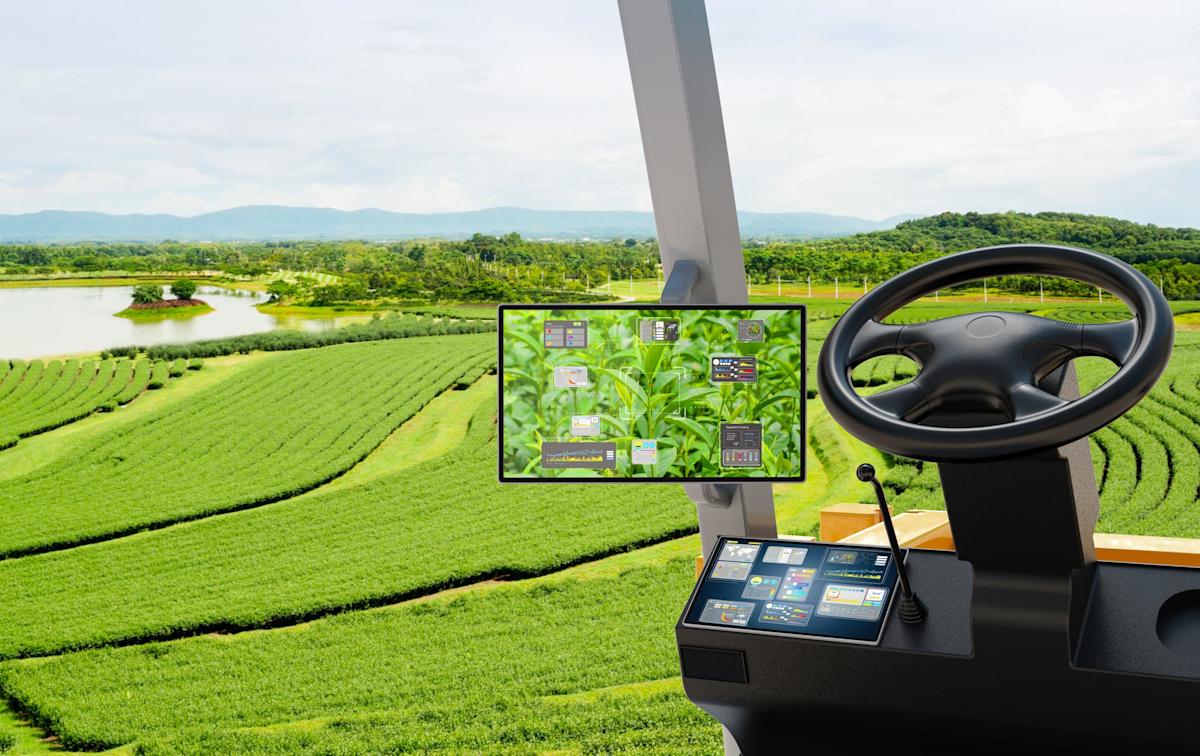
Following the ministerial meeting, the delegation traveled to the Rural Development Administration (RDA) headquarters in Jeonju for a strategic lunch meeting with RDA Administrator Lee Seung-don. The RDA acts as South Korea’s agricultural research, R&D, and extension body. Administrator Lee is currently spearheading an aggressive digital transition to counter severe climate change and rural demographic decline, dedicating substantial resources to an integrated AI program and a public-private AI Smart Farming (AX-platform) initiative. Following the lunch, the Minister attended two presentations by RDA researchers on an AI consulting app called Isaki and insect research, and toured the RDA’s satellite center where crop monitoring through satellites takes place. South Korea plans to launch its own agricultural satellite in the second half of this year. He also visited an advanced plant phenotyping facility. This facility runs in close alignment with WUR and the Netherlands Plant Eco-phenotyping Centre (NPEC). The afternoon concluded with a visit to the Smart Farm Innovation Valley in Gimje. Opened in 2021 as part of a national top-down program initiated by MAFRA, this 21.3-hectare high-tech greenhouse campus acts as an integrated ecosystem to train young farmers, accelerate agri-tech innovations, and counter rural population decline. Dutch corporations—including Priva, Rijk Zwaan, Enza Zaden, Grodan and Koppert—became actively involved in bringing the project to the intended quality level.
Day 2: Commercial breakthroughs in AgriTech, robotics, and future foods
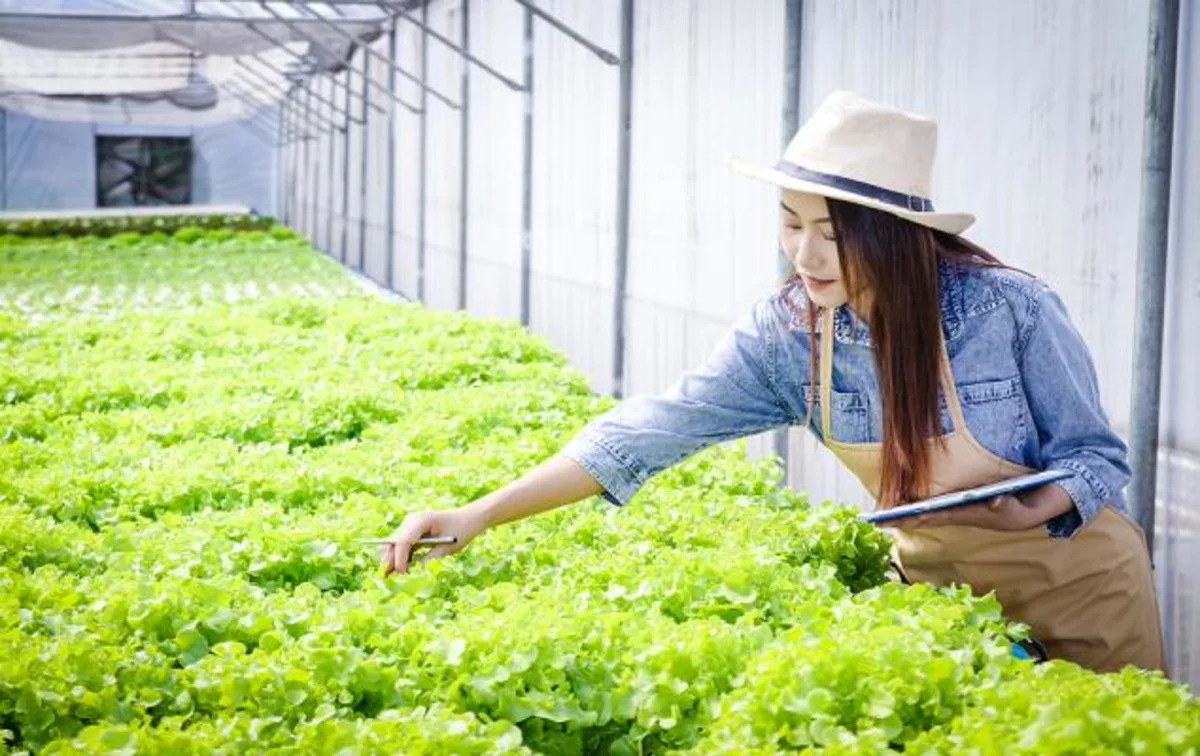
On the morning of 22 May, the delegation shifted its focus toward commercial applications, beginning with a comprehensive tour of the Plantfarm production facility in Pyongtaek. Founded in 2004, Plantfarm specializes in vertical farming and controlled environment agriculture, integrating LED lighting, data analytics, and automation to optimize yields. While vertical farms have largely failed to establish a viable business model worldwide due to volatile energy costs and intense competition with traditional horticulture, the South Korean market offers a robust commercial case. South Korea features stable, lower industrial electricity pricing, a shortage of arable land near megacities like Seoul, and high consumer willingness to pay premium prices for local, pesticide-free produce, allowing Plantfarm to secure stable margins.
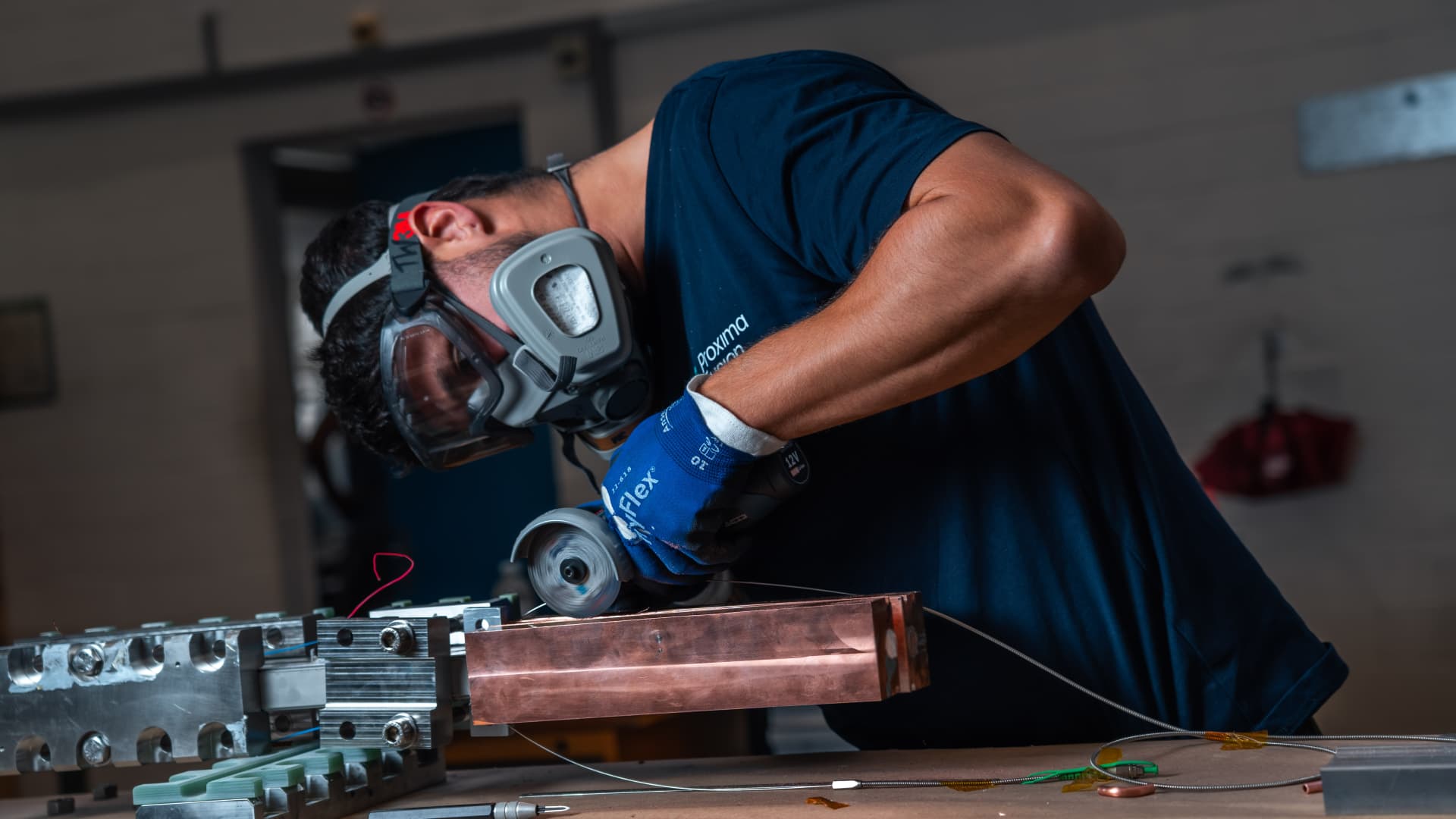
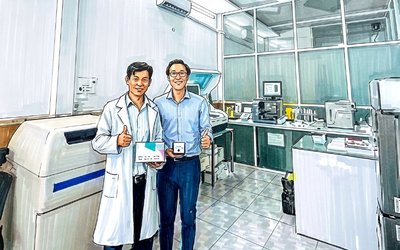
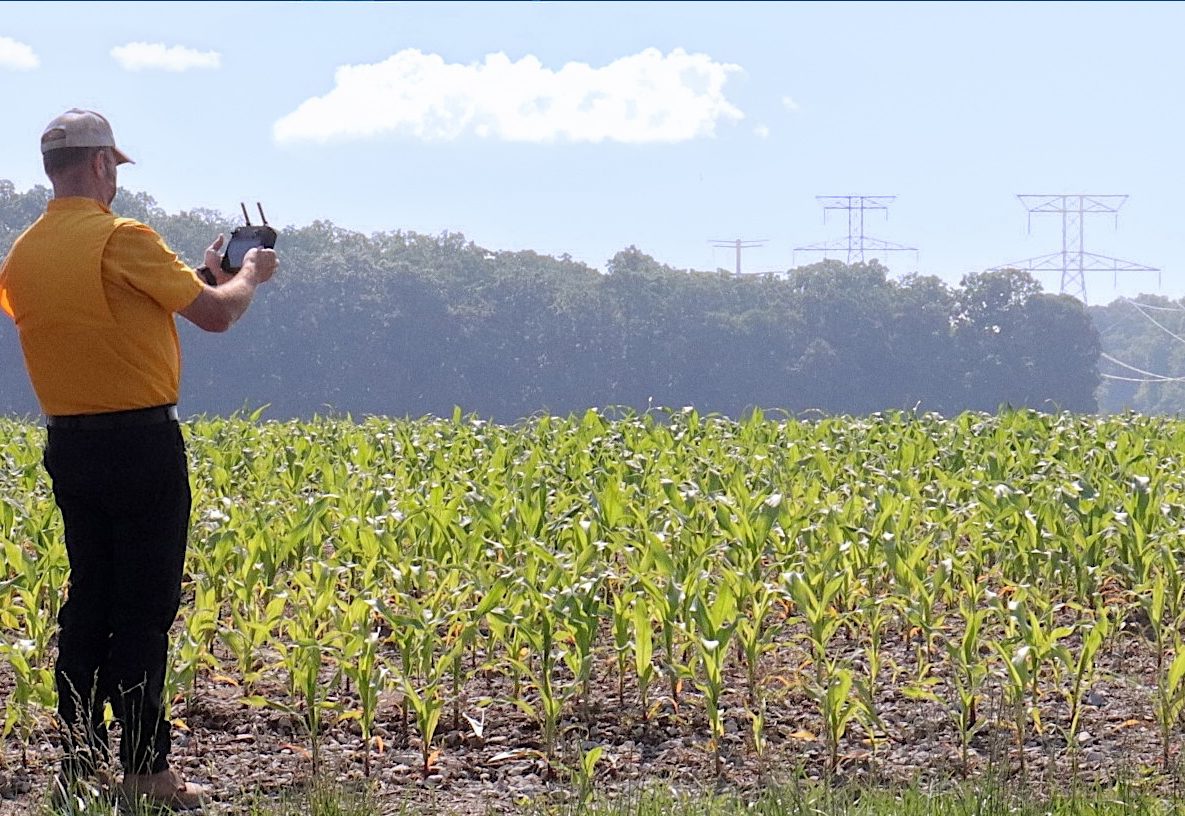
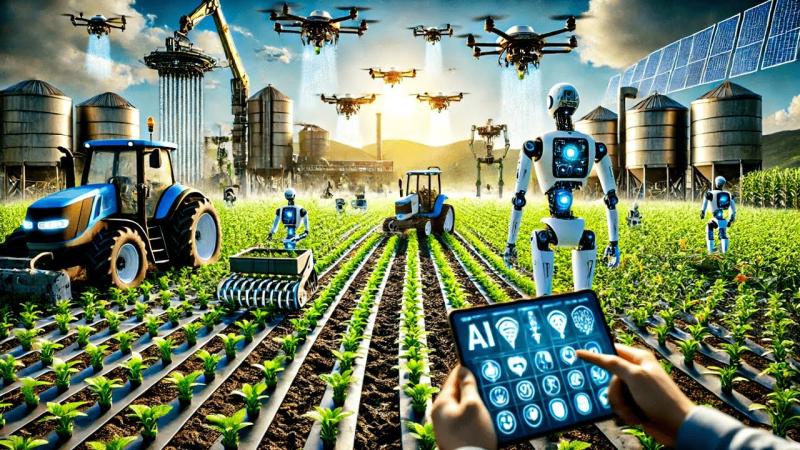
The itinerary proceeded to Hwaseong, where the Minister Erkens visited MetaFarmers, an innovative agricultural robotics spin-off founded by master’s and PhD researchers from Seoul National University. The delegation observed advanced computer vision and customized gripper technologies designed to tackle agricultural labor shortages shared by both countries. MetaFarmers stands out for its integrated approach, creating autonomous robots for tasks like soft-fruit picking (such as strawberries) and crop monitoring that are directly driven by central data and AI platforms.
The final stop of the tour was the massive CJ Blossom Park R&D campus in Suwon, managed by CJ CheilJedang Corporation. The delegation explored CJ’s world-class capacities in synthetic biology, biomass fermentation, strain engineering, and alternative plant-based meat development. CJ already maintains a solid presence on the Wageningen Campus via its R&D center, effectively bridging Dutch foundational knowledge with Korean industrial scaling power. During his introductory address, the Minister Erkens formally announced a forthcoming Dutch Innovation Mission on future proteins to South Korea, scheduled for the last week of October 2026.
Strategic implications for Dutch-Korean synergy
An overarching analysis of Minister Erkens’ visit highlights both the depth of existing Dutch–South Korean cooperation and the significant potential for further joint innovation. Throughout the visit, Erkens was impressed by the extent to which Dutch horticultural technology, greenhouse systems, breeding expertise, and agrifood knowledge are already embedded in South Korea’s agricultural sector. Far from being a future ambition, Dutch technology is already playing a tangible role in supporting South Korean productivity, sustainability, and food security objectives.
At the same time, the visit underscored clear complementarities between the two countries. While the South Korean government acts as a well-funded agenda-setter and digital architect (as illustrated by the RDA’s AX platform initiative) the operational roll-out in part depends on specialized international technologies. Dutch strengths in advanced greenhouse infrastructure, crop optimization, and foundational agrifood R&D complement South Korea’s rapid commercialization capabilities and strong industrial scaling capacity. Erkens therefore viewed the relationship not merely as an export success story, but increasingly as a partnership between equals, in which both countries can jointly develop solutions to shared challenges such as climate volatility, labor shortages, and demographic change. By building on the already substantial Dutch presence in South Korea and expanding collaboration in research, digital agriculture, and innovation, both nations are well positioned to strengthen their agricultural resilience and competitiveness in the decades ahead.
-
Minister Erkens visits to Gimje Smart Farm Innovation Valley -
Minister Erkens visits to RDA satellite center -
Minsiter Erkens visits to MetaFarmers