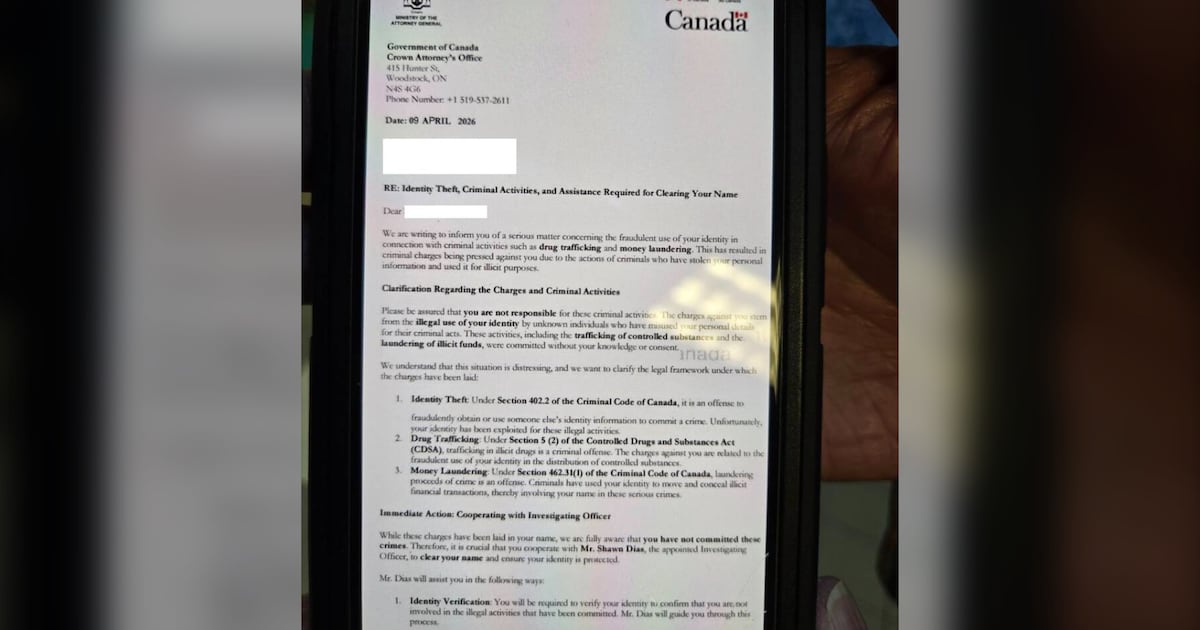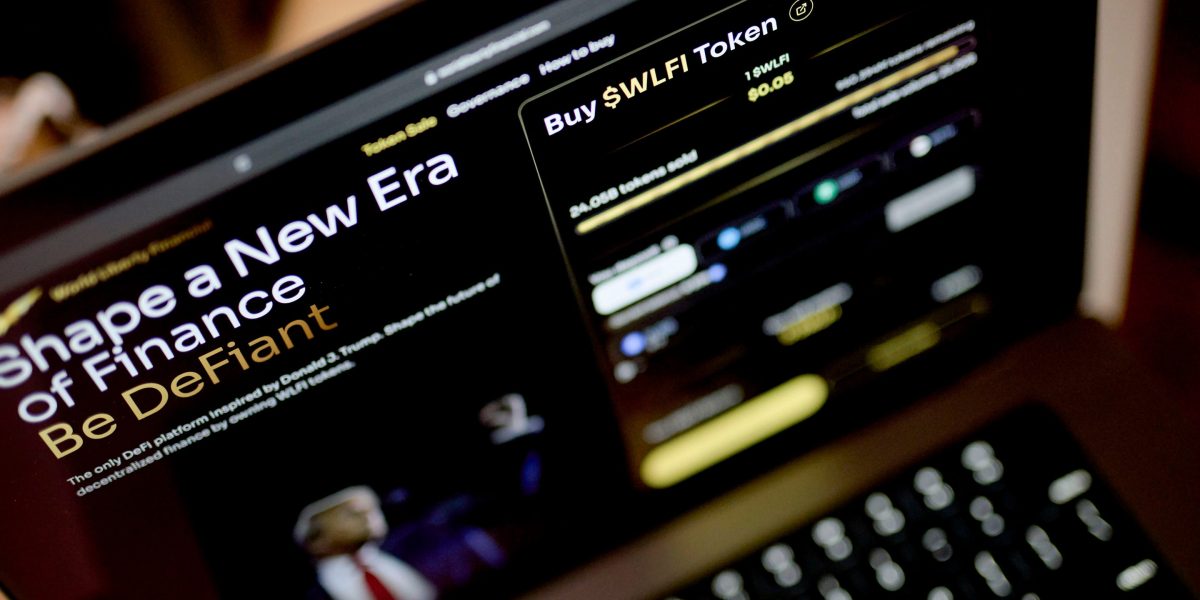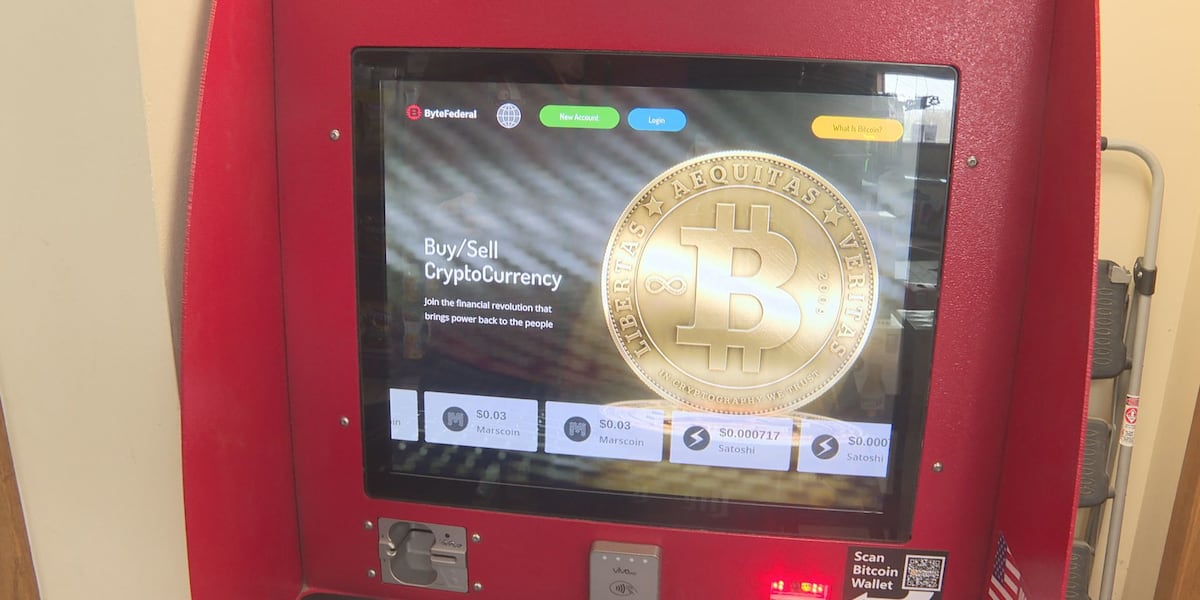
A broad international crackdown on “pig butchering” cryptocurrency scams has resulted in at least 276 arrests, the shutdown of nine scam centers, and the freezing of more than $701 million in cryptocurrency linked to money laundering, according to U.S. authorities.
The operation targeted schemes that allegedly preyed on Americans through fake investment platforms and sustained emotional manipulation, stealing millions in the process.
What happened?
According to The Hacker News, the takedown was led by Dubai Police, under the United Arab Emirates Ministry of Interior, working with the FBI and China’s Ministry of Public Security.
According to the U.S. Department of Justice, the scam centers were used to carry out cryptocurrency investment fraud schemes that often began with friendly or romantic outreach before shifting into financial pitches. Victims were allegedly persuaded to open crypto accounts, transfer money onto fake investment platforms, and, in some cases, borrow from friends and family to invest even more.
Prosecutors said that once victims sent the money, it was quickly laundered through other cryptocurrency accounts.
Six people connected to the network — including Thet Min Nyi, Wiliang Awang, Andreas Chandra, and Lisa Mariam — were charged in the United States with federal fraud and money laundering offenses. Authorities said the defendants allegedly worked for, or recruited others into, scam operations linked to companies identified as Ko Thet Company, Sanduo Group, and Giant Company.
 BOBS from Skechers has helped over 2 million shelter pets around the world — and the charity program just announced this year’s Paws for a Cause design-winning sneakers.
These “hound huggers” and “kitten kicks” sneakers are machine washable and equipped with memory foam insoles. Plus, they were designed by passionate students who were inspired by their very own rescue pets.
BOBS from Skechers is also committed to donating half a million dollars to the Best Friends Animal Society this year to help every dog and cat experience the safety and support of a loving home.
|
The Justice Department also pointed to a darker side of the scam-center model: Many workers inside the compounds were allegedly lured by promises of high-paying jobs and then compelled to scam victims while facing threats of violence, according to The Hacker News.
“Fraudsters who target Americans from overseas cannot operate with impunity, no matter where in the world they reside,” Assistant Attorney General A. Tysen Duva of the Justice Department’s Criminal Division said.
The broader enforcement campaign has expanded rapidly. The FBI said its Operation Level Up initiative, launched in January 2024, had alerted nearly 9,000 victims and prevented an estimated $562 million in losses as of April 2026.
In a separate case, U.S. officials recently charged two Chinese nationals accused of helping operate a major scam compound in Myanmar. Authorities also said, as noted by The Hacker News, that a Telegram channel allegedly used to recruit trafficking victims, along with 503 fake investment websites aimed at U.S. targets, had been seized.
Why is cryptocurrency investment fraud concerning?
The concern is not only the amount of money involved, but how industrialized these scams have become.
“Pig butchering” schemes are designed to build trust over time, making them much harder to detect than a typical phishing attempt. Victims can lose life savings, take on debt, and suffer lasting emotional harm after being manipulated by someone they believed genuinely cared about them.
These operations are also increasingly tied to human trafficking and forced labor. U.S. officials have alleged that some scam compounds in Southeast Asia function like prisons, where trafficked workers are beaten or threatened if they fail to meet fraud quotas.
For the crypto sector, this kind of abuse creates another major trust problem. Digital assets can have legitimate uses, including faster cross-border payments and new approaches to funding innovation, and some supporters argue that crypto-backed projects could help support cleaner energy development. But scams like these also show how easily the technology can be used to move stolen funds across borders, especially when bad actors rely on fake platforms and anonymous wallets.
That makes it more difficult for consumers to distinguish between real innovation and predatory schemes, while giving regulators and law enforcement yet another reason to scrutinize the industry.
There are also signs that the scam ecosystem is expanding beyond fake investment platforms. Researchers recently linked a banking trojan operation to Cambodian scam compounds, saying it used fake domains and spoofed app pages to steal credentials and drain financial accounts across Asia, Africa, and Latin America.
What’s being done about cryptocurrency investment fraud?
Authorities are going after the problem on multiple fronts.
The latest arrests and shutdowns are part of a broader international push to dismantle scam compounds, freeze stolen funds, and identify the people behind the schemes. Beyond the $701 million in crypto restrained in the latest actions, The Hacker News said Operation Atlantic separately froze about $12 million and identified more than 20,000 victims across 30 countries tied to approval-phishing crypto scams.
The U.S. Treasury Department has also sanctioned Cambodian Senator Kok An, businessman Rithy Raksmei, and related business interests that officials say were tied to scam-center operations. The State Department is offering rewards of up to $10 million for information that, according to The Hacker News, could lead to the seizure or recovery of proceeds linked to the Tai Chang scam center in Burma.
Cambodia has passed a law specifically targeting scam centers that includes reported penalties of five to 10 years in prison and fines of up to $250,000.
On the prevention side, the Treasury recently launched a new cybersecurity information-sharing initiative for eligible U.S. digital-asset firms, aimed at helping companies detect and respond to threats more quickly.
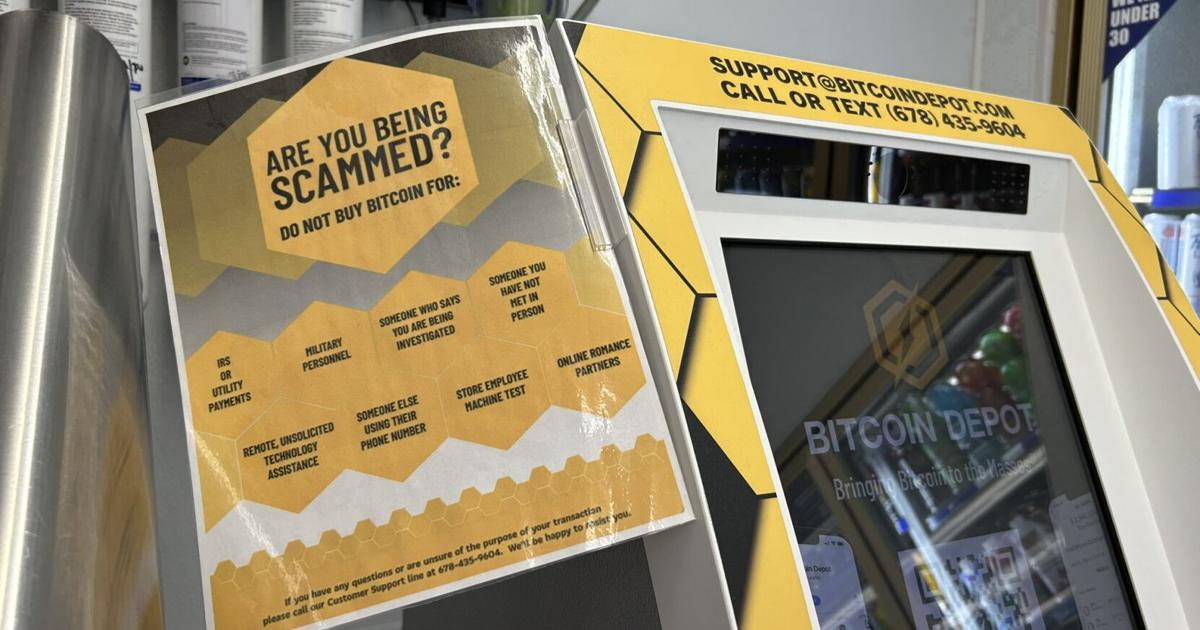
You can protect yourself and your family members by always being mindful of a few scammers’ tactics. Unsolicited investment messages, promises of guaranteed returns, pressure to keep sending more money, and requests to move funds onto unfamiliar crypto platforms are all major red flags.
Experts generally advise checking whether a platform is registered, avoiding financial advice from online strangers, and never sending crypto to an investment site that cannot be independently verified.
The latest crackdown suggests law enforcement is becoming more coordinated. But officials have also made clear that this remains a fast-moving global problem.
Get TCD’s free newsletters for easy tips, smart advice, and a chance to earn $5,000 toward home upgrades. To see more stories like this one, change your Google preferences here.