
The key leadership skill is often the overlooked one.
getty
If you start a discussion around the necessary leadership skills for executives, corporate talking points such as strategic vision, stakeholder influence, executive presence, emotional intelligence, and adaptability will come up.
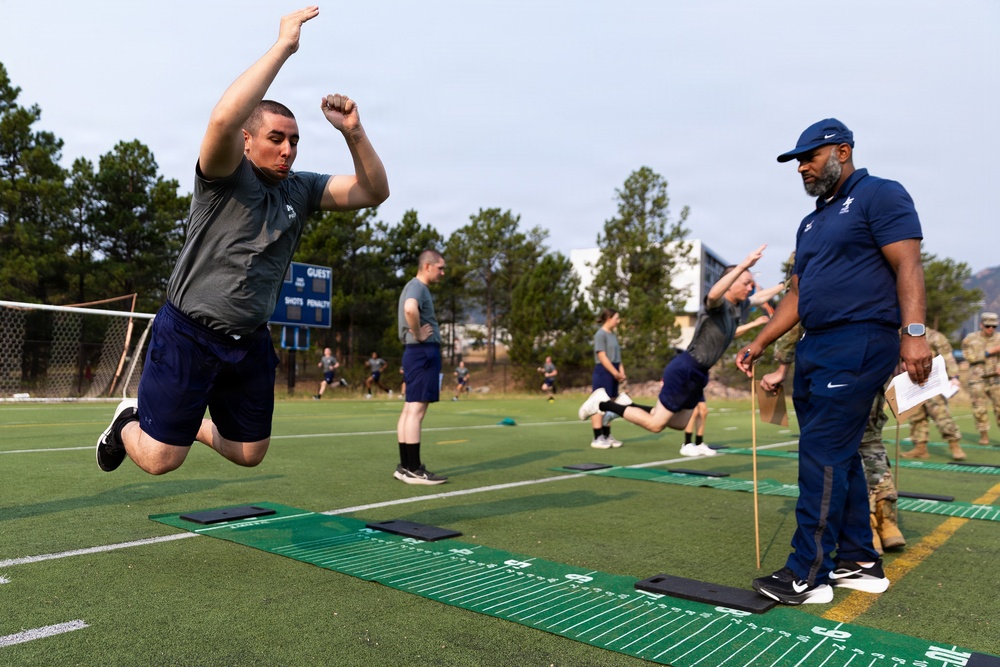
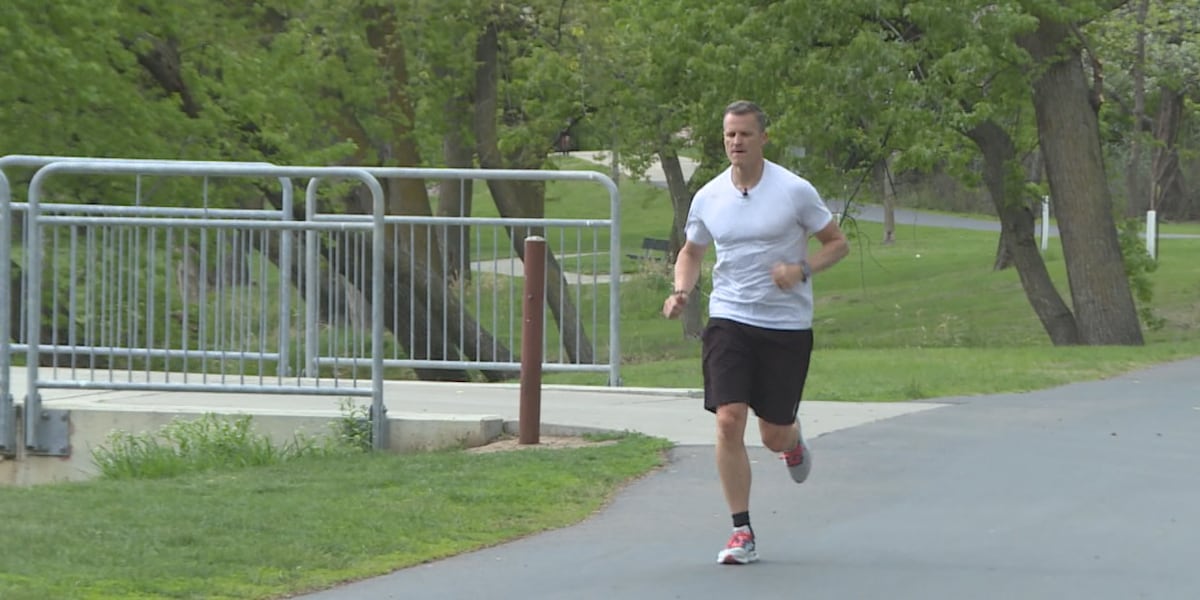
Leadership extends far beyond an intellectual and emotional endeavor. It is also a physical one. Modern leadership and business demand it. Being “fit to lead,” a phrase originating in the 19th century, is even more relevant now.
The job description may never mention it, but the executive role is also an energy management role. Leadership is a taxing position that won’t be slowing down anytime soon. So physical capacity is critical, starting with these four domains.
Executive Travel And Leadership
The modern executive is, functionally, a professional time-zone crosser. Whether it’s transatlantic red-eyes, back-to-back city rotations, client dinners, early departures, and more, traveling can be both mentally and physically depleting.
While we’re becoming increasingly connected through technology, the analog world will never be replaced. For that reason, executive travel remains essential for driving high-stakes deals forward, securing major partnerships, connecting with suppliers, and building trust through face-to-face interactions.
Whether it’s managing your circadian rhythm to stave off burnout as much as possible or maintaining appropriate energy levels amid the pressure to “always be on,” physical capacity is a necessity. To meet that demand, develop a travel wellness and performance plan built around personalized habits rather than generic advice.
Decision Volume In Executive Leadership
The average executive makes somewhere between hundreds and thousands of decisions daily. Many are rudimentary and low-stakes, but the meaningful ones are still buried within the total volume. As a result, when it’s time to make these decisions, leaders are often not at their cognitive peak.
Processing data, cross-pollinating ideas, and managing people are equally skills and physiological endeavors. Often, whether it’s a lack of empathy or a leader finding themselves in a self-induced crisis and controversy, there’s a significant biological element at play.
Therefore, building mental endurance is essential to staving off decision fatigue and reducing the judgment errors that tend to surface when a leader’s cognitive reserves run low.
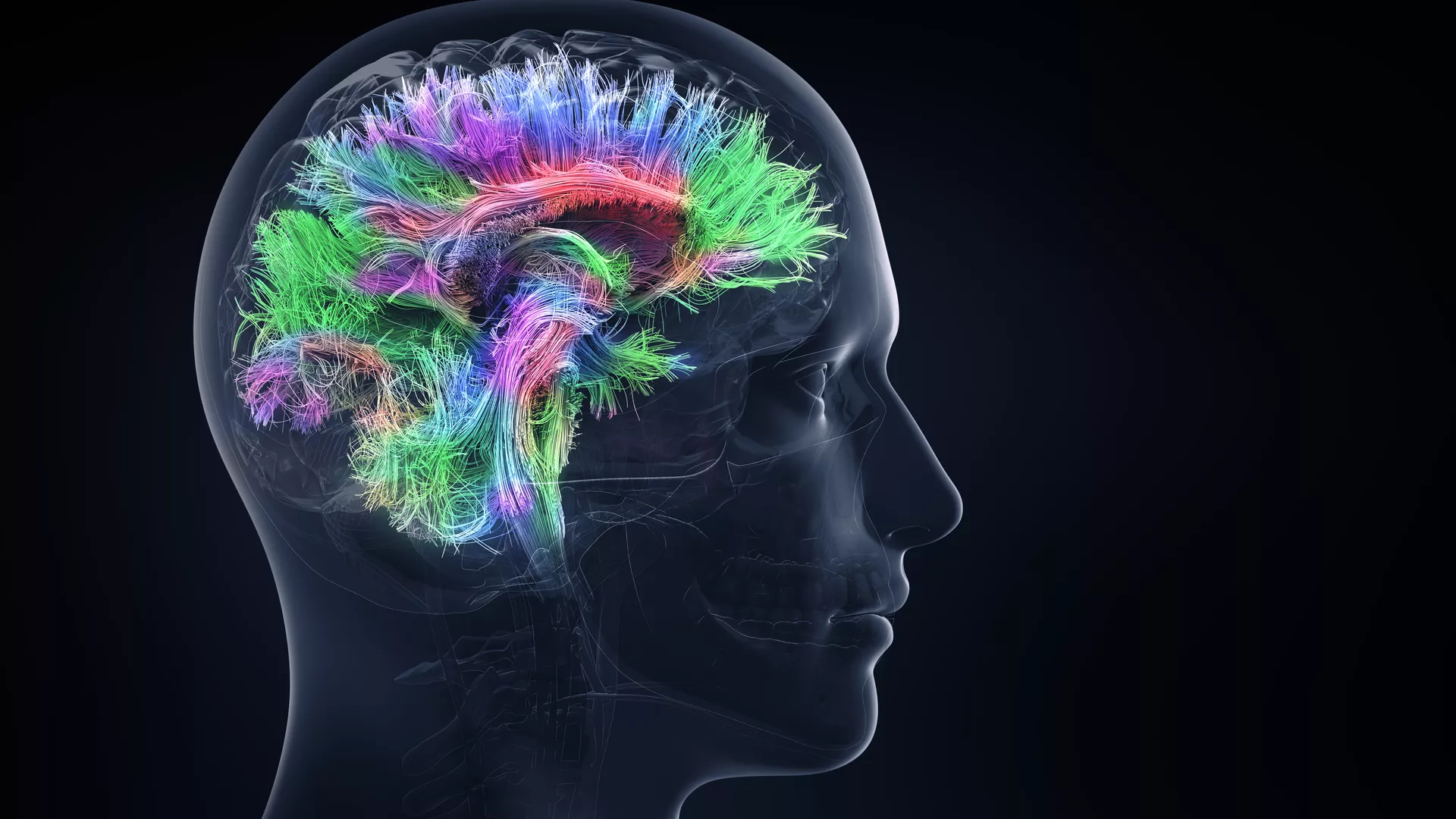
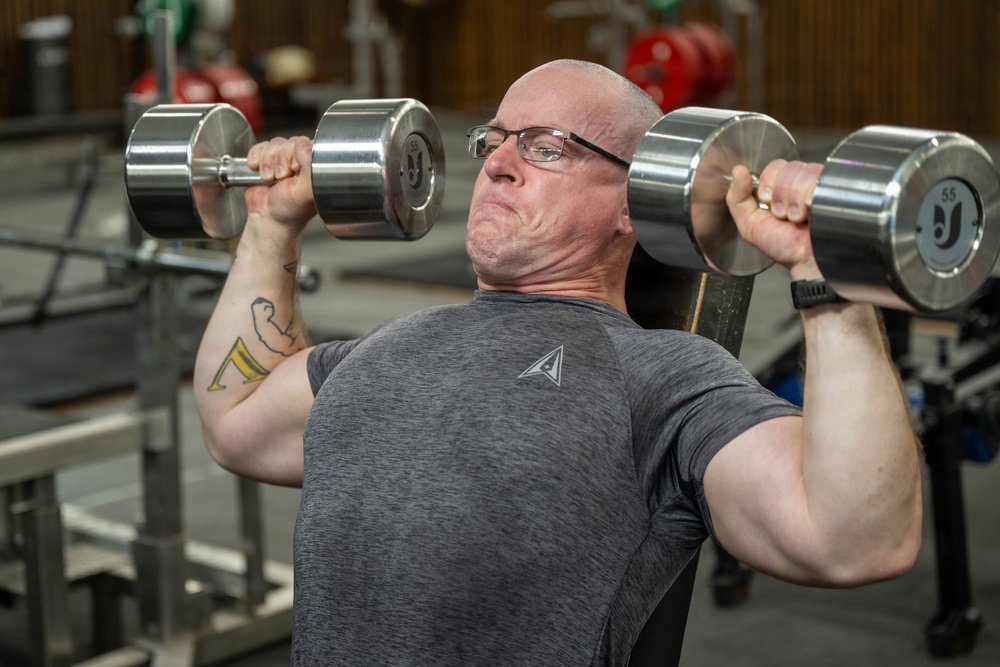
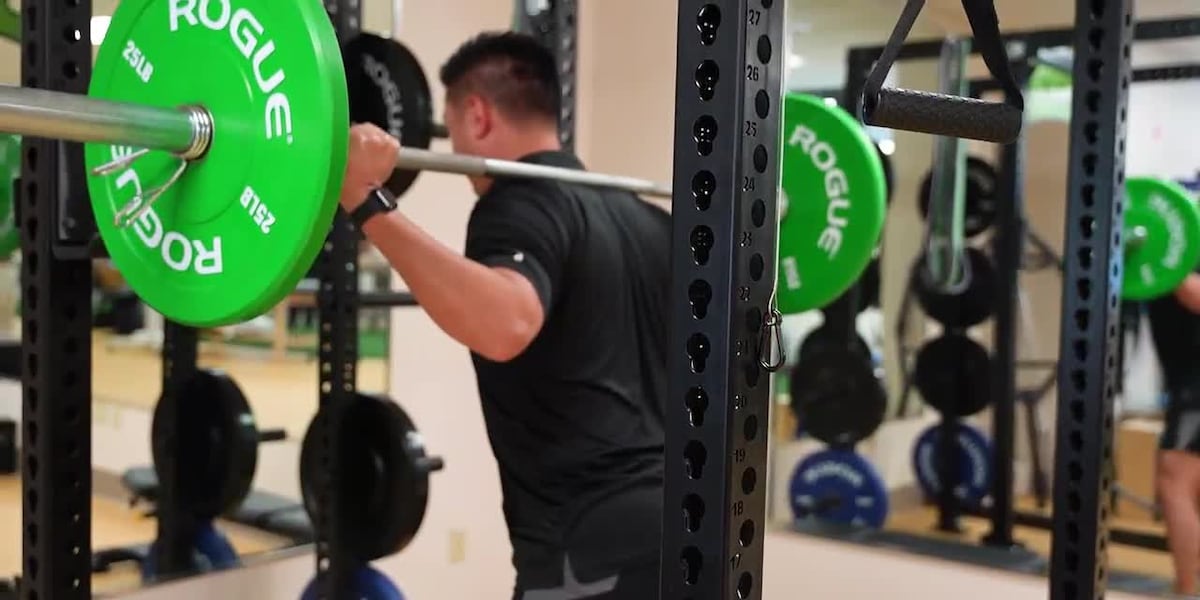
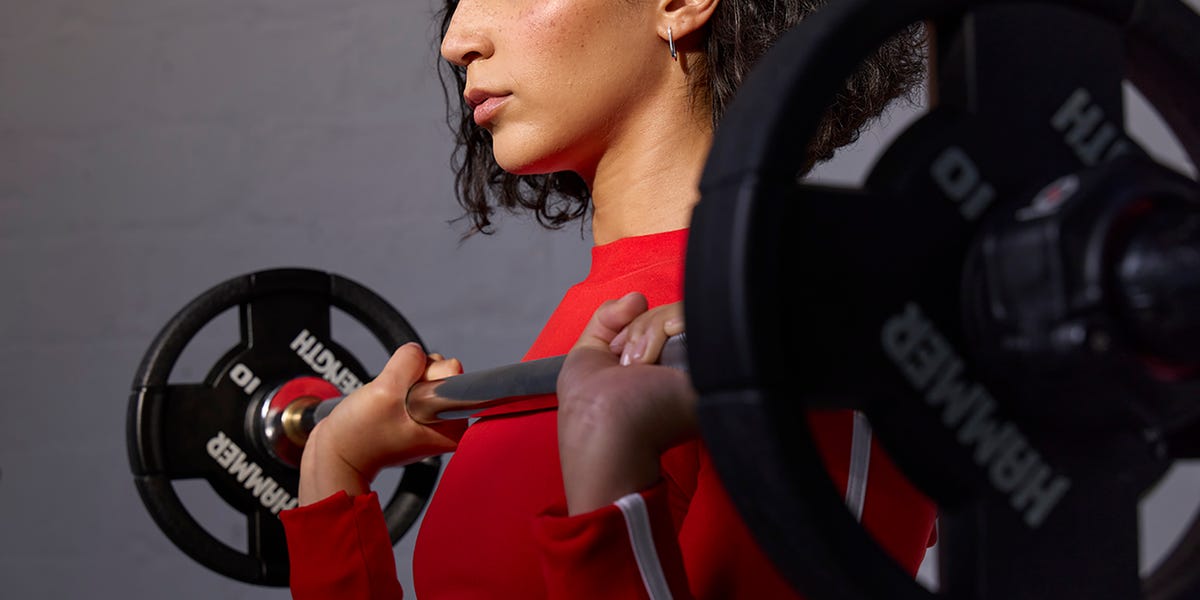
Cardiovascular fitness directly influences a leader’s cerebral blood flow and, downstream, their leadership. Strength training has measurable effects on executive function and processing speed. In turn, sleep quality, which physical conditioning directly supports, governs how effectively a leader’s prefrontal cortex manages complex trade-offs and scenarios under pressure.
Executive Stress Is Part Of Leadership
Whether it’s dealing with boards, navigating social media, raising capital, hitting quarterly KPIs, or something as visceral as protecting your family as a public figure—stress in executive circles is primarily treated as a psychological phenomenon.
Within that lens, it’s frequently prescribed mindset work, meditation, or a better morning routine as the solution. But that framing is incomplete.
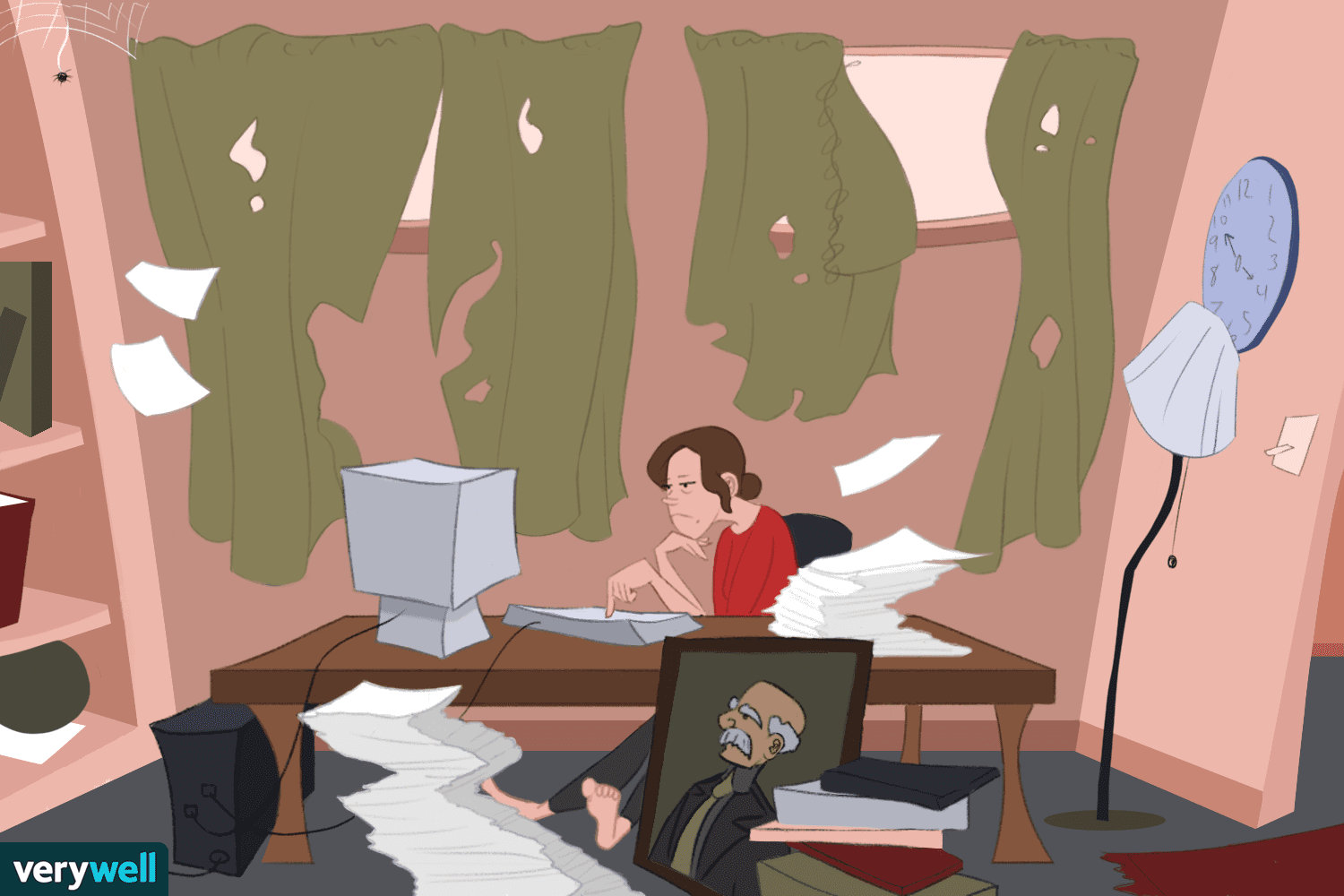
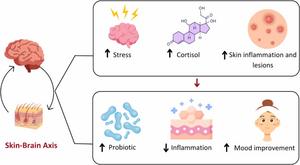
Leaders are constantly in a chronic, sympathetic-dominant state that, if not appropriately managed, can have downstream effects on their cardiovascular health, immune functioning, sleep, and even personal relationships.
Stress and pressure can either expand or contract a leader’s brain and performance. The deciding factor often comes down to durability and resilience, both of which are built through physical capacity.
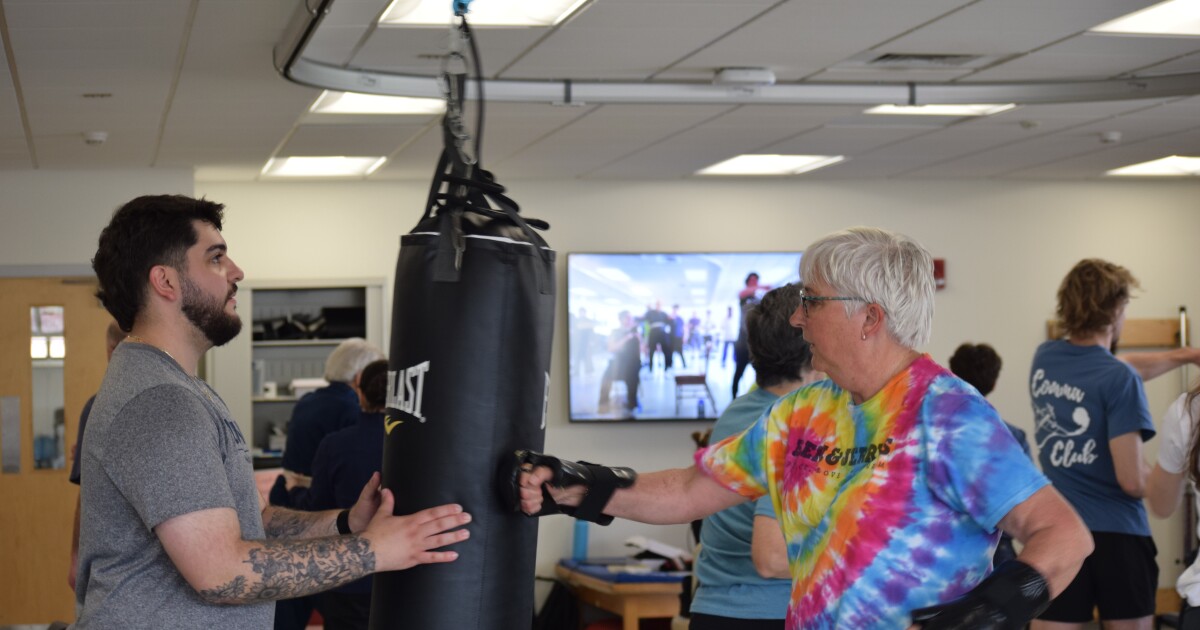
In that way, a commitment to physical fitness and its various metrics offers leaders greater tolerance for the demanding responsibilities of the role. Managing stress starts with building a body that can handle it.
Aging And The Long Game Of Leadership
The conversation around aging often centers on biohackers seeking to lower their biological age through cold plunges, red light therapy, and peptides.
While potentially useful, the concept of aging for leaders is far more practical: how do I continue to lead and perform well in the years ahead?
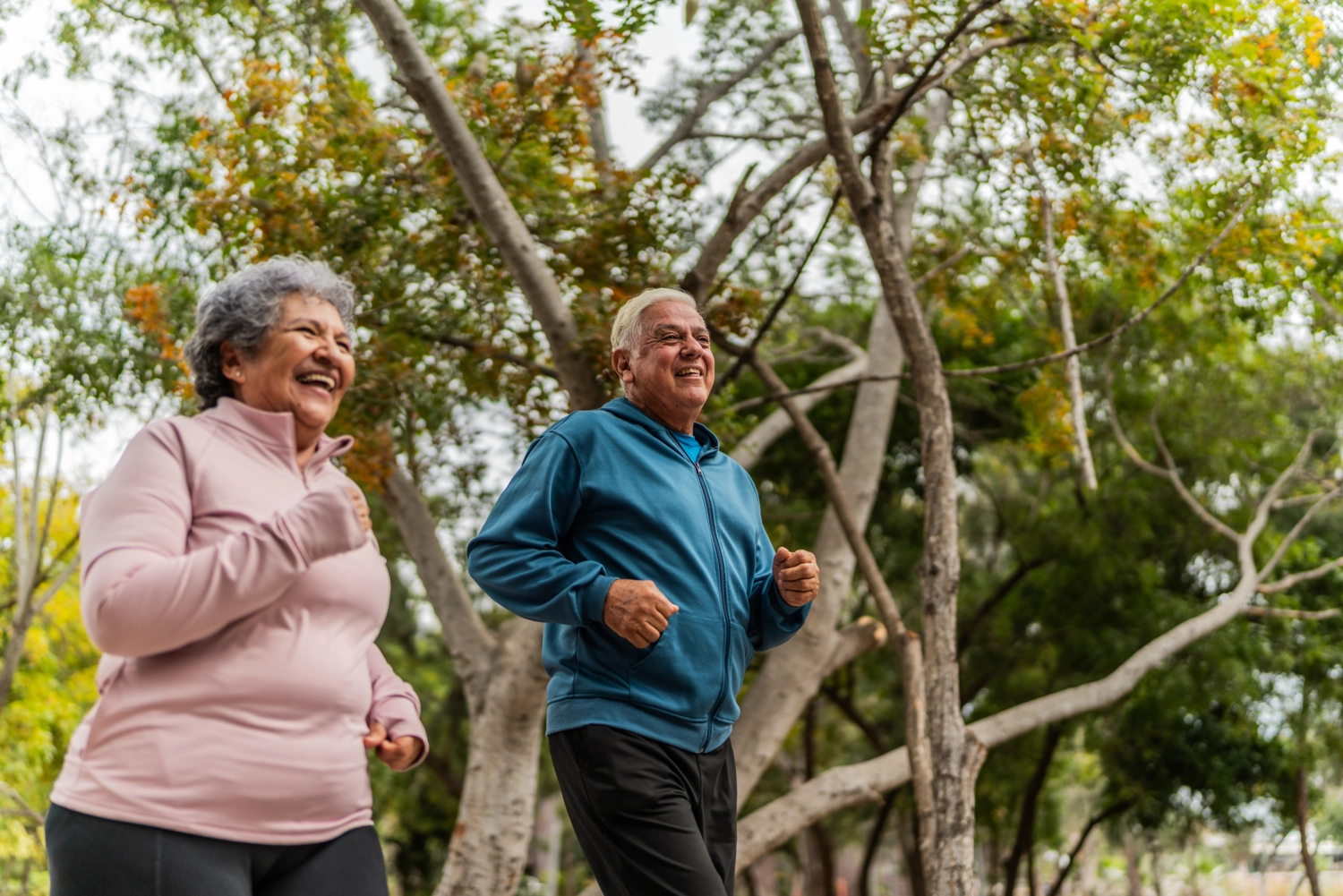
Business is the ultimate sport: individuals can compete at the highest level for decades. It’s never been more feasible for leaders to lead longer. But a longer career doesn’t automatically equate to higher performance. In a macro picture, retirement at 65 is becoming an ancient concept.
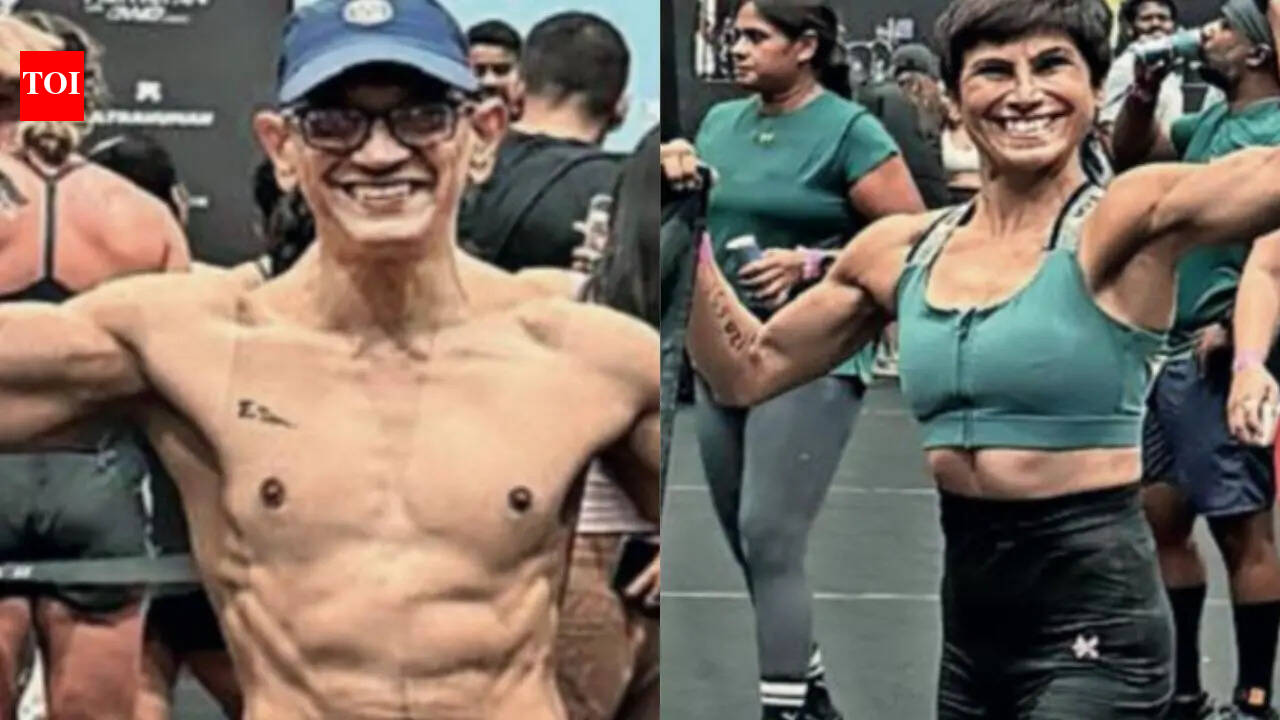
Researchers have introduced the concept of Peakspan to capture this dynamic: the window during which a leader maintains at least 90% of their peak functional capacity. That window is shorter than most executives assume, as mental and physical declines often begin earlier than midlife, while the leader still feels fully capable and engaged.
The executives who lead at the highest level for decades are not defying their biology but investing in it early enough for it to matter. For leaders, investing in physical capacity is akin to dollar-cost averaging: building and ensuring a durable, secure future.
The Competitive Edge In Leadership
Roman poet Juvenal originated the famous Latin phrase Mens sana in corpore sano, which translates to “a sound mind in a sound body.” That standard is as relevant to the modern enterprise as it was to ancient Rome.
Enterprises and boards are continually searching for advantages and opportunities. Hard work is a given, technology has become democratized, and information isn’t gatekept any longer. So the last frontier is the individual themselves.
And that frontier starts with a leader’s physical capacity. The leader who treats physical capacity and overall biology as their most important asset will have something that most of their peers will have lost along the way: the ability to show up and endure fully.
It’s the leadership skill that will matter the most, but won’t be listed on a resume, because physical capacity underpins the role.