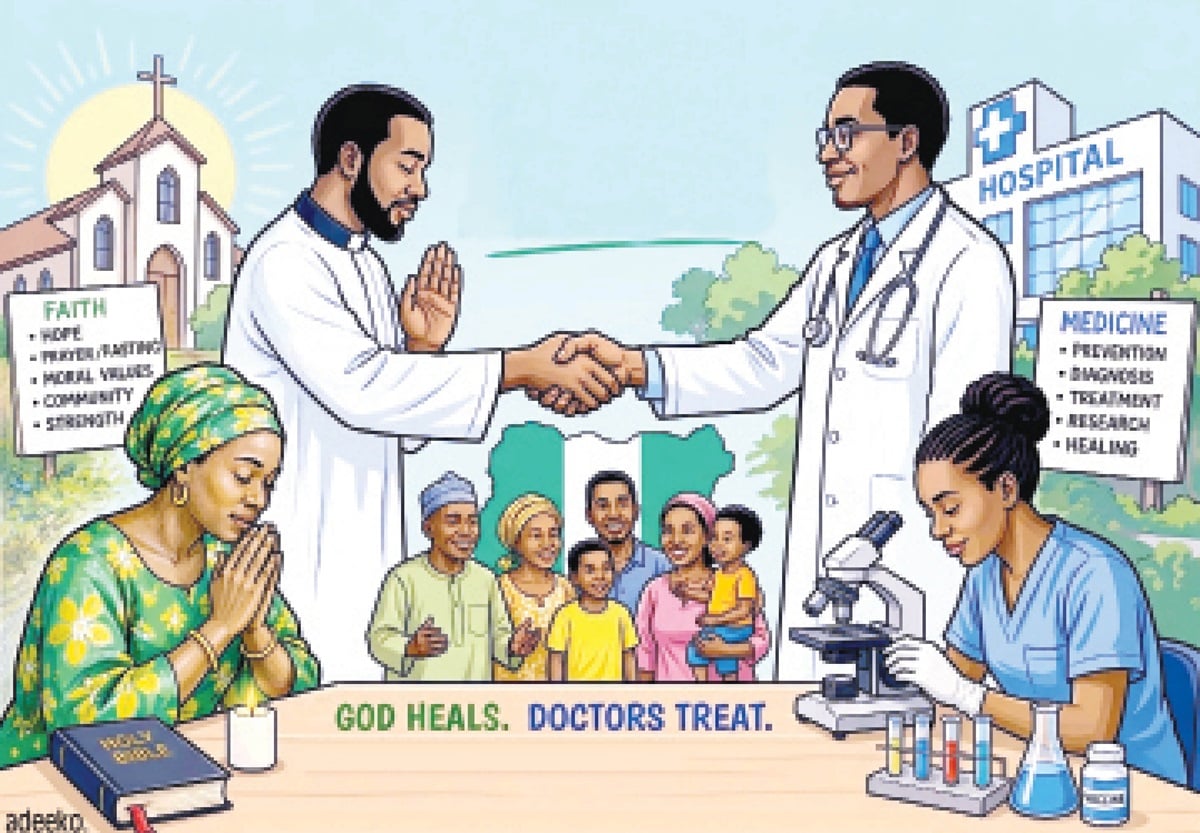
Amid Nigeria’s escalating health care challenges, a growing body of expert opinions is coalescing around a collaborative model that integrates traditional beliefs with modern medical practice for better health outcomes. Proponents argue that embedding spiritual support within evidence-based health care frameworks could yield more comprehensive and culturally responsive solutions to the nation’s deepening public health crisis. Vincent Kuraun reports.
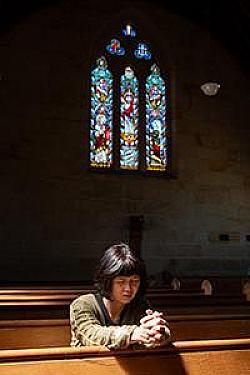
ENVISION a health care environment where compassion flows as freely as knowledge, and the path from illness to health is guided not only by medical treatment but also by a nurturing spiritual connection.
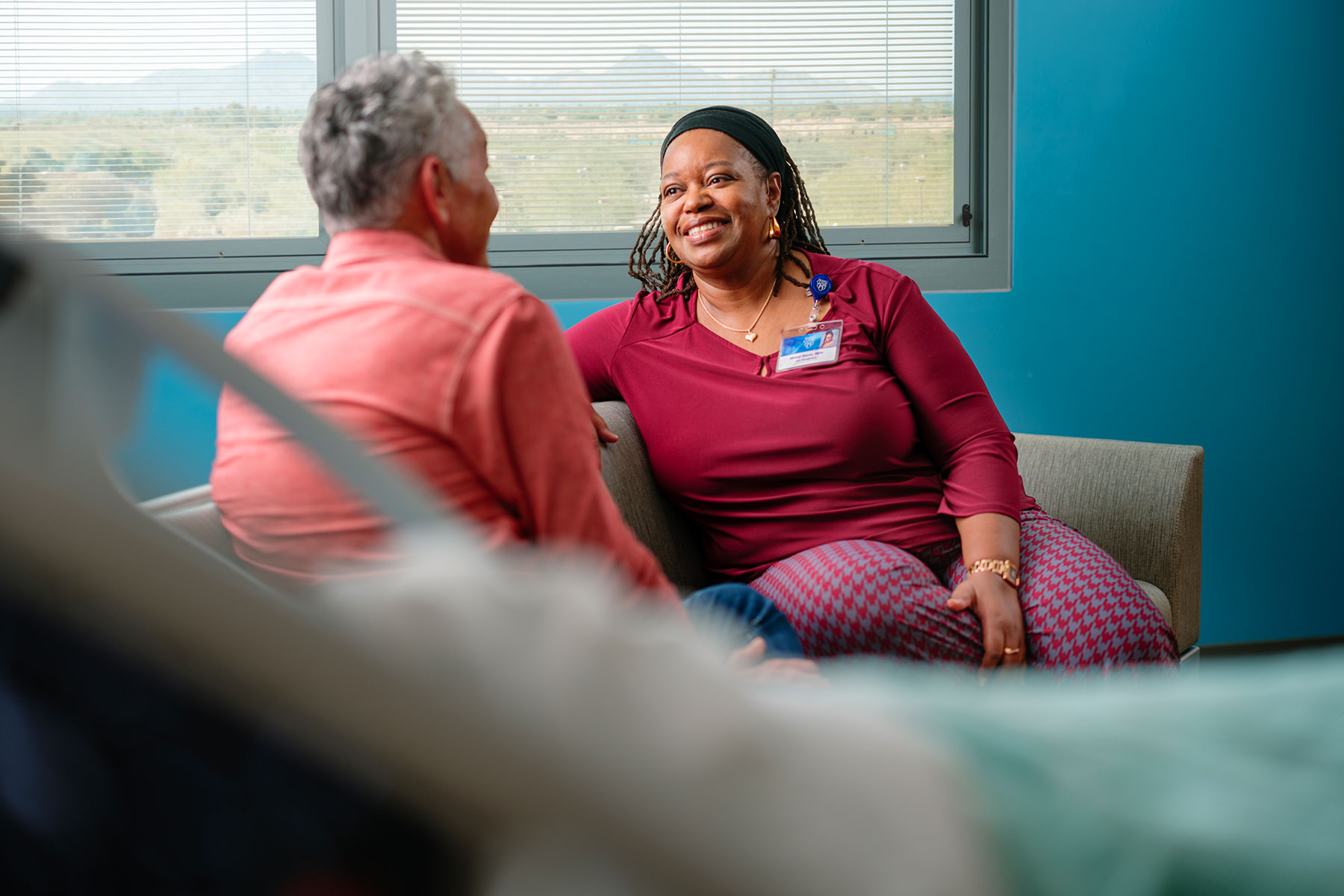
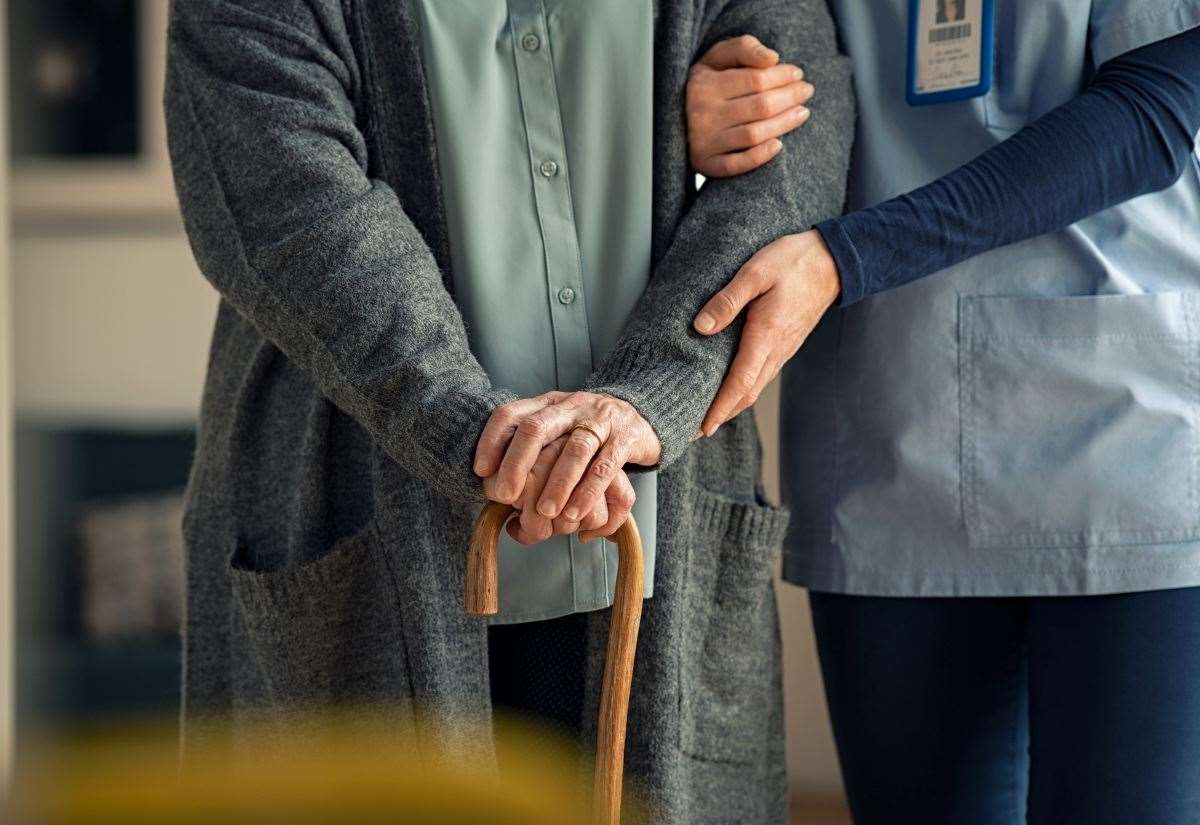
Imagine entering a space where a patient, feeling anxious and uncertain, is welcomed not just by a medical professional, but by someone who recognises their worries and provides comfort that goes beyond clinical care. In modern medicine, these significant moments often arise from blending faith with healthcare practices.
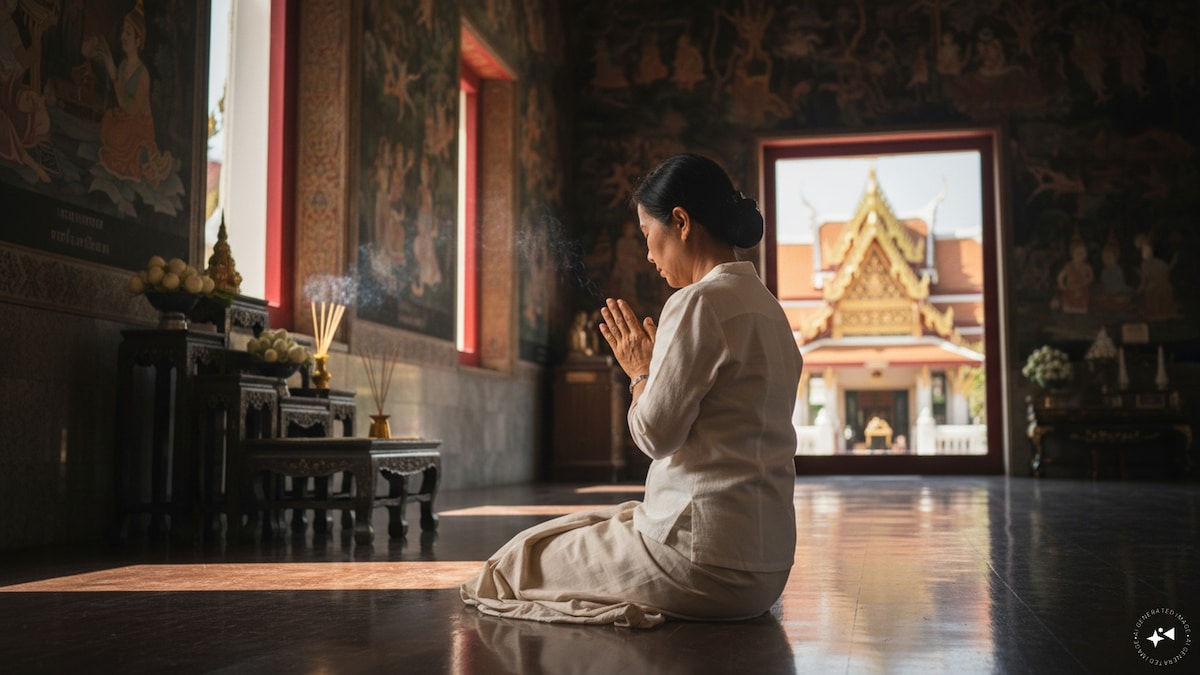
In Nigeria, a nation where spirituality and traditional beliefs intertwine deeply with daily life, the integration of faith and modern medicine is emerging as a powerful catalyst for improving health outcomes. This approach reflects a growing recognition of the significance of holistic health practices that honour both spiritual and medical perspectives.
Studies have shown that many medical practitioners discover that their personal beliefs illuminate their way through the intricacies and demands of their profession. Faith does more than direct; it enriches each interaction with a sense of meaning and kindness that resonates on a personal and collective level.
The kindness and understanding exuded by faith-driven professionals foster an atmosphere where patients feel valued and supported in all aspects of their well-being. This distinctive approach of recognising each patient as an individual rather than just a number builds stronger relationships rooted in trust and hope, even in the most difficult situations.
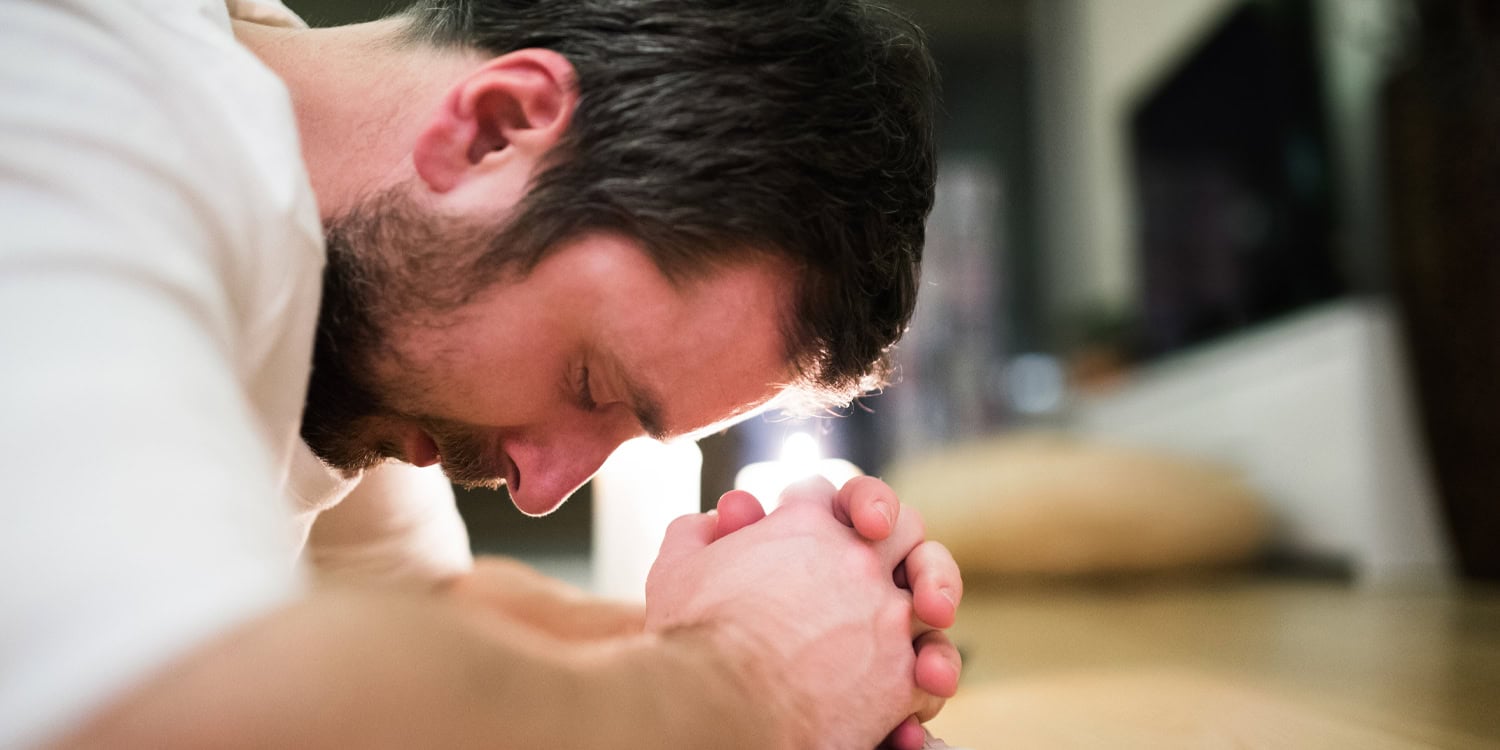
Healthcare providers motivated by their faith elevate standard clinical interactions into remarkable healing experiences, addressing not only physical issues but also nurturing the spirit through moments of prayer, empathy, and emotional support. Their faith serves as a guiding principle, empowering them to deliver tough news and compassionate care with equal sensitivity.
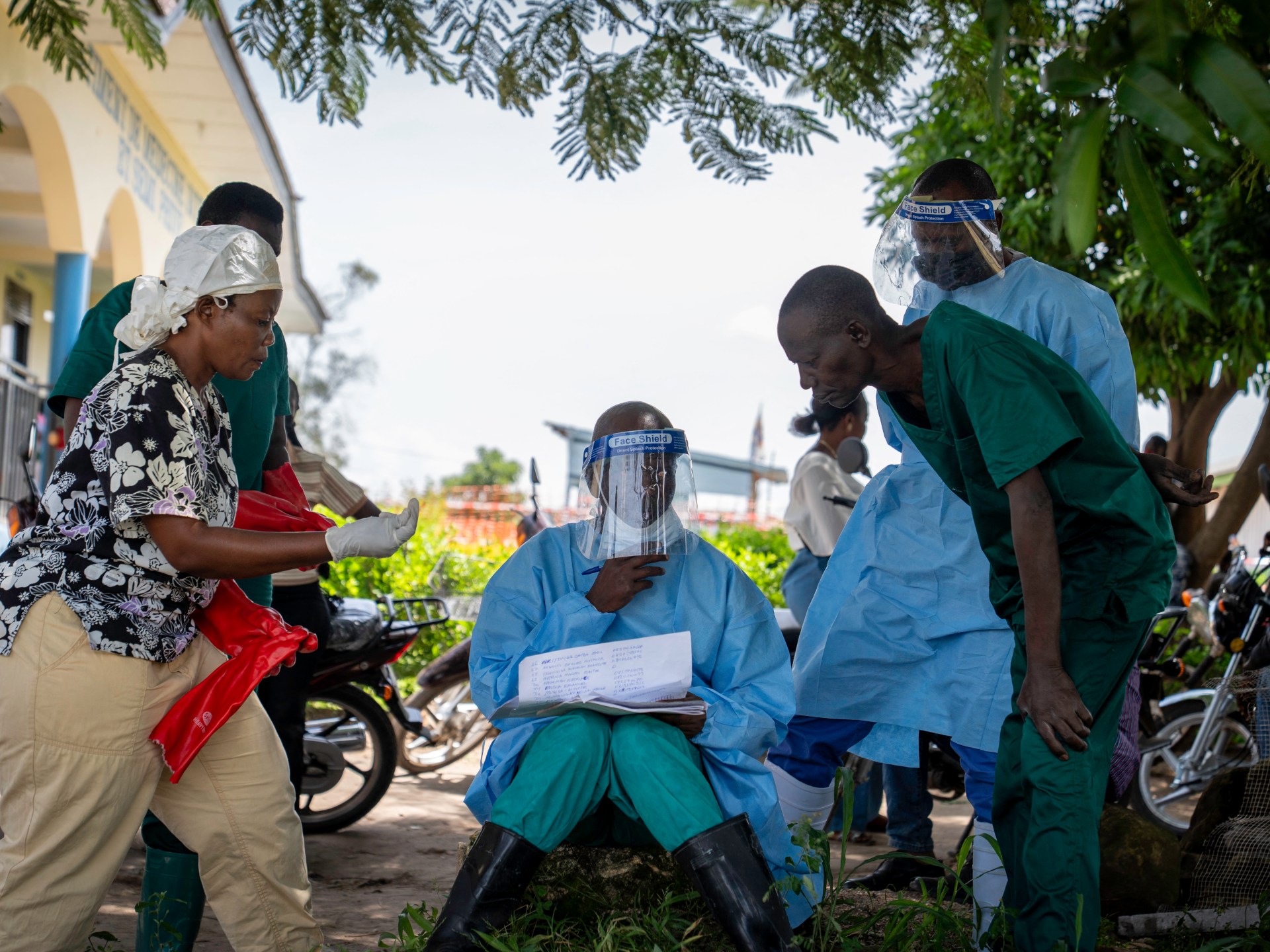
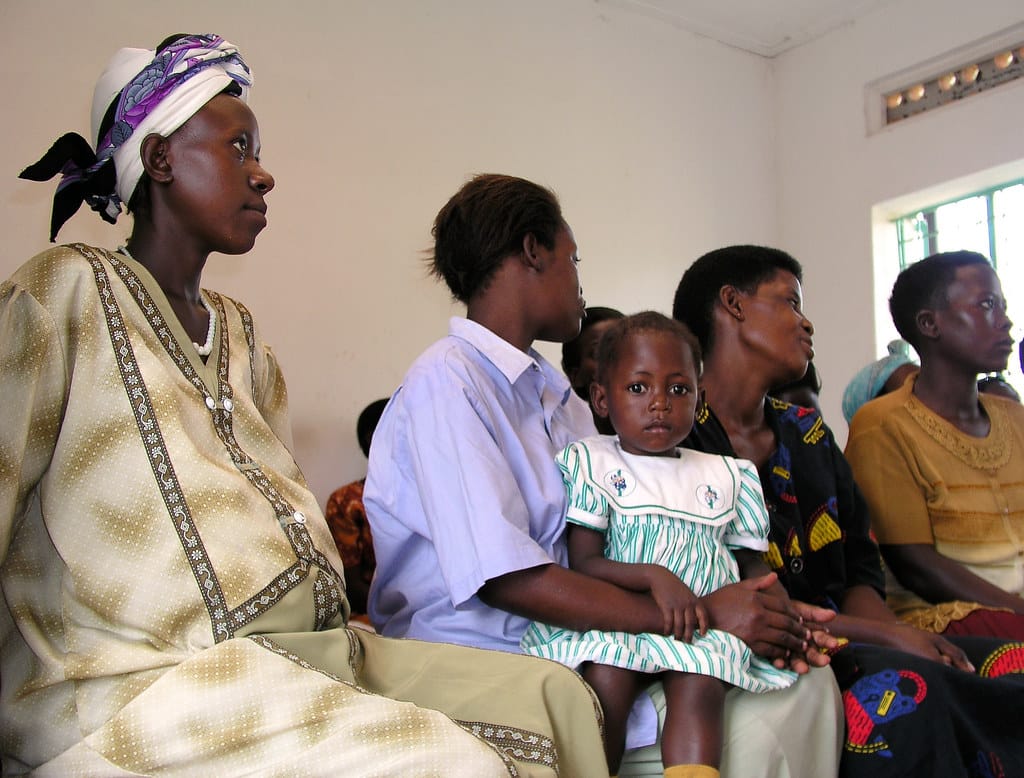
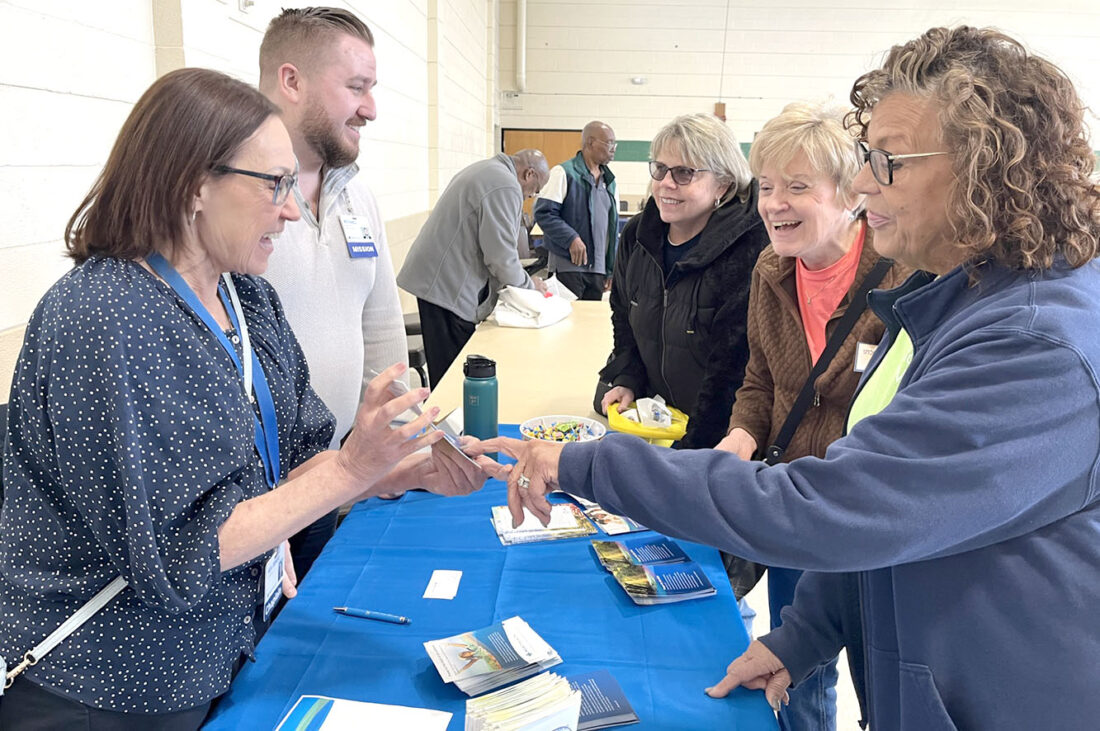
In communities across Nigeria, churches and mosques play a pivotal role in promoting health awareness. Faith leaders often serve as the first point of contact for health issues, providing guidance and support. Many congregations have initiated health programs, offering free medical check-ups, vaccinations, and health education.
By leveraging the trust inherent in these relationships, healthcare providers can effectively bridge the gap between traditional beliefs and modern medical practices.
A complementary relationship
In Nigeria, where healthcare challenges often intersect with deeply held religious beliefs, the integration of faith and medicine can play a crucial role in improving health outcomes. Faith-based organisations have long recognised the importance of combining spiritual care with medical assistance.
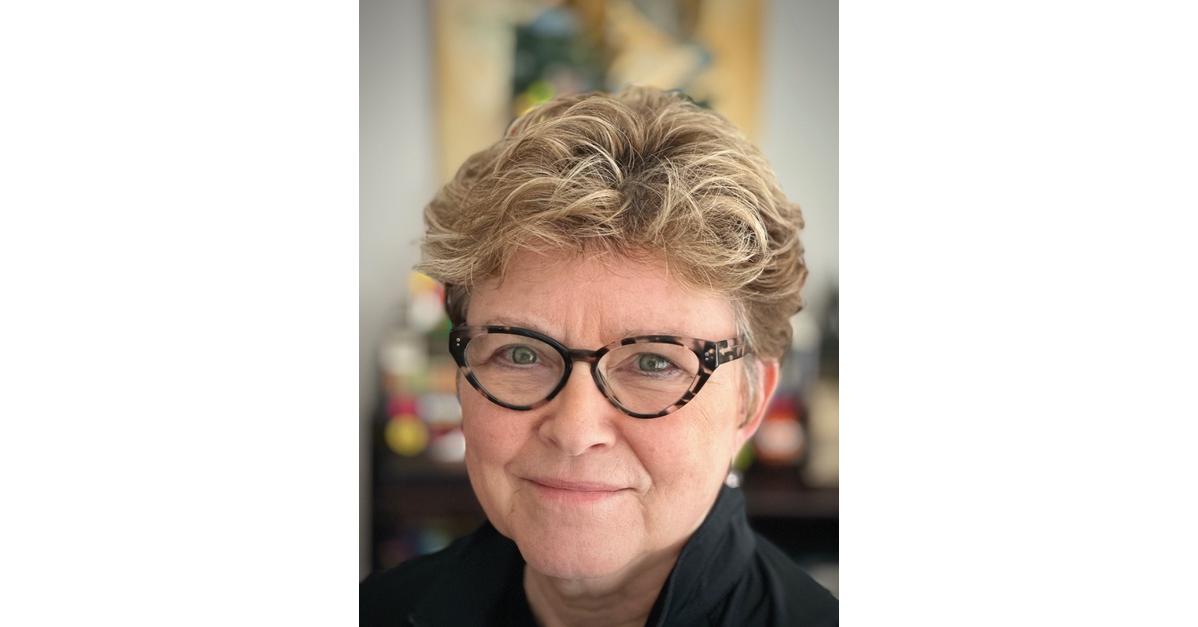
Pastor Eno George, Personal Assistant to the President of the Pastor’s Wife Welfare Organisation International, emphasises this synergy while speaking with Sunday Tribune, stating that faith without action is ineffective.
She articulated that within faith communities, the approach to health is holistic. She believes that while it is essential to trust in God for healing, often encouraging the practice of prayer and seeking the counsel of spiritual elders, it is equally important to acknowledge the wisdom bestowed upon humanity to practise medicine.

This perspective, according to her, fosters a healthy relationship between spirituality and medical intervention, allowing believers to seek both divine assistance and medical care without feeling guilt or conflict.
Addressing the misconception that seeking medical attention indicates a lack of faith, Pastor Eno firmly rebuts this idea, emphasizing that faith should enhance, not substitute, the medical knowledge and services that are available.
Why Nigeria must embrace faith and medicine for better health outcomes
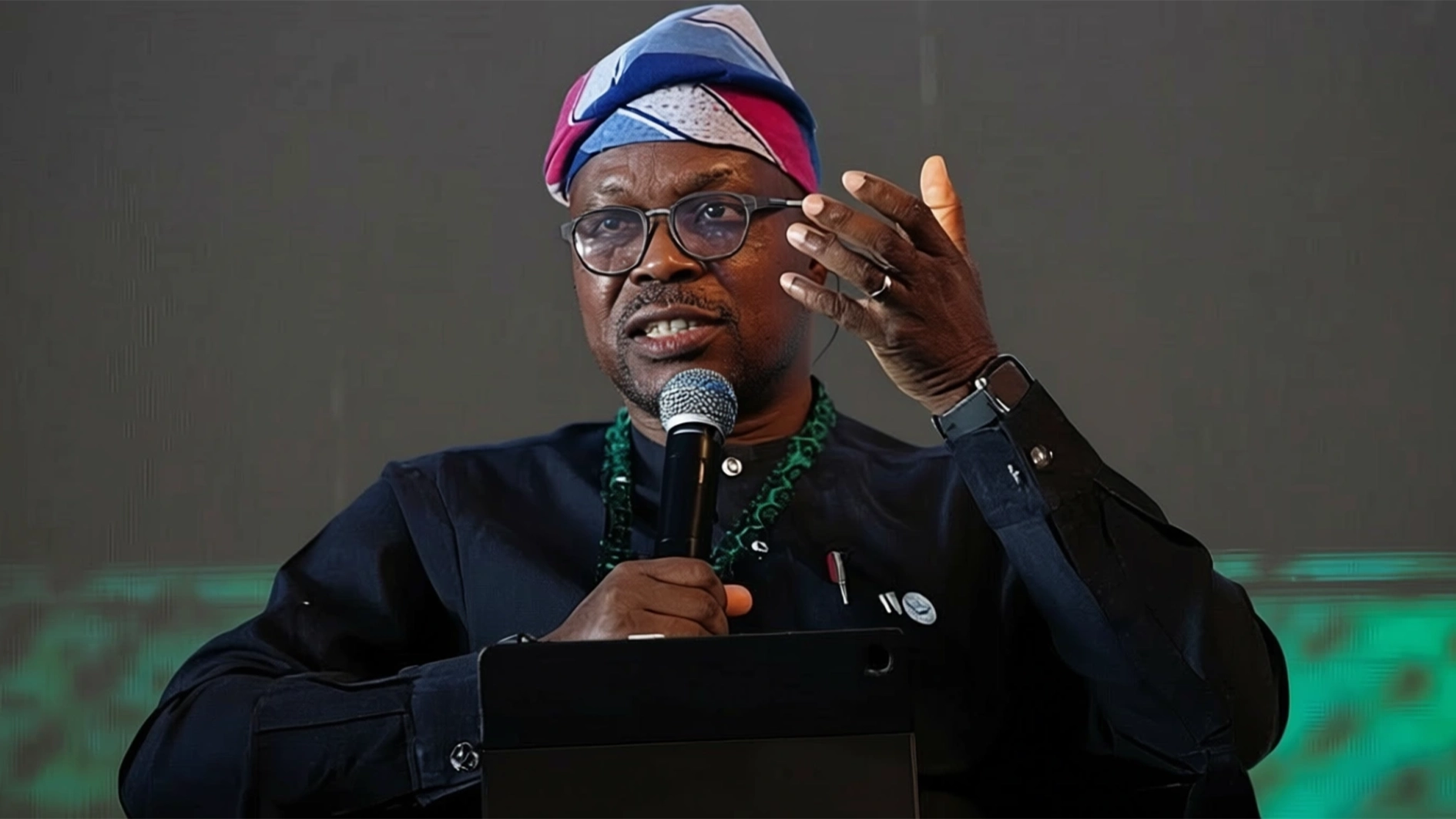
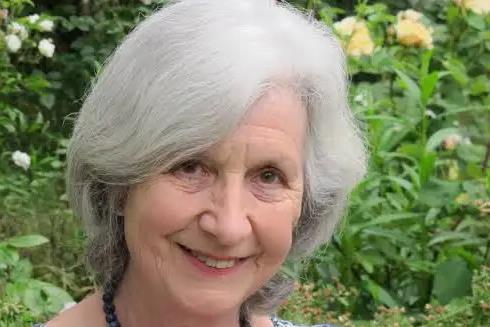
Dr. Charles Adedamola Adeogun, a medical doctor and public health advocate, offers insights in an interview with Sunday Tribune. He emphasises that in Nigeria, religion is intricately interwoven into the daily lives of individuals. He states, “Churches, mosques, and traditional practices provide hope, moral guidance, and a sense of community.”
Faith, he acknowledges, offers strength in times of illness. However, he insists that as a nation, Nigerians must recognise that faith should complement and not replace medical care. “Across the country, countless lives are lost or made worse because people delay seeking proper healthcare, relying solely on prayers, anointed water, or spiritual interventions.
While these can offer comfort and spiritual upliftment, they cannot substitute for antibiotics in an infection, insulin in diabetes, or surgery in appendicitis,” he stated.
“God, in His wisdom, has gifted humanity with knowledge and the advancement of medicine, which must be embraced as part of His provision for healing. There are laid out principles in life that will remain constant in this instance, actions and results.”
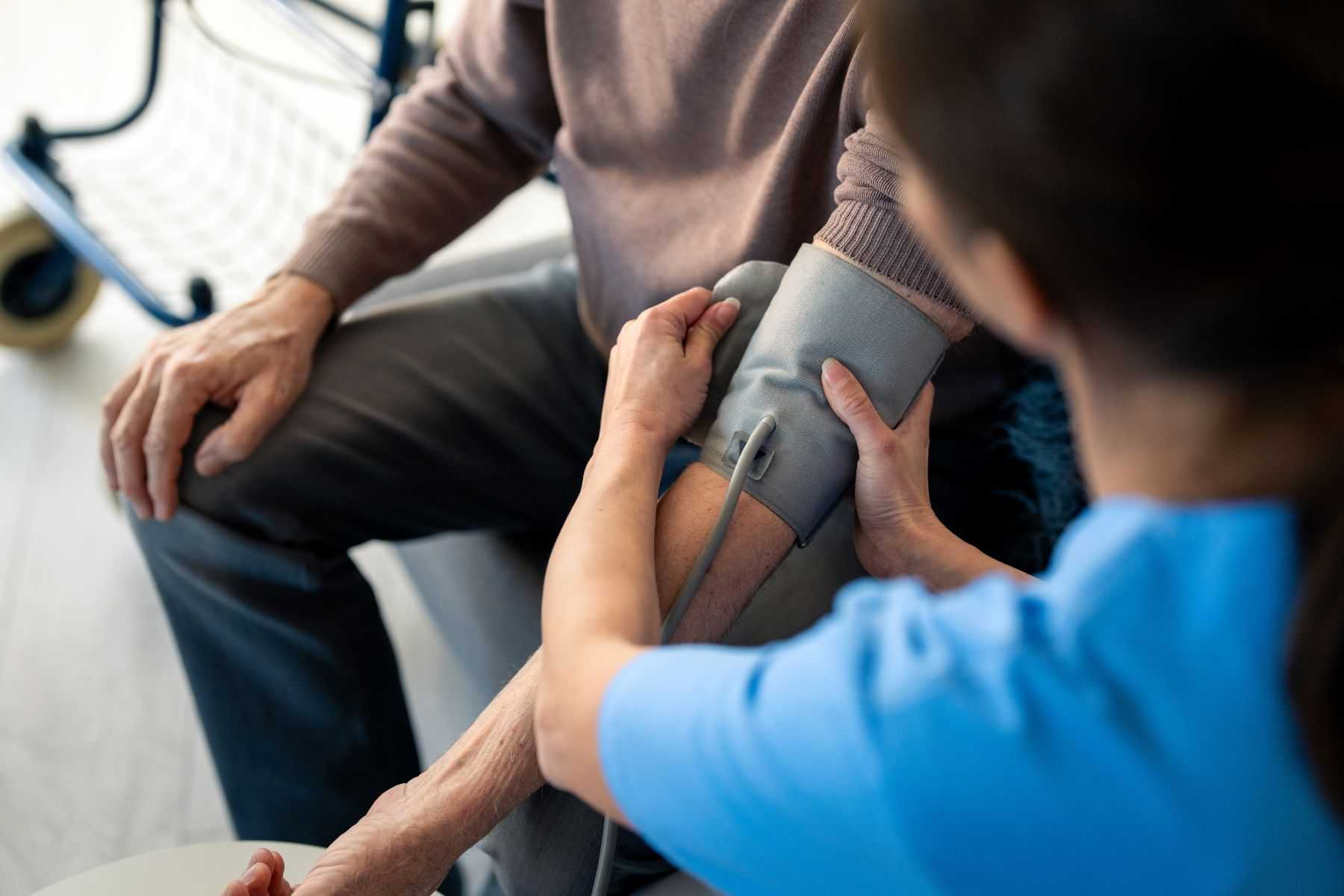
Dr. Adeogun further stressed that health-seeking behaviour is not a sign of weak faith but rather an expression of timely wisdom. “A balanced approach is to pray, but also to check your blood pressure. To fast spiritually, but not to ignore medical advice when managing ulcers or diabetes. To believe in divine healing, yet still attend scheduled screenings for cancers, child immunisations, and antenatal care.
“Proactivity is key,” he stated, noting that Nigerians must cultivate habits of regular health checks, healthy diets, exercise, and timely consultations with qualified professionals as well as good follow-up appointments to monitor their health progress.
“Equally, our religious leaders should champion this balance, encouraging members to use hospitals for early intervention to ensure favourable outcomes. A society where faith and science work hand in hand will reduce preventable deaths and promote longer, more productive and healthier lives.”
“In essence, faith gives us hope, but reason guides our steps. The wisest path is one where prayer strengthens the spirit while medicine preserves the body. That is the balance Nigeria urgently needs. Faith should not negate science and vice versa; they should complement each other and not compete.” He concluded.
Encouraging integration within communities
The integration of faith and medicine can be further strengthened when faith-based organisations actively participate in community health initiatives.
According to Pastor Eno, these organisations are woven into the very fabric of society, providing a platform to transform community norms and values.
Through training and continuous education, faith groups can teach their members about the importance of accessing medical care without compromising their beliefs, demystifying the medical process and encouraging congregants to view healthcare as an essential part of their overall well-being.
“This approach includes educating individuals on managing their health and recognising when professional medical help is necessary, thereby reducing the number of emergency situations that could arise from untreated ailments.”
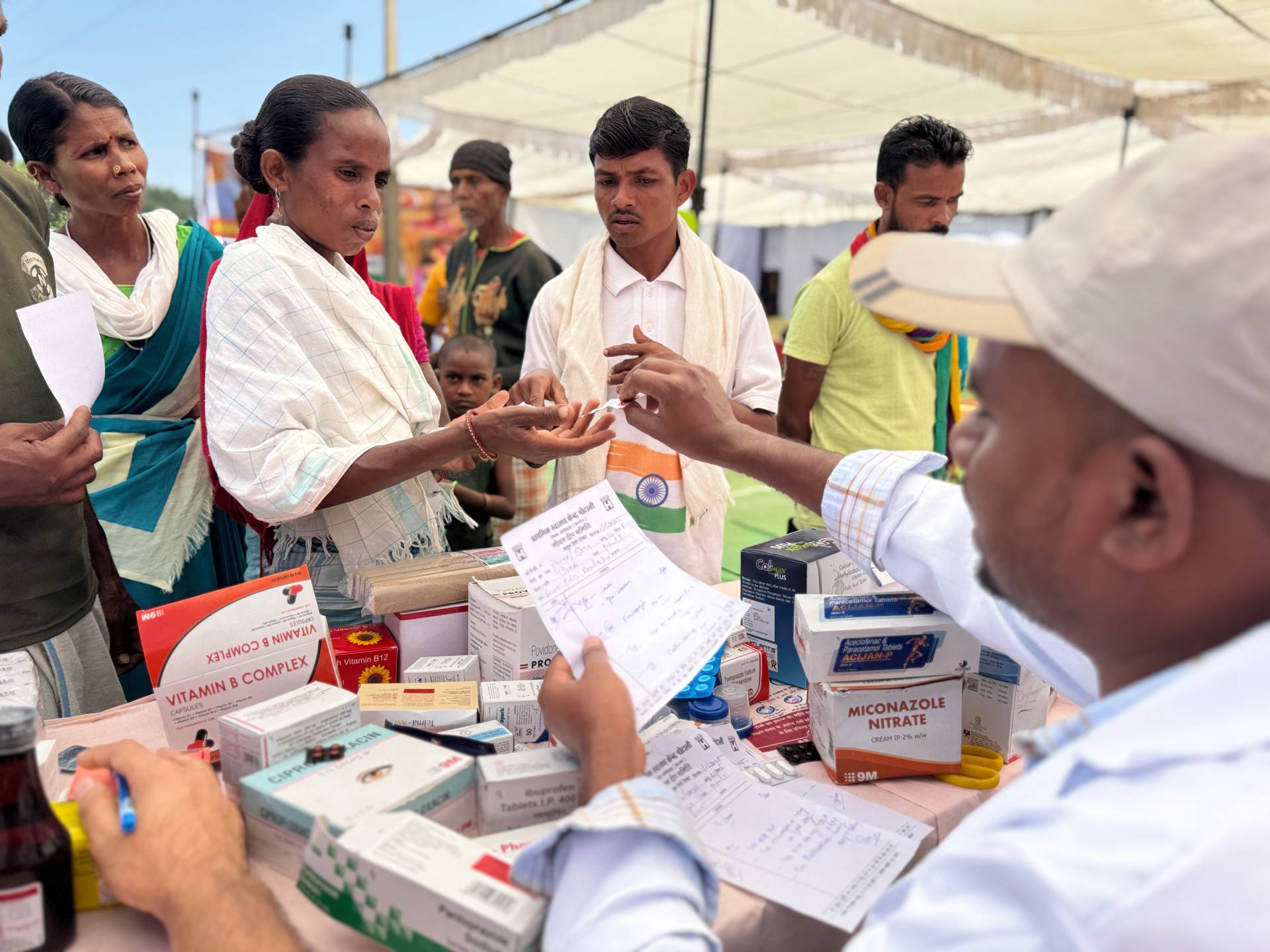
She further noted that faith-based organisations can play a vital role in bridging the gap between medical professionals and the community. Churches can serve as venues for medical outreach programs, inviting healthcare practitioners to provide services directly within the congregation.
She highlighted a specific initiative where health professionals were invited to the church during immunisation seasons to care for children, an effort that not only facilitated access to essential health services but also fostered a sense of community trust in the medical profession.
“By collaborating with local healthcare providers, faith organisations can help dispel myths surrounding medical treatments and create an environment where seeking help is encouraged. This partnership benefits both the healthcare professionals, who reach underserved populations, and the community members, who receive critical health services in a familiar and supportive environment,” she added.
Pastor Eno also shared an inspiring example of a successful health initiative carried out by their organisation. The Pastor’s Wife Welfare Organisation organised a medical outreach specifically for pastors’ wives, female ministers, and other community members at the Church of God Mission, Rukpokwu District Headquarters in Port Harcourt. The outreach was aimed at providing health services and education while emphasising the importance of integrating faith with medical care.
She called for faith communities to develop ongoing health programs that promote both spiritual and physical well-being, regular health screenings, educational seminars, and workshops addressing common health issues.
She also advocated for collaboration with governmental and non-governmental health organisations, noting that pooling resources could give faith communities access to training, funding, and medical supplies necessary for large-scale health programs, including community health fairs, vaccination drives, and preventive health screenings that benefit a broader population.
Adding a compelling and unique dimension to this discourse is Bishop Dr. Priscilla Esosa Igunman, an expert, educationist and ordained minister of God, whose life and work sit squarely at the intersection of faith and medicine.
Speaking with Sunday Tribune, Bishop Dr. Igunman was emphatic: Nigeria must embrace both faith and medicine for the welfare of its people, for their health benefits, and for the building of a safer, healthier society.
“Both play different roles but serve a common purpose,” she said. “Those who are going by faith are getting their healings, recovering their health from different ailments and those who are going by medicine are also getting their healings and their health. So if both are put together without being separated, we will have a healthier society.”
Reflecting on the role of faith-based organisations in health sensitisation and awareness, Bishop Esosa drew upon extensive firsthand experience. She observed that congregation members tend to place profound trust in their spiritual leaders, a trust that, while influential, can at times be exercised in ways that pose serious risks to the health and well-being of those under their care.
“The people or the congregation believe so much in their pastor and because of that, they obey and they yield. For example, we have seen instances where a pastor will say, don’t go to the hospital. And the patients would rather die than go to the hospital.”
She recounted a particularly heartbreaking personal experience to drive the point home. “Personally, I have seen a case where a pastor told a patient that she should not agree to blood transfusion in the hospital. And the lady died because the pastor said so. So if the pastor had permitted it and said, go and take the blood transfusion, that soul would have been saved.”
This, she argued, is precisely why pastors and faith leaders must step up and take responsibility for health education within their congregations. “The role they have to play is to create awareness, teaching, and sensitization about public health campaigns. They could teach about health during services. It is not a sin. It is not bad.
“These are the things they should teach. For example, in my church, on Sundays, we talk about health. And you will discover that there are so many things that the congregation doesn’t know about health. If it’s not being taught, they will not know, and they will know better if it’s being taught by someone they believe in, someone they can obey, someone they can honour. It enables them to put these things into practice because they have heard it from their teacher.”
On the question of how the effectiveness of integrating faith and medicine in health programs can be measured, Bishop Igunman spoke from personal conviction and professional experience. “The effectiveness will be very high because faith works and medicine works. I believe in the two. I use both and I have gotten results either way.
“We have gotten results of cancer, ulcer. We have gotten the results of the sick, the bedridden, standing on their feet again. Also, using medicine, we have gotten thousands of results of people being treated with medicine and they got well. So if both are being integrated into the health sector, the health program of the country or a state, the effectiveness will be high.
“A situation, for example, where a pastor prays on medicine, that is what I do and I get massive results, unbelievable results, praying on medications before administering them to the people, leading the people to God. Do you know that believers have hope? The congregation has hope because they have known Jesus. So if you lead someone that is sick to know Jesus, to have faith in Jesus, to believe in Jesus, whatsoever medicine you are administering to that person will yield a positive impact and result in the life of that person. So, it will be of great effectiveness and the results will be massive.”
Addressing the misconceptions that surround modern medicine, Bishop Igunman said the solution lies in deliberate and sustained education. “By letting the people of God know the benefits of medicine and why they should take medicine.
“For example, faith is to handle the spiritual aspects while medicine handles the physical aspects. We have different reasons people fall sick. As a person, I can broadly categorise these different reasons into two: spiritual and physical. The physical could be stress, lifestyle, food, hereditary factors and all that, while the spiritual factor could be a curse or transgenerational. So if an ailment is rooted in a physical cause and only the spiritual is being applied, we will most likely lose that person to death.
“A congregation that has this understanding will be able to appreciate the benefits of modern medicine. Examples could be cited from our forefathers who suffered a whole lot of diseases. For example, cholera, preventable and curable yet, claimed many lives simply because of their lack of exposure and misconceptions about modern medicine.
“So it is just to create awareness and sensitisation for them to know the benefits. Because if they know the benefits, they will be able to disabuse their minds of these misconceptions,” she concluded.
WATCH TOP VIDEOS FROM NIGERIAN TRIBUNE TV